
Out of This World: 7 Lunar Style Habitats Architects Are Mooning Over
CategoriesArchitecture

Out of This World: 7 Lunar Style Habitats Architects Are Mooning Over

Browse the Architizer Jobs Board and apply for architecture and design positions at some of the world’s best firms. Click here to sign up for our Jobs Newsletter.

Oscar Wilde famously wrote, “We are all in the gutter, but some of us are looking at the stars.” Since the beginning of time, human beings have been fascinated by outer space — the stars, the sun, the moon and everything else in between. For tens of thousands of years, scientists, philosophers, innovators and billions of others have collectively and continuously craned their necks with curiosity and ambition to understand the existence beyond ours that surrounds us.

Space has always invoked an enormous sense of fascination for us mere planet dwellers, and despite the renewed ambition after nearly 50 years to return to our moon’s surface, many architects have channeled their lunar fascinations a little closer to home. The following eight architectural beauties might not hold up under the unrelenting and harsh conditions of space habitation, but they would certainly look the part.


Self-Assembly Geodesic Domes

By FDome, Poland

Popular Choice Winner, 9th Annual A+Awards, Architecture +Small Living

Self-Assembly Geodesic Domes by FDome, Poland Photographs by Steven D’Avignon

Domes have far and away been the structural representation of choice when film directors depict our eventual habitation of other planets, and Poland-based FDomes self-assembly Geodesic Glamping domes show us how cozy such a home could be. Versatile and portable, the tented structures blend perfectly into the surrounding landscape and boast spacious interiors. Fully-fitted bathrooms, kitchenettes and a functional loft bed, with an option to connect one or more domes, mean that while these domes might not be suitable for space habitation, they’d be an excellent addition to the back garden.


Residential House in Kaunas

By Architectural bureau G.Natkevicius and partners, Kaunas, Lithuania
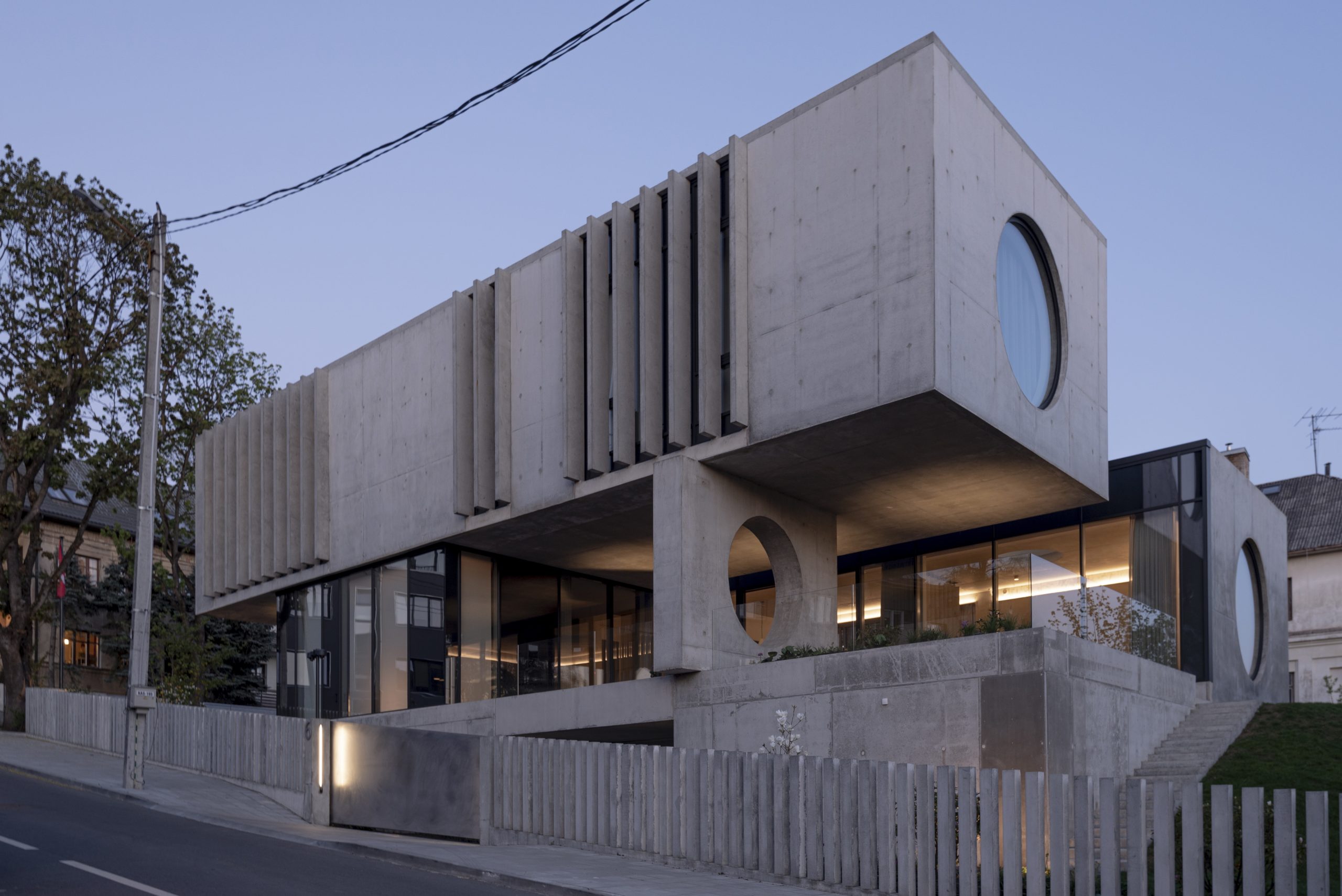
Unless I’ve missed something vitally important, I think we can all agree that wherever the planet that humankind eventually relocates to, trees and timber could be challenging to come by. It’s therefore easy to imagine that stone and concrete-like conglomerates will more likely be available and, therefore, favored in such an environment. 

With a distinct familiarity with Kisho Kurokawa’s Metabolist Icon this two-story family home in Kaunas is a modernist dream, circular windows included. The reinforced concrete structure is robust and industrial in design yet retains a pure form, while its unfussy facade and muted pallet inside and out give a sense that the monolithic building would be right at home on the surface of Luna. 


Casa de los Milagros (House of Miracles)

By Naser Nader Ibrahim, Coatepec, Mexico 
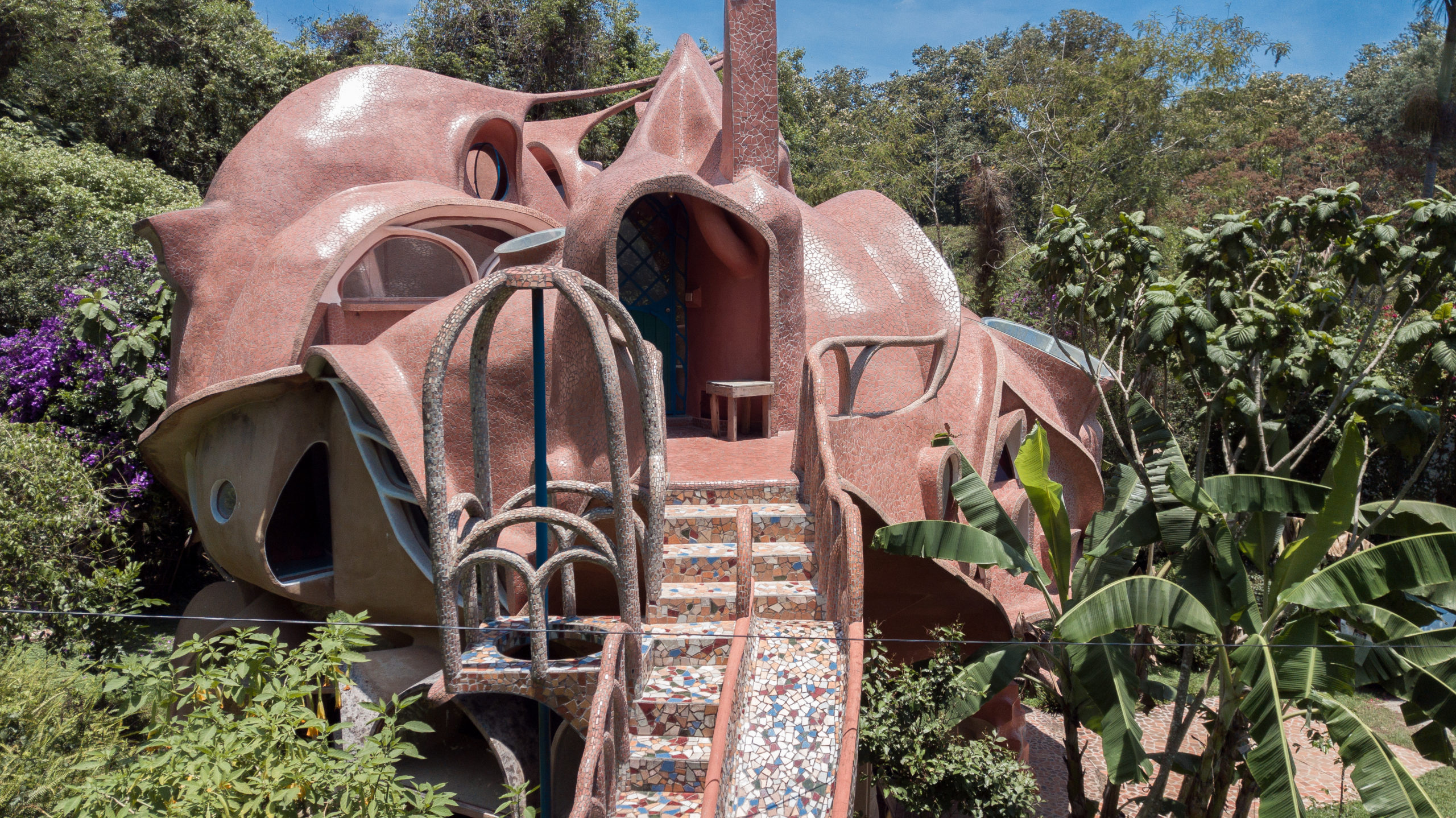
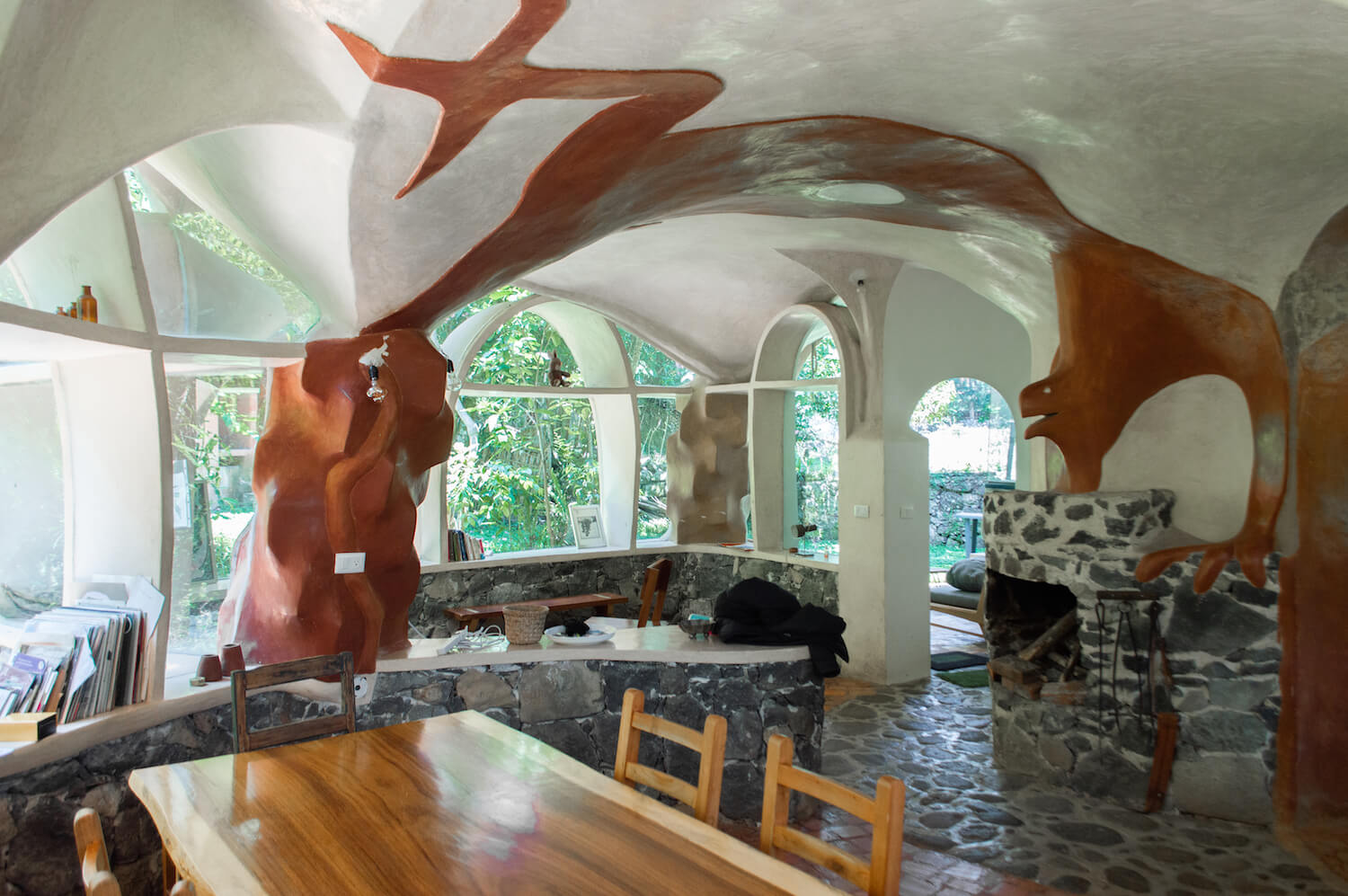
Casa de los Milagros (House of Miracles) By Danilo Veras Godoy, Coatepec, Mexico Photographys by Naser Nader Ibrahim

Casa de los Milagros (House of Miracles) has, according to the owner of the unique dwelling, been referred to as a mushroom, an octopus, a bat cave, a flower, a snail shell, and even a meringue. The bizarre shape gives the building an organic yet otherworldly appearance.

Built in stages and without a traditional blueprint, the low-cost family home is the product of long conversations between owner and architect alongside a build-as-you-go strategy. “What are your wildest dreams?” was the starting point, and answers involved slides, fire station poles, a salamander-like creature creeping toward the fireplace on the ceiling, wombs with a view, meaning elevated nest-like sleeping quarters with windows for stargazing at night and sun-greeting in the morning and on a more traditional note — a light-filled kitchen.


Niki-H

By Seisho Takashi Architect’s Studio, Hokkaido, Japan

If we were to take timber to Earth’s Moon or even Mars, we’re probably going to have to be pretty frugal with its use. Niki-H by Seisho Takashi is an excellent example of exemplary woodworking on a microarchitecture level that shows how the potentially luxury commodity could be adopted for structure building economically.

The petite yet robust structure was designed for wine-making settlers in the notoriously wintery Hokkaido. The recessed building sits below the 23 inch (60 centimeter) freezing depth of the ground. At the same time, the 60-degree pitch of the roof helps the minimal home withstand any heavy snowfall. An open-plan interior bookended by two huge windows allows the cozy space to be filled with light and, most importantly, warmth when the sun shines.


Desert House

By AyEh, Qeshm Island, Iran
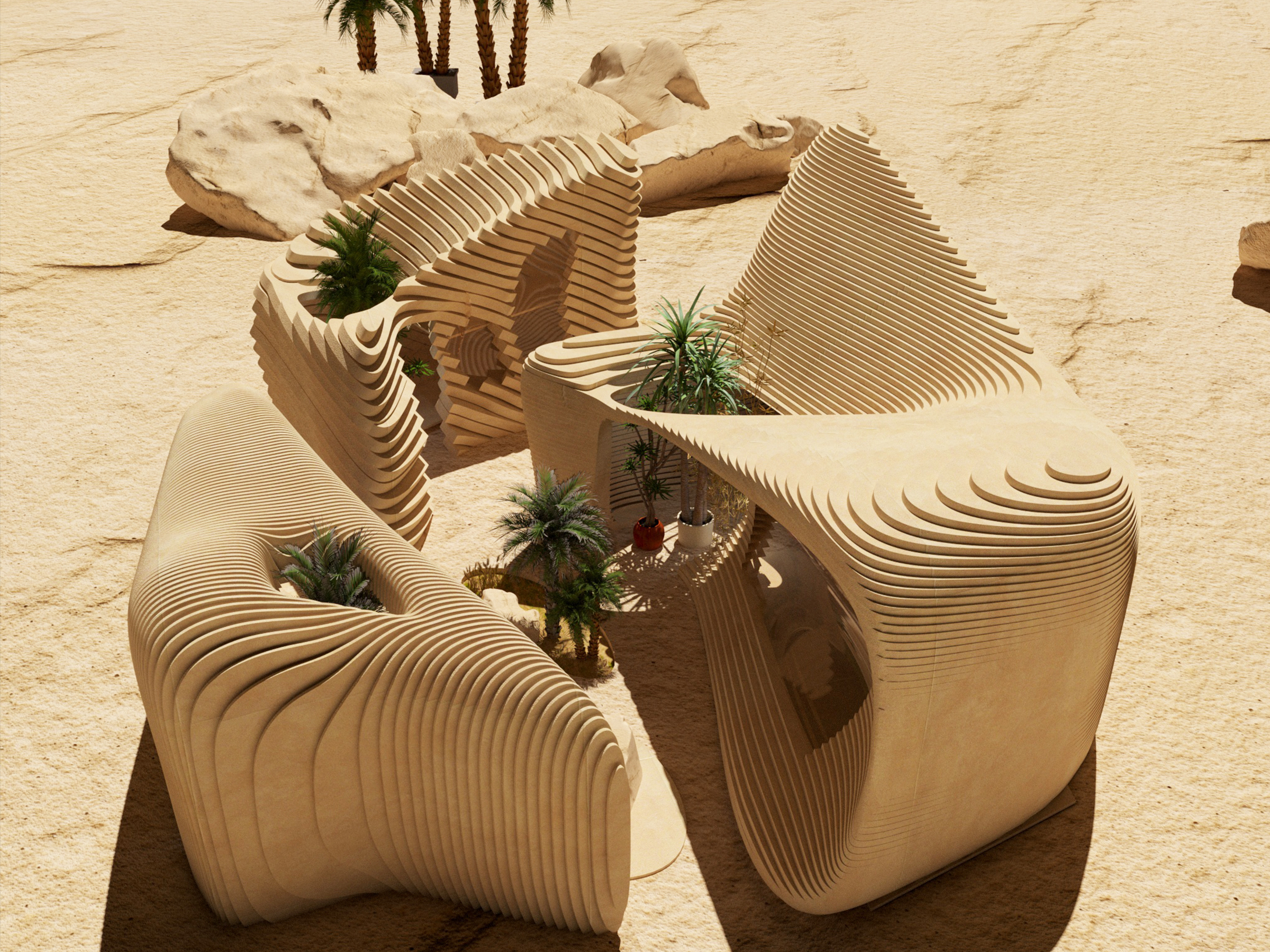
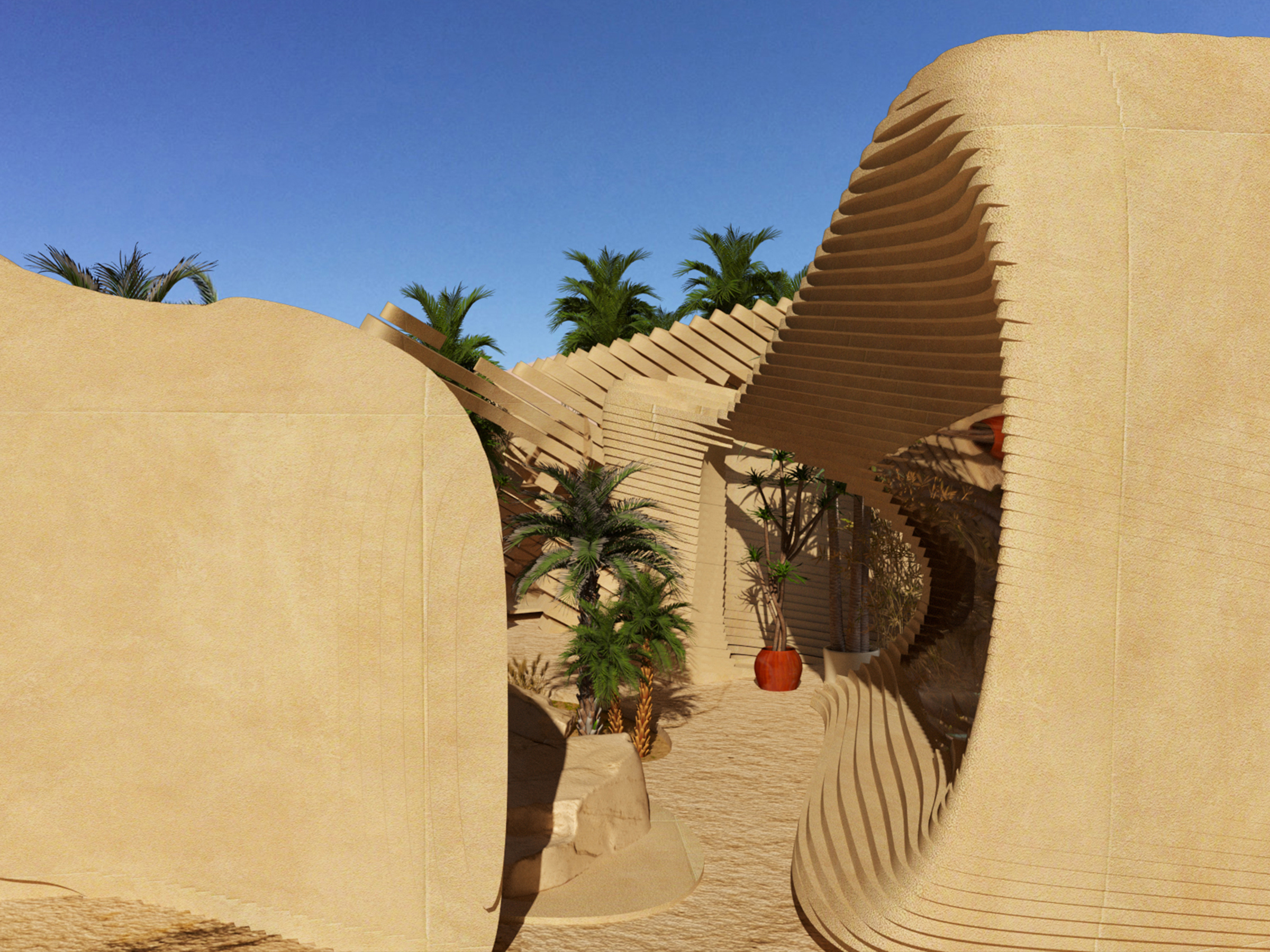
Desert House by AyEh, Qeshm Island, Iran Images by AyEh

So let’s say we’ve sorted out the whole “doesn’t have an atmosphere problem” on Mars, or maybe we’ve found our very own Arrakis (minus the giant killer worms)— the unusually formed Desert House by AyEh looks to be the perfect home for such a warm, dry climate.

Located on Qeshm Island, the series of buildings concentrate on providing thermally comfortable indoor and outdoor environments adopting many traditional thermal strategies to work harmoniously with the landscape and location, not against it. Each of the three buildings contains individual features of the dwelling but is arranged according to wind circulation, sun direction and cross ventilation. These clever decisions create areas indoor and out which can be enjoyed at all times while continuing to support the abundant plant life proposed for the property.


Sedona Moongate

By SWABACK pllc, Sedona, AZ, United States
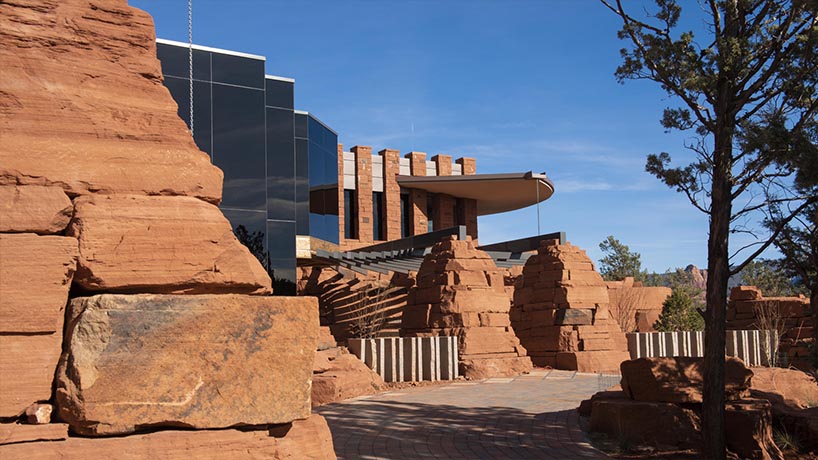
Sedona Moongate by SWABACK pllc, Sedona, AZ, United States Photographs by Dino Tonn
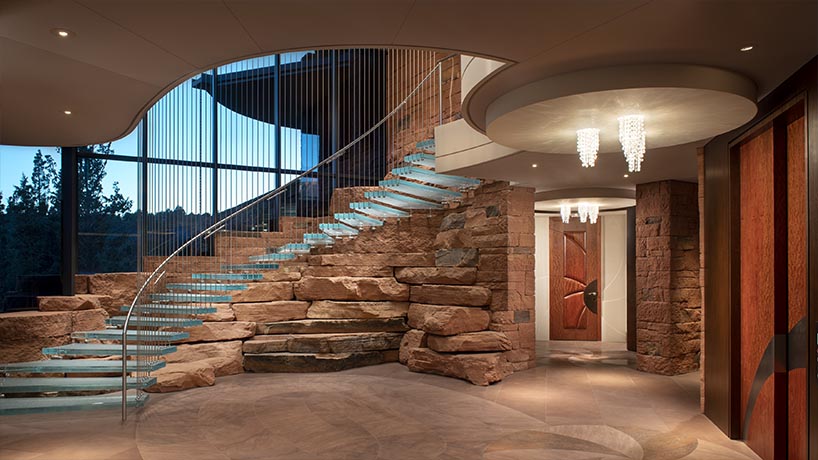
Unfortunately, just because we made it out to the stars, it’s doubtful that we would abandon capitalism altogether, and the aptly named Sedona Moongate gives us a glimpse of what a Mars mansion for the exceptionally wealthy space dweller might look like.

Actually located firmly on Earth in Arizona, Moongate residence seemingly rises out of the red rocks. The house—two half circle wings joined by a rectangular glass box entryway and gallery—includes sweeping and graceful roof overhangs, canted just so to shade windows and balconies during the summer while allowing winter sun to saturate the interior. At the entryway, the massive stacked sandstone base—invisibly mortared—gives the effect that the structure was built into an escarpment. Extensive oversized, cascading stonework and cabinetry enrich the interior, but the foyer’s glass staircase, suspended by steel rods, is the home’s pièce de résistance.


The Almanac

By Sweco Architects, Denmark
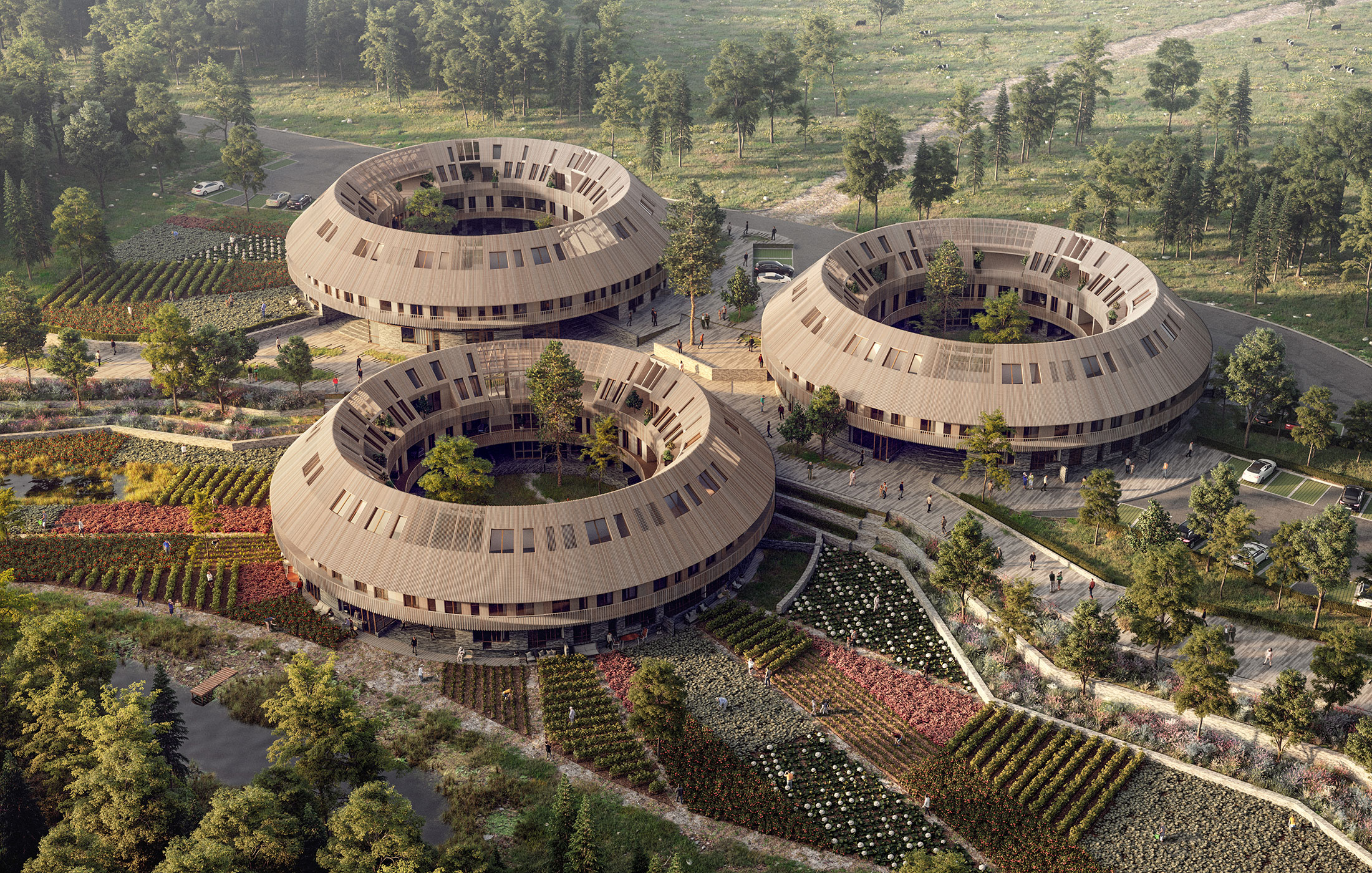
Lastly, what would space colonization be without community and a healthy sense of togetherness? My guess: Pretty short-lived and unsuccessful. That’s why the Almanac concept by Danish Architects Sweco might be the answer to our interplanetary future dreams.

By adopting community as the focal point for the housing of the future, the architects drew inspiration from the traditional location-based calendar – an almanac. In the project, housing communities are arranged in housing clusters around a common courtyard. The housing clusters are then bound together by larger surrounding urban landscape spaces, where communities of varying sizes utilize the surrounding landscape and connect themselves with the surrounding housing clusters.

Speaking on the unusual design architects and innovation manager at Sweco Architects, Karl-Martin Buch Frederiksen said, “Communities are often at their best if they are tangible and manageable. If they become too large, we easily lose the sense of togetherness and responsibility that is the prerequisite for us to share a universe. In addition, it is our experience that the community thrives best when it is not something that is expected of others, but instead stands as an enticing daily alternative. It is the awareness that has been our starting point in the work on the project.”

Browse the Architizer Jobs Board and apply for architecture and design positions at some of the world’s best firms. Click here to sign up for our Jobs Newsletter.


Reference

Free Webinar: How to Estimate Fees (An Architect's Guide to Success)
CategoriesArchitecture

Free Webinar: How to Estimate Fees (An Architect’s Guide to Success)

Architects: Ready to start mastering fees and better understand what they mean for your bottom line? We’re excited to be joined by Douglas Teiger, FAIA, founder of Teiger Consulting, for an insightful new webinar that will demystify the process and help you (and your firm) become more profitable.

As a bonus, architects can receive 1 AIA Continuing Education Credit for this event, courtesy of BQE! Hit the button below to sign up for the talk, which will take place at 1pm EST on Wednesday, February 8th:

Register for Event →

In this free live session, you will learn how to define your project scope, develop a Rough Order of Magnitude of construction cost, and estimate your project hours. We’ll finish off with how fees are broken down and explore a simple system to improve your overall project profitability.

By the end of the session, you will learn how to:

  • Identify the correlation between project scope, estimated cost of project, and fee.
  • Develop a Rough Order of Magnitude (ROM) of construction cost in a simple way.
  • Create a top-down approach to fee estimation based on a percentage of costs as a guideline.
  • Estimate fees whether hourly or fixed fee projects.
  • Define how many hours you have in each phase and how to manage those hours.

Join Douglas and Paul for what promises to be an engaging presentation — there will also be an opportunity to ask Douglas any questions you may have around estimating fees, improving your profitability and more. You can register for the talk here — we hope to see you there!

About Douglas

Douglas Teiger, FAIA, graduated from Cornell University, in 1982 with a BARCH. He opened his own firm in 1989 and grew from a solo practitioner to become managing partner of his 32-person firm. In 2009, Douglas received a Master’s in Spiritual Psychology from USM, where he learned tools and skills he is sharing with his staff and clients. His ability to effectively streamline the operations allowed for more time to be spent on design and project research while creating a culture that fosters a holistic approach to a work life balance.

In 2017, he served as President of the AIA Los Angeles Chapter and previously served on the AIA National Strategic Council. In 2019 Douglas transitioned out of his firm elevating three associates to partners, sold his shares and started his next venture, Teiger Consulting. Douglas’s mission is to “live an inspiring balanced life” whether it involves family, coaching, consulting, painting, or sports.

About Paul

Paul Keskeys is Editor in Chief at Architizer. A registered UK architect, Paul graduated from UCL and the University of Edinburgh, gaining an MArch in Architectural Design with distinction. Paul has spoken about the art of architecture and storytelling at many national industry events, including AIANY, NeoCon, KBIS, the Future NOW Symposium, the Young Architect Conference and NYCxDesign. As well as hundreds of editorial publications on Architizer, Paul has also had features published in Architectural Digest, PIN—UP Magazine, Archinect, Aesthetica Magazine and PUBLIC Journal.

Register for Event →

Reference

Black and White building made from mass timber
CategoriesSustainable News

Waugh Thistleton Architects designs mass-timber Black & White Building

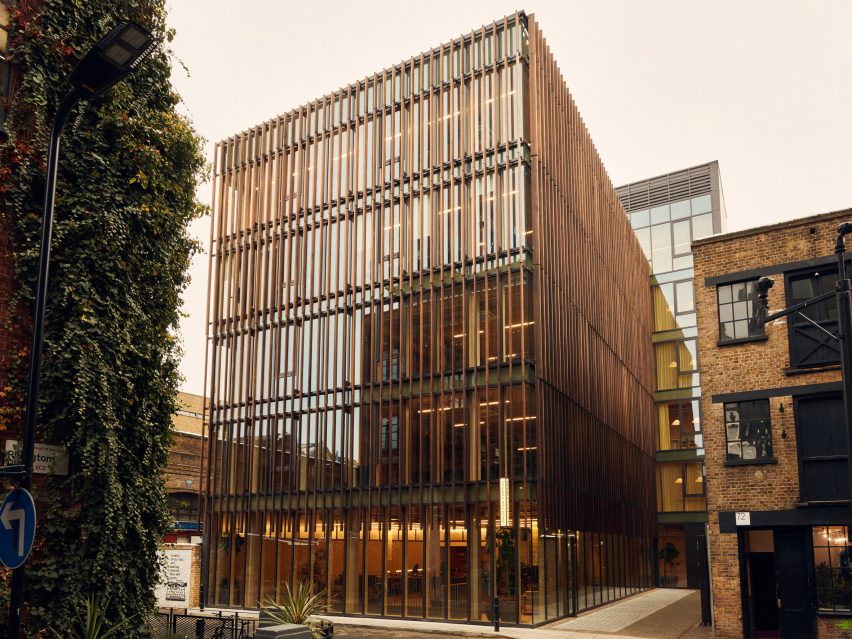
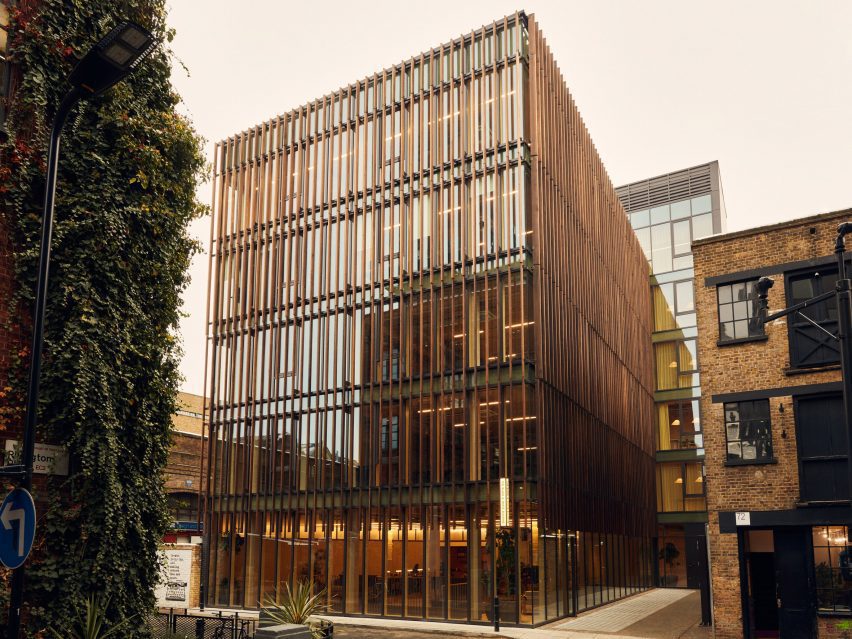
London studio Waugh Thistleton Architects has unveiled the Black & White Building, a mass-timber office building designed for The Office Group in Shoreditch with a slatted tulipwood facade.

The 17.8-metre-high office building, which the studio says is the “tallest mass-timber office building in central London”, was built from a combination of beech, pine and spruce timber.

Black and White building made from mass timber
The building is located in Shoreditch, east London

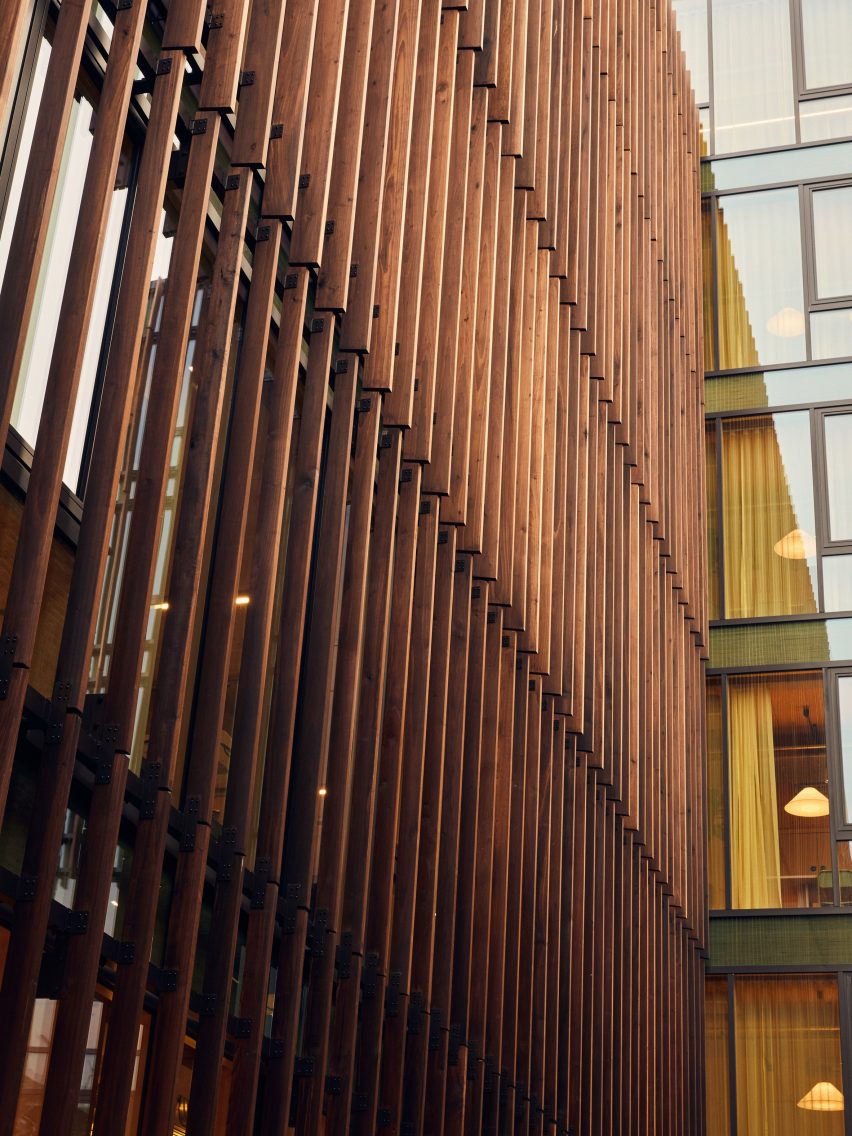
Constructed from structural timber, Waugh Thistleton Architects clad the exterior of the six-storey building in tulipwood timber louvres from the street level to the roof.

“The design means that you also get the beauty of the timber internally,” Waugh Thistleton co-founder Andrew Waugh told Dezeen.

“It’s a simple form driven by the context of timber engineering, as well as the context of the surrounding Victorian buildings – these were also constructed using current methods and built to a brief,” Waugh added.

“There is no narrative here, it is pure modernism.”

Tulipwood timber cladding on the Black and White building
Tulipwood louvres protect it from the sun

Waugh Thistleton Architects constructed the 4,480-square-metre Black & White Building from prefabricated components that were precision-engineered to be slotted together.

This means the building, which Waugh describes as “visibly sustainable”,  is dismantlable and can be disassembled rather than demolished at the end of its life with its materials reused.

Wood-clad interior of London office building
Wood was also used to decorate the interior, with sculptures created from wood beams

Its foundation and lower ground floor were made from concrete, with the rest of the structure constructed from cross-laminated timber (CLT).

Curtain walling was made from glued laminated timber (glulam), while columns and beams were constructed from laminated veneer lumber (LVL), which the studio said helps save on space.

“We have CLT panels for the core and CLT panels for the floors,” Waugh Thistleton Architects associate director David Lomax said. “And then the columns and beams are made from quite a highly engineered product called LVL.”

“We’re talking about typically, at the lowest level where the loads are greatest, about 100 millimetres on each side of the column saving in its dimensions,” he added.

“That’s made out of beech, which is a hardwood so it performs much, much better. [It’s] smaller columns.”

Inyterior of Black and White office building
London studio Daytrip designed the interior

According to the studio, by using engineered-wood materials rather than a traditional concrete and steel structure, the building saves “thousands of tonnes in CO2” as it generates much less greenhouse gas.

The building also has at least 37 per cent less embodied carbon than comparable concrete structures, according to The Office Group (TOG).

It was named the Black & White Building as it replaces an earlier building on the site, a Victorian brick warehouse with a timber interior that had been painted black and white.

The existing building was deteriorating and not suitable for a retrofit, Waugh Thistleton Architects said.

“It couldn’t be extended – it was very small and had no foundations,” Waugh said. “Extending it would have been just a cosmetic exercise. This isn’t romance, it’s architecture.”

Workspace inside the Black & White building by Daytrip
Warm hues contrast the timber walls inside

After meeting Waugh at a panel talk about sustainability, TOG co-founder Charlie Green asked him to instead create a new building that would be suitable for the site.

“We took our planning consented scheme, and we used the envelope and the massing of that to ask Andrew to create something within that form that’s timber,” Green said.

“He did more than that, he redesigned it so we had a more efficient core position to create a better flow of space, and came up with this timber scheme.”

The office is partly powered by 80 photovoltaic panels on its roof, with all other energy coming from green suppliers, Green said.

Daytrip-designed interior of Shoreditch office building
“Wasabi green” was used for the interior

Design studio Daytrip created the interior of the building, which contains 28 offices in different sizes as well as six meeting rooms, break-out areas and focus booths and a dedicated yoga and barre studio on the ground floor.

The building’s timber features are also visible inside, where the timber walls match the wooden furniture.

“We reacted to the original concept and the sustainable drive and wanted to continue that in the interiors,” said Daytrip co-founder Iwan Halstead.

“We wanted to respect and celebrate the timber part of the architecture.”

Wooden furniture in interior by Daytrip
Most of the furniture comes from UK suppliers

Timber beams from the Victorian warehouse that previously occupied the site were kept and turned into wooden sculptures that decorate the ground-floor lobby.

Daytrip aimed to also keep the furniture as local and sustainable as possible.

“A lot of the specifications and furniture are UK suppliers and that was something that we wanted to make an effort to achieve, and we’ve done it with 80 per cent of the furniture,” Halstead said.

The overall interior design was informed by Tokyo’s original Hotel Okura, a mid-century modern hotel that was demolished in 2015 but has since been rebuilt.

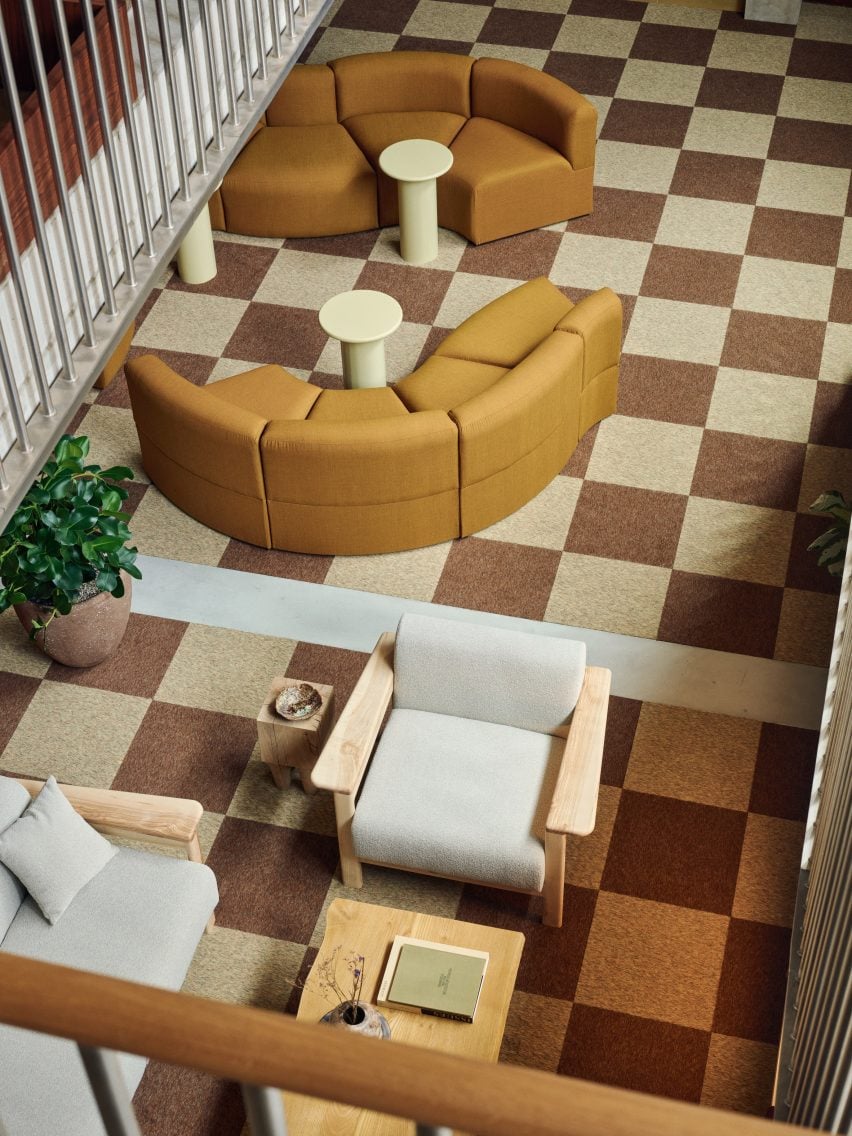
A colour palette of muted green and earthy hues, which Daytrip gave names like “wasabi green,” is combined with tactile materials, including some made from recycled components.

Chequered floor inside The Office Group building in Shoreditch
The interior design was informed by Hotel Okura in Tokyo

At the top of the building sits a rooftop terrace, while a central lightwell was designed to help maximise the building’s natural light.

The building is “about sustainability more than anything,” Waugh said. “It’s a bright future for architecture, not the hair shirt and oat milk that sustainability is always described as.”

TOG operates more than 50 workspaces in the UK and Europe. These include an office in Borough Yards with an interior by Danish designer David Thulstrup, and a Euston workspace with an interior informed by nearby buildings such as the British Library.

The photography is by Jake Curtis.

Reference

exterior image of Urban Farming Office
CategoriesArchitecture

Vo Trong Nghia Architects designs Urban Farming Office for own studio

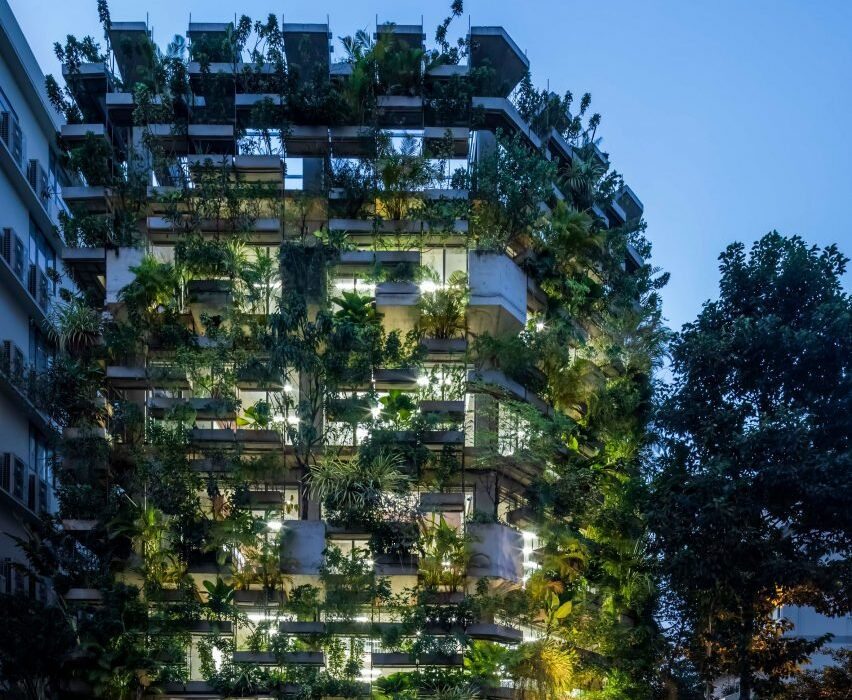
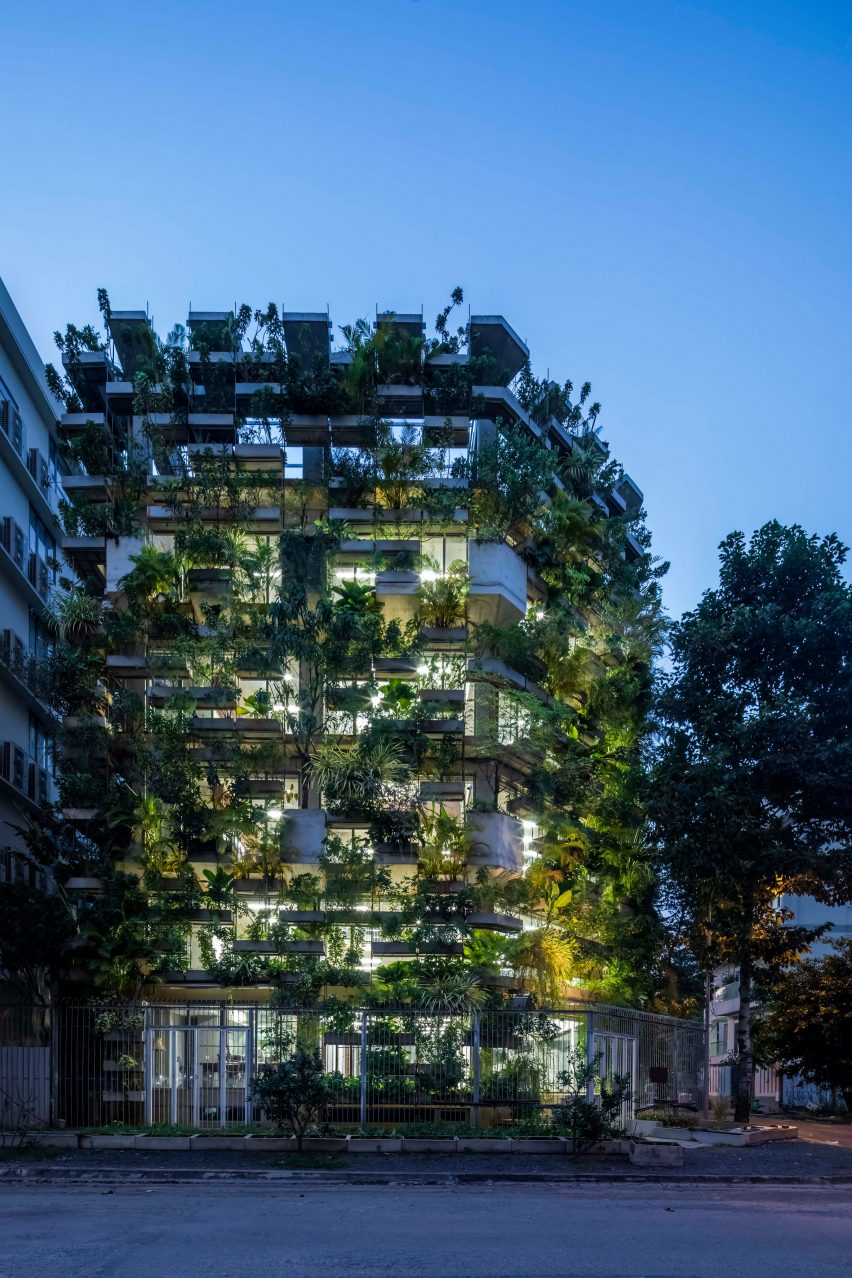
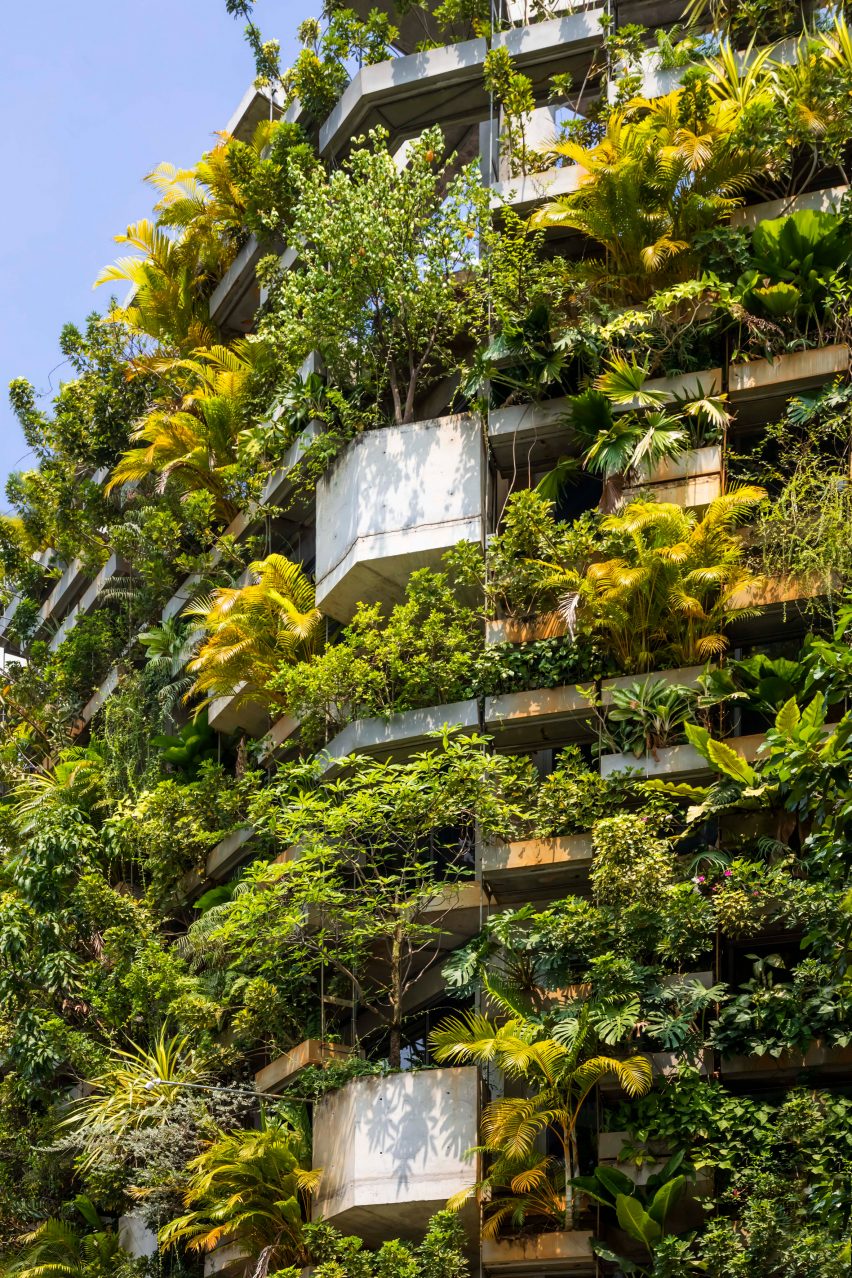
Vietnamese studio Vo Trong Nghia Architects has completed Urban Farming Office, its own head office in Ho Chi Minh City, creating a concrete-framed building covered in a “vertical farm” of vegetables, fruits and herbs.

Located on a corner site in the city’s Thu Duc district, the Urban Farming Office was designed to be emblematic of the plant-filled, low-energy architecture for which Vo Trong Nghia Architects is known.

Alongside the office, the practice has also constructed a version of its low-cost housing prototype, S House, designed to withstand typhoons and earthquakes and first unveiled in 2012.

exterior image of Urban Farming Office
Urban Farming Office was designed by Vo Trong Nghia Architects

“Under rapid urbanisation, cities in Vietnam have diverged far from their origins as sprawling tropical forests,” explained the practice. “The lack of green causes various social problems such as air pollution, floods and the heat island effect.”

“In this context, new generations in urban areas are losing their connection with nature, [and] increasing droughts, floods and salinisation jeopardise food supplies,” it continued.

The core of the office building is constructed using an exposed concrete frame, while the planters themselves are supported by a shelving-like external structure of thin steel, allowing them to be flexibly rearranged as plants grow or swapped out entirely.

Image of the facade at Urban Farming Office
The building is covered in a vertical farm

Completely covering the building’s glazed southern side, the wall of plants acts to filter sunlight and air, preventing overheating and creating a shaded microclimate for the office interiors.

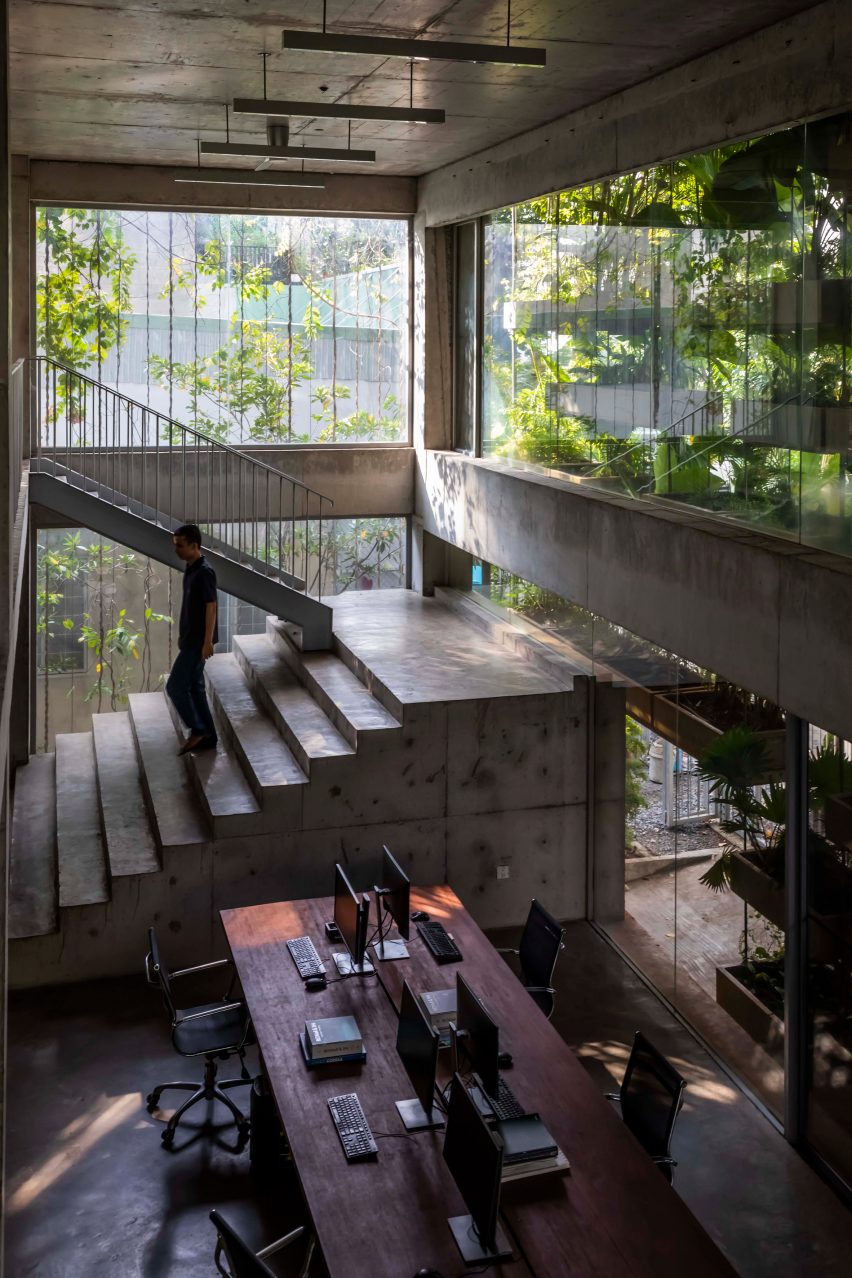
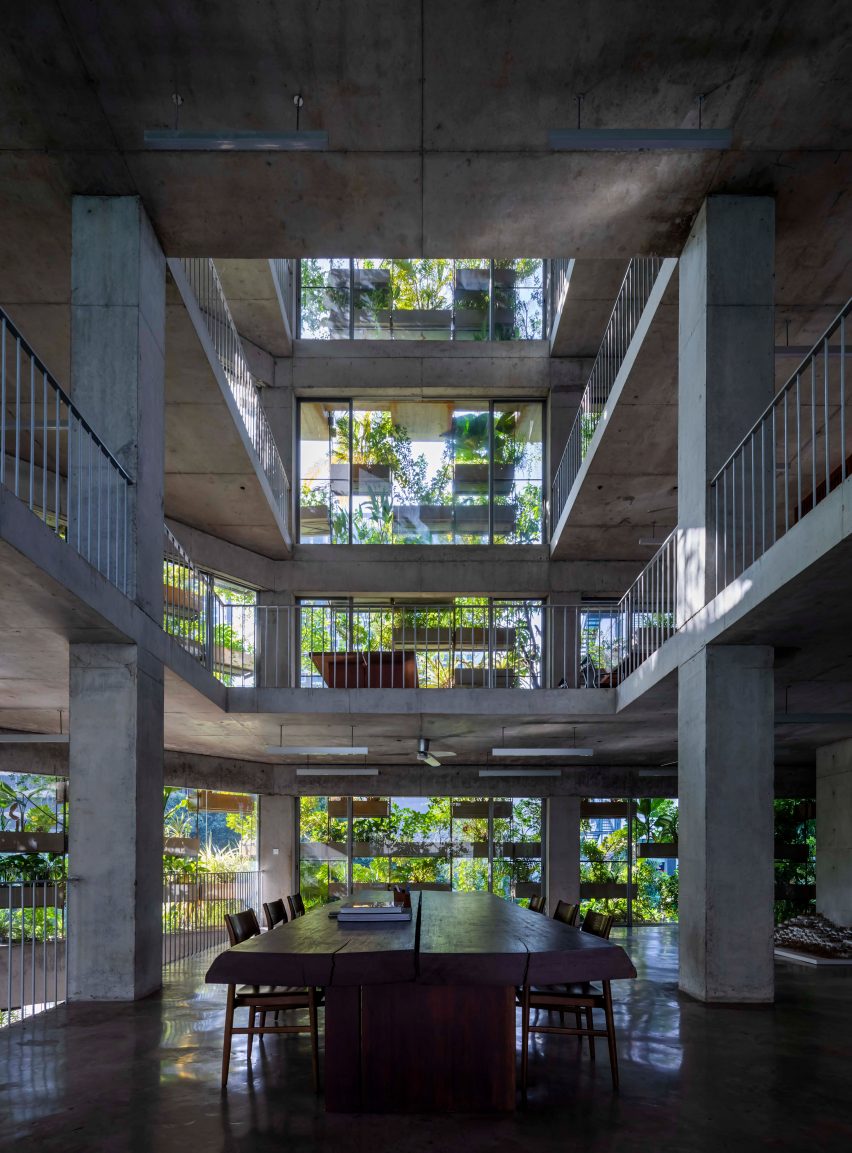
Inside, workspaces are organised around a central atrium, and full-height sliding glass doors provide access onto balcony areas for moving or harvesting from the planters, with a rooftop garden providing further space for growing plants.

“Together with the roof garden and ground, the system provides up to 190 per cent of green ratio to the site area, which is equivalent to 1.1 tons of harvest,” explained the practice.

“[The vegetation] is irrigated with stored rainwater, while evaporation cools the air,” it continued.

Interior image of Urban Farming Office
The building is the architecture studio’s own office

The concrete structure has been left completely exposed internally, complemented by dark wood furniture and minimalist light fittings to provide a contrast to the bright green of the planted facade.

To allow the office areas to be as open as possible, the lift and stair core has been pushed to the northern corner of the building, where brick walls with small openings for ventilation have been left bare to allow for the possibility of future rear extensions.

Interior image of the concrete office
It has an exposed concrete interior

Architect Vo Trong Nghia founded his eponymous practice in 2006, and it has since become known for its explorations of low-energy architecture, often incorporating plants and bamboo into its designs.

Other projects recently completed by the studio include a bamboo welcome centre for a resort on the island of Phu Quoc, and a home in Bat Trang wrapped by a perforated brick wall and a series of elevated garden spaces.

The photography is by Hiroyuki Oki.

Reference

One Drawing Challenge Winner Explores Enduring Truths at the Heart of a Classic Book Beloved by Architects Worldwide
CategoriesArchitecture

One Drawing Challenge Winner Explores Enduring Truths at the Heart of a Classic Book Beloved by Architects Worldwide

The winners of Architizer’s Fourth Annual One Drawing Challenge have been revealed! Interested in next year’s program? Subscribe to our newsletter for updates. 

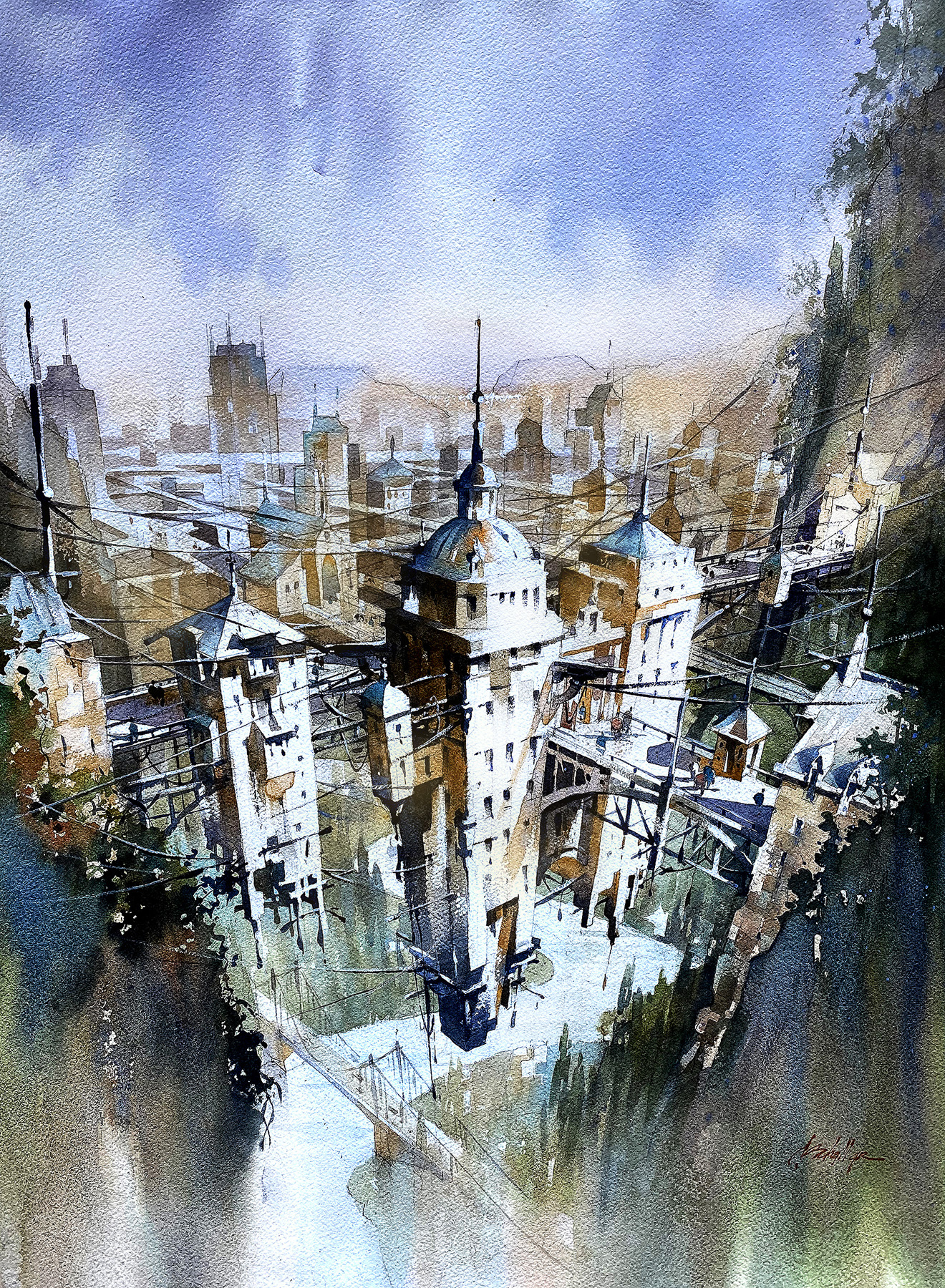
Italo Calvino’s Invisible Cities is officially more than 50 years old; yet, its enduring appeal is attested to by the special place reserved on most architect’s bookshelves for the Italian fables. For young architecture students and experienced practitioners alike, the book remains a source of inspiration and a constant reminder of the infinite possible experiences inherent to any place. This year’s One Drawing Challenge Non-Student Winner, Thomas Schaller, is one of those architects.

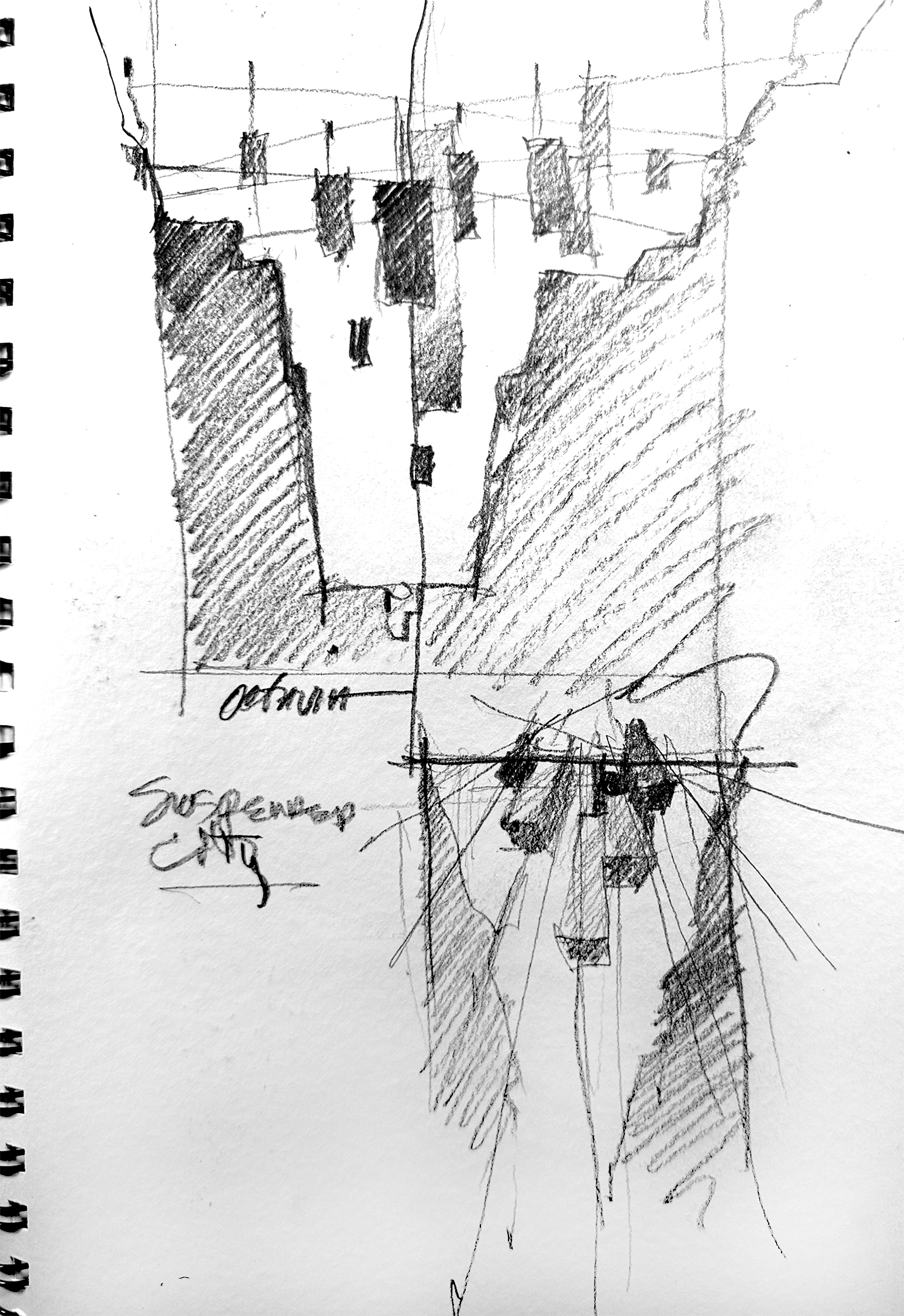
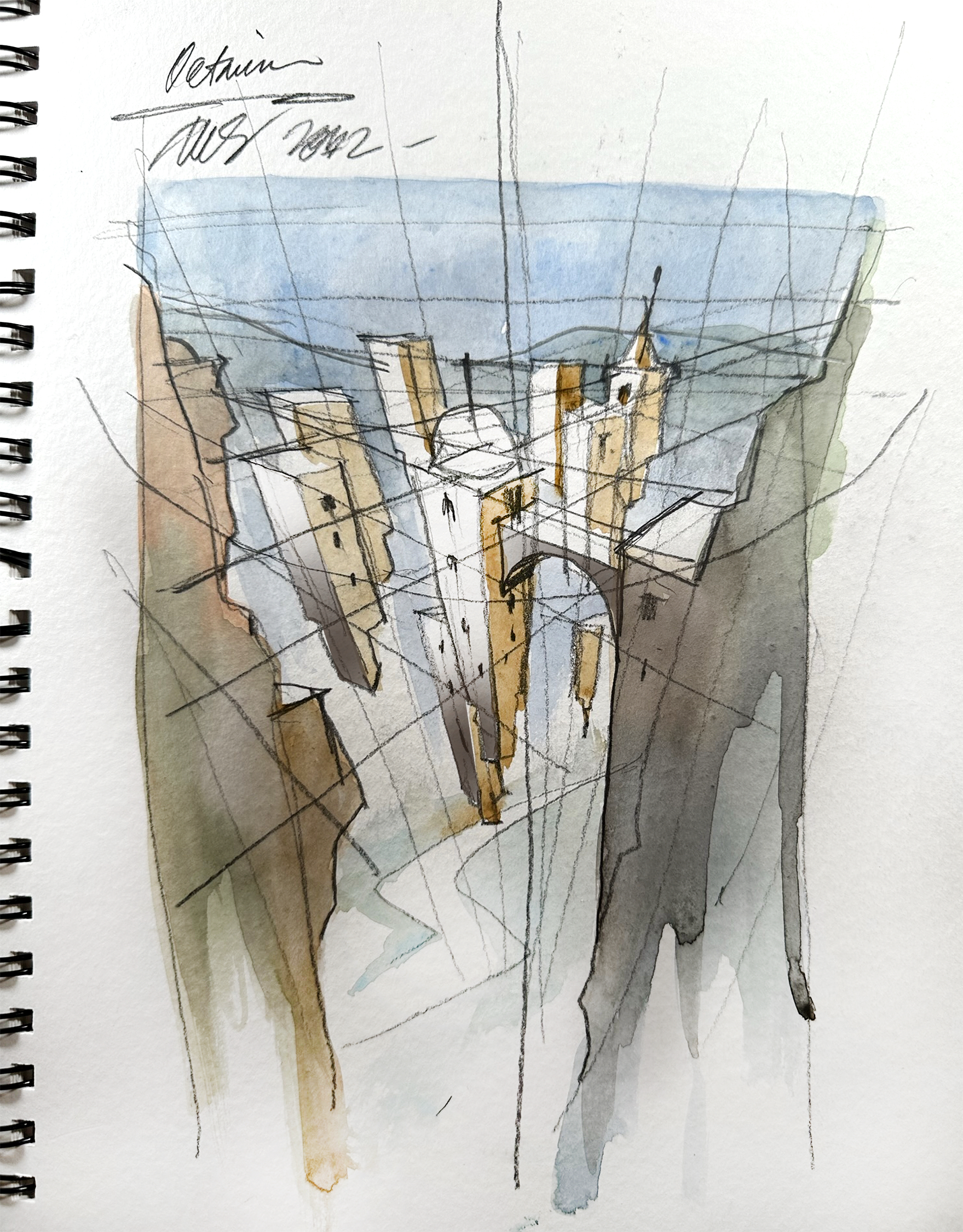
While at first glance, the city in his painting appears to be reflecting on a body of water, longer gazing reveals that the buildings grow both up and down. As the fine artist explains, “This drawing tells the story of Octavia, a city suspended above the Earth by a spider’s web of cables and wires. Interpretations are limitless, but in my interpretation, the inhabitants of Octavia depict the central truth about humanity – connections are profound – but tenuous, just as is our grasp on life itself.” The razor’s edge distinction between precarity and strength is at the core of the urban experience.

Expertly oscillating between the precision of fine lines, seen in details like the bridge and cables, and the more atmospheric and reflective qualities of diffused pigments, the image is mind-bending: not only in terms of subject matter but also in terms of technique. Schaller’s use of his medium, therefore, amplifies the thematic subject matter at the heart of the image.

To learn more about his conceptual and creative processes, Architizer’s Architecture Editor, Hannah Feniak, was delighted to chat with Thomas, who delved into topics such as the relationship between architecture and fine art, and the inspiration for his winning entry. Keep scrolling to see process sketches by the award-winning architectural artist!

Hannah Feniak: Congratulations on your success with the One Drawing Challenge! What sparked your interest in entering the competition, and what does this accolade mean to you?

Thomas Schaller: First, I want to say a very big “Thank You” to everyone at Architizer who designed and hosted this competition and exhibition. It is a great honor for me to even be included. I appreciate all your hard work. And I am in awe of the incredible work entered. Congratulations to all.

From the time I could see, drawing has been fundamental to who I am. As a child, I drew to try to make sense of the worlds I saw both around me and within my imagination. To this day, I am never without a sketchbook and a pocket full of sketch pencils in order to keep a kind of “visual diary” of the ideas in my head as well as to record my impressions of the world we all inhabit. And so, I am thrilled that this competition even exists.

It is my belief that drawing is the most effective and direct connection between the visual image and the human need to record, express, and create. While I rely on traditional pencil and paper, I have no opposition whatsoever to any means, method, or technological tool anyone uses to draw. But for the human mind to open the windows upon the landscapes of perception, creativity, and imagination, drawing is the most effective, enjoyable and expressive way to do so.

HF: What were the primary challenges of conceiving your work, from forming the idea to the creation process?

TS: Like many, I worship the iconic work, Invisible Cities by Italo Calvino. It was written in the early 1970s but its themes of exploration, the clash of the real and the imagined, the built and the unbuilt, the plausible and the impossible, dreams, memories and the human condition are simply timeless. The book’s protagonist — an adventurous interpretation of Marco Polo — travels a dreamscape of a world visiting cities built of memory and dreams and offers endless insights into the nature of cities and the very fabric of human life here on Earth.

One of the cities visited is Octavia, described in the book as suspended high above the Earth between two rocky mountain peaks by a tenuous spider’s web of cables and wires. Countless metaphors and analogies can be drawn. One of course is the dependence of any city on a healthy infrastructure of roads, bridges and lines of communication, etc. But another more broad theme is the “infrastructure” of humanity itself. Our very real need to congregate, to form groups for safety, sanity and survival was, for me, the takeaway and the theme of my drawing.

Especially after coming through two years of pandemic, the themes of human interaction and the need for interconnectivity were at the forefront of my mind as I designed this work. We can take our society’s survival for granted, but if we fail to care for and nurture one another, as well as the very planet upon which all societies depend, we can learn just how frail and fragile our infrastructure may truly be.

Preliminary sketch for the winner entry courtesy of the artist

HF: You trained as an architect but now have a successful international career as an architectural watercolor artist and author. How do you think the medium itself contributes to the scenes that you depict — in particular, in your winning entry?

TS: In my earlier days, I felt that I had to choose between my wish to become a visual artist and my desire to become an architect. In time, I became both, but my career interests operated on separate tracks, divided by an arbitrary and faulty belief that each had separate aims. It has taken many years for me to understand that these interests,  as well as many others, could be successfully merged into a single creative energy. The key to this for me was in realizing that all things — all ideas, all people, all places, all atmosphere and negative space itself has a kind of architecture. There is a shape and a volume to everything seen and unseen, real or simply imagined. And so anything can be studied, modeled and drawn. If I concentrate on drawing what I “see” rather than what I “look at” — drawing genuine emotional experiences rather than simple visual observations, the landscapes for creativity become boundless.

HF: Your winning entry was inspired by Italo Calvino’s classic, Invisible Cities. Are your other architectural paintings and drawings as conceptual as “Octavia – Suspended City”?

TS: Repeat readings of Invisible Cities helped me to form the cornerstone of what would become my “artistic voice”. I am more aware of contrasts than anything else as I move through the world. By that I mean of course the clash of dark and light, but also ideas about what is real or simply imagined, the man-made and the natural environments, warm and cool tonalities, vertical, horizontal, and diagonal energies, and thoughts about time — what is past, present, or yet to be.

As polarities meet and find some kind of resolution — or not — this is what my work is always about, trying to find a resolution on paper of two or more things in opposition. And so yes, such conceptual work is exactly what I have been long most interested in exploring.

HF: What first drew you to watercolor as a medium for depicting the built environment?

TS: As a choice of medium, watercolor is a perfect fit for me. It has the ability to be either very precise or completely abstract, controlled or wild. The use of watercolor is a study in edges: hard and explicit, or soft and ephemeral. Watercolors can at once be subtle and suggestive or bold and explicit.

I think of watercolor too as a “subtractive” process in that we begin with a piece of white paper, 100% in light. And we proceed to subtract away some of this light as we go. The transparent nature of watercolor enhances our potential to study light. And in the end, the parts of our work that are not painted can be as powerful and full of meaning as those which are painted.

And the connection to drawing itself cannot be ignored. I actually consider what I do with watercolor as drawing, but I draw with shapes of value and tone rather than with lines.

Planning the concept and colors for the winner entry, image courtesy of the artist

HF: My next question is somewhat related to the preceding one: How did the process and workflow of creating your drawing compare to traditional architectural drafting?

TS: As stated, watercolor is a form of drawing to me. But rather than depicting ideas of space and form with a line, we do so by using shapes of tone and value, shadow and light, and color. But line-based sketching and more precise architectural drawing are always an element in what I do as well. These are time-honored and beautiful means of expression which I hope never to abandon. In my work, I try to merge the precise with the suggested, the implied with the stated, and so while I wander quite far from my more precise architectural roots, they are always there as a kind of north star shading any wild flights of fancy with at least a note of plausibility.

HF: What one tip would you give the other participants looking to win next year’s One Drawing Challenge?

TS: Oh my … “ advice”. I always say that the best advice I have is to take very little advice. This is a glib non-answer I realize but there’s something in it. What I mean is that as we all try to improve and advance in our careers and our own sense of achievement, it becomes all-too easy to compare our work or measure ourselves against our colleagues or others whose work we admire. This is natural, but should be avoided as much as possible.

I am nowhere near the artist I hope to be some day, but I only started to make noticeable improvements when I trained my ego to be a bit more self-reliant and less “noisy”. It’s too easy to live on social media and if we succumb to the flattery or the uninformed critiques we hear online, we are doomed. I think we should take any feedback onboard, process it quickly and move past it.

Genuinely, I celebrate the accomplishments of my colleagues. But I understand that another’s win does not equal my loss. And anything I might achieve does not diminish any other’s work. While you can never draw or paint like anyone else, neither can anyone else draw or paint like you.

And so rather than by seeing the world always by looking outward, spend as much time exploring the worlds you see by looking inward. And listen. There is your voice telling you what you need to do and where you need to go. We already have within us all we need to do most anything we wish to do. So if we trust that voice and learn to hear it more clearly, it will lead us in the direction we should be traveling.


Interested in seeing more work by Thomas Schaller Fine Art? Peruse his portfolio and connect with the artist through your preferred channel:

> www.thomaswschaller.com
> www.facebook.com/thomaswschaller
> www.twitter.com/twschaller
> www.instagram.com/thomaswschaller

The winners of Architizer’s Fourth Annual One Drawing Challenge have been revealed! Interested in next year’s program? Subscribe to our newsletter for updates. 


Reference

Shanghai Subway Line 14 Yuyuan Station by XING DESIGN
CategoriesArchitecture

8 Adventurous Ways Architects Innovated in Interior Design in 2022

Architizer’s 11th Annual A+Awards is open for entries! With a Final Entry Deadline of January 27th, 2023, the clock is ticking — get started on your submission today.

The exterior experience of a building — marveling at a remarkable structure in the midst of a busy skyline, for instance — differs wildly from the interior experience. Crossing a threshold into an internal space is a transformative act. With it, the environment becomes intimate. The senses are enveloped by the spatial and material surroundings; the architect’s intent is suddenly palpably personal.

As these A+Award-winning projects demonstrate, the best interior schemes deftly position the user, both practically and emotionally. From stations, theaters and cafés to places of worship and residential structures, take a look at eight ways architects are innovating interior design and creating immersive schemes that scintillate and astound.


1. Stylizing Ceilings

Shanghai Subway Line 14 Yuyuan Station by XING DESIGN, Shanghai, China

Jury Winner, 10th Annual A+Awards, Transport Interiors

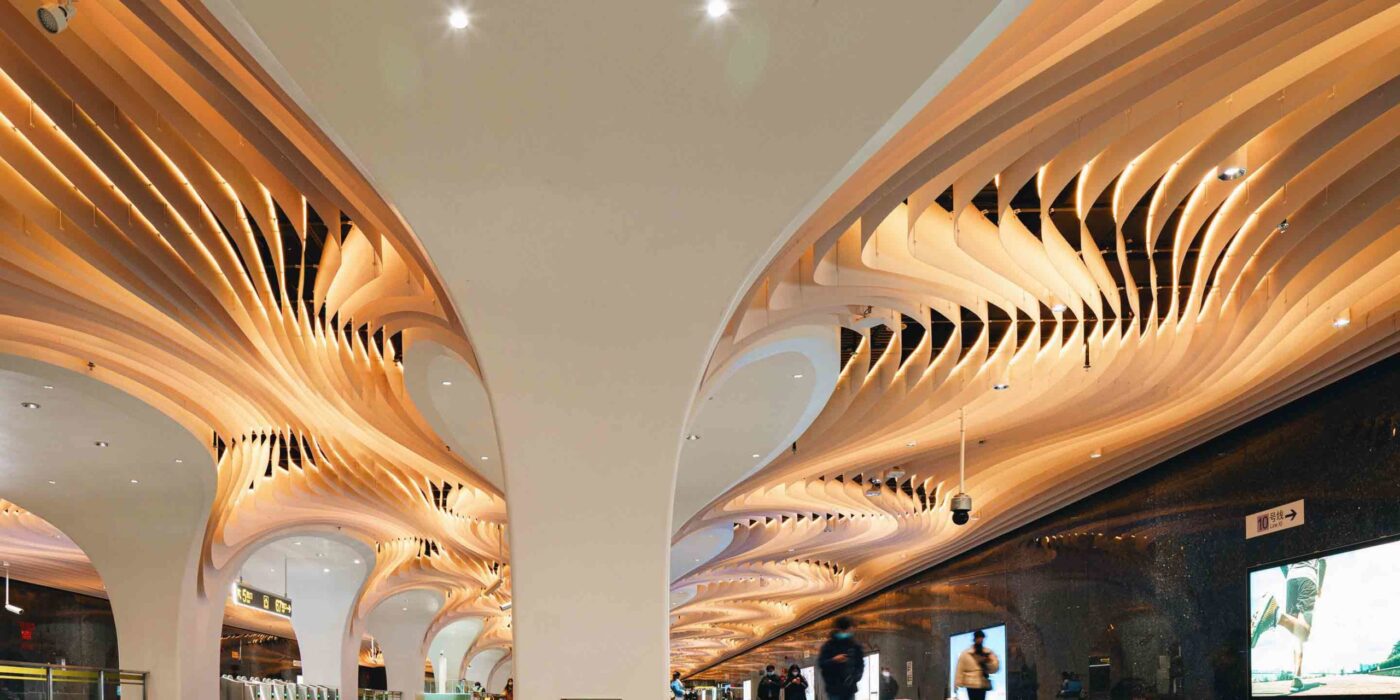
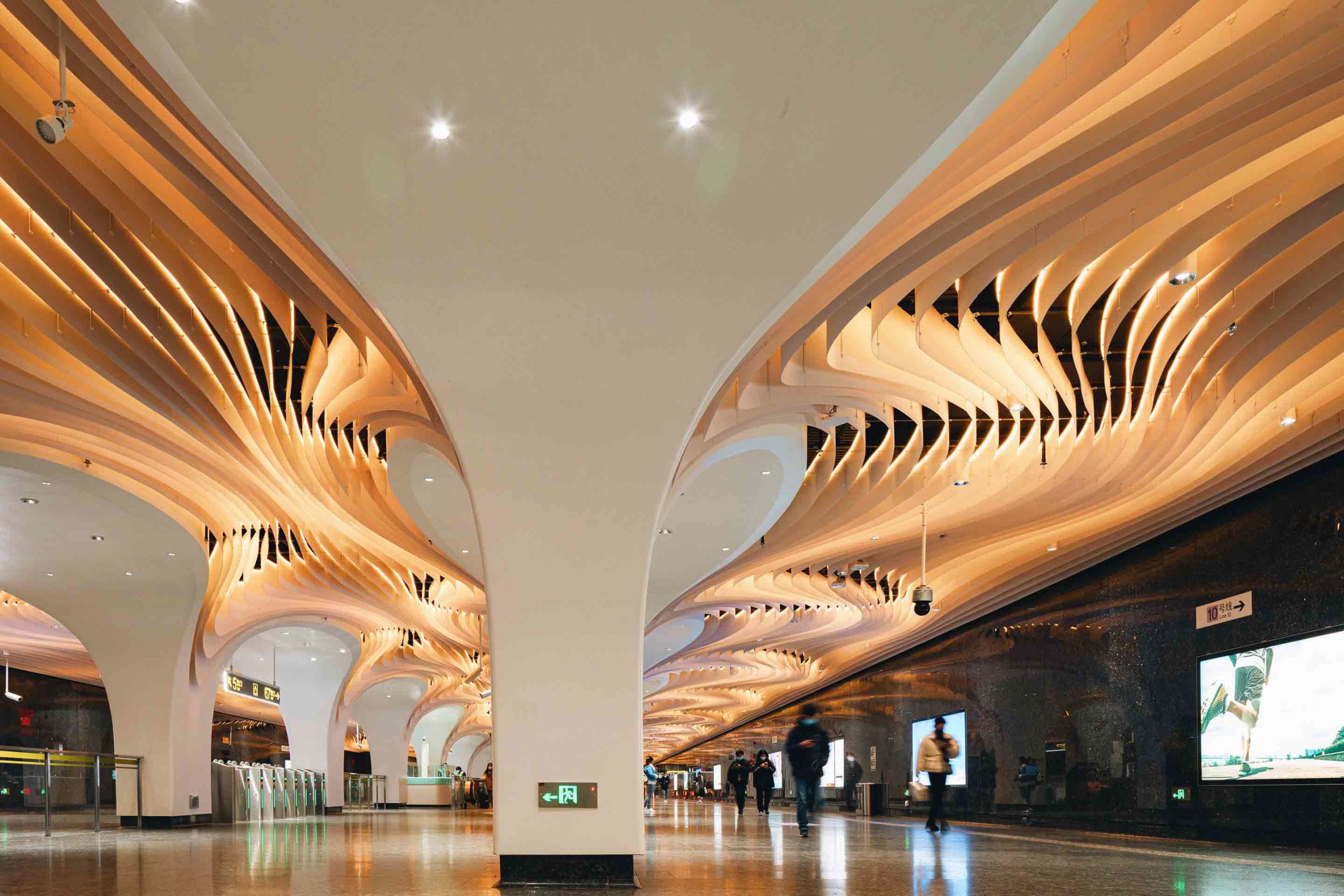
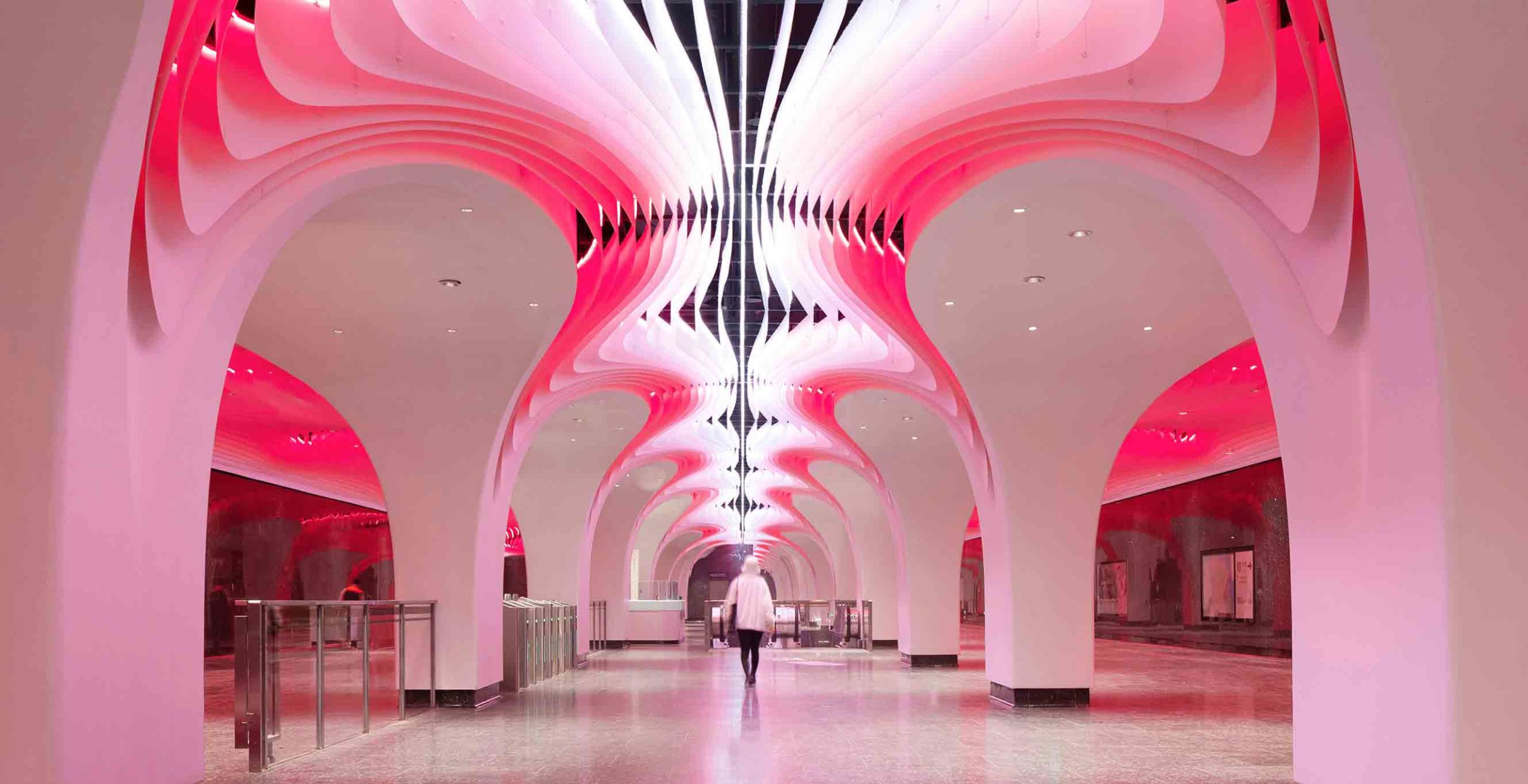
Shanghai Subway Line 14 Yuyuan Station by XING DESIGNShanghai Subway Line 14 Yuyuan Station by XING DESIGNConcealed underground, Yuyuan Station is Shanghai’s deepest transport hub. Elevating the experience of this subterranean space came with its challenges. Essential elements of the site, including the walls, columns and flooring, could not be altered. Nevertheless, the architects delivered an immersive scheme that consumes the senses of its users.

A liminal passing place and the gateway to the suburb, the remarkable design embodies both the transience of the space and the topography of the landscape above. Tens of thousands of aluminum panels ripple across the ceiling and around the arches in a complex geometry of waves that echo the Huangpu River, which runs over the metro line. LED lights illuminate the unique undulations of the canopy. Like the passers-by below, the rhythmic ceiling courses in a multitude of diverse routes.


2. Transforming Translucent Materials

Santa Maria Goretti Church by Mario Cucinella Architects, Mormanno, Italy

Jury Winner, 10th Annual A+Awards, Religious Buildings & Memorials

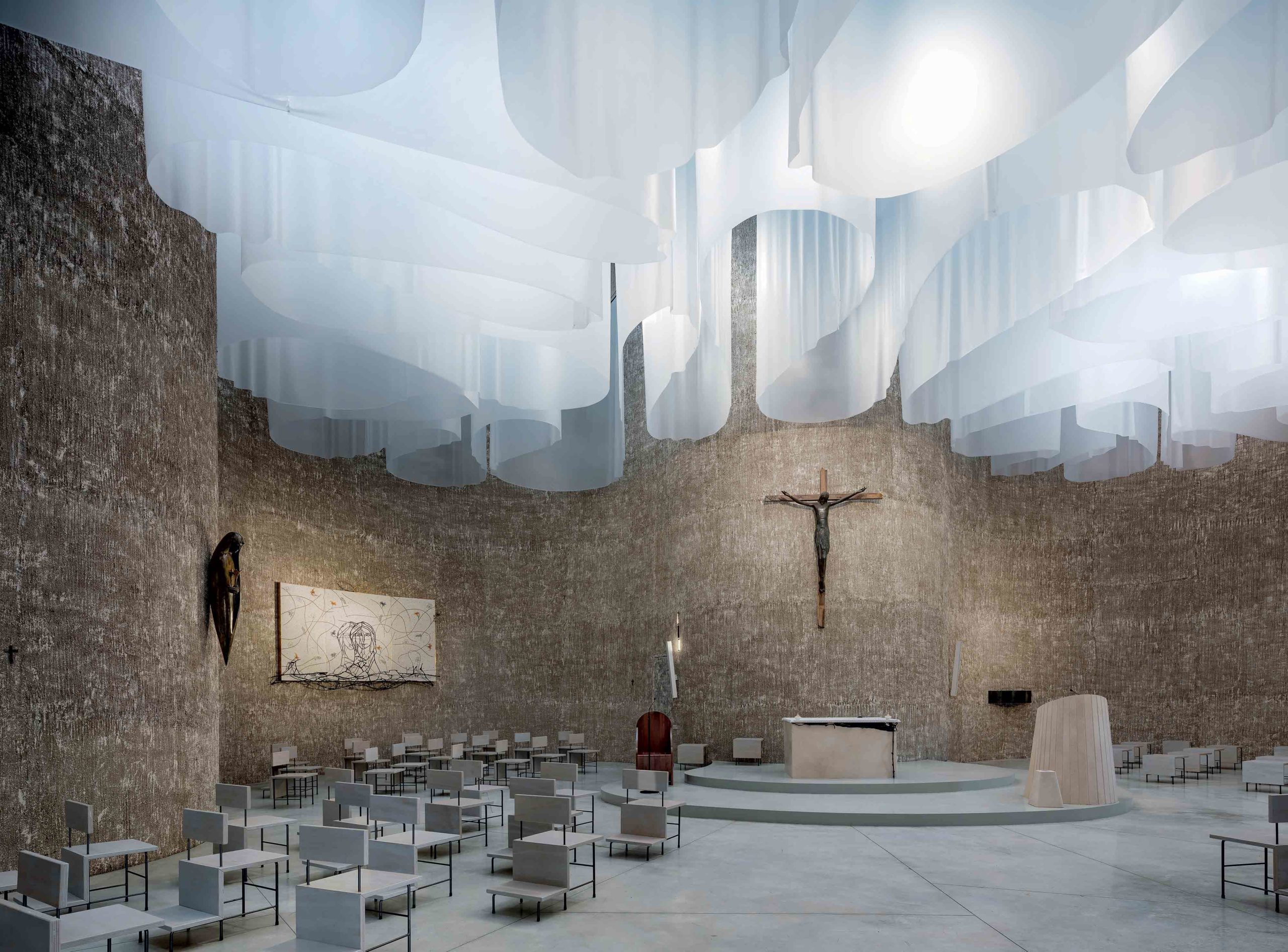
Santa Maria Goretti Church by Mario Cucinella ArchitectsRevising religious architecture can be an imposing task, one that calls for reverence in the same breath as reinvention. This contemporary church in the Calabrian region of southern Italy negotiates that careful dance between tradition and innovation. While its organic, cross-shaped plan is inspired by some of the country’s most impressive Baroque churches, the interior is something of an inversion of the ornate domed designs of its predecessors.

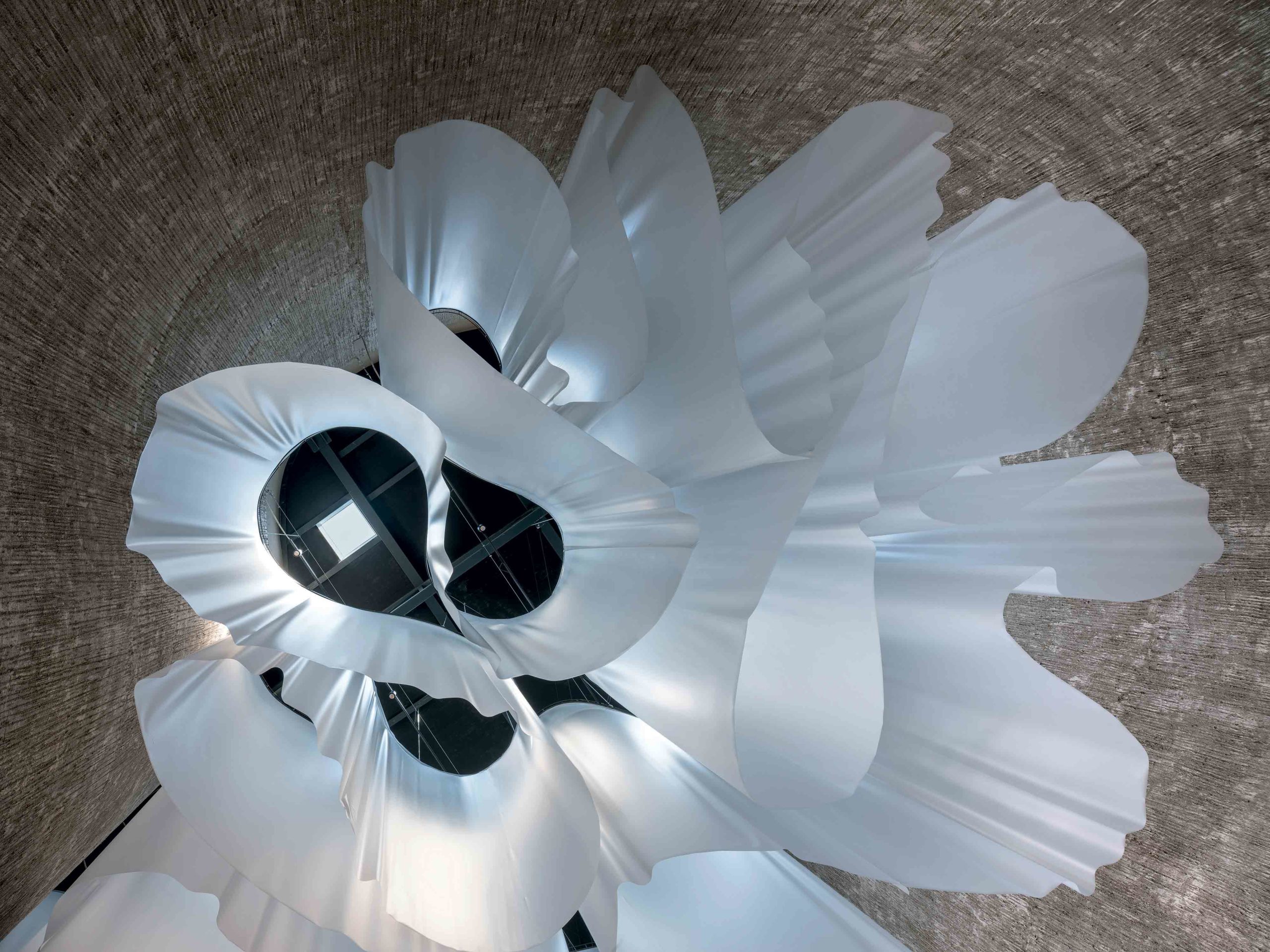
Instead of exposing the structure’s towering scale, the ceiling is filled with a series of translucent veils that fall in soft curved forms. While the design may be a radical departure from historic typologies, it remains steeped in religious language. Natural light, a Christian symbol of holiness, hope and wisdom, cascades down through the church and is cradled in the folds of the drapes. The result is atmospheric ebbs and flows of illumination that reference natural phenomena like the Northern Lights.


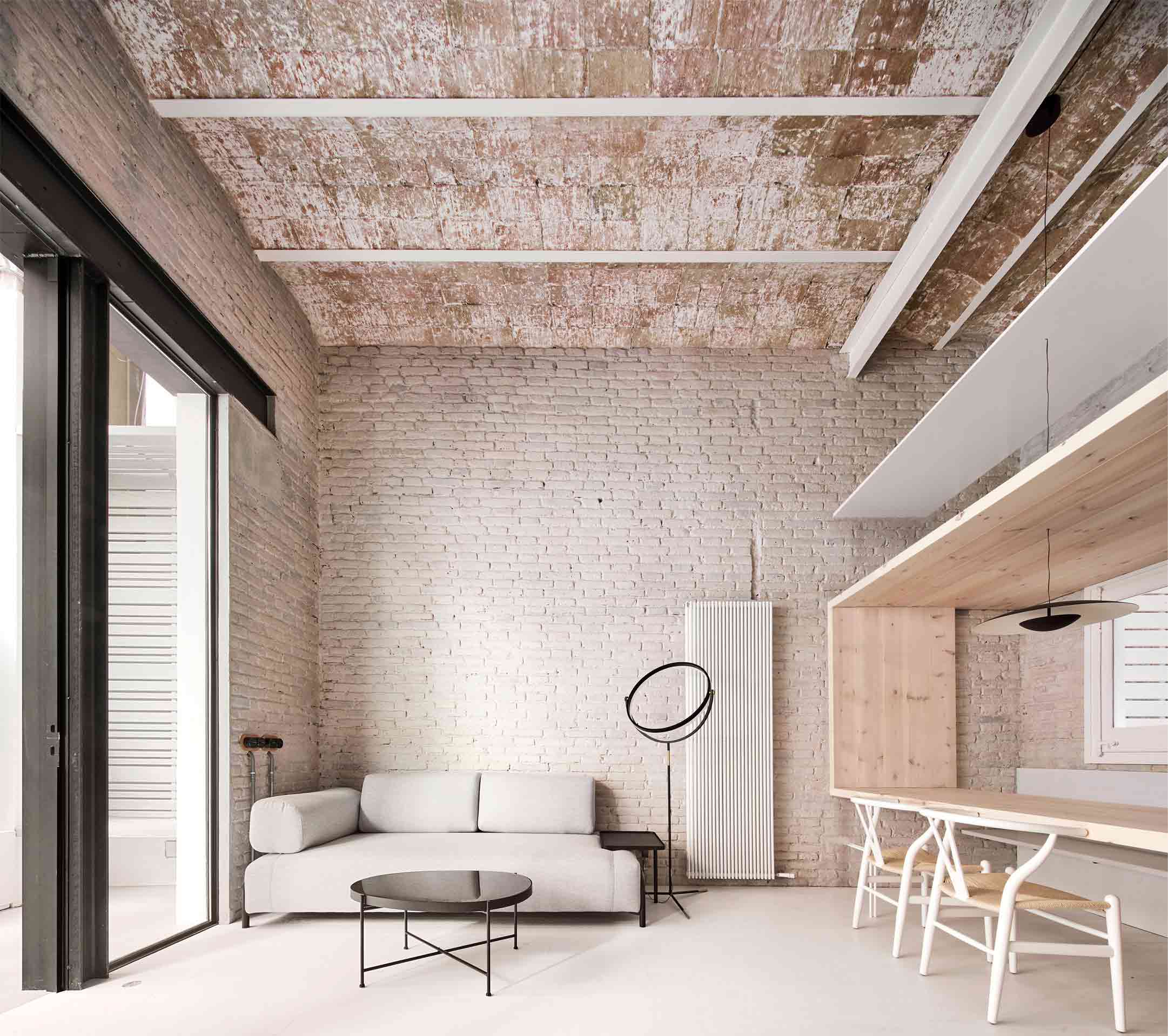
3. Utilizing Unobtrusive Divisions

Nil Dos House by Valentí Albareda Studio, Gràcia, Spain

Jury Winner, 10th Annual A+Awards, Residential Interiors (<3000 sq ft)

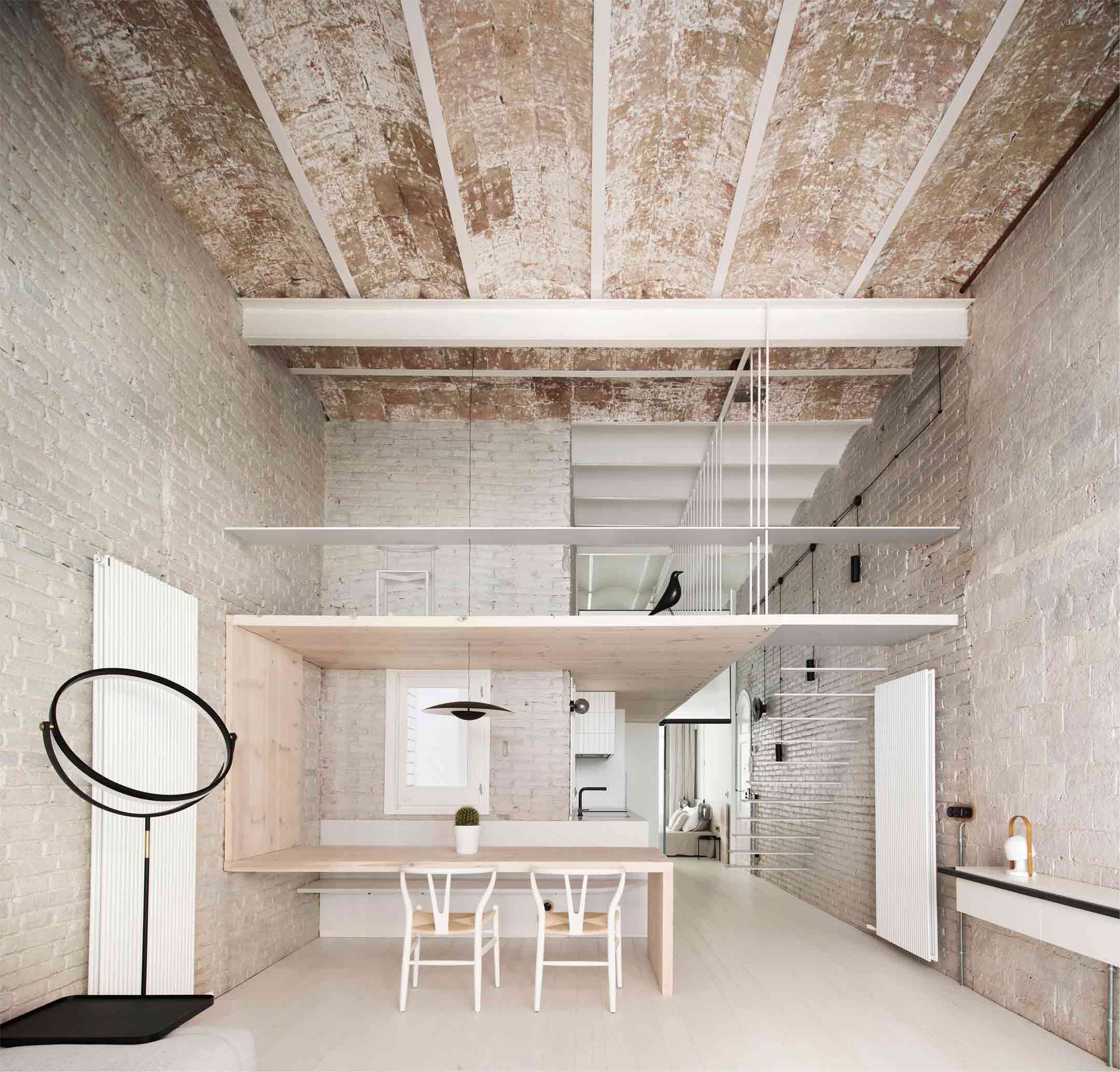
Nil Dos House by Valentí Albareda StudioNil Dos House by Valentí Albareda StudioIn another life, this building in Spain’s Catalan region was a warehouse. Once a dark space of industry, it’s now been sensitively transformed into a modern light-filled residence. However, traces of the structure’s history still take center stage thanks to considerate spatial organization.

Encased by an exposed brick ceiling and original whitewashed brick walls, the impressive double-height living space is imbued with its industrial roots. An ingenious light wood frame acts as an unobtrusive room divider, simultaneously zoning the kitchen and forming a tabletop, as well as providing a floor for the loft above. While the scheme accommodates modern living, the absence of opaque barriers places meaningful emphasis on the original form and fabric of the building.


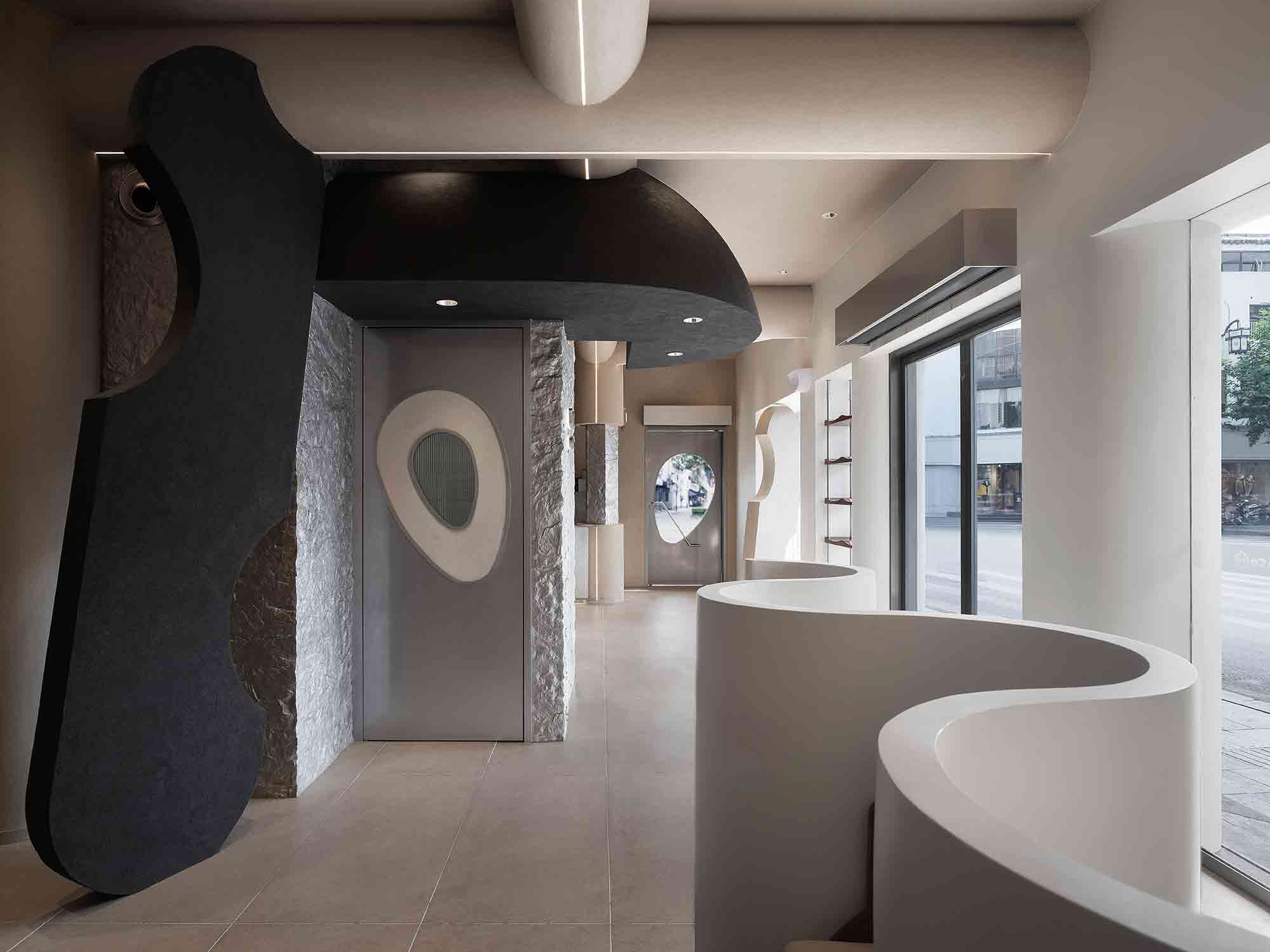
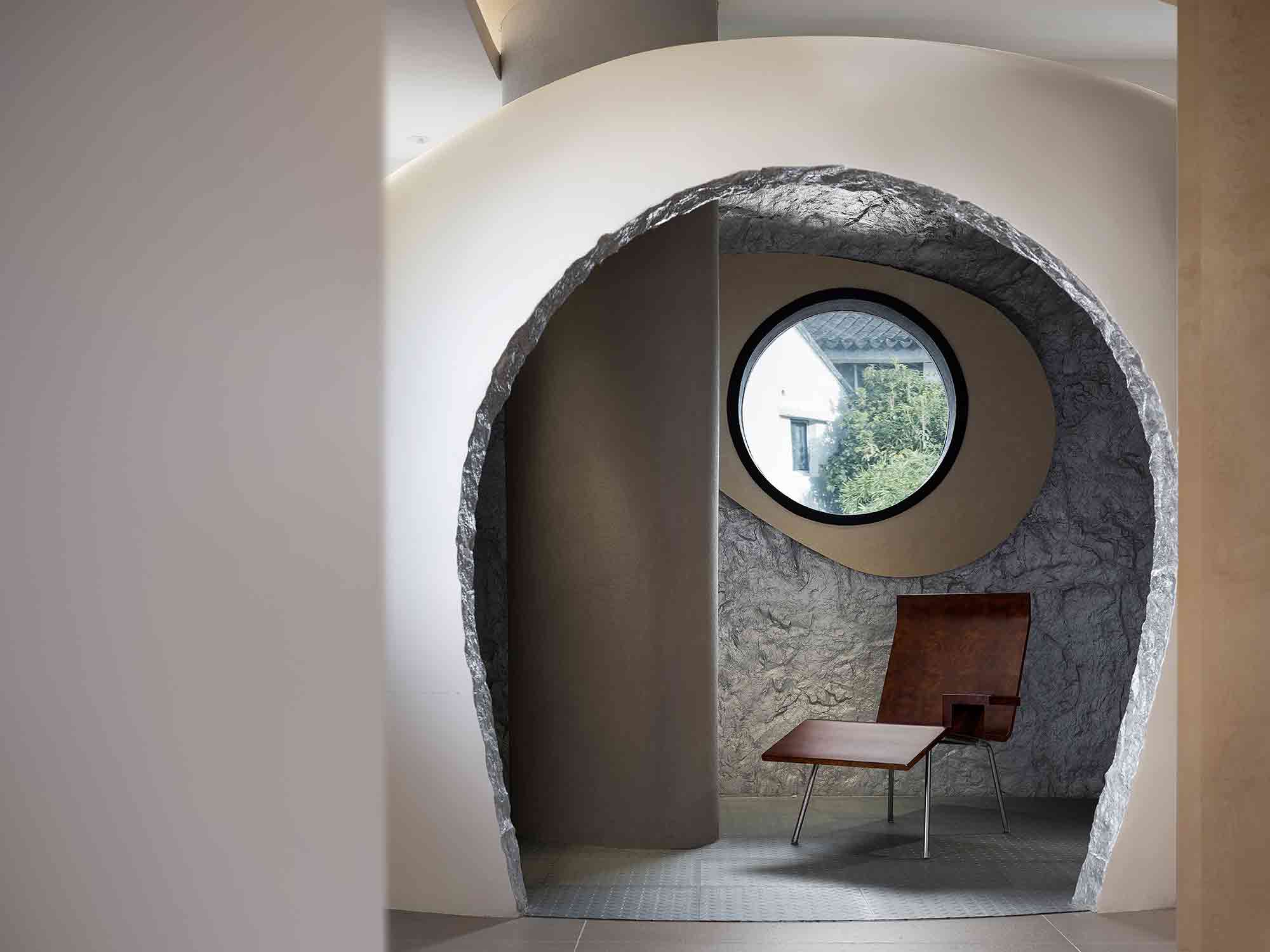
4. Merging Past and Future

CoCo Tea Coffee Juice shop in Shiquan Street by OYTT Design, Suzhou, China

Popular Choice Winner, 10th Annual A+Awards, Restaurants (S <1000 sq ft)

CoCo Tea Coffee Juice shop in Shiquan StreetCoCo Tea Coffee Juice shop in Shiquan StreetSituated in the Chinese city of Suzhou, this pioneering café was inspired by the concept of returning to the origin of life. The interior is an unexpected convergence of old and new, responding to the historic street outside while reimagining commercial typologies through a futuristic lens.

The space is framed by curvaceous forms and undulating lines that merge the distinction between walls and ceiling. The effect is a cocooning embrace that channels the topography of caves and the ancient environment, emphasized by punctuations of rugged exposed rock and mottled, organic paint effects. However, these natural emblems are skillfully translated into a contemporary vocabulary, from the sleek architectural staircase to the surprising apertures. Past and future convene in a fascinating conversation, at once forward-looking and mindful of what came before.


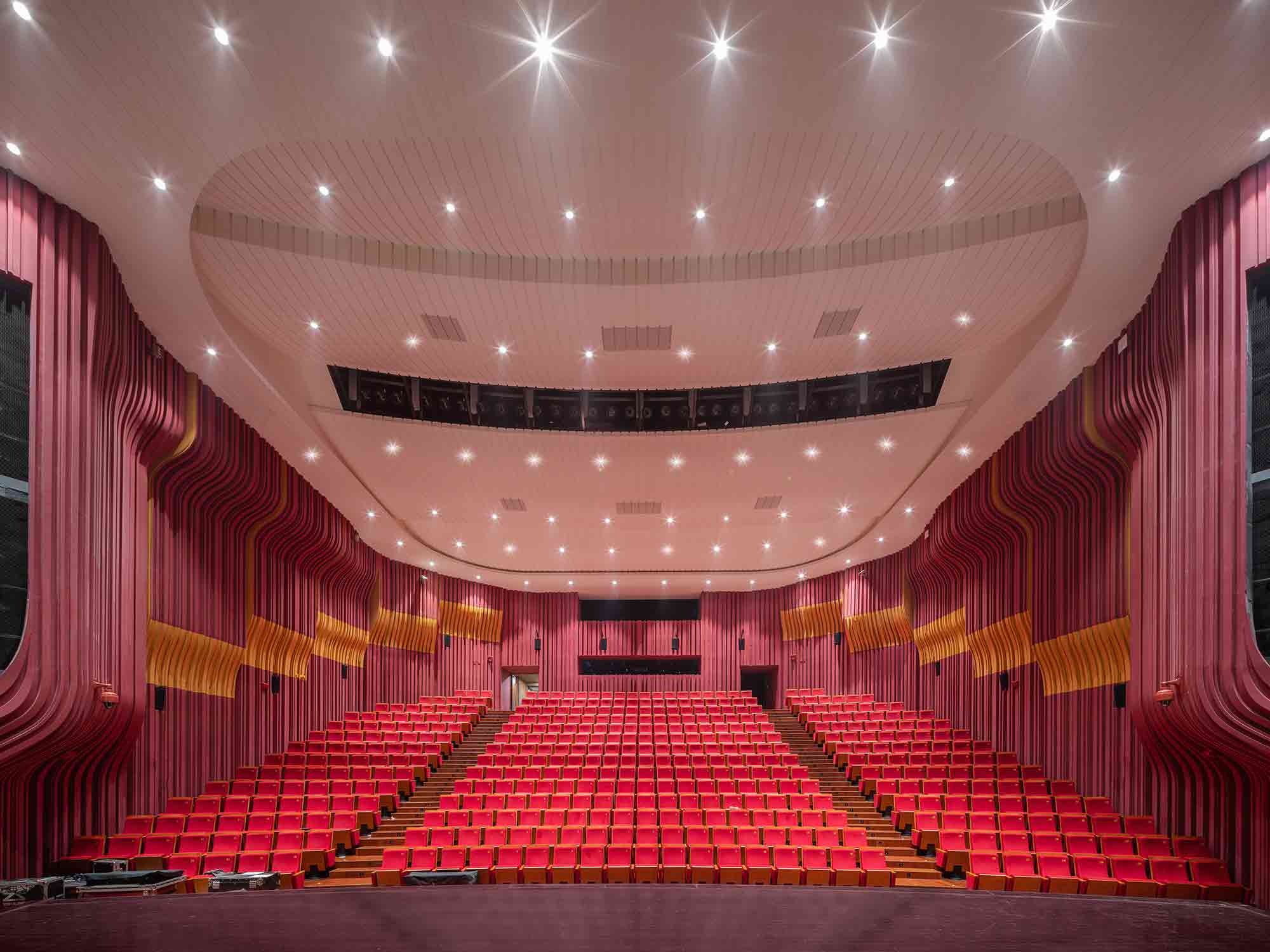
5. Experimenting With Solid Surface Patterns

Zhengzhou Grand Theater by The Architectural Design and Research Institute of HIT, Zhengzhou, China

Popular Choice Winner, 10th Annual A+Awards, Hall / Theater

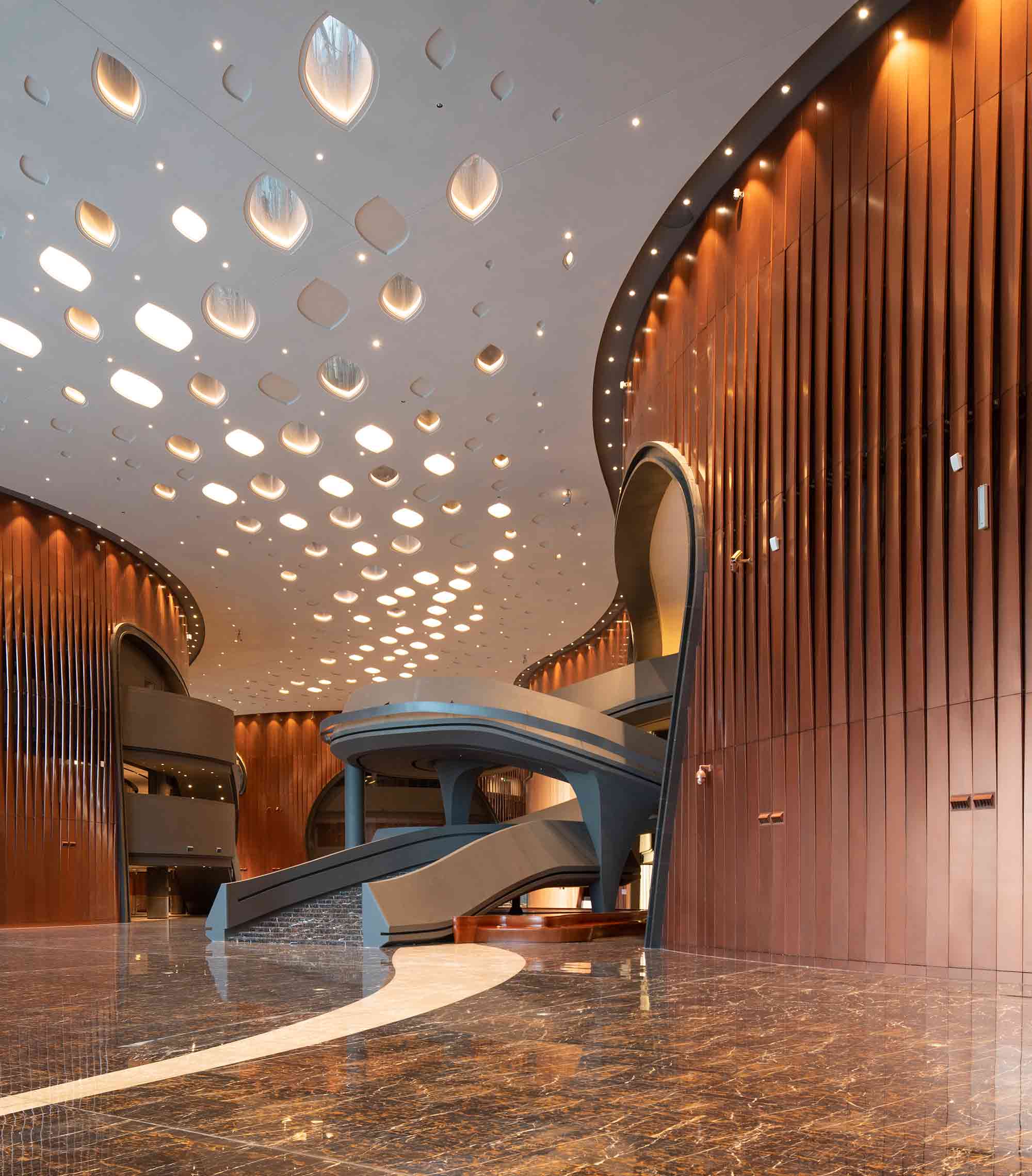
Zhengzhou Grand Theater by The Architectural Design and Research Institute of HITZhengzhou Grand Theater by The Architectural Design and Research Institute of HITA performance complex of impressive proportions, the Zhengzhou Grand Theater encompasses four large venues with distinct architectural characters. In one hall, the walls ripple with a daring solid surface design in pink and orange hues. Narrow, repetitive channels envelop the room, resembling the interior architecture of a living, breathing organism, while the carefully considered contours were crafted to meet high acoustic standards.

While the stage is the focus within the halls, the gaze is guided upwards in the lobby and corridors. Droplet-shaped motifs adorn the ceiling; the intricate design combines engraved shapes with perforated apertures. These unusual skylights illuminate a path between the venues, as well as reducing the roof’s weight and construction costs.


6. Internalizing the Outdoors

Fort 137 by Daniel Joseph Chenin, Ltd., Las Vegas, Nevada

Jury Winner, 10th Annual A+Awards, Private House (XL >6000 sq ft)

Fort 137 by Daniel Joseph Chenin, Ltd.
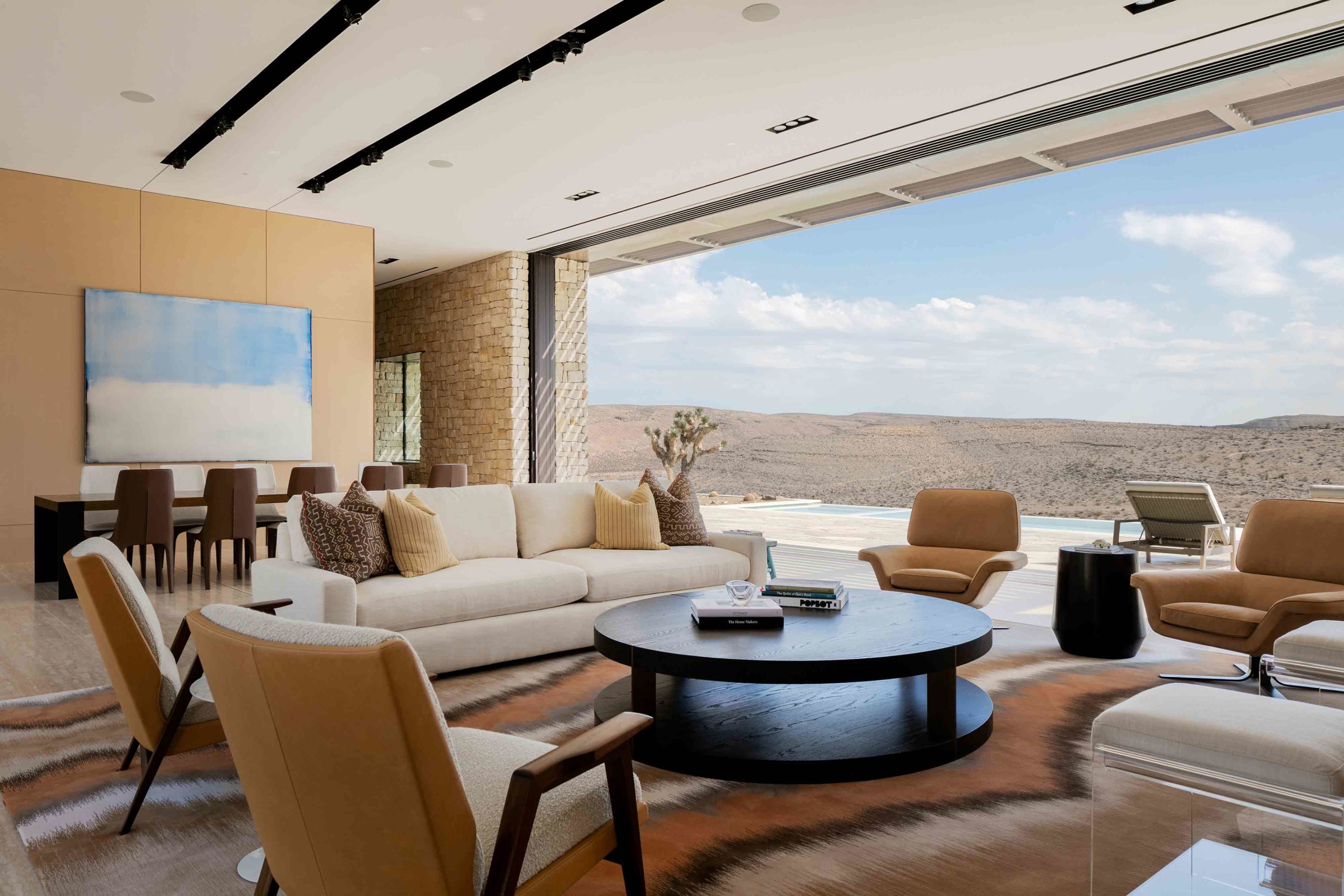
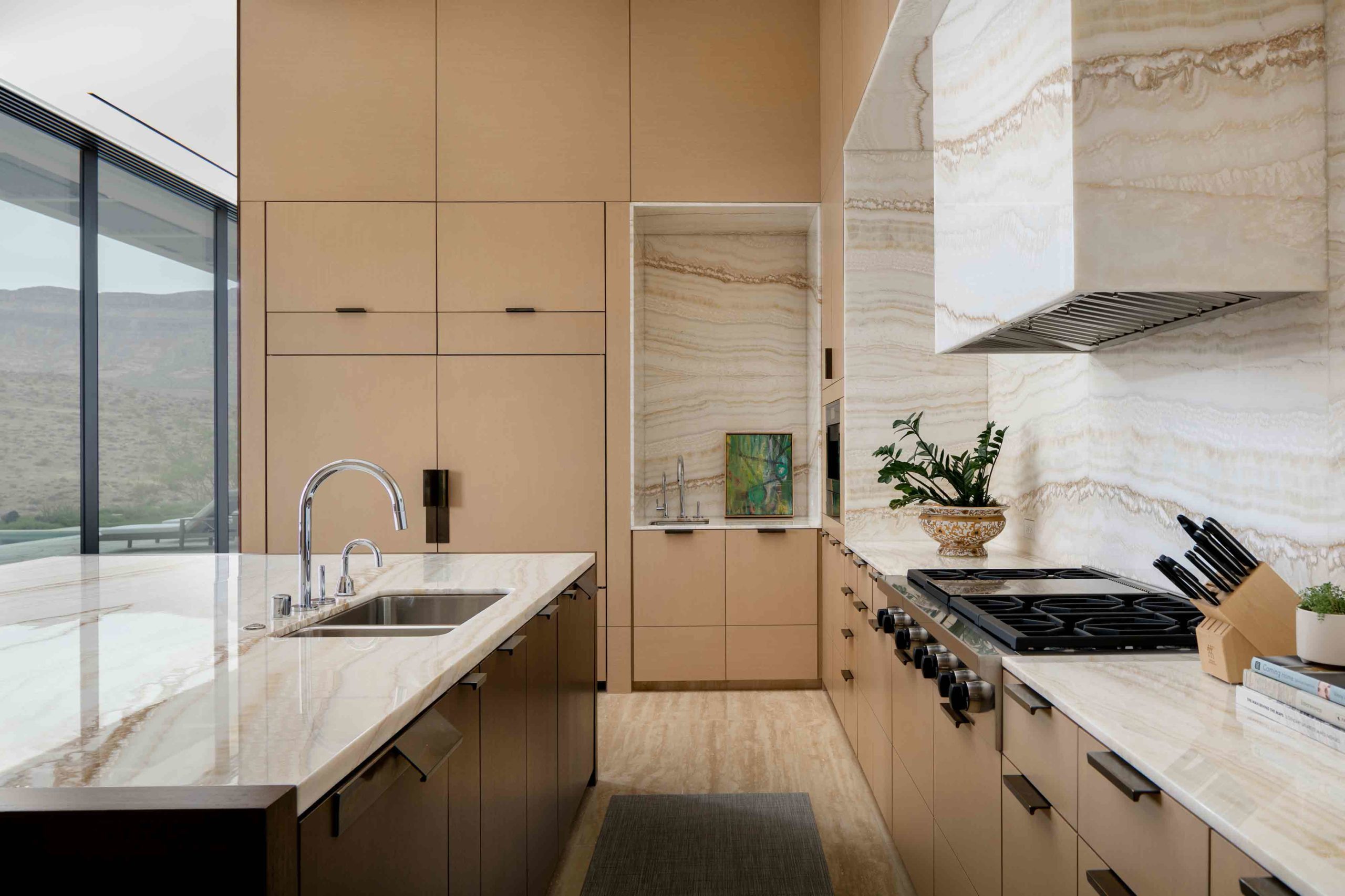
Fort 137 by Daniel Joseph Chenin, Ltd.Nestled in the arid Nevada desert, this residence reads as an extension of the topography, both externally and internally. Retractable walls of glass, which span across two different aspects, peel away in the main living and dining zone, erasing the boundary between natural and built environments. Exposed rock excavated from the site lines the walls of the living spaces and orients the home within the same tactile language as the rugged terrain.

The color palette throughout the interior is earthy and warm, a combination of cream, peach, terracotta and deep brown that blurs with the desert. In the kitchen, veined surfaces across the countertops and backsplash mirror the relief of the landscape outside in the same sand hues, internalizing the outdoors with stunning effect.


7. Articulating Unusual Arches

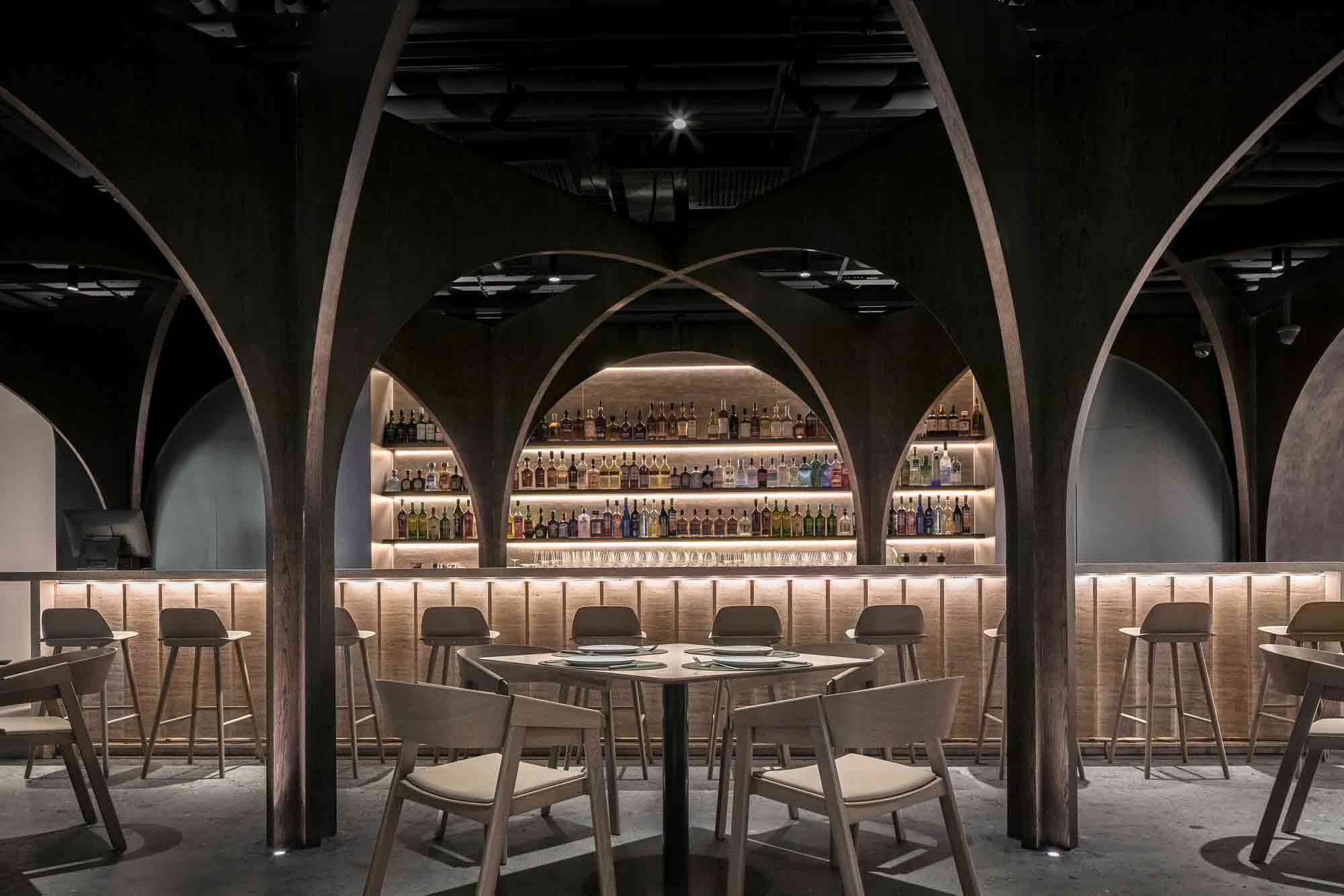
SOMESOME Bar & Restaurant by MARS Studio, Beijing, China

Jury Winner and Popular Choice Winner, 10th Annual A+Awards, Bars & Wineries

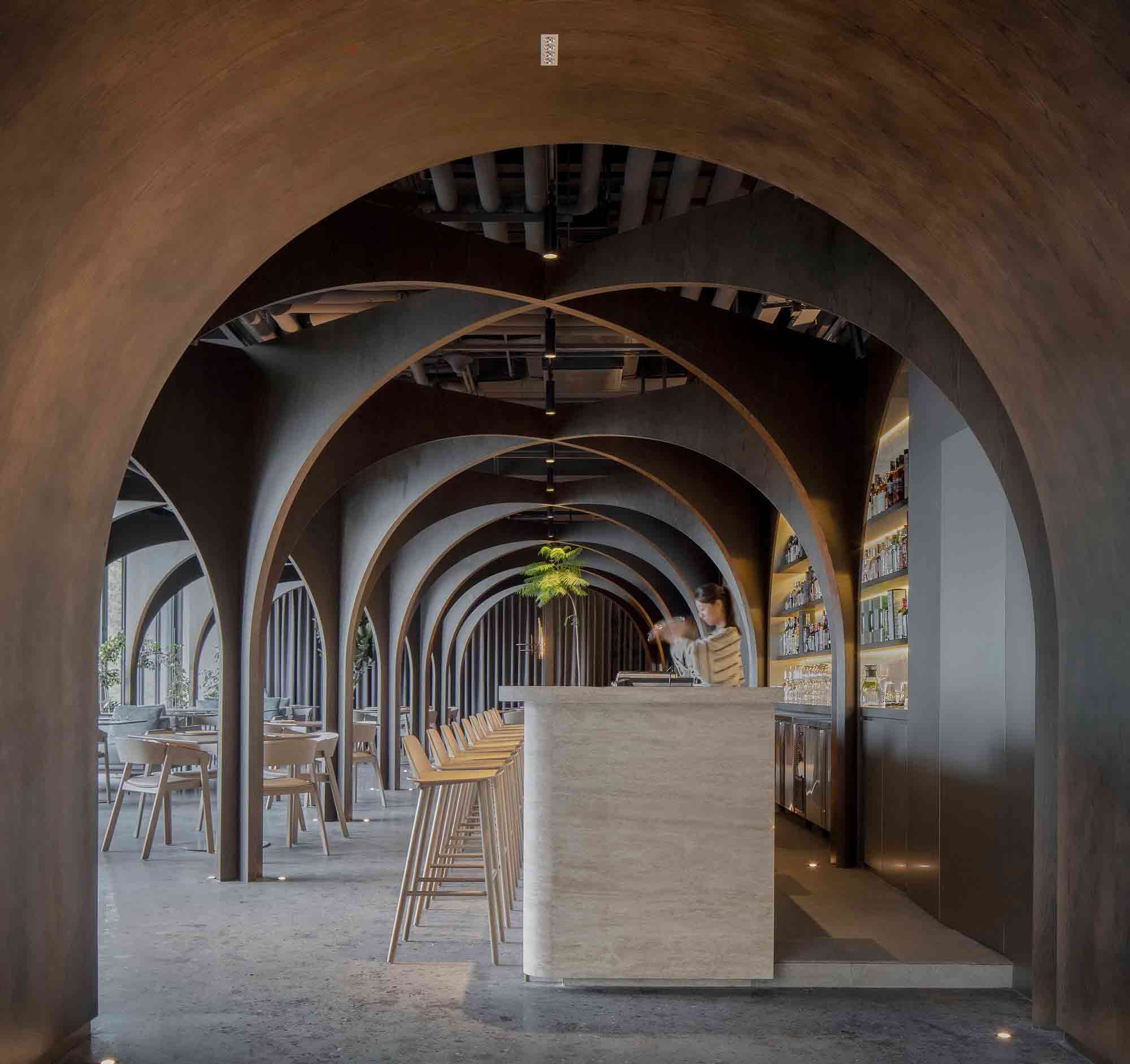
SOMESOME Bar & Restaurant by MARS StudioSOMESOME Bar & Restaurant by MARS StudioThis visually striking bar and restaurant in Beijing eschews right angles and straight lines. Approaching the curved threshold to this daring space is like delving into a warren. The arched entrance draws the eye down through a cocoon-like portal defined by dark, earthy colors.

Inside, warped surfaces shape the unconventional hospitality scheme, offering an atmospheric spatial journey from start to finish. A complex arrangement of archways creates a sinuous pathway between the tables, bar and glass-fronted outlook. Their intersecting forms serve as elaborate picture frames, revealing unexpected internal and external perspectives to the restaurant’s patrons. The design succeeds in embodying diverse qualities — a large, open interior where air can flow freely, at once segmented into intimate rooms of experience.


8. Innovating Installations

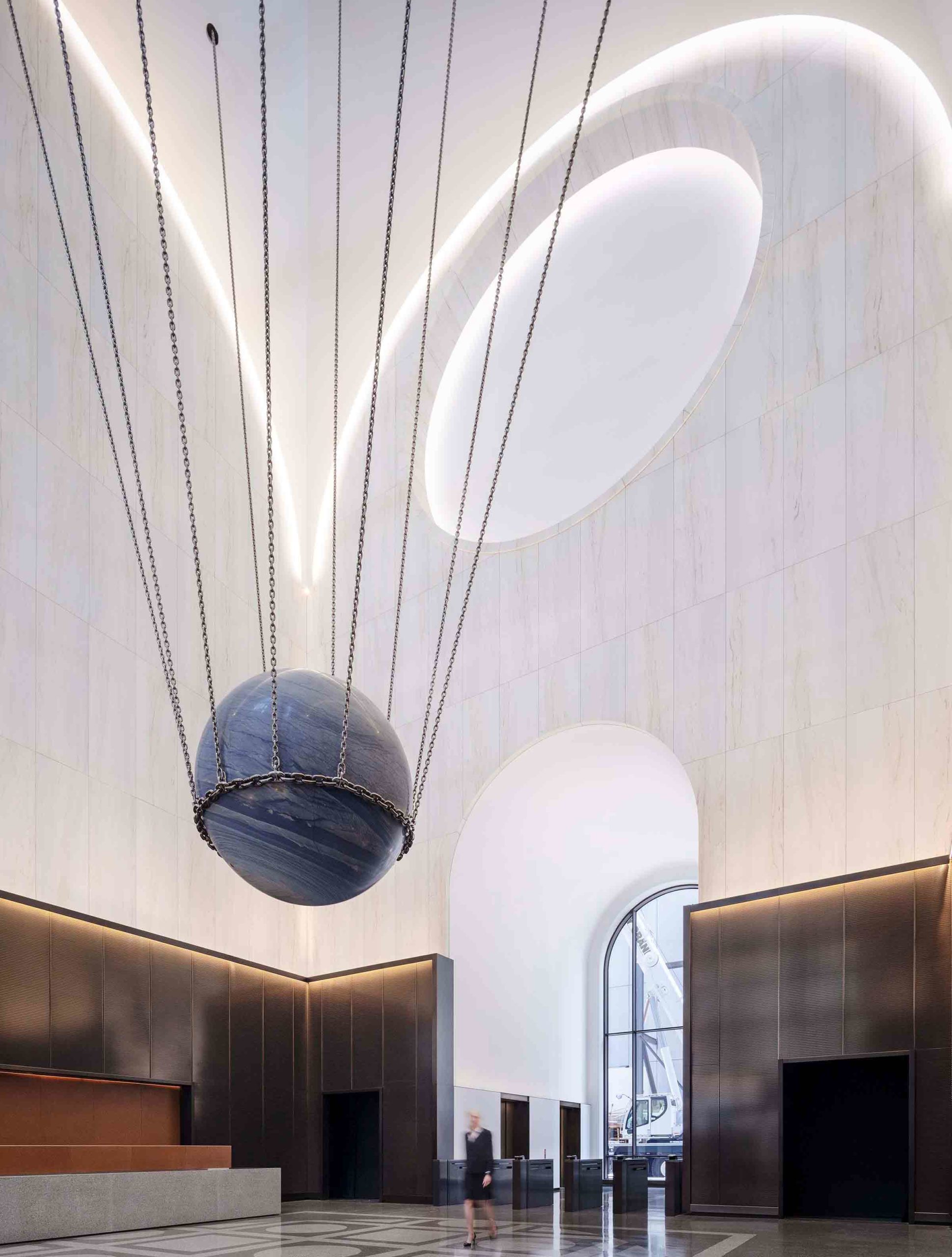
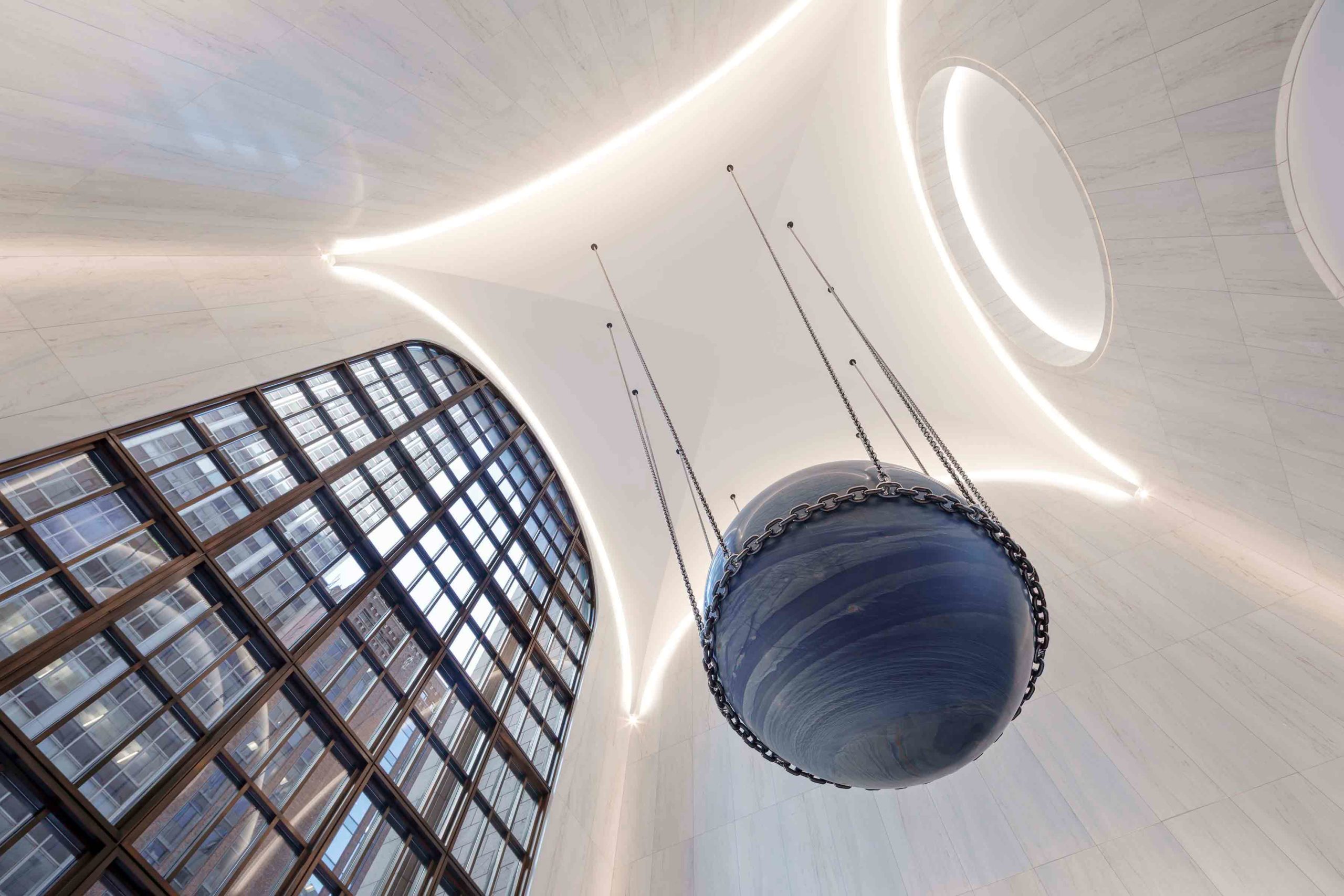
550 Madison Lobby by Gensler,  Manhattan, New York

Popular Choice Winner, 10th Annual A+Awards, Commercial Interiors (<25,000 sq ft)

550 Madison Lobby by Gensler550 Madison Lobby by GenslerDating back to 1984, the lobby of this postmodern building in New York City underwent a contemporary update by architectural firm Gensler. While remaining respectful of the scheme’s heritage materials and capacious proportions, the towering, triple-height ceiling now arches softly around the space. The convex lines of the engraved oculus emphasize the vaulted barrel design, accentuated by the illuminated perimeter, which imparts a celestial, almost weightless effect.

The spherical motif reappears in the remarkable art installation suspended from the ceiling by Alicja Kwade. Called Solid Sky, the presence of the 24-ton marble orb is profound — it presides over the lobby with a quiet intensity, much like its namesake. Visually, the installation anchors the dramatic space and establishes a line of sight to the outdoor garden beyond.

Architizer’s 11th Annual A+Awards is open for entries! With a Final Entry Deadline of January 27th, 2023, the clock is ticking — get started on your submission today.

Reference

Headshot of Lord Deben
CategoriesSustainable News

“Architects need to embrace radical change to avoid a hellish future”

As yet another COP fails to put the world on a path to avert climate catastrophe, it’s time for architects to fundamentally rethink the work they do, writes Michael Pawlyn.


The outcome of COP27, and Antonio Guterres’ grim warning that “we are on a highway to climate hell”, requires us as designers to do some serious thinking about what we do next. Aside from the breakthrough on “loss and damage” payments to the countries most affected (generally the poorest and least responsible for the problem) there was virtually no progress in getting the world on-track for a safe future. It would be easy to feel overwhelmed by the magnitude of the challenge, but the more courageous thing to do is to engage in an urgent debate about how change happens – and then to take radical action accordingly.

It may also be tempting to think that we can carry on broadly as normal and try a bit harder at sustainability, but that would be a disastrous course of action. We need to accept that the degree of change required is far greater than the industry has embraced to date.

There was virtually no progress in getting the world on-track for a safe future

We urgently need to transcend conventional sustainability approaches to pursue regenerative solutions that are net-positive rather than simply mitigating negatives. We need to move from mechanistic approaches towards more systemic approaches and to widen our perspectives from being solely human-focussed to recognising the whole web of life on which we depend. In short: architects need to embrace radical change if we are to avoid the hellish future predicted by Guterres.

Change needs to occur at the level of mindsets. This has been the focus for Architects Declare UK, in the way the declaration points were written, the events we have organised and the practice guide that was produced. The source of inspiration has been the systems thinker Donella Meadows, who asserted that the best way to change a system is by intervening at the level of the mindset, or paradigm that drives the system, and by shifting its goals.

If we ask ourselves “what drives the way architects work?” it’s probably fair to say that it’s a mixture of worthy aims, such as transforming the built environment to enhance people’s lives, as well as less comfortable motivations, such as the glory gained from publicity or completing a project. Younger, and future, generations are likely to judge harshly those who are motivated by the latter and some of the big-name architects who would like to think of themselves as avant-garde are at risk of being on the wrong side of history.

If, as many have argued over the years, architecture is a celebration of the age in which it was created, then a good test of its relevance is to consider how a contemporary work will be considered in, say, 20 years. Buildings that are little more than gimmicky manipulations of form that help a developer make more money, or extravagant showpieces paid for by luxury brands are likely to be regarded by future generations as some of the most trivial and morally detached artifacts ever created.

Big-name architects who like to think of themselves as avant-garde are at risk of being on the wrong side of history

Societal norms like democracy and human rights are coming under increasing threat and it is worth contemplating how an informed teenager would regard architects who seem content to be photographed with genocidal leaders or those who design projects for murderous autocrats. If we want to be “Good Ancestors”, to use Roman Krznaric‘s term (in turn, borrowed from Louis Kahn’s client Jonas Salk), we need to think much more consciously about how we spend our limited lifespans and how we will be remembered over longer timescales.

An urge to create monuments or icons has been a significant driver for (mainly male) architects and that now needs to be challenged. Ever since the first skyscrapers, we have fetishised supertall buildings and continually competed to go ever taller. A growing body of evidence is showing that this is an extremely profligate way of building; both in terms of embodied and operational carbon.

Surely, in a planetary emergency we should be competing to design buildings that are best aligned with long-term planetary health? Earlier this year Architects Declare UK wrote an open letter to the Council for Tall Buildings and Urban Habitats (CTBUH) in which we proposed that it was time to transform its register of “The World’s Tallest Building”. We called on the CTBUH to shift its focus from a fixation on height to the other part of its mission: Urban Habitats. As an organisation they have done a lot to promote sustainability and now there is an opportunity for them to engage with regenerative thinking.

As a profession, we risk being left behind by other sectors that are embracing change more rapidly. Many large businesses are now accepting that the pursuit of profit is not a sufficiently inspiring purpose to attract the best staff and are defining bold new purposes. Similarly, many institutions are recognising that their original purposes are in need of updating. The 1828 Royal Charter for the Institute of Civil Engineers declared that civil engineering “is the art of directing the great sources of power in nature for the use and convenience of man”.

We risk being left behind by other sectors that are embracing change more rapidly

Architects Declare UK has written to the president of the Royal Institute of British Architects (RIBA), Simon Allford, proposing that its mission statement should be updated to align with the planetary emergency. Whether he chooses to make this part of his legacy remains to be seen.

It is encouraging to see that some awards such as the Pritzker Architecture Prize are moving with the times, choosing to celebrate architects who champion retrofit, those who work with low-energy materials and, recognising a more diverse range of architects than was conventionally the case. There are, however, plenty of awards systems that still reward highly damaging approaches, as Architects Climate Action Network (ACAN) have argued in connection with the RIBA Stirling Prize.

Ideally, this mindset change would be shared by governments. After two years of requesting, and being refused, a meeting with the UK prime minister or former energy secretary Kwasi Kwarteng (during which time it was revealed that ministers from his department held hundreds of meetings with fossil fuel companies), Architects Declare UK recently met with shadow climate change secretary Ed Miliband and engaged in a constructive dialogue about systems change.

There are, of course, limits to our agency as architects and designers, but it’s no longer acceptable to claim that our existing limits are the end of the story. Where change is necessary, and exceeds what’s possible for an individual company, we need to collaborate to drive systems change. This means joining groups like Architects Declare, Design Declares, Architects Climate Action Network – wherever you feel most at home – and working together to drive change.

Michael Pawlyn is founder of Exploration Architecture. He is the co-author, with Sarah Ichioka, of Flourish: Design Paradigms for Our Planetary Emergency published by Triarchy Press, and the co-host of the Flourish Systems Change podcast. He is a co-initiator and Steering Group member of UK Architects Declare.

The top image is by Verstappen Photography via Unsplash.

Reference

49 Sustainability Organizations For Architects Around the World
CategoriesArchitecture

49 Sustainability Organizations For Architects Around the World

At this point, every practicing architect should know that the design and construction industry accounts for over 40% of global carbon emissions. Over the past few decades, as awareness about how the industry is helping to fuel the climate crisis has risen, the architectural profession has increasingly sought to incentivize green building and to advance alternative construction materials. Knowledge is power, and around the world, countless organizations have emerged to help arm architects with information to help make design decisions that have less impact on the planet. From certification systems to subsidies for sustainable construction, there is no shortage of incentives and signposts to help guide the AEC industry toward a cleaner future.

With our climate evolving at a rapid pace and serious environmental catastrophes occurring on an increasingly regular basis, the need for change has never been more urgent. While architects routinely taut buildings as “sustainable,” it is a challenge to provide a universal measure of sustainability for architecture globally. That’s why Architizer has collaborated with leading sustainability experts to recognize the diverse efforts of practitioners working at the forefront of green design.

Start Submission

By introducing the Sustainability Categories to our prestigious 11th Annual A+Awards program, we aim to continue doing what we do best: recognizing leaders on the vanguard of architectural design and showcasing examples of the buildings that can guide us to a better future. As the A+Awards season warms up, we’re compiling a comprehensive list of resources for our global architecture community.

From free open-source educational materials to passive house guidelines to directories of healthy materials, these organizations are helping to arm architects around the world with more information to help them shape a better, more sustainable built environment. With so many organizations from around the world to choose from, we envision that this growing, centralized list will help connect designers to green-minded networks on local, regional and international scales. If we’ve missed your organization, please let up know!

Shenzhen Rural Commercial Bank Headquarters by Skidmore, Owings & Merrill (SOM), Shenzhen, China | Popular Choice Winner, 10th Annual A+Awards, Architecture +Sustainability

International

Architecture 2030’s mission is to rapidly transform the built environment. For nearly two decades, they’ve provided the leadership and designed the actions needed to achieve the CO2 emissions reductions for a high probability of limiting planetary warming to 1.5°C.

Association of Energy Engineers (AEE) is a non-profit organization dedicated to serving its members and other industry professionals who are working to improve energy efficiency to save energy, reduce GHGs, make buildings perform better and help reach global goals for Net-Zero.

BREEAM — BRE generates new knowledge through independent research. This is used to create the products, standards and qualifications that help make sure that buildings, homes and communities are safe, efficient, productive, sustainable and enjoyable places to be.

c40 Cities is a network of mayors of nearly 100 world-leading cities collaborating to deliver the urgent action needed right now to confront the climate crisis. Its mission is to halve the emissions of its member cities within a decade while improving equity and building resilience.

City Climate Planner is a program that ensures urban professionals are equipped to support local climate action planning, including developing greenhouse gas (GHG) emission inventories; climate action planning (low emission development planning); and climate adaptation planning.

EDGE enables developers and builders to quickly identify the most cost-effective strategies to reduce energy use, water use and embodied energy in materials. The strategies that are integrated into the project design are verified by an EDGE Auditor and certified by GBCI.

The Global Alliance for Buildings and Construction (GlobalABC)works towards a zero-emission, efficient, and resilient buildings and construction sector through rising ambitions to meet the Paris Agreement goals and mobilizing all actors along the value chain.

Holcim Foundation works to identify, discuss and democratize the latest leading-edge thinking and best practice on sustainable construction from around the globe. They deliver the best ideas and cutting-edge solutions that target the transformation of the construction center.

International Living Future Institute is a community of architects, engineers, manufacturers, builders, business leaders and other stakeholders. Their Living Future Accreditation (LFA)recognizes proficiency in the world’s most ambitious sustainable design standards.

o2 Global Network was established in 1988 to Inspire, Inform and Connect designers. Today, Sustainability has evolved to Circularity and Regeneration, and o2  is demonstrating that design plays a critical role in shaping and healing a world that supports life in all its forms.

Passive House Accelerator is a catalyst for zero carbon building. They cultivate a collaborative platform for practitioners, institutions, manufacturers and more to share innovation and thought leadership in Passive House design and construction.

The Sustainable SITES Initiative (SITES) is a sustainability-focused framework that ushers landscape architects, engineers and others toward practices that protect ecosystems, including climate regulation, carbon storage and flood mitigation.

WELL Certification spans 108 features and 10 concepts; it is a roadmap for improving the quality of our air, water and light with inspired design decisions that not only keep us connected but facilitate a good night’s sleep, support our mental health and help us do our best work everyday.

Middle East & Africa

Carboun is a non-profit volunteer-based advocacy initiative promoting sustainable cities in the Middle East and North Africa region. It includes resources on sustainable design, reducing and conserving energy and material resources, and protecting/regenerating local ecologies and habitats.

Kenyan Architects Declare seeks to raise awareness of the climate and biodiversity emergencies and the urgent need for action amongst our clients and supply chains, among a list of other goals.

South African Architects Declare advocates for faster change in our industry towards regenerative design practices and a higher Governmental funding priority to support this, among a list of other goals.

World Green Building Council (WGBC) — Africa are focusing on the implementation of the priority areas detailed in the Africa Manifesto for Sustainable Cities and the Built Environment. Their Green Star SA rating tools provide an objective measurement for green buildings in the region.

World Green Building Council (WGBC) — Middle East & North Africa are accelerating the uptake of GBC’s global programmes, and lead tailored regional projects that meet the needs of the local market, helping to achieve sustainable built environments for everyone, everywhere.

Asia Pacific

Australian Architects Declare seeks to establish climate and biodiversity mitigation principles as the key measure of our industry’s success: demonstrated through awards, prizes and listings, among a list of other goals. 

Building Energy Efficiency Project (BEEP)’s central focus is to help India mainstream Energy-Efficient and Thermally Comfortable (EETC) Building Design for both commercial and residential buildings.

Singapore Architects Declare seeks to share knowledge and research to that end on an open source basis, among a list of other goals.

Taiwanese Architects Declare recognizes that contemporary research and technology are sufficient to allow us to begin to make changes if we can build collective will; to this end, they are committed to creating buildings and cities with a more positive impact on the planet.

World Green Building Council (WGBC) — Asia Pacific recognize that creating buildings that are low or net zero carbon is essential to ensure a high quality of life for people, to minimize negative impacts on the environment and to maximize economic opportunities.

Europe

Buildings Performance Institute Europe advocates for designs that minimize buildings’ energy demand for all heating, cooling, lighting and other energy needs, while also addressing energy supply decarbonization.

Danish Architects Declare seek to evaluate all new projects against the aspiration to contribute positively to mitigating climate breakdown, and encourage our clients to adopt this approach, among a list of other goals. 

European Urban Initiative (EUI) funded by the European Union, supports urban areas of all sizes with innovative actions, capacity and knowledge building, as well as policy development and communication on sustainable urban development.

Finnish Architects Declare seek to extend the life cycle of buildings wherever it is possible to repair and improve an existing building. By doing this, instead of demolishing and rebuilding, they aim to reduce the carbon burden of construction, among a list of other goals.

German Architects Declare is an industry recognized initiative, and many signatories are using the simplicity and clarity of the declaration as a catalyst to drive effective change within their organizations.

Irish Architects Declare seeks to include life cycle costing, whole life carbon modeling and post occupancy evaluation as part of our basic scope of work, to reduce both embodied and operational resource use, among a list of other goals. 

New European Bauhaus is reimagining sustainable living in Europe and beyond. In addition to creating a platform for experimentation and connection, the initiative supports positive change also by providing access to EU funding for beautiful, sustainable and inclusive projects.

Norway Architects Declare seeks to adopt more regenerative design principles in our studios, with the aim of designing architecture and urbanism that goes beyond the standard of net zero carbon in use, among a list of other goals. 

Swedish Architects Declare pledges to include life-cycle costing, total life-cycle analysis for carbon emissions (LCA) and operational evaluation as part of the scope of the assignment, to reduce resource use during both the construction and operation phases, among a list of other goals. 

UK Architects Declare seeks to collaborate with engineers, contractors and clients to further reduce construction waste and accelerate the shift to low embodied carbon materials in all our work, among other goals.

North America

Building Enclosure Technology and Environment Council (BETEC) (via NIBS) is charged with encouraging optimum energy use of buildings through a better understanding of how complex building components interact with each other and the environment.

Canadian/Turtle Island Architects Declare pledges to design for intergenerational health equity, resilience and mutual flourishing — respecting and actively upholding and uplifting the rights and wisdom of Indigenous peoples.

Carbon Leadership Forum aims to reduce embodied carbon in building materials and construction through collective action. They pioneer research, create resources, foster cross-collaboration and incubate member-led initiatives to bring embodied carbon emissions of buildings down to zero.

mindful MATERIALS is an initiative that made transparency and optimization information easily accessible to designers as they select products. They have digitized the Common Materials Framework (CMF), providing the industry with a consistent sustainability decision-making framework.

Ecological Design Collaborative (EDC) has collectively over 190 years of experience in environmentally-friendly projects. They facilitate the collaborative process to reduce design time and cost through open communication that brings out the best in all team members.

Green Building Initiative’s Green Globes, was founded n 2004 and is the global provider of the Green Globes Professional (GGP), Green Globes Emerging Professional (GGEP) and federal Guiding Principles Compliance certification and assessment programs.

Healthy Building Network works to reduce toxic chemical use, minimize hazards and eliminate exposure in buildings, especially to those chemicals of concern deemed unnecessary or fail to improve product performance.

Healthy Materials Lab is a design research lab at Parsons School of Design committed to raising awareness about toxic chemicals in building products and to creating resources for designers and architects to make healthier places for all people to live.

New Buildings Institute (NBI) works collaboratively with industry market players — governments, utilities and building professionals — to promote advanced design practices, innovative technologies, public policies that improve energy efficiency and decarbonize the built environment.

Northwest Ecobuilding Guild is community concerned with ecological building in the Pacific Northwest. They provide open-source educational materials to encourage building practices that dramatically reduce carbon emissions, are self-sustaining and contribute to local economies.

Resource Renewal Institute is nonprofit and nonpartisan, combining education, advocacy and sustainability analysis. As a lean organization with a small staff, their strategy is to incubate new initiatives focusing on specific issues that grow into separate organizations.

US Architects Declare uses its collective power and intersectional understanding to transform the practice and culture of architecture, in order to achieve climate justice, social equity, ecosystem health, and the preservation and enhancement of biodiversity.

U.S. Green Building Council (USGBC) is transforming how our buildings are designed, constructed and operated through Leadership in Energy and Environmental Design (LEED), the world’s most widely used green building system with more than 100,000 buildings participating today.

South America

CEELA will help boost the construction of energy-efficient and thermally comfortable housing and buildings in Ecuador, Colombia, Mexico and Peru, reducing the sector’s CO2 emissions while improving the quality of life, resilience and health of residents and building users.

Chilean Architects Declare is a pledge for designers to minimize waste of resources in architecture and urban planning, both in quantity and detail and to support those working for climate justice and striving to ensure equity and a better quality of life for all.

Programa Ciudades Emergentes y Sostenibles (CES) is a non-reimbursable technical assistance program that provides direct support for urban sustainability plans that address the main obstacles to sustainable growth in emerging cities in Latin America and the Caribbean.

EXPO Austrian Pavilion Dubai by querkraft architekten zt gmbh, Dubai, United Arab Emirates | Photo by Dany Eid | Jury Winner, 10th Annual A+Awards, Architecture +Sustainability 

Now open for entries, the 11th Annual A+Awards highlights the program’s renewed commitment to sustainable design. Recognizing the pivotal role that architects play in building a more resilient world, Architizer has collaborated with leading sustainability experts to recognize the diverse efforts of practitioners working at the forefront of green design.

Start Submission

Enter the A+Sustainability Awards, a new suite of A+Award categories dedicated to projects that act as a positive precedent for green building practices in specific regions and the wider world. In this article, you can learn more about the importance of these awards, the rationale behind the judging criteria, and the insight of A+Award-winning architects on the critical need for design innovation in this key area.

Are you part of a sustainability organization advocating for a better built environment that isn’t on this list? If so, please reach out to us at: editorial-at-architizer-dot-com; we hope to continue growing this guide! 

Reference

"Architects, We Need To Talk."
CategoriesArchitecture

“Architects, We Need To Talk.”

Erin Pellegrino and Jake Rudin are the co-founders of Out of Architecture, a career consulting firm helping architects and designers find creatively fulfilling roles beyond the bounds of traditional architectural practice. Nikita Morell is a copywriter for architects and the founder of Architects WordShop. She is on a mission to make architecture websites sound more human, less robot.

Architects, we need to talk.

We need to talk about being overworked, underpaid and undervalued.

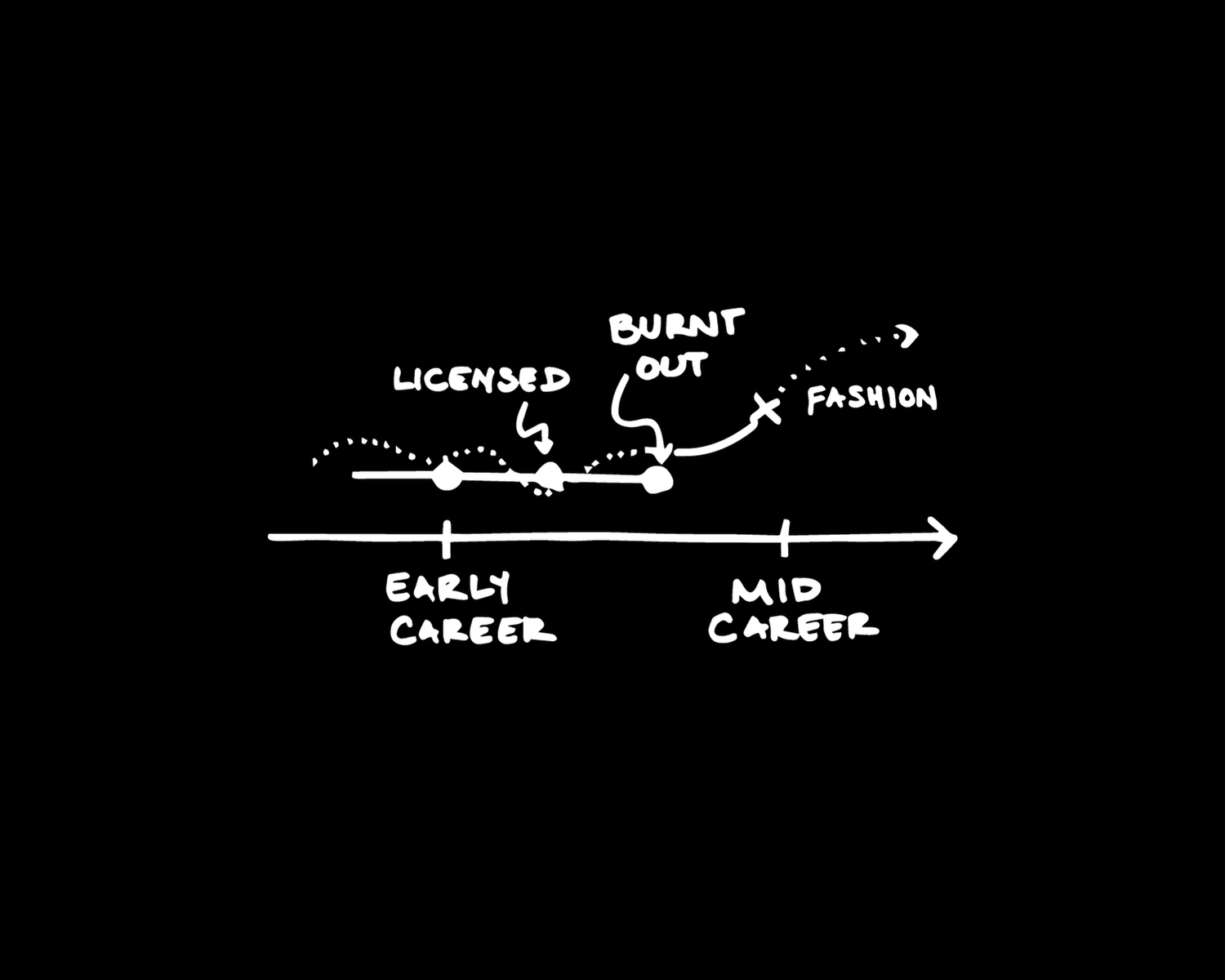
We need to talk about how sacrificing your health, sanity and relationships at the altar of architecture and for the glory of good design is not okay. Burnout is like a dormant virus. It incubates in architecture school, spreads through architecture companies and slowly infects your entire life. It sounds grim. Because it is.

We need to talk about the “M” word. Yes, money, money, money. It seems no one wants to talk openly about money and *gasp* profit. Straight out of architecture school, we’re conditioned to believe it’s better to work for peanuts at a Starchitecture firm than to find a role that will help us pay off our student loans.

We need to talk about all the ways we get pigeonholed into exercising only a handful of skills — often the ones we don’t enjoy as much. It’s time we talk about all the skills we have and how they can be applied to roles outside of architecture.

But, why aren’t we already talking about these things…

When your boss gives you a dirty look as you try to leave for the day at 6:30pm. Or when you’re running on coffee and Red Bull as you pull another all-nighter. Why don’t you speak up? Tell your boss to ‘back off’?

Maybe you feel like you’re letting your team down by leaving or that your boss will think you’re not taking your job seriously. Whatever the reason…

It isn’t your fault.

We know not everyone is in a position to talk about feelings of discontentment. You can’t talk with your boss or colleagues (they’ll think I’m ungrateful!). You can’t talk to your family (they’ll question; why do you want to throw away years of study!). You can even post on social media (what happens if my boss/peers see it!).

It’s easier, less awkward, and non-confrontational to quietly daydream about changing your situation or job than to *actually* talk about it. (Come on, be honest, how many times a day do you think: “I can’t do this anymore” or “It’ll get better in the New Year / when this deadline is over / [insert excuse here]”?)

You may not be able to talk about it.

But we can.

We’ve spoken to hundreds of designers, fellow architects and people out there who have come to us in a state of burnout, a state of anxiety and a feeling of helplessness — feeling trapped in a discipline they once loved. We want to speak on behalf of those who have trusted us with these experiences.

And we want to share some insights and possible solutions.

Let’s talk about taking care of ourselves…

Creativity never sleeps… but you should. In fact, you’ll be more productive if you do!. No design solution is perfect, there will always be one more possible iteration. Don’t let your employer pressure or guilt you into putting a project before your wellbeing, your health or your personal relationships.

Architecture companies are structured to glorify long working hours because it benefits their bottom line. At the end of the day, the only person who is going to look after you is… you. Good firms design their business around the need to pay employees well and keep them from burning out in the long run.

If you think it’s impossible — look around. Explore jobs outside of architecture where you can lead rich creative lives and take care of yourself.

Businesses that can afford to take care of employees can also be extremely creative. For example: Design strategy for a software company, computational design for a large hardware producer, community engagement for an education consultant or retail design for a clothing brand.

Let’s talk about better pay…

Why do we feel ashamed about the financial value of the work we do?  We need to get comfortable with speaking about money and understand the financial value our skills bring to their practices and market.

It’s okay to be motivated by financial success.

It’s no secret that we’re driven by passion. We want to enrich lives and make the world a better place. But it’s also okay to want to earn decent money — so you can pay your bills, send your kids to college and buy that gorgeous vintage Eames chair you’ve got the perfect spot for.

Financial gain and passion are not mutually exclusive. You can have both. You can find a job that you’re passionate about and get a solid paycheck —it’s about finding the right company that aligns with your values. And that values you in return.

Let’s talk about doing more of the work you love…

If the work you’re asked to do is not aligned with what you want to do. If 90% of your job isn’t the part of it you love, know that there are other options.

Model making. Rendering. Graphics. Website development. Presenting to clients. Designing that tiny bench in the courtyard. These are all specialty jobs that exist beyond the scope of architecture. You can focus on one thing and this can be your whole job.

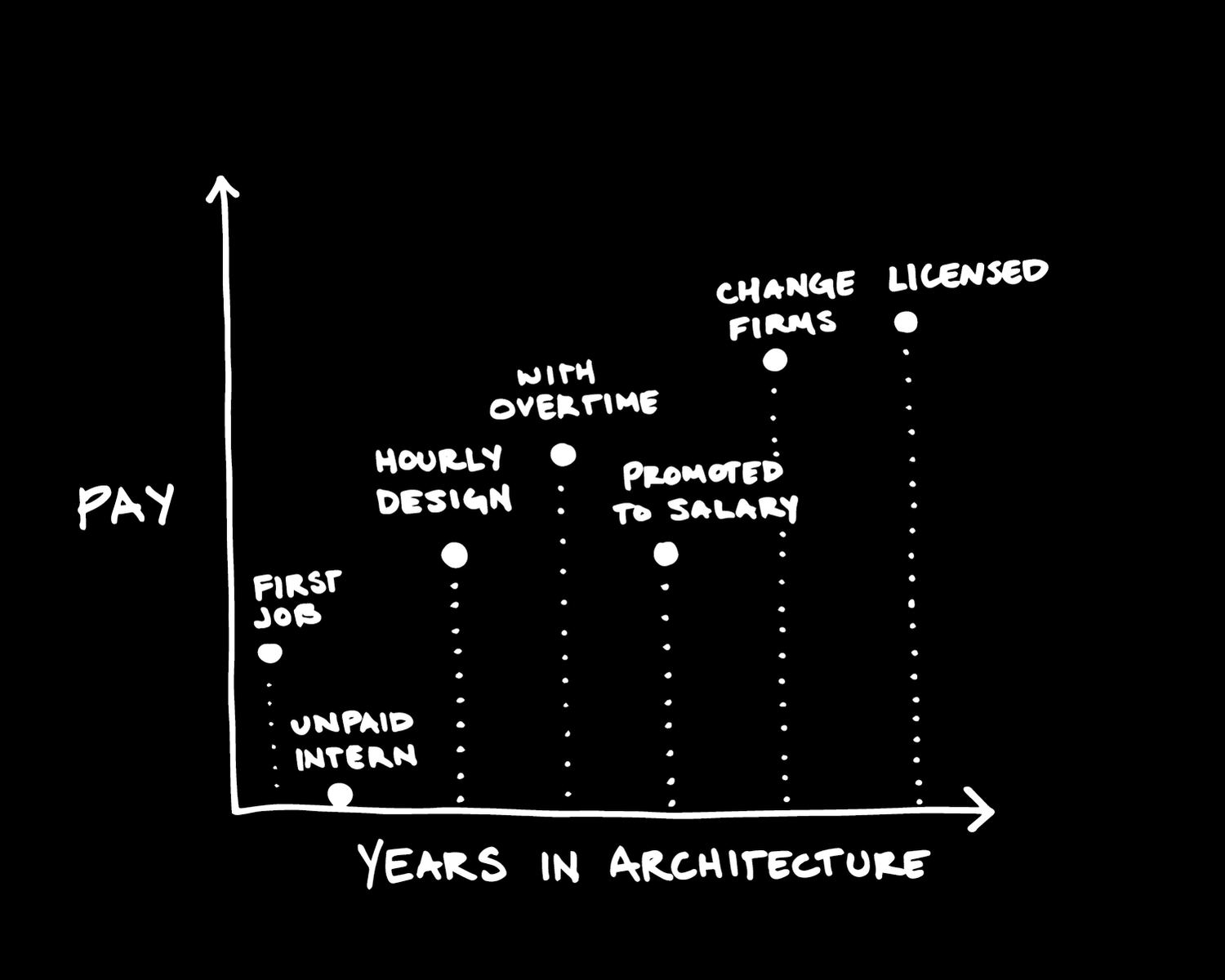
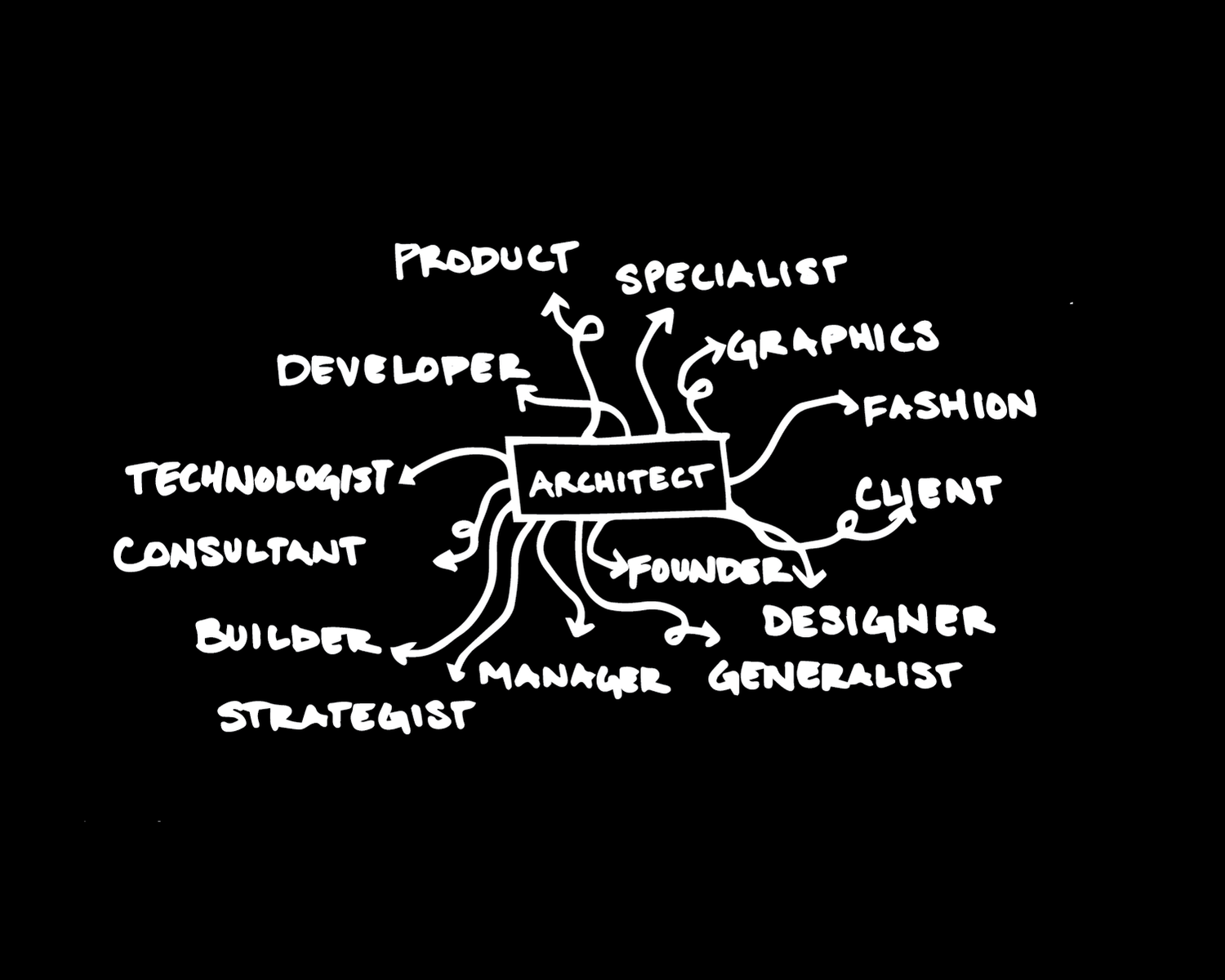
Here’s the thing: Not all architects have to be architects. Not everyone wants to be a project architect, project manager or principal. There are other paths you can take.

The skills that you have developed, over the course of your career (no matter if you’ve been working for 2 years or 20 years) can be put to use in hundreds of other roles in dozens of other industries.

If you think you want out, look at your options. Talk to other architects who are out in the world doing other equally amazing things. You owe it to yourself to at least explore what else is out there.

We also realize not everyone has the privilege and the circumstances to quit their jobs or change careers right now. You’ve got families to feed, mortgages, and other financial commitments. All these things may prevent you from taking the leap. And that’s okay.

There’s a whole world beyond the title of Architect…

You can get creative fulfillment, passion and purpose both alongside and beyond the title of Architect. The term ‘architect’ shouldn’t isolate us from other kinds of design. It should celebrate our breadth and versatility across design disciplines. 

You can leverage your skills, discipline, experience and knowledge in other industries. Here are just some of the ways:

You could be a graphic or visual designer at Amazon, a game designer or environmental artist at Rockstar, a design consultant at Doblin or McKinsey, a UX designer at Kayak, a computational designer at Adidas or New Balance, a real estate developer or analyst at JLL. Business development, customer excellence, client-side project manager, set design, service design, workplace design.

These paths and the stories of thousands of people who have transitioned out of architecture and forged pathways into new industries, are documented in our new book Out of Architecture. Instead of tip-toeing around the topic of leaving architecture, we need architects who’ve applied their skills in other industries to share their stories, to show that there are other paths for people who aren’t happy in the field. 

We need to create safe spaces where we can freely discuss our career options. That’s what Out of Architecture stands for, and you can always come to talk with us. 

Take action in your career. Even if that first step is just a conversation.

Architects, it’s time to talk.

References

If you’re thinking about making a career change or looking for support in your job search or negotiation, Out of Architecture is here to help. There are loads of resources including our job board, podcasts, and you can book a free consultation with us all on our website at www.outofarchitecture.com.

Even if you’re looking to stay in the profession, talking about your skills and projects in a different way can accelerate your practice. If you’re looking to reframe your narrative, Nikita Morell specializes in copywriting for architects.

 Browse the Architizer Jobs Board and apply for architecture and design positions at some of the world’s best firms. Click here to sign up for our Jobs Newsletter. 
Reference

hirshhorn museum appoints selldorf architects & SOM to lead its largest renovation to date
CategoriesArchitecture

hirshhorn museum appoints selldorf architects & SOM to lead its largest renovation to date

Hirshhorn to receive major modernization after nearly 50 years


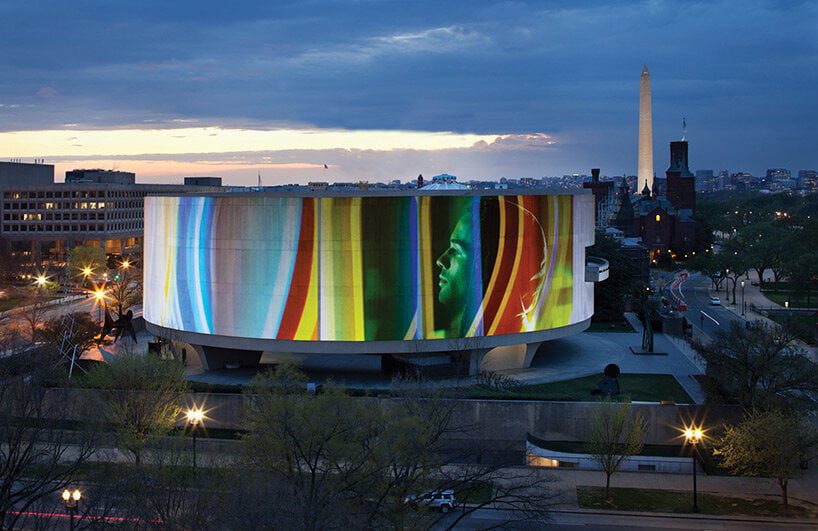
The famed Hirshhorn Museum and Sculpture Garden in Washington, D.C, has announced that New York-based firm Selldorf Architects will work with Chicago-based practice Skidmore, Owings & Merrill (SOM) to develop a modernization plan for the museum’s interior and plaza. Nearly 50 years after its construction, the Hirshhorn will renovate its galleries and public spaces to respond to changes in contemporary art making and accessibility standards, as well as the drastic increase in attendance since 2017.


‘Art making has changed dramatically since our opening in 1974, and the Hirshhorn’s annual attendance has increased 40% in the past five years,’ says Melissa Chiu, director of the museum., ‘In response to these developments, the revitalization of our museum campus prepares us for the 21st century. We are pleased to work with SOM | Selldorf to do this.’

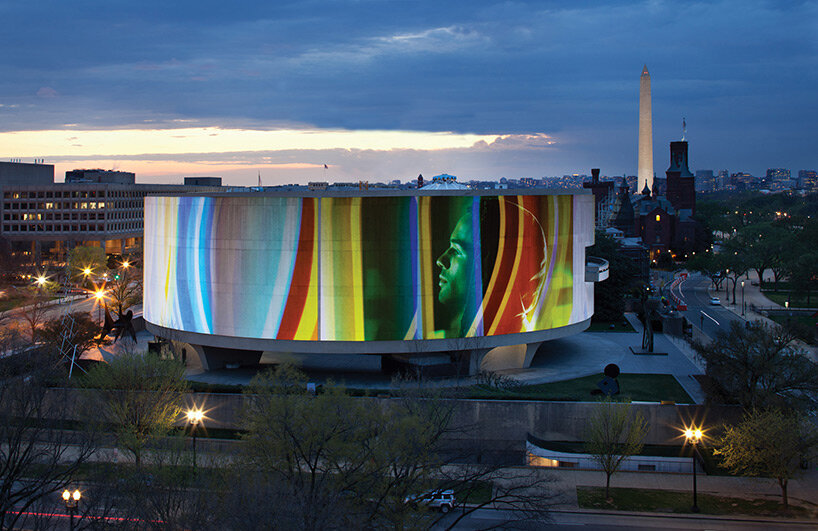
hirshhorn museum appoints selldorf architects & SOM to lead its largest renovation to date

image courtesy of Skidmore, Owings & Merrill (head image by Ron Blunt, courtesy of Hirshhorn Museum)


an ambitious, diverse, and sustainable museum 


The renovation by Selldorf and SOM addresses the changing needs of the iconic museum and the expansion of its exhibition spaces. In addition, the New York-based practice and Chicago-based firm will modernize the aging infrastructure, including artwork storage, vertical transportation, and stormwater management. The architects are expected to present a vision document in 2023, anticipating a draft public consultation process.


‘We are thrilled to be working together on the revitalization of the Hirshhorn Museum,’ mention Chris Cooper, FAIA, partner at SOM, and Annabelle Selldorf, FAIA, principal at Selldorf Architects, in a joint statement. ‘Ensuring that the building is better able to accommodate the museum’s ambitious programs, while serving a larger and more diverse audience, is of critical importance. And we need to be able to do so while making the building more sustainable.’

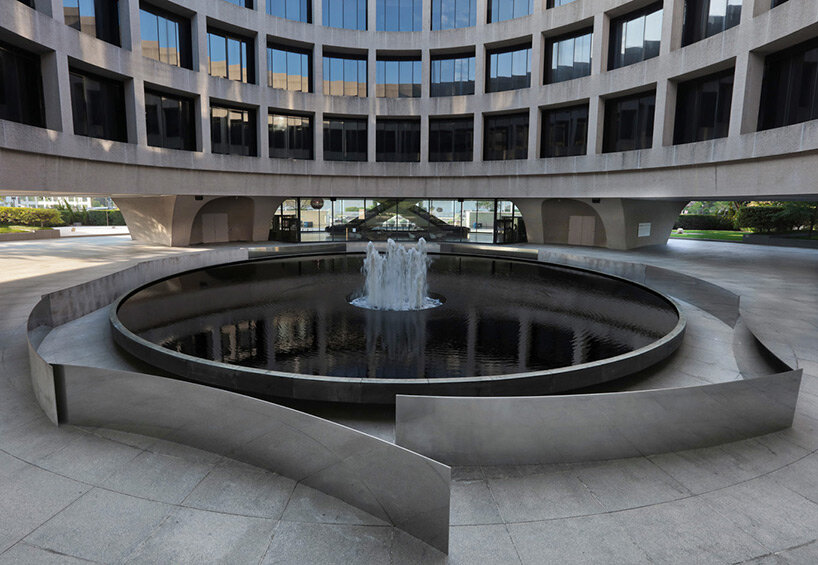
hirshhorn museum appoints selldorf architects & SOM to lead its largest renovation to date
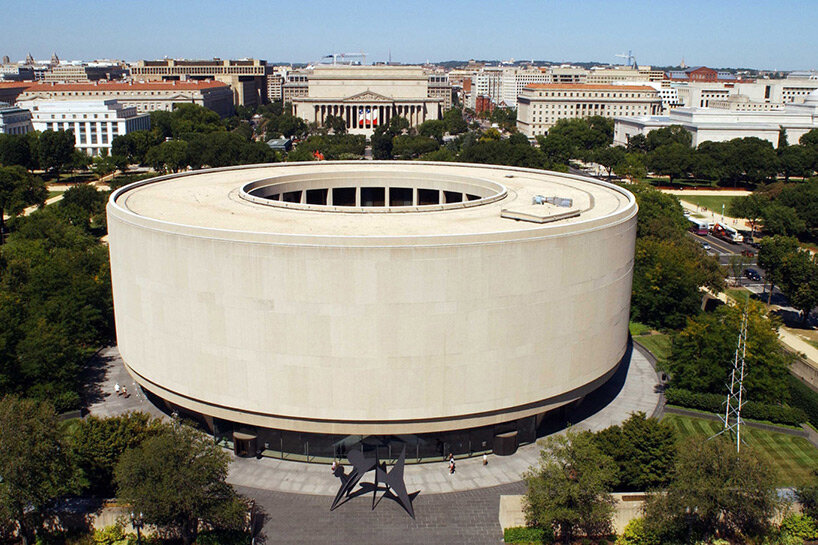
the iconic cylindrical building was designed by Gordon Bunshaft in 1974, and is part of the Smithsonian Institution

image courtesy of Hirshhorn Museum


hirshhorn’s largest renovation to date


According to the Hirshhorn, the appointment of SOM and Selldorf marks the final chapter of the museum’s largest renovation to date, which consists of three phases and began in 2021 with the repair of the building’s facade. During the repairs, the building was covered with Nicolas Party’s Draw the Curtain mural, which was removed in October 2022.


The first project, expected to be completed by the end of 2022, includes replacing the museum roof and prefabricated panels to improve thermal performance and create new structural attachments. A second project, the revitalization of the Hirshhorn Sculpture Garden by artist and architect Hiroshi Sugimoto, will begin in spring 2023. The Sculpture Garden redesign will expand Hirshhorn’s ‘front door’ on the National Mall to increase attendance by 300% and establish three distinct exhibition areas for modern sculpture, time-based and performance art, and large-scale commissions. Sugimoto’s plan also calls for the reopening of the Gordon Bunshaft-designed underground passageway that will reconnect the National Mall to the Hirshhorn Museum and plaza via the Sculpture Garden.

hirshhorn museum appoints selldorf architects & SOM to lead its largest renovation to date
installation view of Lee Ufan: Open Dimension at the Hirshhorn Museum and Sculpture Garden

image by Cathy Carver, courtesy of Lee Ufan, via The Pace Gallery


project info: 


name: Hirshhorn’s Largest Revitalization in History
architects: Selldorf Architects in collaboration with Skidmore, Owings & Merrill (SOM)

myrto katsikopoulou I designboom

nov 01, 2022

Reference