
Buckle Up: 5 Architects and Firms Are Taking the Driver’s Seat in Vehicular Design
Browse the Architizer Jobs Board and apply for architecture and design positions at some of the world’s best firms. Click here to sign up for our Jobs Newsletter.
Building design is rarely the sole focus of architecture. Being an architect involves exploring the depths of innovation and pushing the boundaries of human experience. For architects, delving into alternative design fields often promises new challenges, the expansion of knowledge and the further development of an array of skills. There are many fields architects have historically branched into (the first that comes to mind is product design). Yet, in the past decade or so, architects have increasingly turned their attention toward a new field of inquiry. Drawing on a long, symbiotic relationship between architecture and engineering, more and more contemporary architects are dipping their toes into transportation design.
From the seas to the skies, architects have brought their unique perspectives and innovative ideas to the table, creating iconic transportation designs that will be remembered for years to come. This collection celebrates the art of transportation design by showcasing five firms that have tackled the unique design challenges of vehicles. From Norman Foster and his slight obsession with all things motorcar to Zaha Hadid Architects’ mesmerizing braided exoskeletons, the level of creativity, innovation and technical skills on display is nothing short of inspirational. So buckle up and enjoy these incredible feats of design and engineering.

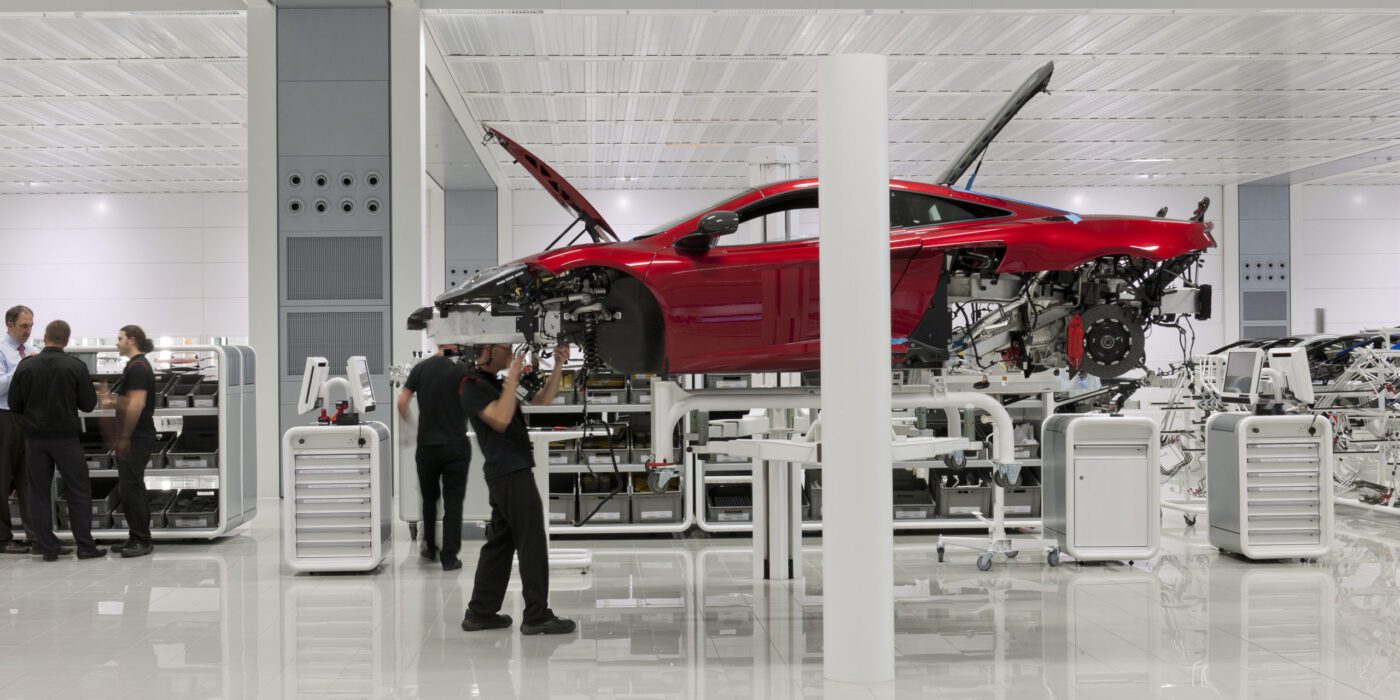
McLaren Production Centre by Foster + Partners, Woking, United Kingdom
Foster + Partners have an illustrious relationship with transportation design, having collaborated on many incredible vehicles and vessels over the years, their portfolio is stacked with not only vehicles but airports and stations alike. It’s no surprise really that the team at Foster + Partners has regularly dipped into the motor industry, as founder Norman Foster is well-known for his enthusiasm for cars. Recently the renowned architect put his self-proclaimed obsession on display when curating ‘Motion. Autos, Art, Architecture’ for the Guggenheim Bilbao’s epic exhibition, which linked the history of the automobile with the evolution of modern art.
While the practice have been involved in the design of many yachts, The Alen Yacht in particular is one of Foster + Partners most recent designs. At 68-foot the boat is perhaps not the biggest yacht you’ll ever see but that doesn’t mean it isn’t incredibly lavish, featuring elegant social spaces, a comfortable primary suite, and ample entertaining areas in an open-plan layout allows the luxury vessel to accommodate up to twelve guests. The fast and agile yacht boasts a beautiful interior with a refined palette of materials that emphasize the sense of motion and adventure at the heart of the yacht’s design. The furniture is artfully arranged to follow the curves of the white leather walls making clever use of the space available. It is apparent that throughout the yacht’s design, every detail has been thoughtfully considered and impeccably detailed.
Zaha Hadid Architects have always been known for their relationship with breathtakingly organic forms, and their foray into yacht design is no exception. Before her death, the late Dame Commander, Zaha Hadid, partnered with German shipbuilder Blohm+Vohs for three years, creating a family of seafaring vessels featuring mesmerizing braided exoskeletons. Now, Italian maker Rossinavi is set to celebrate ZHA’s next dive into the industry with its introduction of the electrifying Oneiric.
Oneiric is a 145-foot (44-meter) electric catamaran that is powered through artificial intelligence. Its cutting-edge design, inspired by the rolling waves of the ocean, features a single continuous line that rises from the aluminum hull, spirals up and around three photovoltaic-integrated levels, and undulates into the other hull. The ship’s exterior boasts branching curves that merge and diverge in the hull while the stern slopes down like a giant swimming platform, creating a seamless connection between the water and the yacht edge.
Italian shipyard Rossinavi is collaborating with Zaha Hadid Architects (ZHA) to bring a new, fully #electric catamaran— ‘Oneiric’. Here’s a peek this yard’s green-technology flagship vessel: https://t.co/LXCEp70lBJ pic.twitter.com/ubXP5BlET9
— YachtWorld (@yachtworld) July 16, 2022
The yacht’s interior is just as fluid, with integrated furnishings blending into adjacent planes and walls, meeting ceilings through uninterrupted coved surfaces. The main cabin offers breathtaking 180-degree views and sunlight is prevalent through the addition of skylights. The interiors are finished with lightweight, eco-friendly materials to reduce drag, and the yacht is powered by photovoltaics during daylight hours. The onboard AI monitors energy consumption and provides navigation recommendations based on environmental impact, allowing Oneiric to complete a day trip on electric power alone with minimal carbon and noise emissions. Rossinavi has calculated that Oneiric can handle over two-thirds of a transatlantic voyage with solar power. The yacht can even charge land-based appliances while docked.
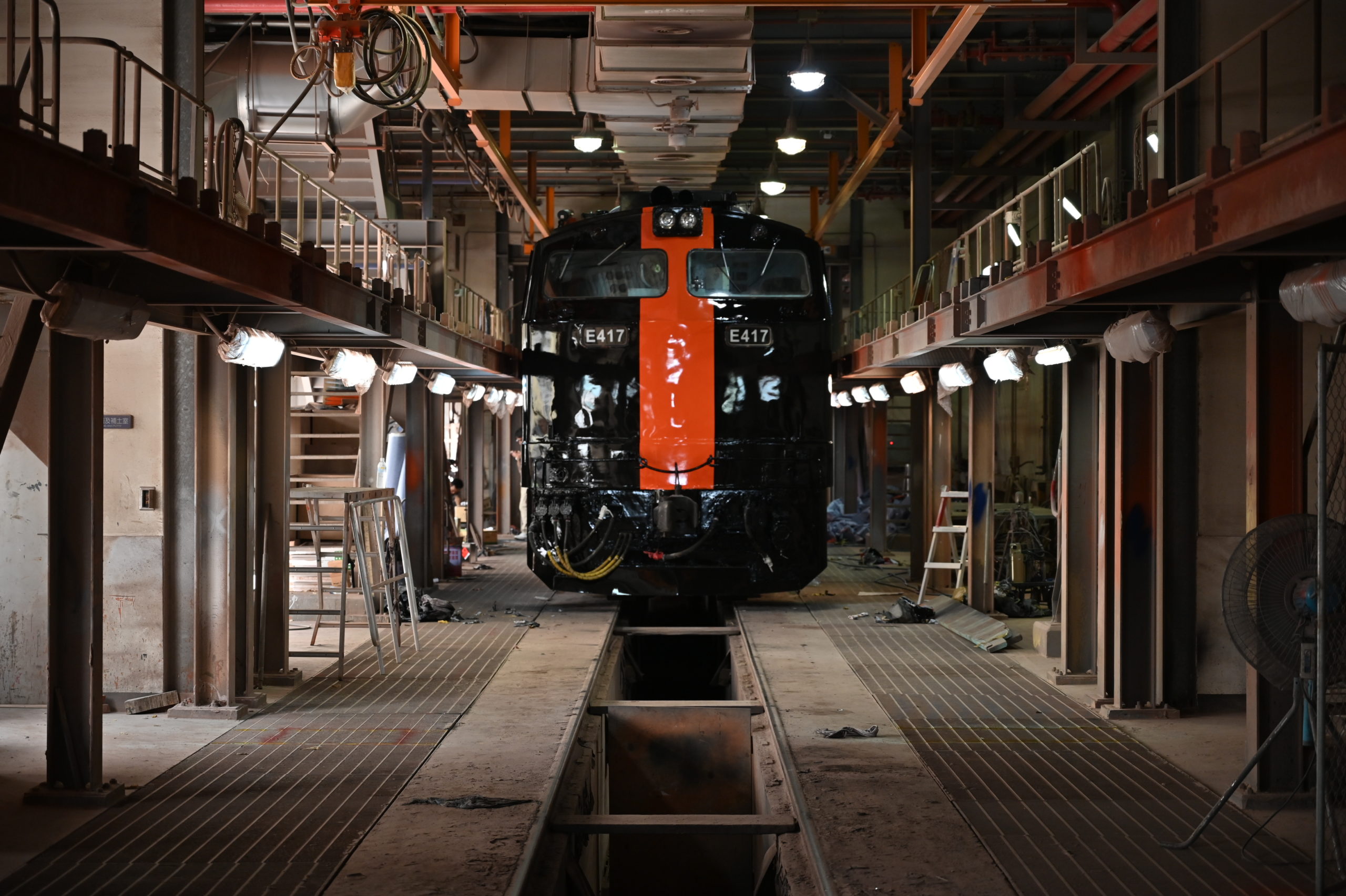
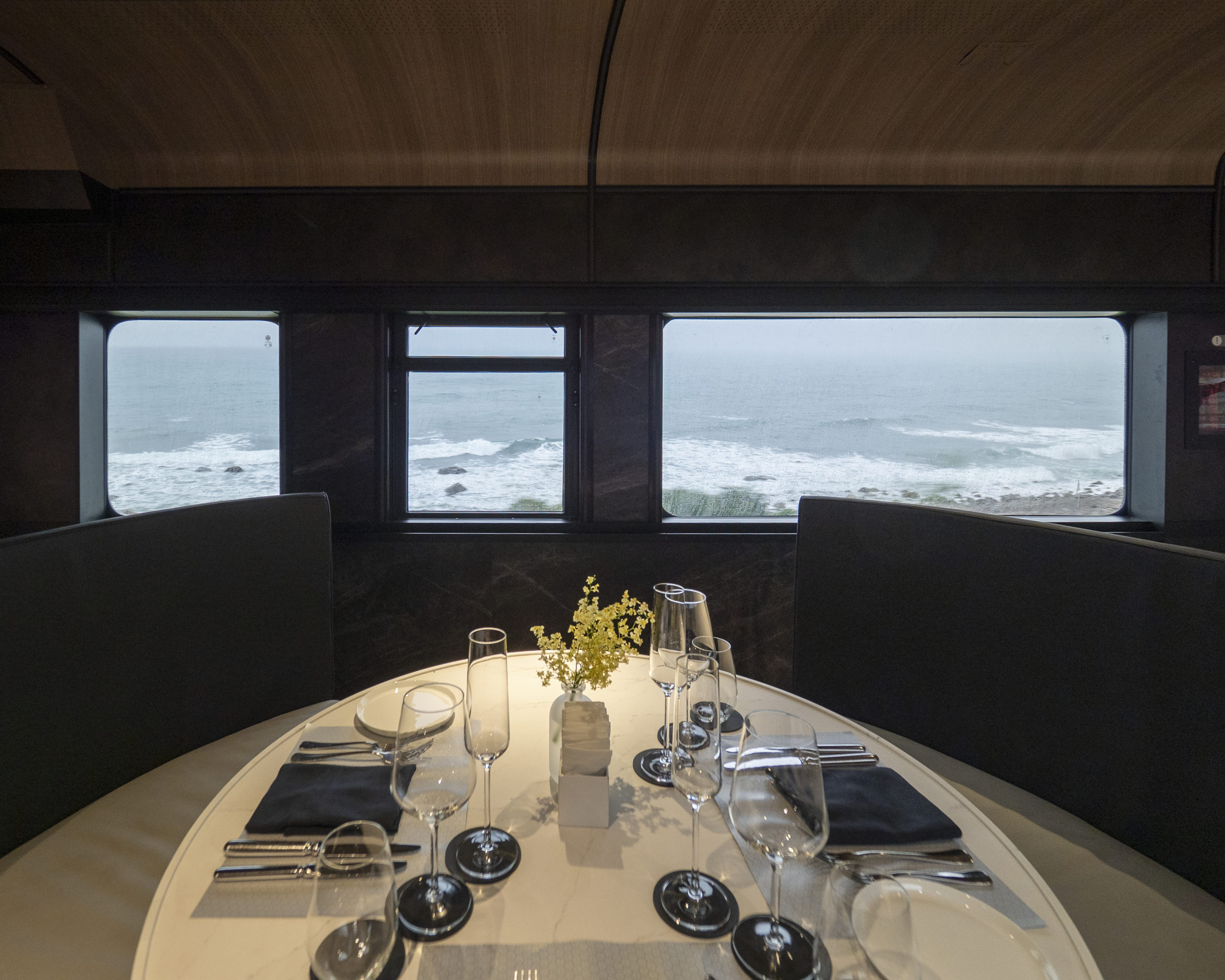
The Moving Kitchen by J.C. Architecture, Taiwan | Photographs by Kuo-Min Lee
Popular Winner, 10th Annual A+Awards, Transport Interiors
The Moving Kitchen is an excellent example of what we can do with our existing or outdated transportation inventory. Designed by the talented architecture firm J C Architects, the restaurant is housed in a semi-retired 70-year-old train that has been salvaged from retirement and transformed into a moving luxury resturant. The dynamic dining experience seats 54 people and takes its guests on a culinary journey both through the culinary delights and through the scenic beauty of Taiwan.
The concept behind the Moving Kitchen was to merge the flavors of traditional Taiwanese cuisine with the breathtaking views of the island. A multidisciplinary team of designers, chefs, and restaurant operations experts worked tirelessly to bring the vision to life and the result is an unforgettable dining experience that seamlessly blends the taste of Taiwan with the scenic beauty of the island.
Bjarke Ingles Group is renowned for their innovative designs and boundary-pushing ideas. From creating the iconic headquarters of Google to the thought-provoking Danish Refugee Museum, the adept team of architects and designers have proven time and time again that they are not afraid to tackle challenging projects in their own unique way.
Often entering the realm of transportation, BIG have brought their skills to bear on several new and exciting modes of transportation. Yet, unlike many of their peers who opt for superyachts and luxury vehicles, the unpredictable BIG took aim at the electric bicycle. The Biomega OKO is a stylish e-bike made up of clean lines and an efficiency to be envied. Designed and developed by KiBiSi, under the leadership of Bjarke Ingles the bike flipped the often over complicated electric bike model and stripped it back to bare essentials, without compromising on function or aesthetics.
The perfectly balanced, sleek cycle is fitted with a battery in the middle bar and a motor in the front wheel hub. The Biomega OKO is made of carbon fiber and weighs in at a mere 44 pounds, making it one of the lightest electric bicycles on the market at the time. With its energy-efficient operation, the Biomega OKO is not only regarded as a joy to ride, but its eco-friendly design is admirable. The Biomega OKO may be utilitarian in it’s looks but it is truly a seamless example of transportation design.
Germane Barnes
Germane Barnes is an architect and academic whose work explores the intersection of design alongside technology. The groundbreaking architect recently collaborated with motor giant Lexus on a unique project for Design Miami/ that aimed to encapsulate and present the next generation of the automaker’s evolution. The installation, titled “ON/,” is inspired by Lexus’s LF-Z Electrified Concept car and embodies the human-centered, future-oriented approach to design and craftsmanship that the brand and Barnes share.
The immersive installation features a precisely scaled three-dimensional sculptural rendition of the concept car suspended just above the ground and illuminated with embedded LED lighting. The display also includes furniture designed by Barnes and his team specifically for the installation, providing areas for rest and reflection. The entire installation is unified by a unique lighting scheme that allows for engagement from users around the world through an online, interactive virtual model. Participants created their own lighting designs for the display, and Barnes and his team selected a number of the user-generated designs to showcase onsite, encouraging interaction and collaboration while highlighting the creative vision of entries from around the world.
Browse the Architizer Jobs Board and apply for architecture and design positions at some of the world’s best firms. Click here to sign up for our Jobs Newsletter.
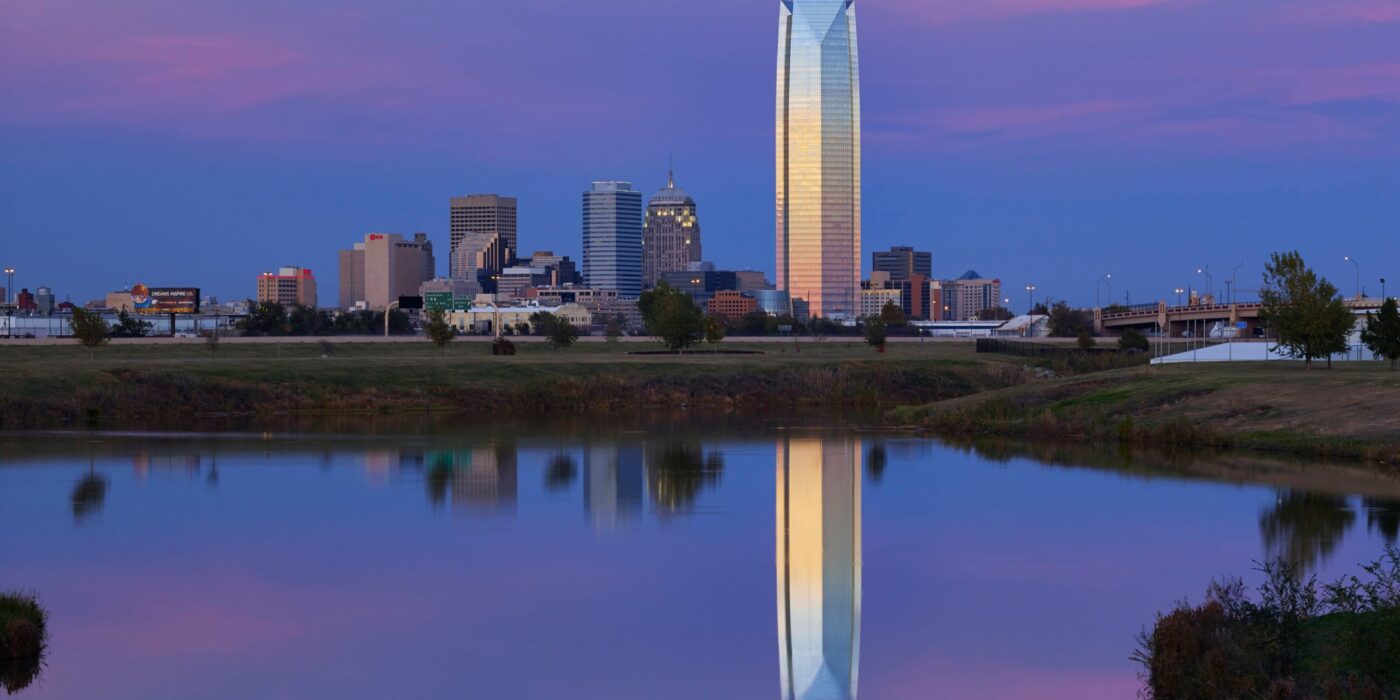
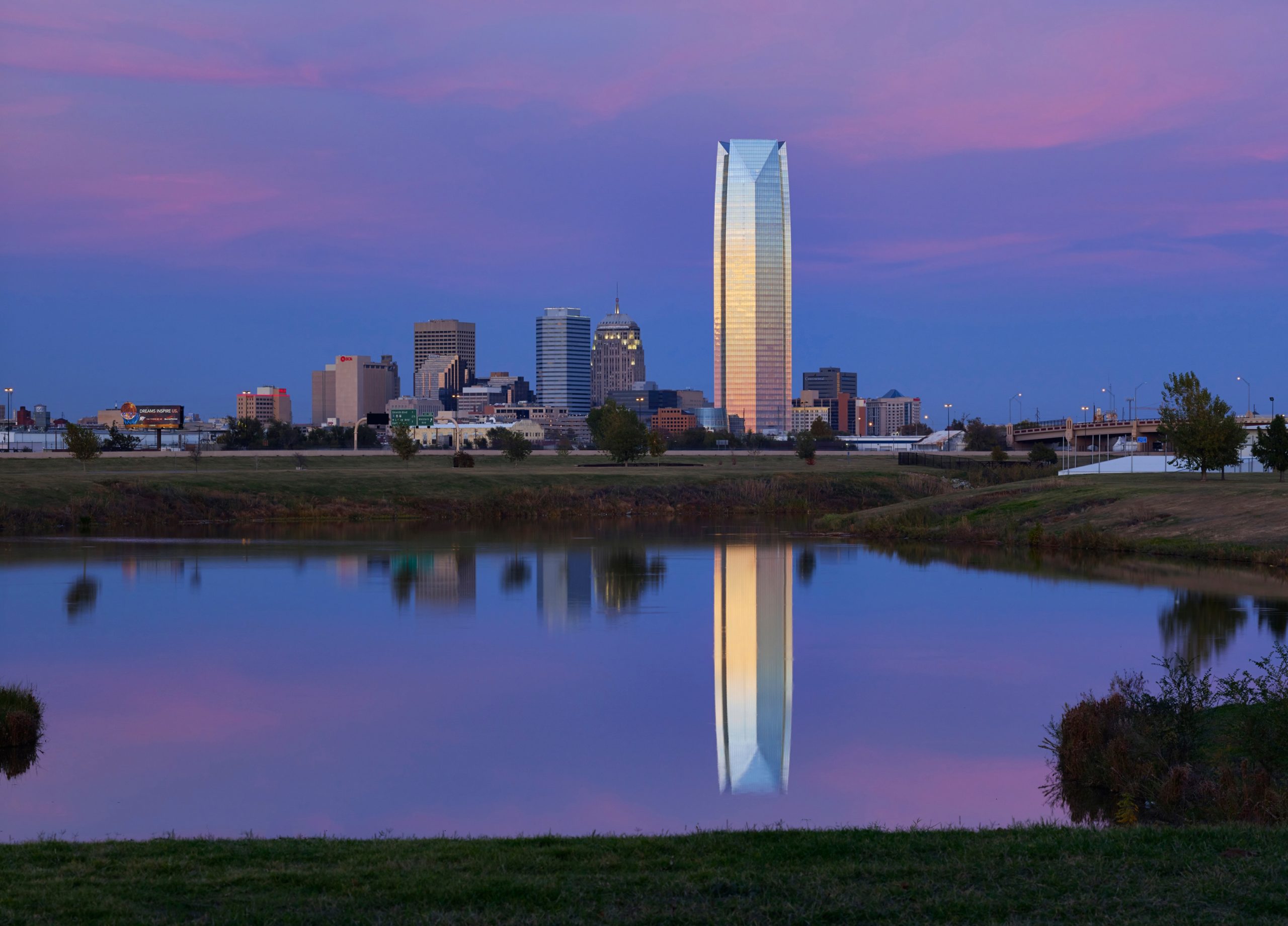
 The Devon Energy Center was designed to create a focal point for the company and the city by integrating civic-scaled spaces. The headquarters consolidates Devon’s Oklahoma City-based workforce into a single facility. Rising fifty floors, the tower’s unique three-sided footprint allows it to be viewed from all of greater Oklahoma City. The curtain wall is composed of state-of-the-art continuous floor-to-ceiling glazing and a highly articulated mullion system.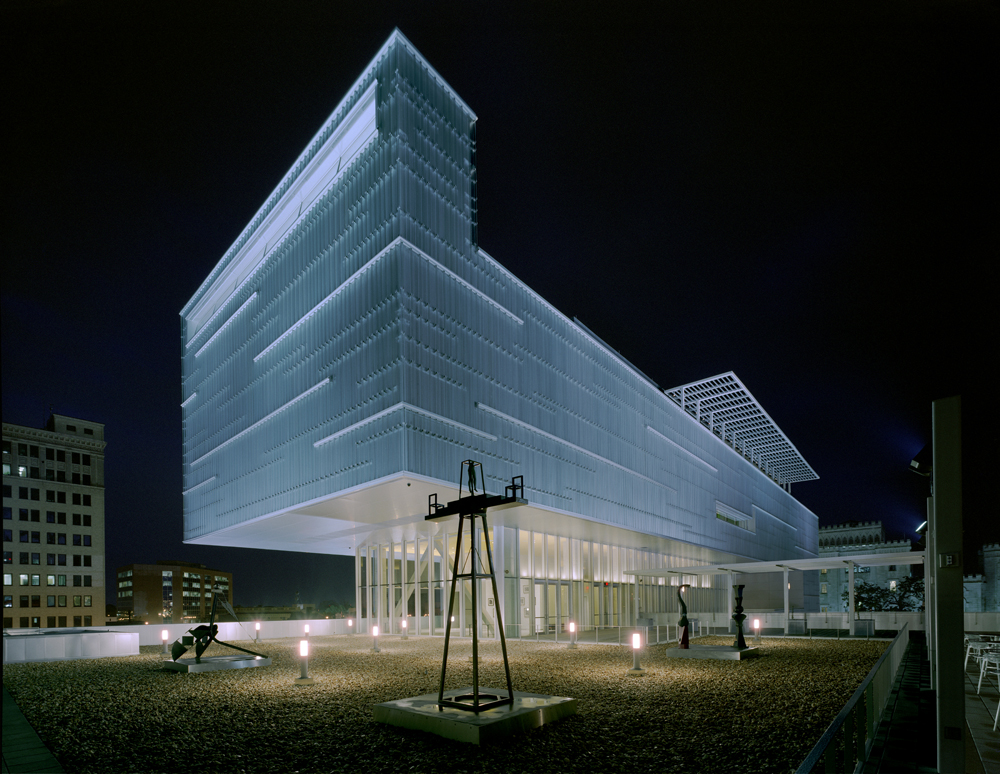
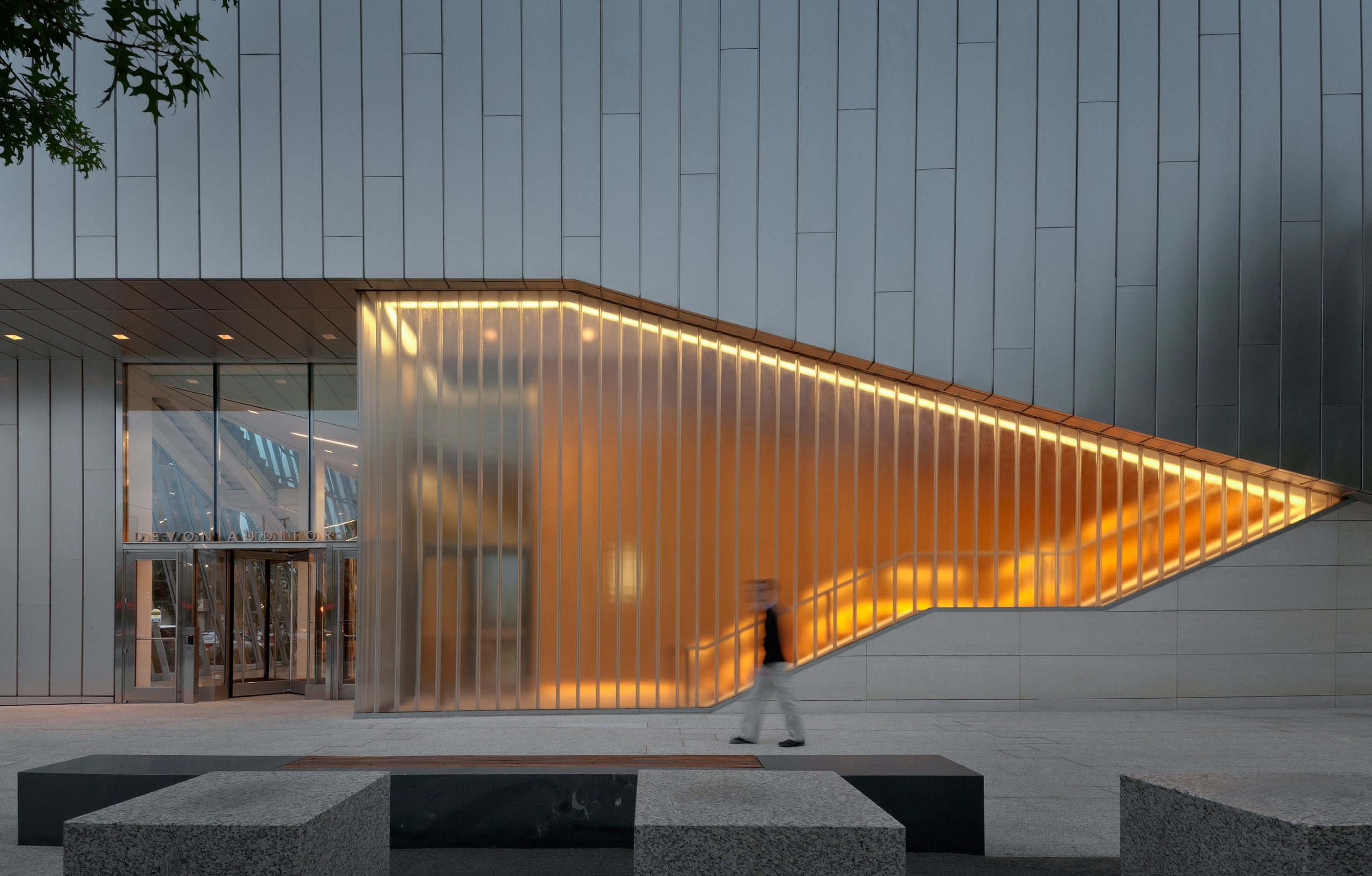
 Made to house Louisiana State University’s Museum of Art, this project also included studio art facilities, a regional performing arts facility with a 320 seat main stage, a hundred-seat black box theater, and a dance recital theater. An historic older building, the “Auto Hotel,” houses classrooms, offices, curatorial spaces, and a gallery for the LSU School of Art. The innovative Bendheim channel glass rainscreen creates a highly recognizable façade, while protecting the building and the works of art it houses from the elements.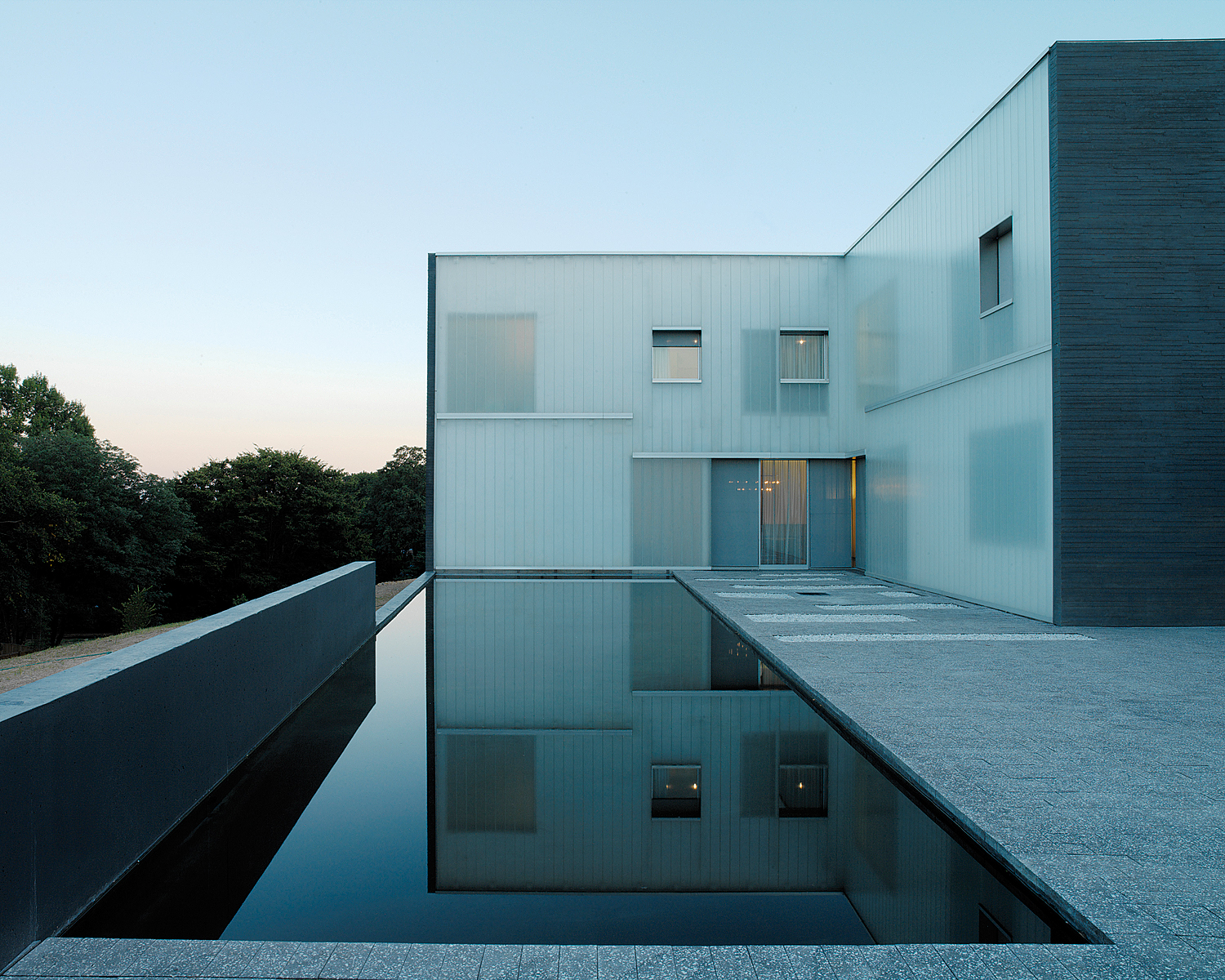
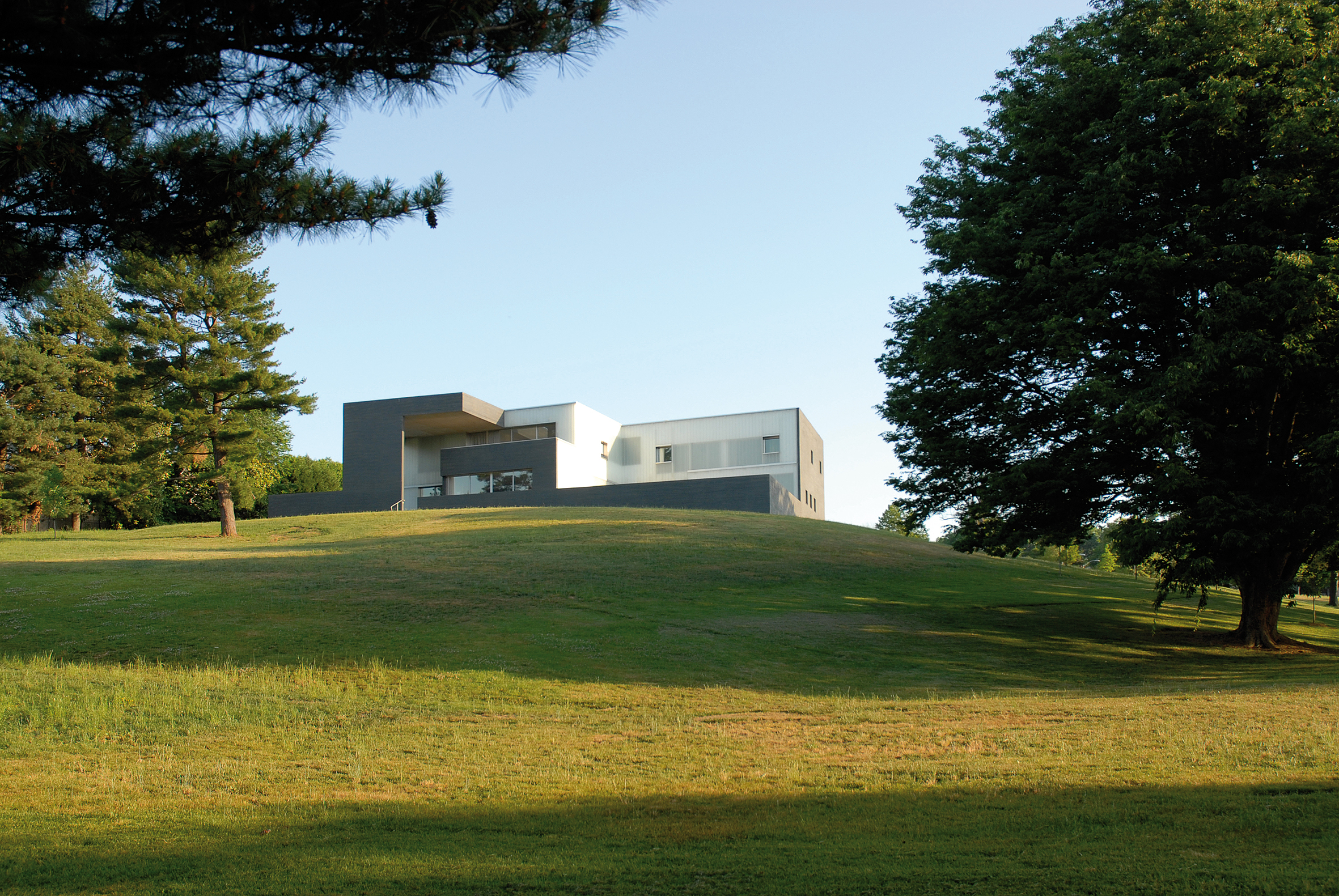 Looking out with a view to the Washington Monument, this residence was made as a multifunctional microcosm of living and working space as well as rooms for official receptions and for the staff. The strictly geometrical structure of the Swiss Embassy is a cross-shaped volume on a massive, rectangular base. The outer sides of the cross, which are part of the base too, and the the resulting exterior spaces are allocated to adjacent areas.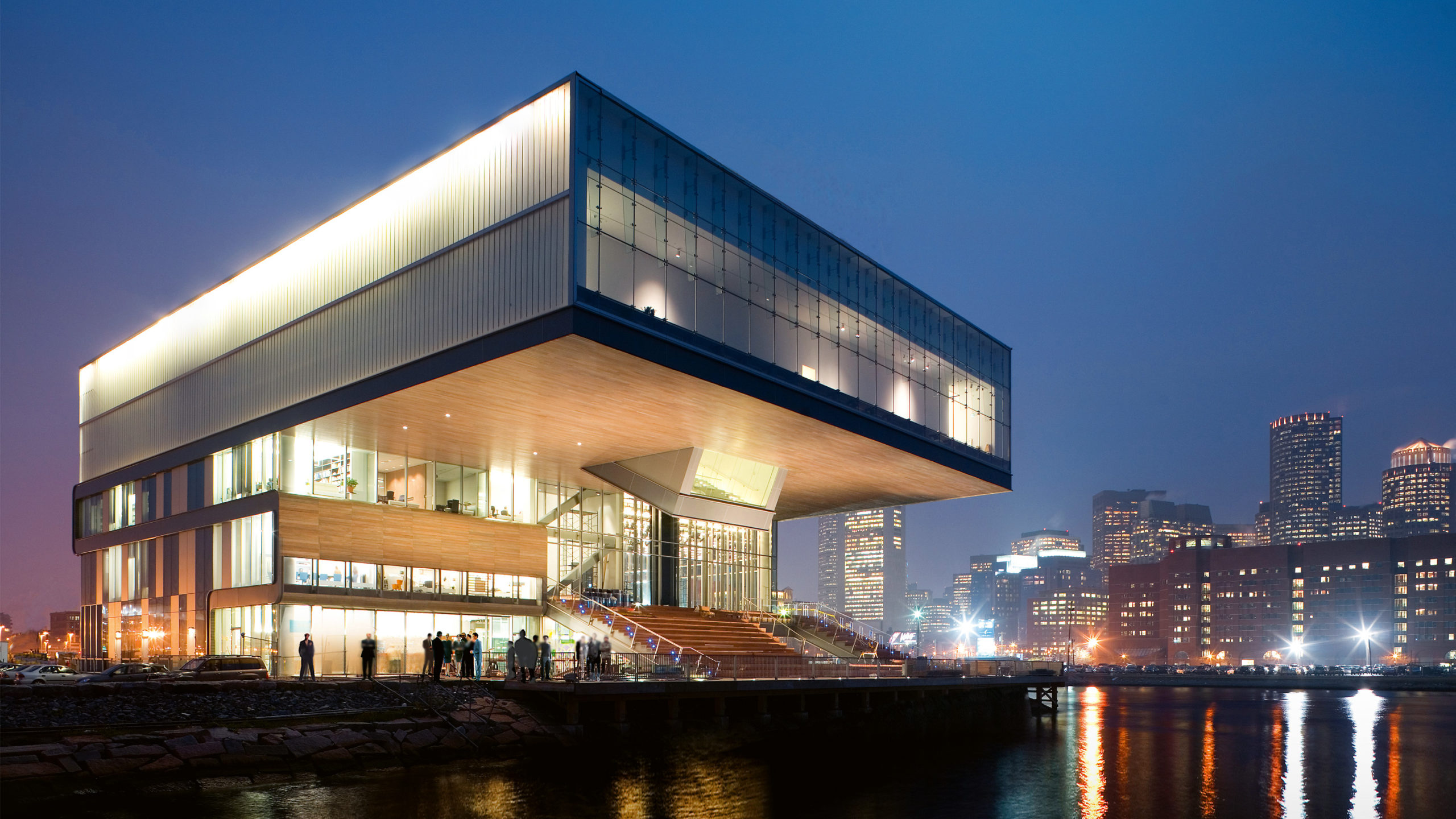
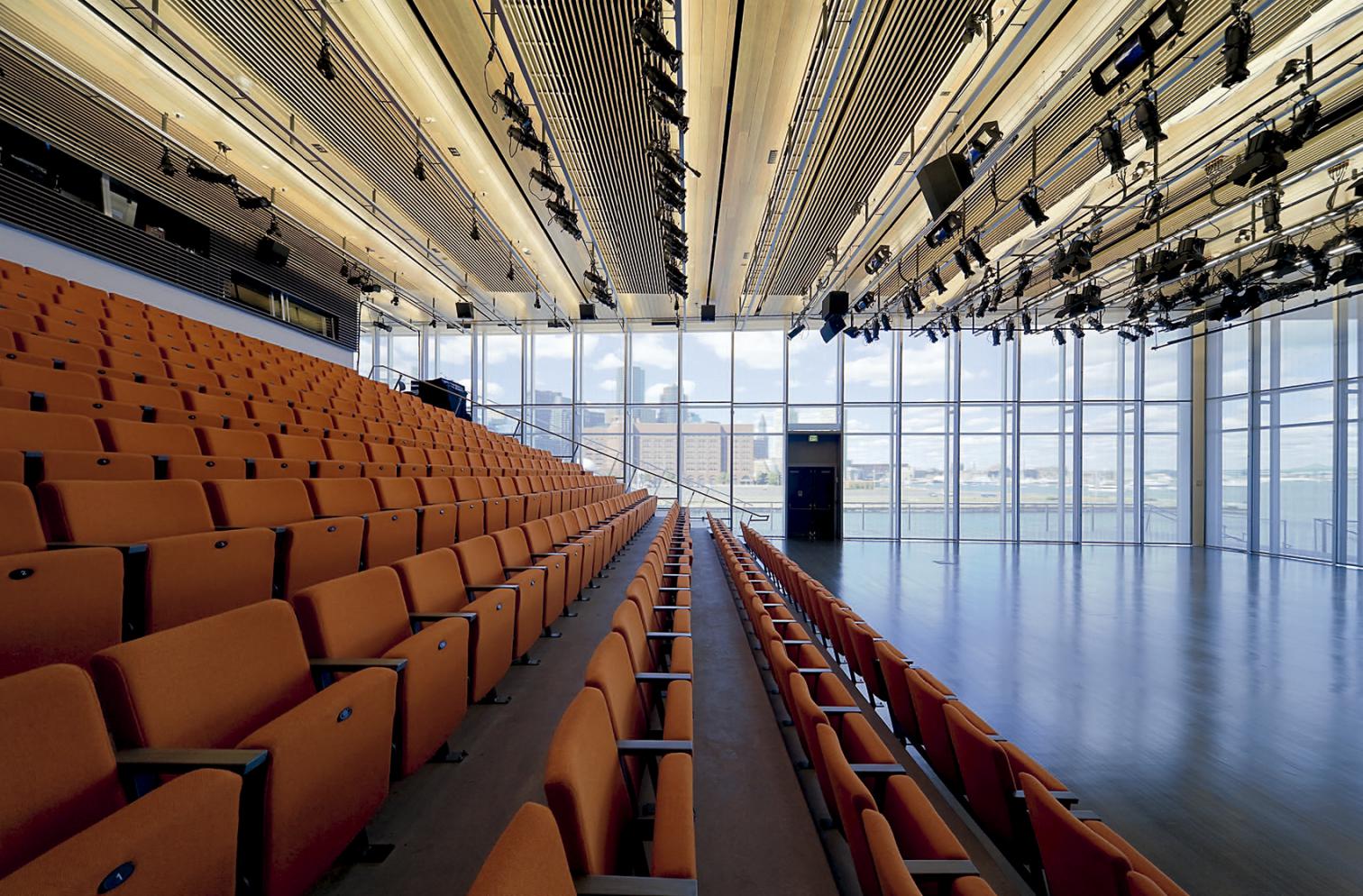 The ICA was the first museum to be built in Boston in 100 years. The 65,000 square foot building includes temporary and permanent galleries, a 330 seat multi-purpose theater, a restaurant, bookstore, education/workshop facilities, and administrative offices. The site is bound on two sides by the Harbor Walk, a 47-mile public walkway at the water¹s edge reclaimed from Boston’s industrial past. The ICA offers the city some of its ground floor footprint in exchange for rights to cantilever over city property with a 18,000-square-foot gallery illuminated by an uninterrupted skylight.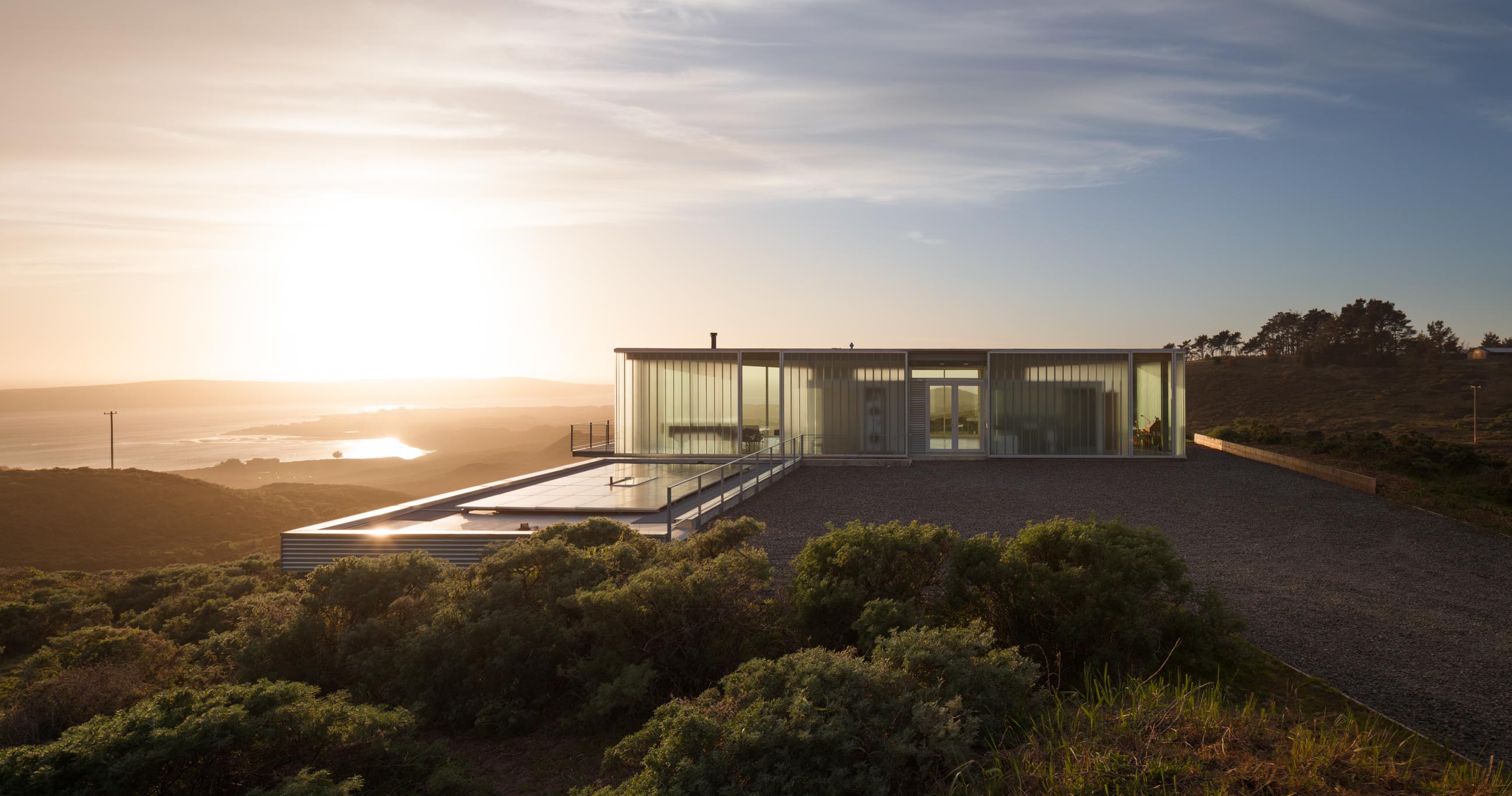
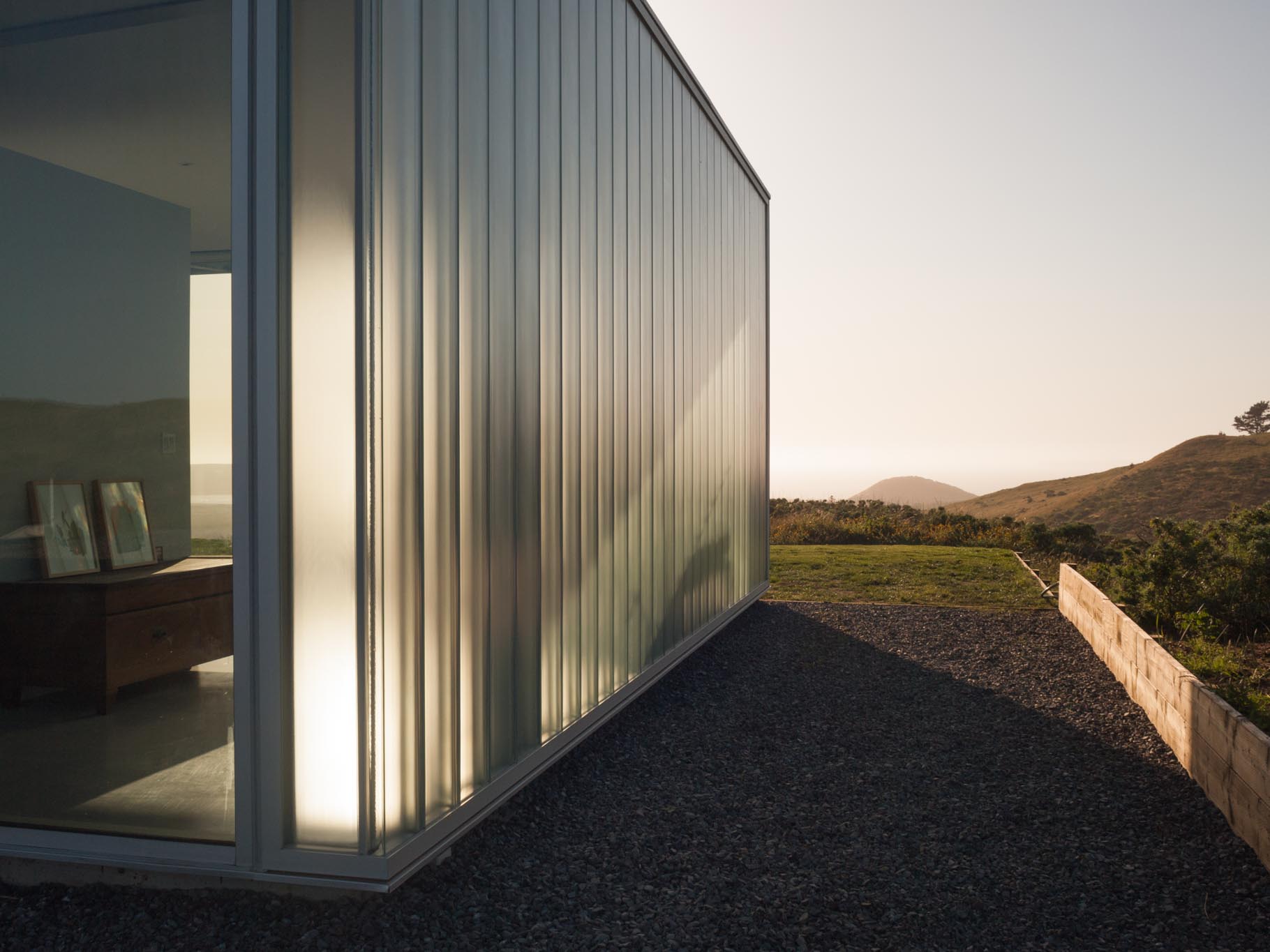 The C-Glass House is an elegant retreat in northern California. Set on a spectacular site, the residence opens to a panoramic view of Tomales Bay and the open ocean, while bracing against winds from multiple directions. C-Glass House brokers between the Leica-like precision of high modern glass houses and the cinematic wireframe of the Case Study generation. The home was also inspired by artists’ explorations of glazed enclosures as much as it is to the precedents of Johnson and Mies.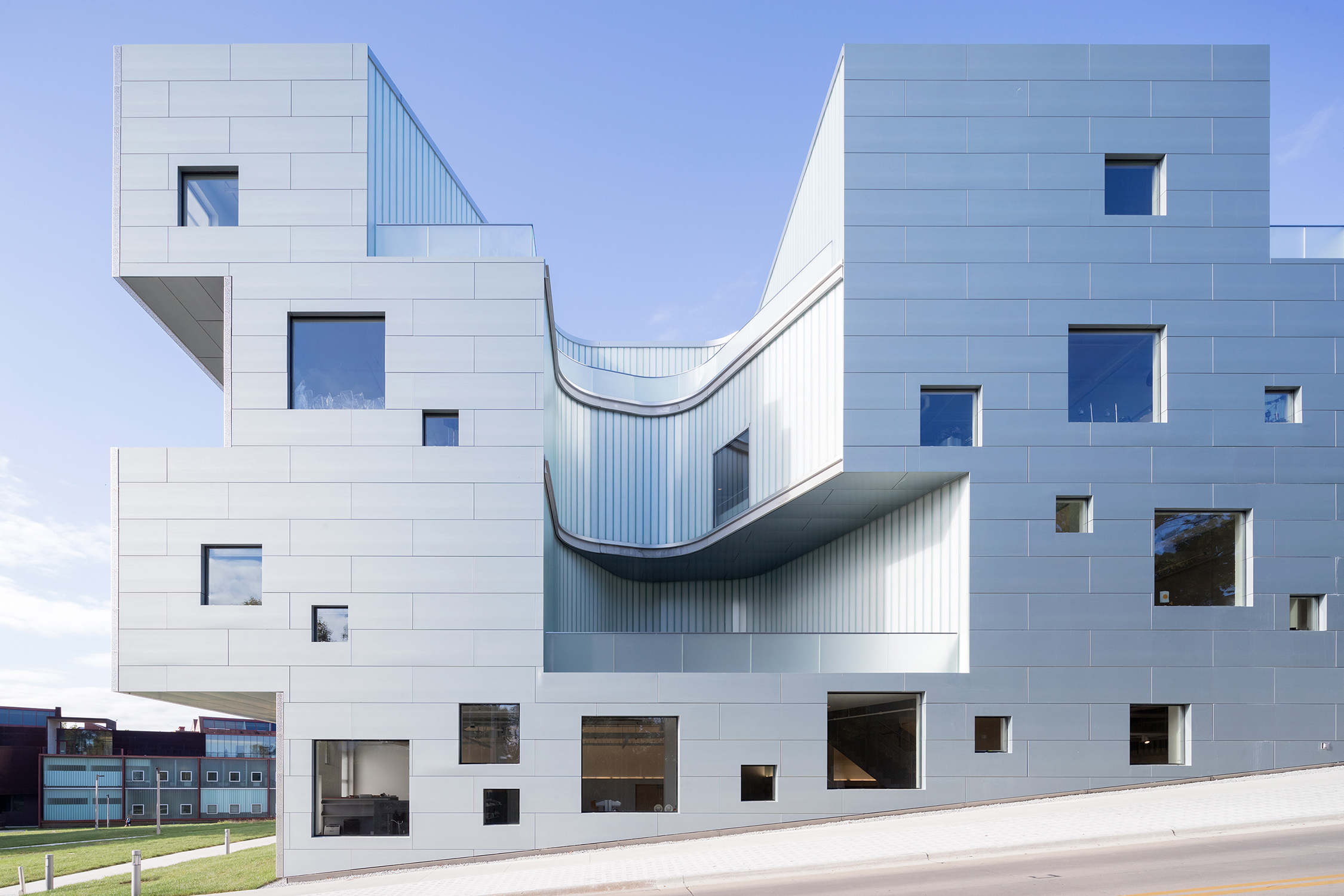
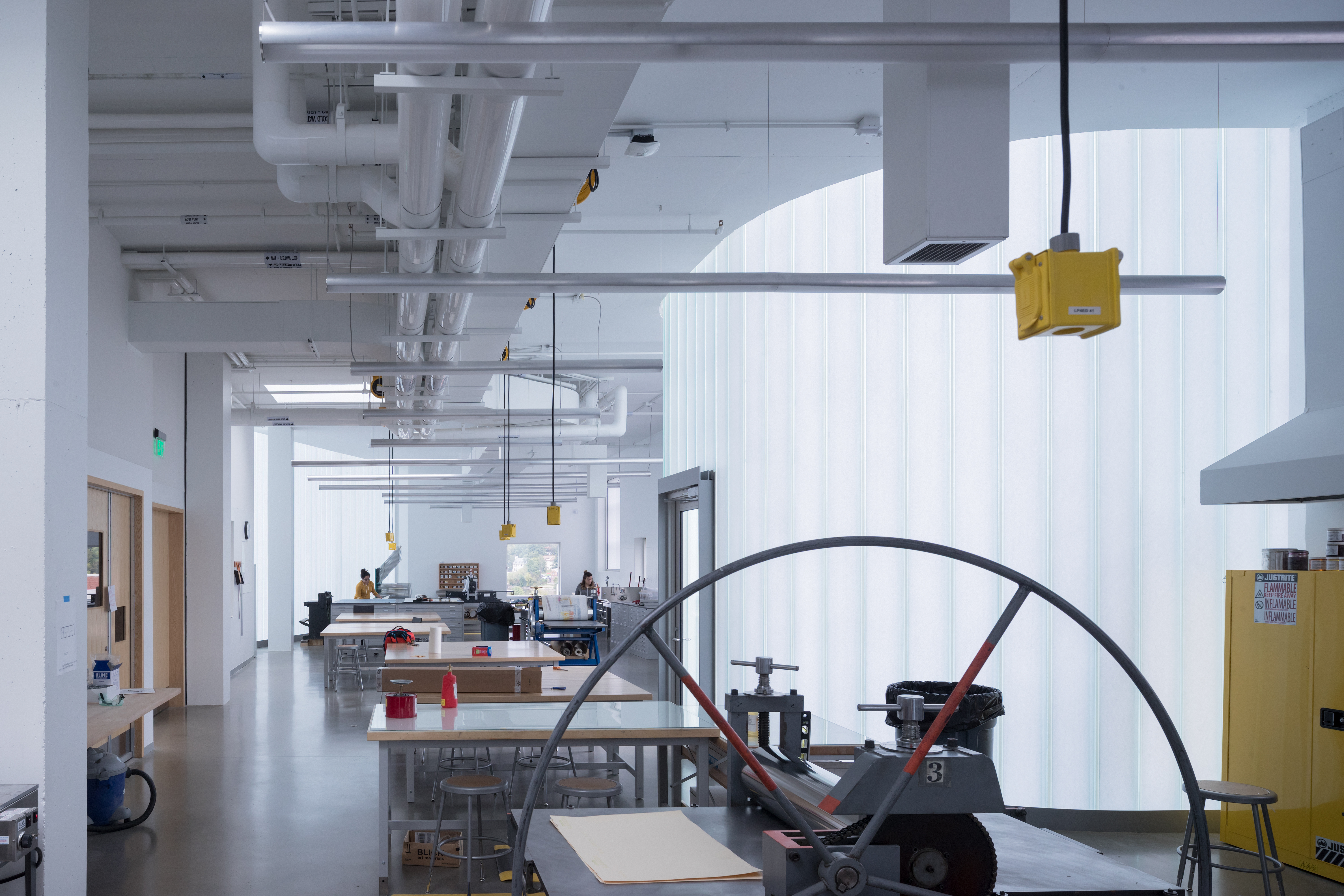 SHA and BNIM designed the new Visual Arts Building for the University of Iowa’s School of Art and Art History. It provides 126,000 square feet of loft-like space for all visual arts media, from ancient metal-smithing techniques to the most advanced virtual reality technologies. The building replaces an original arts building from 1936, which was heavily damaged during the 2008 flood of the University of Iowa campus. Seven vertical “centers of light” are carved out of the building’s volume filling the interior with natural light and ventilation.

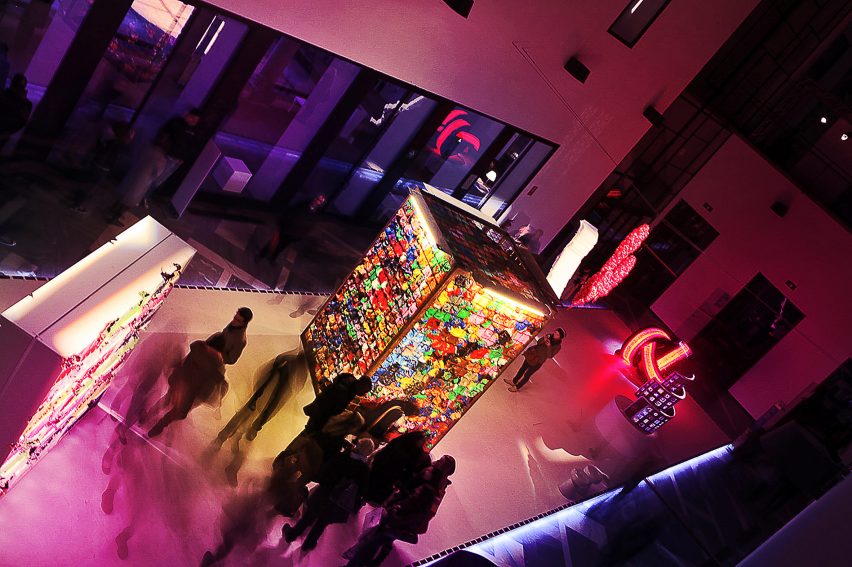

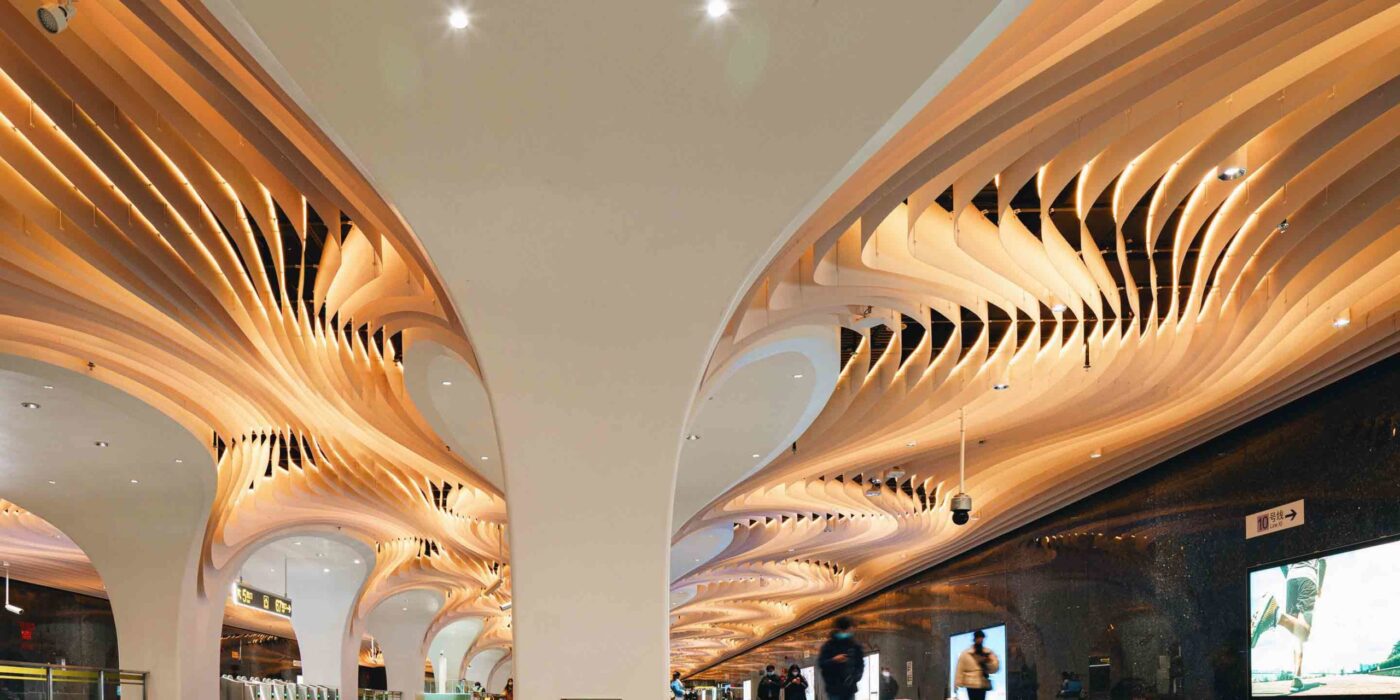
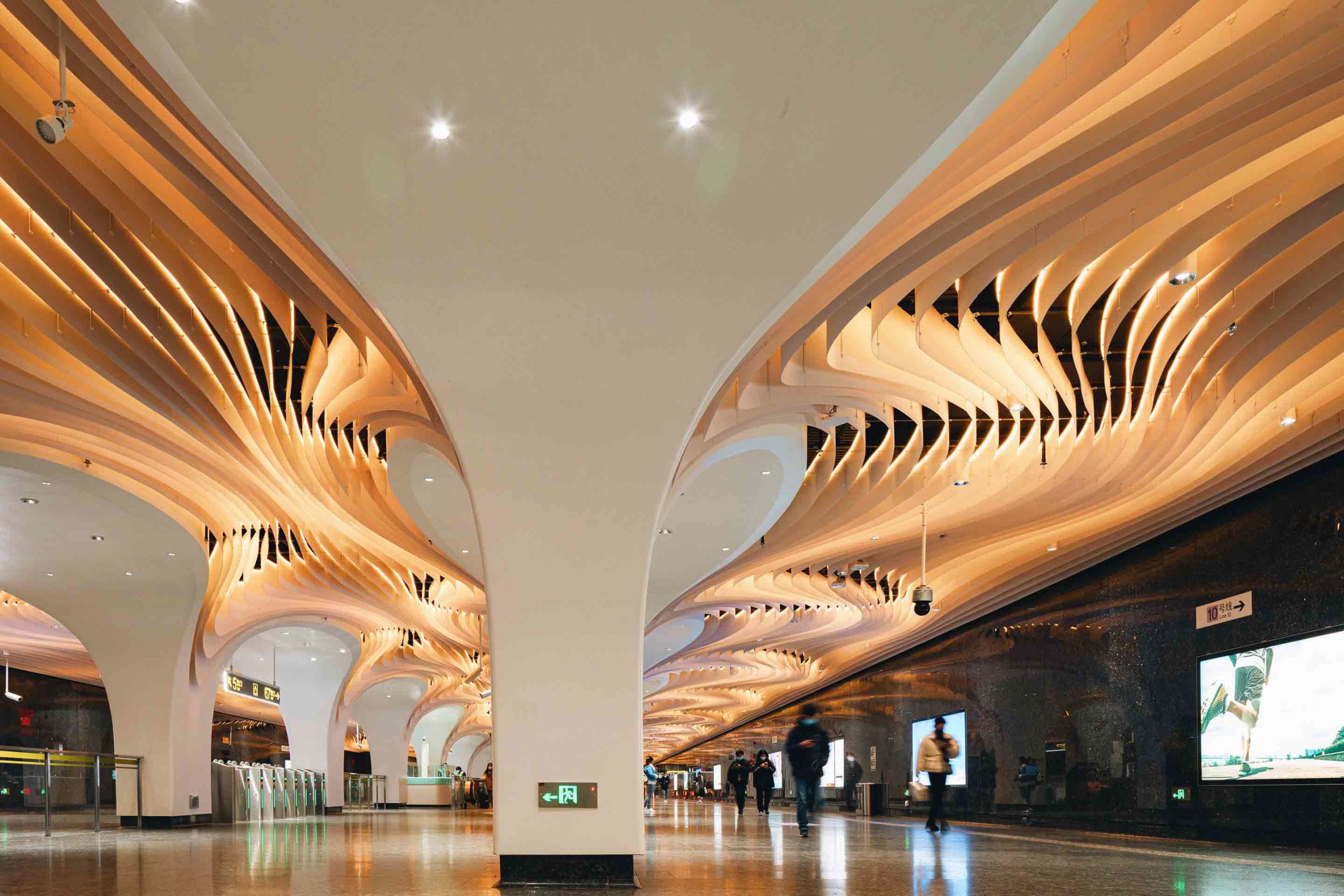
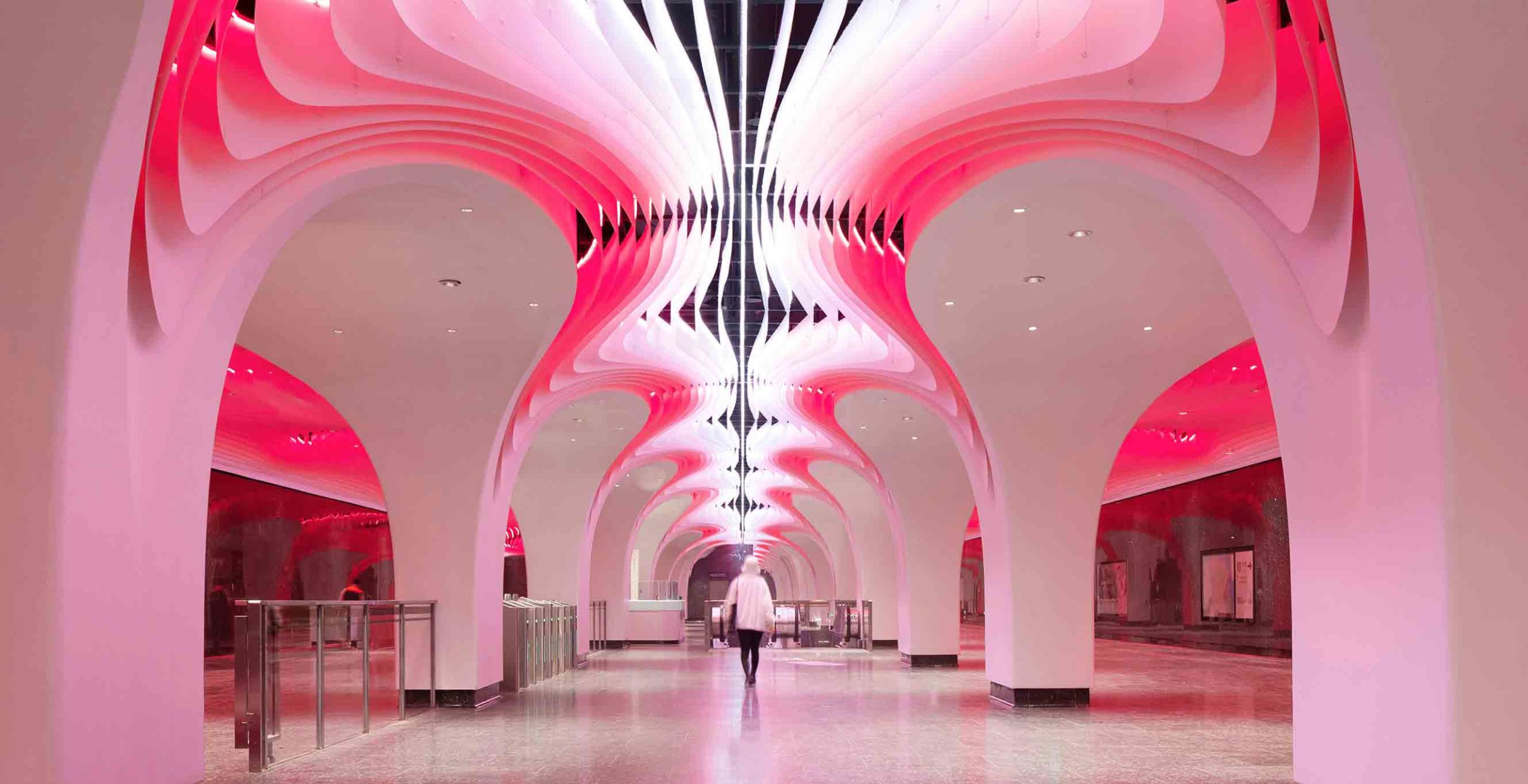 Concealed underground, Yuyuan Station is Shanghai’s deepest transport hub. Elevating the experience of this subterranean space came with its challenges. Essential elements of the site, including the walls, columns and flooring, could not be altered. Nevertheless, the architects delivered an immersive scheme that consumes the senses of its users.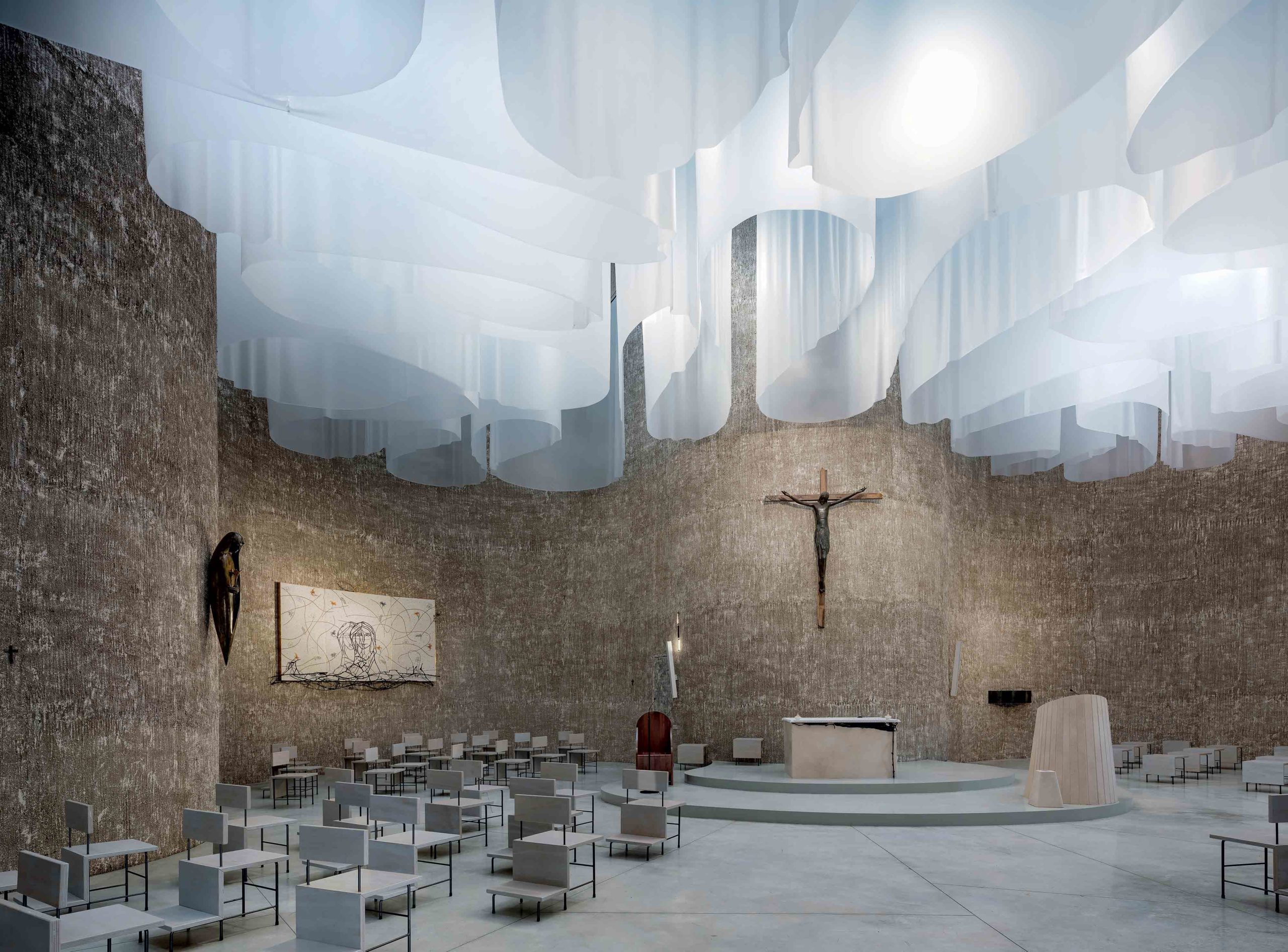
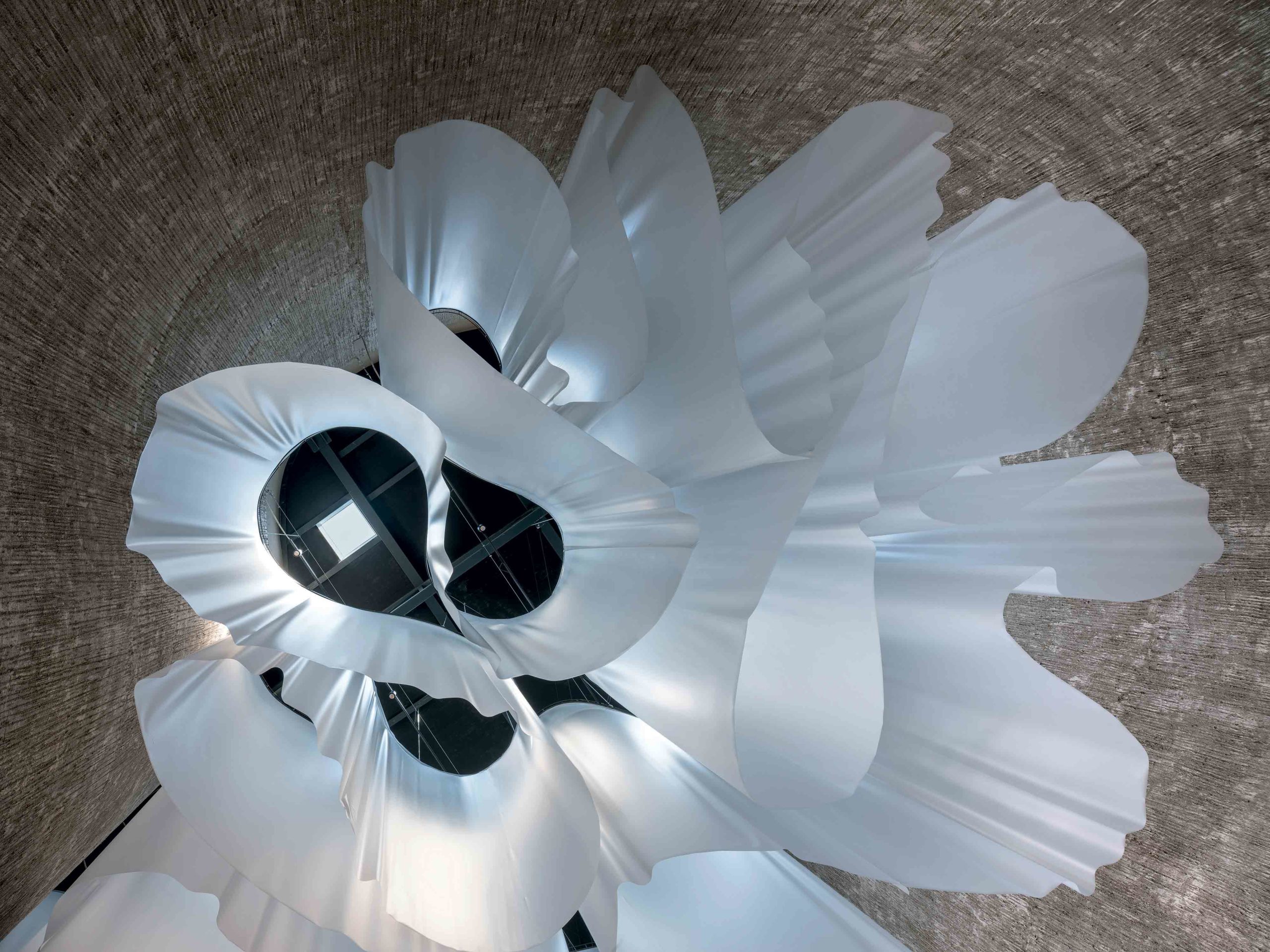 Revising religious architecture can be an imposing task, one that calls for reverence in the same breath as reinvention. This contemporary church in the Calabrian region of southern Italy negotiates that careful dance between tradition and innovation. While its organic, cross-shaped plan is inspired by some of the country’s most impressive Baroque churches, the interior is something of an inversion of the ornate domed designs of its predecessors.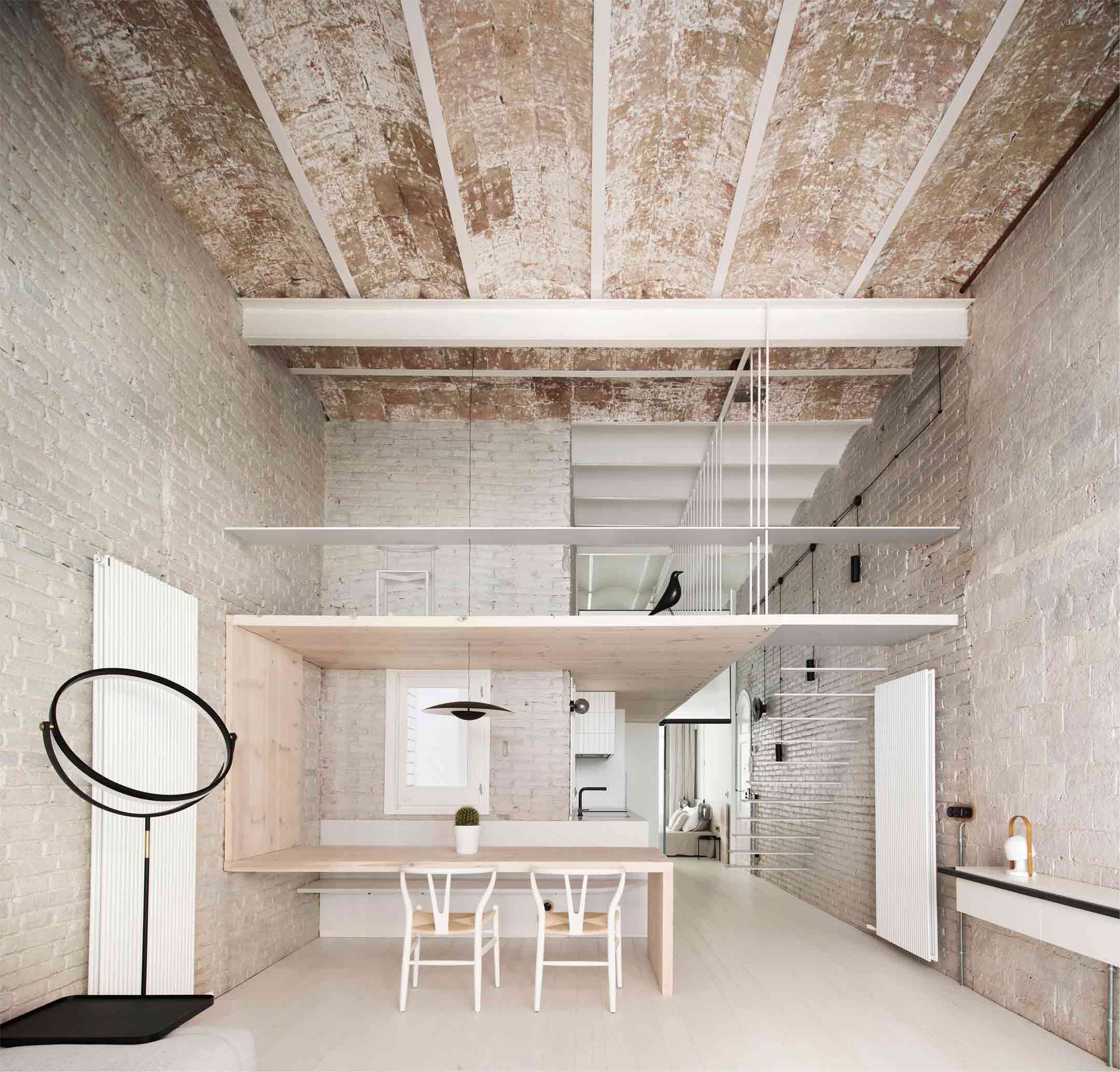
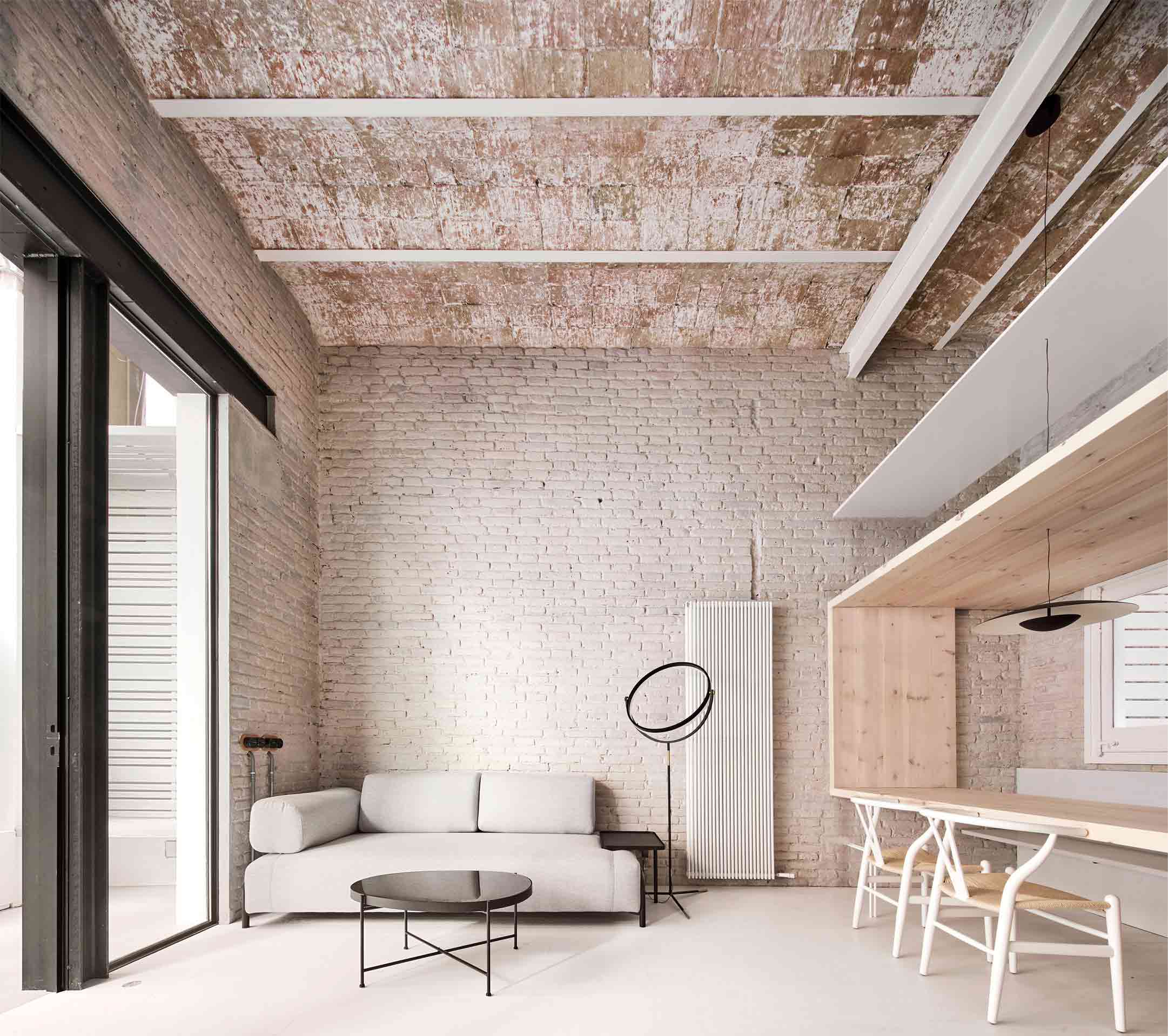 In another life, this building in Spain’s Catalan region was a warehouse. Once a dark space of industry, it’s now been sensitively transformed into a modern light-filled residence. However, traces of the structure’s history still take center stage thanks to considerate spatial organization.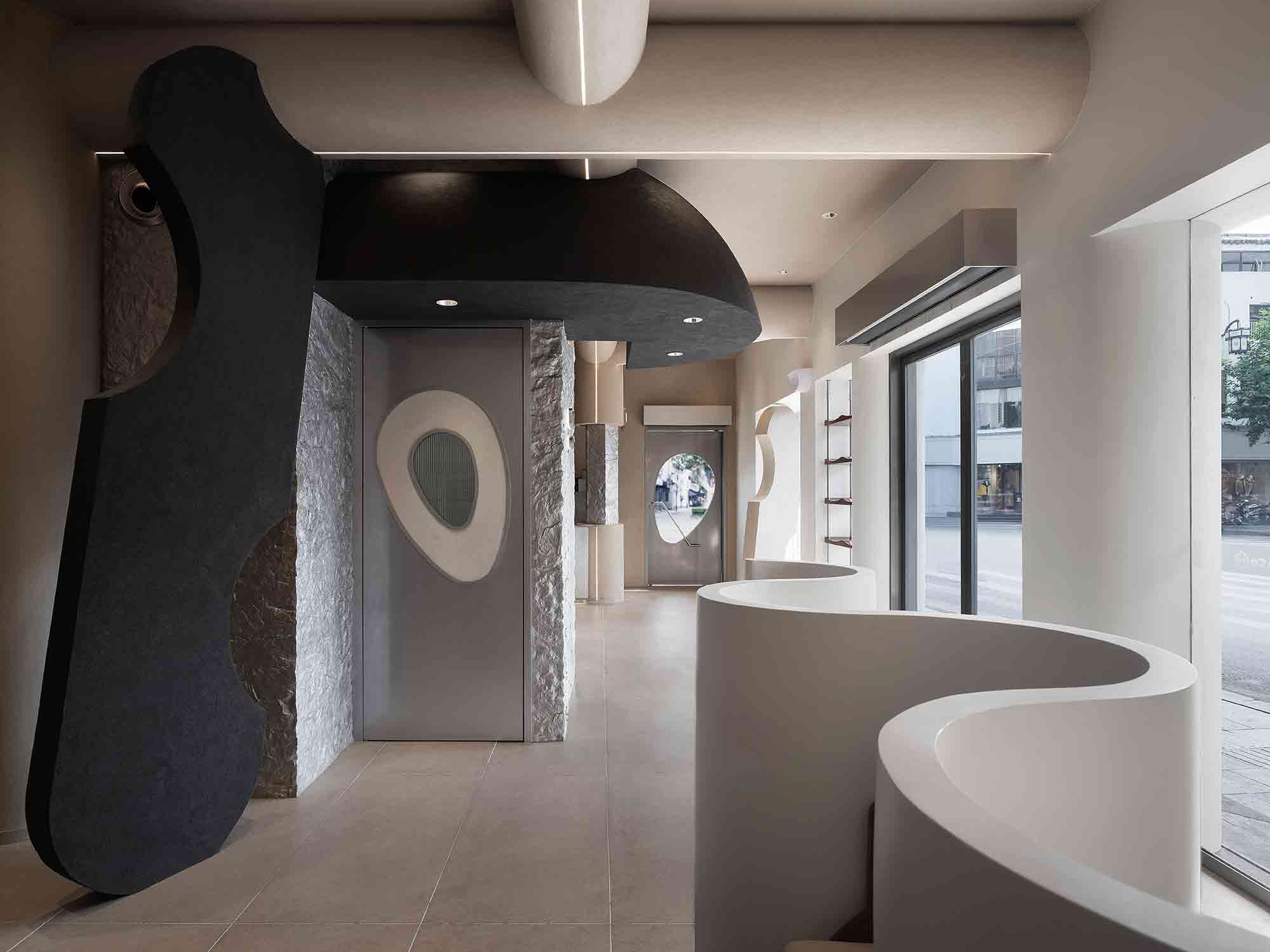
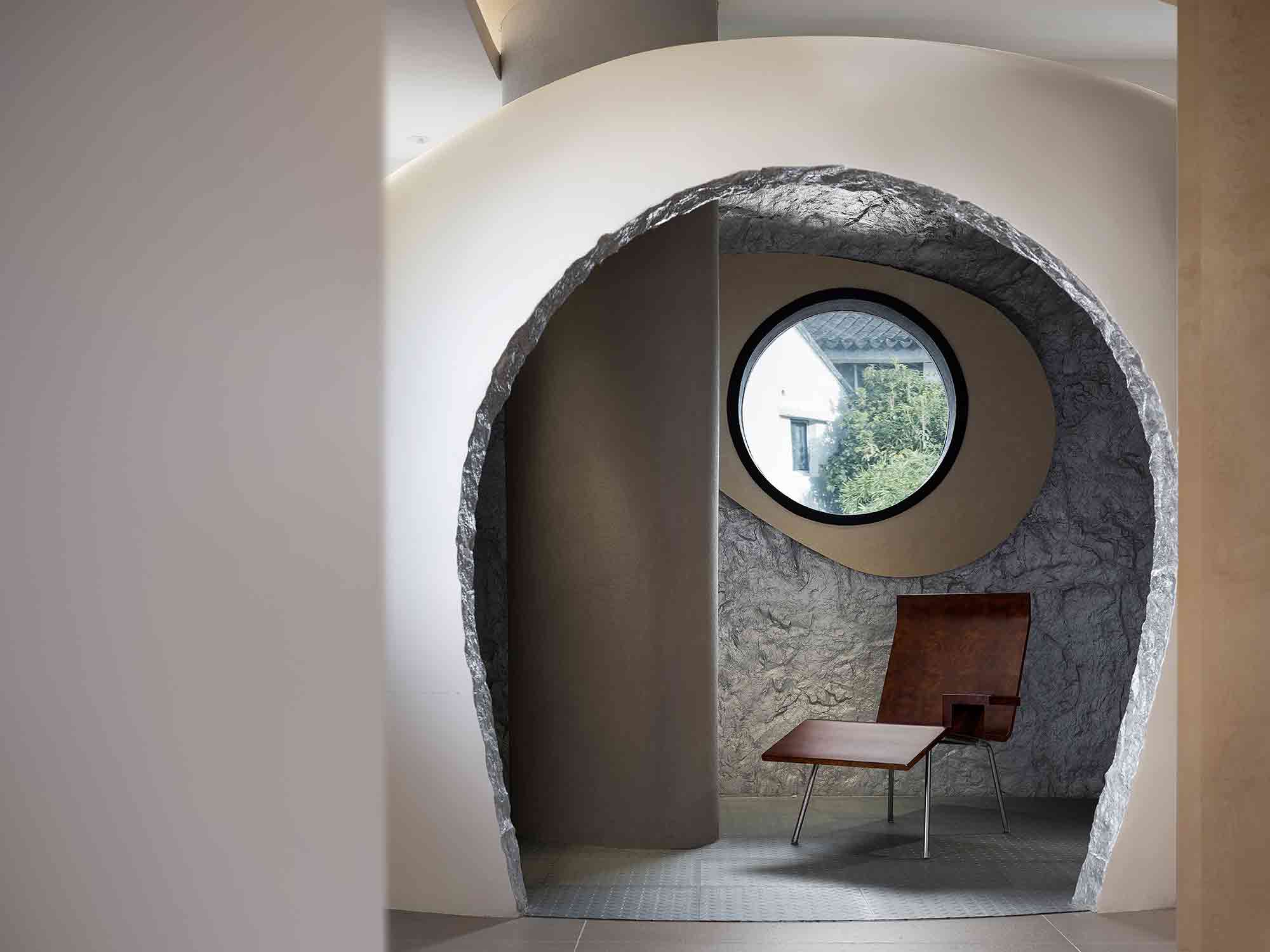 Situated in the Chinese city of Suzhou, this pioneering café was inspired by the concept of returning to the origin of life. The interior is an unexpected convergence of old and new, responding to the historic street outside while reimagining commercial typologies through a futuristic lens.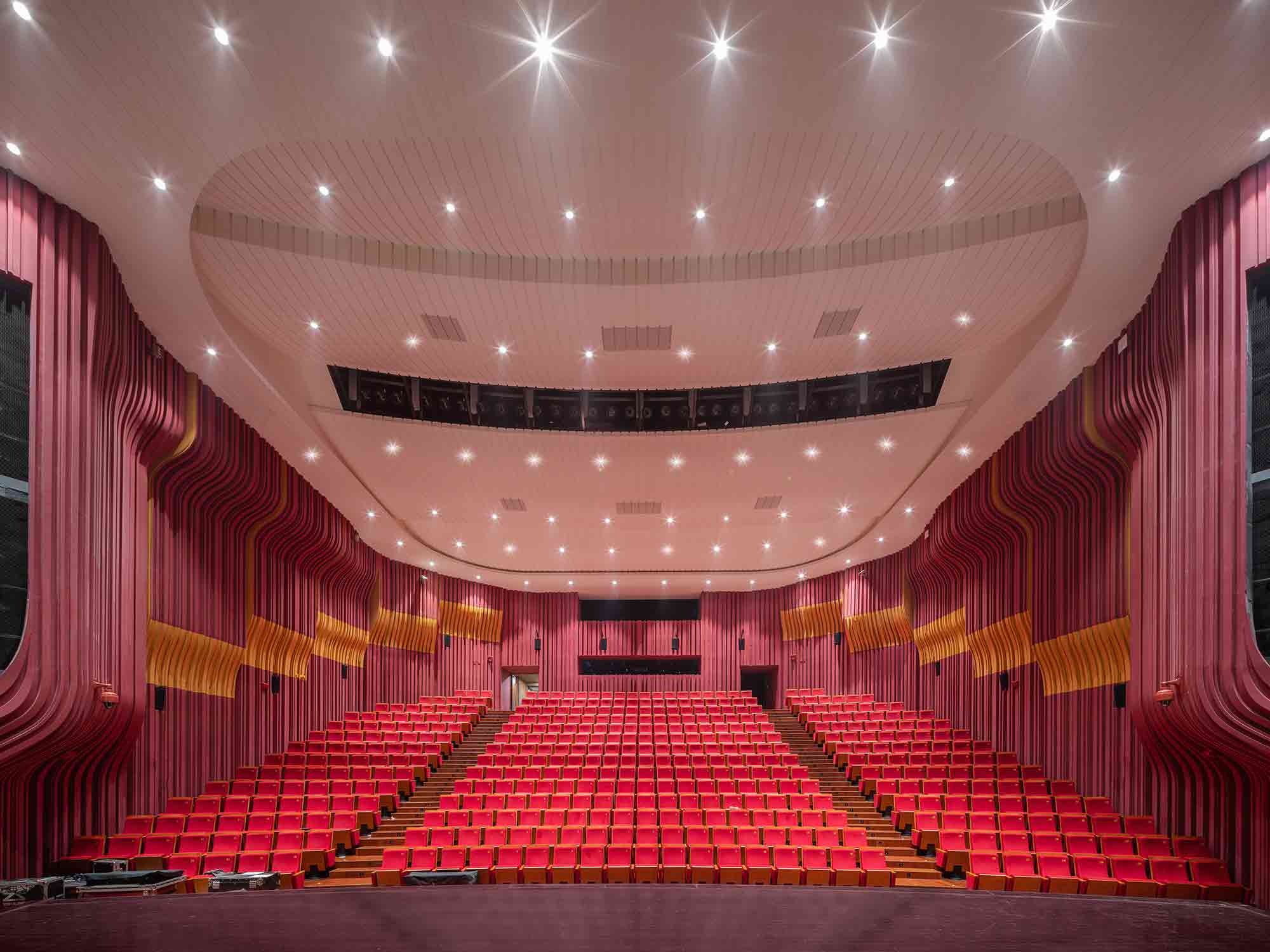
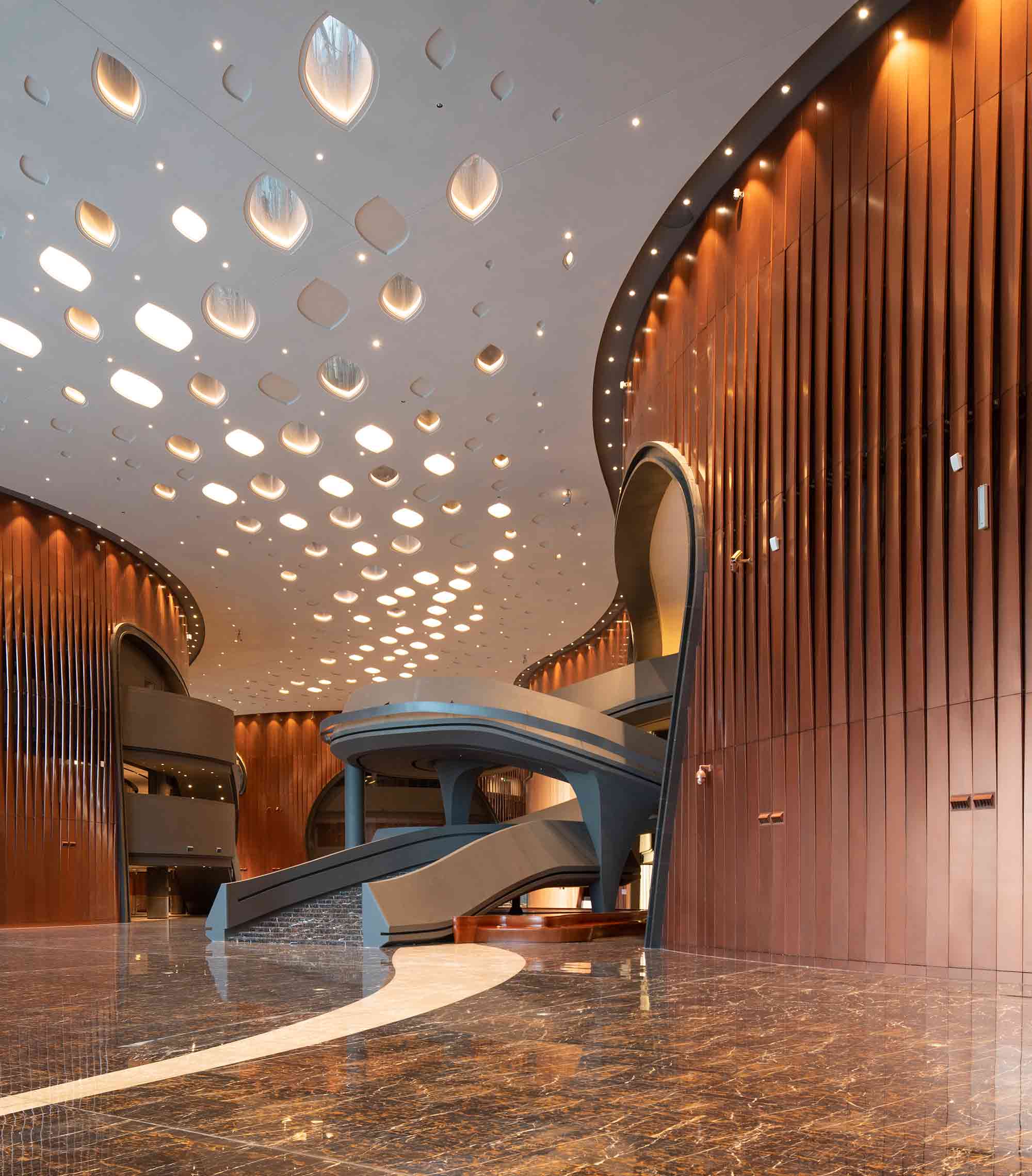 A performance complex of impressive proportions, the Zhengzhou Grand Theater encompasses four large venues with distinct architectural characters. In one hall, the walls ripple with a daring solid surface design in pink and orange hues. Narrow, repetitive channels envelop the room, resembling the interior architecture of a living, breathing organism, while the carefully considered contours were crafted to meet high acoustic standards.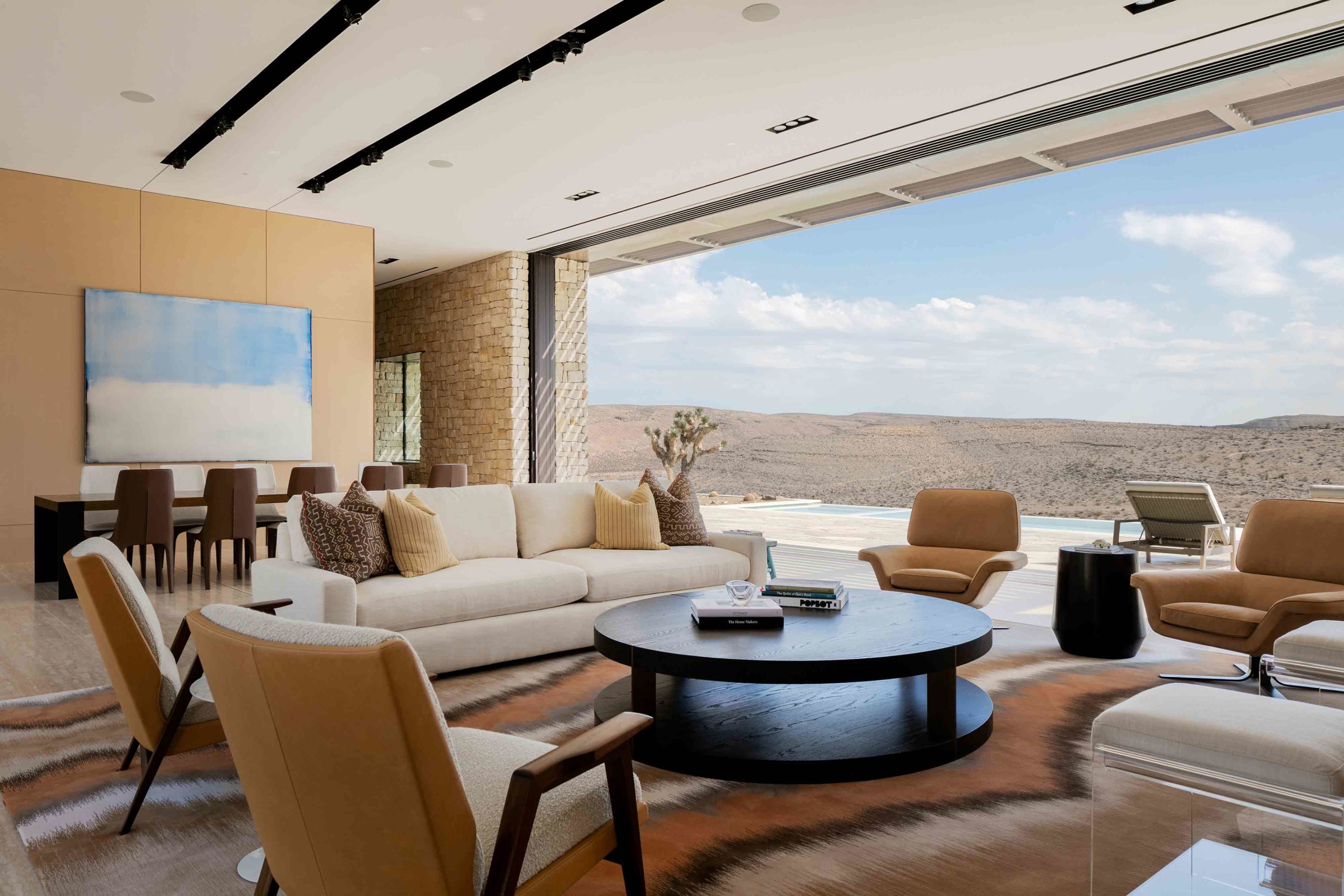
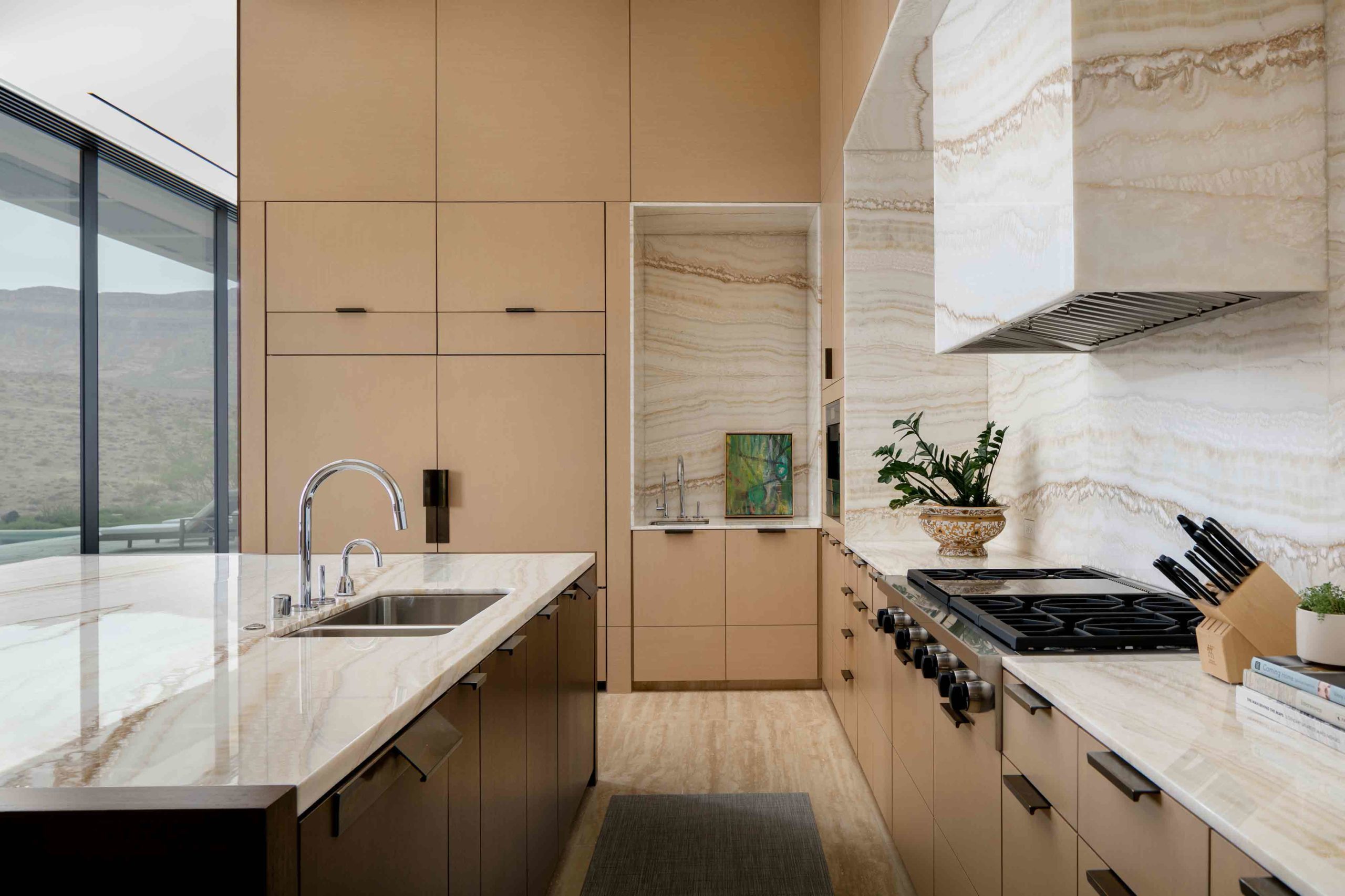 Nestled in the arid Nevada desert, this residence reads as an extension of the topography, both externally and internally. Retractable walls of glass, which span across two different aspects, peel away in the main living and dining zone, erasing the boundary between natural and built environments. Exposed rock excavated from the site lines the walls of the living spaces and orients the home within the same tactile language as the rugged terrain.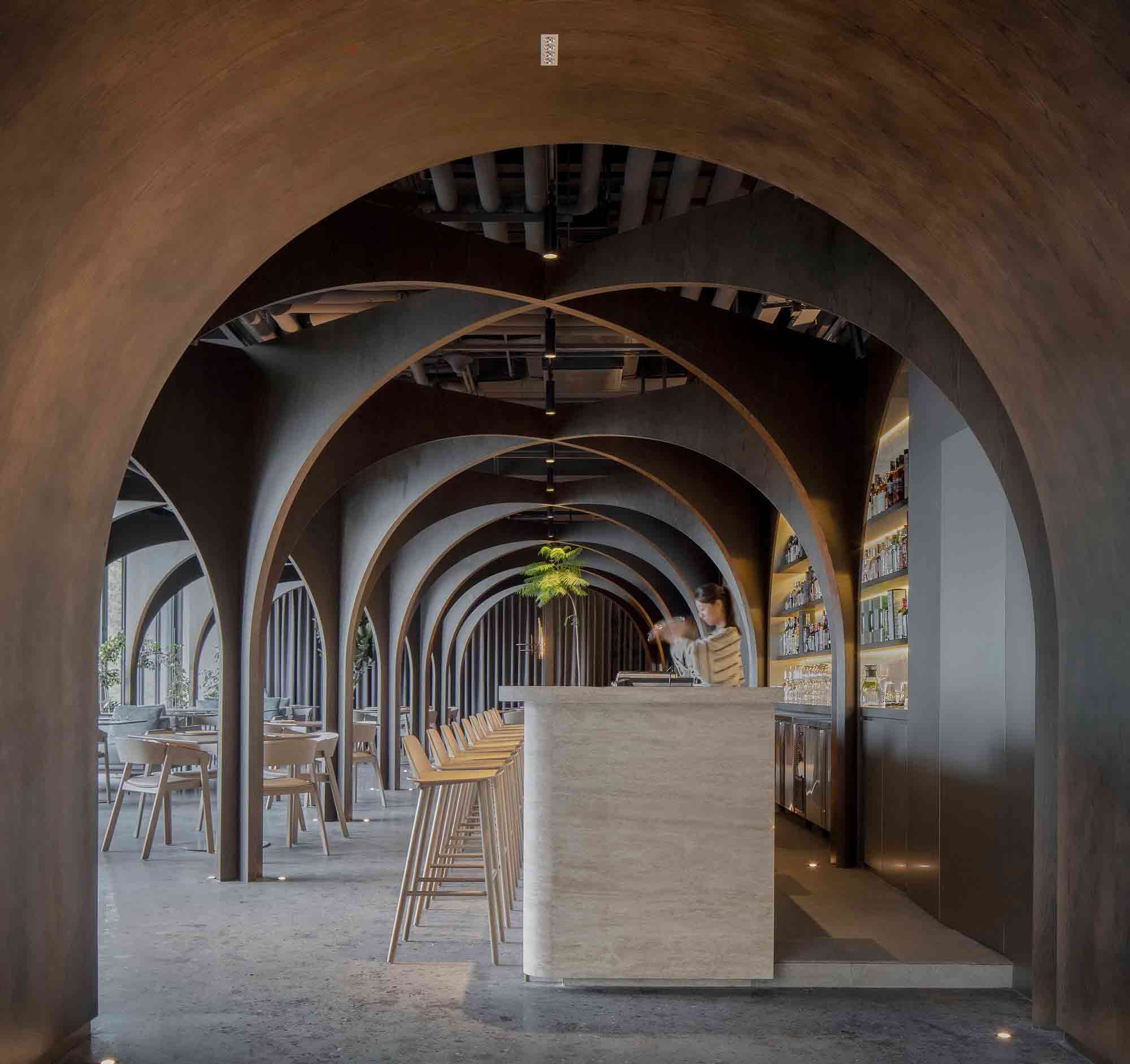
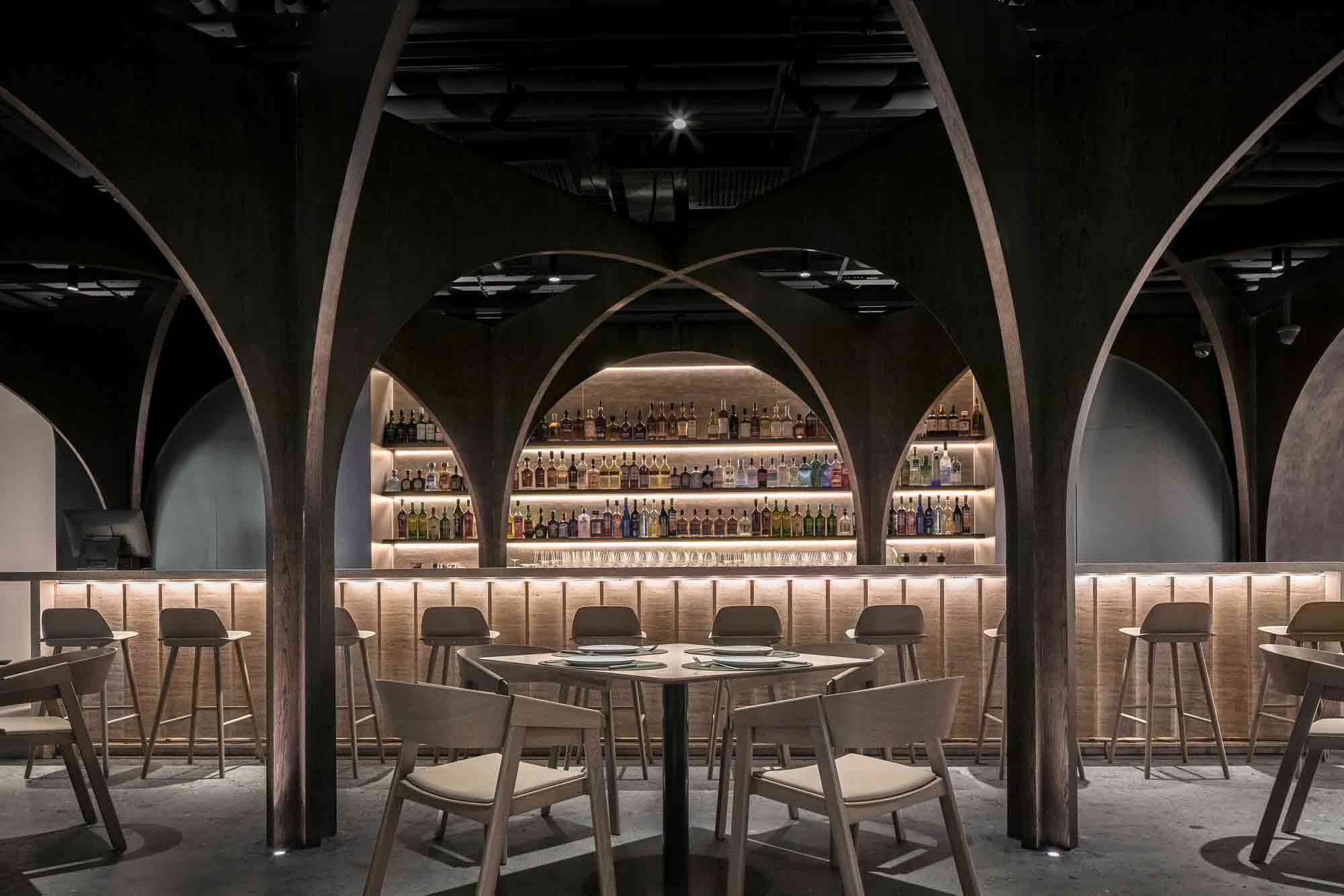 This visually striking bar and restaurant in Beijing eschews right angles and straight lines. Approaching the curved threshold to this daring space is like delving into a warren. The arched entrance draws the eye down through a cocoon-like portal defined by dark, earthy colors.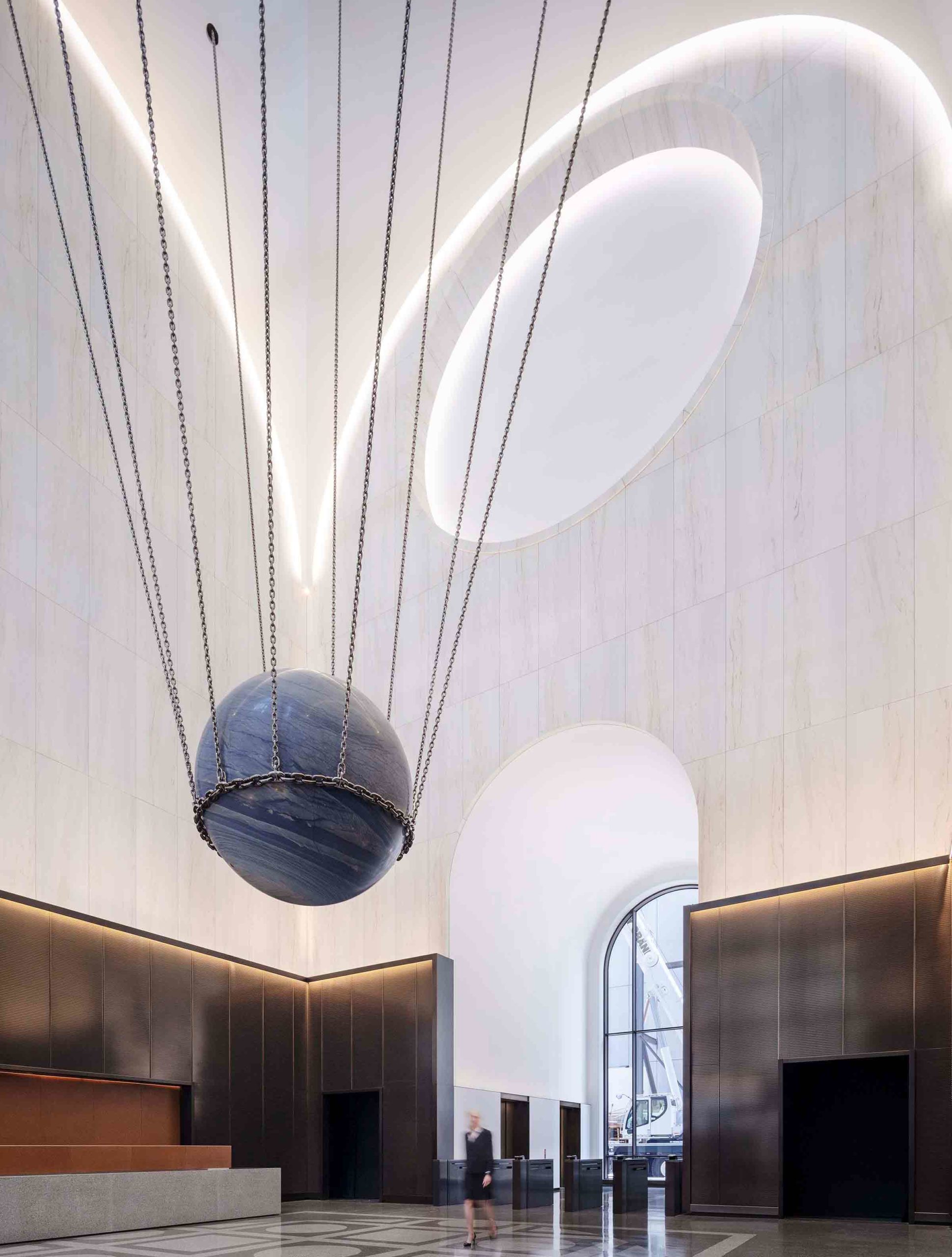
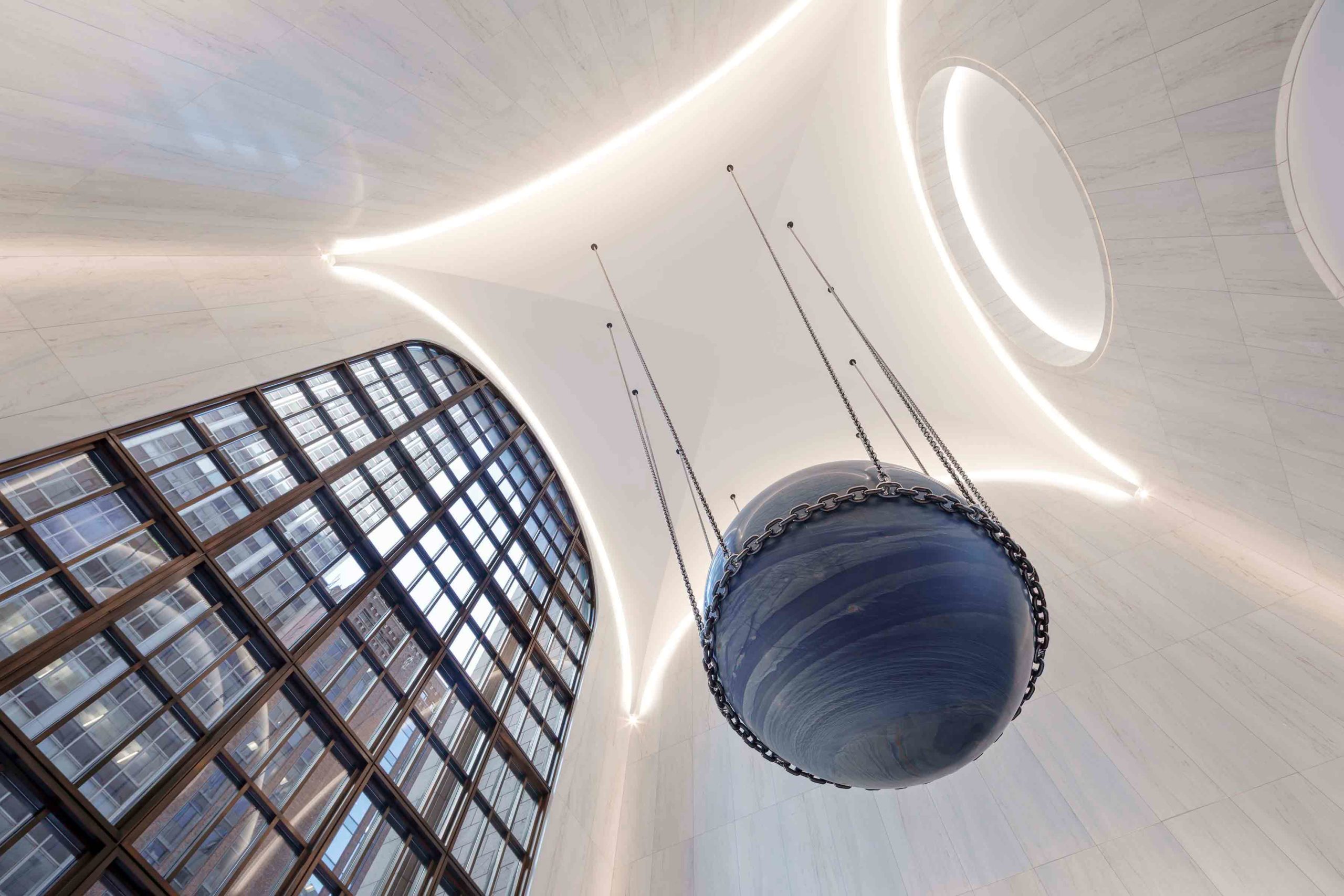 Dating back to 1984, the lobby of this postmodern building in New York City underwent a contemporary update by architectural firm Gensler. While remaining respectful of the scheme’s heritage materials and capacious proportions, the towering, triple-height ceiling now arches softly around the space. The convex lines of the engraved oculus emphasize the vaulted barrel design, accentuated by the illuminated perimeter, which imparts a celestial, almost weightless effect.