University of the Arts London spotlights six interior design projects
Dezeen School Shows: an app that makes use of disused car parks and a community cafe feature in Dezeen’s latest school show by students at the University of the Arts London.
Also included is a museum that examines the role of female workers in the industrial revolution and a scheme that aims to integrate the physical and digital worlds to connect people to their surroundings.
Institution: University of the Arts London
School: Camberwell College of Arts
Course: BA Interior and Spatial Design
School statement:
“Camberwell College of Arts is a renowned art and design college. We give students the space to explore their creativity. Staff will support and challenge you to rethink current practices. Our facilities embrace both traditional craftsmanship and digital technology.
“Our design and fine art courses will make you think about your social responsibility, as well as develop your critical and making skills.
“View our recent graduate’s work online at the Graduate Showcase website.
“Join our online and on-site open days to learn more about Camberwell College of Arts and our courses. Click here for more information.
“For the following projects, Camberwell’s BA Interior and Spatial Design students collaborated with students at IED Kunsthal, a design university located in Bilbao, Spain.
“Students focused on the regeneration of Zorrotzaurre, a post-industrial area of Bilbao built on an artificial island.
“The project’s aim was to design proposals for a former biscuit factory site, which required remote online working with students at IED Kunsthal as they researched and explored the area together.
“Each student created a map of the urban landscape through a variety of media including textiles, projection and interaction.
“Some Camberwell students also visited the site in Bilbao, where they exhibited their urban fabric mappings of the current condition of Zorrotzaurre and design proposals for the future of the island.
“They also took part in a show at the university, as well as delivered presentations and workshops as part of the DRS2022.”
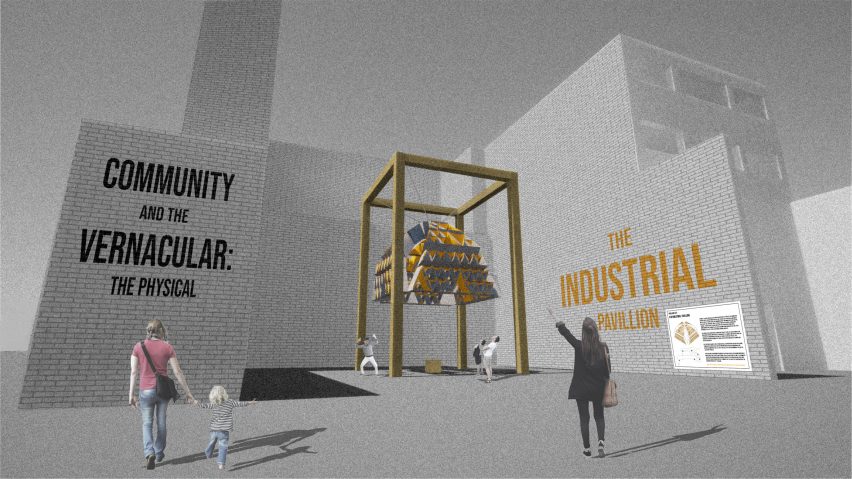
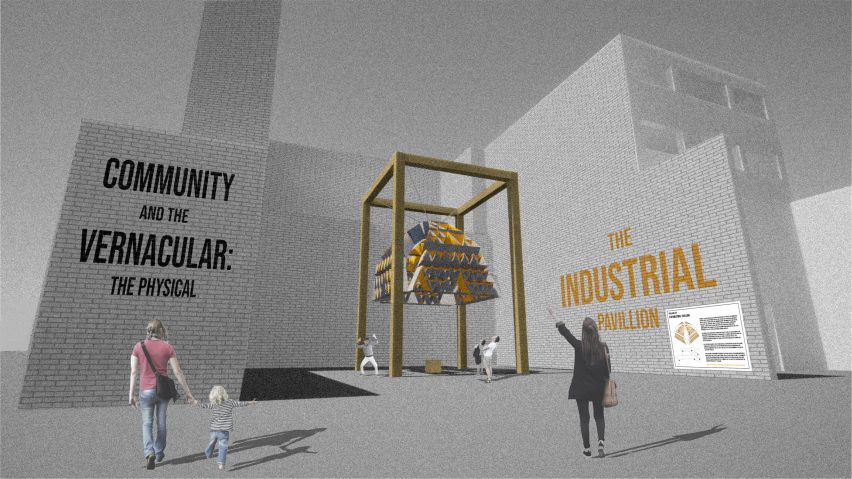
Community and the Vernacular: Physical and Virtual by Lea Fakhouri
“Community and the Vernacular is an expansion of my thesis around the idea that people in today’s society are considered inert consumers that only use the spaces that they inhabit, and are not actually part of the process of designing them.
“My project explores the merging of the physical and digital world to help revitalise the connection between people and space.
“The physical world houses six separate pavilions suspended across the site of the Artiach Cookie Factory in Bilbao, Spain.
“The virtual world houses the united pavilions suspended together to represent the capabilities of the community to inform and transform its topography.”
Student: Lea Fakhouri
Course: BA Interior and Spatial Design
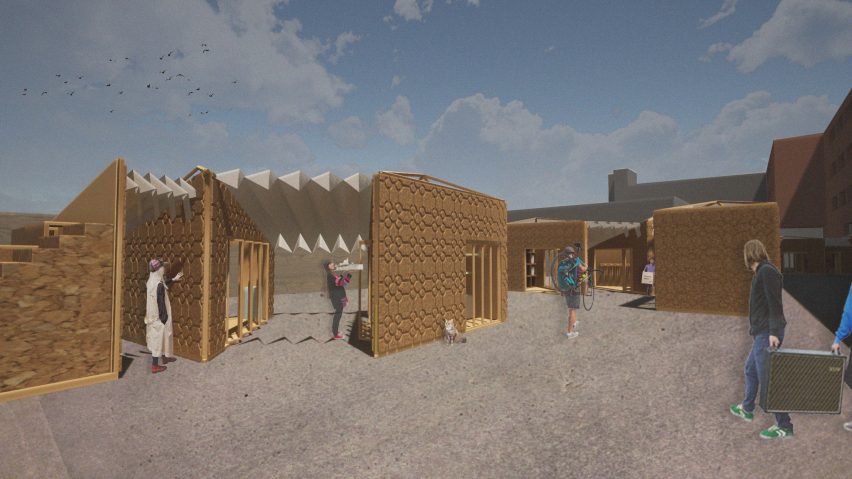
Mobile Community Repair Cafes by Mia Bizard
“Using my research on themes exploring accessibility, connection and communities, this project continues my investigation into the architecture of connection – connecting people, city, and environment.
“Proposing a series of workshops and gallery spaces that essentially become repair cafes, all connected with foldable canopies, this project promotes the reduction of waste and sustainable, social community-focused lifestyles.
“The idea is to bridge and connect these places – located around the island of Zorrotzaurre in Bilbao, Spain – as well as the local community through this fragmented series of spaces.
“It aims to empower residents to take an active part in shaping their communities, as well as building on the legacy of the site by adding a participatory and engaging design that will help promote and attract people to the area.”
Student: Mia Bizard
Course: BA Interior and Spatial Design
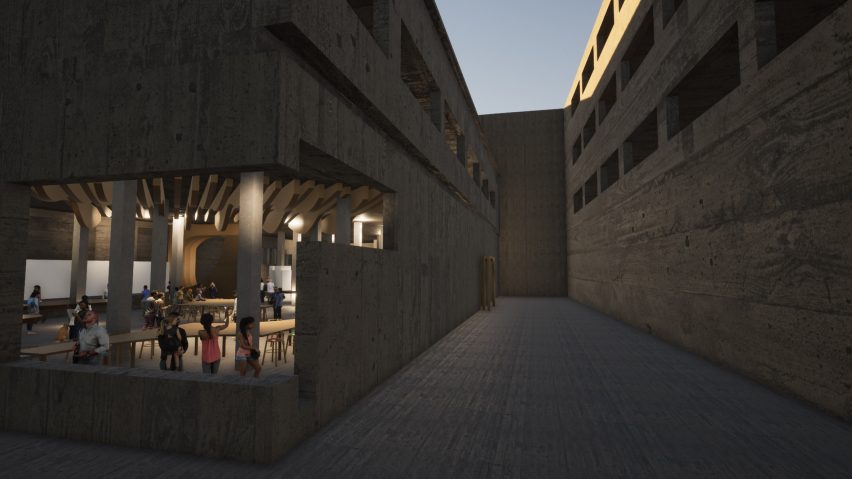
Zorrotzaurre’s Art District by Maya Hammoud
“The project offers a unique experience to its visitors by taking them through a ‘designed walk’ across three spaces: a gallery, an auditorium and a multi-purpose social space.
“The project is aimed at the local community and those with a common interest in Bilbao’s growing art scene.
“The spatial layout explores the act of observing, using thresholds and viewports to make visitors see, experience and question their surroundings.
“The aim of using viewports as a tool for observing fragments of other spaces, allowing sudden interactions to happen between visitors.
“It also forms a deeper understanding of visitor experiences and how it is influenced by the creation of space.”
Student: Maya Hammoud
Course: BA Interior and Spatial Design
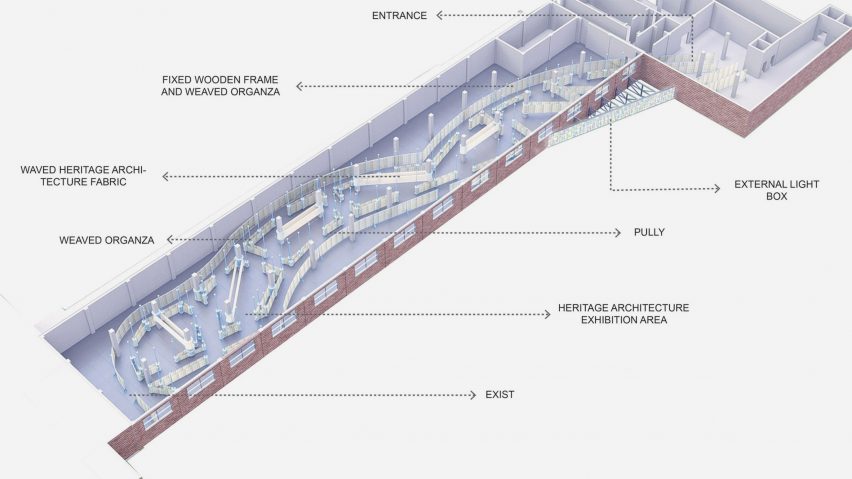
Time Traveller by Qiao Wang
“I created a temporary exhibition to promote local cultural heritage in Zorrotzaurre, Bilbao, Spain.
“This solar-powered installation is based on the simplified shape of Zorrotzaurre, which is intended to provide visitors with a quick tour of the island.
“To arouse the interest of visitors, they will feel as if they are exploring the maze while walking inside the installation, just like they are discovering and seeking knowledge in an unfamiliar city.
“This project promotes the industrial heritage culture of the region to visitors from all over the world while boosting the local tourism economy and providing educational cultural dissemination.
“In the installation, I used the pulley structure of the factory and woven fabric, which was inspired by my map. All materials used are sustainable.”
Student: Qiao Wang
Course: BA Interior and Spatial Design
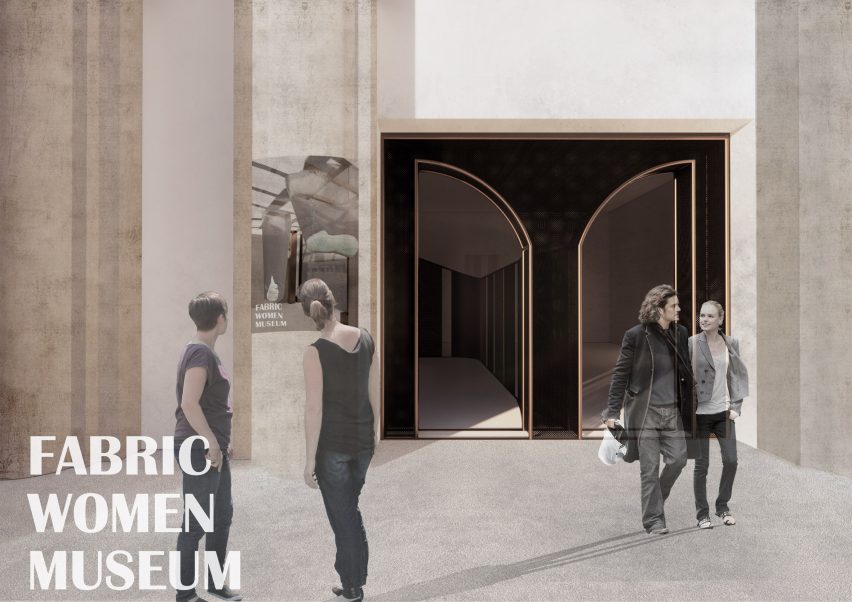
Fabric-Women-Museum by Shiyuan Liu
“Fabric-Women-Museum aims to spatialise the inequalities suffered by women in the workplace during the industrial revolution.
“The project is based on research into the history of Artiach during the industrial revolution when approximately 80 per cent of the workers were women.
“Although Artiach offered work opportunities for women, their working conditions and treatment were poor.
“The design translates the inequality of women in the workplace into four thematic rooms: control, inconvenience, isolation and vulnerability.
“The interactive exhibition helps visitors understand the conditions suffered by women workers in workspaces during the industrial revolution.”
Student: Shiyuan Liu
Course: BA Interior and Spatial Design
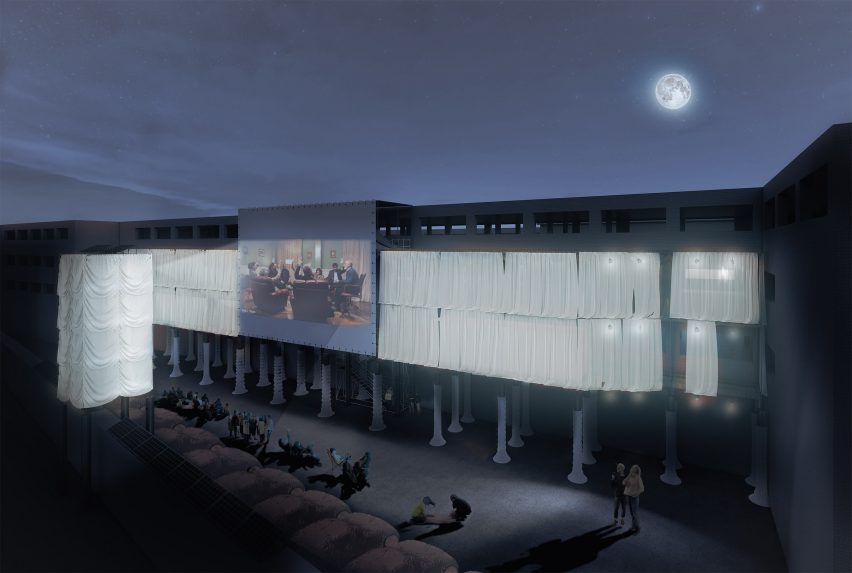
(Junk)scape – Rethinking and Recycling Non-Places by Kiwi Chan
“This project represents creative ways to transform car parks from non-place, anonymous spaces to ones with urban character.
“The (Junk)scape app is a system and service that proposes efficient uses for ‘wasted’ spaces and energy around ‘non-places’ i.e. car parks.
“This app rethinks and recycles underutilised parking lots by using a renting and scheduling system.
“My primary design proposal for my rented ‘non- place’ explores ‘placeless’ people, in hopes to provide support for the local homeless community and raise awareness around this ‘invisible class’ through film.
“This proposal also aims to incorporate responsible involvement with Bizitegi, a non-profit organisation that contributed to the construction of services for individuals from the worlds of exclusion and mental illness in Bilbao.”
Student:Kiwi Chan
Course: BA Interior and Spatial Design
Partnership content
This school show is a partnership between Dezeen and the University of the Arts London. Find out more about Dezeen partnership content here.














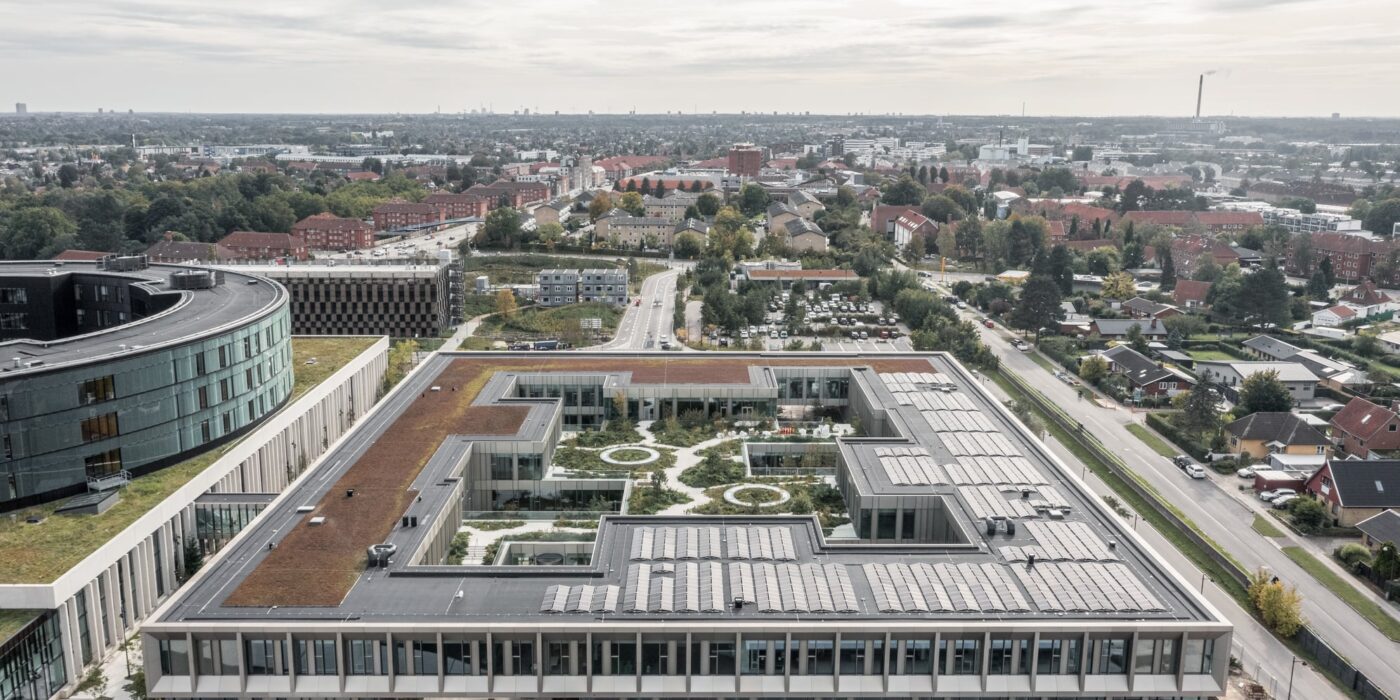
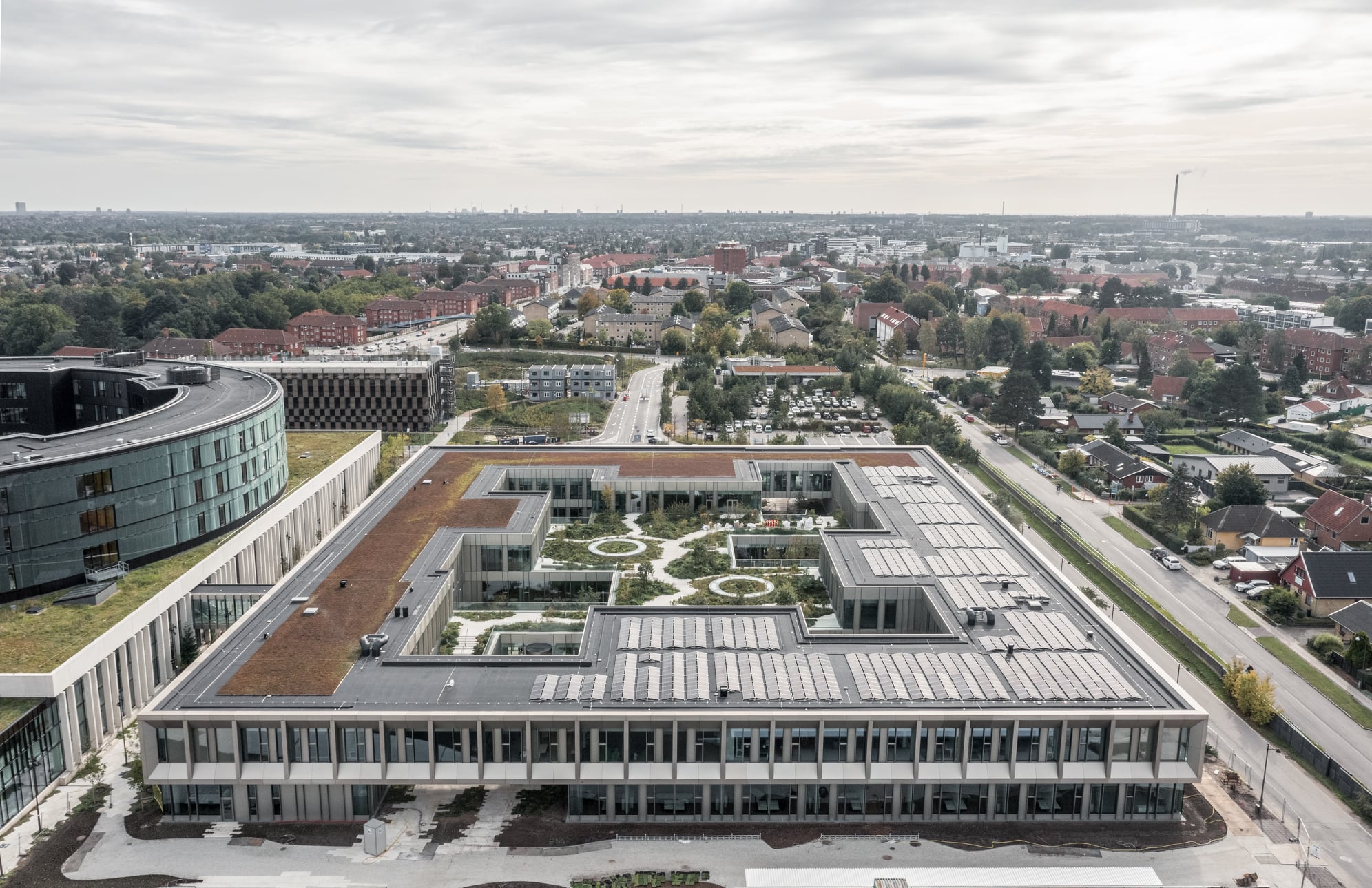
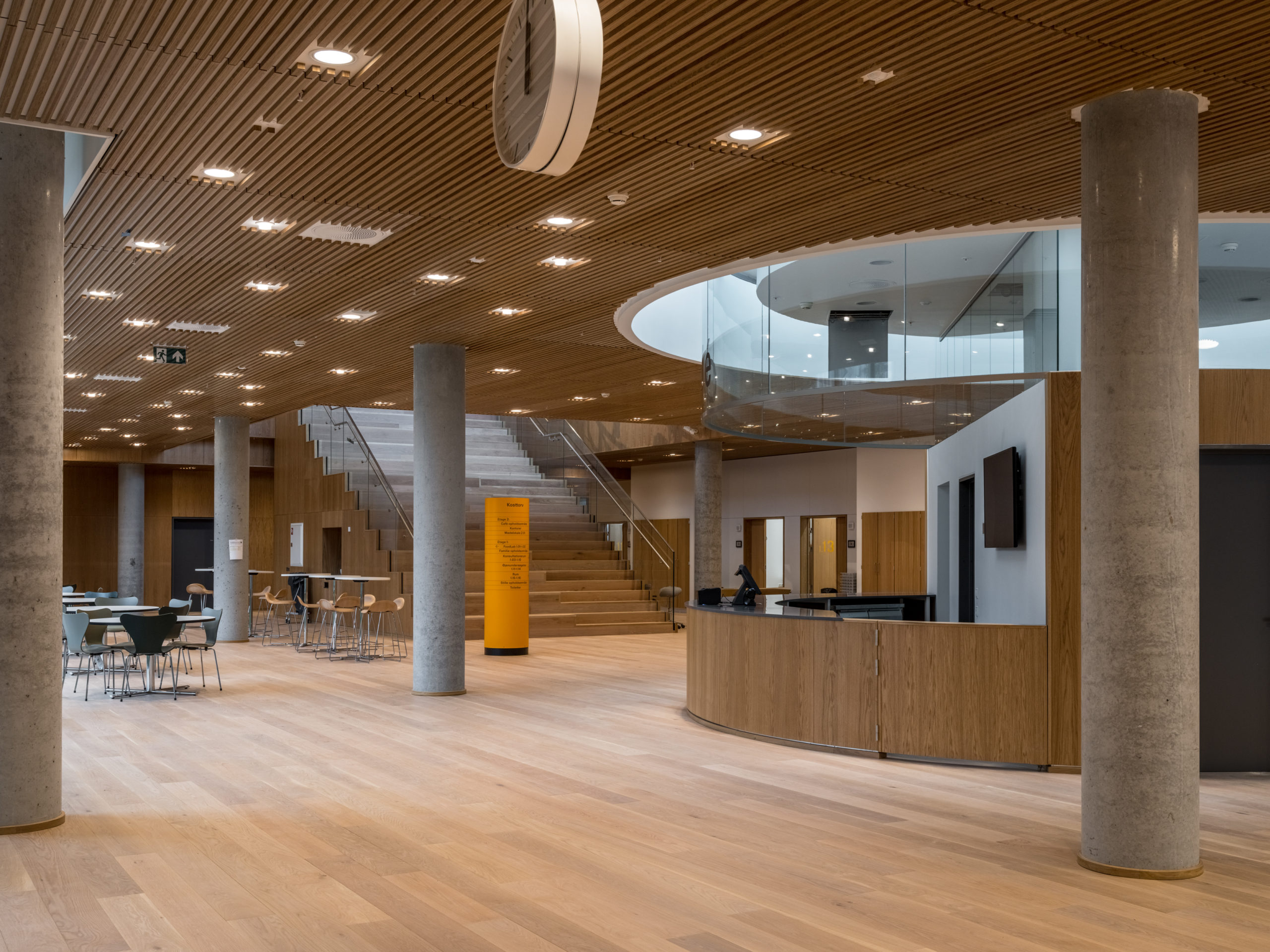 Steno Diabetes Center Copenhagen is a hospital for preventing and treating diabetes. The hospital occupies a rectangular site with two entrances open on two opposite sides. There are four inner gardens on the first floor and two of them greet the visitors immediately upon their entry. Common areas such as circulation spaces and reception sit in the middle of the floor plan, while most individual rooms are lined on the outer ring.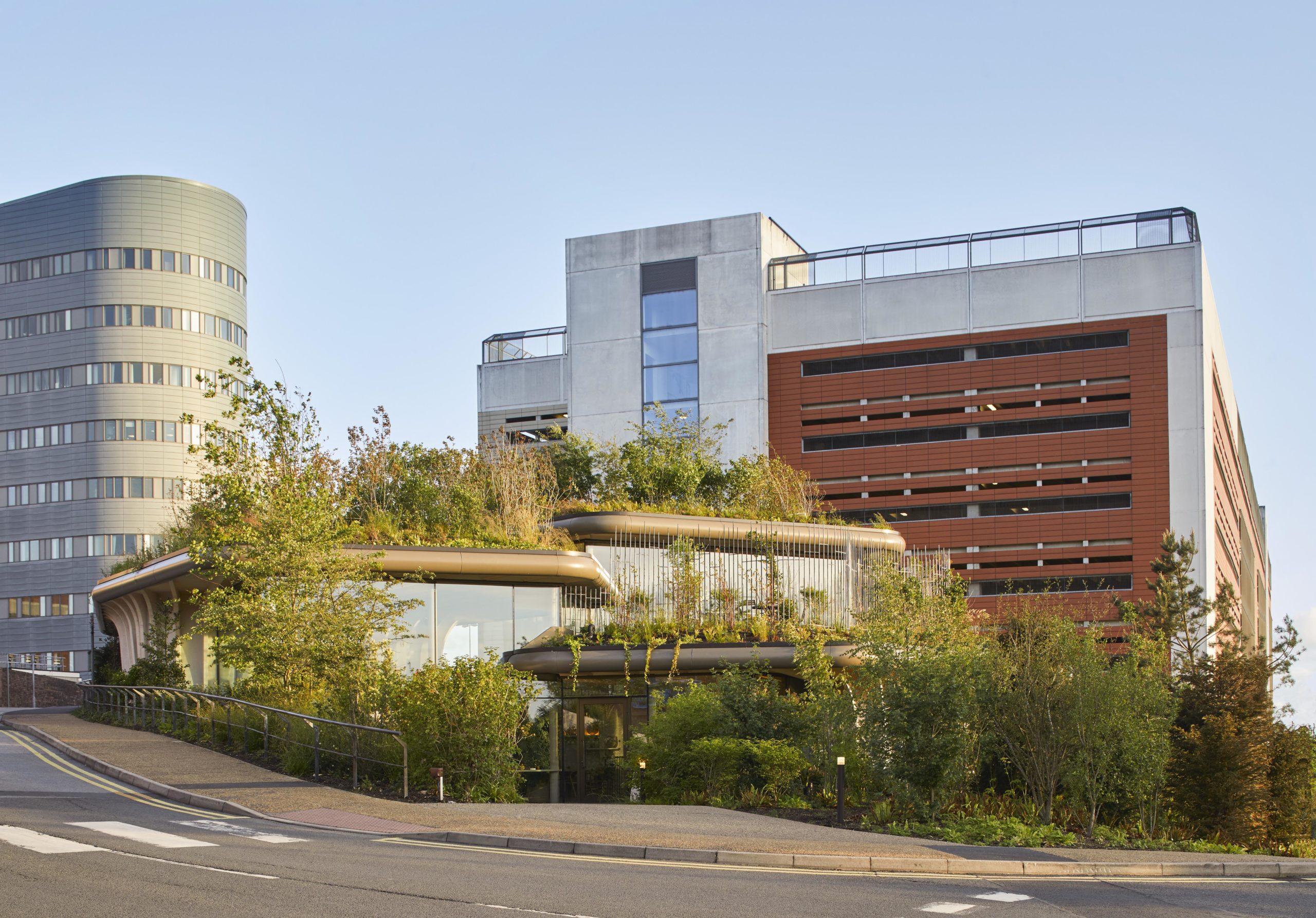
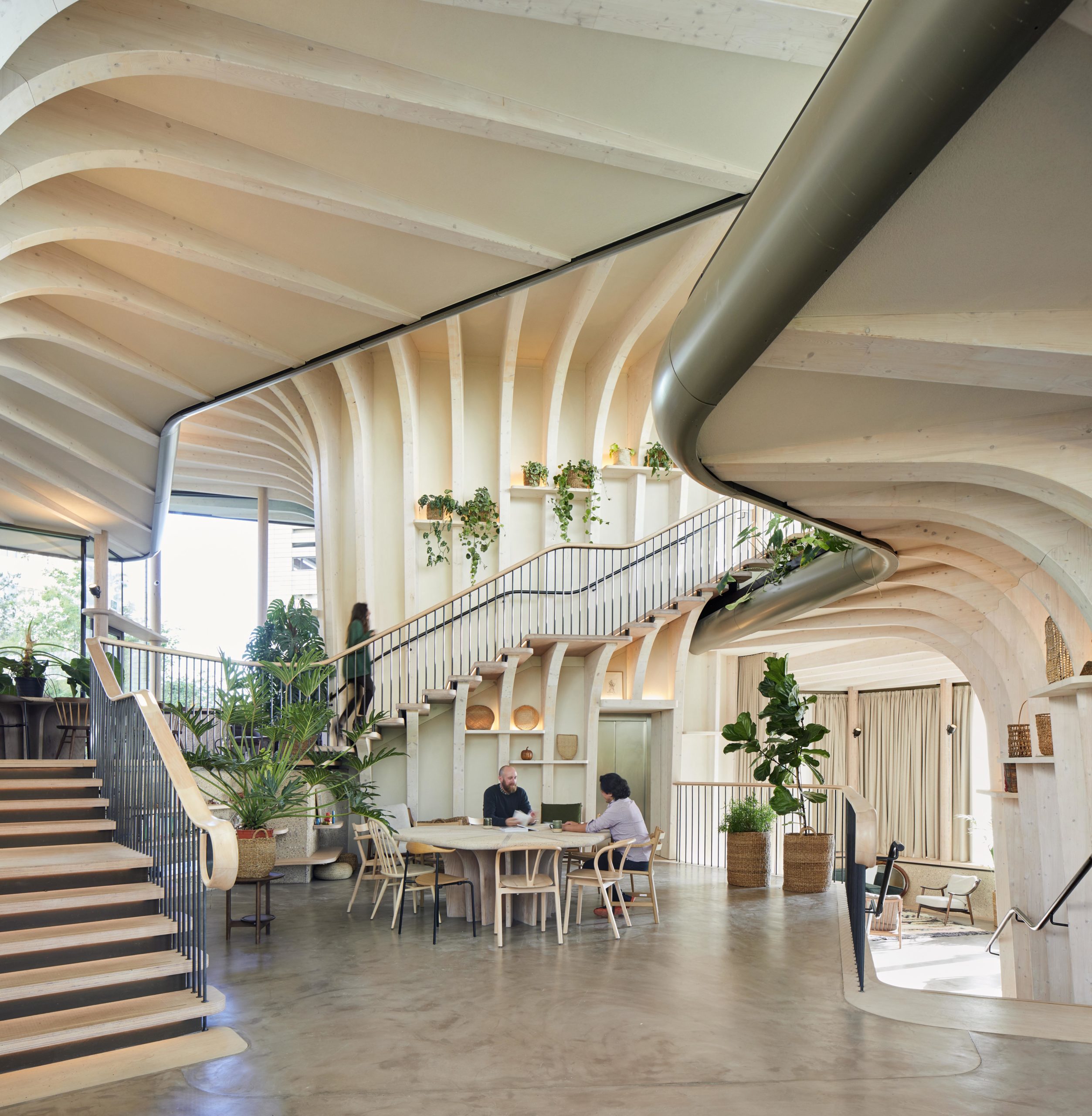 Maggie’s centers provide free cancer support and information to patients and their friends and families. The centers are located across the UK, each in a unique style while all of them embrace nature as a way of healing. Maggie’s Leeds stands on the last patch of greenery at St James’s University Hospital. The sloping site is bounded by roads and a multi-story car park. Instead of flattening the landscape, the spaces descend along the landscape, creating views that vary from open to secluded.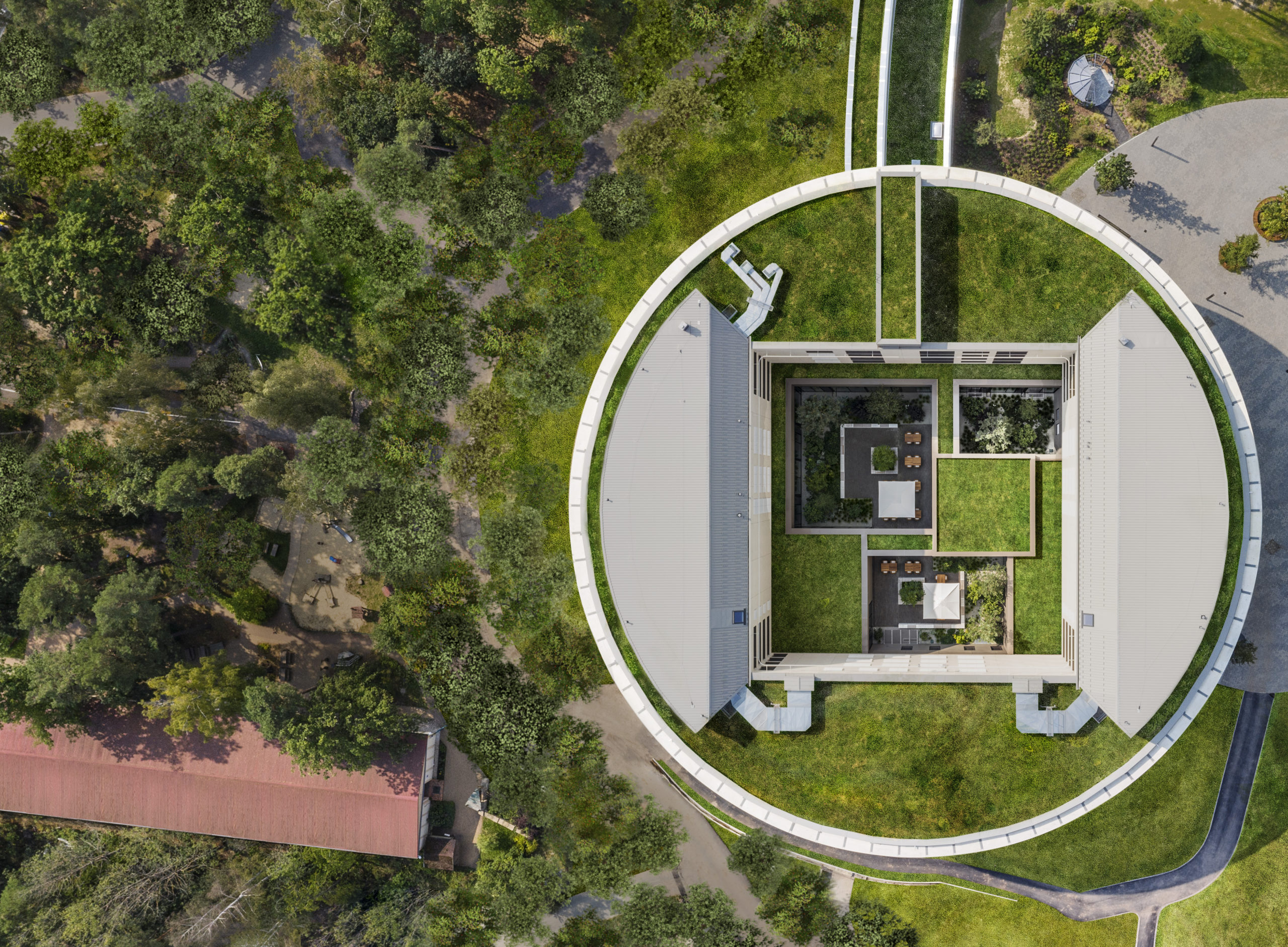
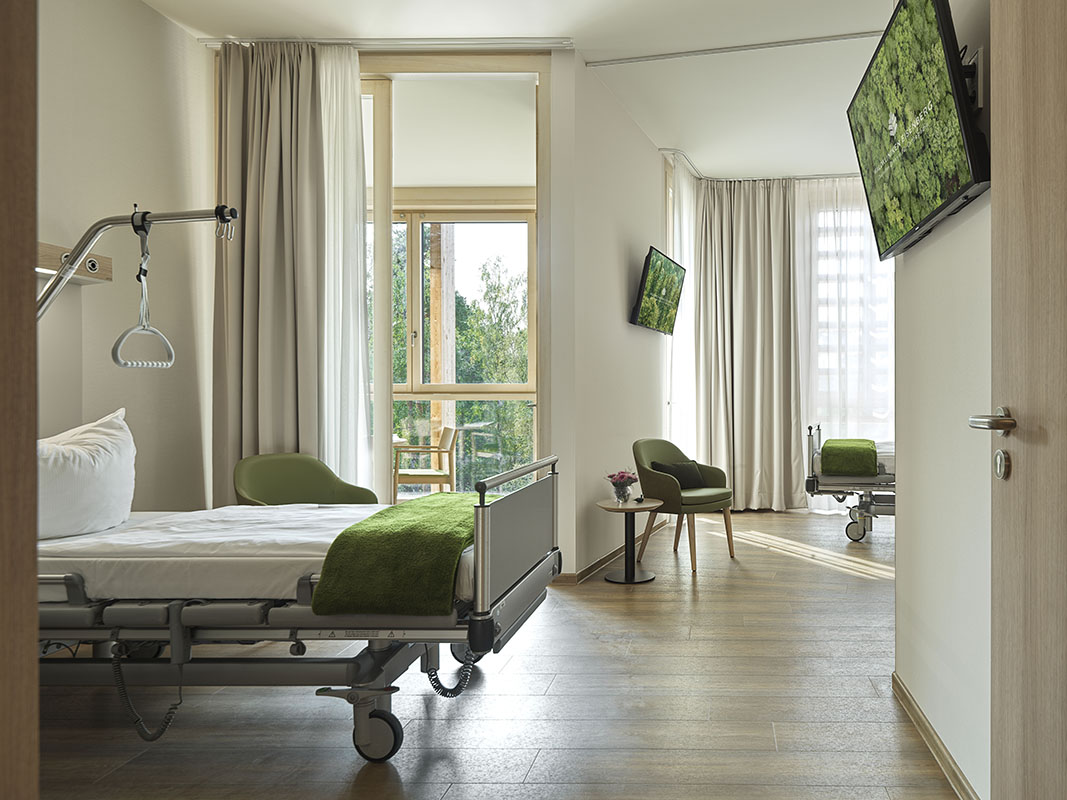 This new hospital wing of the orthopedic center Waldkliniken Eisenberg enjoys an immersive view of the Thuringian Forest. The six-story building has 128 patient rooms, all located on the outer ring of the circular floor plans. Floor-to-ceiling windows invite unblocked views of the natural landscape into the rooms while providing natural light and fresh air to the rooms.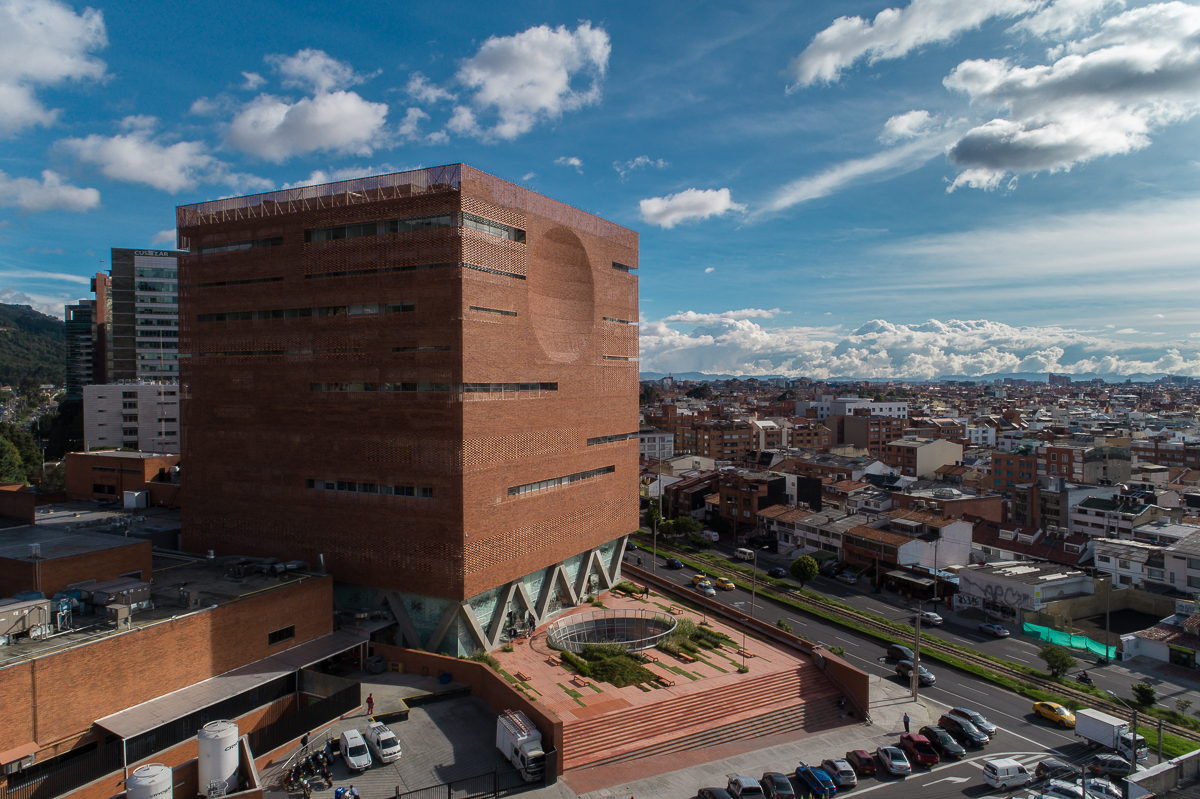
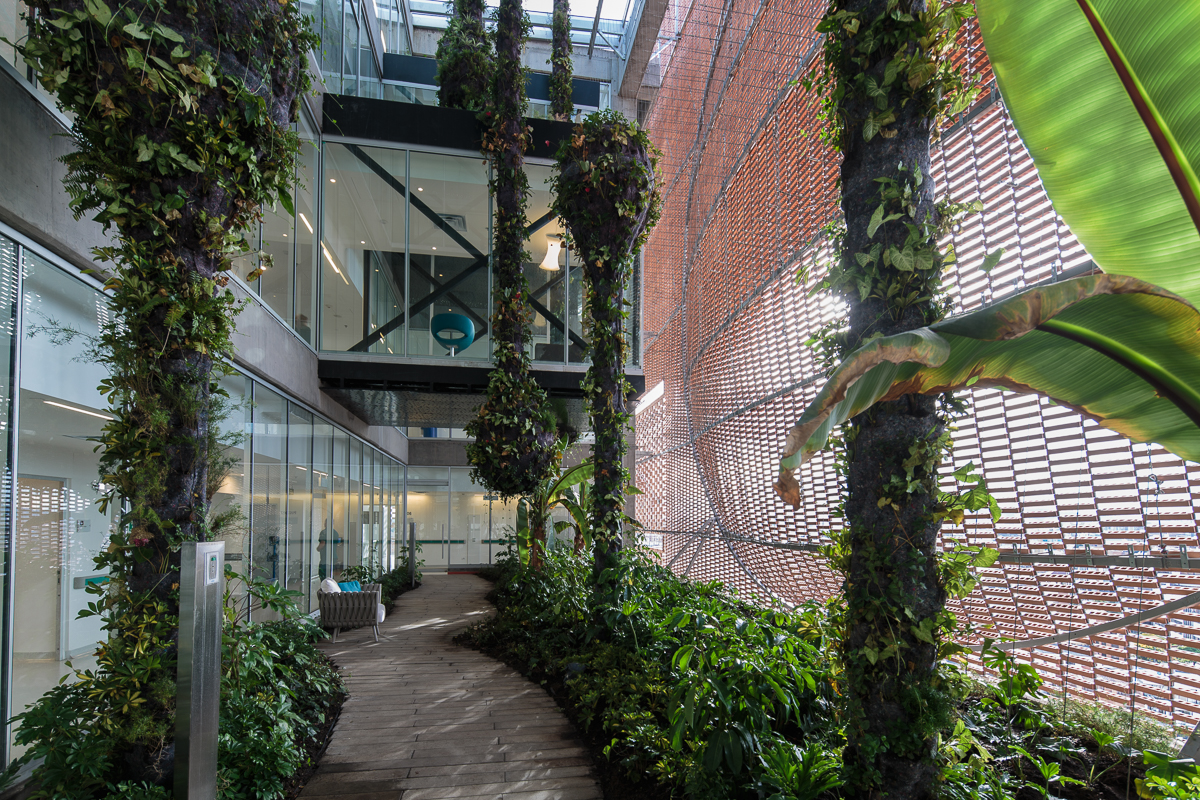 The expansion of Santa Fe de Bogotá Foundation is sited in the compact urban context of the city of Bogotá. It comprises an eleven-story block and a single-story base. The roof of the base becomes a plaza opening to the roads, with staircases inviting people onto it. Red bricks cover the expansion as a response to the existing buildings around. Strips of pavement on the plaza are replaced by plants. Different types of plants vary in height, breaking the flatness and solidity of the brick plaza.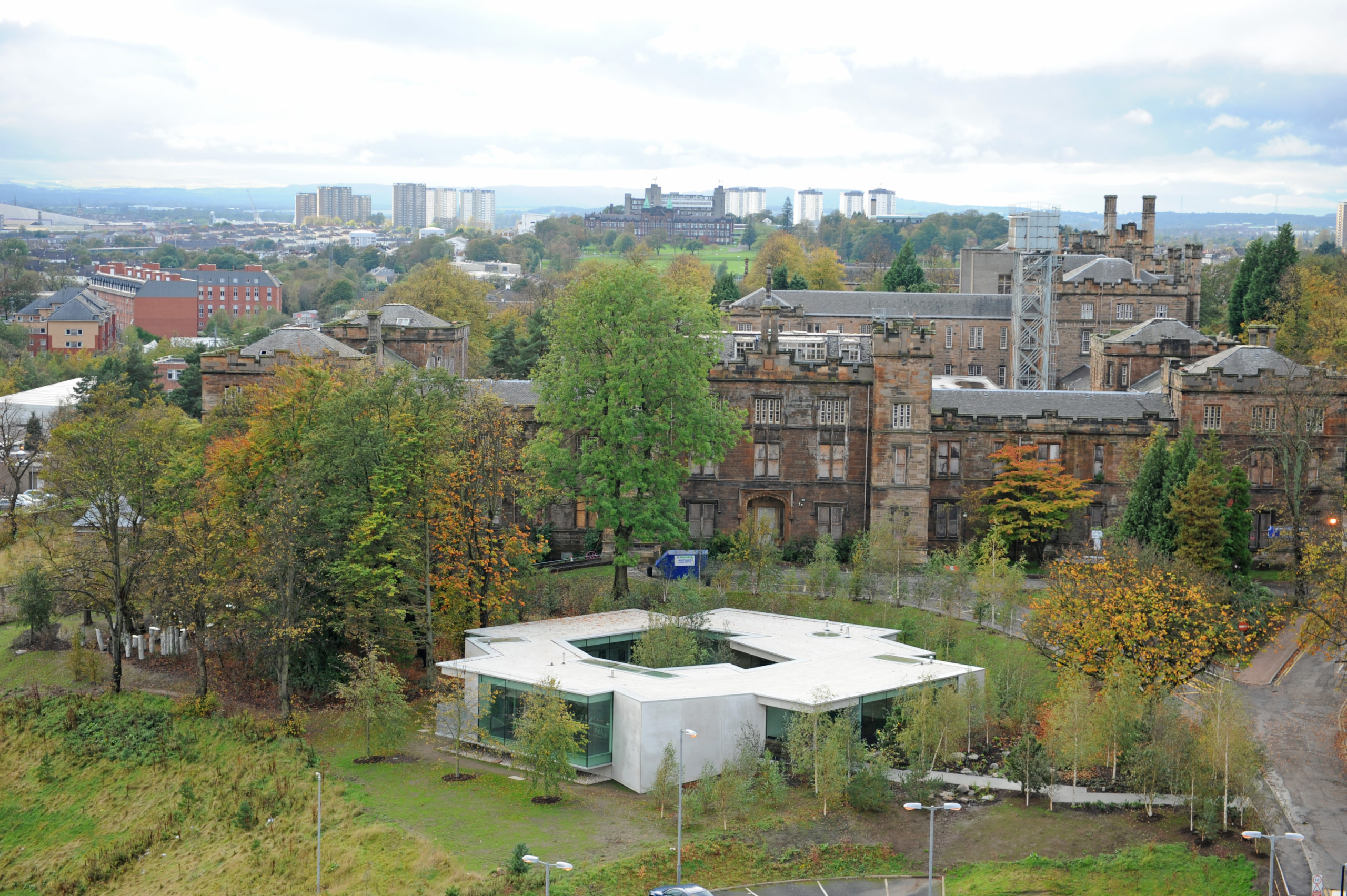
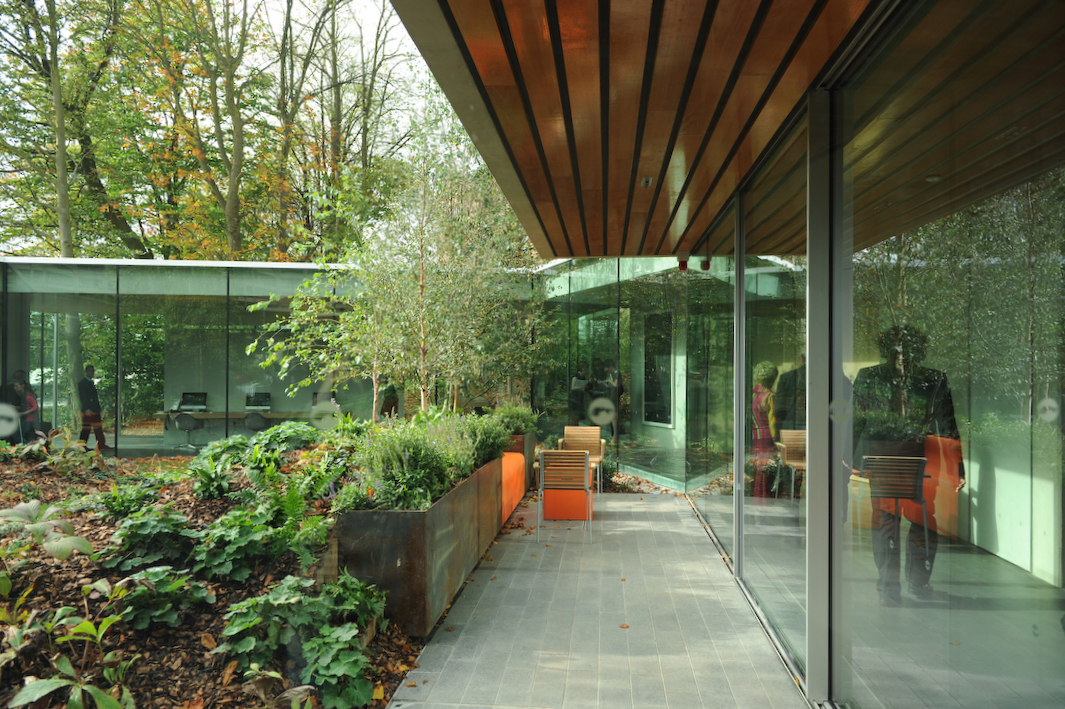 Maggie’s Gartnavel sits humbly on the land of the Gartnavel hospital in Glasgow, close to the Beatson West of Scotland Cancer Centre. The single-level volume comprises a series of interlocking rooms, with an inner garden in the middle of the ring of rooms. With a flat roof and floor levels that respond to the natural topography, the rooms vary in height. Common areas including the dining room, kitchen, library and a large activity room are on the side with taller ceilings and the counseling rooms are more intimate.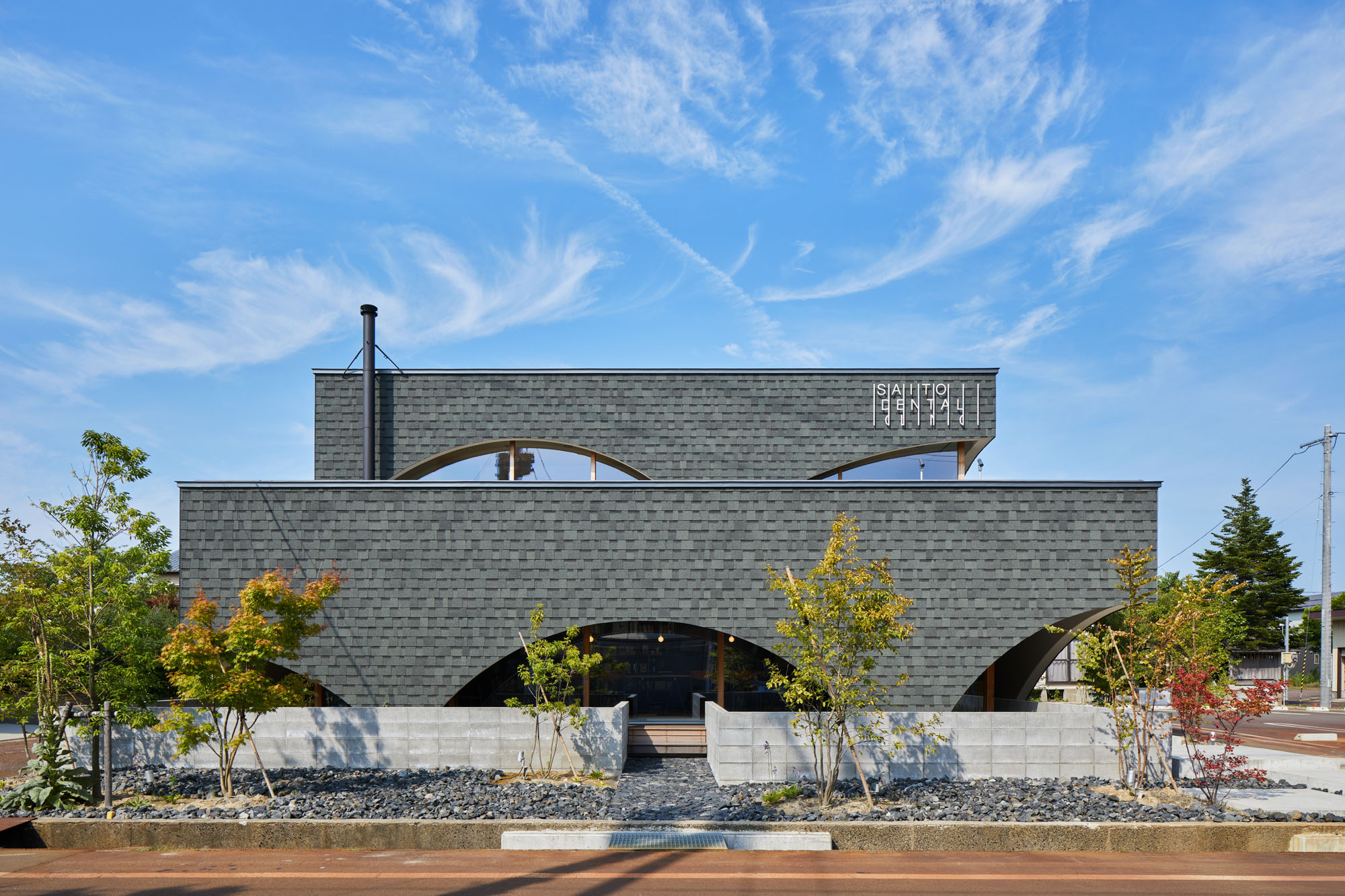
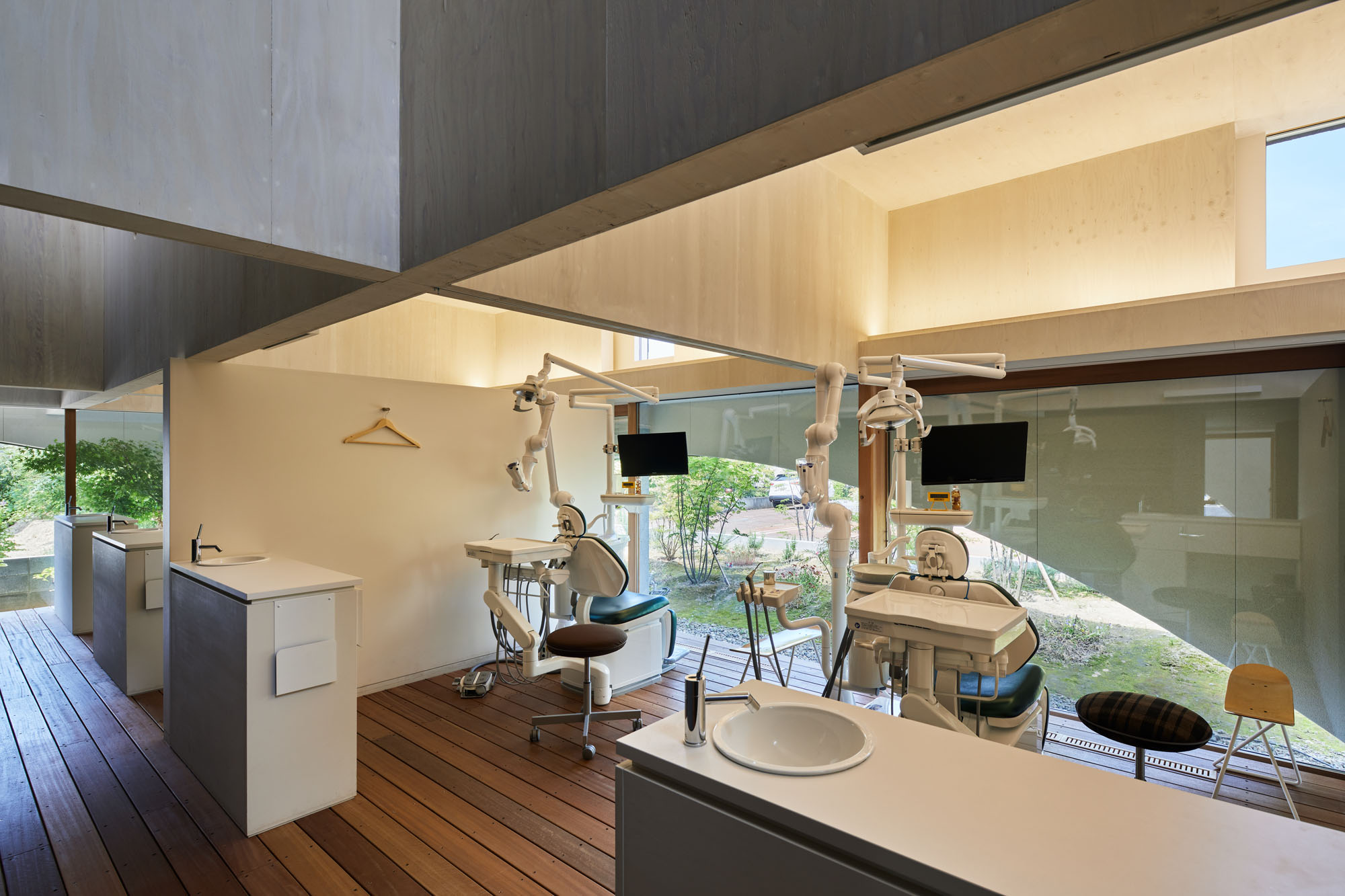 Neighboring a nursery, elementary school and junior high school, this dental clinic is designed as an enjoyable place for both children and parents. This two-story timber building accommodates not only a clinic but also a bookstore and daycare center. By combining programs, the design team wishes to encourage people to come not just for their appointment.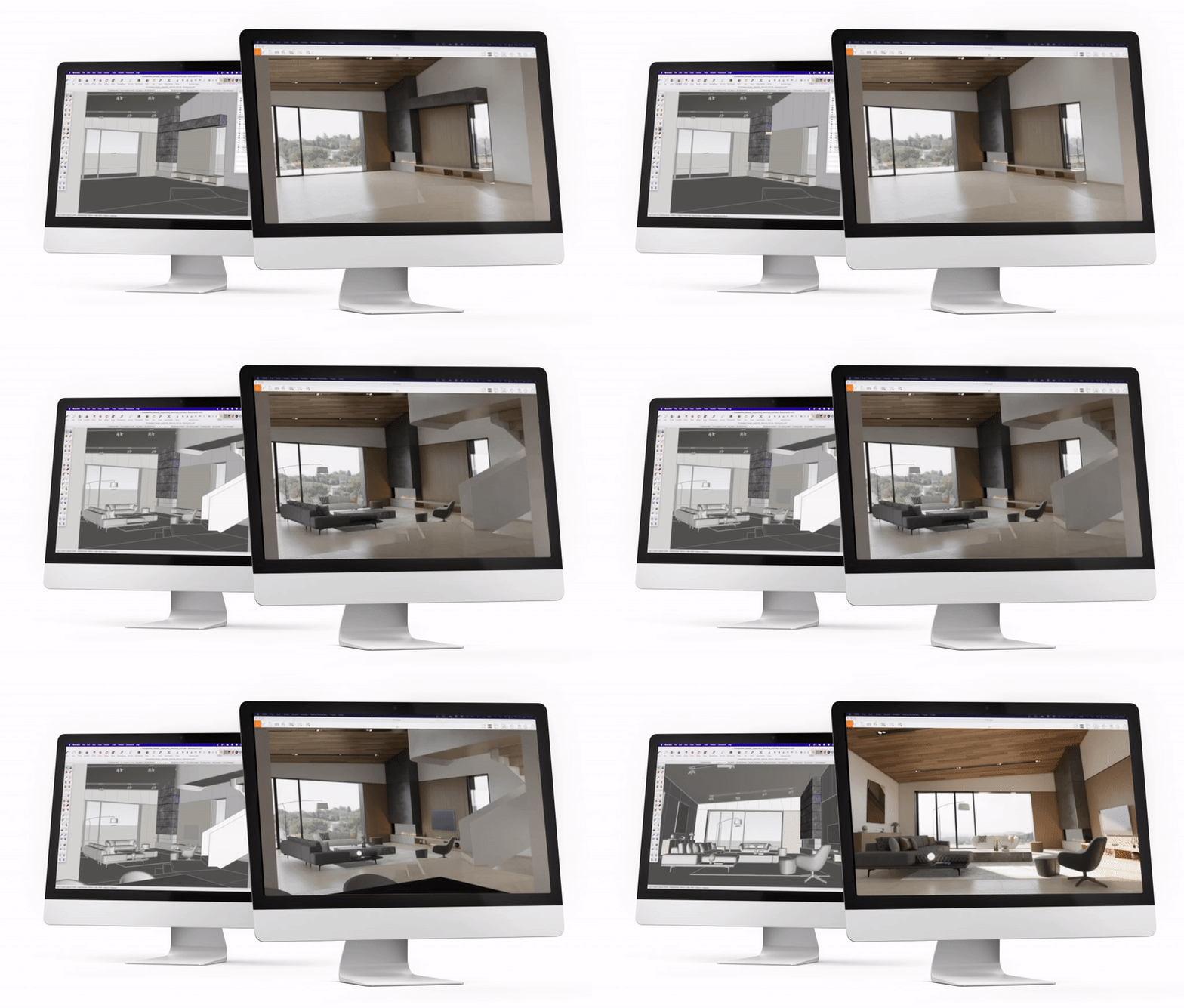
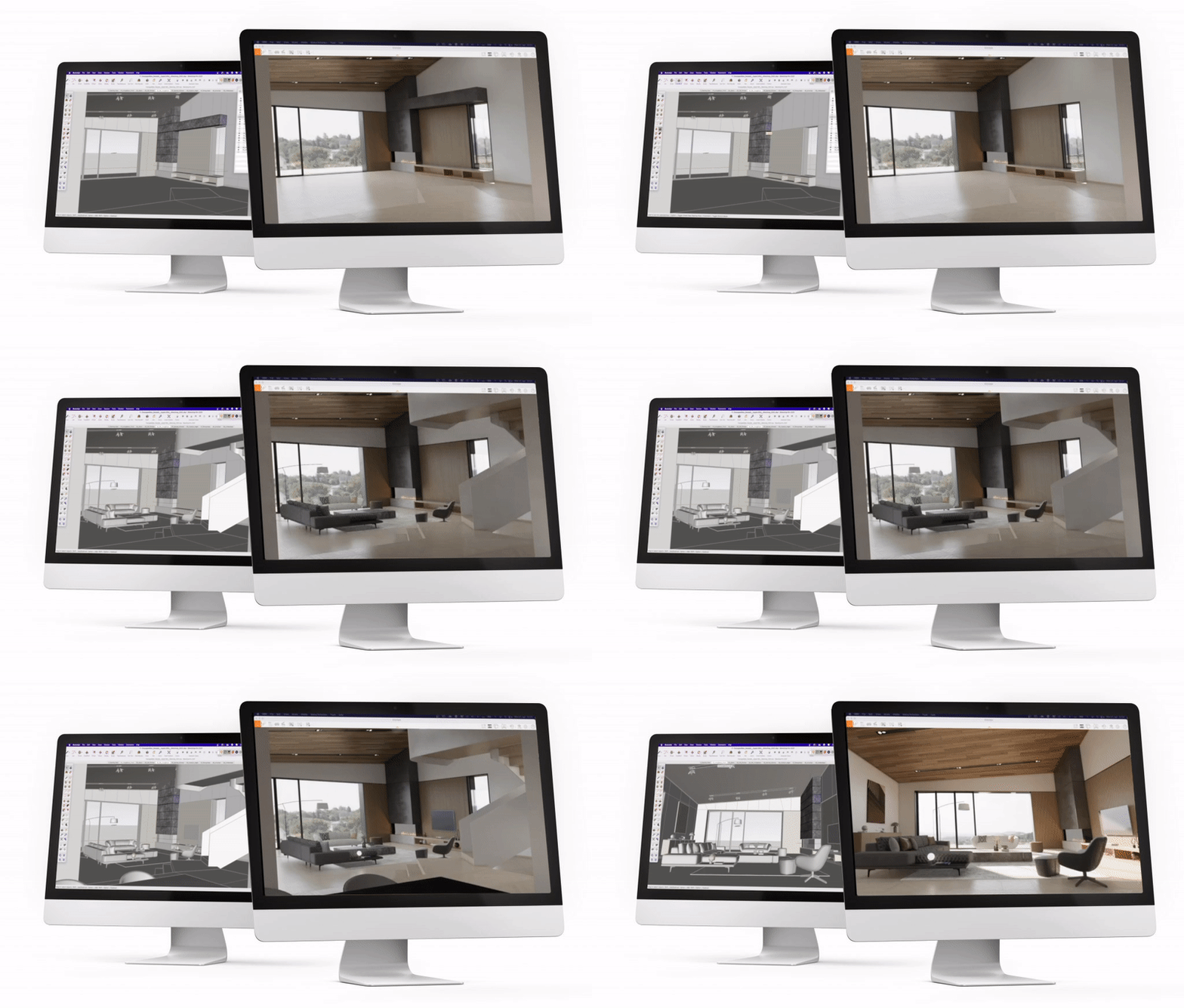
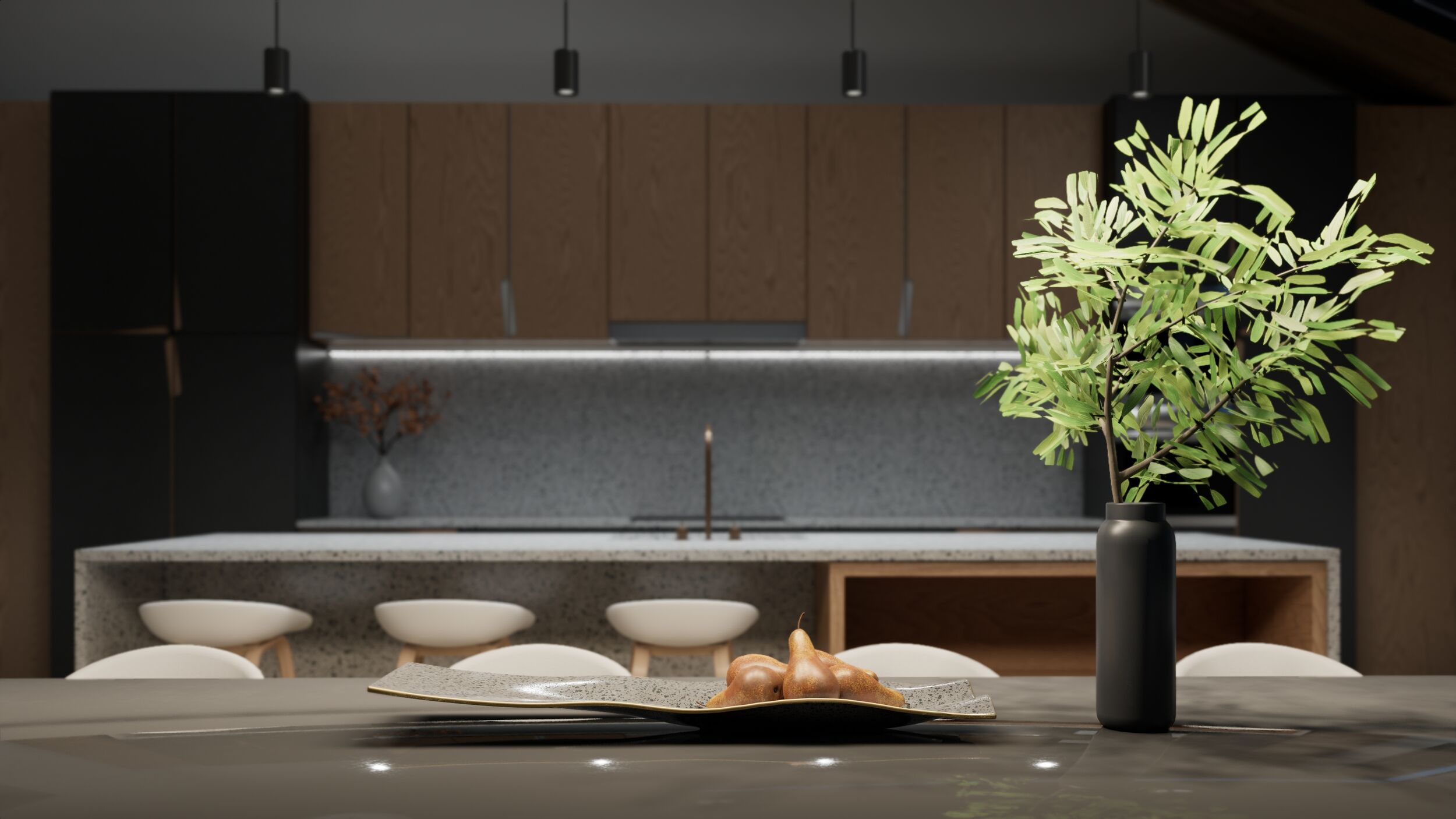
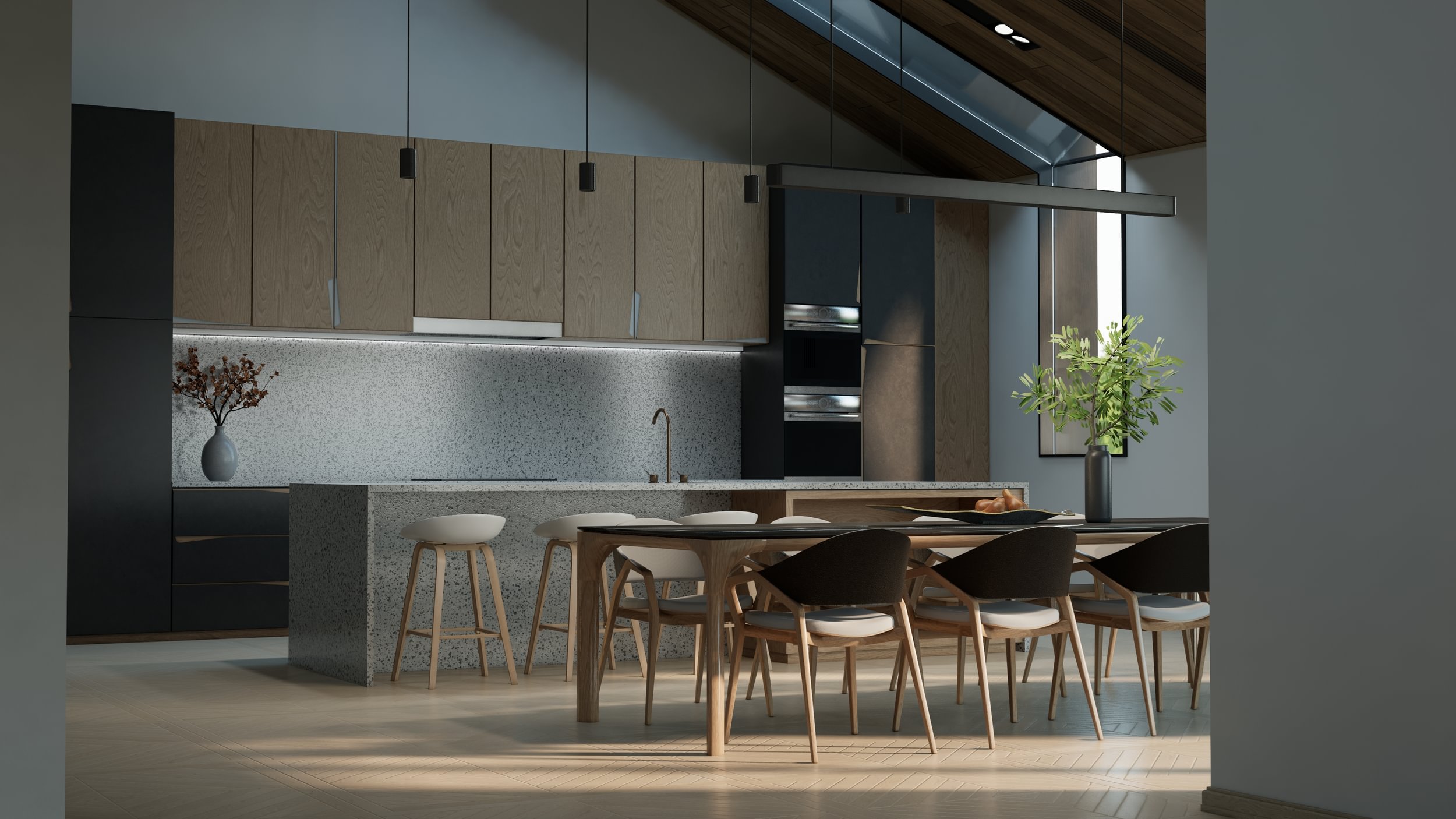 Additionally, Enscape’s updated visual settings and asset library make adding detail that much easier. With just a few clicks, users can adjust the atmosphere and other visual effects to achieve the perfect image. Users can equally browse the asset library and decorate their design with
 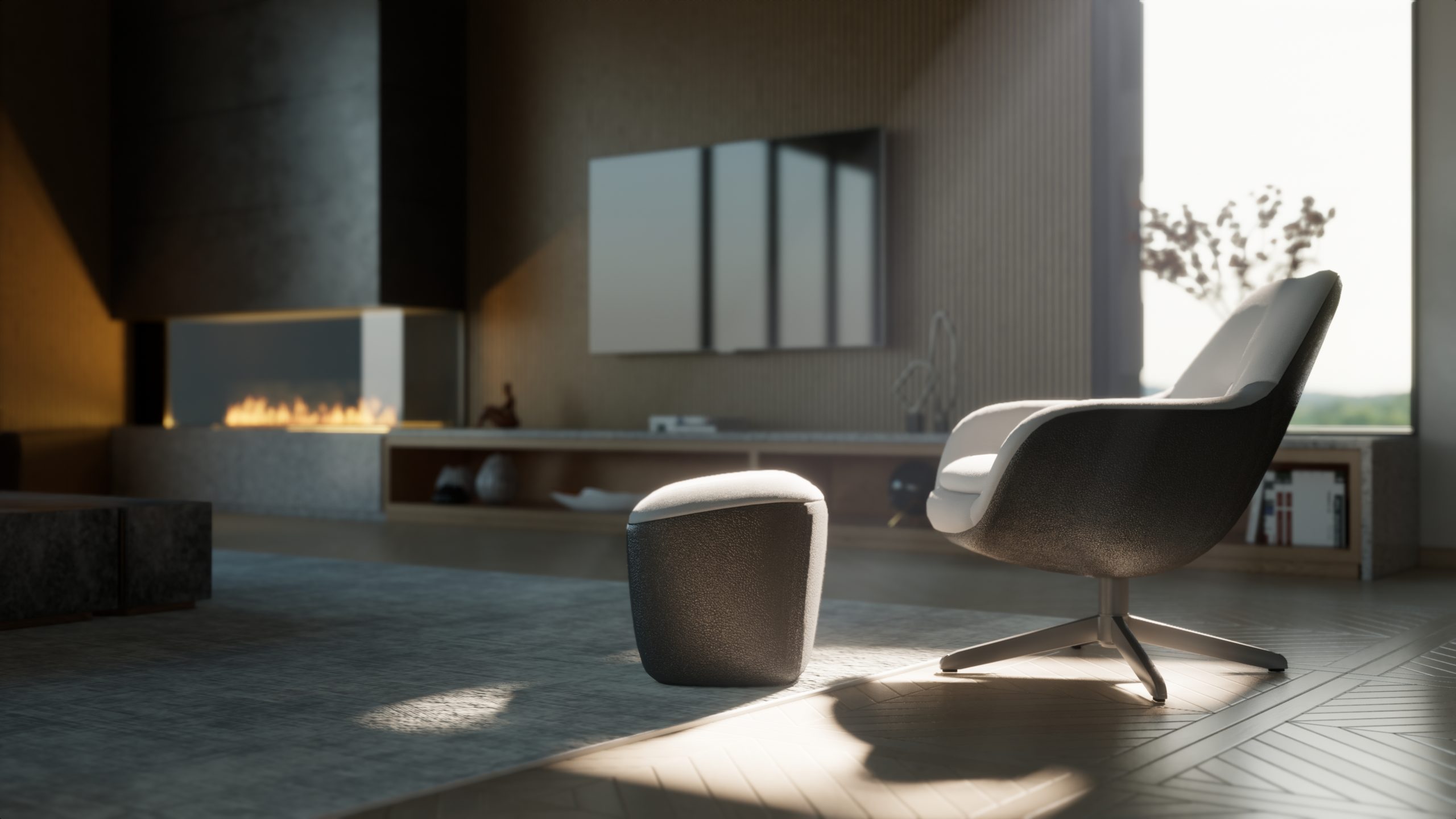 Enscape is also developing an extensive list of export options to make sharing a visualization straightforward and secure. From still renderings to 360-degree panoramas, there is an export option fit for any scenario. Additional export options such as video and standalone executable files are under development and soon to come.
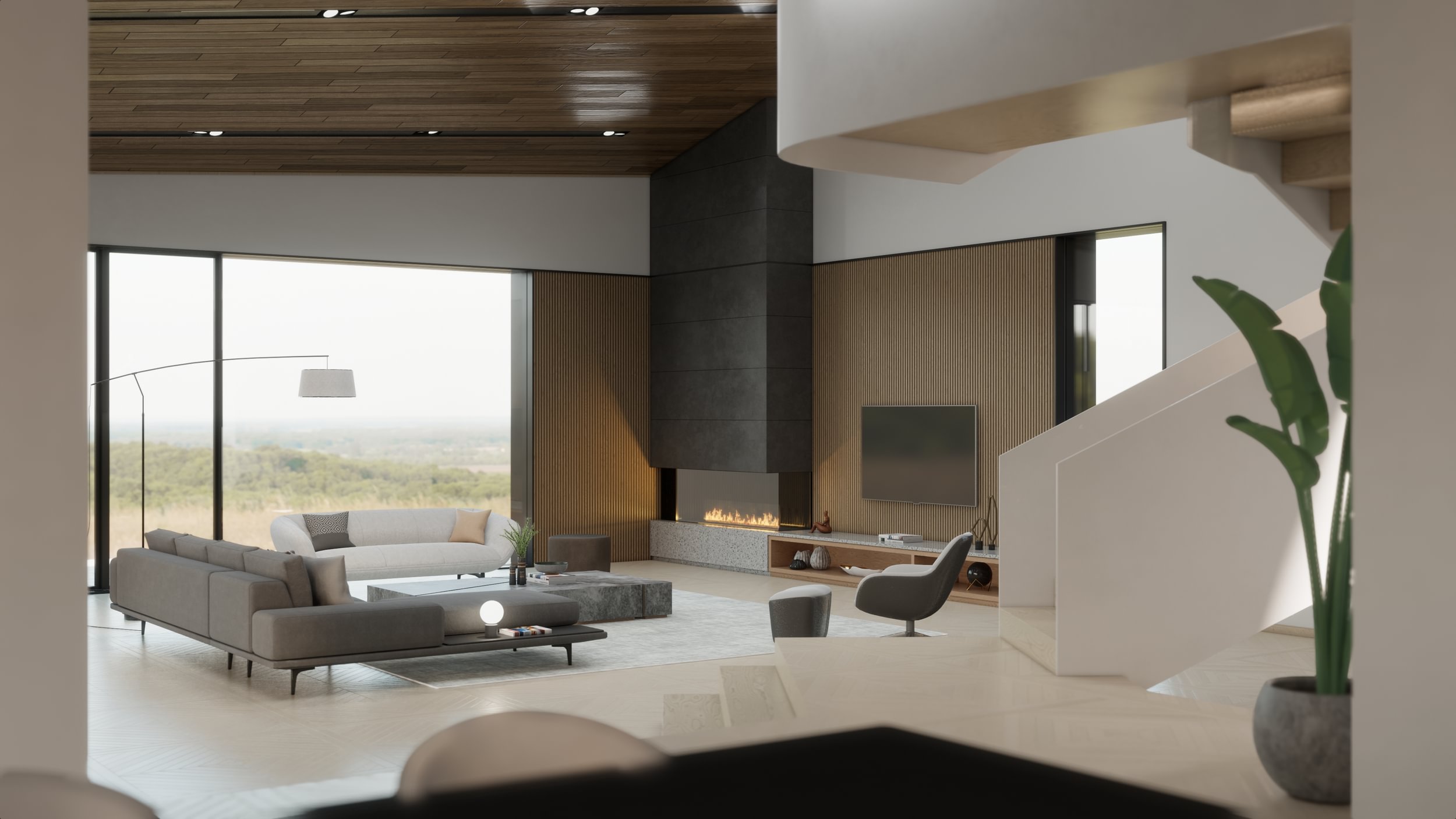 Enscape for Mac’s expansive offerings will soon grow to include VR support that allows designers to create immersive 3D experiences. A custom asset library and additional light and sound sources are on their way to release as well.
 The minimum required MacOS version is Monterey 12.2.1, while the recommended minimum hardware is the MacBook Air (M1, 2020). These
  Enscape offers a free 14-day trial complete with the full range of features to discover. For those interested in purchasing a license, there are a few

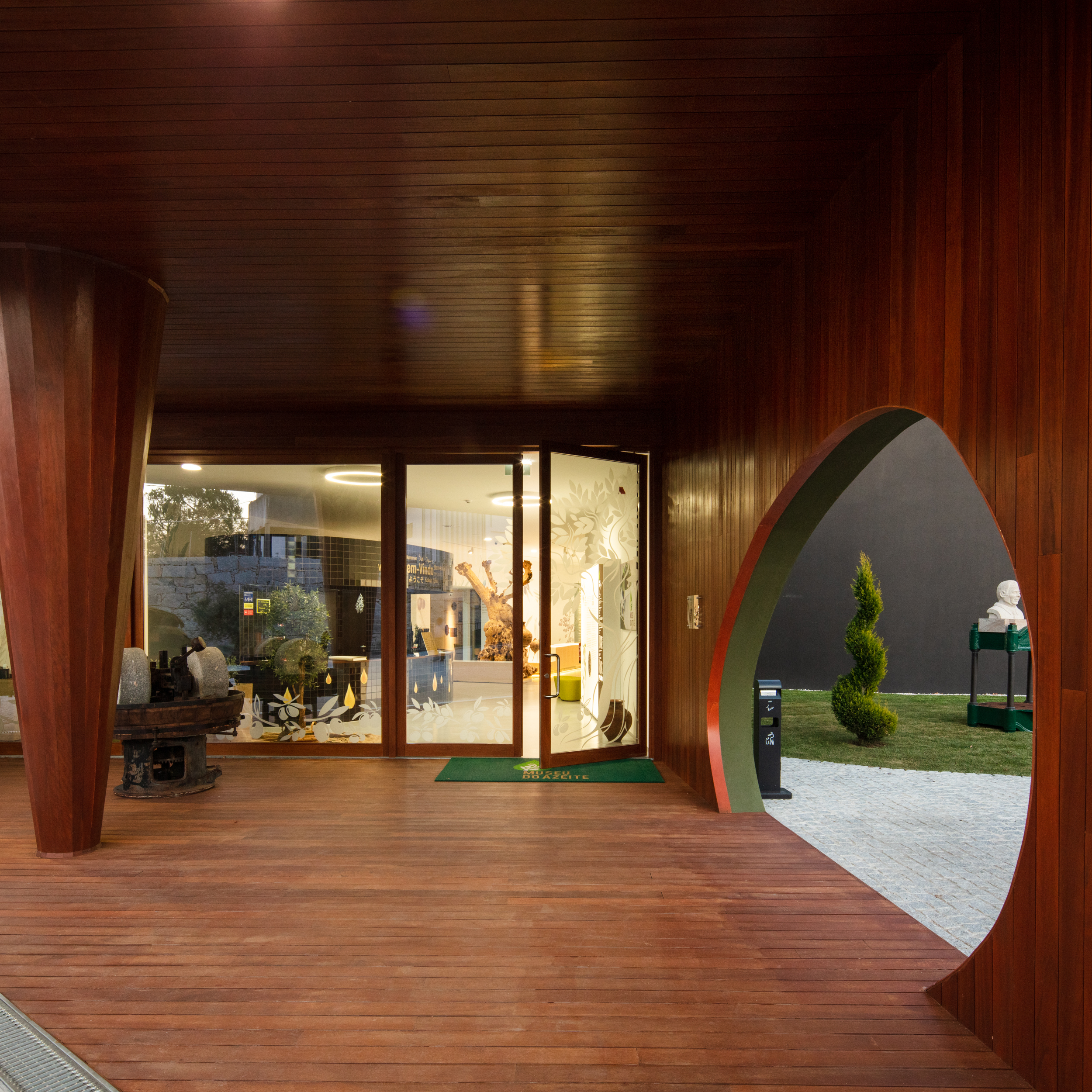
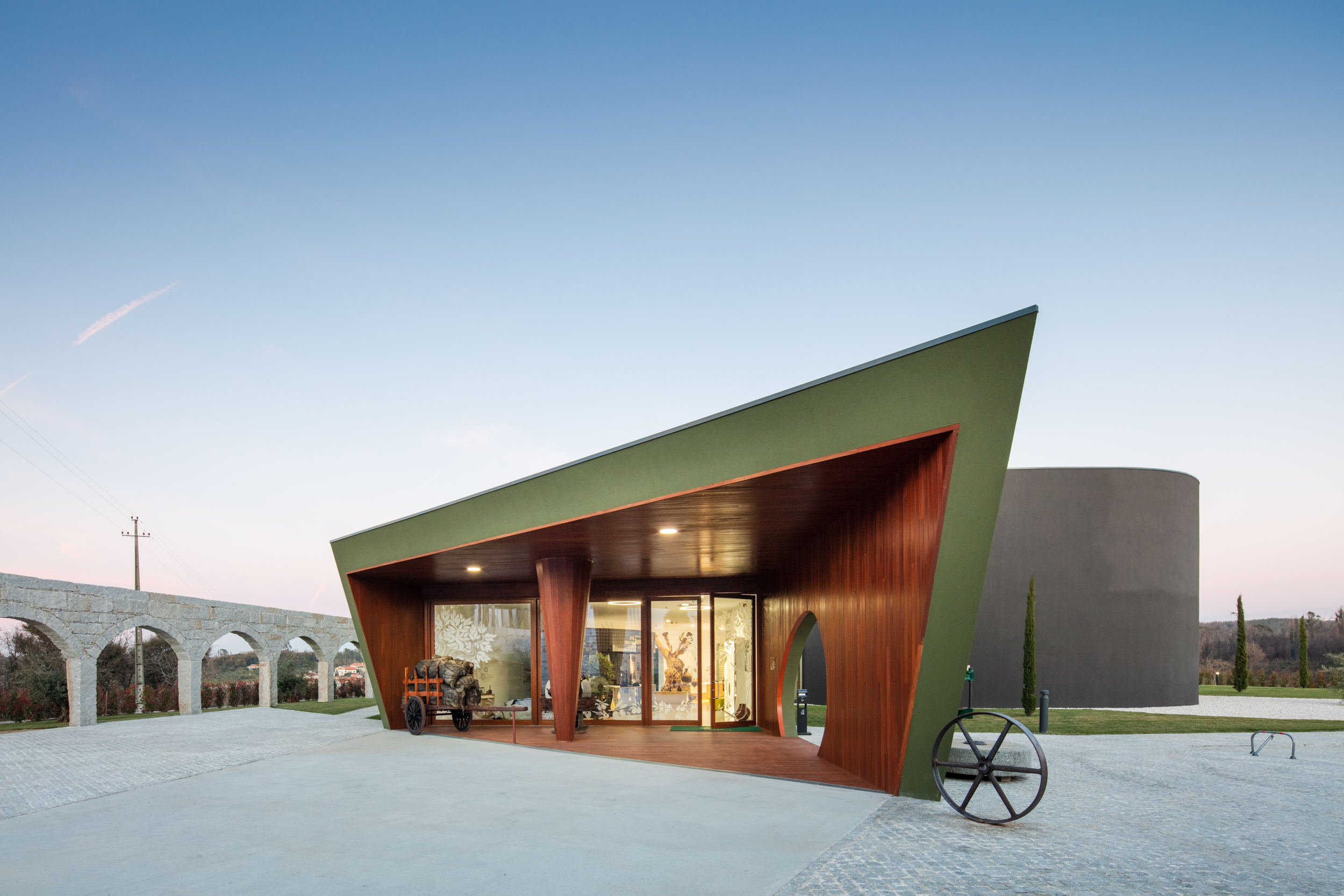
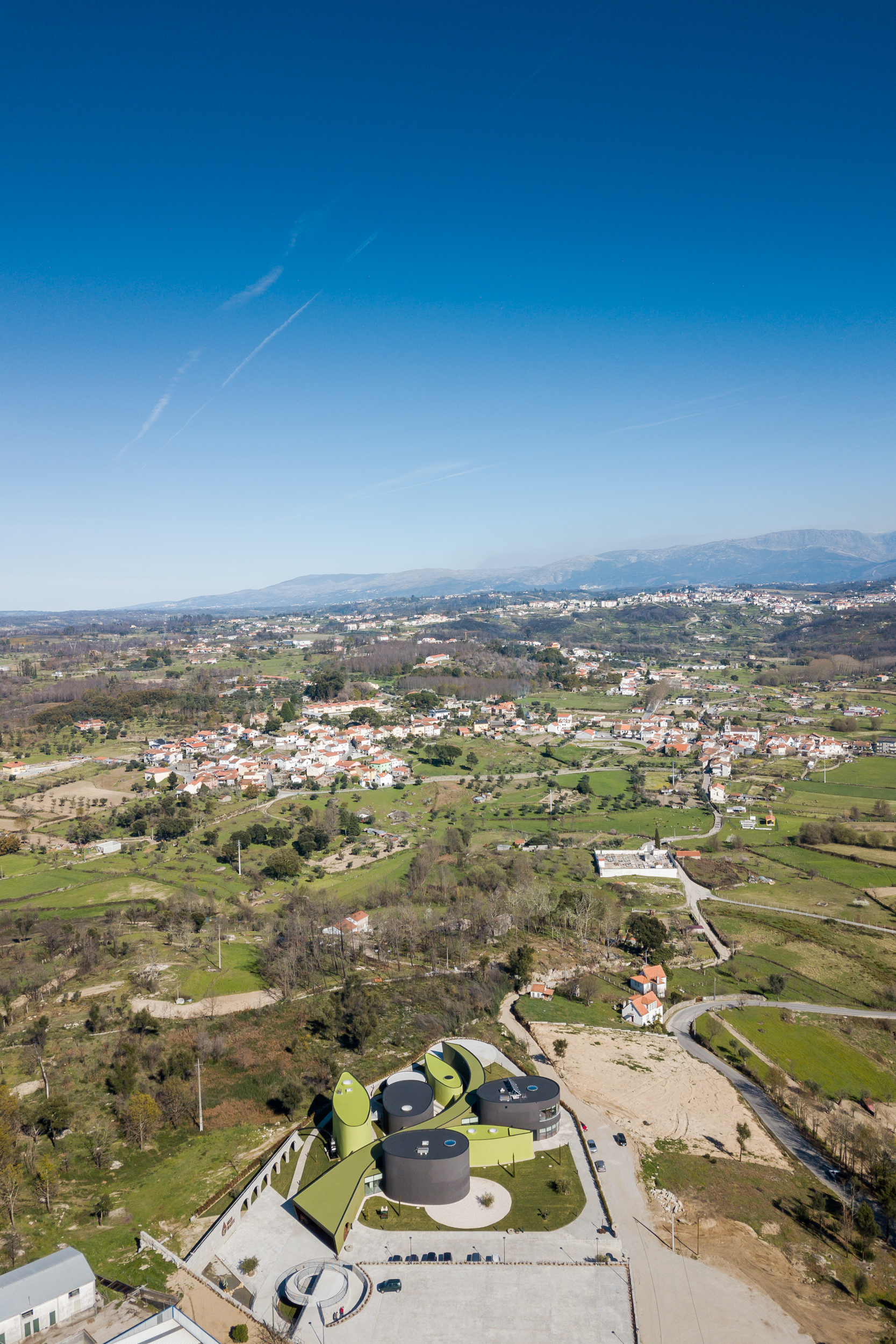
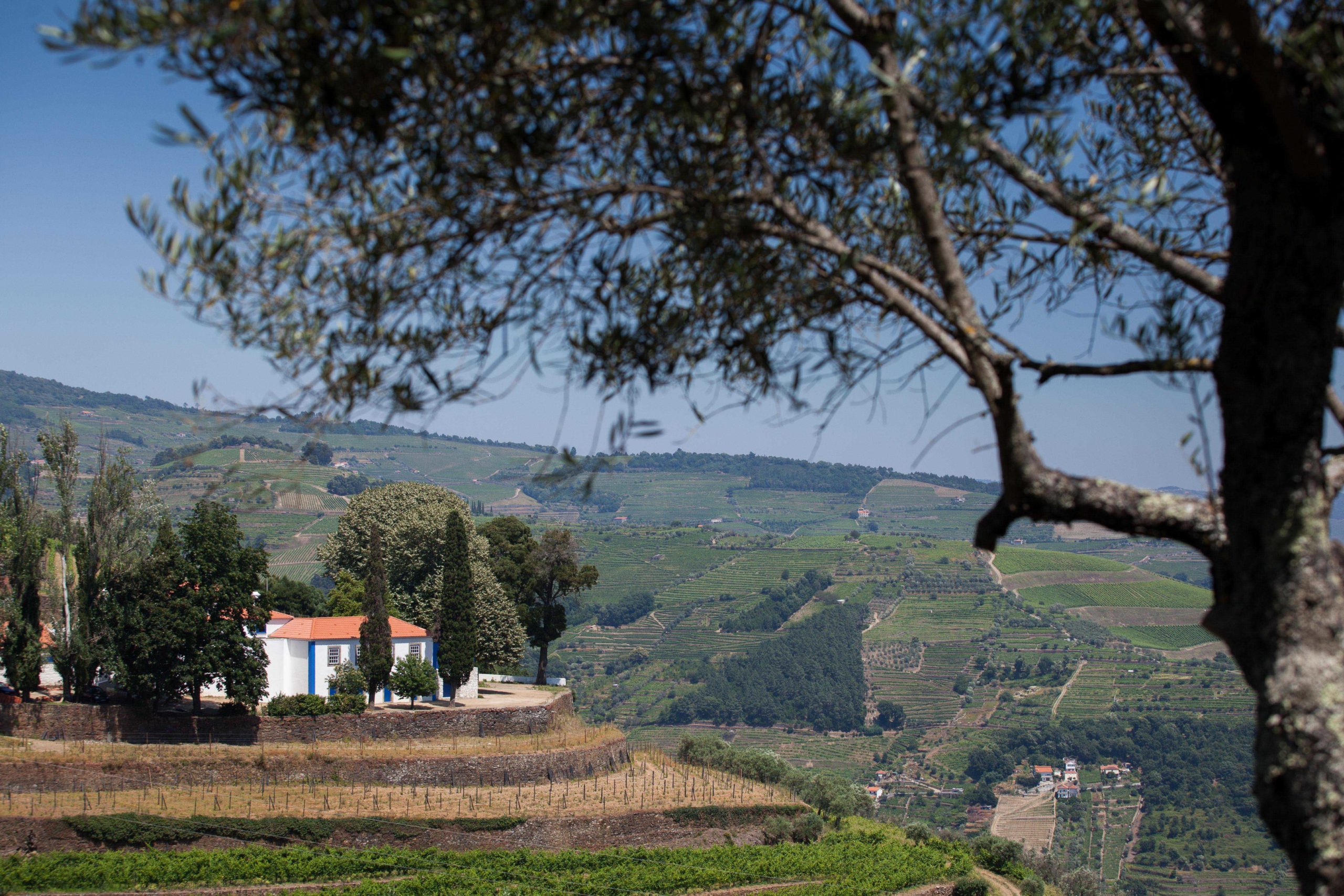
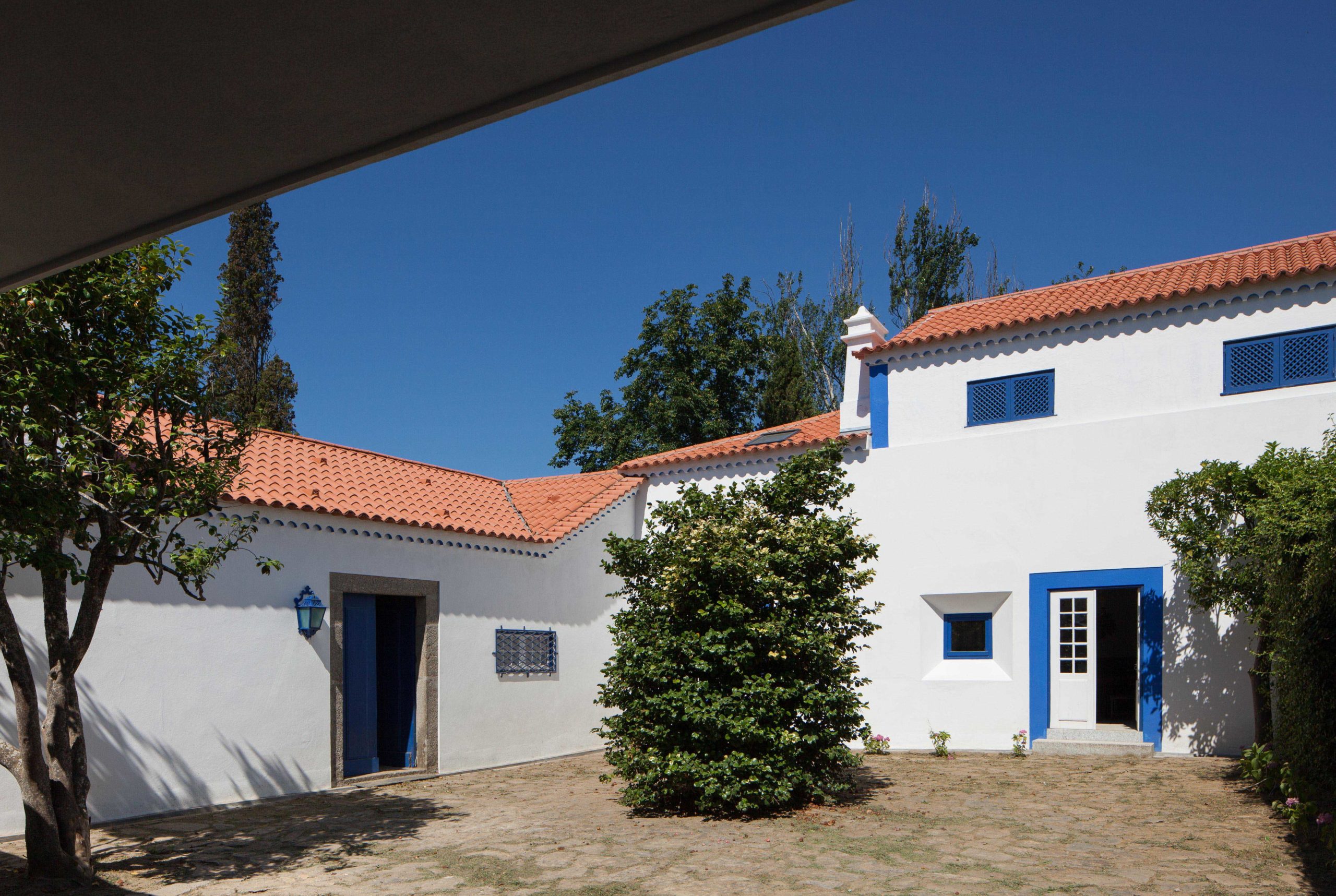
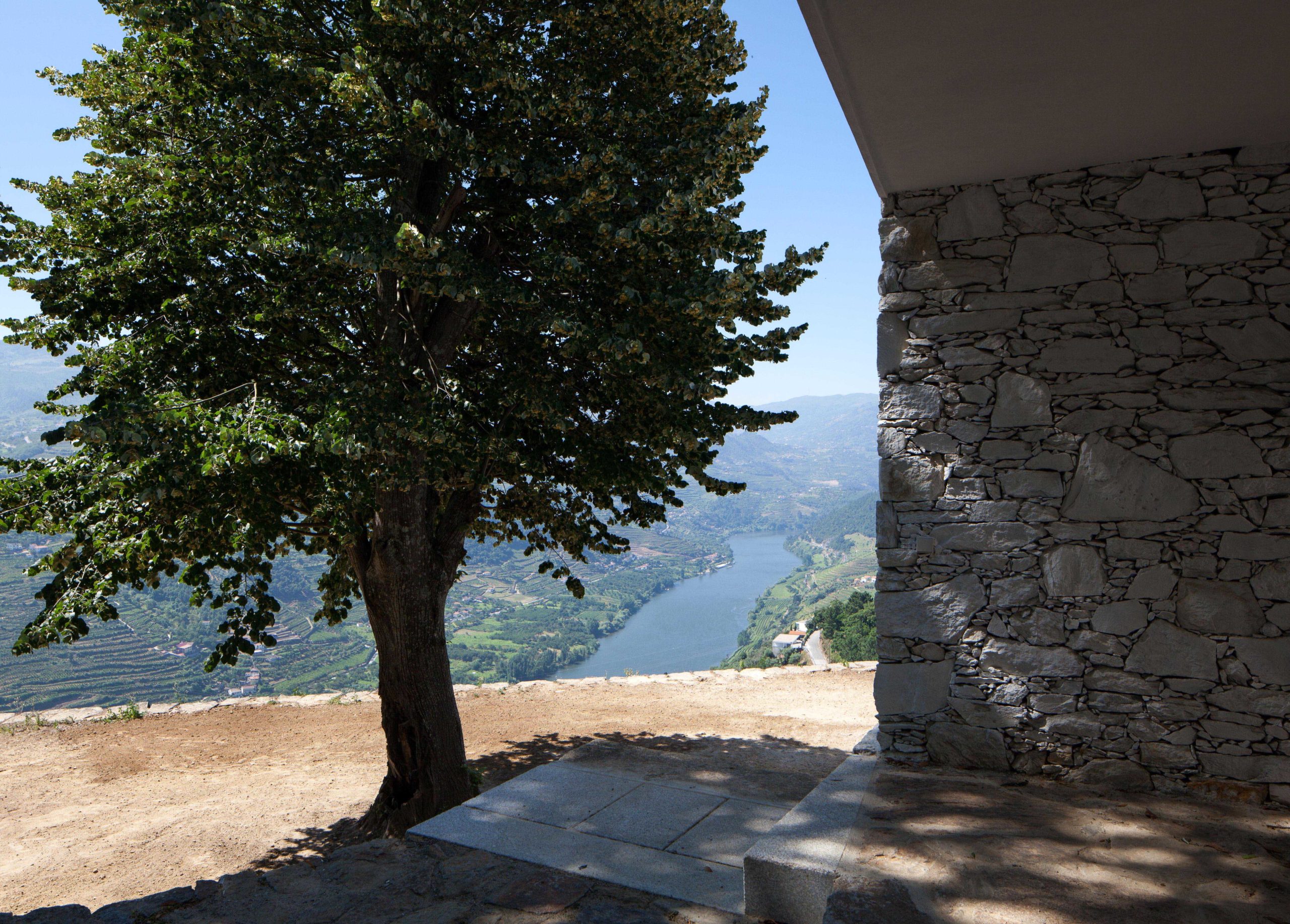 One does not need to venture far to be immersed in Portugal’s expansive history. From the eighth century, Muslim communities dominated the Iberian Peninsula and have left their mark in today’s modern-day Portugal. Moorish architecture can be spotted by simply browsing the streets of Lisbon, while others incorporate traditional Moorish elements into their contemporary builds.
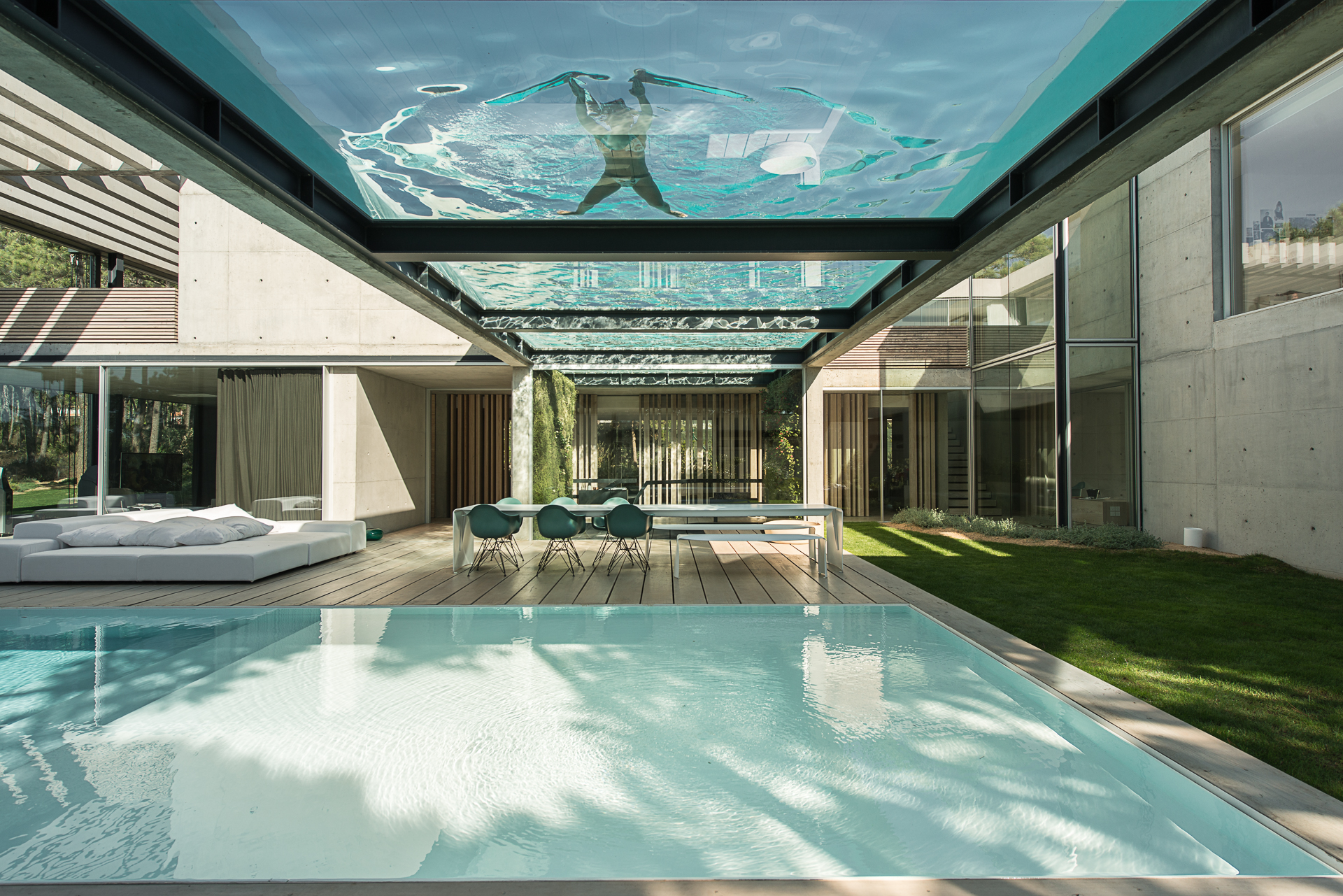
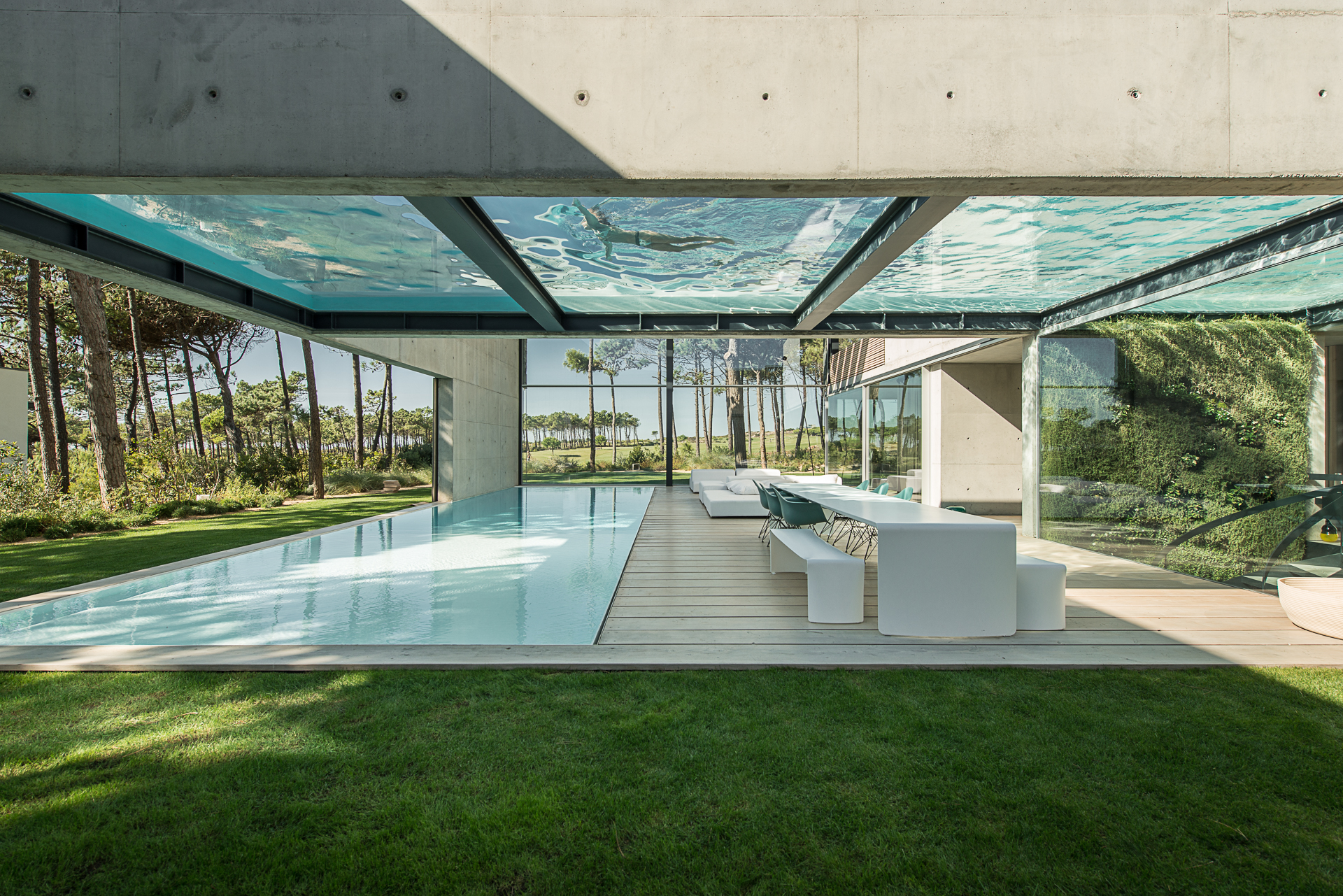 Portugal’s visual language is rich in well-preserved historic architecture and innovative contemporary design. This marriage of old and new makes for a special place to explore.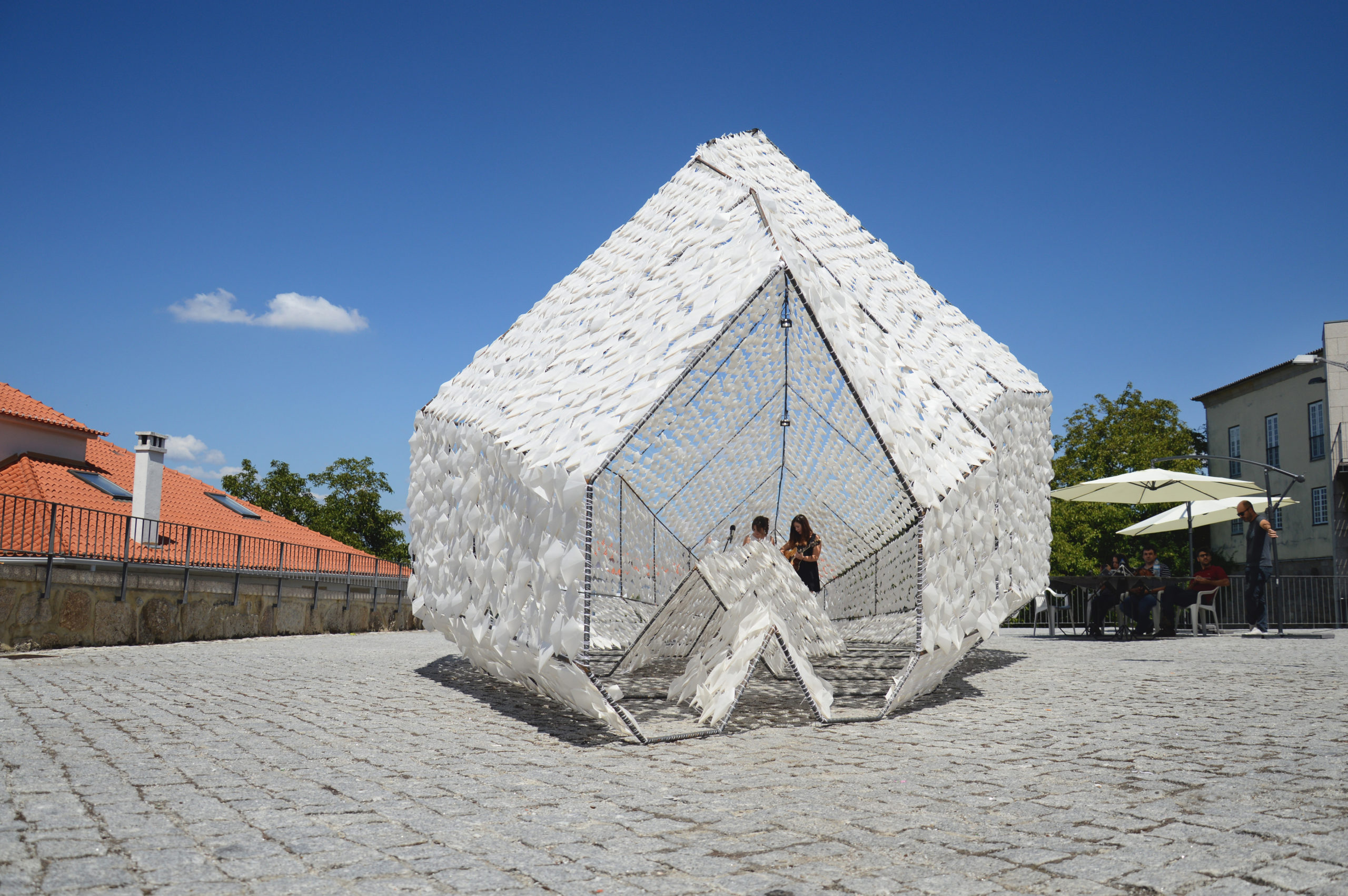
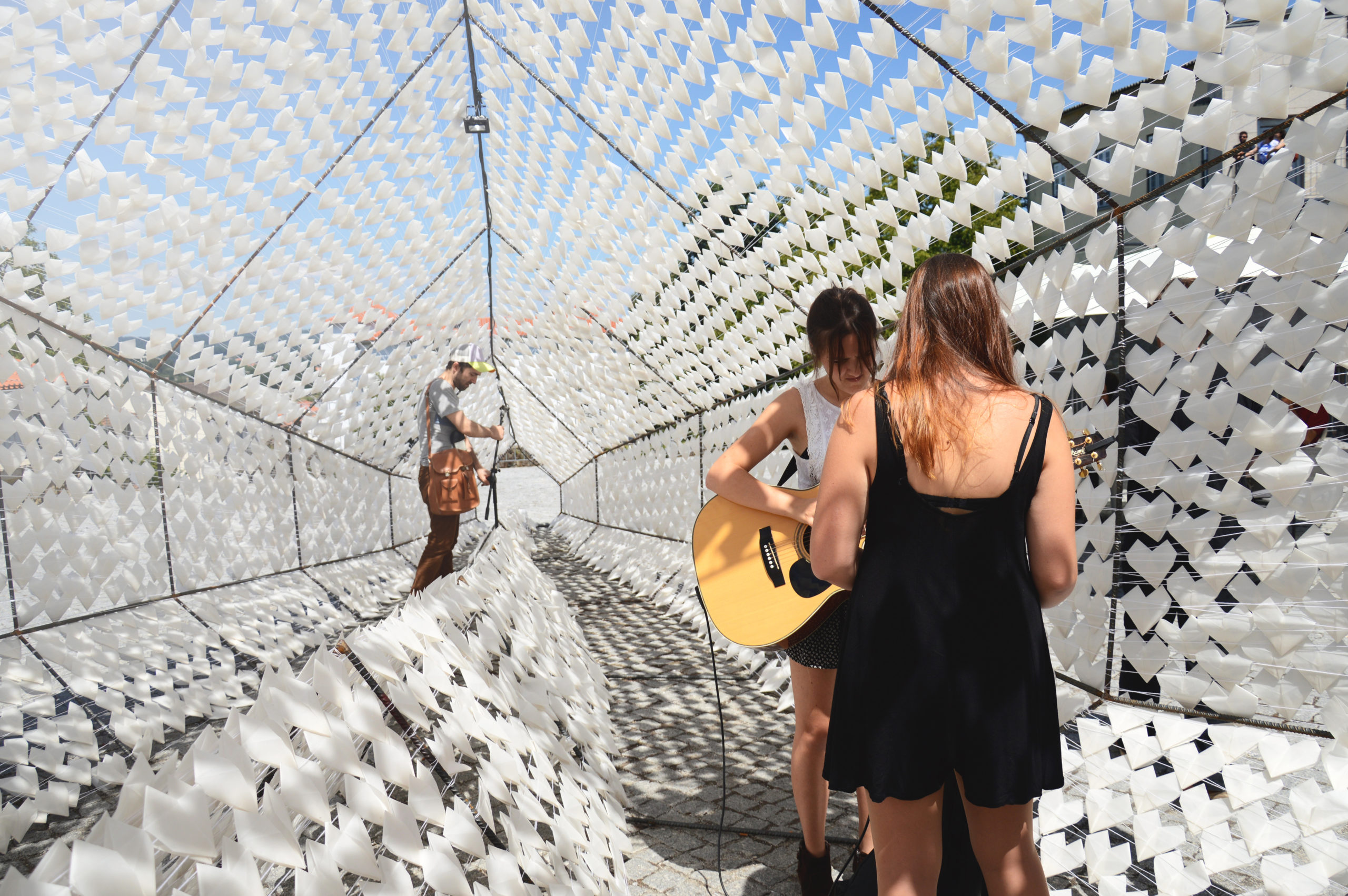
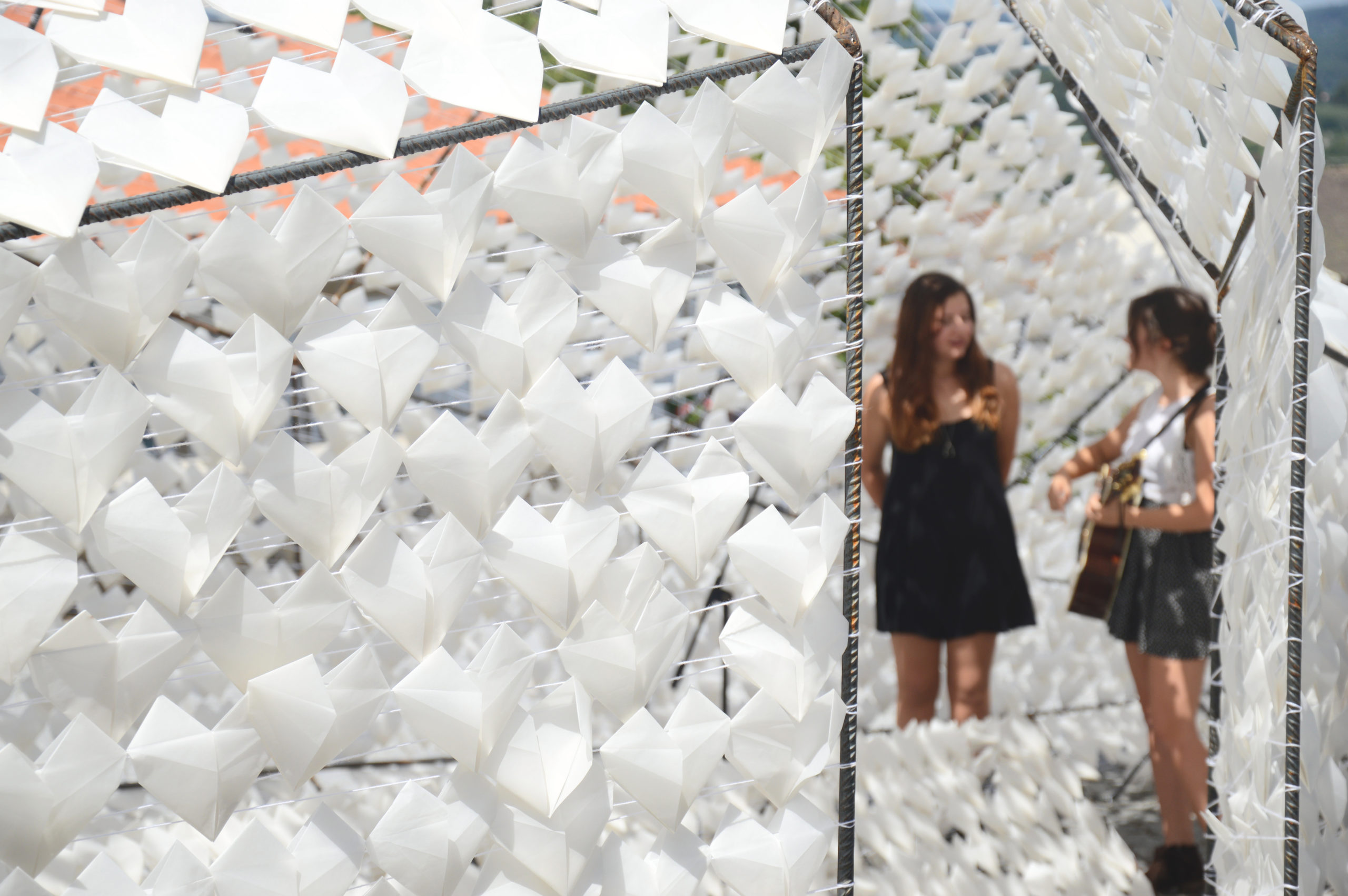 Portuguese designers utilize public spaces in a very special way. With the goal of strengthening community and encouraging interaction, public structures can be found throughout the country.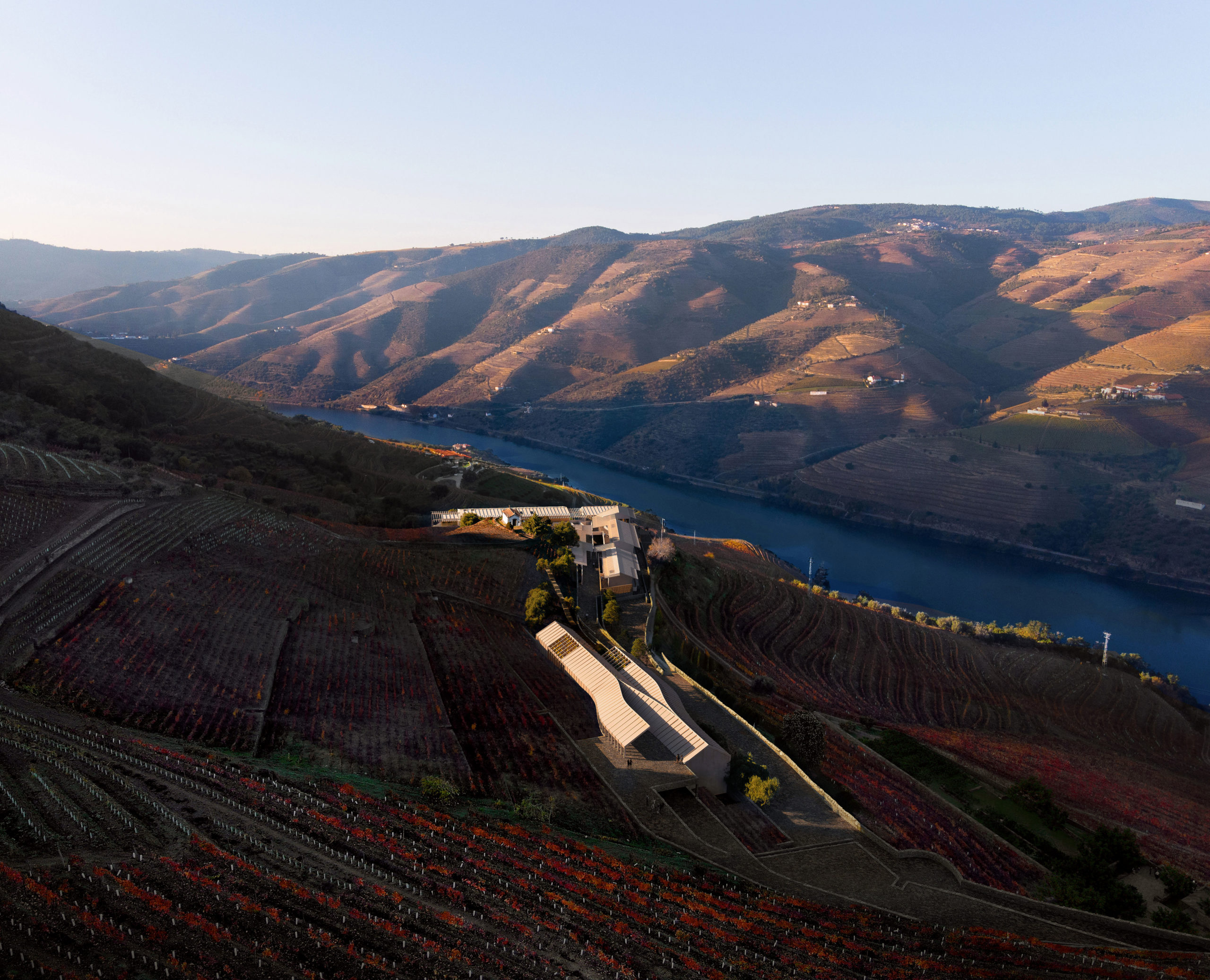
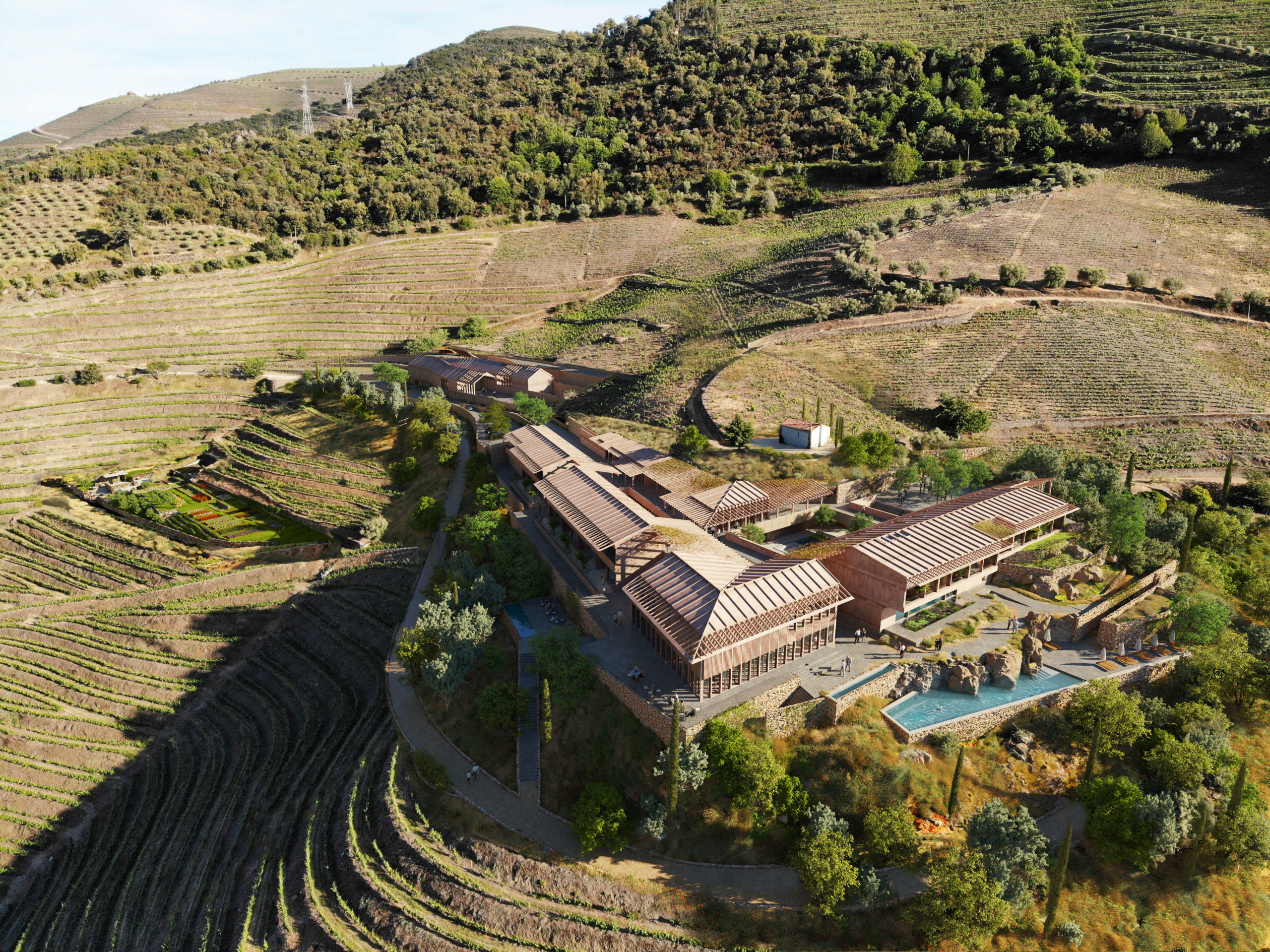
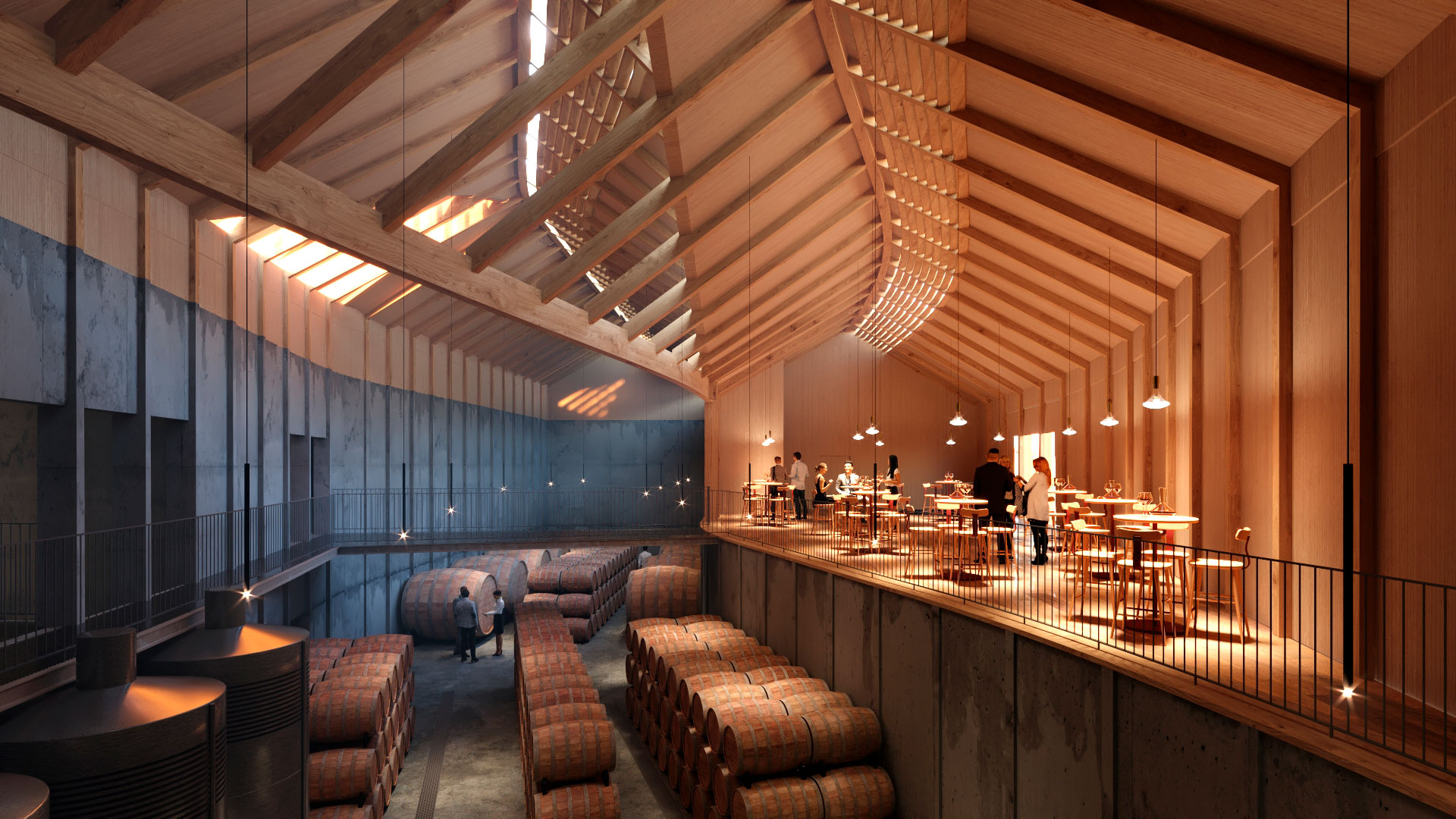
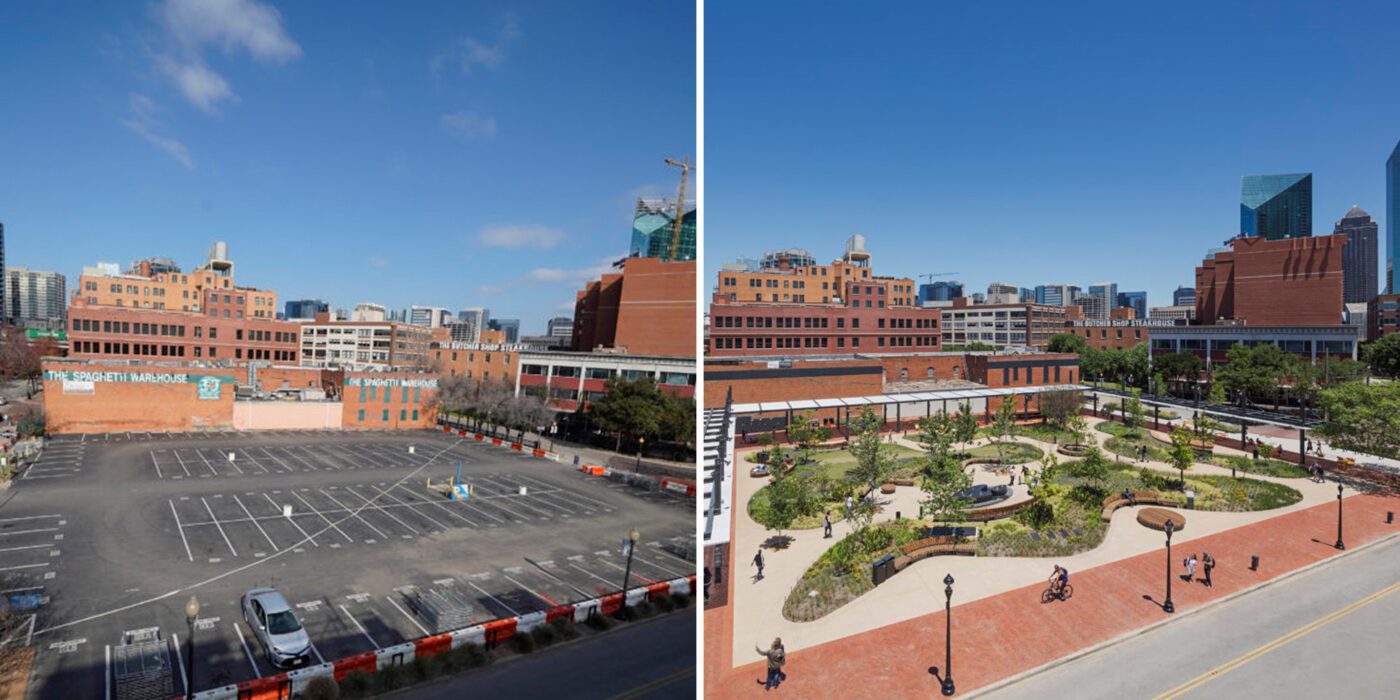
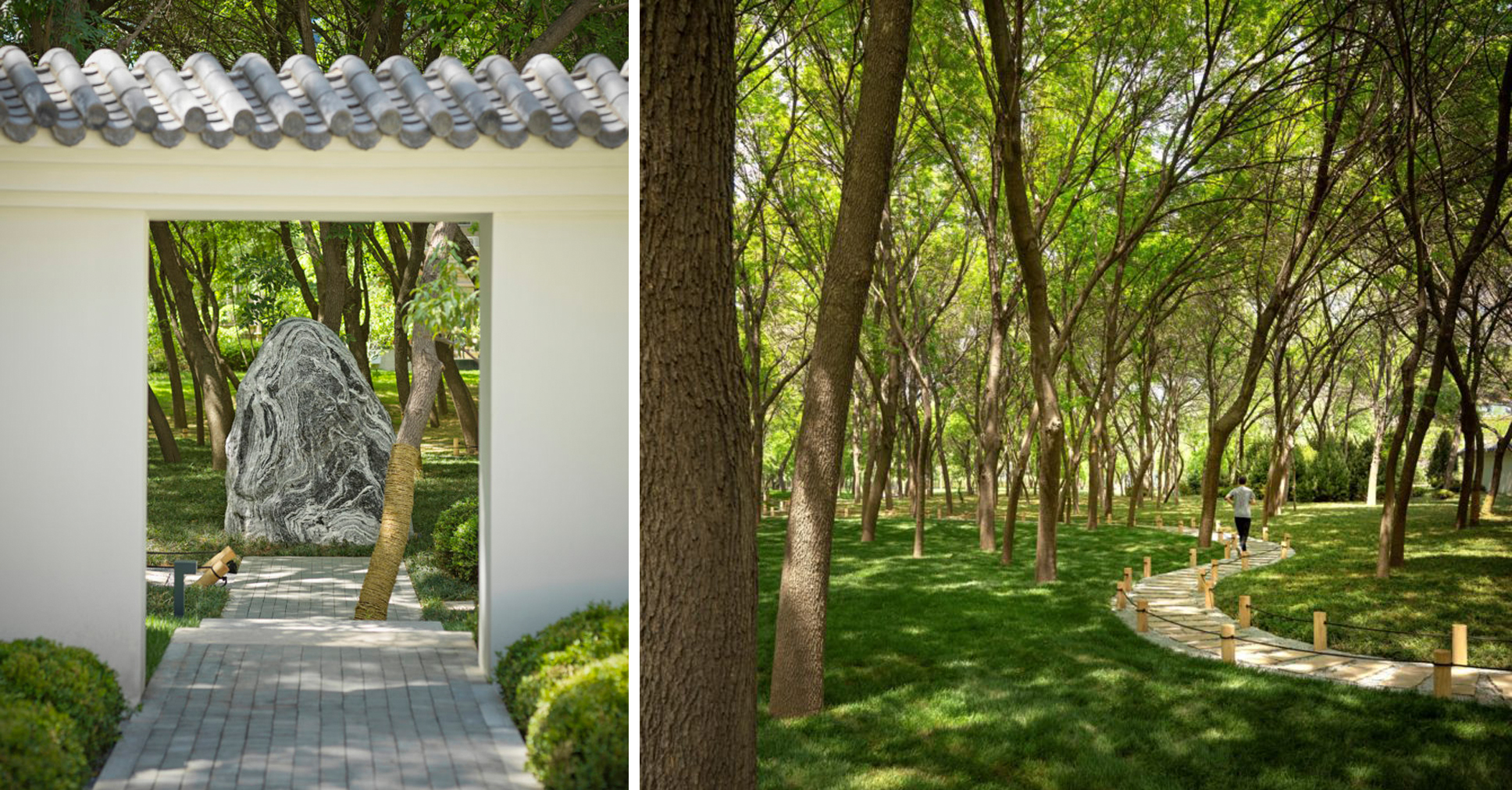 Meanwhile, the Xiaoyunlu 8, MAHA Residential Park project by Ballistic Architecture Machine in Beijing, another A+Award popular winner this year, weaves together disparate sections of the site of various eras and styles into one seamless and soothing green space. Residents can now fully access and enjoy the park’s gardens, historical sites and communal areas.
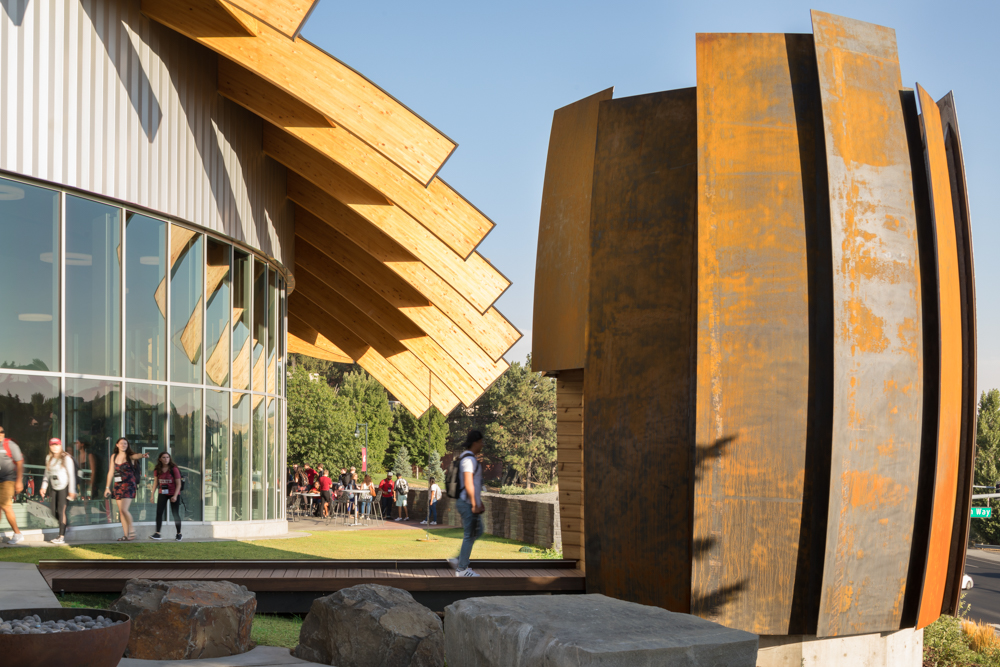 These projects are a mere snapshot of why at Architizer, we believe that landscapers are the unsung heroes of the design world. It’s why this week we are highlighting jobs in the sector.