FMG’s New Stoneware Surfaces Deliver Incredible Design Flexibility for Architects
One of the most challenging aspects of design is bridging the gap between concept and reality. Architects and interior designers are first and foremost creatives; they are visionaries who at times struggle to find the perfect material that will bring their concept to life without some form of compromise. Whether it be a change in budget, an unforeseen roadblock or a disconnect between designer and developer, using materials that can easily adapt to a modified design ensures a successful outcome.
Fortunately, Italian stoneware Brand FMG Fabbrica Marmi e Graniti, part of Iris Ceramica Group, has developed a new product with creatives in mind. After extensive research and a thorough development process, FMG’s new full-body porcelain stoneware surfaces offer a comprehensive selection of durable, flexible and color-forward stone composites. Through a combination of raw materials, pigmented powders and random mix of hues, a robust line of handmade-like, unrepeated stone effect surfaces have recently hit the market. Among the most distinctive stone composites from the collection are the Palladio, the Venice Villa and the Rialto.
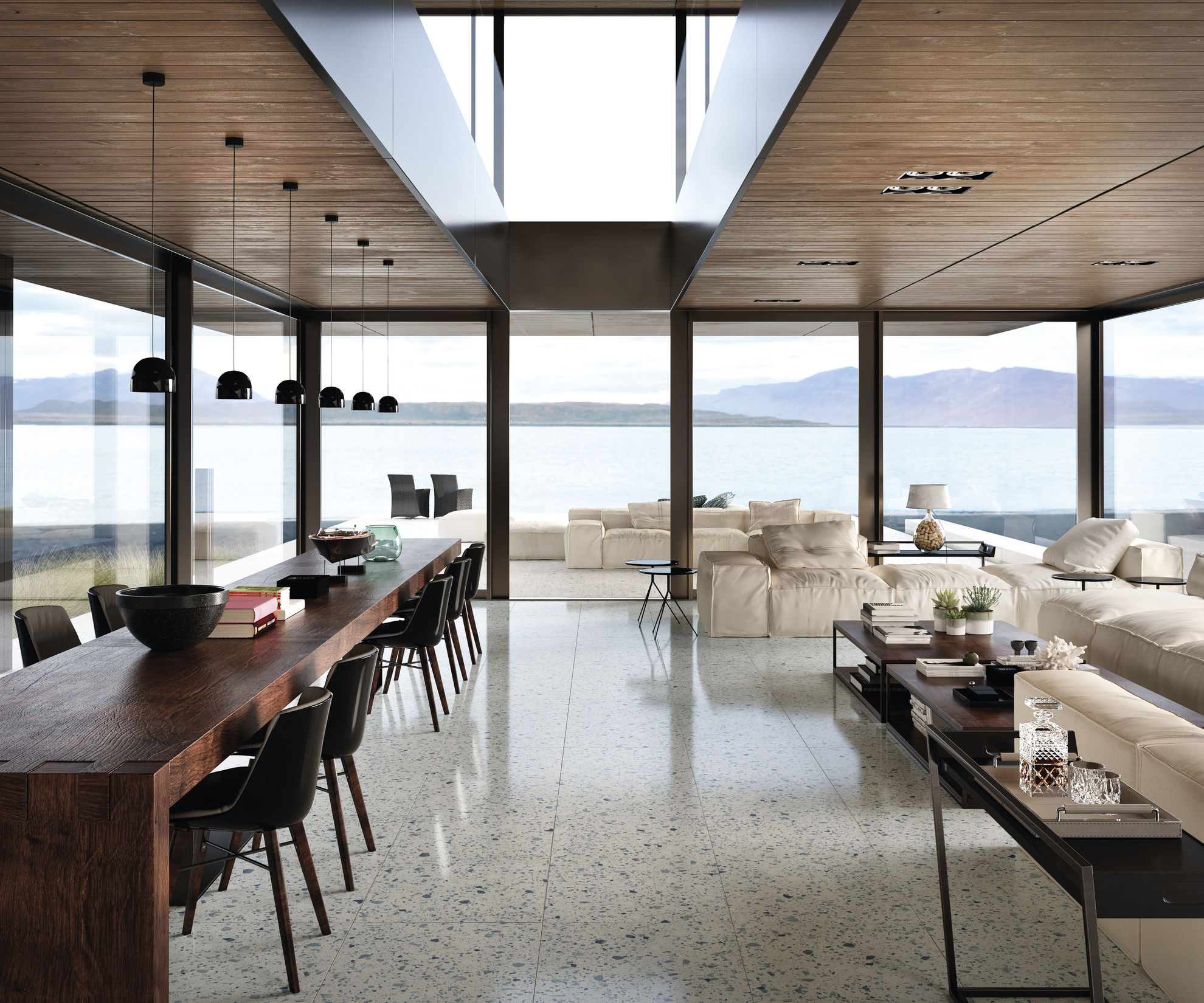
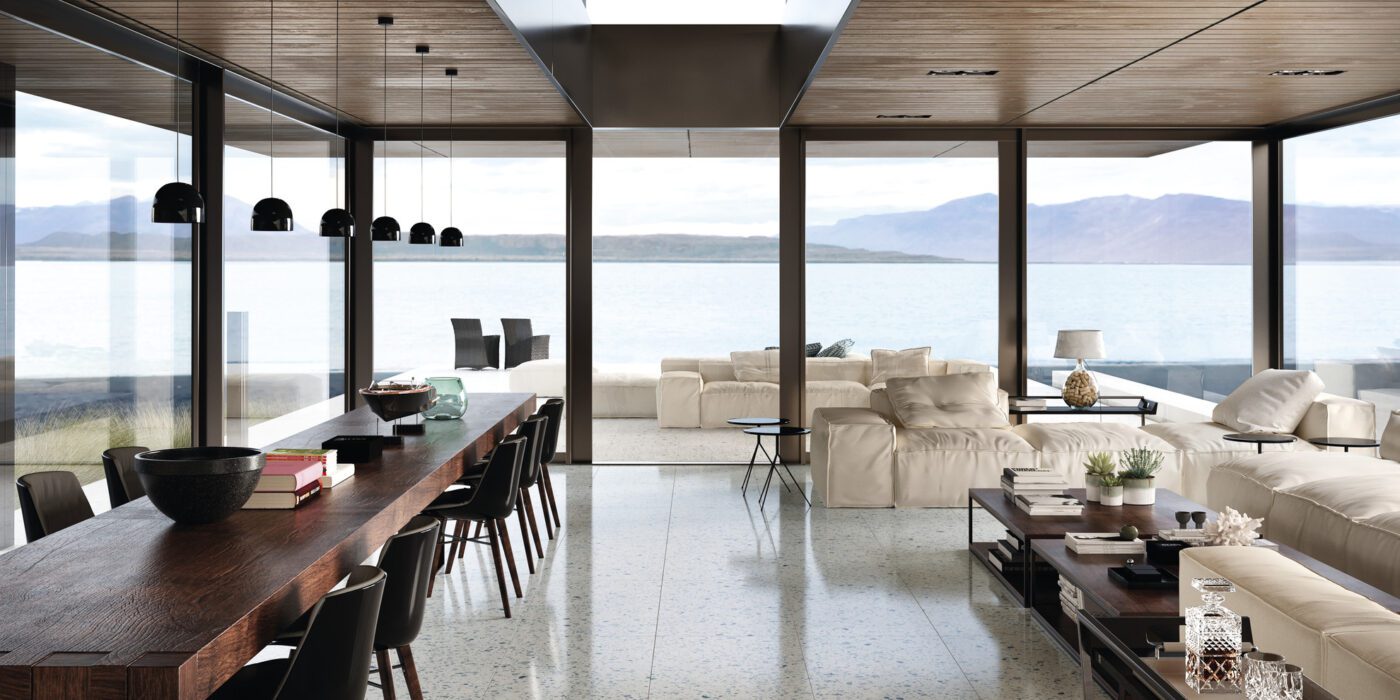
Project featuring FMG’s “Venice Villa” full-body porcelain stoneware
FMG boasts a unique production system that presses toxic-free powders with raw materials into an extremely durable material. The result is a compact stoneware that is non-absorbent, resistant to atmospheric agents and frost-free. Such a product can be easily implemented in both indoor and outdoor spaces as well as in private and commercial settings. Due to its extreme durability, it can withstand high-traffic environments without compromising aesthetics and functionality.
What further makes full-body porcelain stoneware stand out is its special processing abilities, enabling this stoneware to be manufactured for each designer’s bespoke needs. Whether the design requires rounded, beveled or central curved edges, the stoneware can be cut to deliver the required shape.
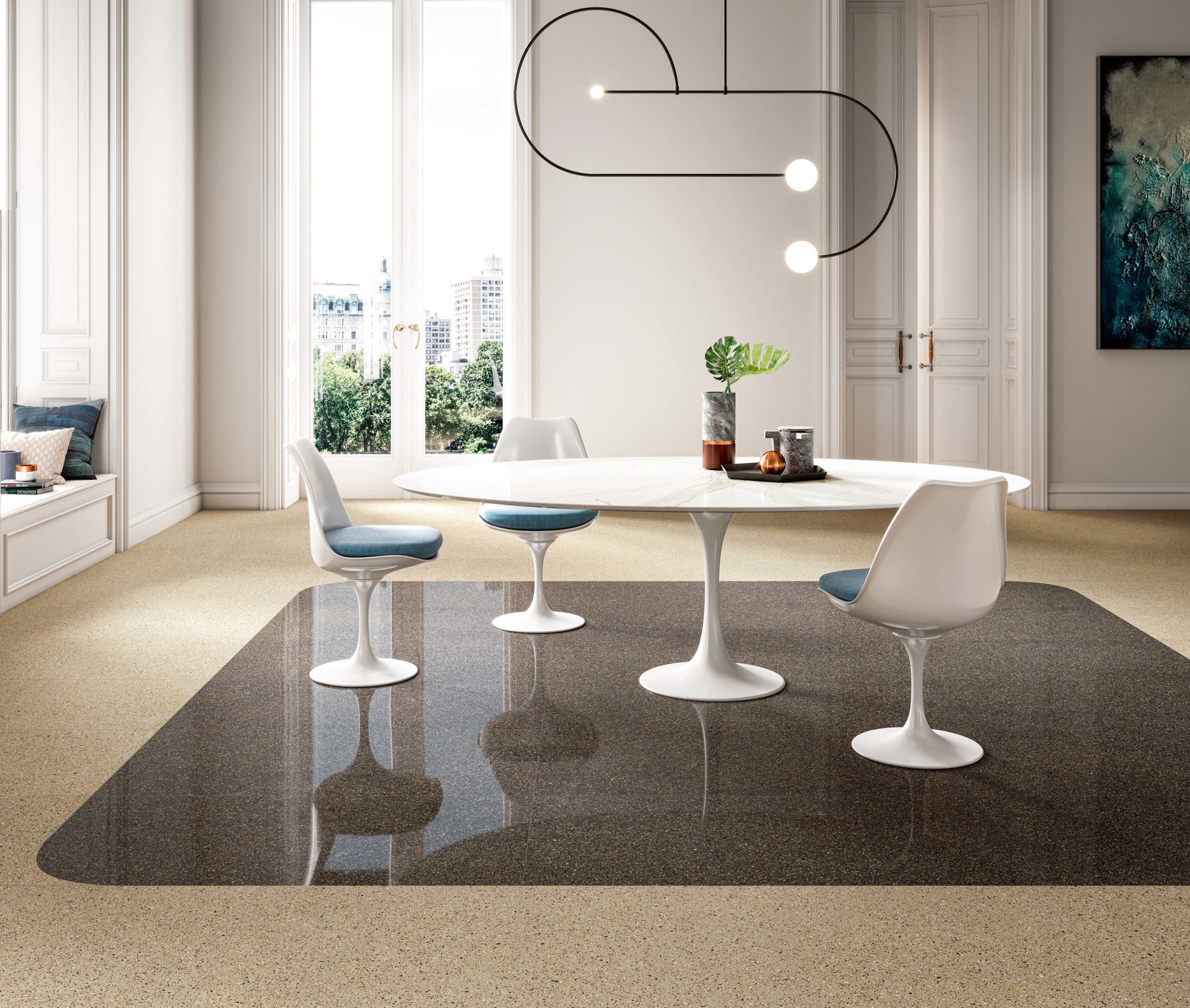
Project featuring FMG’s “Palladio” collection
FMG’s collection pays tribute to the Brand’s Italian origins through its experimentation and interpretation of the traditional and well-loved Venetian terrazzo flooring. Terrazzo has been around for centuries and has managed to remain a popular floor treatment to date. From its Venetian origins to its wide popularity in the Art Deco movement – it maintains its relevance in today’s dynamic design world.
A common complaint of terrazzo is its susceptibility to cracks if not properly maintained or if installed on a poor structural base. The full-body porcelain stoneware’s durable surface ensures a long-lasting, crack-free product that achieves the beloved terrazzo aesthetic. This built-to-last product can be implemented in a plethora of surface types – kitchen countertops, chairs, and shower trays – thus offering a product that is multifunctional and in many ways more versatile than traditional terrazzo.
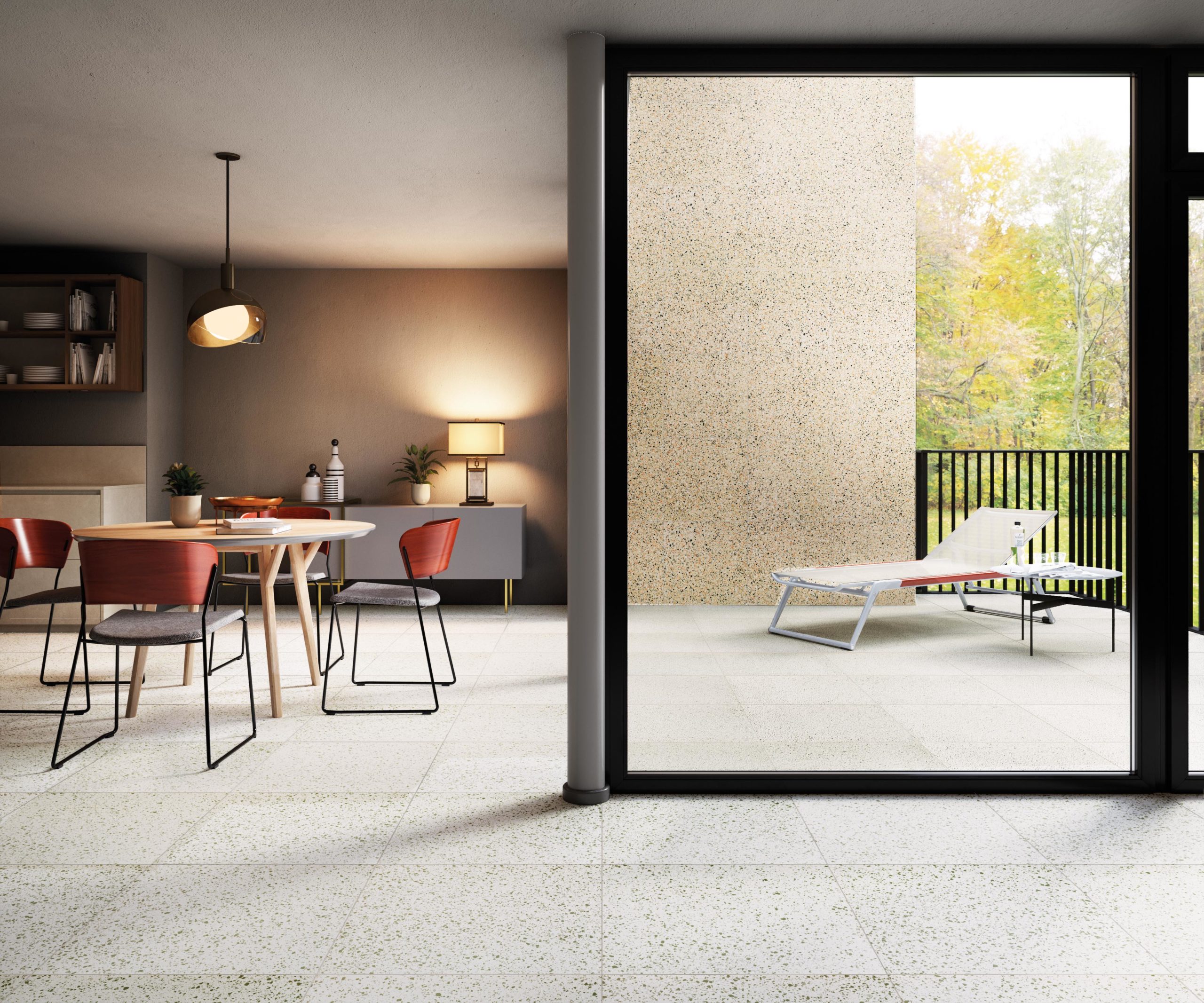
Project featuring FMG’s “Rialto” full-body porcelain stoneware in zinc
Such versatility is not only seen in its physical makeup but in its pronounced and adaptable aesthetic. Through a thoughtful mix of marble fragments, grit sizes and stones, this line offers perfectly textured and decorative surfaces. Each style boasts a terrazzo-esque design, and whether the preference is a tighter pattern or a looser look, there are various options to choose from.
The line comes complete with 30 color offerings, ranging from ivory to graphite. The variation of finishes ensures the designer’s ideal aesthetic can be achieved, from Naturale, Levigata (smooth) and Strutturata (structured) to Sabbiata (sandblasted). The Palladio, Venice Villa and Rialto all come with a 10 mm (0.4 inch) thickness, with eight different sizes available. Among the Brand’s typical size offerings — 120×60, 60×60, 60×30 and 20×20 cm — three new formats join this collection: 150×75, 120×120 and 75×75 cm.
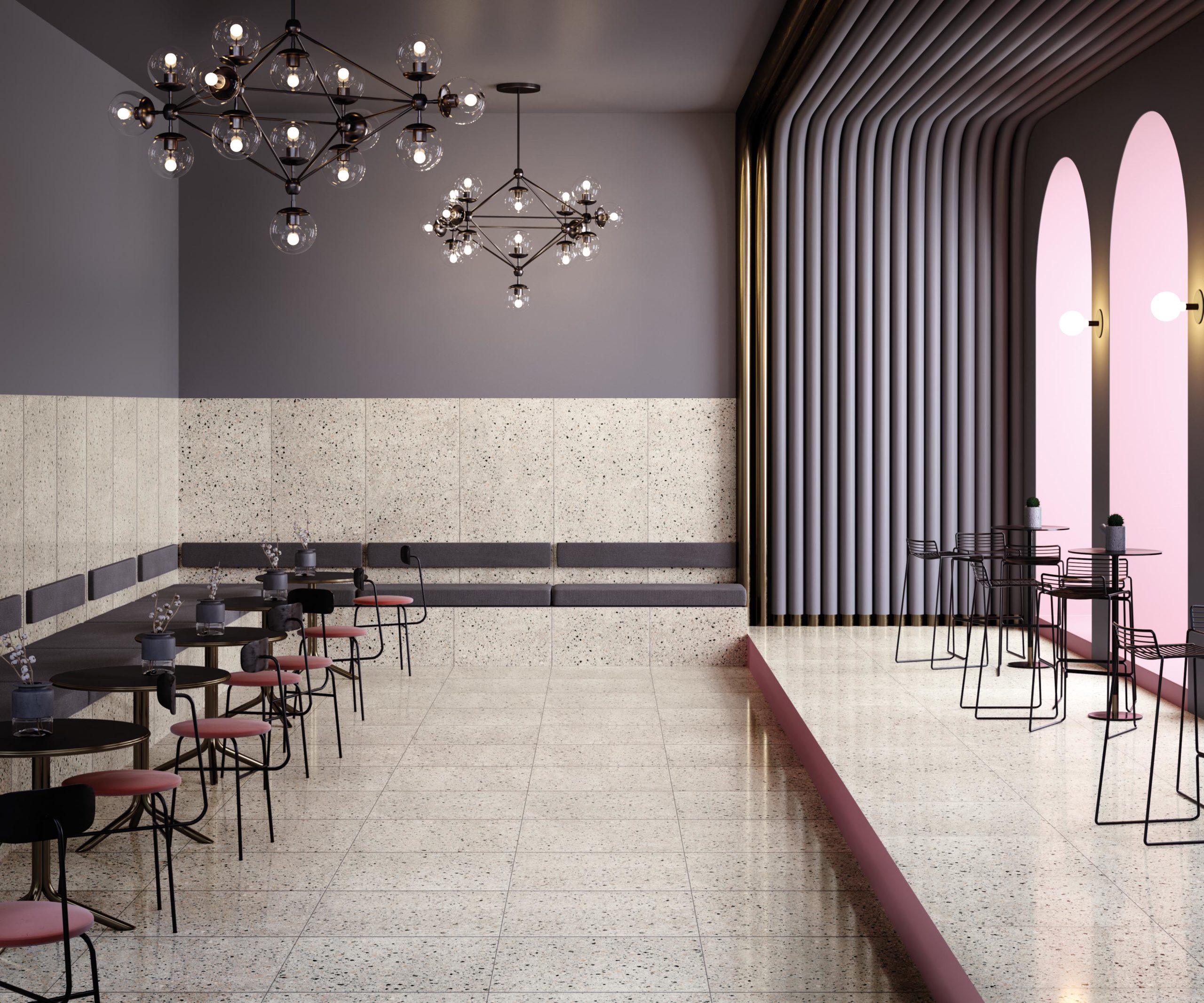
Project featuring FMG’s “Rialto” in pink
FMG’s full-body porcelain stoneware truly celebrates the spirit and colorful architectural history of Venice. Even its products’ names — Palladio, Venice Villa and Rialto — pay tribute to Venetian architecture. Rialto echoes the bustling Venetian commercial district and Venice Villa pays tribute to the region’s astounding mansions, while Palladio references the prominent Italian Renaissance architect, Andrea Palladio.
Very few products can offer such flexibility all the while ensuring a long-lasting, high-quality finish, with the need to compromise on aesthetics. As a modern-day interpretation of classic terrazzo flooring, combined with highly resilient material qualities, FMG’s latest stoneware collection is one that architects and designers can rely on to realize their creative vision.
To learn more about full-body porcelain stoneware and explore all of FMG’s offerings, check out their website.
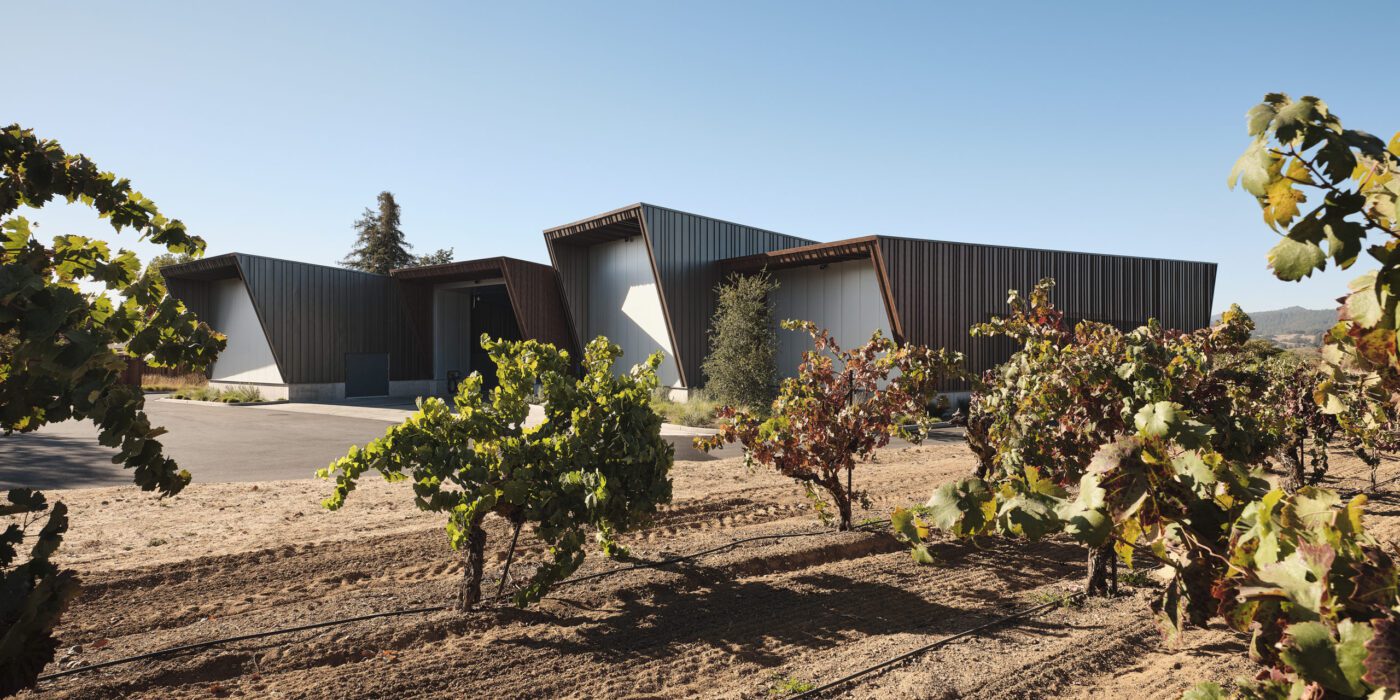
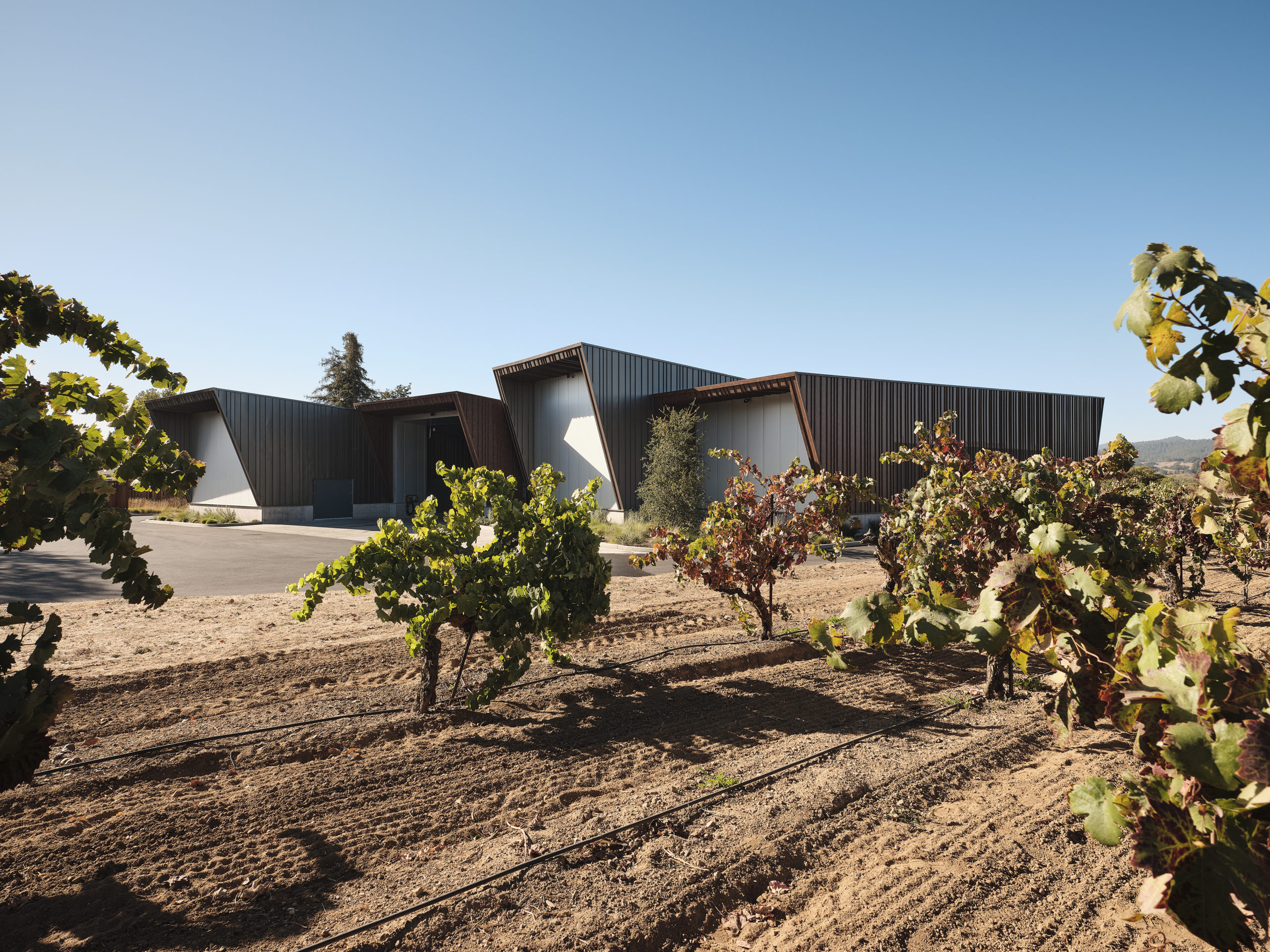
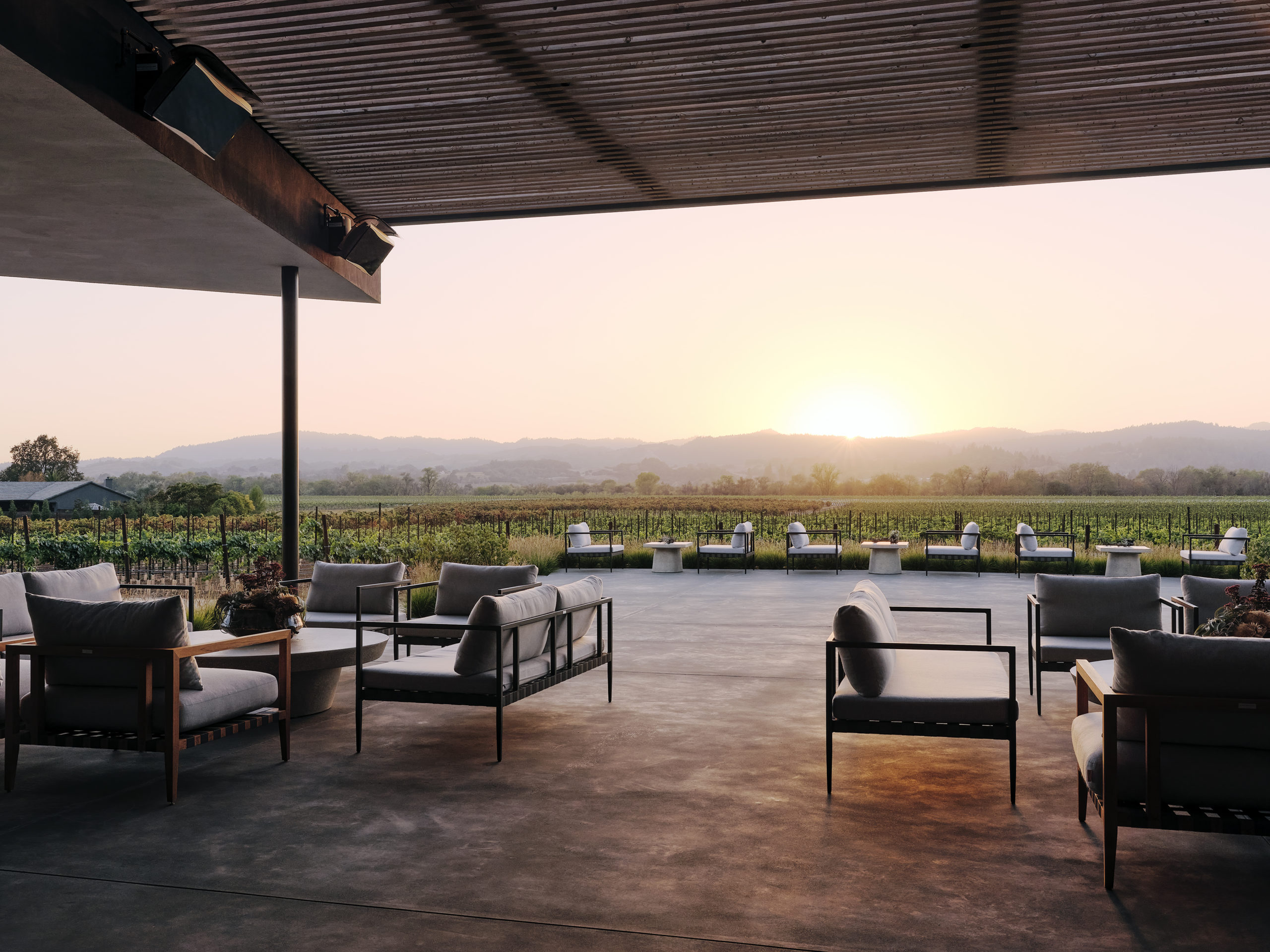 Aperture Cellars by Signum Architecture, Healdsburg, CA, United States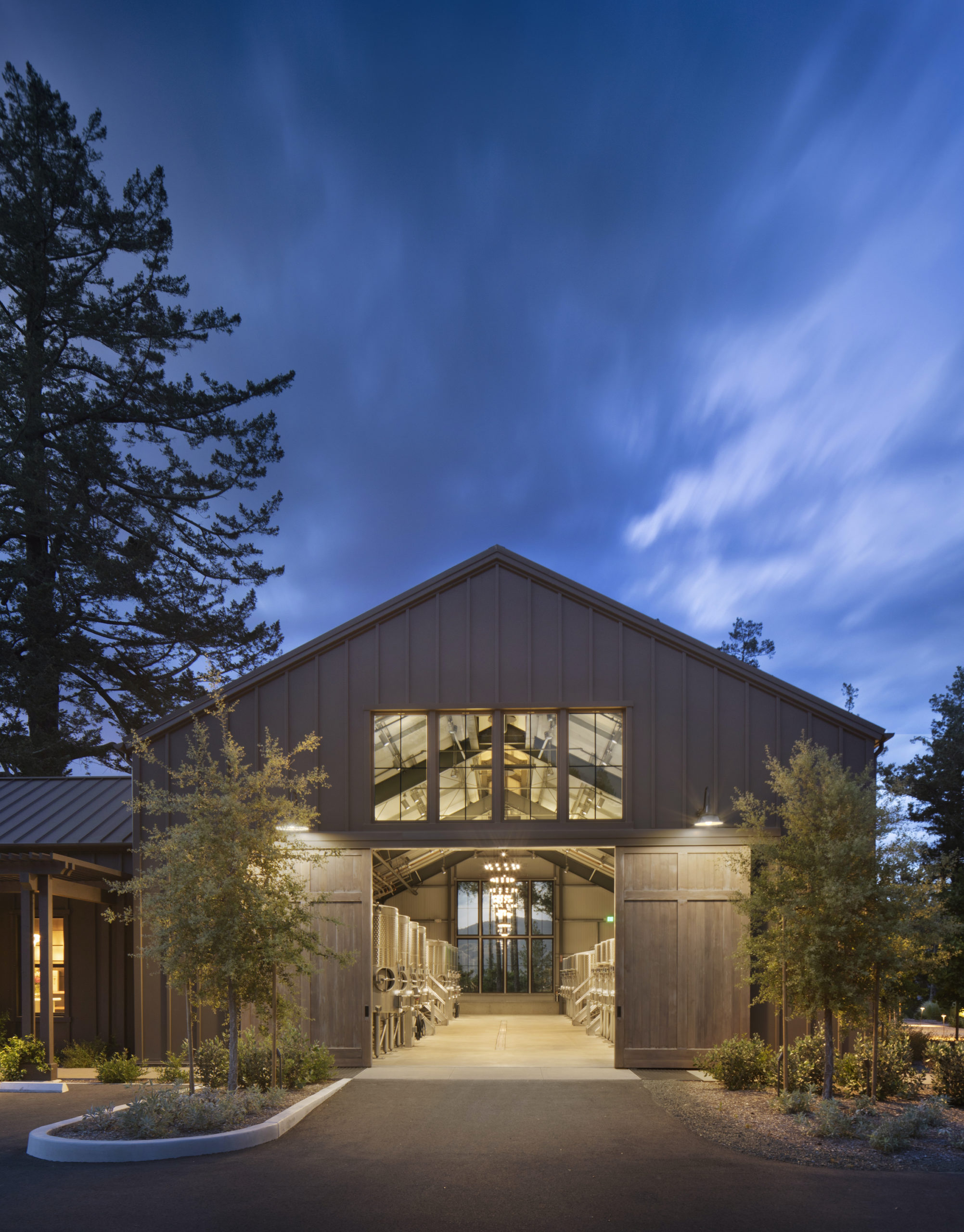
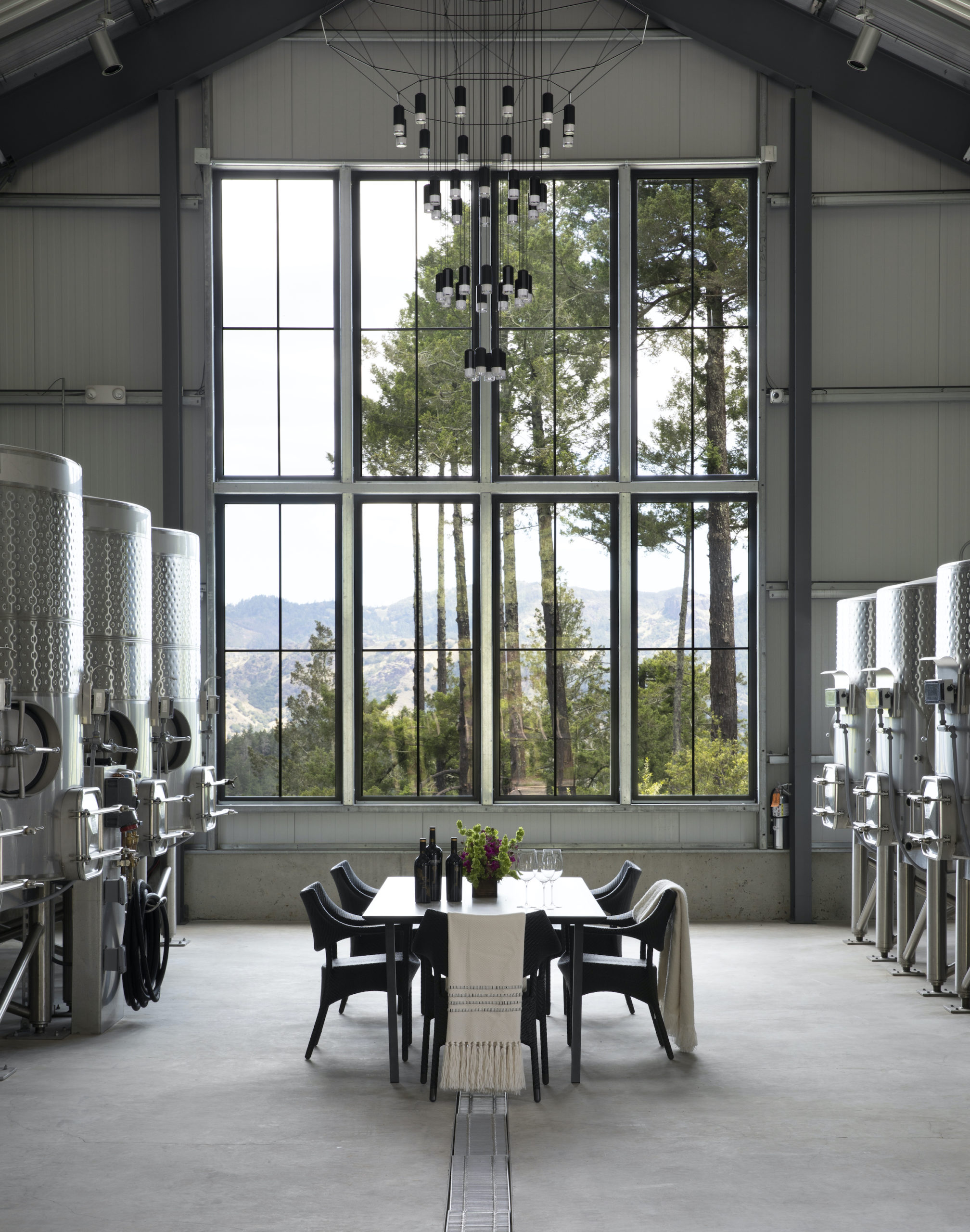 Theorem Winery by Richard Beard Architects, Calistoga, CA, United States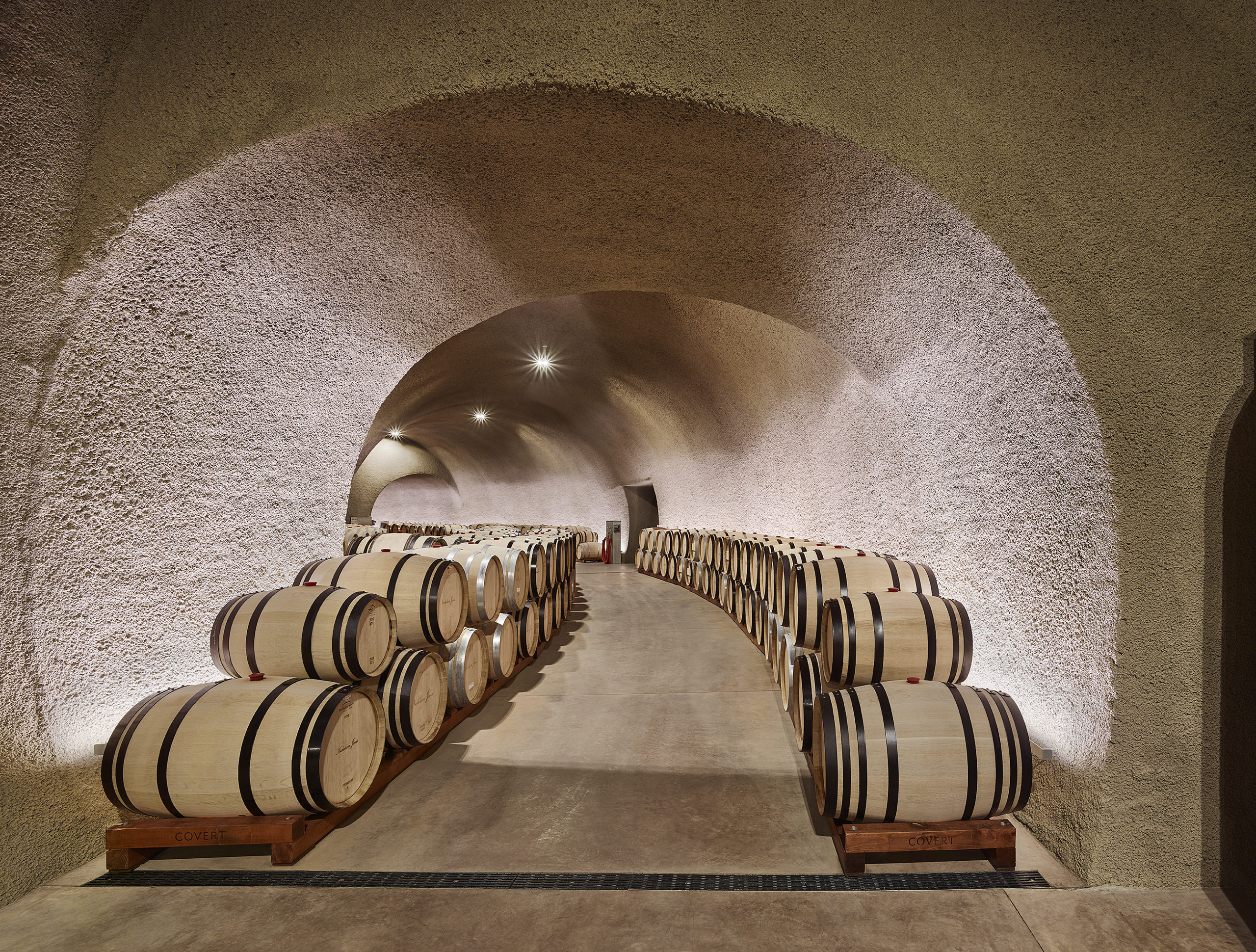
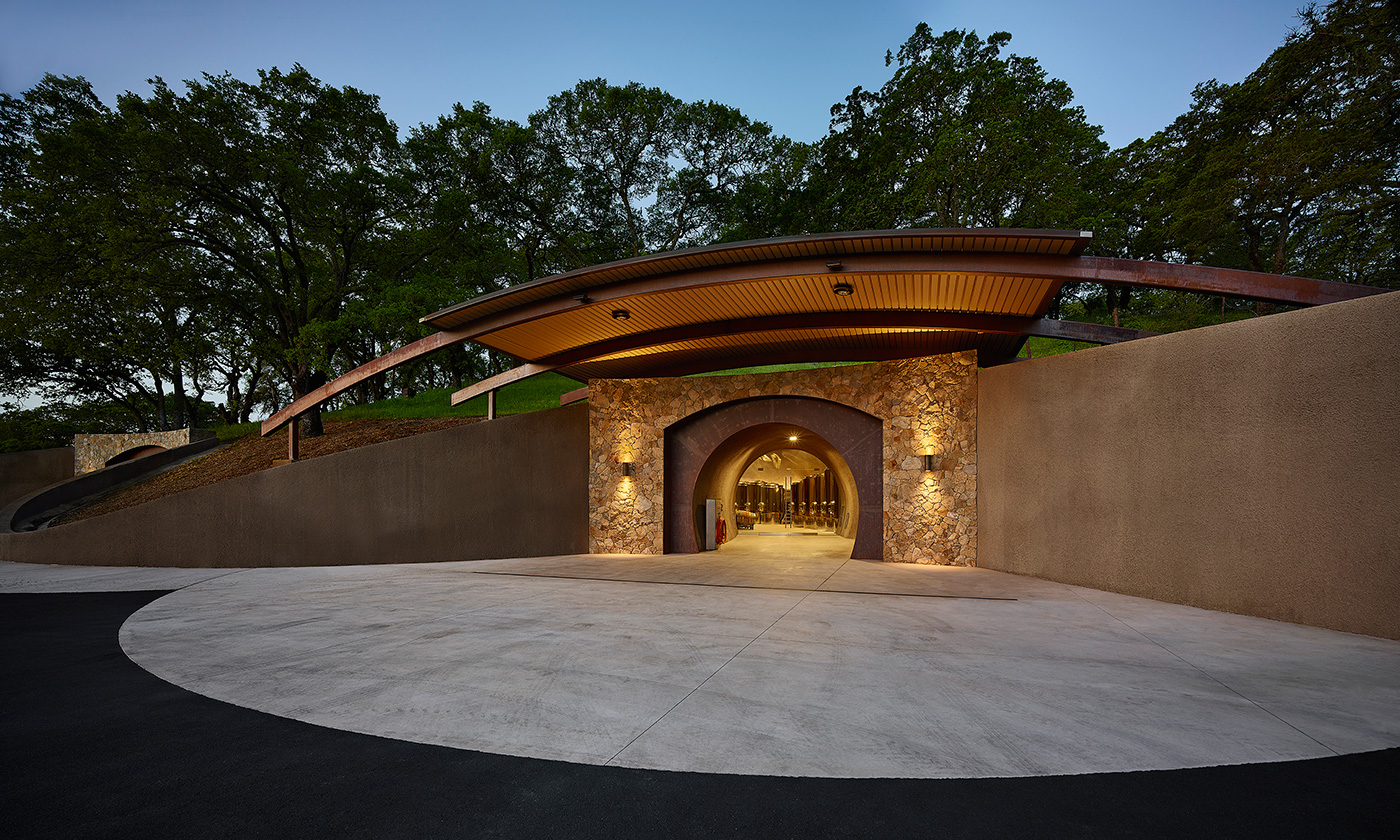 Covert Estate Winery by Signum Architecture, Napa, CA, United States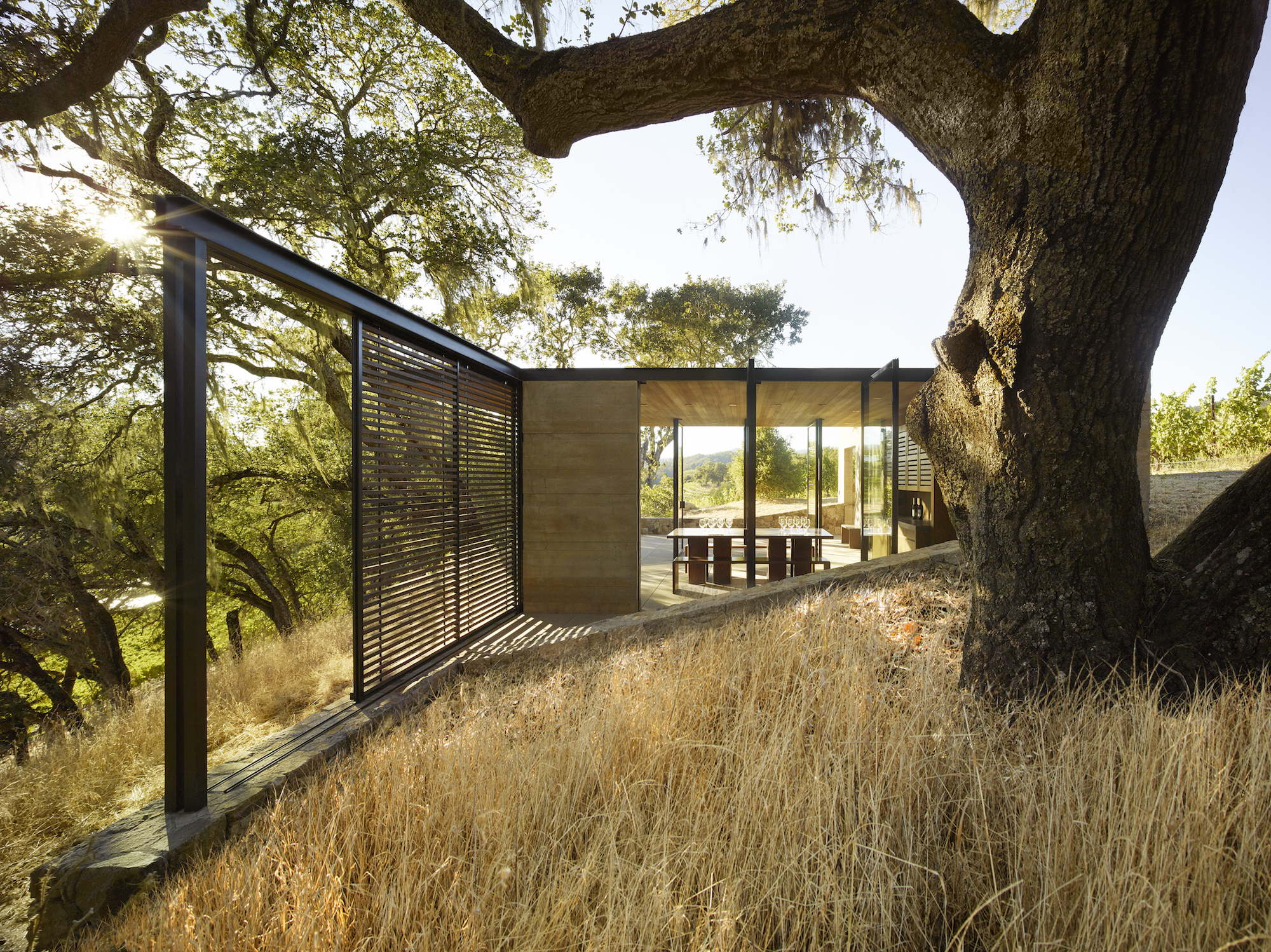
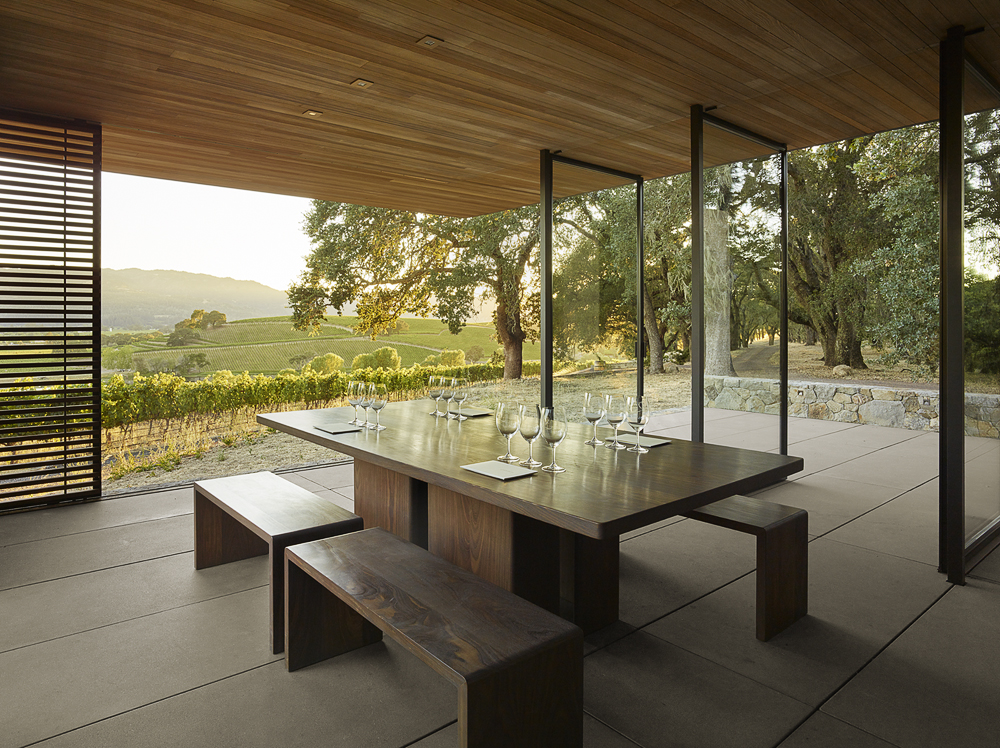 Quintessa Pavilions by Walker Warner Architects, Saint Helena, CA, United States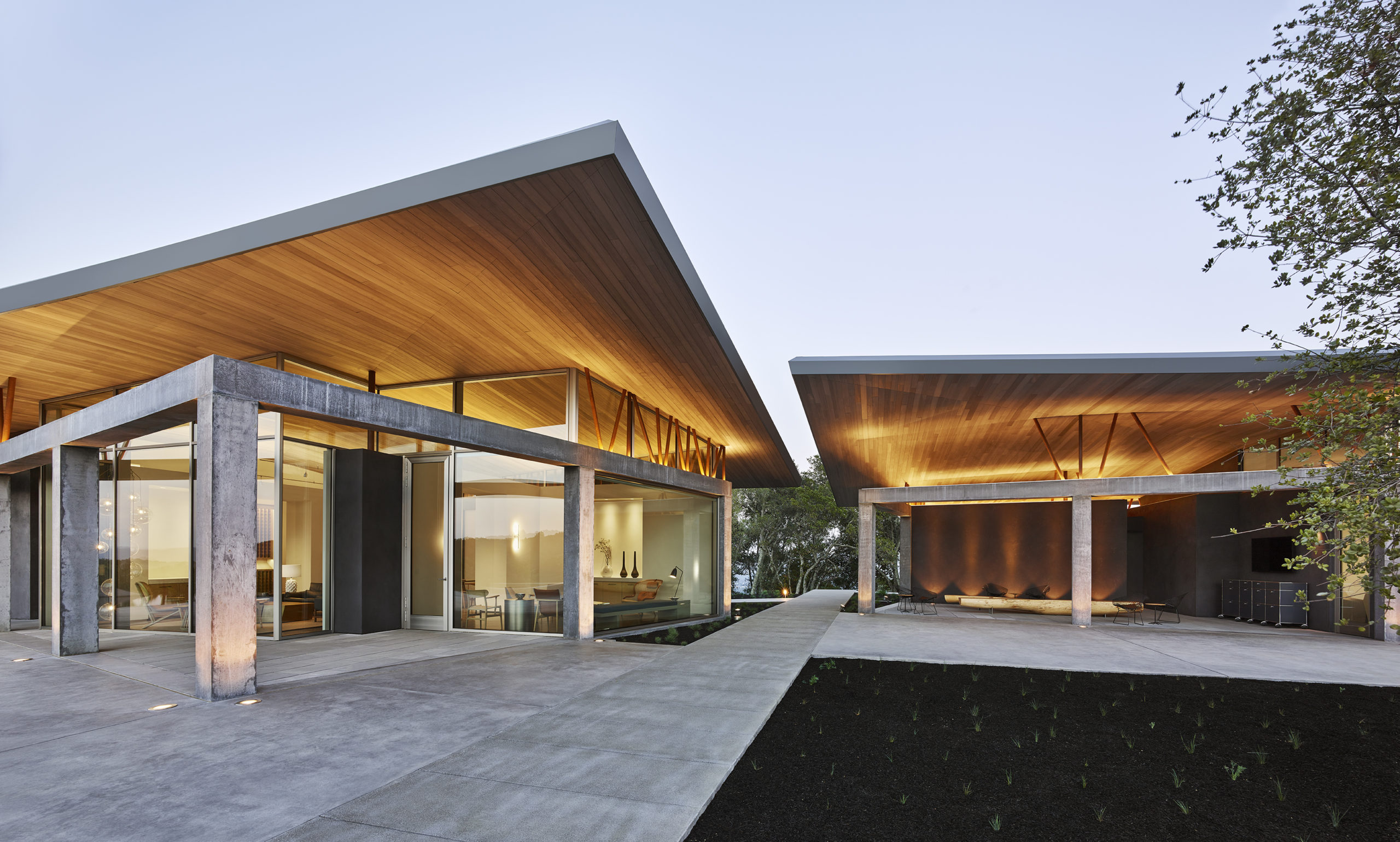
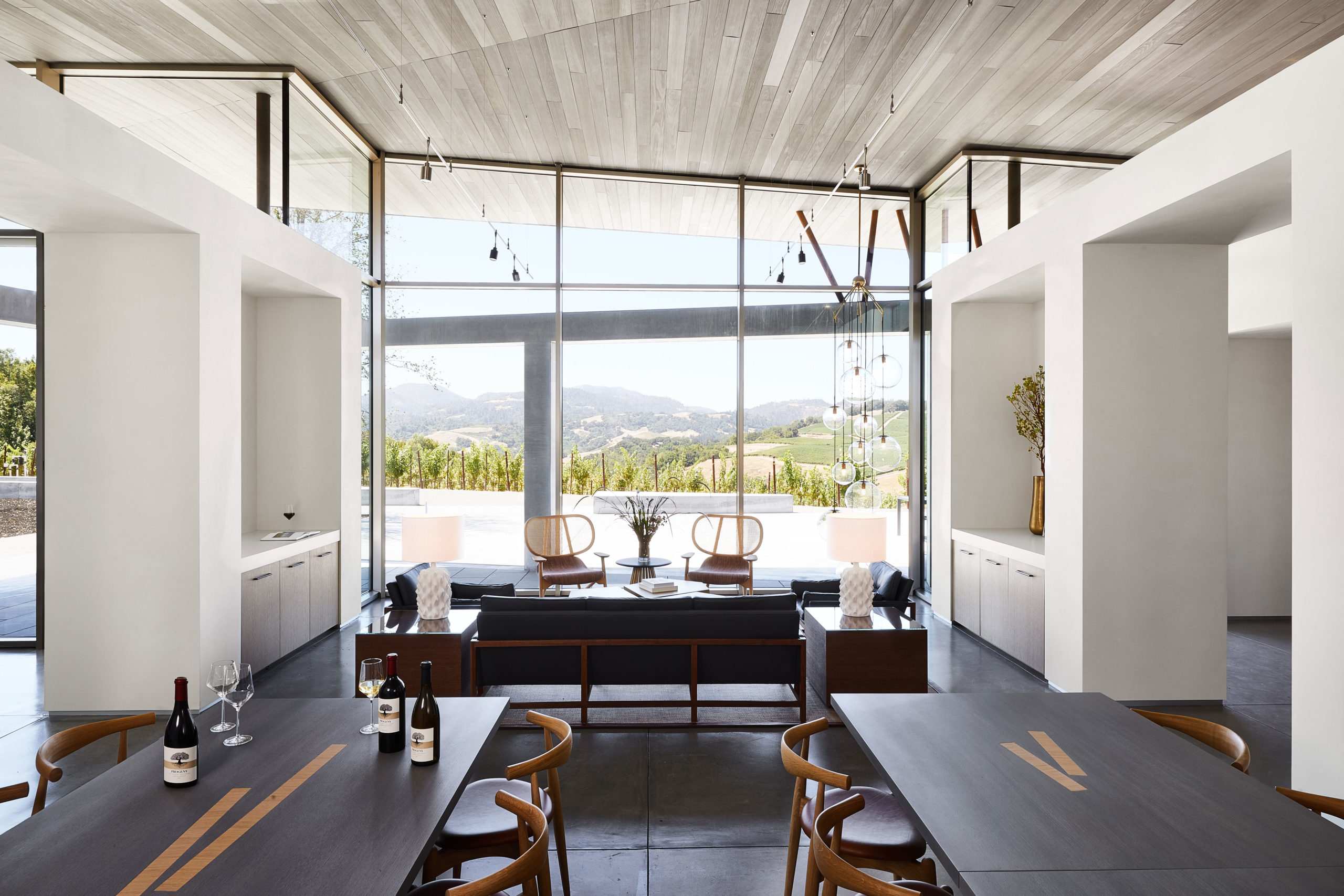 Progeny Winery by Signum Architecture, Napa, CA, United States





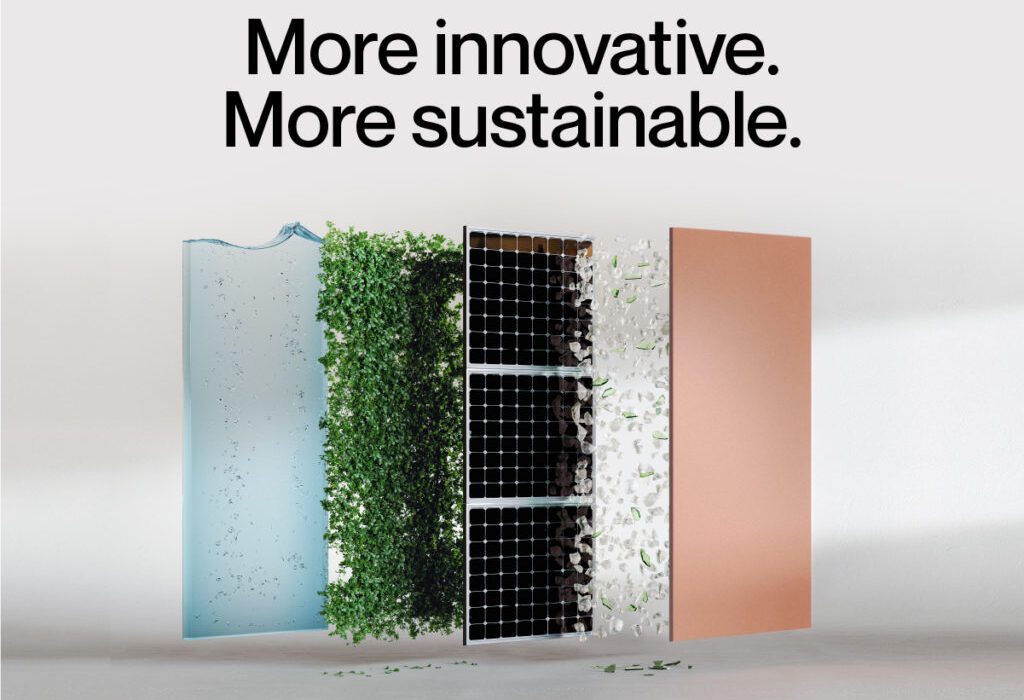
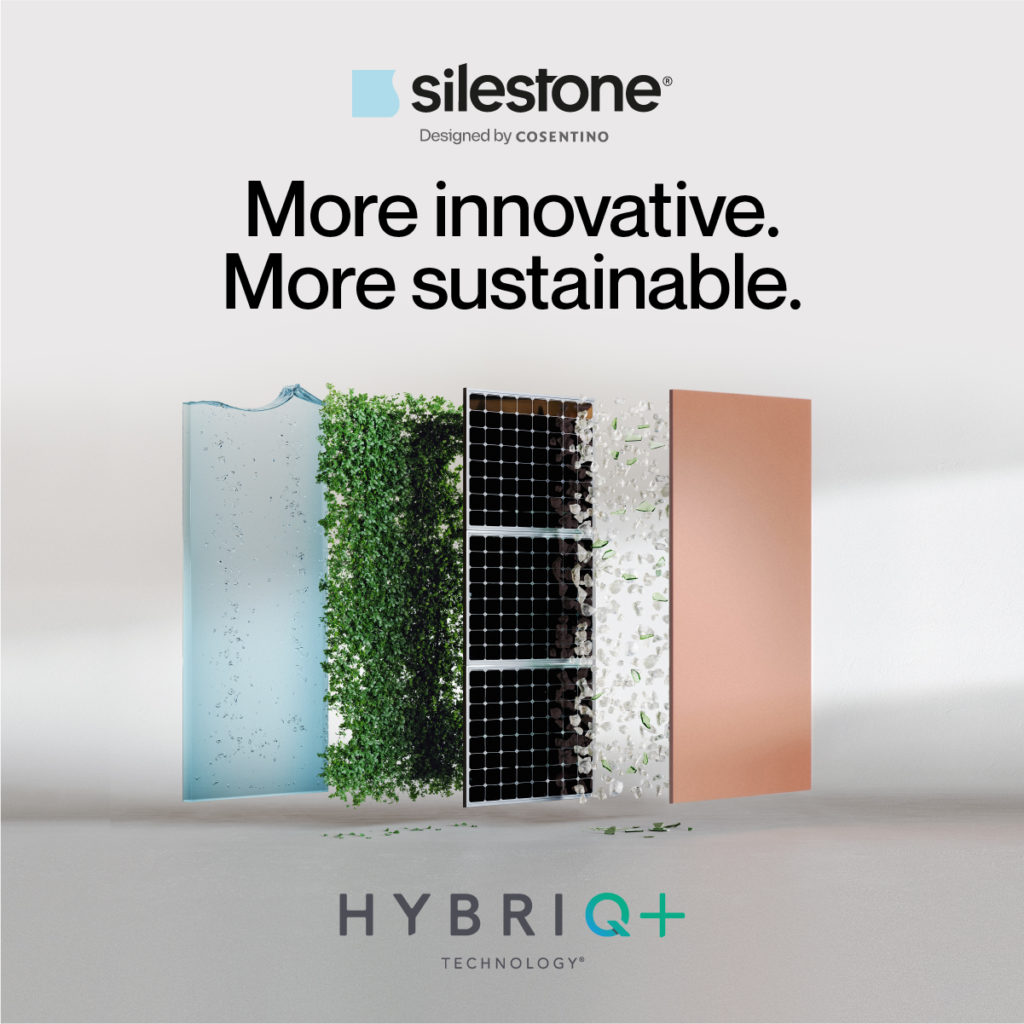 All said and done, this process produces ZERO water waste. That’s right, zero with a Z. In 2022, this is welcome news indeed. The past few years have seen new attention given to the issue of water conservation as global water shortages have become a mounting problem.
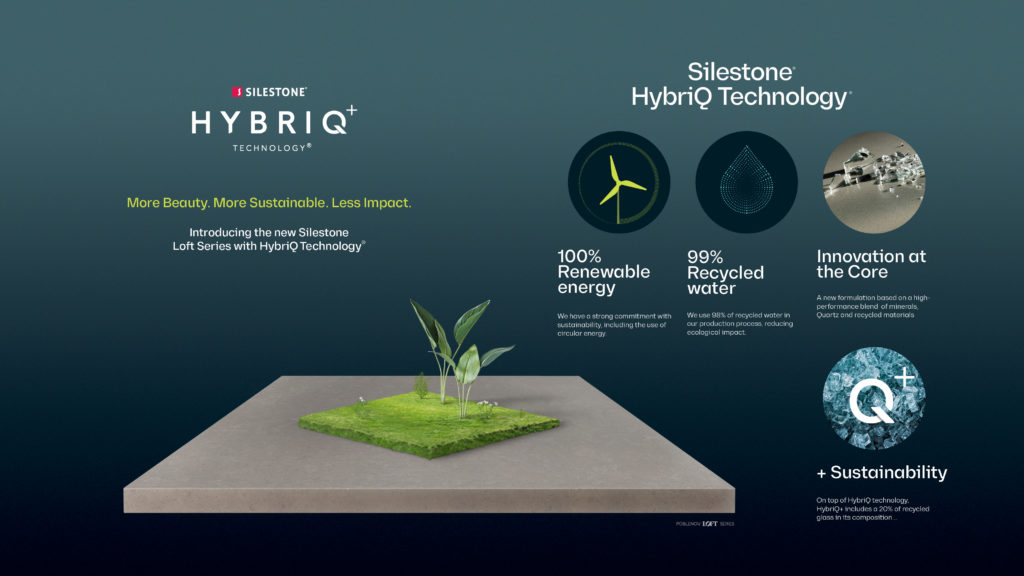 Cosentino believes that consumers need not compromise quality in the name of sustainability. In fact, those Silestone surfaces that have been produced with HybriQ+ technology are among the most beautiful the company has ever produced. The company explains that “the new mineral composition enables never before-seen effects in color depth, texture and tone.” Indeed, Cosentino has long proven that synthetic materials can be just as elegant and intricate as natural materials.
 We recommend spending time on the
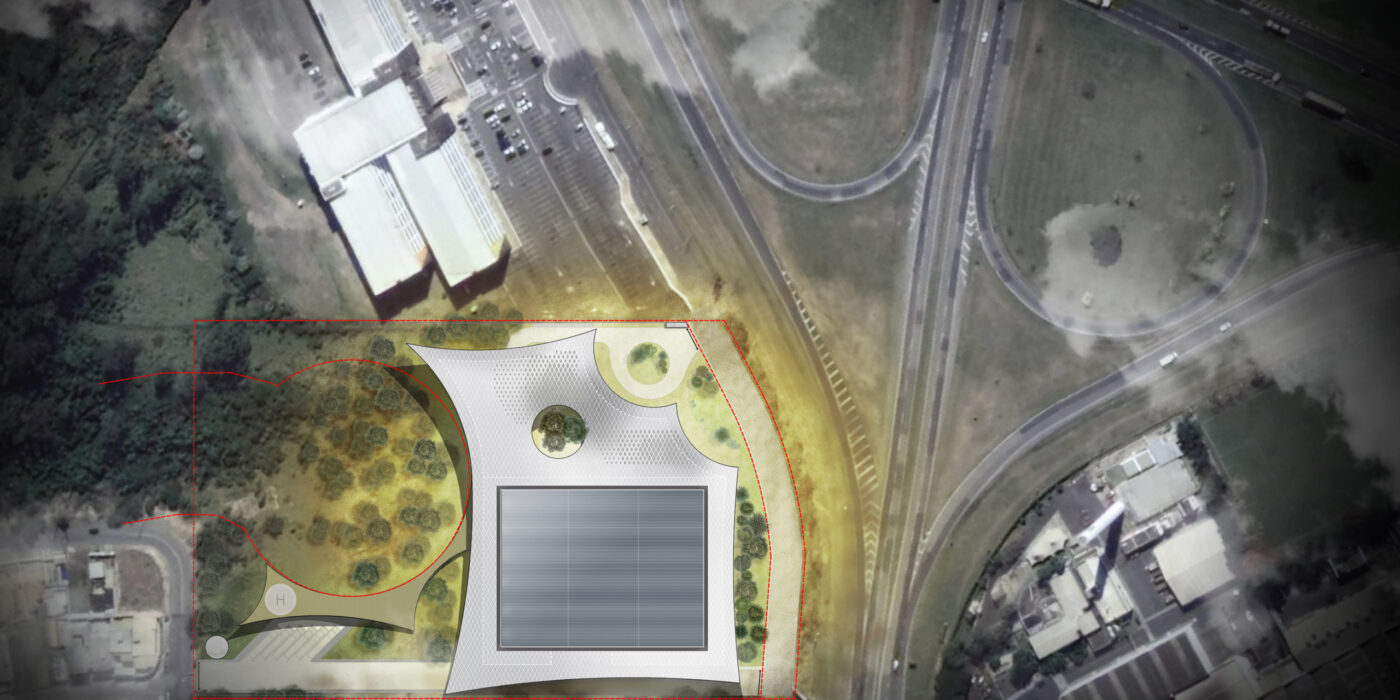
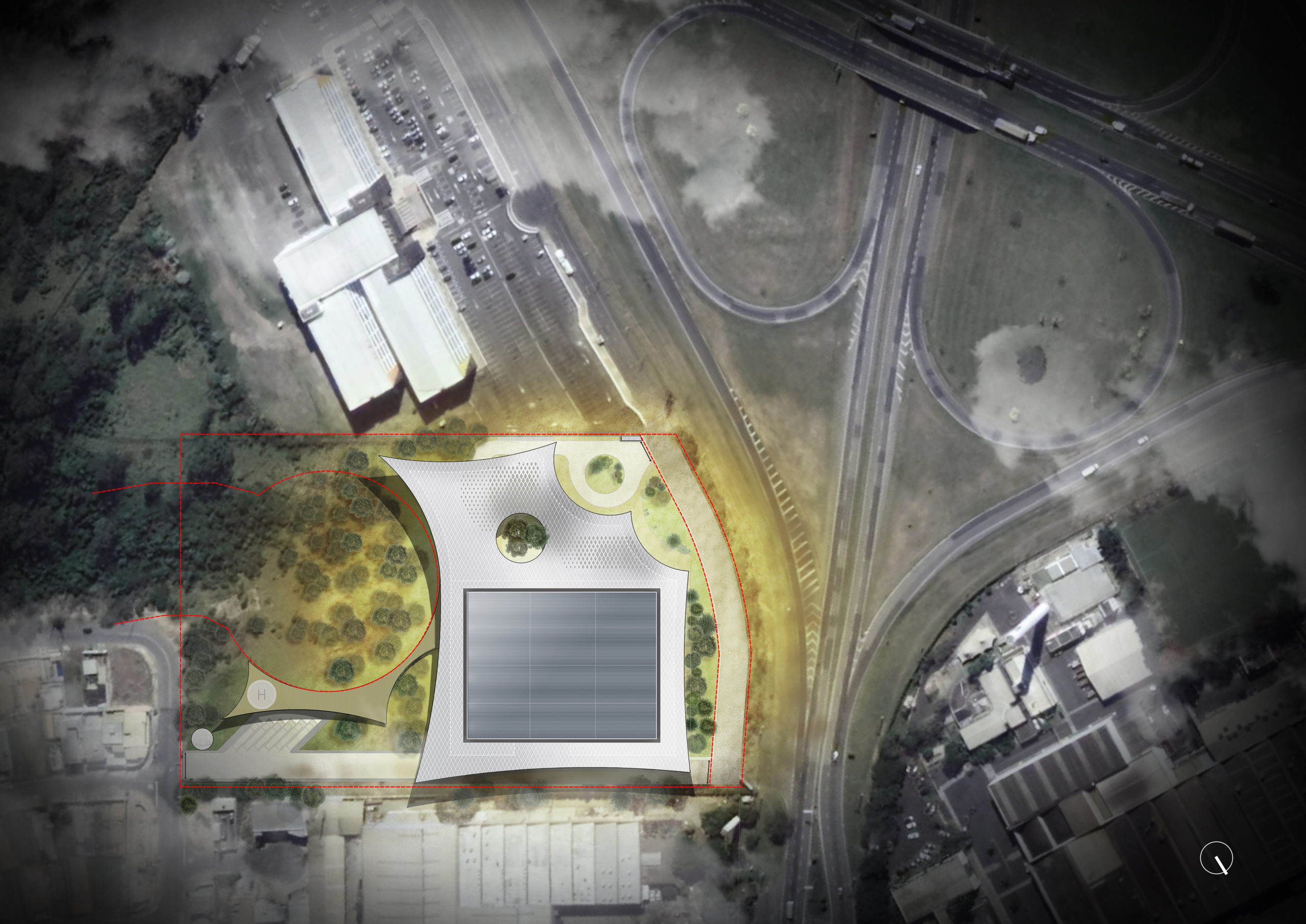
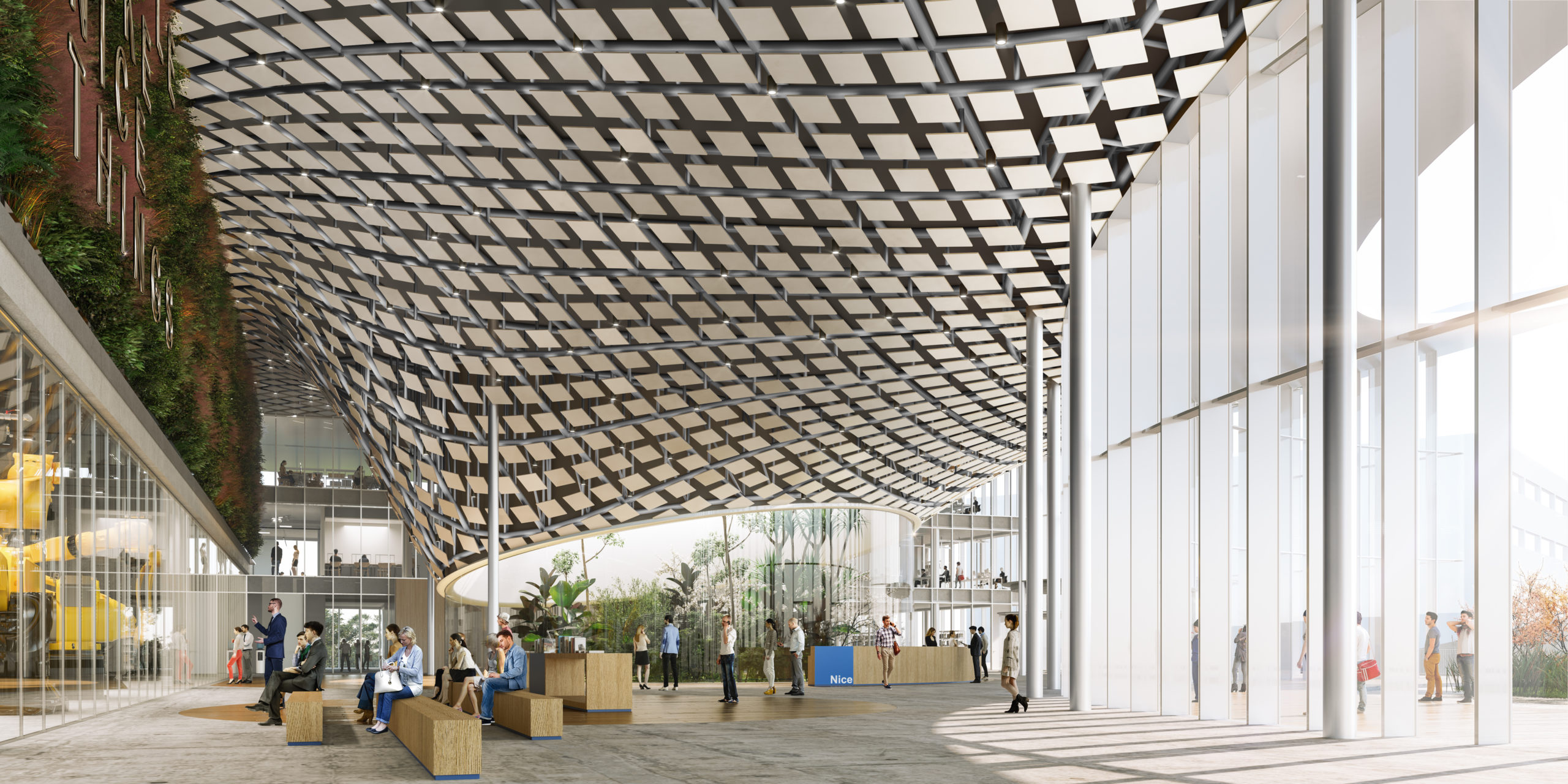 The intervention is, on the one hand, a manifesto of cutting-edge technology aimed at increasing productivity according to a sustainable business model. Meanwhile, on the other, this is an architecture of social commitment to promote the professional growth of the local community by leveraging constant training and innovative work experiences.
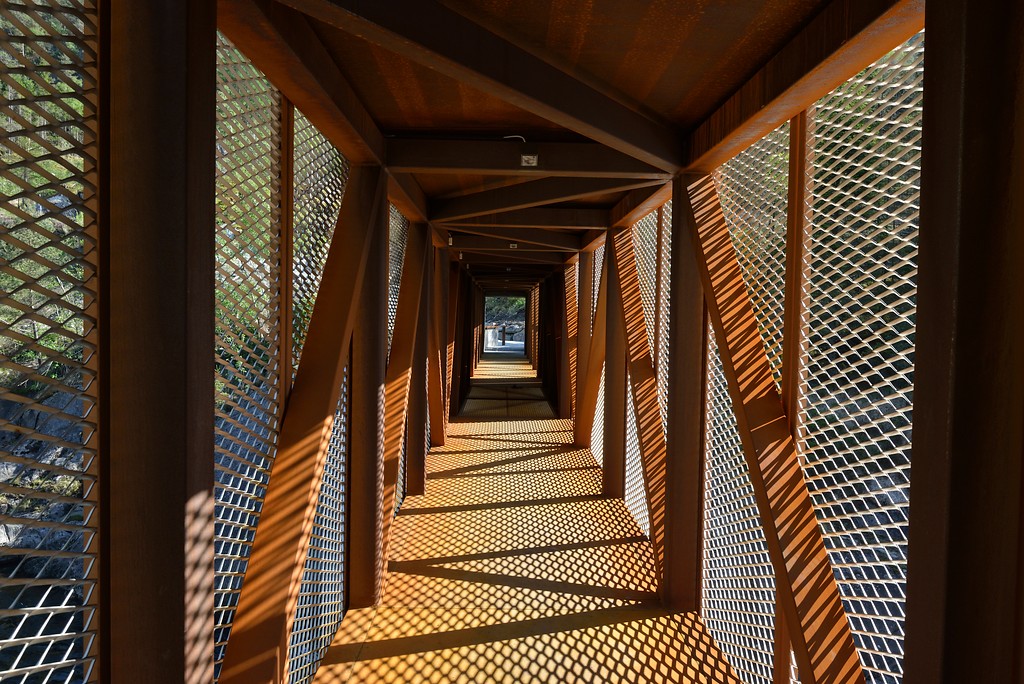
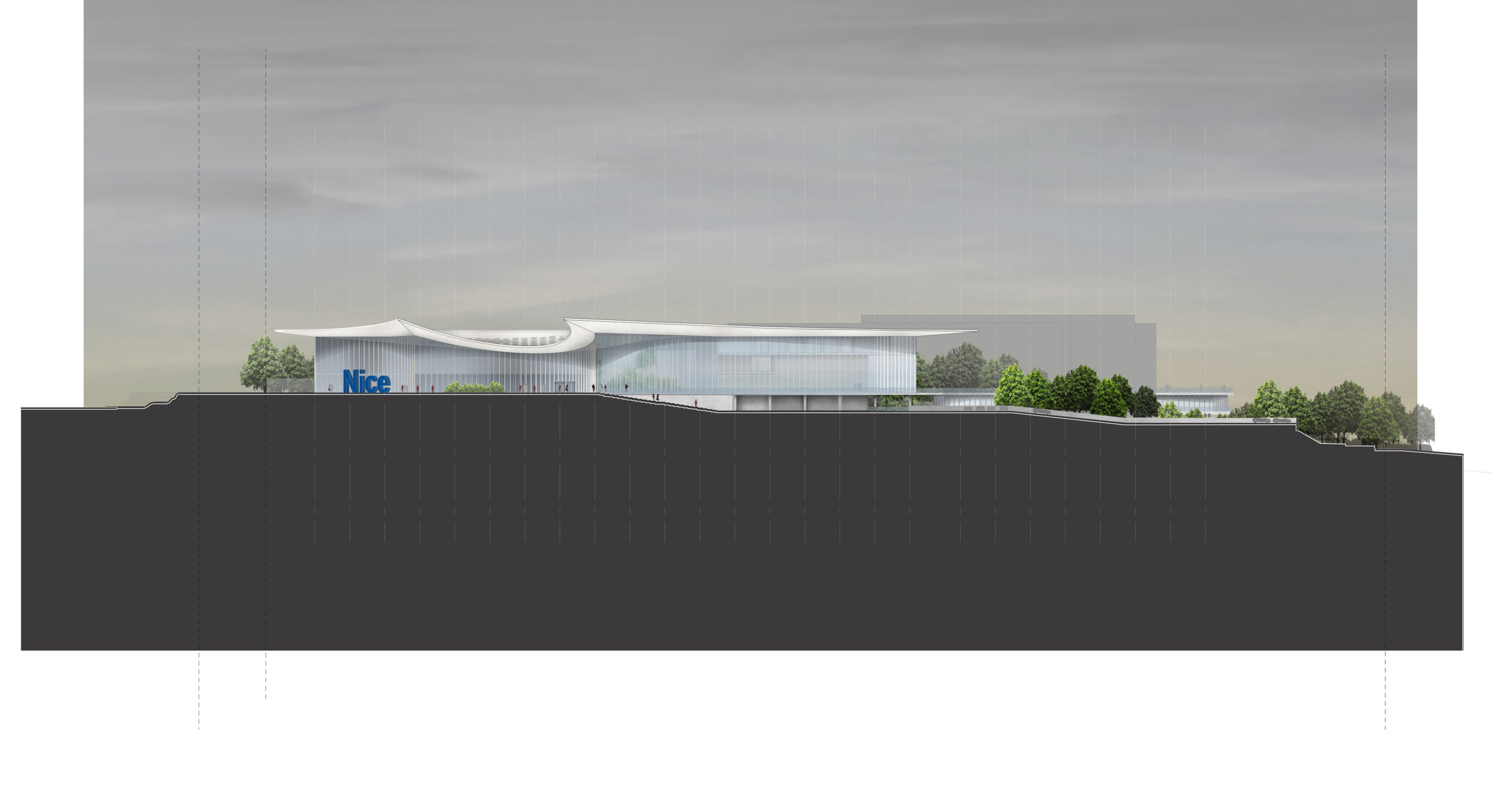 Also at the back, a system of suspended paths, immersed in nature, connects to the building that houses services for employees, such as the gym and the inevitable “churrasqueira.” The working environment is a bit like a home, where it is also pleasant to spend moments of relaxation and socializing.
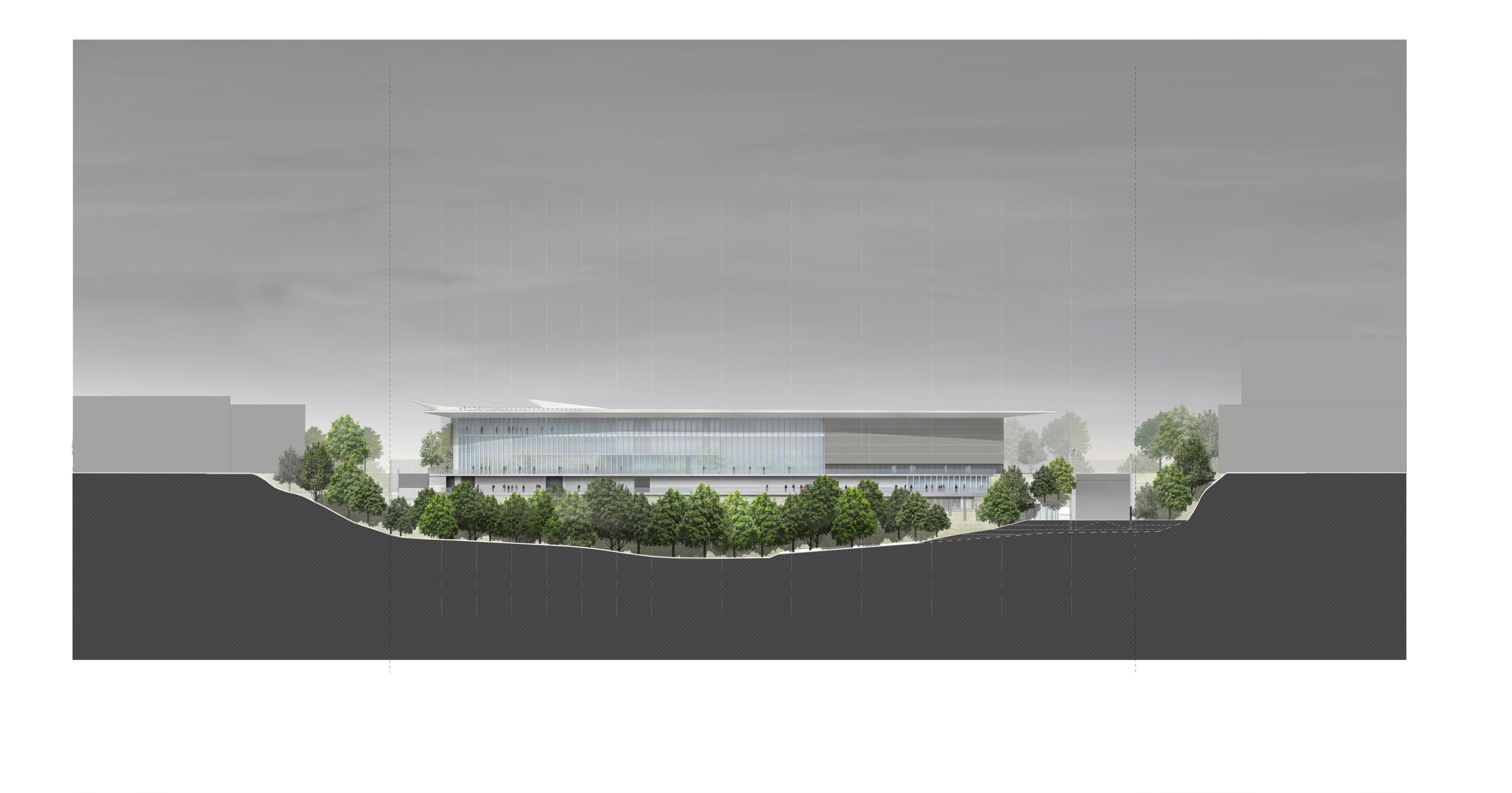 In general, the use of natural ventilation is possible for two thirds of the year, thanks to openable facade elements and the integration of mobile openings in the atrium patio that transform it into a giant “ventilation chimney”. The production area, thanks to the combination of thermal mass and natural ventilation, is operational all year round without the need for cooling or heating; showrooms and offices benefit from a mixed system that encourages natural ventilation while reducing overall cooling loads.
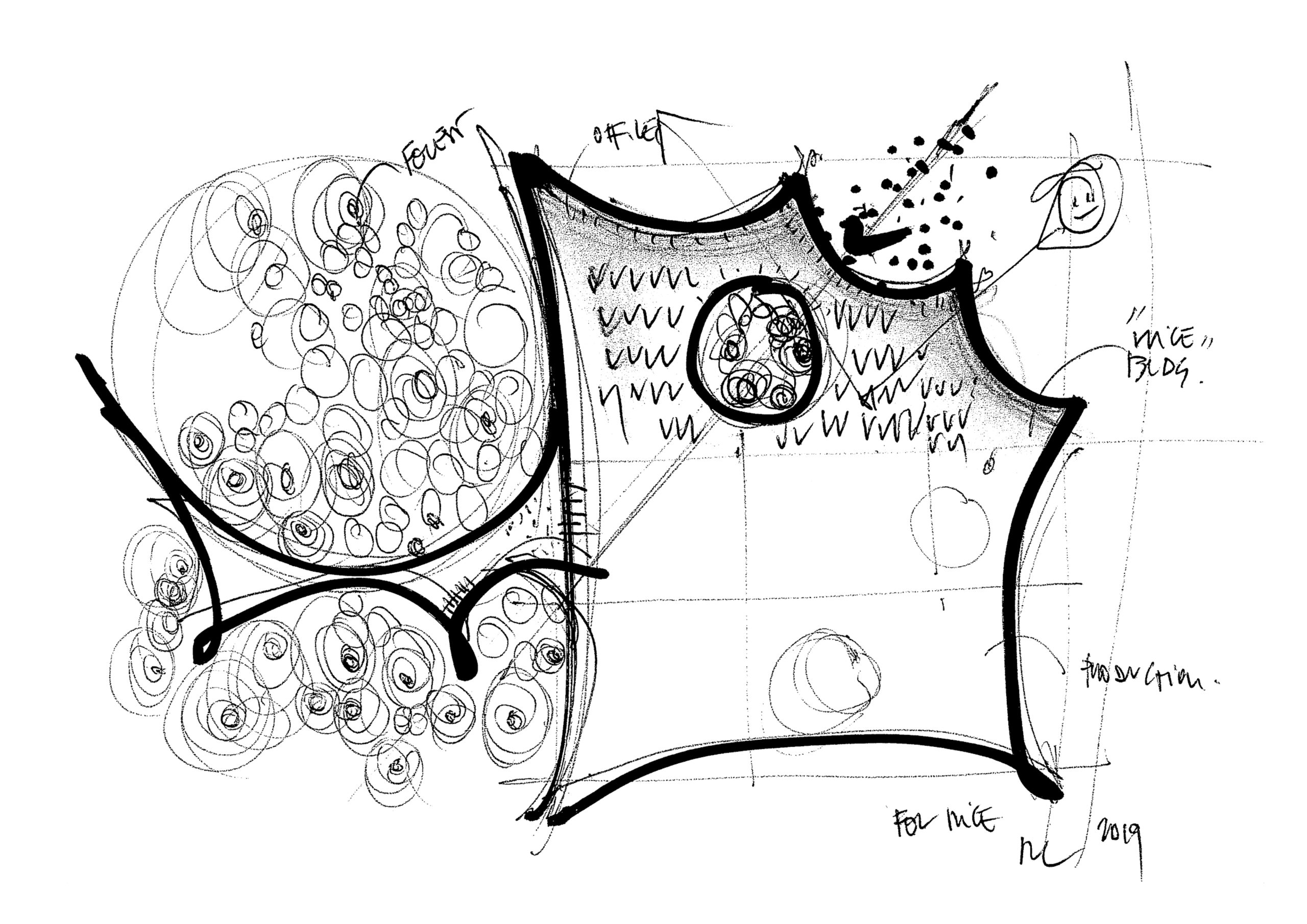 The landscape design is an equally important part of the intervention and is functional to increase the rich local biodiversity. The project proposes a playful interpretation of the variety of the Cerrado biome, the second largest in Brazil, ranging from grassy glades, to savanna, to forest formations, represented here in different expressive languages along the outdoor paths, inspired by local wild species and native vegetation. Small ponds and water basins mitigate runoff and direct rainwater to a large basin at the bottom of the area; a 2, 120 cubic foot (60 cubic meter) tank stores water to reuse for irrigation.