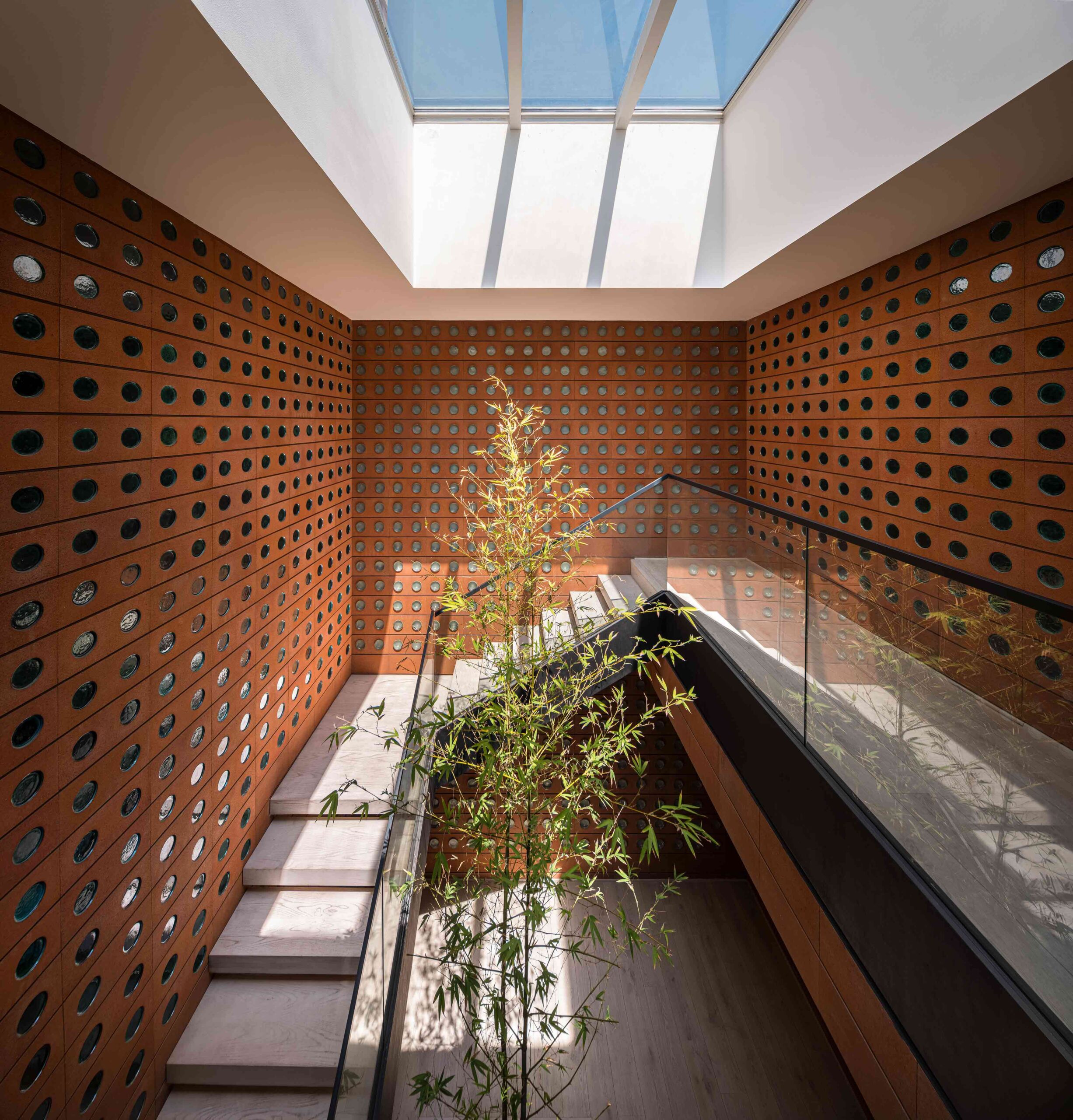
Water House by Water-Filled Glass
CategoriesSustainable News

Dezeen’s top 10 most innovative materials of 2023

As part of our review of 2023, Dezeen’s design and environment editor Jennifer Hahn has rounded up 10 of this year’s most significant material innovations, including bricks made from toxic soil and a 3D printer for wool.

Over the last 12 months, designers found new uses for bacteria, using the microorganisms to colour textiles, grow a leather alternative and turn plastic waste into vanilla ice cream.

In architecture, researchers continued to reinvent concrete, with some using algae instead of cement as a binder while others rediscovered the secret to “self-healing” Roman concrete.

Energy efficiency was an ongoing concern in light of the recent energy crisis, with projects such as water-filled windows and colour-changing cladding aiming to passively heat and cool buildings without relying on fossil fuels.

Read on for Dezeen’s top 10 material innovations of 2023:


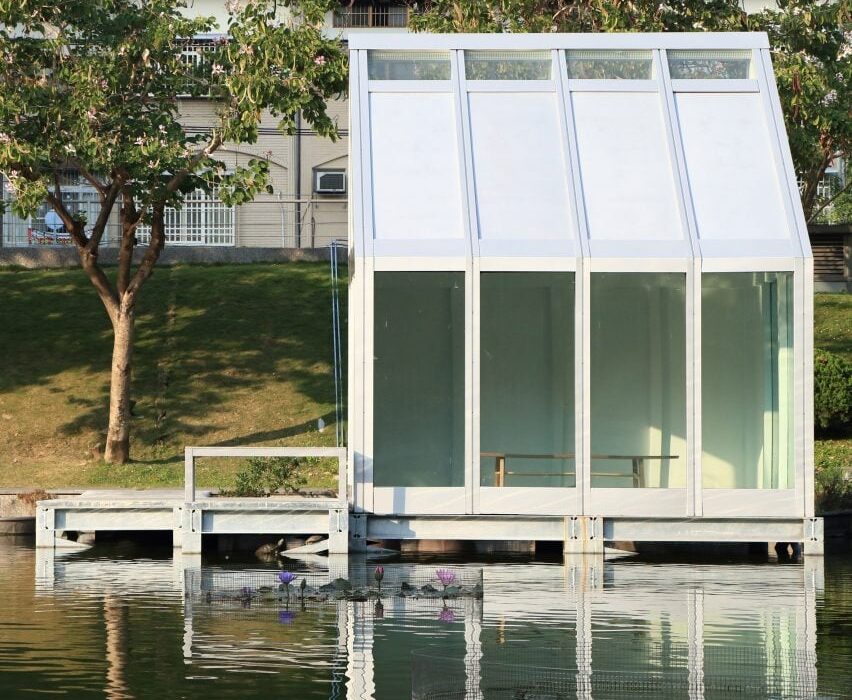
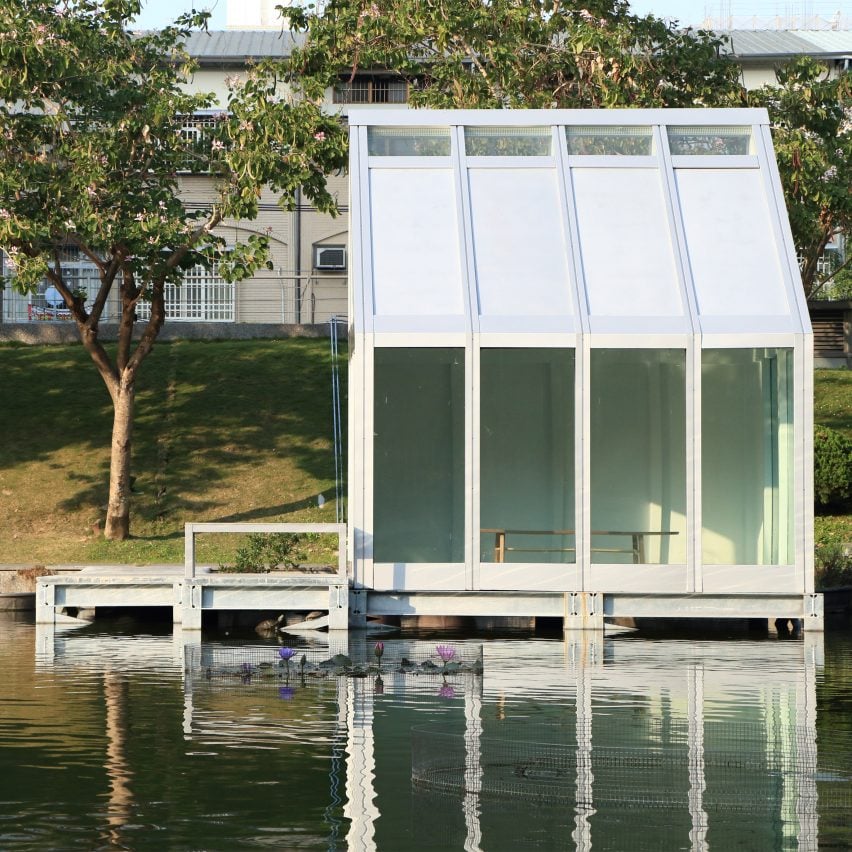
Water House by Water-Filled GlassWater House by Water-Filled Glass
Photo courtesy of Water-Filled Glass

Water-Filled Glass by Matyas Gutai, Daniel Schinagl and Abolfazl Ganji Kheybari

One of Dezeen’s best-read stories of the year looked at how researchers from Loughborough University combined two ubiquitous materials – water and glass – in a new and innovative way.

As the name suggests, their Water-Filled Glass windows consist of a thin layer of water wedged between two panes of glass, which can reduce a building’s energy bills by around 25 per cent compared with standard glazing.

That’s because the water absorbs warmth from sunlight and heat loss from the interior that can then be diverted to help heat the building, while also limiting solar heat gain in the warmer months.

Find out more about Water-Filled Glass ›


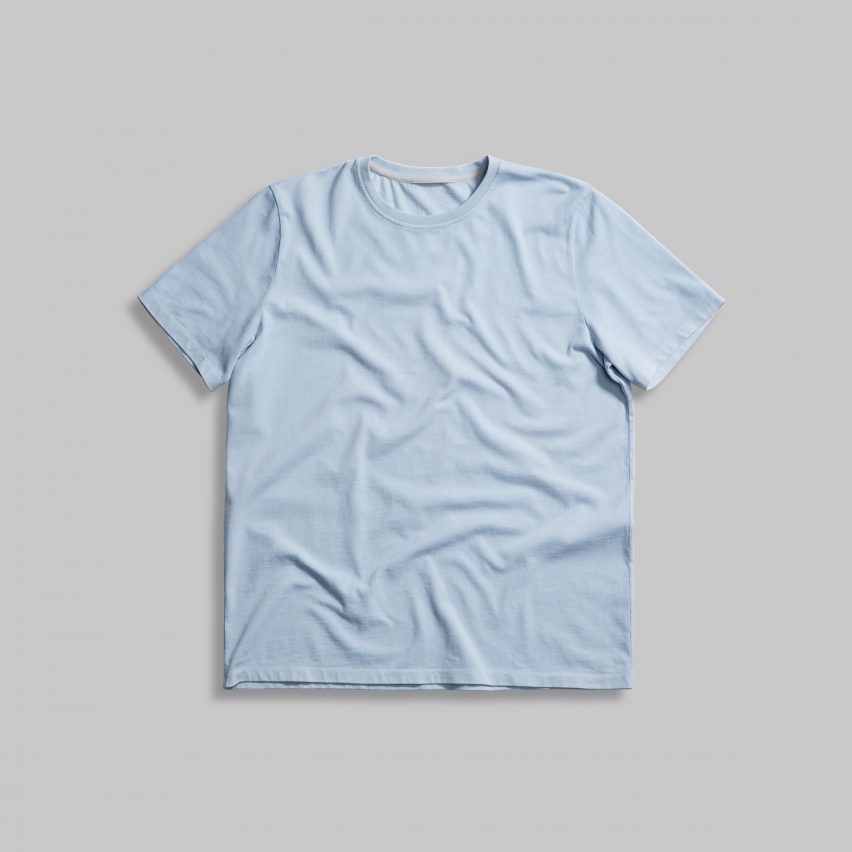
DNA T-shirt by Vollebak coloured using Colorifix bacterial dyeDNA T-shirt by Vollebak coloured using Colorifix bacterial dye
Photo by Sun Lee

Colorifix by Orr Yarkoni and Jim Ajioka

Synthetic biologists Orr Yarkoni and Jim Ajioka have developed a way of colouring textiles using bacteria in place of toxic chemical dyes which is already being used by mega-retailer H&M and experimental clothing brand Vollebak (pictured above).

Their Colorifix technology uses bacteria that is genetically engineered to produce different colour-making enzymes, creating a dyestuff that is compatible with the textile industry’s standard dye machines.

Crowned material innovation of the year at the 2023 Dezeen Awards, the technology offers a scalable alternative to chemical dyes while using 77 per cent less water and producing 31 per cent fewer carbon dioxide emissions, the company claims.

Find out more about Colorifix ›


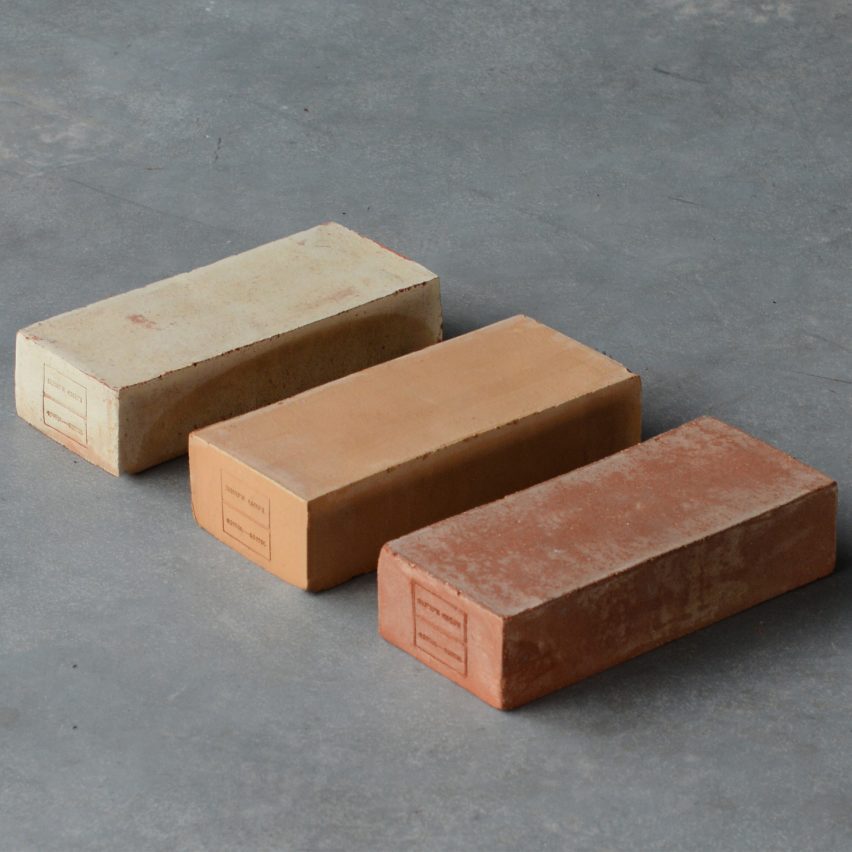
Packing Up PFAS by Emy BensdorpPacking Up PFAS by Emy Bensdorp
Photo by Sem Langendijk

Claybens by Emy Bensdorp

At Dutch Design Week, designer Emy Bensdorp presented a series of bricks made using clay contaminated with PFAS – toxic “forever chemicals” used for water- and fire-proofing, that can leak into our soils and waterways.

In the Netherlands, where PFAS can be traced in up to 90 per cent of soils, developers and landowners must now legally take responsibility for this contaminated soil, which ends up being hidden away and left to gather dust in depots with little prospect for the chemicals’ removal.

Bensdorp discovered that firing the clay into bricks at high temperatures can eliminate these highly durable chemicals while turning the soil from a burden into a useful building material via an existing industrial process.

Find out more about Claybens ›


Guilty Flavours ice-cream by Eleonora OrtolaniGuilty Flavours ice-cream by Eleonora Ortolani
Photo by Mael Henaff

Guilty Flavours by Eleonora Ortolani and Joanna Sadler

Central Saint Martins graduate Eleonora Ortolani created a bowl of vanilla ice cream that she believes might the world’s first food made from plastic waste.

The ice cream was made by taking a small amount of PET plastic waste and breaking it down using genetically engineered bacteria to create synthetic vanillin – the flavour molecule in vanilla.

Originally developed by researchers from the University of Edinburgh, the process produces a flavouring that is chemically identical to vanillin derived from crude oil, which is commonly sold in stores. The only difference is that it uses a recycled instead of a virgin fossil feedstock.

Find out more about Guilty Flavours ›


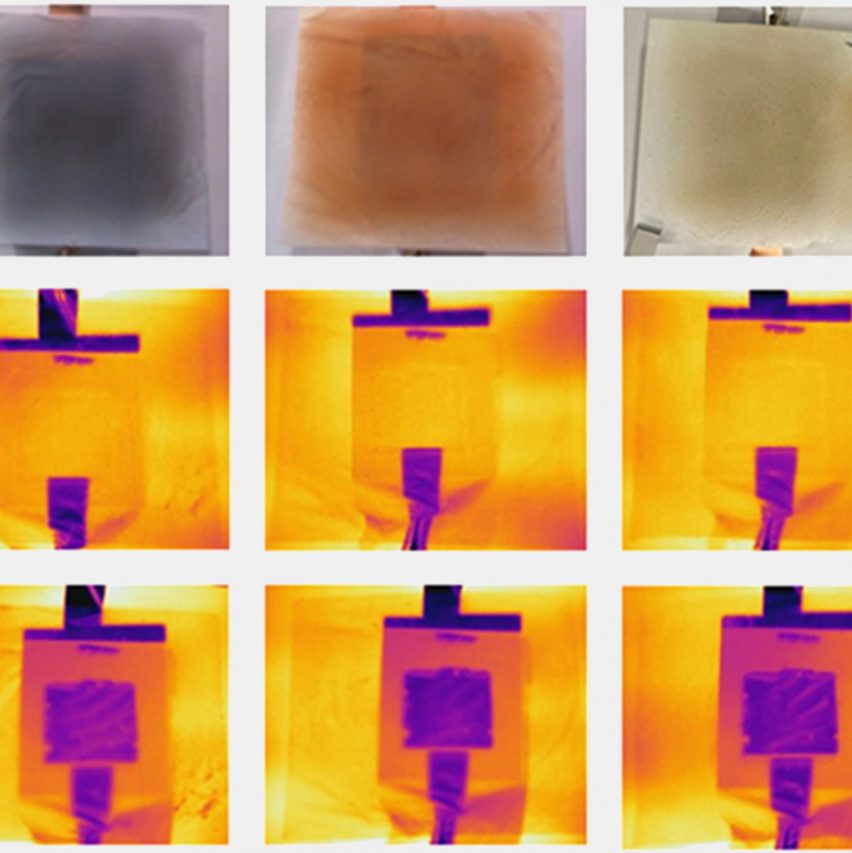
Electrochromic cladding by the University of ChicagoElectrochromic cladding by the University of Chicago
Images courtesy of Hsu Group

Electrochromic cladding by the Hsu Group

Researchers from the University of Chicago have developed a “chameleon-like” facade material that can change its infrared colour – the colour it appears under thermal imaging – based on the outside temperature to keep buildings cool in summer and warm in winter.

The composite material appears yellow under thermal imaging on a hot day because it emits heat and purple on cold days when it retains heat. This colour change is triggered by a small electrical impulse, which either deposits copper onto a thin film or strips it away.

“We’ve essentially figured out a low-energy way to treat a building like a person,” said materials engineer Po-Chun Hsu. “You add a layer when you’re cold and take off a layer when you’re hot.”

Find out more about this electrochromic cladding ›


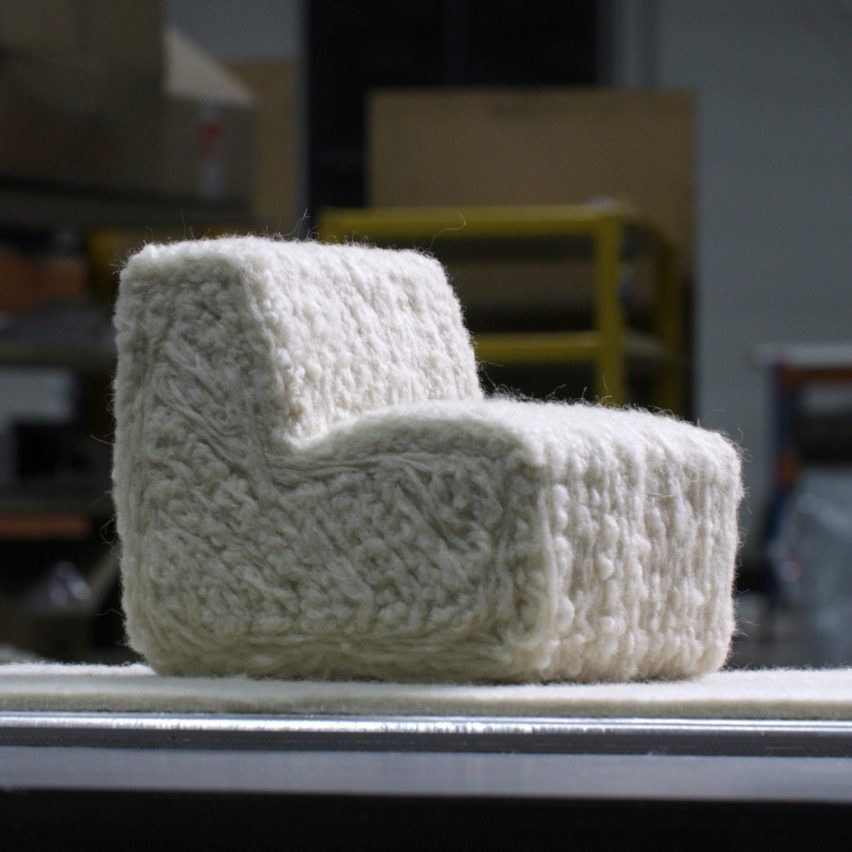
Model of 3D printed wool chair by Christien MeindertsmaModel of 3D printed wool chair by Christien Meindertsma
Photo courtesy of TFT

Flocks Wobot by Christien Meindertsma

Dutch designer Christien Meindertsma has opened up new uses for the wool of European sheep, which is too coarse to form textiles and thus often discarded, by developing a custom robot arm that acts much like a 3D printer.

The Flocks Wobot connects layers of the material through felting to create three-dimensional shapes without the need for any kind of additional binder.

So far, Meindertsma has used the robot to produce a sofa – currently on display at the V&A – but in the future, she claims it could equally be used to create everything from insulation to acoustic products.

Find out more about Flocks Wobot ›


Local Colours by Loop LoopLocal Colours by Loop Loop
Photo courtesy of Loop Loop

Local Colours by Loop Loop

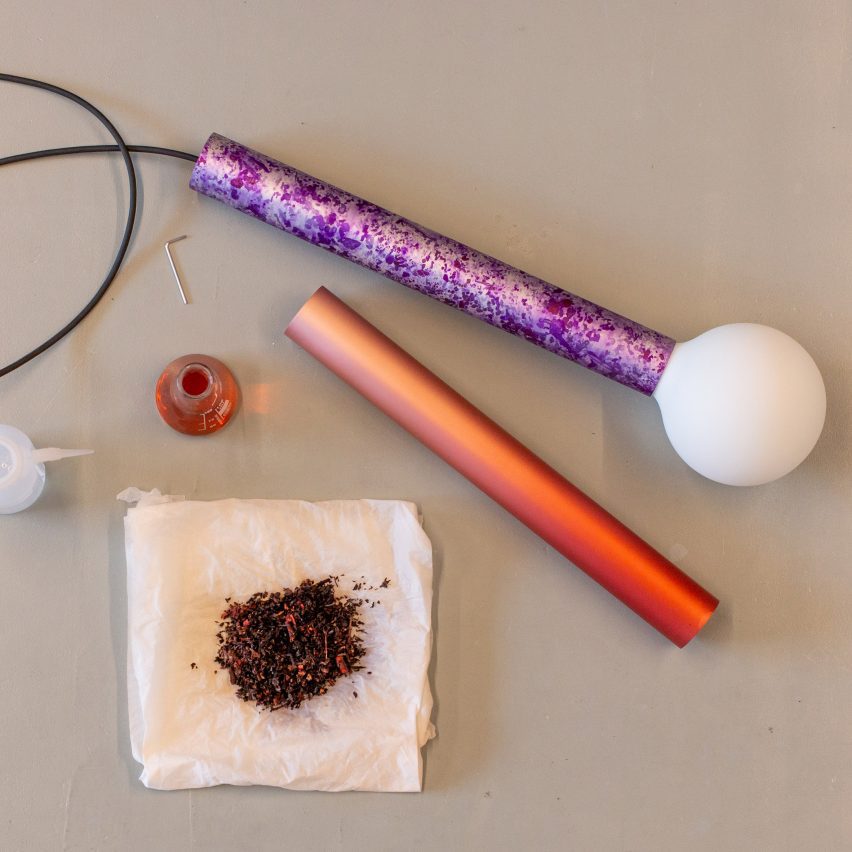
Dutch design studio Loop Loop has developed the “world’s first plant-based aluminium dying process”, using bio-based pigments instead of ones derived from petroleum.

The Local Colours project adapts the traditional process of anodising, which involves using an electric current to oxidise the metal, creating a porous surface that is able to absorb colour before being dipped into a water-based pigment solution.

So far, the studio has created four different solutions – a deep pink made using madder root, a bright gold produced with red onion and a warm purple and mustard yellow derived from different flowers.

Find out more about Local Colours ›


SOM installation for the 2023 Chicago BiennialSOM installation for the 2023 Chicago Biennial
Photo by Dave Burk

Bio-Blocks by Prometheus Materials and SOM

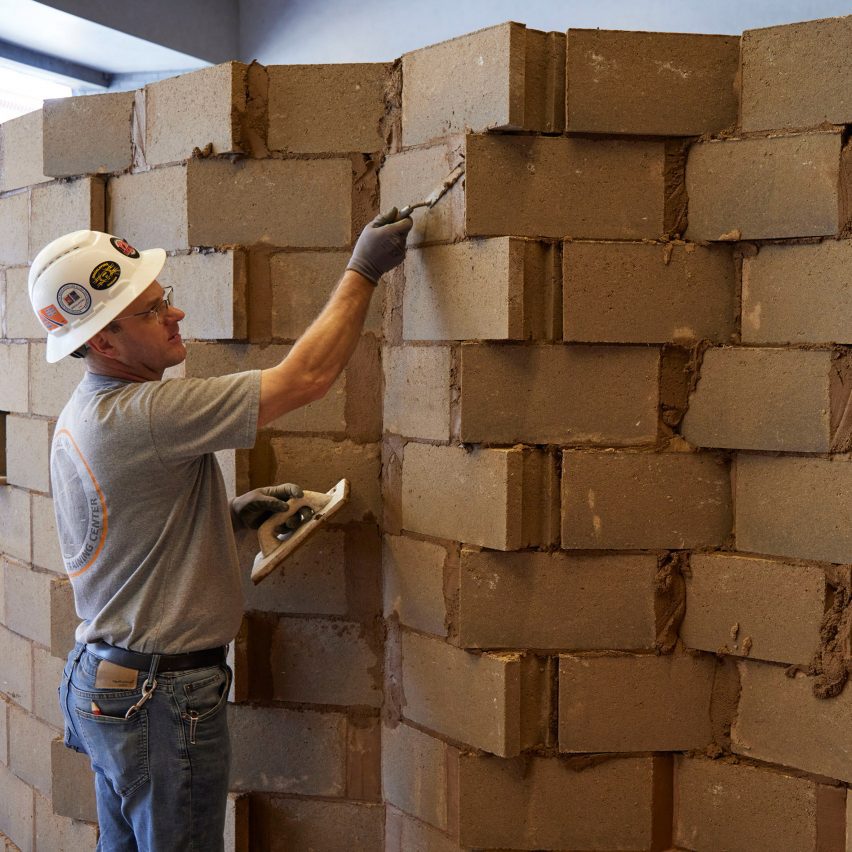
Colorado start-up Prometheus Materials has developed a “zero-carbon alternative” to concrete masonry blocks that is bound together using micro-algae instead of polluting Portland cement, which accounts for around eight per cent of global emissions.

The company is working with architecture studio SOM to explore applications for the material, with a dedicated installation at this year’s Chicago Architecture Biennial taking the form of a giant spiral.

“This project demonstrates how product development, design, and construction can come together to address the climate crisis in a meaningful way,” said Prometheus Materials president Loren Burnett.

Find out more about Bio-Blocks ›


Bou Bag made from bacterial nanocellulose by Ganni and Modern Synthesis from LDFBou Bag made from bacterial nanocellulose by Ganni and Modern Synthesis from LDF
Photo courtesy of Modern Synthesis

Modern Synthesis by Jen Keane and Ben Reeve

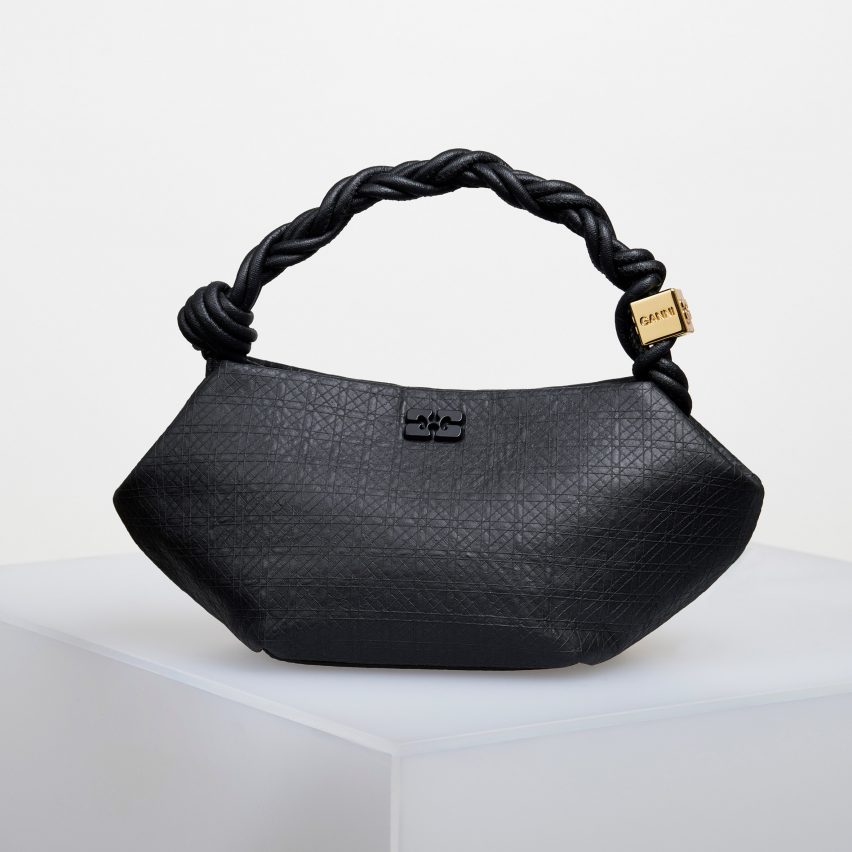
Modern Synthesis has developed a plastic-free leather alternative that drapes much like cowhide but could generate up to 65 times less greenhouse-gas emissions than real leather, the British start-up estimates.

The material is made by bacteria that is grown on a framework of threads and fed with waste sugar from other industries, which is converted into a strong, lightweight material called nanocellulose.

Danish fashion brand Ganni has already used the material to create a version of its Bou Bag (pictured above) that was revealed at the London Design Festival and could be commercially available as soon as 2025.

Find out more about Modern Synthesis ›


MIT Harvard study finds secret to durability of ancient Roman concreteMIT Harvard study finds secret to durability of ancient Roman concrete
Image via Pexels

Roman concrete by MIT and Harvard 

This year, researchers from MIT and Harvard made headlines when they discovered the secret ingredient found in “self-healing” Roman concrete, which they are now aiming to bring to market.

The ancient recipe that has allowed structures such as the Pantheon (pictured above) to remain standing for millennia integrates quicklime instead of the slacked lime found in modern concrete, the scientists have posited.

As rainwater runs through the cracks that form in concrete over time and touches the quicklime clasts in the concrete, this creates a calcium-saturated solution that recrystallises to “heal” the fissures.

Find out more about Roman concrete ›


Dezeen review of 2023Dezeen review of 2023

2023 review

This article is part of Dezeen’s roundup of the biggest and best news and projects in architecture, design, interior design and technology from 2023.

Reference

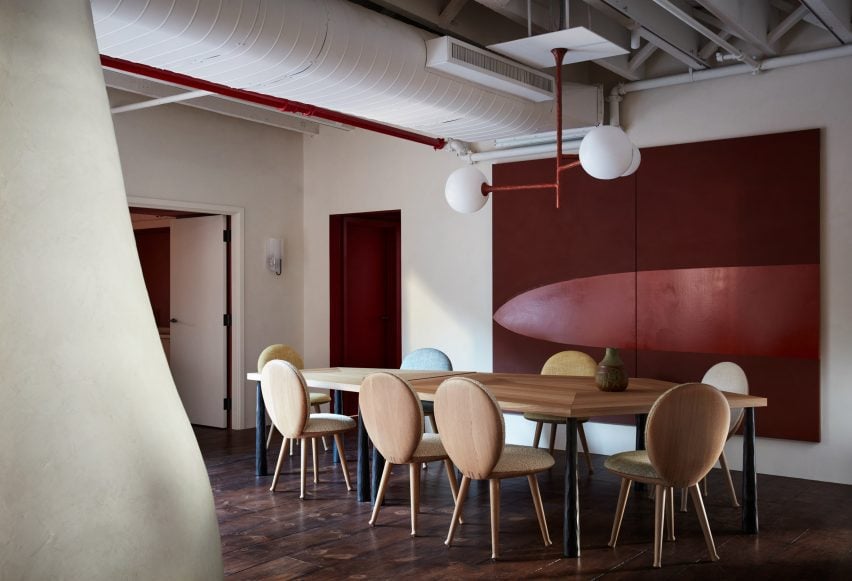
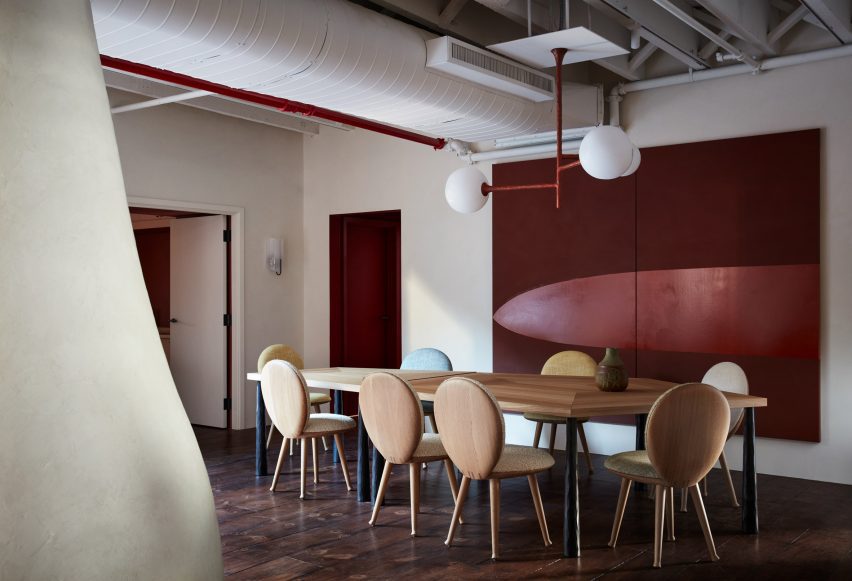
Dining table with eight round-backed chairs, and a light fixture above
CategoriesInterior Design

Pierre Yovanovitch opens design gallery in New York City penthouse

French designer Pierre Yovanovitch has opened his first US showroom and gallery in Manhattan’s Chelsea neighbourhood, displaying over 80 pieces from his own furniture brand.

Recognisable designs including the iconic Bear Chair fill the 10,000 square feet (930 square metres) of gallery and office space on the penthouse level of 555 West 25th Street.

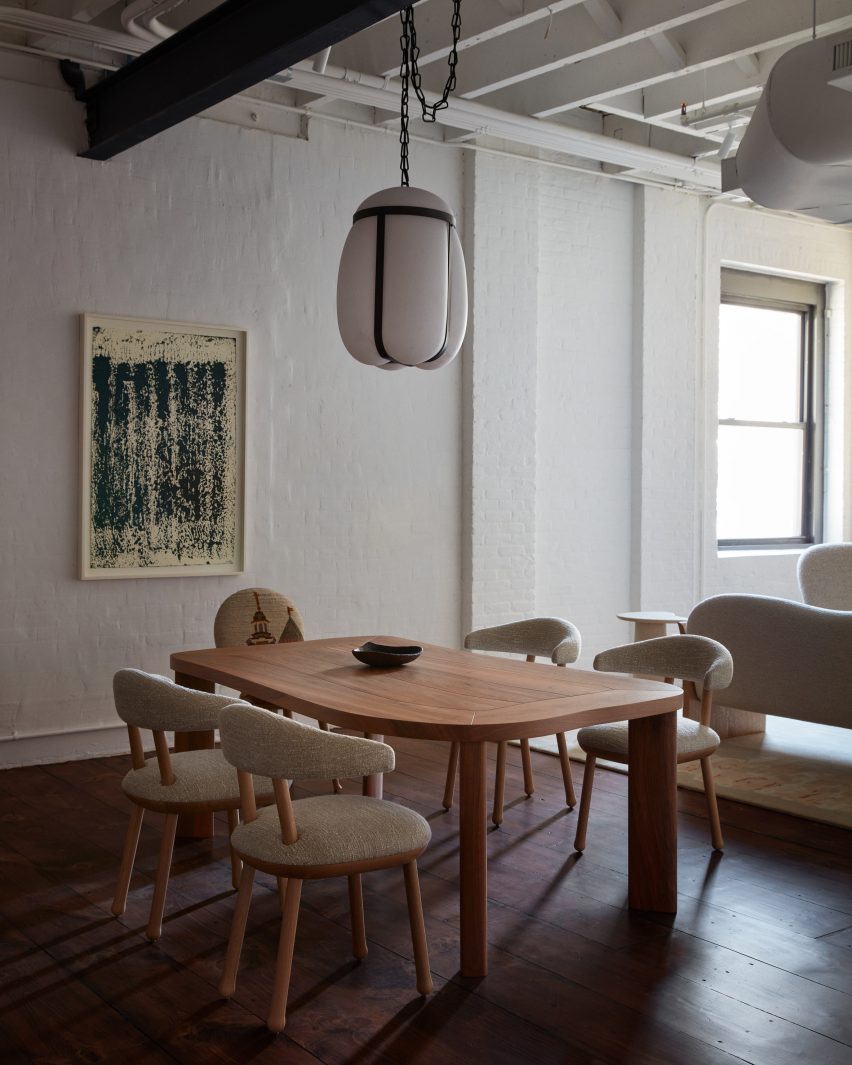
Dining table with eight round-backed chairs, and a light fixture aboveDining table with eight round-backed chairs, and a light fixture above
Pierre Yovanovitch chose a penthouse in a pre-war building for his New York gallery

This business expansion offers a permanent base for Yovanovitch and his team in New York, and allows customers and clients from his largest retail market to see the Pierre Yovanovitch Mobilier products first-hand.

“Having worked on residential projects in the US since the beginning of my practice in 2001 and with two successful furniture collection debuts (2017 and 2019) in New York, the opening of my first gallery space in America and new official New York headquarters, is a long-awaited realization for me,” said Yovanovitch.

Room with exposed ceiling beams, whitewashed brick and dark wood floorsRoom with exposed ceiling beams, whitewashed brick and dark wood floors
The exposed ceiling beams, whitewashed brick and dark wood floors are all typical of a New York loft

Inside the pre-war building, the gallery unfolds through a series of partial rooms that flow into one another without doorways or thresholds.

Throughout, exposed ceiling joists and ductwork are paired with dark wood flooring and whitewashed brick, typical of a New York loft space.

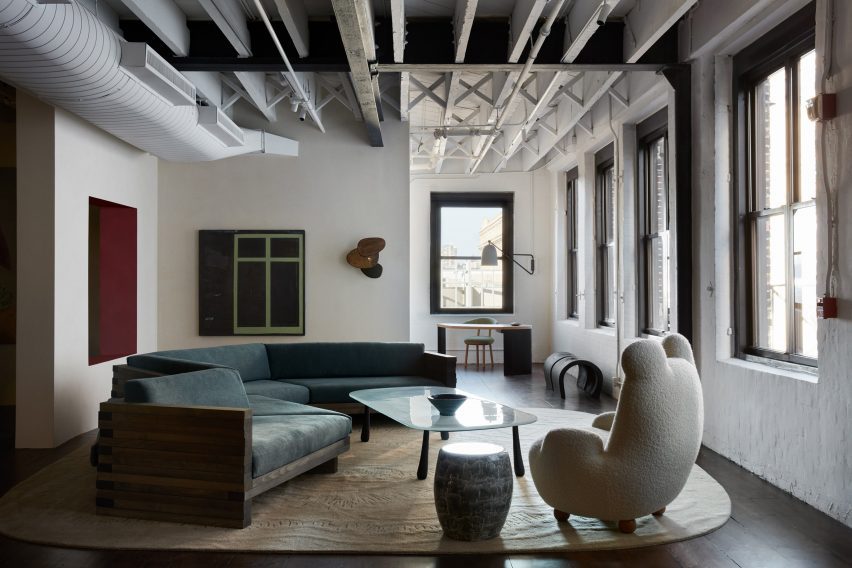
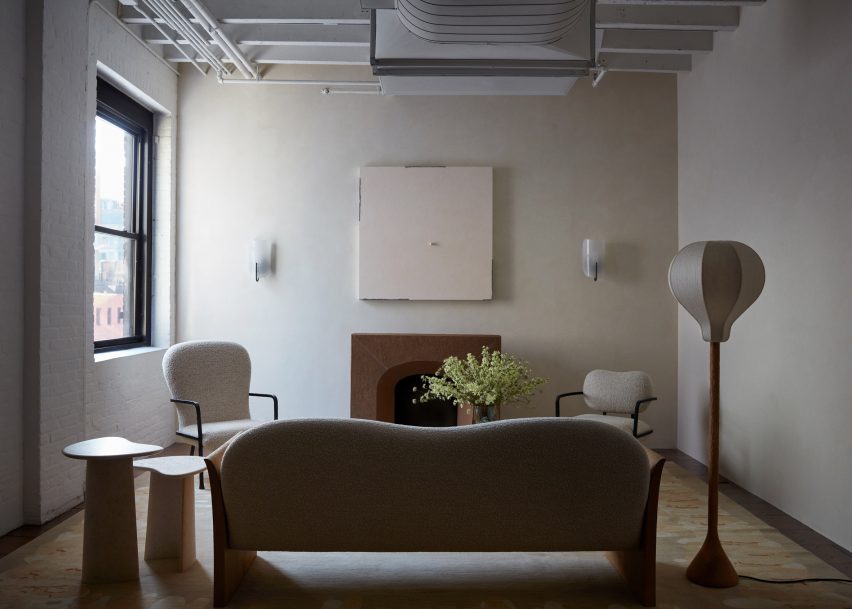
Furniture pieces styled like a living roomFurniture pieces styled like a living room
The gallery is laid out as a series of residential-style vignettes, which flow into one another

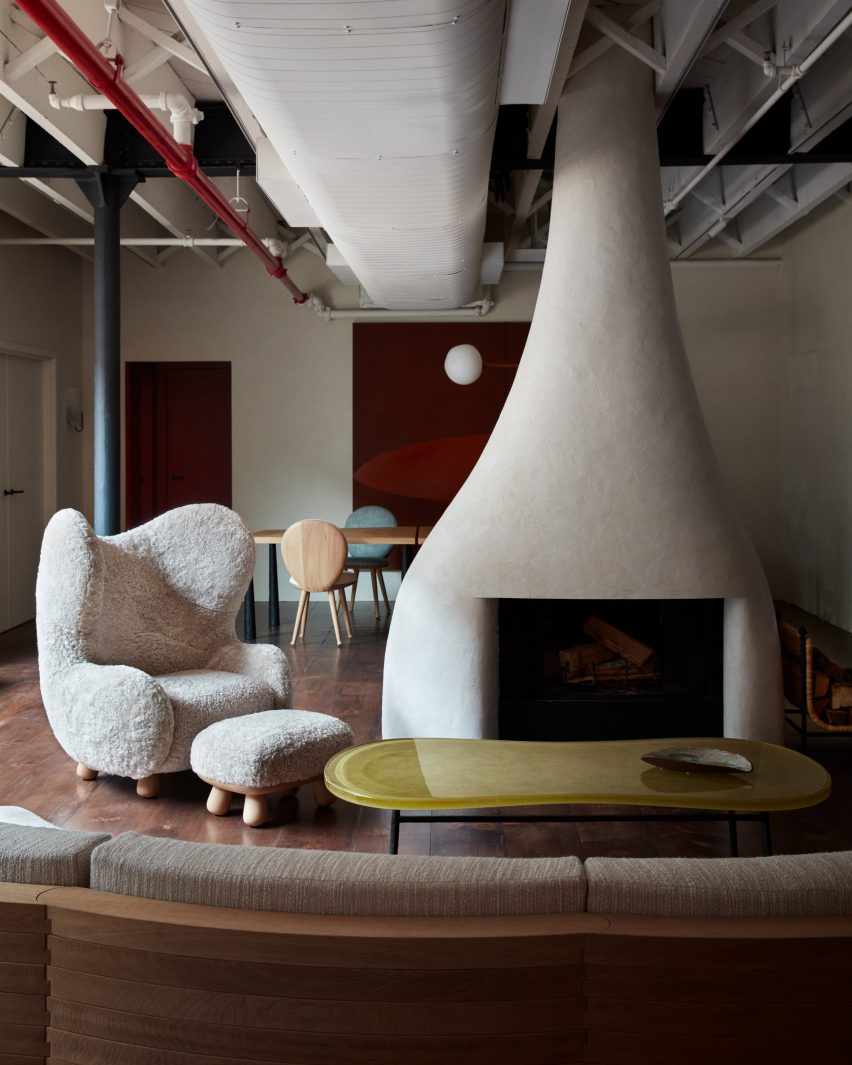
The largest display area centres around a sculptural fireplace, with a smooth plaster form that curves outward towards the base.

Furniture is oriented around the hearth, including a gently arced sofa and a chartreuse-toned resin coffee table, accompanied by the fluffy wing-backed Clifford armchair.

Wooden dining table with glass light aboveWooden dining table with glass light above
Yovanovitch curated a selection of artworks to accompany his furniture pieces

A variety of lounge and dining room vignettes showcase the products in suggested combinations with one another in residential-style layouts.

Other designs on show include the new Callis Table Lamp, the Roze Dining Table, the Arthur Sofa and the Artemis Rug.

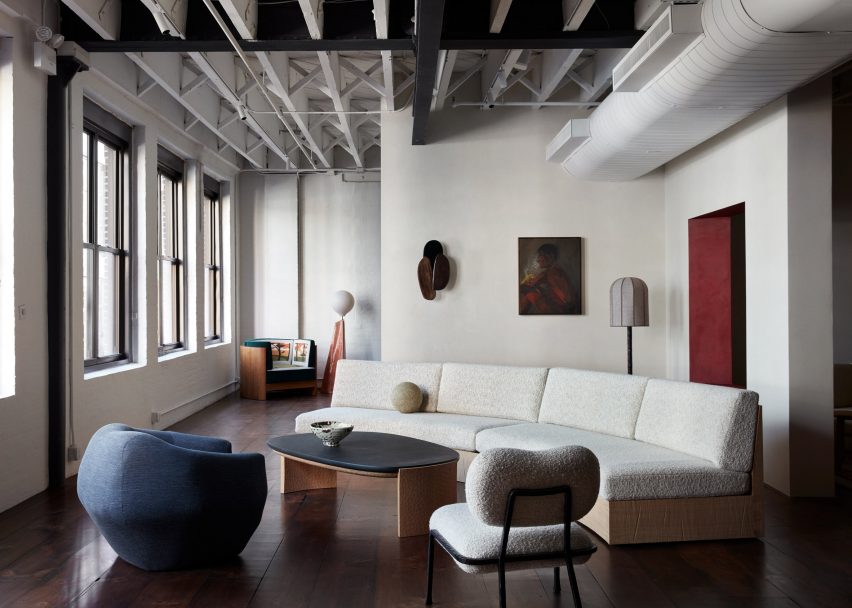
Living room vignette facing a fireplaceLiving room vignette facing a fireplace
A variety of signature furniture and lighting designs are on display alongside new pieces

All are made in collaboration with specialist craftspeople and are “created with longevity and exceptional quality in mind” according to the brand.

“The brand pays homage to Yovanovitch’s Provencal roots, in particular the region’s natural light, rich and varied natural materials and colourways of the surrounding nature, as well as the historic commitment to craft associated with the region,” said a statement from the gallery.

The wide array of furniture and lighting pieces are presented alongside a selection of contemporary art curated by Yovanovitch – including works by Camille Henrot, Wolfgang Tillmans and Alicja Kwade – in an attempt to tie the gallery in with Chelsea’s status as an arts destination.

“It seems only fitting to open my first gallery location in the epicenter of New York’s art scene,” he said. “Not only is contemporary art central to my design practice, the neighborhood’s architectural history serves as reflection to my approach of revitalising historic spaces to fit a contemporary design aesthetic.”

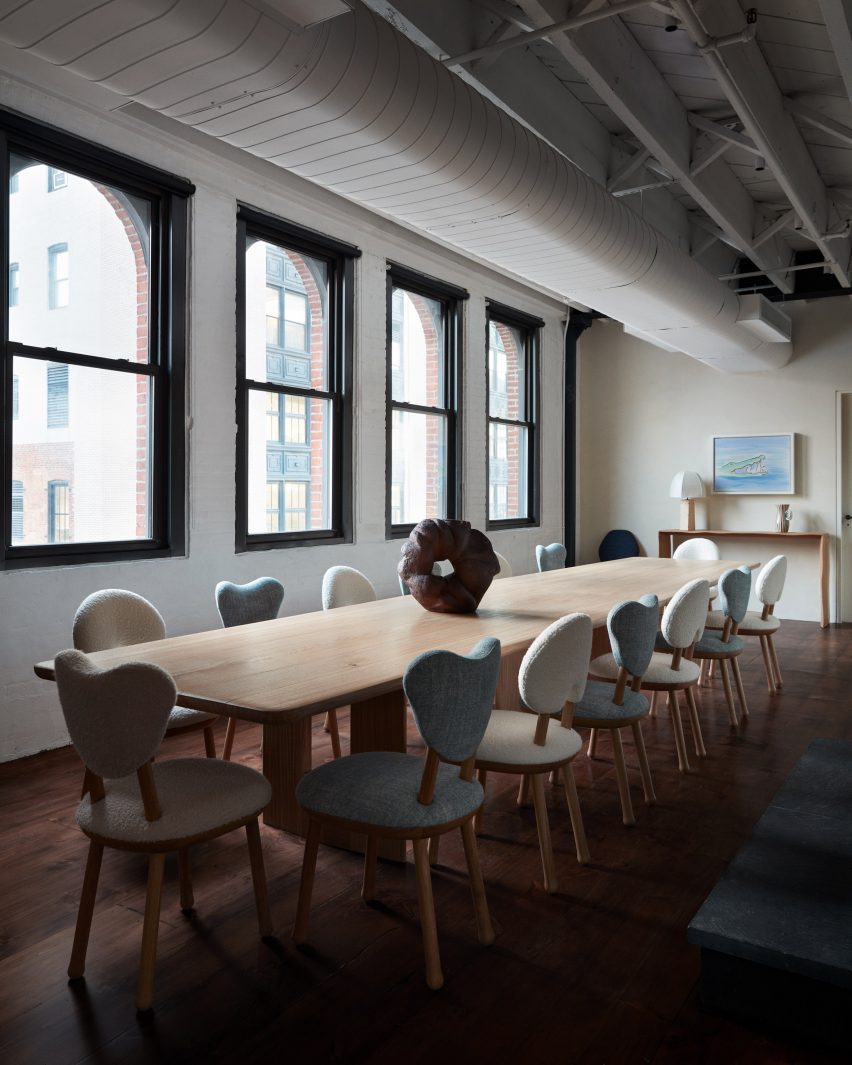
Long dining table with blue and white upholstered chairsLong dining table with blue and white upholstered chairs
All of the Pierre Yovanovitch Mobilier products are “created with longevity and exceptional-quality in mind”

The New York gallery opening follows the debut of the brand’s new Paris showroom, which began welcoming visitors to a street-level space in the Marais neighbourhood from October 2023.

This move from the previous location in the 2nd arrondissement also strategically places Pierre Yovanovitch Mobilier amongst the city’s art galleries.

Sculptural fireplace accompanied by Pierre Yovanovitch's iconic Bear ChairSculptural fireplace accompanied by Pierre Yovanovitch's iconic Bear Chair
A sculptural fireplace anchors the largest area, accompanied by Yovanovitch’s Clifford chair

Yovanovitch founded his design practice in 2001 after working for fashion house Pierre Cardin. His interior design work has ranged from the salmon-pink and butter-yellow gift shop at Villa Noailles and ski hotel Le Coucou in France, to the high-end Hélène Darroze restaurant at The Connaught in London and ski hotel Le Coucou.

Earlier this year, the designer created a set with moving elements for Verdi’s Rigoletto at the Basel Opera.

The photography is by Stephen Kent Johnson.

Reference

Photograph of a sitting room at the Ett Hem hotel in Stockholm
CategoriesInterior Design

Bentley curates Scandinavian architecture and design travel experience

Promotion: in 2023 Bentley Motors launched an architecture and design-centred travel experience around Scandinavia, with highlights that included a stay at Wingårdhs’ forest hotel in Sweden and a tour of BIG’s studio in Copenhagen.

The Extraordinary Journey Scandinavia tour was one of a series of curated travel experiences presented by Bentley in 2023, offering the opportunity to explore attractive destinations from behind the wheel of its luxury cars.

The five-day, four-night tour started in Stockholm, where guests were collected from the airport in a chauffeured Bentley and taken to their first night’s stay in the world-renowned Ett Hem hotel.

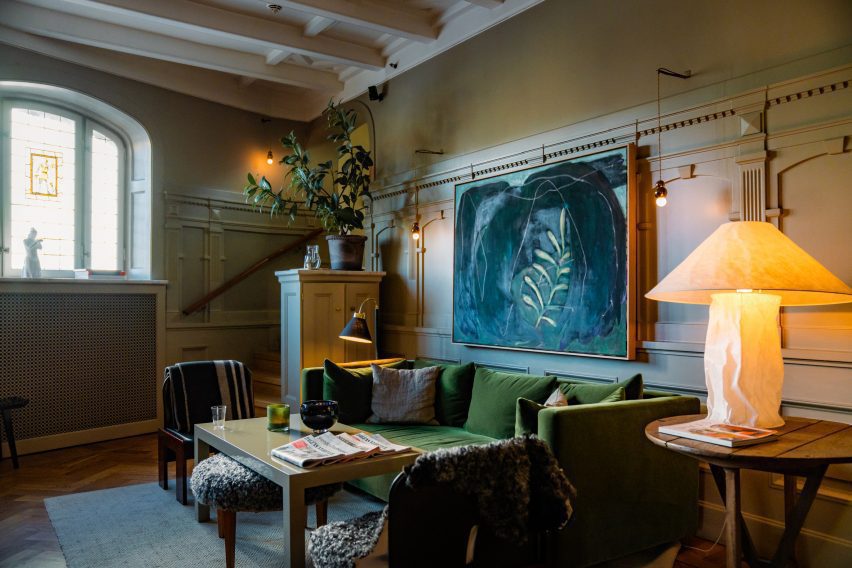
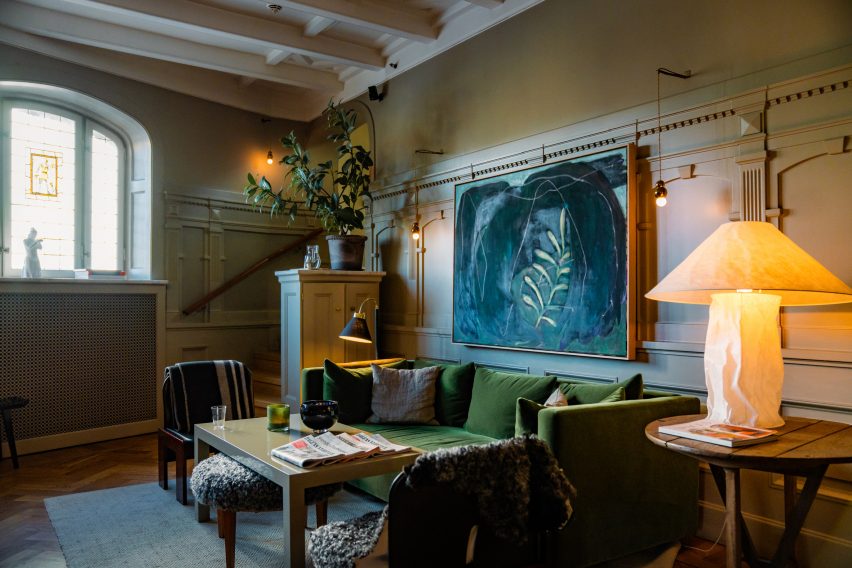
Photograph of a sitting room at the Ett Hem hotel in StockholmPhotograph of a sitting room at the Ett Hem hotel in Stockholm
The first night’s stay was at Stockholm’s Ett Hem hotel

With interiors created by designer Ilse Crawford, the hotel is known for merging luxury with a feeling of home, with spaces that encourage guests to relax and mingle as if at a manor house.

The hotel hosted a welcome reception, dinner in the library and a nightcap for the small party of guests on day one to get to know each other.

On day two, attendees took the wheel of one of several Bentley models on offer and began the journey south through Sweden’s forests, with Scandinavia’s finest architecture and design destinations guiding the way forward.

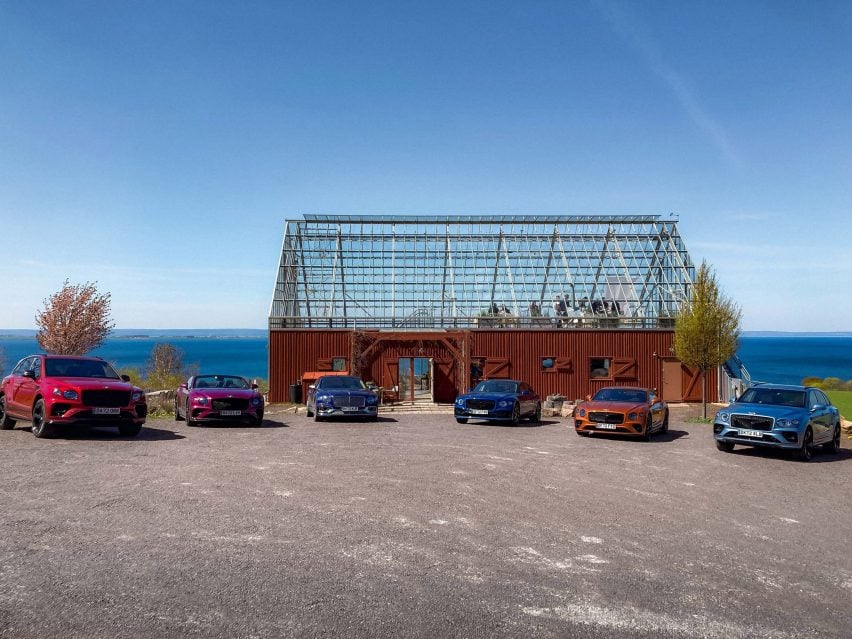
For lunch on day two, attendees stopped at NaturehouseFor lunch on day two, attendees stopped at Naturehouse
For lunch on day two, attendees stopped at Naturehouse

For lunch, the tour stopped at Naturehouse, a sustainability-focused lakeside spa by Tailor Made Arkitekter that merges the forms of a barn and a greenhouse, before continuing to reach the Trakt Forest Hotel in Småland in the afternoon.

Designed by Wingårdh architecture studio, the hotel features just five suites that are raised high into the treetops on stilts, giving guests the chance to feel immersed in nature.

The suites are “a true representation of Bentley’s design values of sustainability, materiality, and innovation” said the brand, and guests had the opportunity to relax in the sauna or hot tub before joining the hotel owners Sandra and Mattias Sälleteg at a drinks reception.

The evening also included dinner in a forest near the hotel, which was made by Michelin star chef Niklas Ekstedt and celebrated natural ingredients coming together “to create something greater than the sum of its parts”.

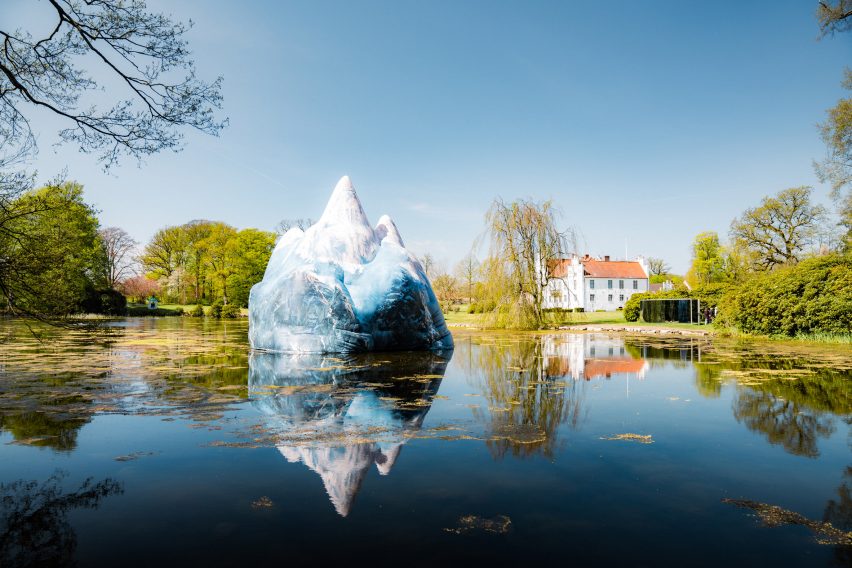
Photo of Wanås Hotel and Sculpture ParkPhoto of Wanås Hotel and Sculpture Park
Lunch on day three took place at Wanås Hotel and Sculpture Park

Day three saw the group continue the drive south through Sweden’s forests and stop for lunch at Wanås Hotel and Sculpture Park, built around two converted stone barns with interiors by Kristina Wachtmeister.

They then drove on through Malmö and across the Öresund Bridge, the longest bridge in Europe, connecting Sweden and Denmark, before switching to chauffeured transport once again for the final stretch of the journey to Copenhagen.

With accommodation at the Nimb Hotel in Tivoli Gardens, guests had ample opportunity to explore Copenhagen, including dinner at a world-renowned Nordic restaurant and then a city tour hosted by the Danish Architecture Centre.

Photo of a big group of people having lunch and sharing a toast at BIG's studioPhoto of a big group of people having lunch and sharing a toast at BIG's studio
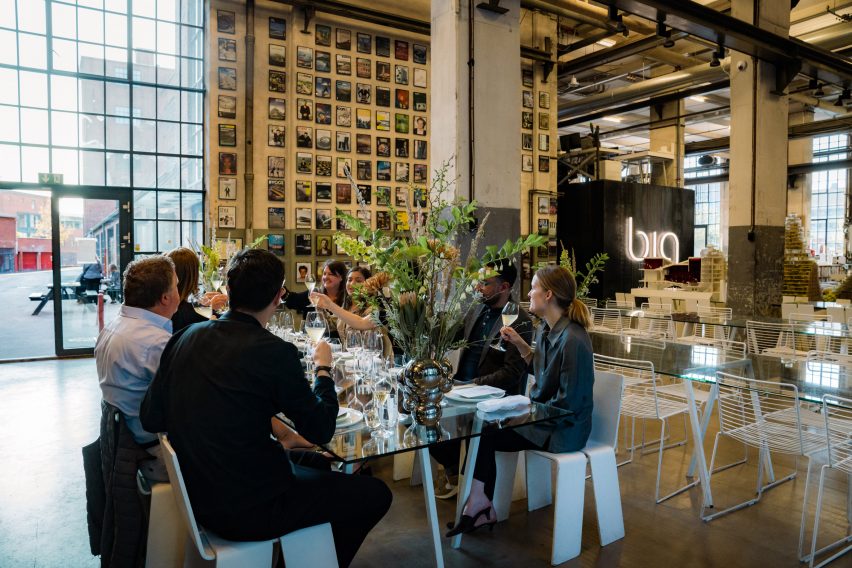
Day four included a tour and lunch at Bjarke Ingels Group’s studio

There was also a tour of Bjarke Ingels Group’s studio, hosted by a member of the team who gave insights into their creative practice. Lunch was also held within “the beating heart” of the office.

Bentley‘s Extraordinary Journey continues in the UK in 2024 with a programme where attendees will experience a scenic route starting at Crewe, the home of Bentley Motors, to The Macallan Estate in Speyside, Scotland. The UK programme runs from 19 to 22 August and 2 to 5 September.

For more information and to register interest, visit the Bentley website.

Partnership content

This article was written by Dezeen for Bentley as part of a partnership. Find out more about Dezeen partnership content here.

Reference

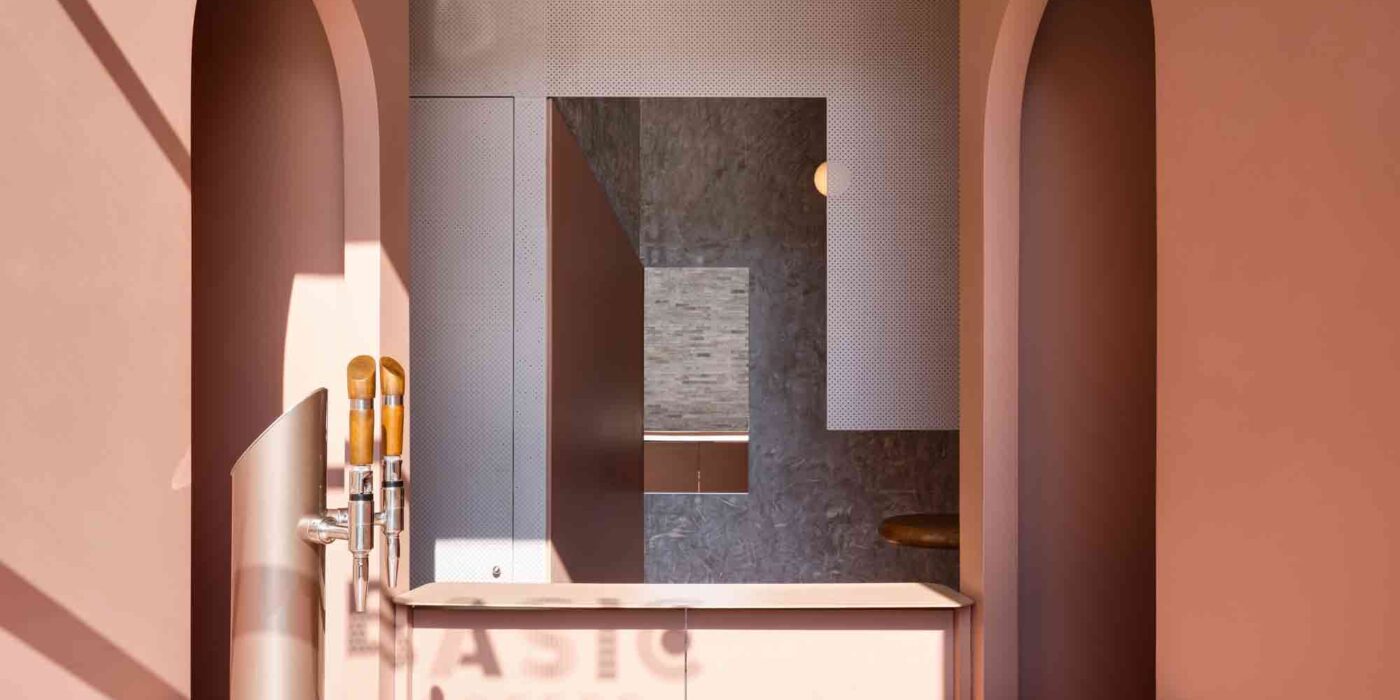
Basic Coffee by Office AIO
CategoriesArchitecture

26 Pioneering Architecture Firms Rethinking the Fundamentals of Design

The latest edition of “Architizer: The World’s Best Architecture” — a stunning, hardbound book celebrating the most inspiring contemporary architecture from around the globe — is now available. Order your copy today.  

As we look forward to a new year and a new era of architectural innovation, the following winning practices from the 11th A+Awards are leading the way. Ranging in size, geography and expertise, these 26 studios came out on top in the Best Firm Categories. Each team was judged on the strength of their portfolio and recognized for delivering some of the most compelling and creative projects the industry has seen over the past 10 years. Join them by submitting your firm for the coveted A+Firm Award today:

Apply for a Best Firm Award

Jurors considered a wide range of criteria and qualities before reaching a fair decision on the firms making extraordinary contributions to their fields. While the following practices excelled in their categories, their work has a broader resonance. Many studios embraced socially and environmentally conscious design approaches, rising to meet some of the most pressing challenges facing the built environment today, from the climate crisis, sustainability and land scarcity to the need for truly accessible and inclusive spaces. Here are the trailblazing architecture and design firms forging exciting new paths for 2024…


Best Interior Design Firm


Office AIO

Jury Winner, 11th Annual A+Awards, Best Interior Design Firm
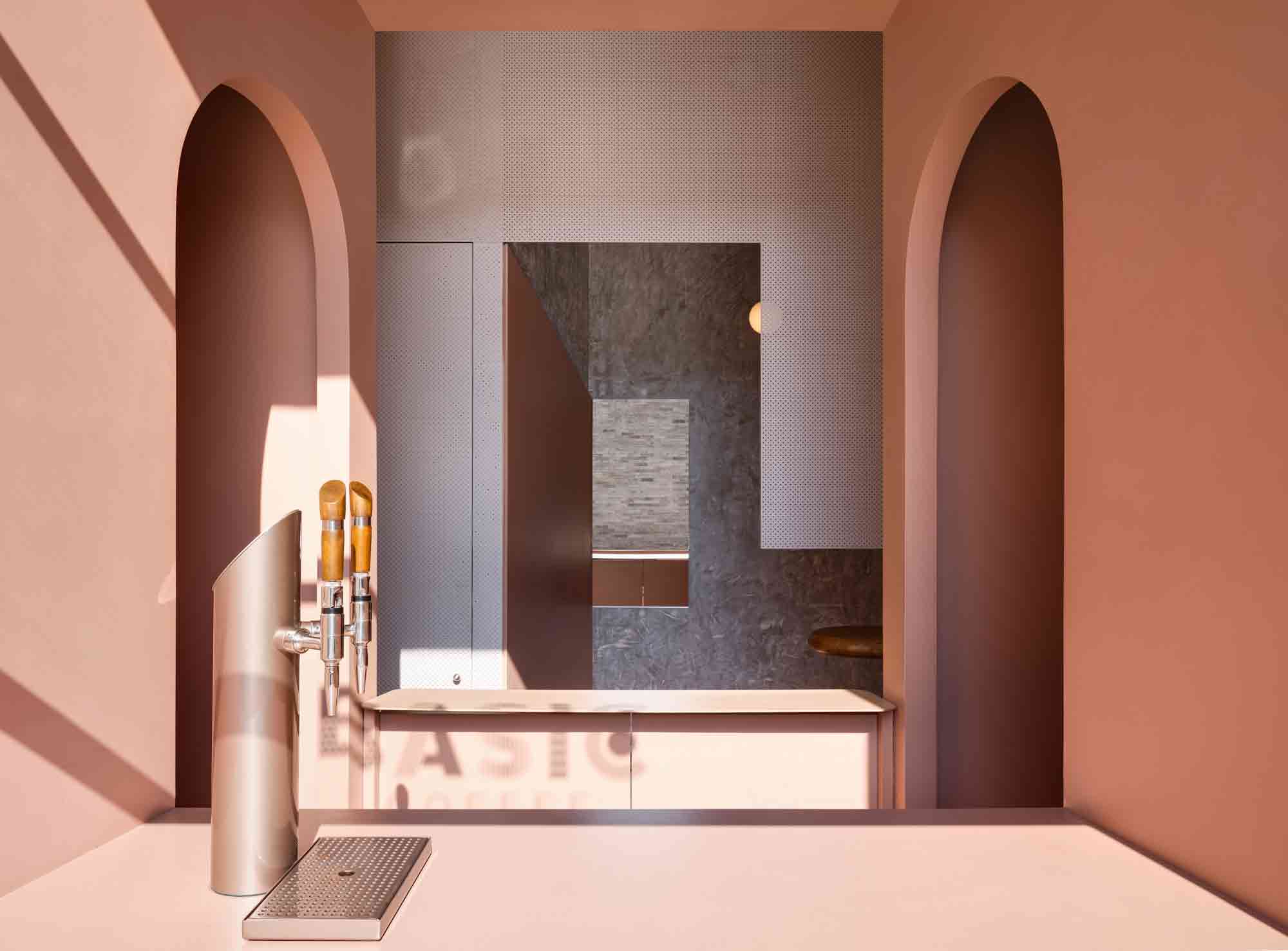
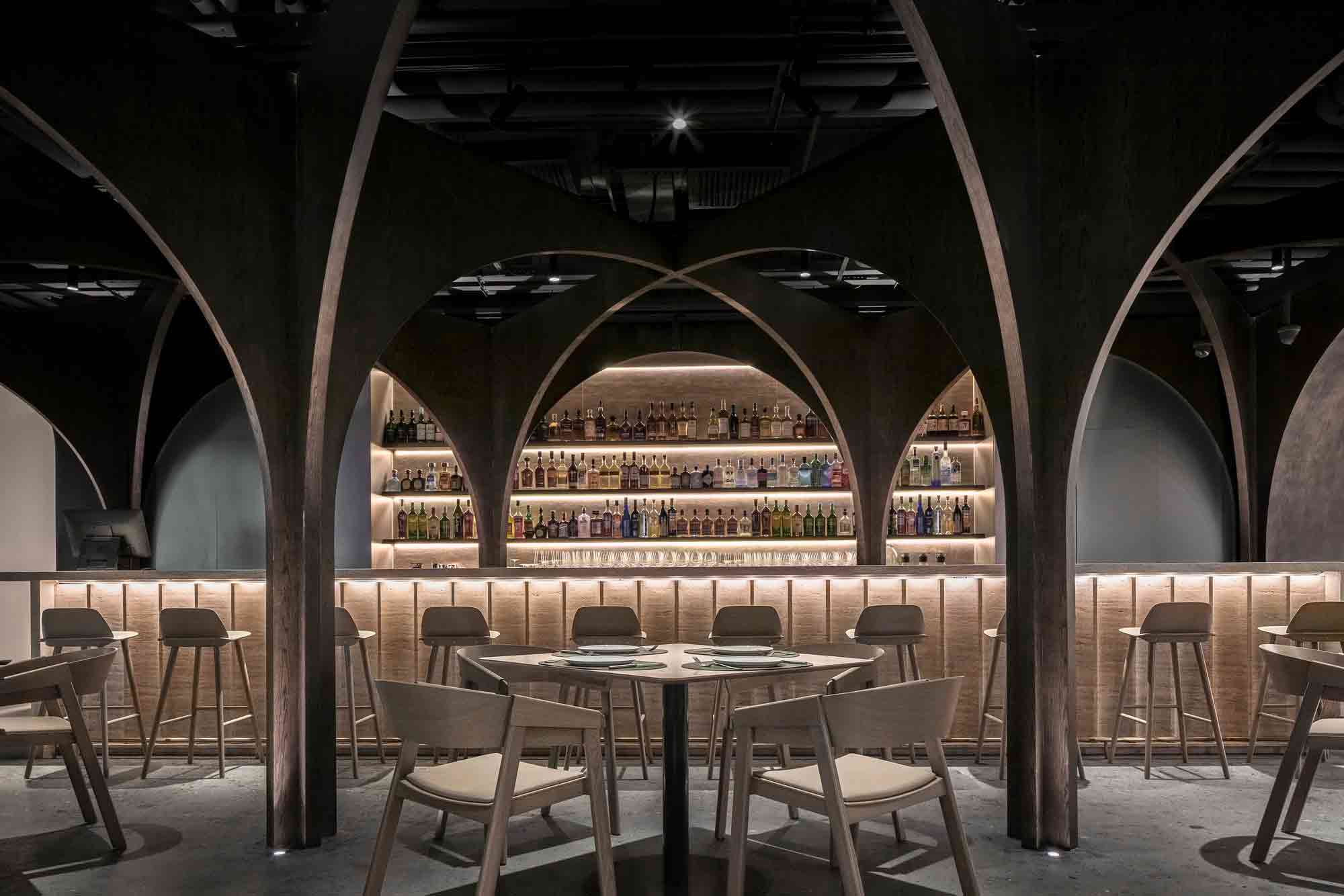
Basic Coffee by Office AIO Bar Lotus by Office AIOFirm Location: Beijing, China

Pictured Projects: Basic Coffee, Beijing, China ; Bar Lotus, Shanghai, China

A deft hand at articulating mesmerizing spatial experiences, Office Aio was founded in 2014 by Tim Kwan and Isabelle Sun. The firm’s outstanding portfolio is a testament to its range and expertise, encompassing hospitality, retail, cultural, residential and corporate spheres.

The team’s thoughtful design philosophy reframes constraints as opportunities for creativity. The result is a catalog of projects that combine unique architectural solutions with remarkable contextual sensitivity.


EL EQUIPO CREATIVO

Popular Choice Winner, 11th Annual A+Awards, Best Interior Design Firm
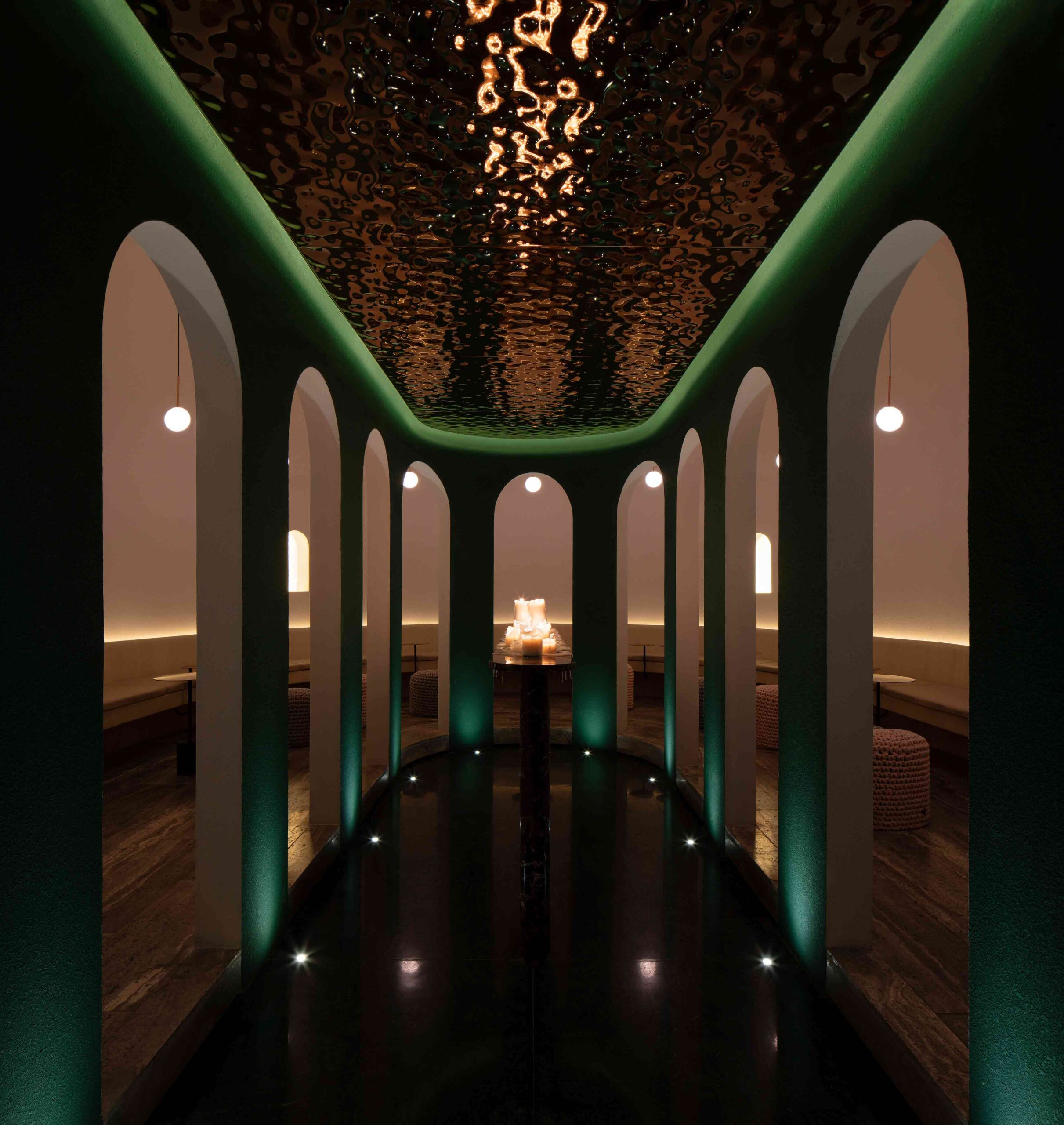
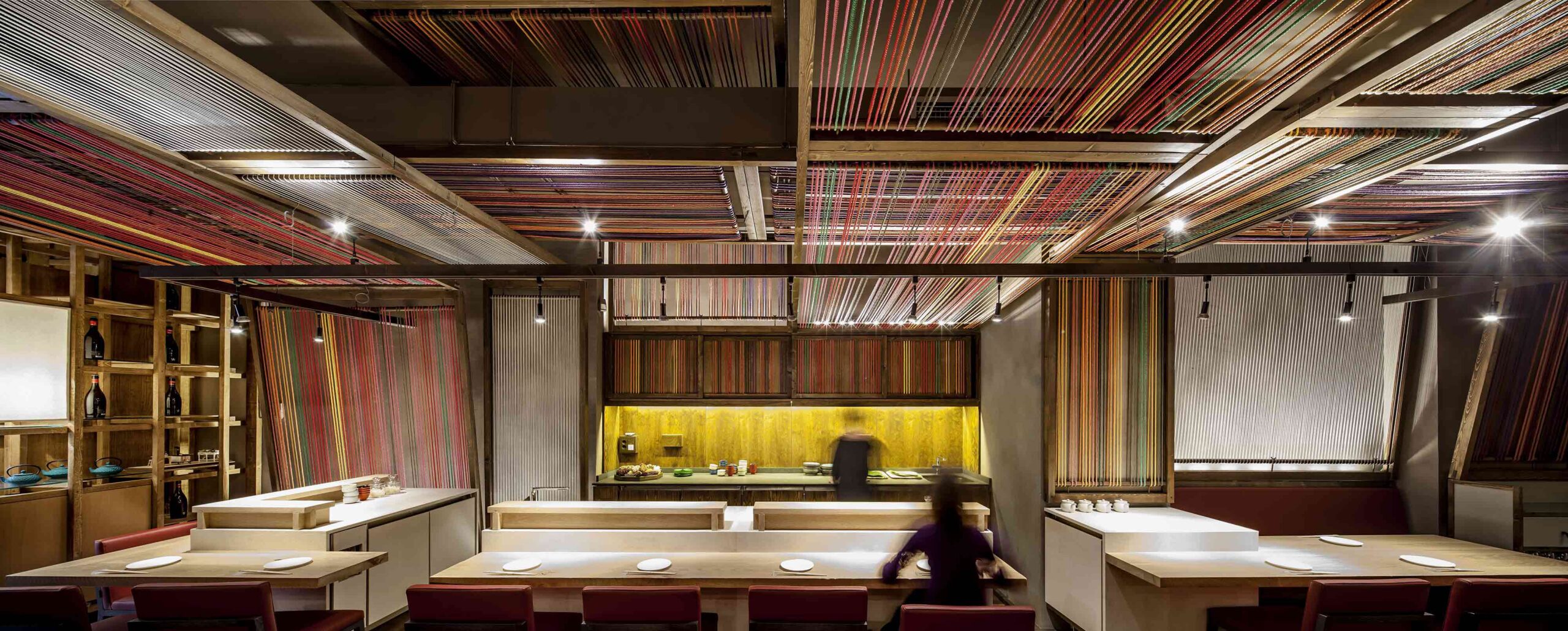
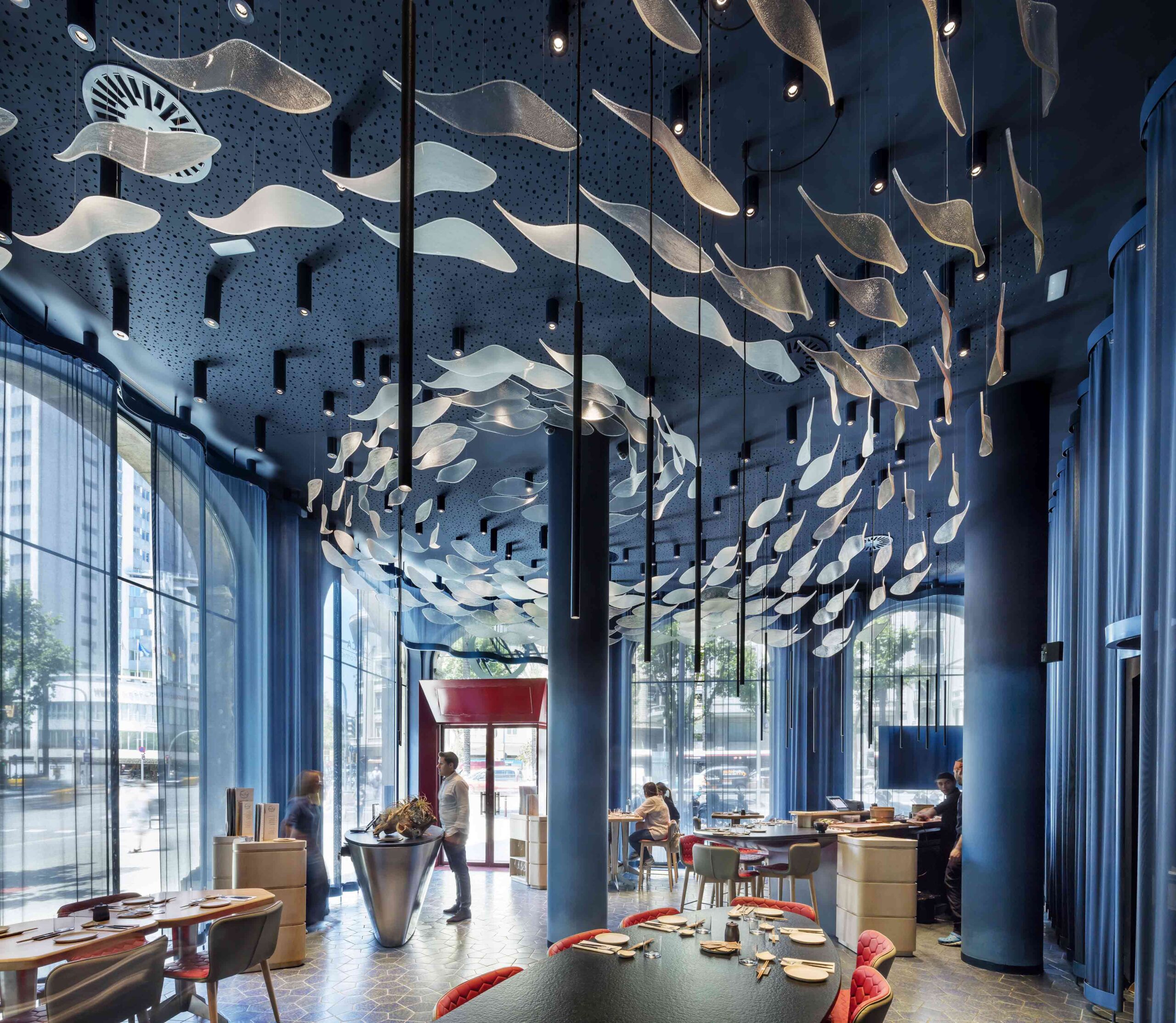
Patka Restaurant by EL EQUIPO CREATIVO Tunateca Balfegó Restaurant by EL EQUIPO CREATIVOFirm Location: Barcelona, Spain

Pictured Projects: Patka Restaurant, Barcelona, Spain ; Tunateca Balfegó Restaurant, Barcelona, Spain

Specializing in commercial, hospitality and branded projects, this Barcelona-based studio, made up of architect Oliver Franz Schmidt, Natali Canas del Pozo and Lucas Echeveste Lacy, is a master of spatial storytelling. Rooted in a solid conceptual approach, the firm elevates functional design into inspiring schemes that envelop the senses.

Stand-out spaces from the team’s body of work include the transformative Tunateca Balfegó Restaurant, with its school of fish spiraling overhead, and Pakta Restaurant, a Japanese-Peruvian fusion eatery clad in a vibrant, loom-like skin that pays homage to Peru’s textile heritage.


Best Landscape Design Firm


Design Workshop

Jury Winner, 11th Annual A+Awards, Best Landscape Design Firm
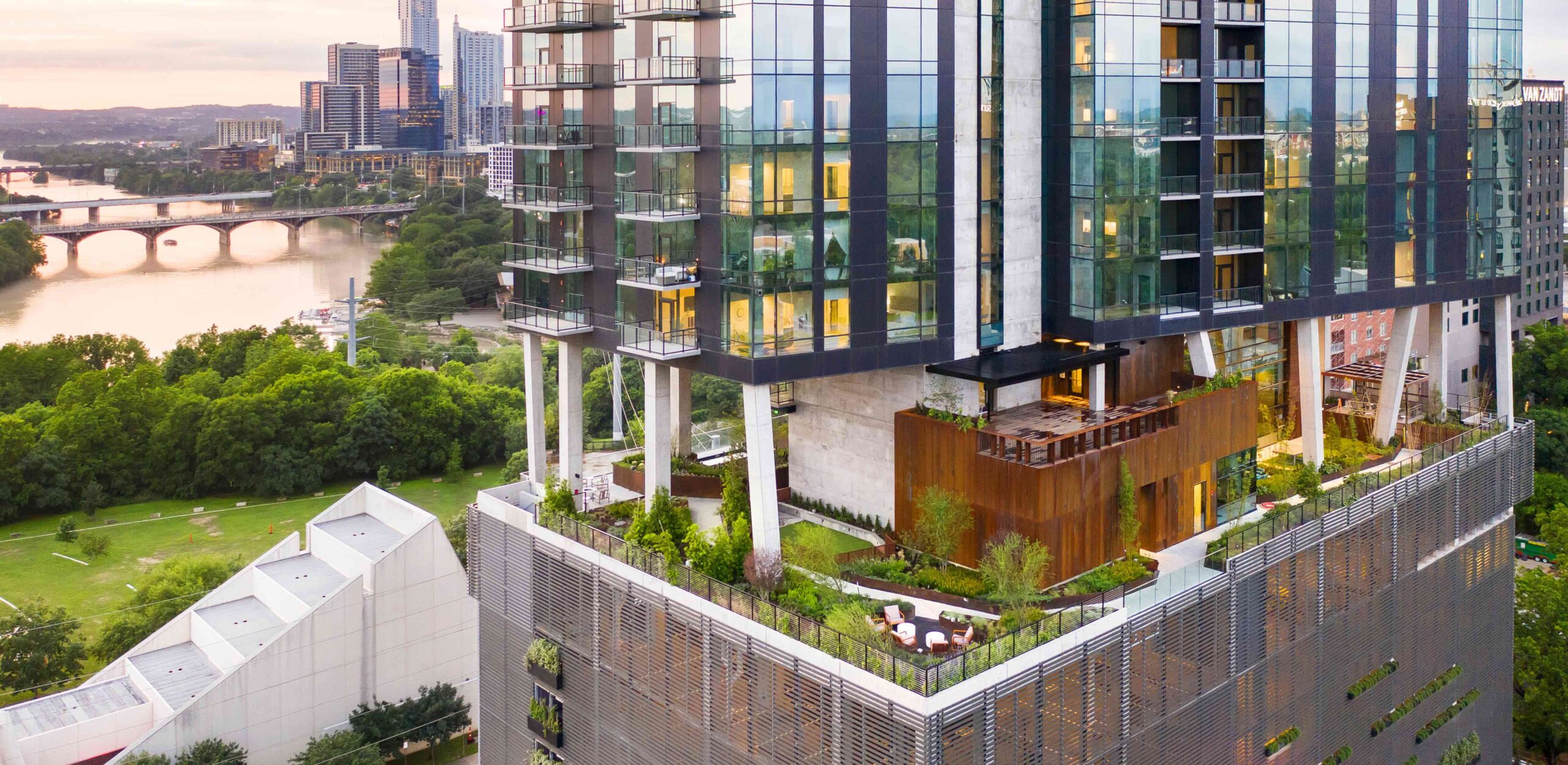
70 Rainey Sky Garden by Design Workshop Highlands Retreat by Design WorkshopFirm Location: Denver, Colorado (Headquarters, with offices elsewhere)

Pictured Projects: 70 Rainey Sky Garden, Austin, Texas ; Highlands Retreat, Aspen, Colorado

Creating socially and environmentally responsible spaces is central to the mission of Design Workshop. With eight studios across the US and an international reach, the renowned firm comprises a collaborative community of landscape architects, planners and strategists.

Adept across diverse scales and geographies, from private gardens to city parks and municipal masterplans, the practice delivers enduring, legacy spaces that forge meaningful connections with the organic world and the wider community.


ASPECT Studios

Popular Choice Winner, 11th Annual A+Awards, Best Landscape Design Firm
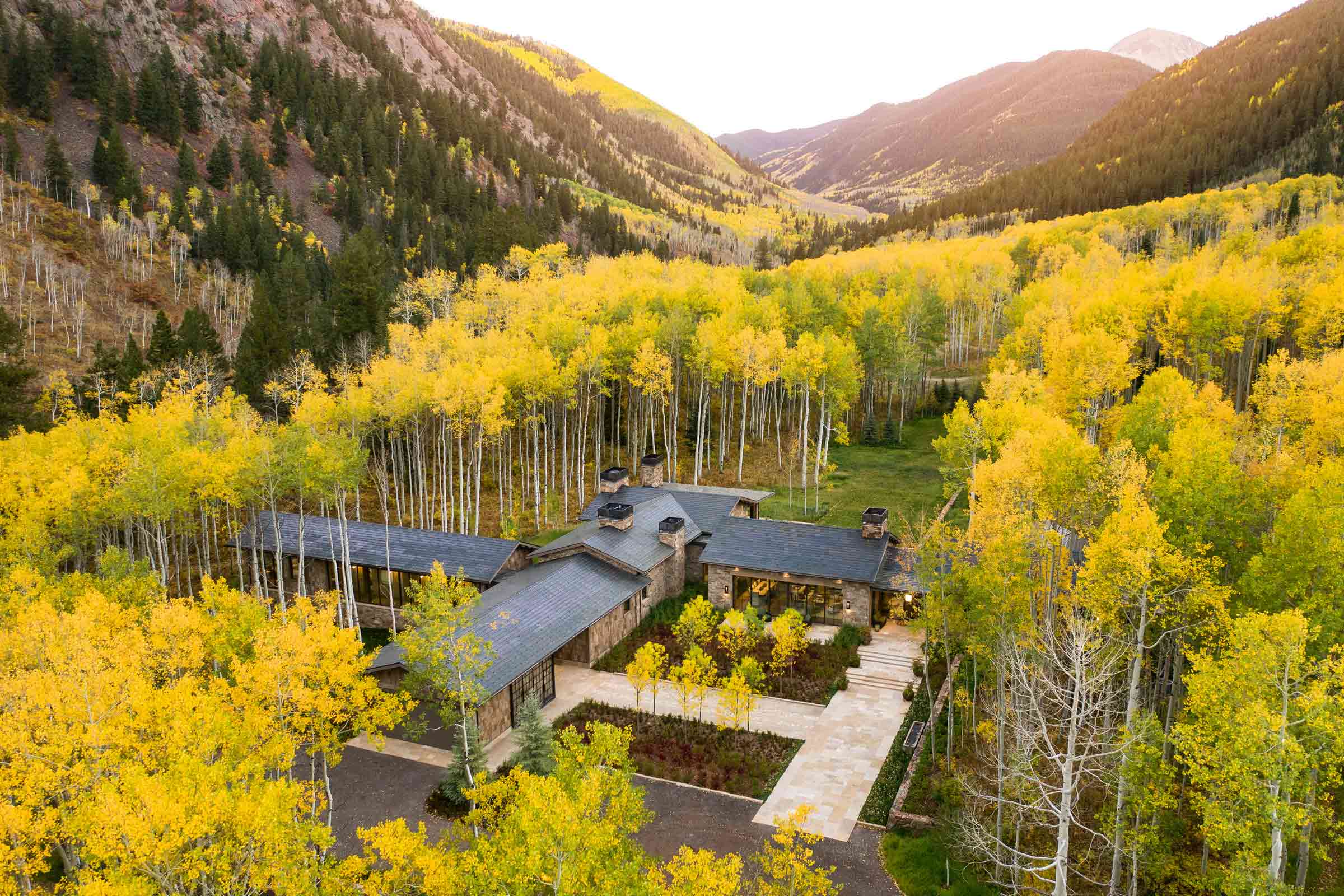
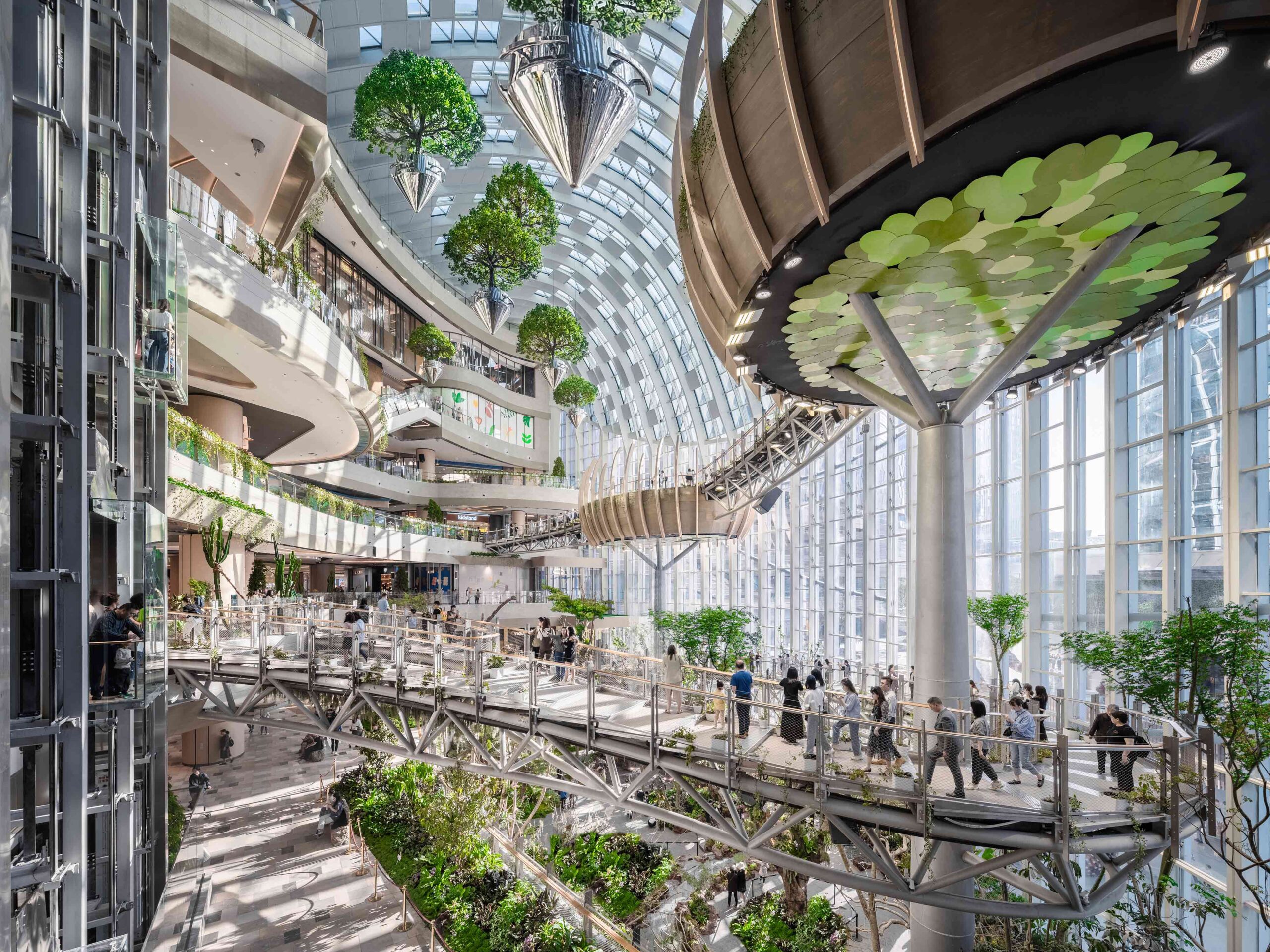
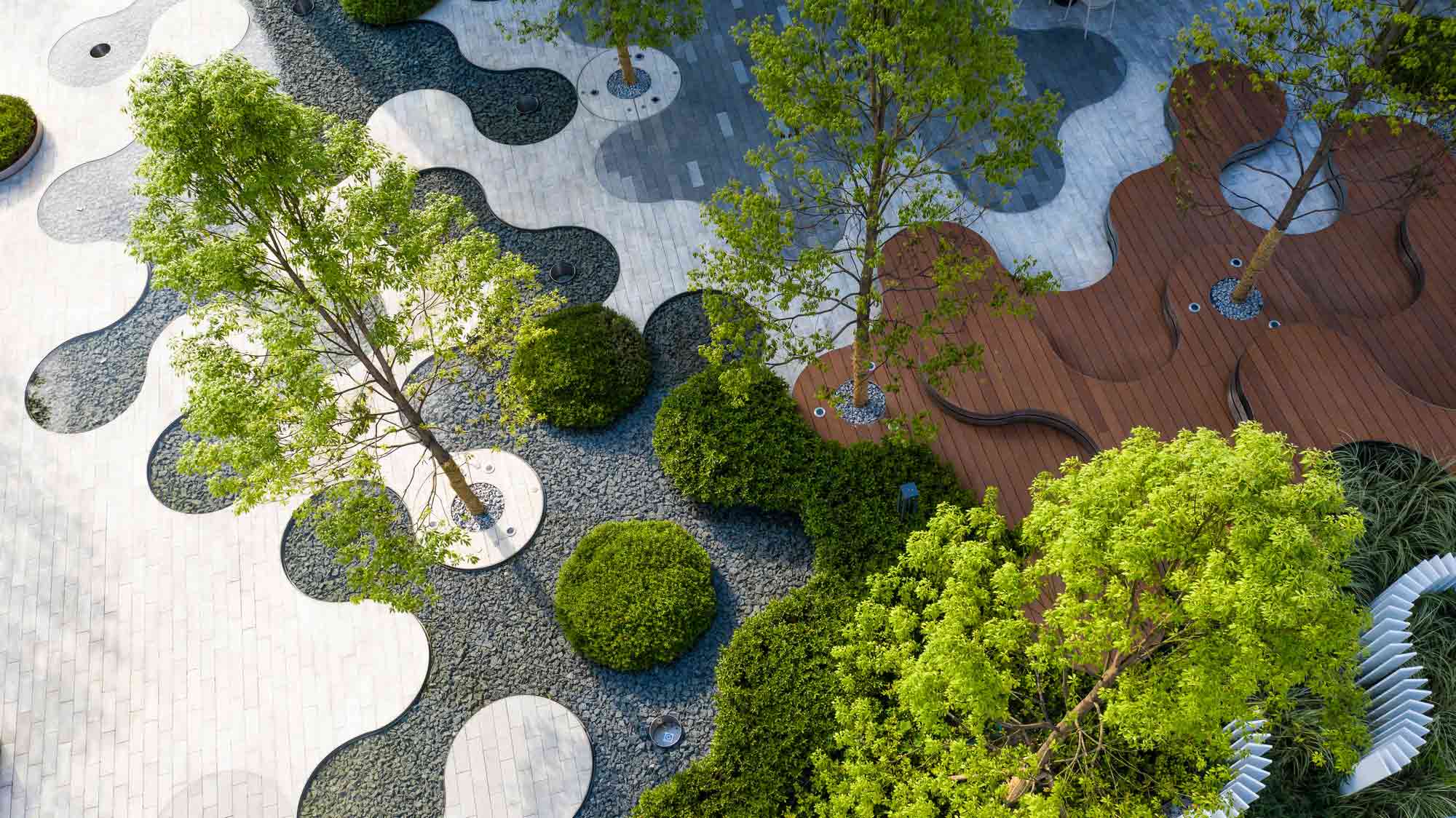
Hongkong Land’s Yorkville - The Ring by ASPECT Studios The Urban Gallery at Hyperlane by ASPECT StudiosFirm Location: Melbourne, Australia (Headquarters, with offices elsewhere)

Pictured Projects: Hongkong Land’s Yorkville – The Ring, Chongqing, China ; The Urban Gallery at Hyperlane, Chengdu, China

Encompassing a global team of landscape architects, urban designers and strategists, ASPECT Studios specializes in carving out exceptional public spaces that benefit the natural environment and enrich the lives of local residents.

The firm’s skillful approach blends cutting-edge technology and practices with playful, conceptual ideas. The studio interprets the unique context and history of a site in its own distinctive voice, producing dynamic surfaces of discovery that elevate each locale.


Best Large Firm (41+ employees)


Olson Kundig

Jury Winner, 11th Annual A+Awards, Best Large Firm (41+ employees)
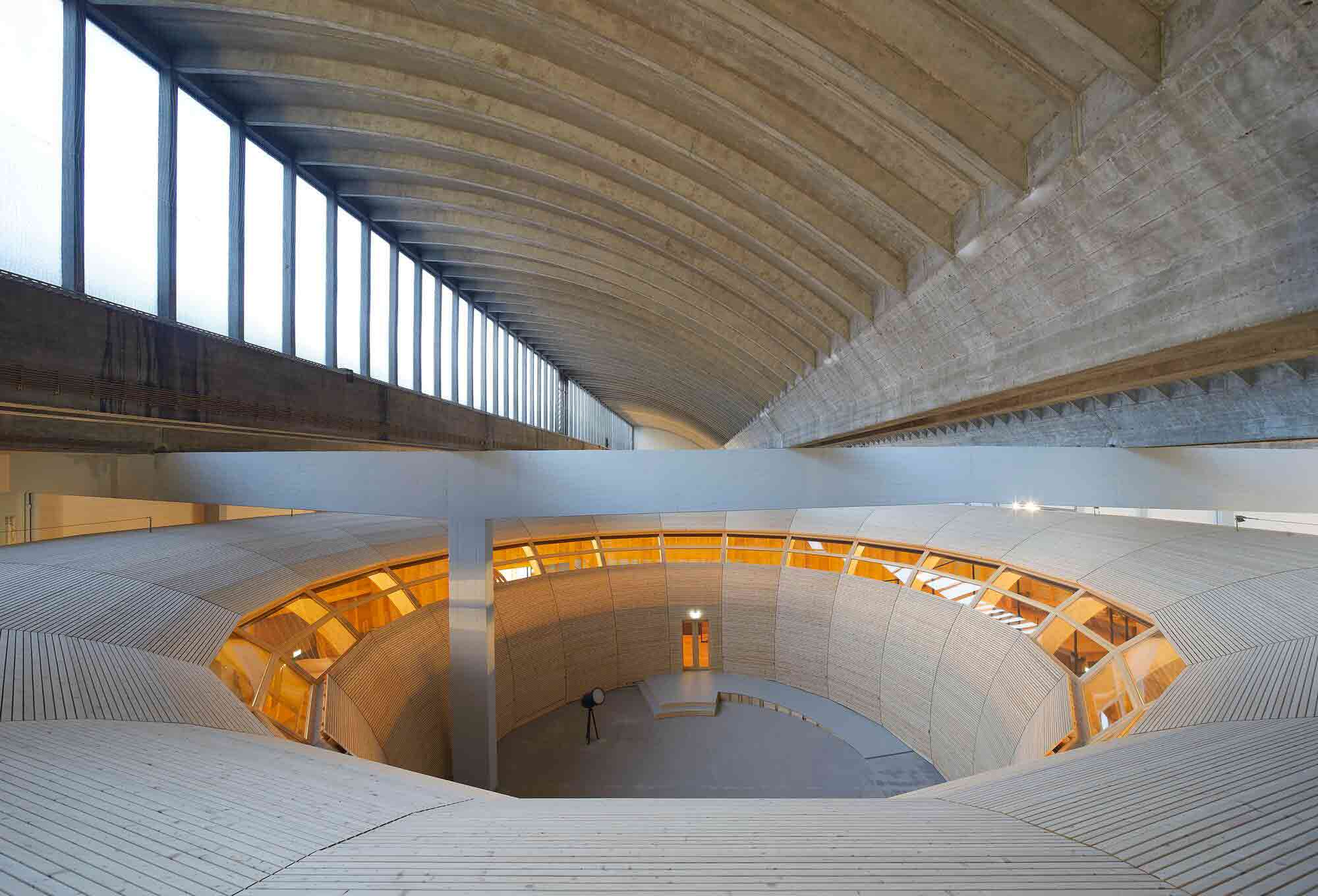
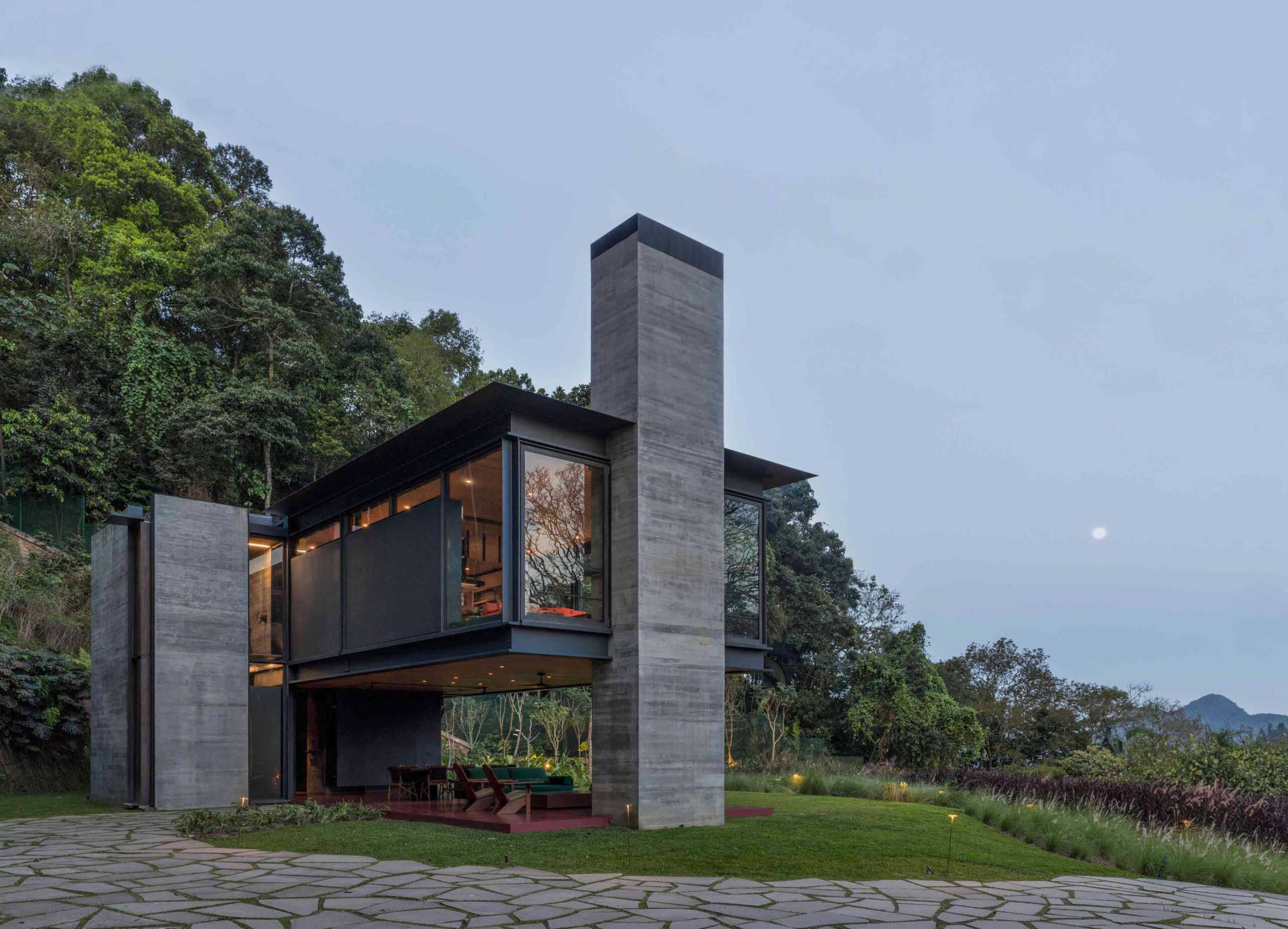
ANOHA—The Children’s World of the Jewish Museum Berlin by Olson Kundig Rio House by Olson KundigFirm Location: Seattle, Washington

Pictured Projects: ANOHA—The Children’s World of the Jewish Museum Berlin, Berlin, Germany ; Rio House, Rio de Janeiro, Brazil

The pioneering work of Seattle-based practice Olson Kundig can be found throughout five continents. The team’s outlook is grounded in the belief that buildings can be bridges between nature, culture and people, the same philosophy that fueled the firm’s inception back in 1966.

While the practice is historically known for its residential design, its portfolio demonstrates expansive expertise across all manner of typology, broaching commercial, industrial, educational, spiritual and hospitality spaces. Regardless of the scale or function, the studio’s attention to detail, from the big ideas to the minutest of details, is unwavering.


Architects 49

Popular Choice Winner, 11th Annual A+Awards, Best Large Firm (41+ employees)
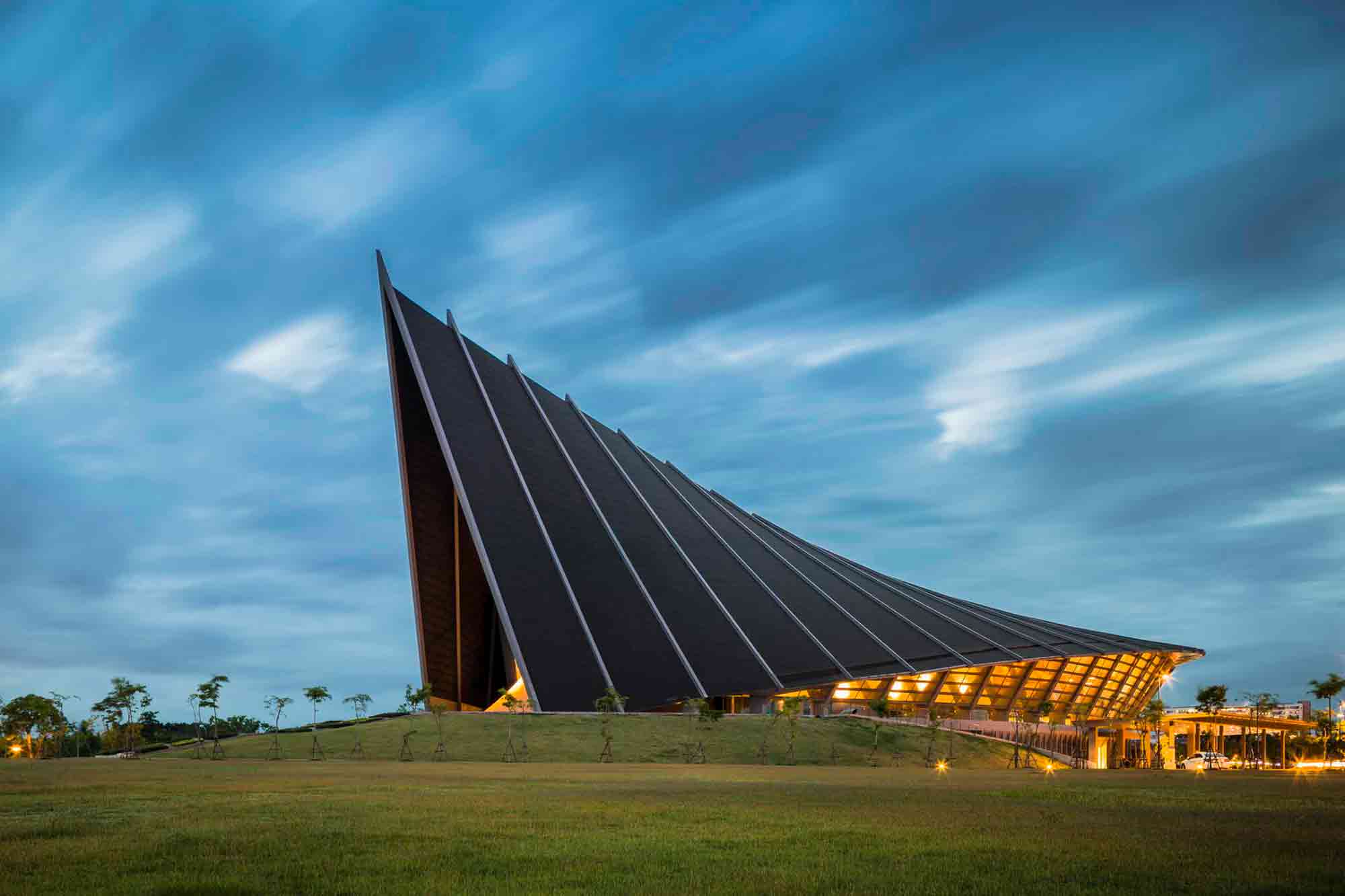
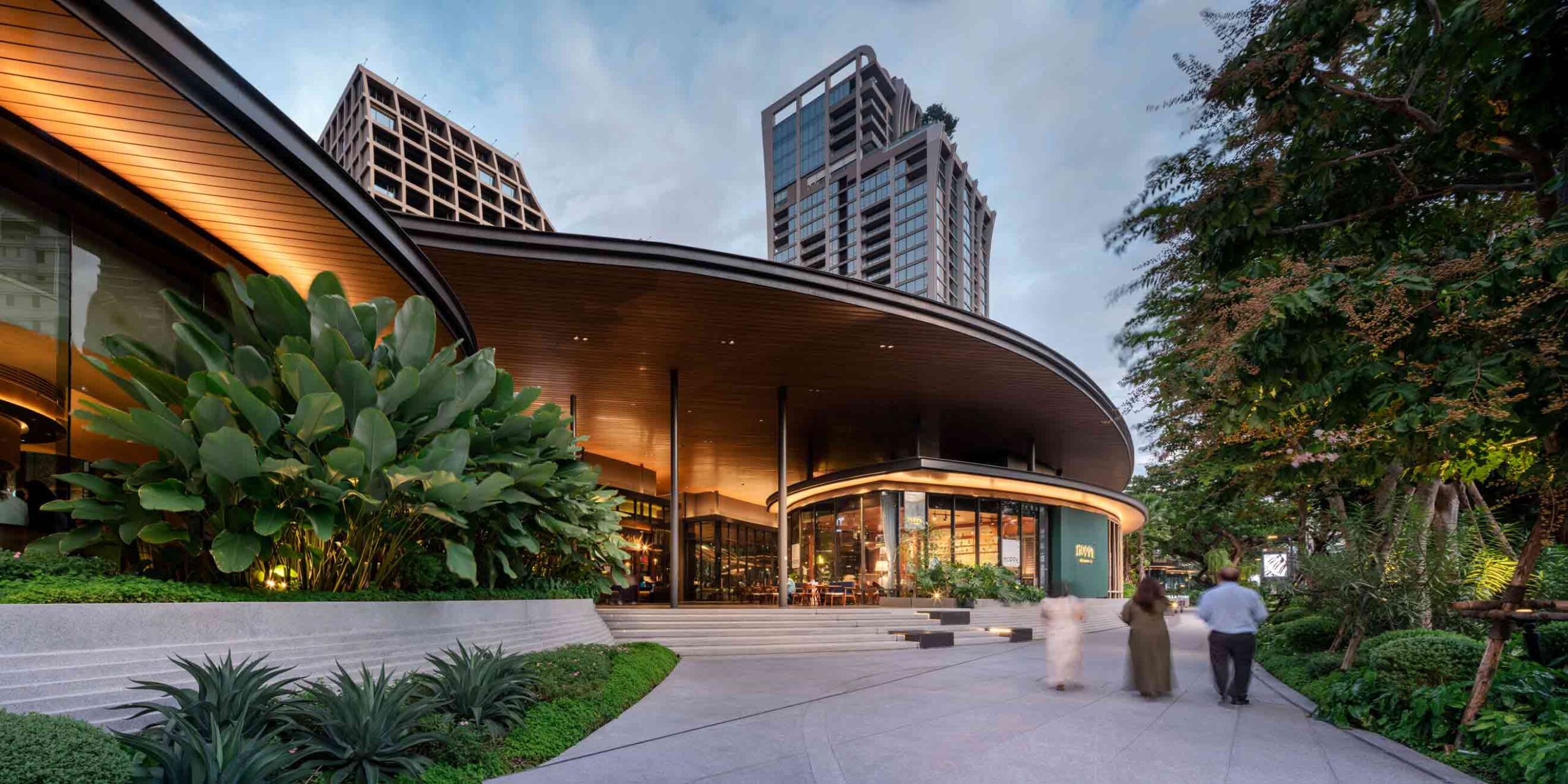
Prince Mahidol Hall by Architects 49 VELAA (THE SINHORN VILLAGE) by Architects 49Firm Location: Bangkok, Thailand

Pictured Projects: Prince Mahidol Hall, Salaya, Thailand ; VELAA (THE SINHORN VILLAGE), Bangkok, Thailand

Founded in 1983 by Nithi Sthapitanonda, Architects 49 espouses simplicity and elegant, clean lines. Inspired by the vibrant landscape of Thai art and architecture, the firm imparts a distinctive character to each project it encounters, embracing strong, dynamic forms that quickly cement themselves as local landmarks.

Its astonishing portfolio, spanning Asia and the Middle East, exemplifies the team’s adaptability, ranging from intimate residences to mixed-use developments and sprawling masterplans.


Best Medium Firm (16 – 40 employees)


WOODS + DANGARAN

Jury Winner, 11th Annual A+Awards, Best Medium Firm (16 – 40 employees)
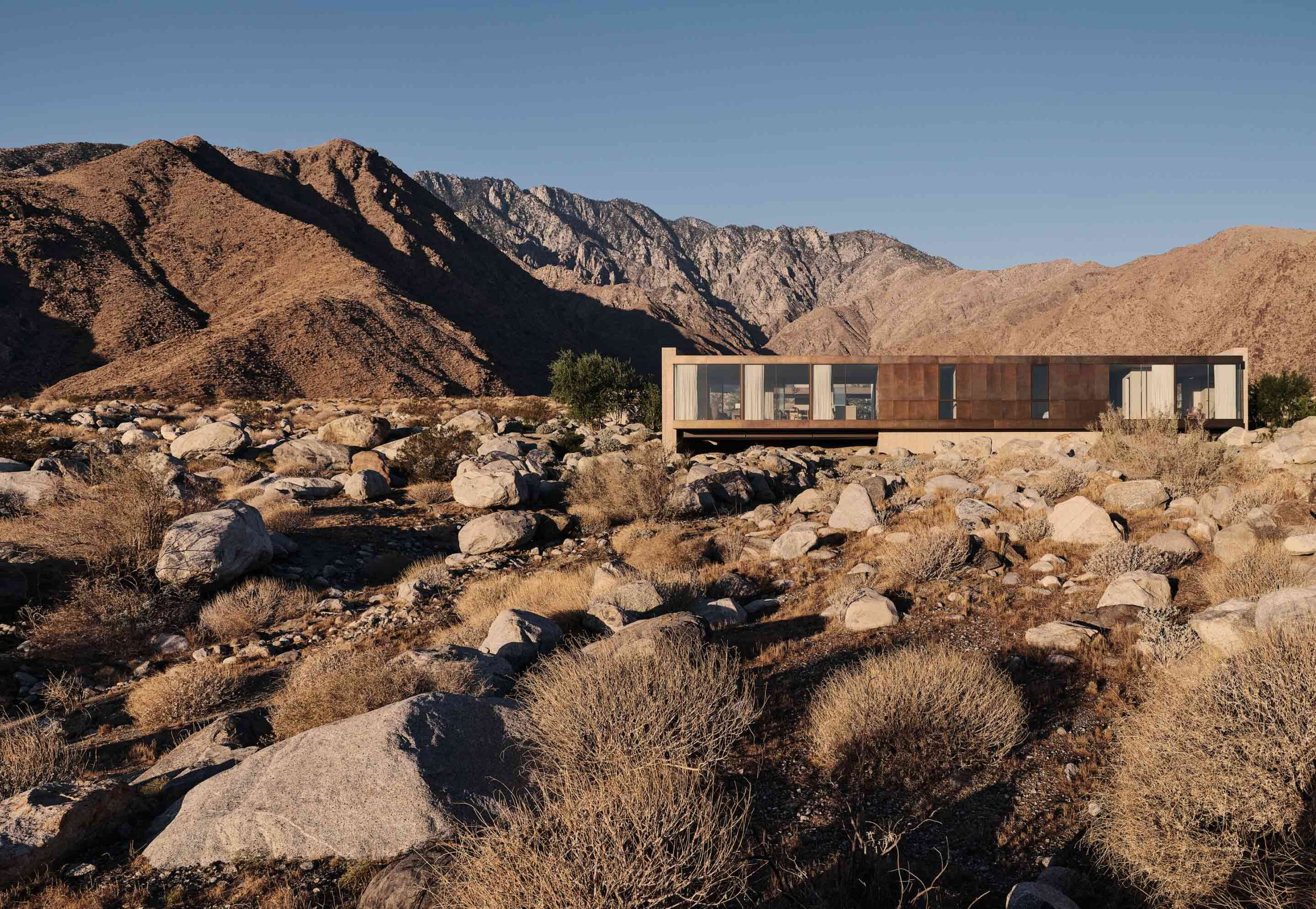
Desert Palisades by WOODS + DANGARAN Case Study by WOODS + DANGARANFirm Location: Los Angeles, California

Pictured Projects: Desert Palisades, Palm Springs, California ; Case Study, Culver City, California

Headquartered in Los Angeles, WOODS + DANGARAN is renowned for its outstanding work across the residential sphere. Exploration drives its practice, from interrogating a project’s context to establishing a rich, collaborative dialogue with clients.

The studio’s architectural catalog is defined by crisp, disciplined forms. Its approach is holistic, embracing the varied facets of residential typologies, weaving streamlined architecture with stand-out interiors and custom furnishings to curate a fluid spatial journey.


Hooba Design

Popular Choice Winner, 11th Annual A+Awards, Best Medium Firm (16 – 40 employees)
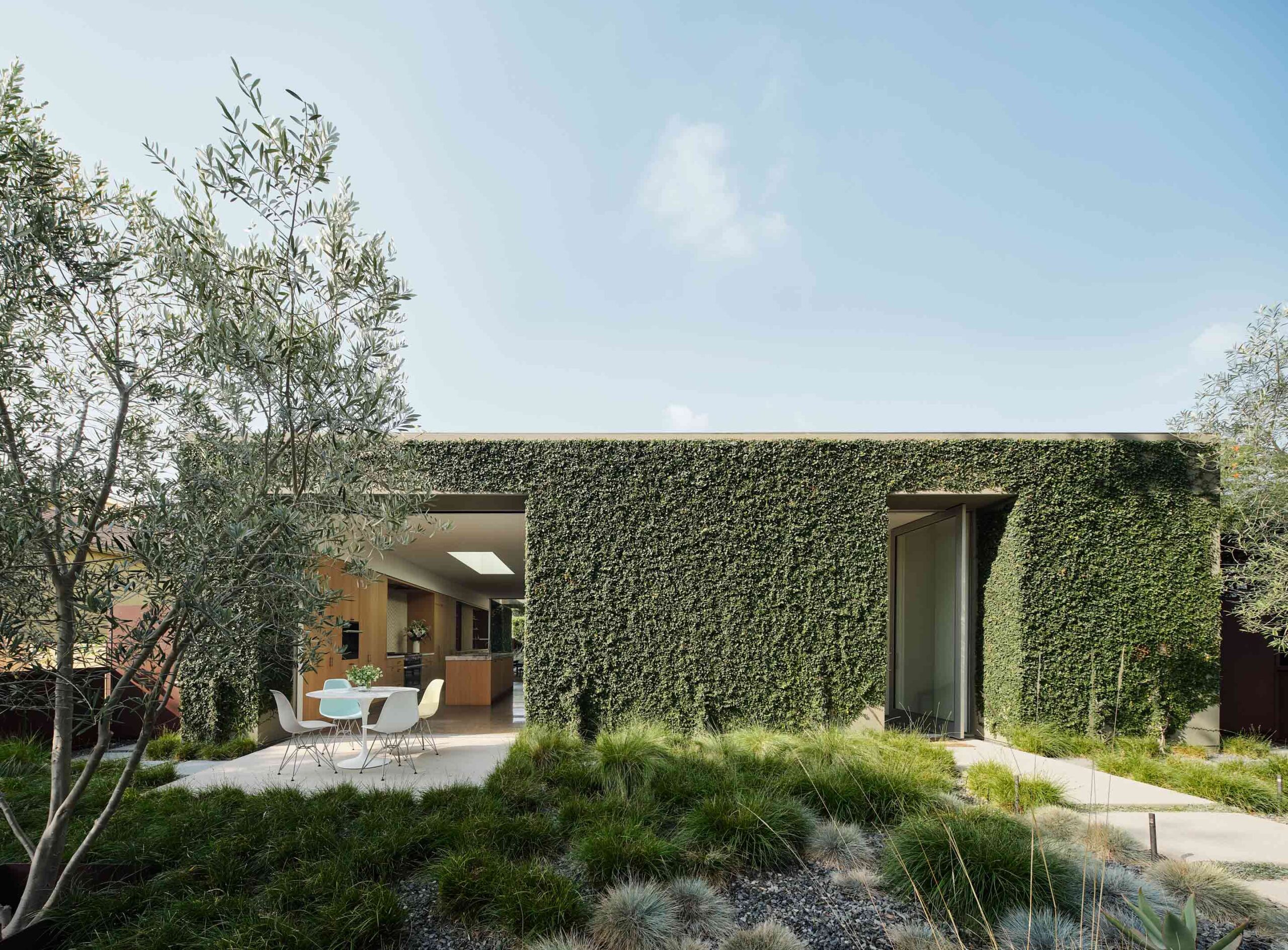
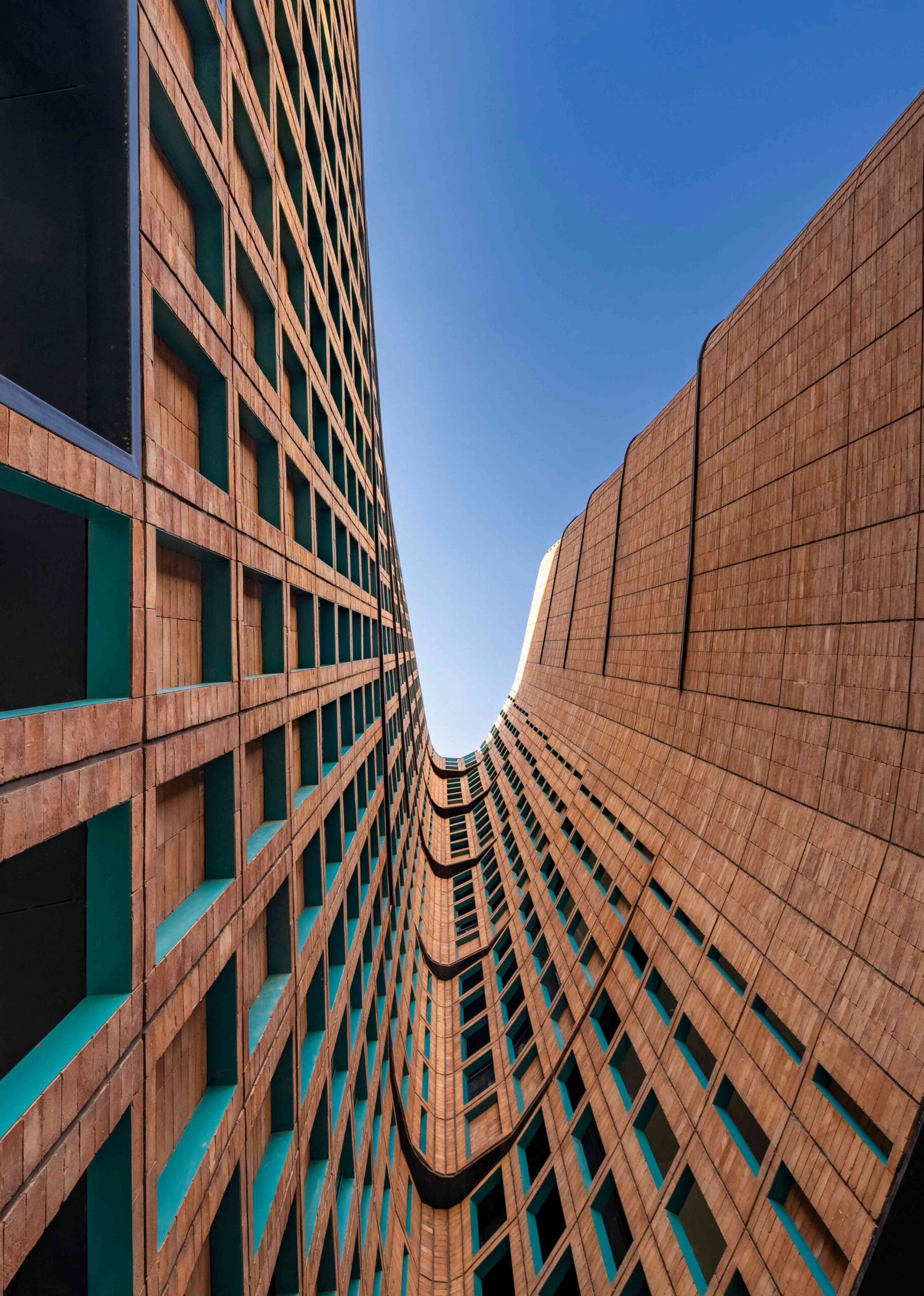
Hitra Office & Commercial Building by Hooba Design Kohan Ceram Central Office Building by Hooba DesignFirm Location: Tehran, Iran

Pictured Projects: Hitra Office & Commercial Building, Tehran, Iran ; Kohan Ceram Central Office Building, Tehran, Iran

Founded in 2007 by Hooman Balazadeh, Hooba Design has established itself as an accomplished all-rounder. The firm’s impressive scope extends from commercial buildings, such as factories, showrooms and office blocks, to residential apartments and multi-unit housing developments.

Utilizing pioneering design and construction methods, its work is informed by each site’s unique cultural and geographic qualities. Consequently, the studio’s projects strike a considered balance between innovation and contextual sensitivity.


Best Small Firm (6 – 15 employees)


MQ Architecture

Jury Winner, 11th Annual A+Awards, Best Small Firm (6 – 15 employees)
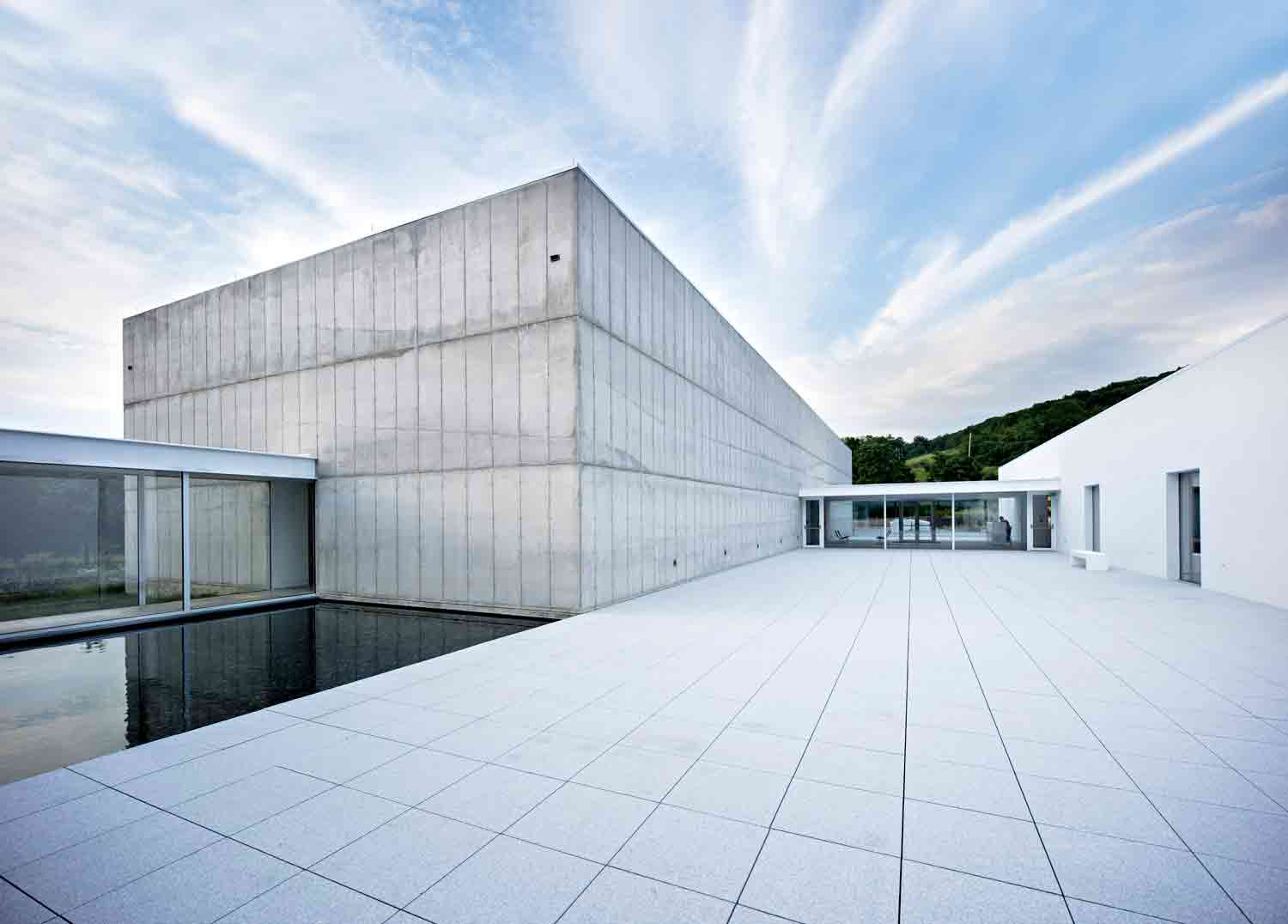
Magazzino Italian Art Museum by MQ Architecture Stella’s Cucina by MQ ArchitectureFirm Location: Manhattan, New York

Pictured Projects: Magazzino Italian Art Museum, Cold Spring, New York ; Stella’s Cucina, Boulder, Colorado

Demonstrating mastery over typologies including cultural, corporate, hospitality, retail and residential, MQ Architecture specializes in high-end architectural design. The New York-based firm offers its clients a full-service architectural package, incorporating design, permitting and construction management.

The studio’s portfolio showcases its attention to detail and aptitude for problem-solving. Projects like the Magazzino Italian Art Museum display a deft handling of natural light and scale, while Stella’s Cucina is an exercise in delicate yet immersive interior design.


MARS Studio

Popular Choice Winner, 11th Annual A+Awards, Best Small Firm (6 – 15 employees)
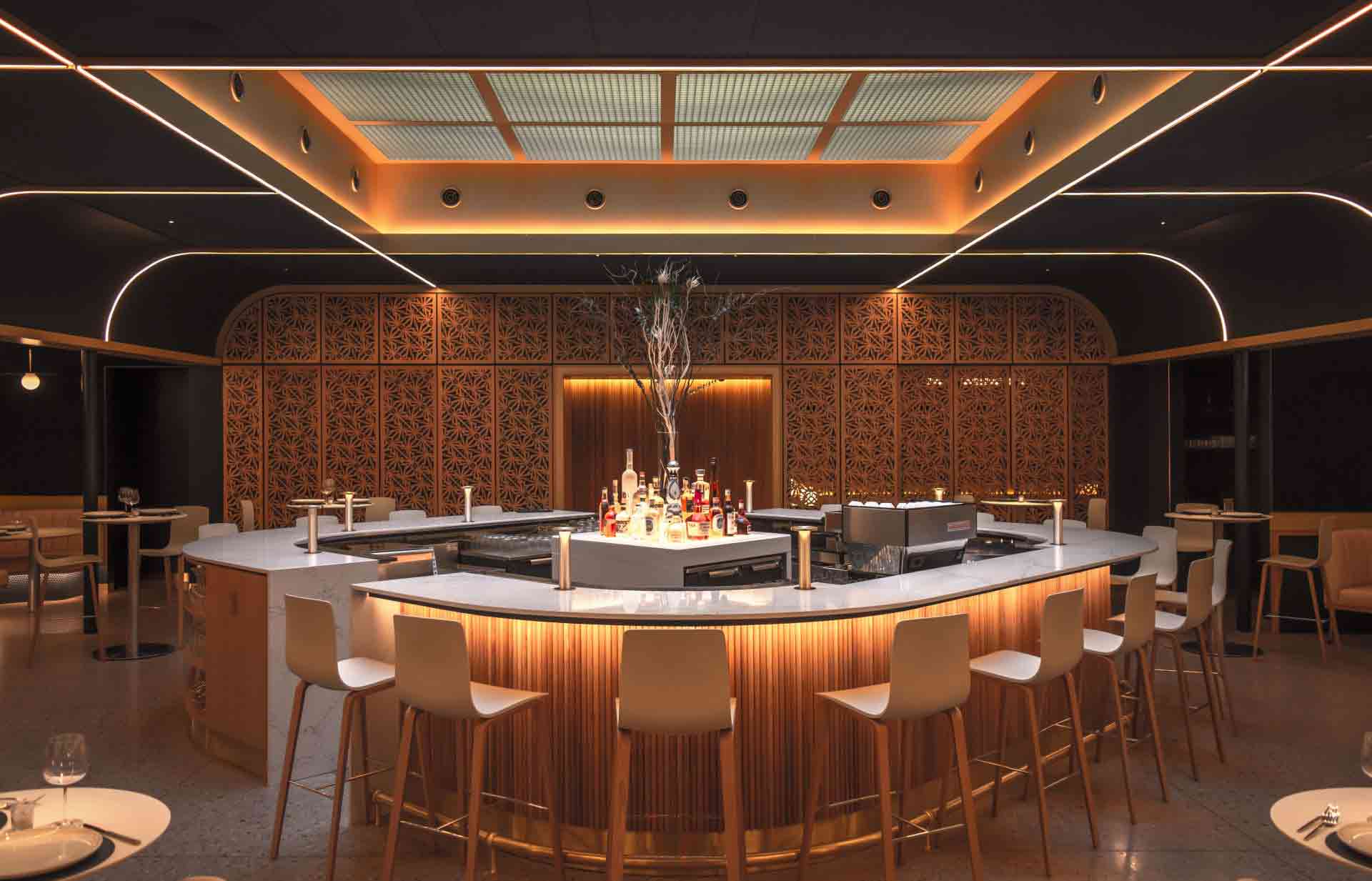
Tianfu Conference Center by MARS Studio SOMESOME Bar & Restaurant by MARS StudioFirm Location: Beijing, China

Pictured Projects: Tianfu Conference Center, Chengdu, China ; SOMESOME Bar & Restaurant, Beijing, China

Headquartered in Beijing, MARS Studio has already made a global impact in the short years since its founding. From planning to conceptual design to construction, the firm instils quality into every step of the project workflow.

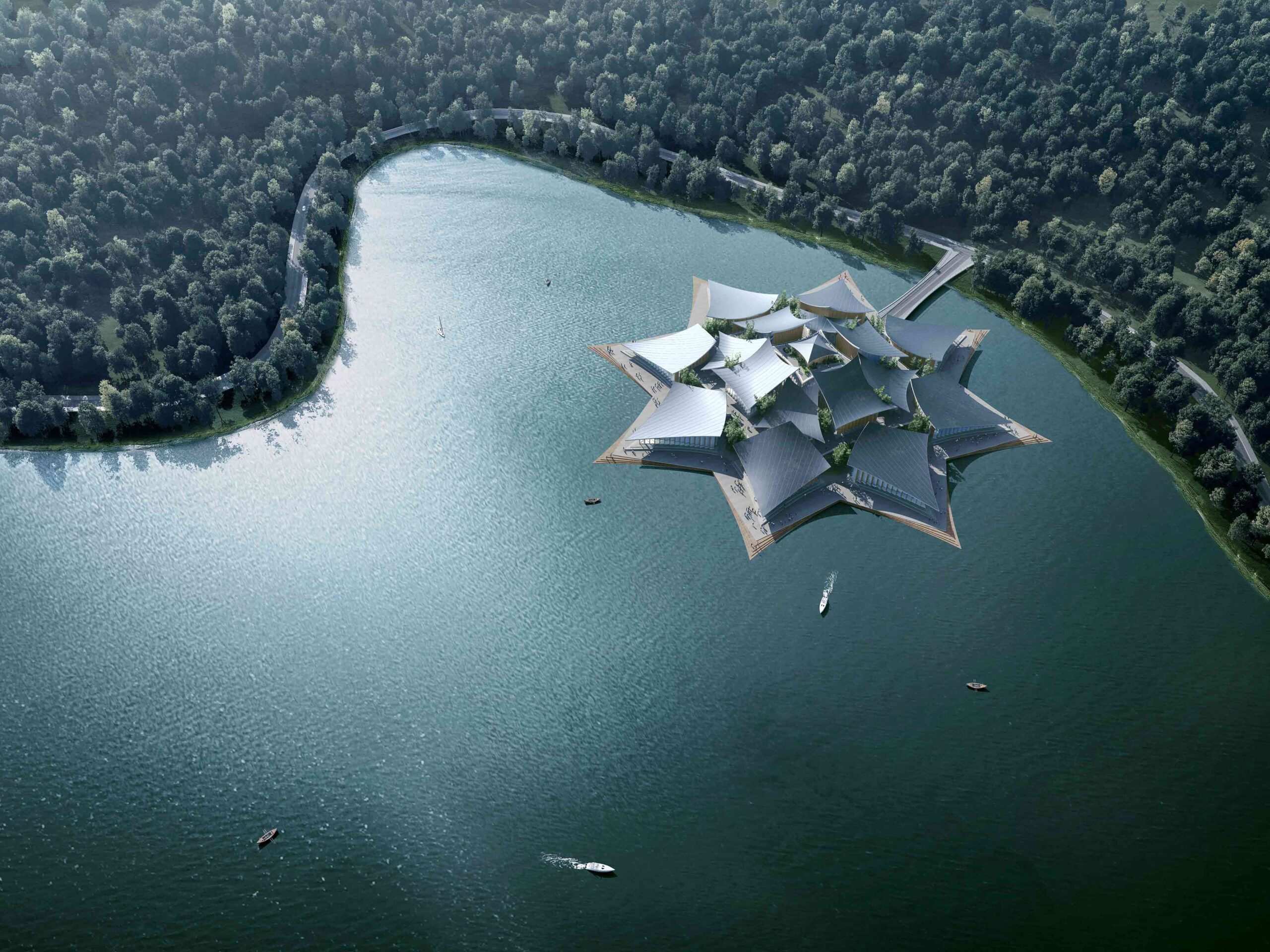
After previously making waves at the 10th A+Awards in 2022, this ambitious team has gone from strength to strength. Their stand-out projects so far include a captivating restaurant, defined by its undulating surfaces, and a compelling concept for a futuristic, floating conference center.


Best X-Small Firm (1 – 5 employees)


Blue Temple

Jury Winner, 11th Annual A+Awards, Best X-Small Firm (1 – 5 employees)
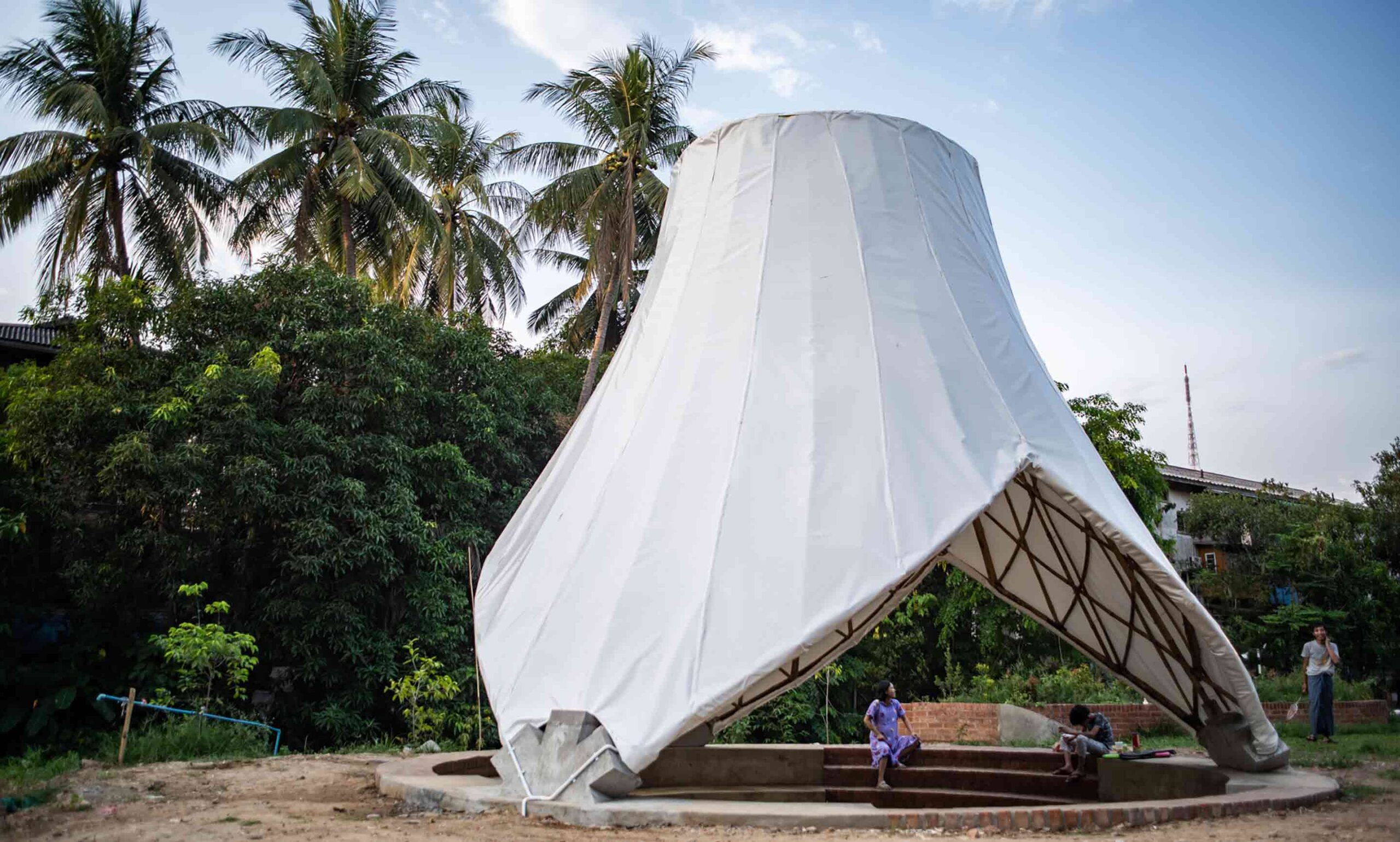
Plot ABC by Blue Temple Infinity by Blue TempleFirm Location: Yangon, Myanmar

Pictured Projects: Plot ABC, Yangon, Myanmar ; Infinity, Yangon, Myanmar

From innovative housing solutions for displaced communities to public parks and playgrounds, Blue Temple’s portfolio comprises an array of compassionate projects instigating real change across the landscape of Yangon in Myanmar.

The firm’s approach is rooted in the wisdom of traditional local materials like bamboo, along with time-honored building techniques. This recourse to the past stands as a counterpoint to the city’s new metal structures and a reminder of the wisdom of vernacular construction.


Rangr Studio

Popular Choice Winner, 11th Annual A+Awards, Best X-Small Firm (1 – 5 employees)
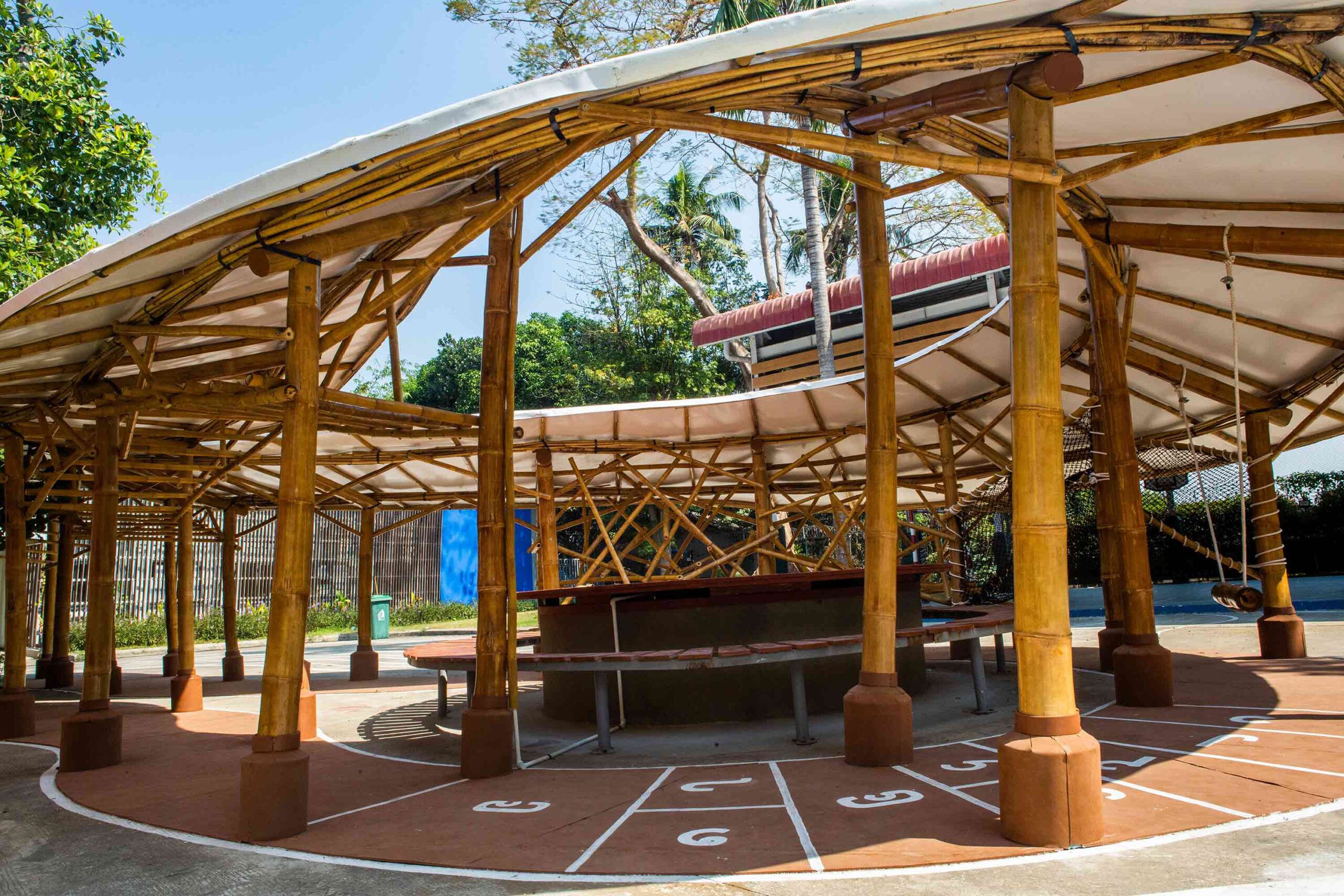
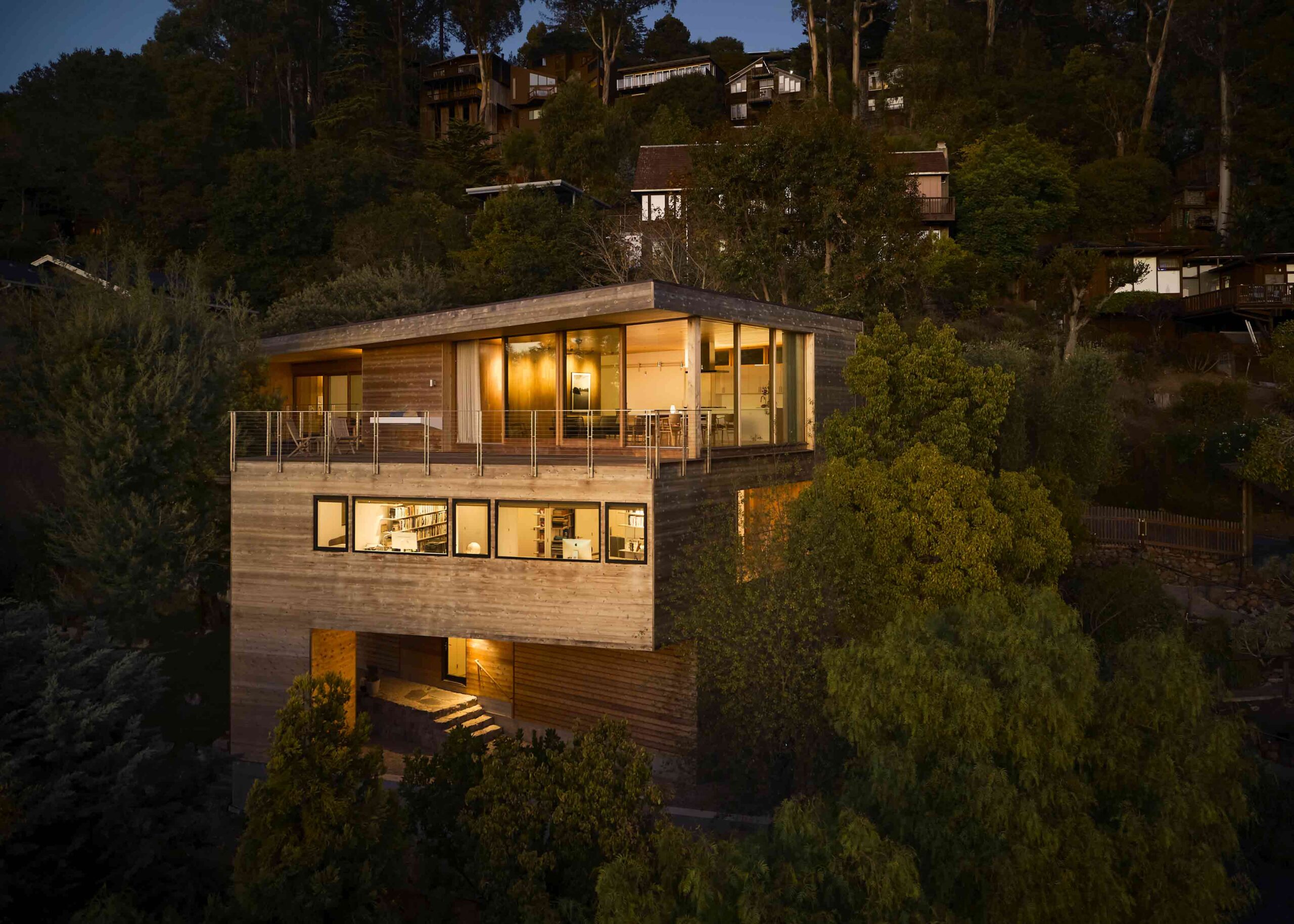
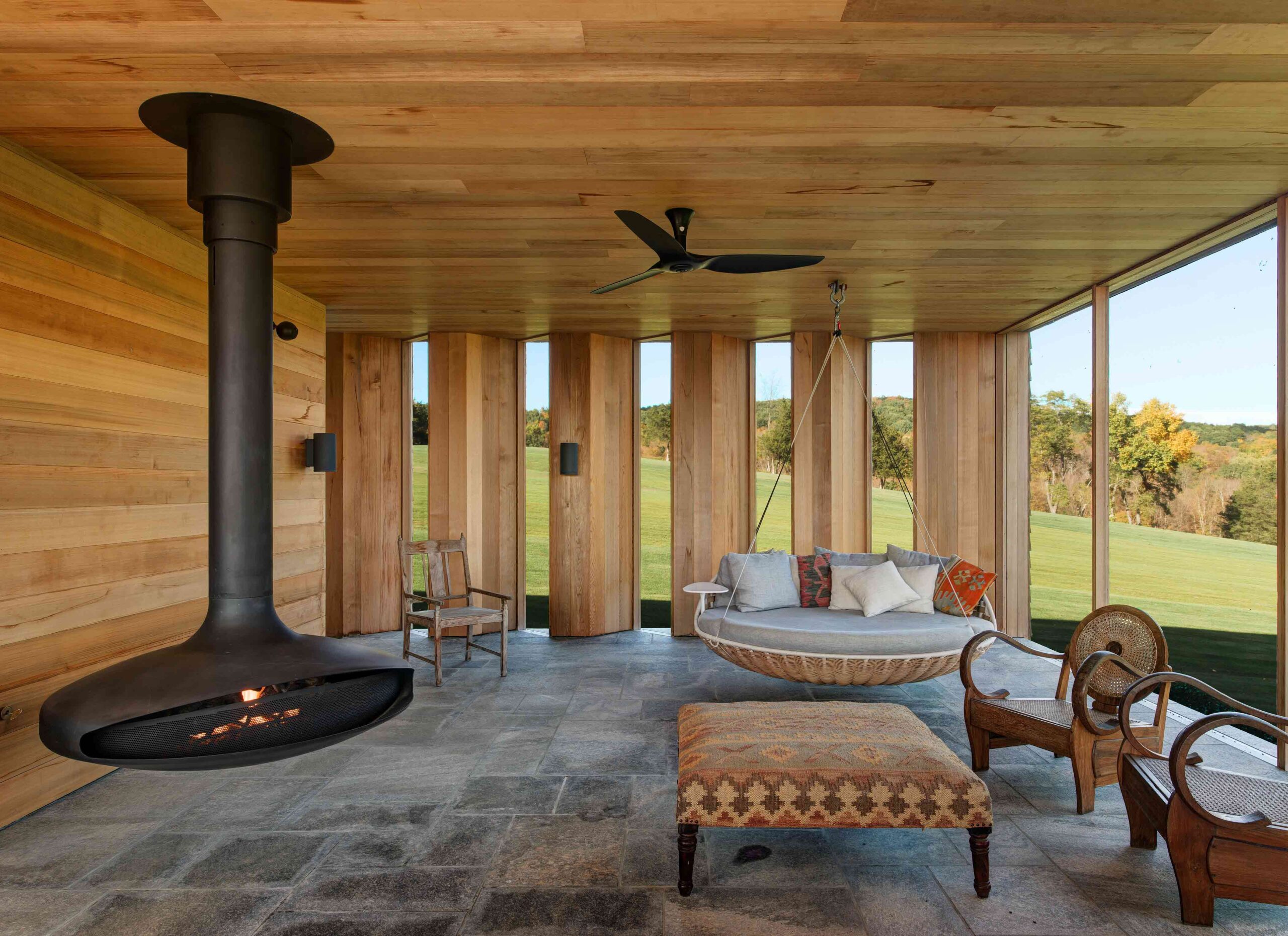
Buena Vista House by Rangr Studio Compound in the Hudson Valley by Rangr StudioFirm Location: Berkeley, California (Headquarters, with offices elsewhere)

Pictured Projects: Buena Vista House, Berkeley, California ; Compound in the Hudson Valley, Columbia County, New York

Informed by founder Jasmit Singh Rangr’s childhood in India, the remarkable work of Berkeley-based Rangr Studio draws inspiration from the historic architecture of the Mughal Empire. Combined with cutting-edge sustainable materials, the firm’s approach places past and present in dialogue.

Their body of work, from residential to hospitality and educational spaces, is deeply reactive to environmental and cultural contexts. Prioritizing ancient design principles that utilize solar, wind and hydropower, the studio delivers conscientious projects that respond to the challenges of climate change.


Best Young Firm


MUDA-Architects

Jury Winner, 11th Annual A+Awards, Best Young Firm
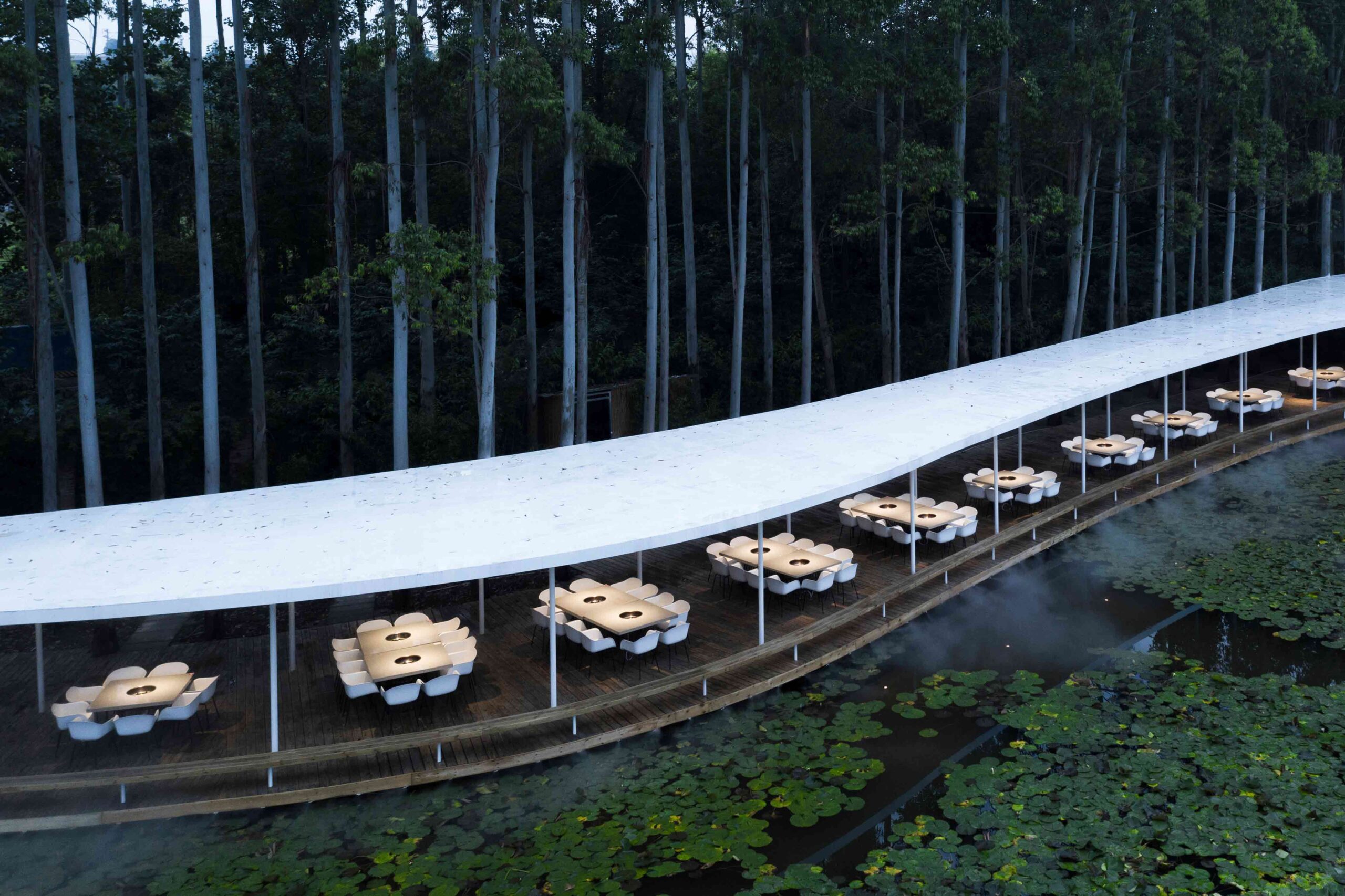
Garden Hotpot Restaurant by MUDA-Architects Minjiang Courier Center by MUDA-ArchitectsFirm Location: Chengdu, China

Pictured Projects: Garden Hotpot Restaurant, Chengdu, China ; Minjiang Courier Center, Chengdu, China

Founded in 2015 and establishing its first office in Chengdu two years later, MUDA-Architects has already carved out a strong, definitive voice in its relatively short history. Excelling across commercial, cultural, municipal and interior design spheres, its polished portfolio is a testament to the firm’s ingenuity.

Its team of creative designers is innovative yet considered in their approach. Ever mindful of each project’s cultural and environmental landscape, the studio fuses respect for the past with forward-looking visions of the future.


Leckie Studio Architecture + Design

Popular Choice Winner, 11th Annual A+Awards, Best Young Firm
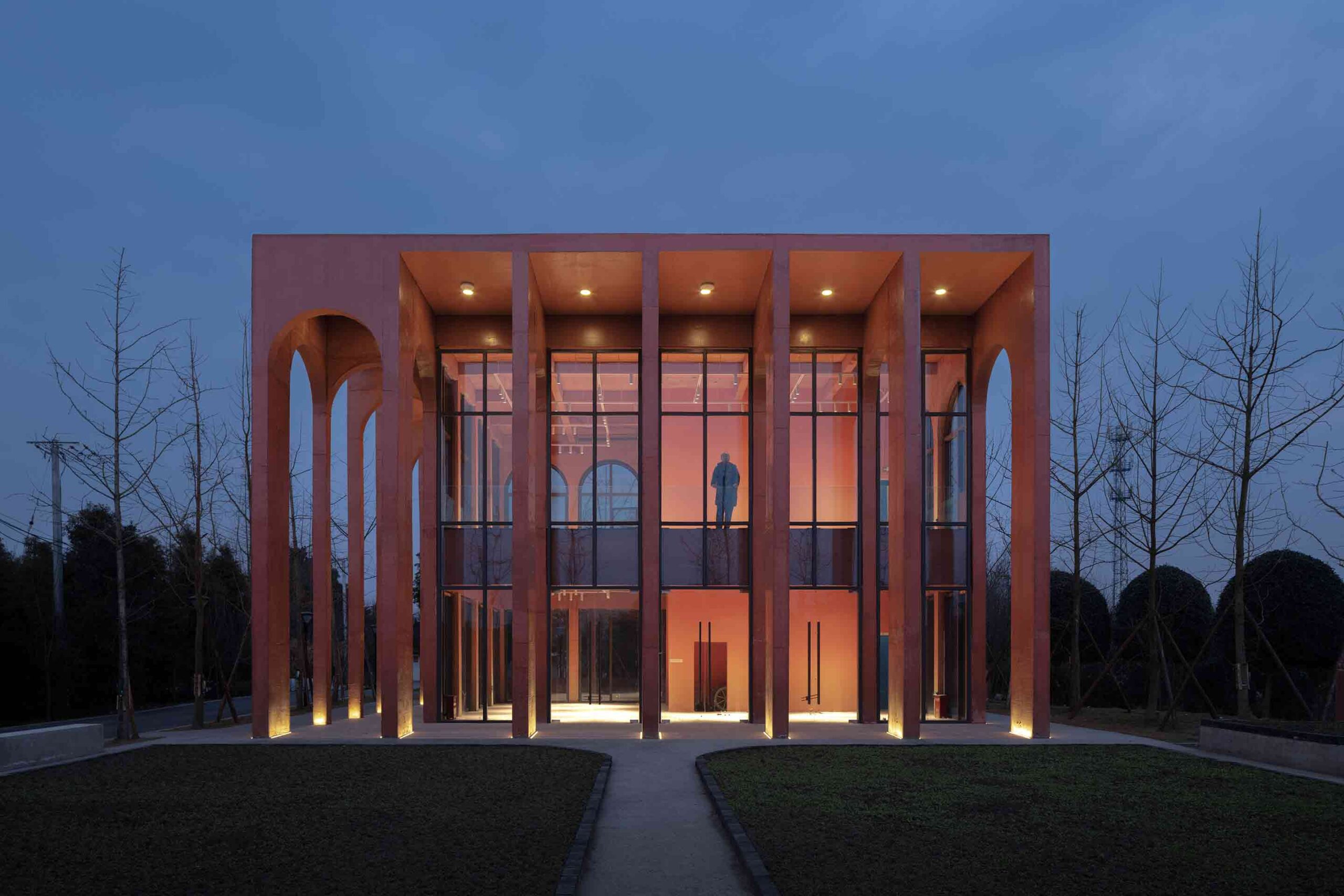
Full House by Leckie Studio Architecture + Design Camera House by Leckie Studio Architecture + DesignFirm Location: Vancouver, Canada

Pictured  Projects: Full House, Vancouver, Canada ; Camera House, Pemberton, Canada

Fueled by a desire to push the conventional bounds of architecture, Leckie Studio Architecture + Design was founded in 2015. The ambitious newcomer has set itself apart thanks to a catalog of extraordinary projects across varying scales, spanning residential, commercial and institutional typologies, as well as installations and product design.

While the studio delights in subverting tradition, its pioneering work is fundamentally rooted in creative problem-solving. Combined with sustainable principles and a sensitive regard for locality, the result is artful spaces that articulate the unexpected.


Best Young Interior Design Firm


Pulse On Partnership Limited

Jury Winner, 11th Annual A+Awards, Best Young Interior Design Firm
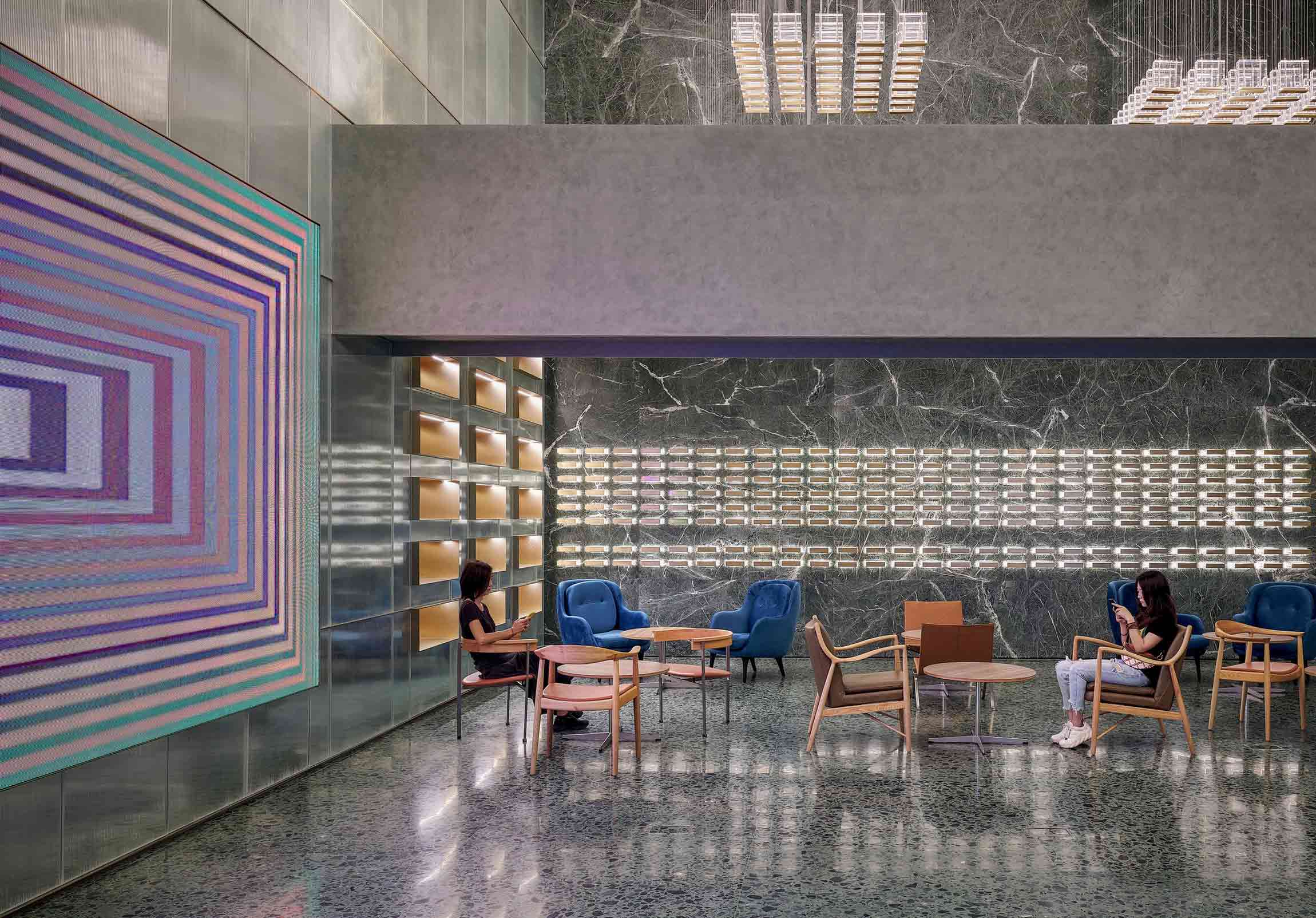
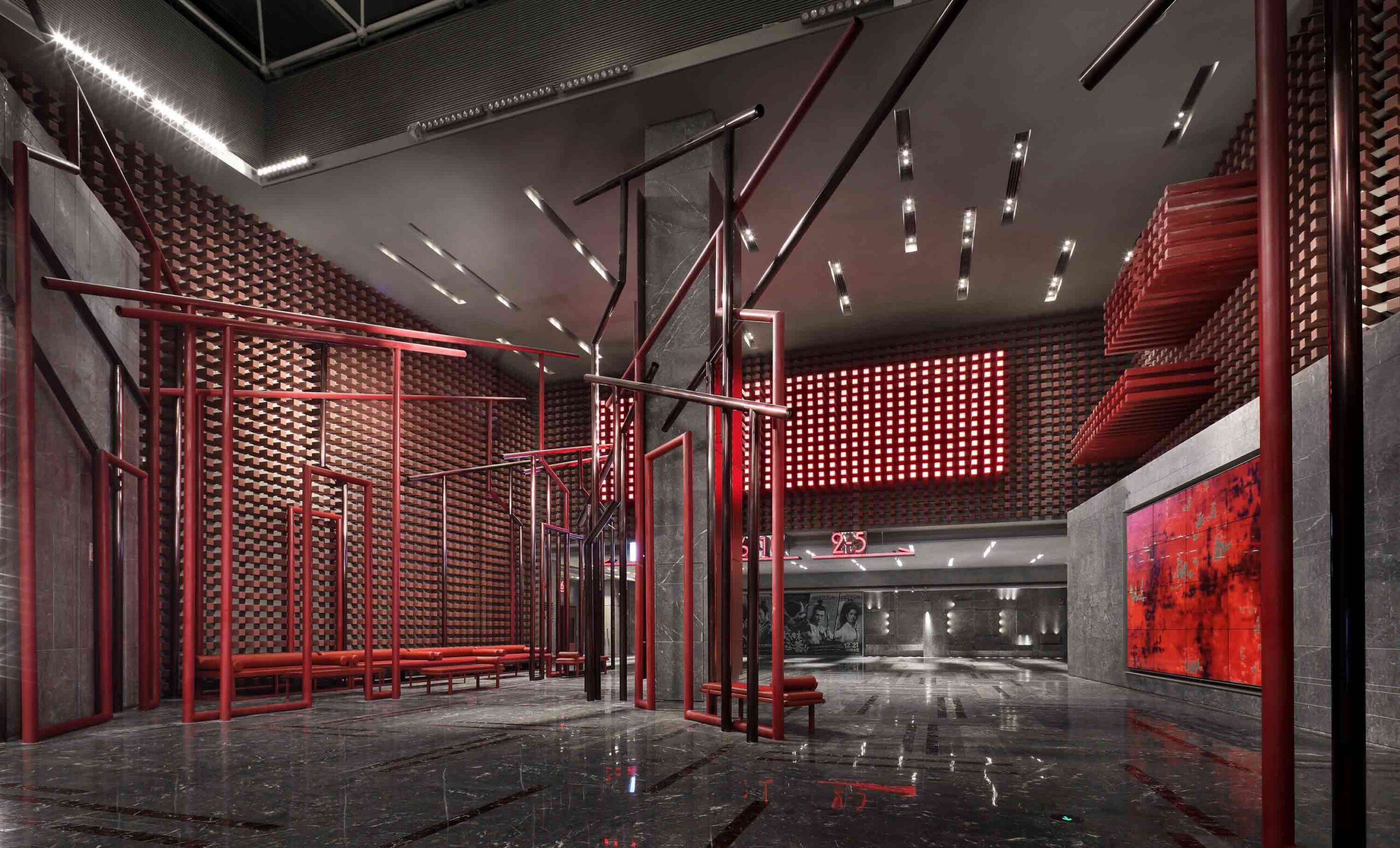
SHANGHAI ONE EAST - PALACE CINEMA by Pulse On Partnership Limited BONA INTERNATIONAL CINEMA AT XIAN JOY CITY by Pulse On Partnership LimitedFirm Location: Hong Kong

Pictured Projects: SHANGHAI ONE EAST – PALACE CINEMA, Shanghai, China ; BONA INTERNATIONAL CINEMA AT XIAN JOY CITY, Xi’an, China

This Hong Kong-based interior design practice was established in 2017 by Ajax Law and Virginia Lung. Specializing in the commercial realm, the fledgling firm has already made its mark transforming entertainment spaces, retail stores and offices into rich inner worlds.

Its roster of work displays the team’s skill in creating immersive, multi-layered schemes. In SHANGHAI ONE EAST – PALACE CINEMA, floating installations of glass bricks create a mirage that plays with light and permeability. Meanwhile, their BONA INTERNATIONAL CINEMA AT XIAN JOY CITY project responds to its ancient locale, channeling the lines of historic Chinese architecture to inform striking, abstract tableaus.


Etereo Design

Popular Choice Winner, 11th Annual A+Awards, Best Young Interior Design Firm
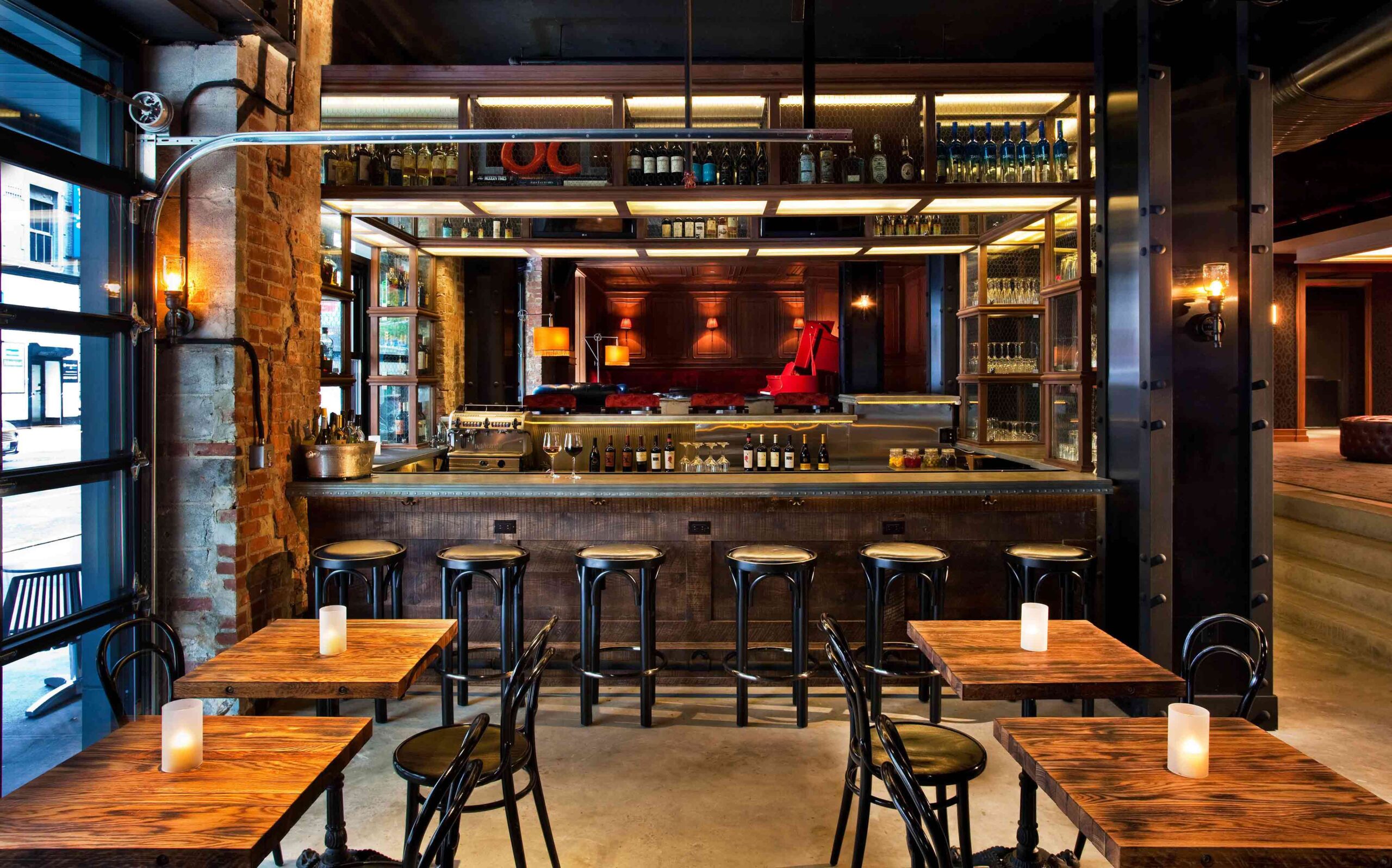
Ghaf Majlis by Etereo Design Sontuosa by Etereo DesignFirm Location: Dubai, United Arab Emirates (Headquarters, with offices elsewhere)

Pictured Projects: Ghaf Majlis, Ajman, United Arab Emirates ; Sontuosa, Dubai, United Arab Emirates

Where the artistic heritage of Italy meets the aesthetics of the Middle East, Etereo Design harmoniously combines two distinct design cultures to deliver exceptional, inspiring spaces that promote the creativity of their users.

From commercial to residential projects, the firm is deeply involved in every step of project planning, from design conception to material selection and sourcing suppliers. The team’s diverse personal and professional backgrounds allow them to fuse contrasting concepts like engineering and poetry to achieve a measured balance between form and function.


Best Commercial Firm


Stonehill Taylor

Jury Winner, 11th Annual A+Awards, Best Commercial Firm
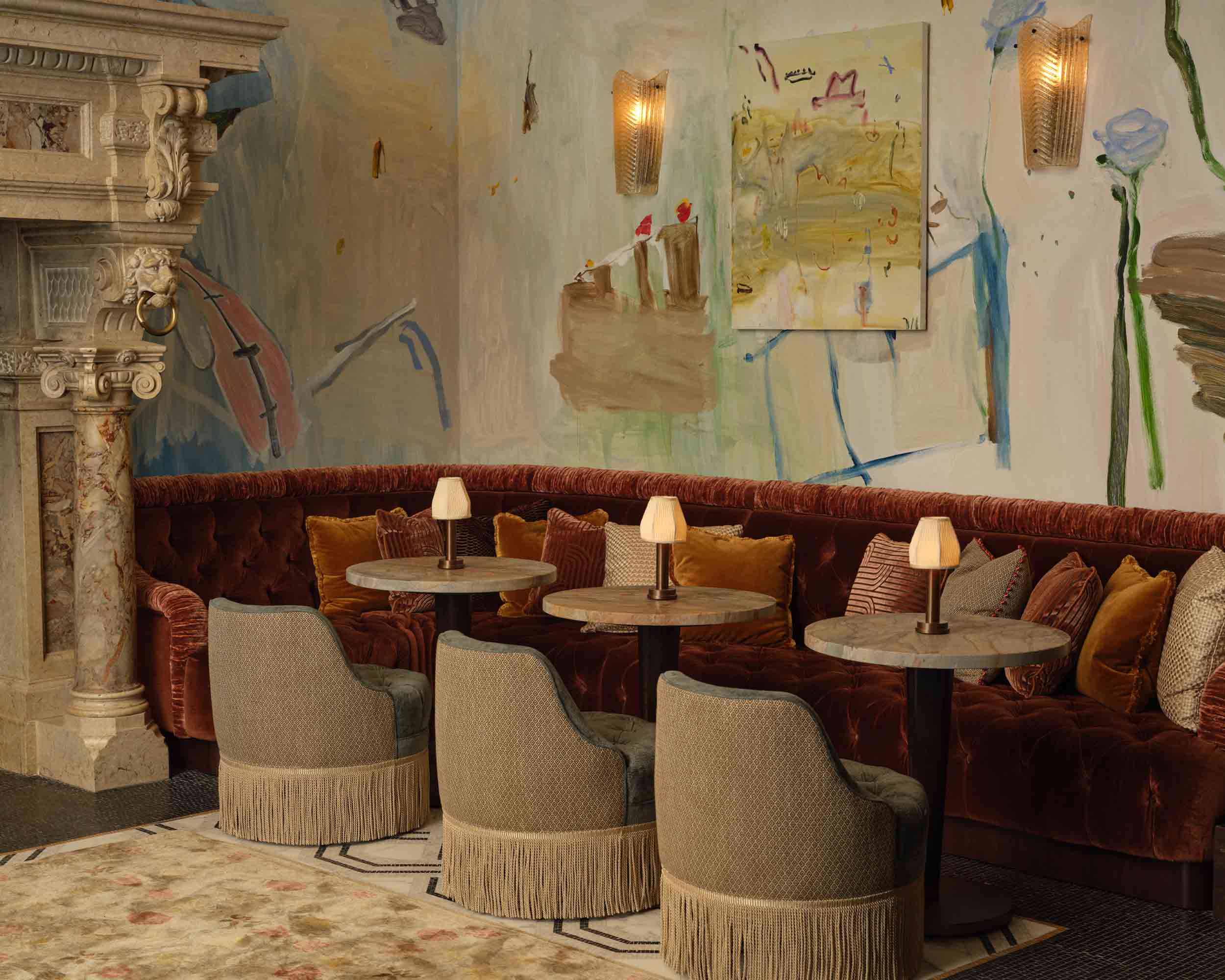
The Ned NoMad by Stonehill Taylor NYLO New York City by Stonehill TaylorFirm Location: New York, New York

Pictured Projects: The Ned NoMad, New York, New York ; NYLO New York City, New York, New York

An impressive all-rounder, Stonehill Taylor is particularly skilled at reimagining commercial spaces, from restaurants and hospitality projects to showrooms and corporate headquarters. Its diverse portfolio is indicative of the careful attention the firm gives to each brief, resulting in unique, creative responses to its client’s needs.

The New York-based team’s expansive skillset covers cutting-edge construction techniques, adaptive reuse projects and interior design, as well as furniture and product design. Holistic and meticulous in its approach, the practice delivers remarkably well-rounded schemes.


UUA (United Units Architects)

Popular Choice Winner, 11th Annual A+Awards, Best Commercial Firm
Dalian 37 Xiang by UUA (United Units Architects) The Exo Towers by UUA (United Units Architects)Firm Location: Beijing, China (Headquarters, with offices elsewhere)

Pictured Projects: Dalian 37 Xiang, Dalian, China ; The Exo Towers, Shaoxing, China

Based in Beijing and London, award-winning practice United Units Architects (UUA) has made a name for itself in the commercial sphere. The pioneering firm’s philosophy pairs technical precision with a humanistic approach, championing integrated design and prefabricated construction methods.

Forward-looking solutions are at the heart of the team’s work. Designing with an uncertain future in mind, the firm ensures its buildings are versatile and adaptable in form, embracing space frames and other architectural solutions to increase the flexibility of each structure, should it need to be repurposed in the future.


Best Cultural Firm


MAD Architects

Jury Winner, 11th Annual A+Awards, Best Cultural Firm
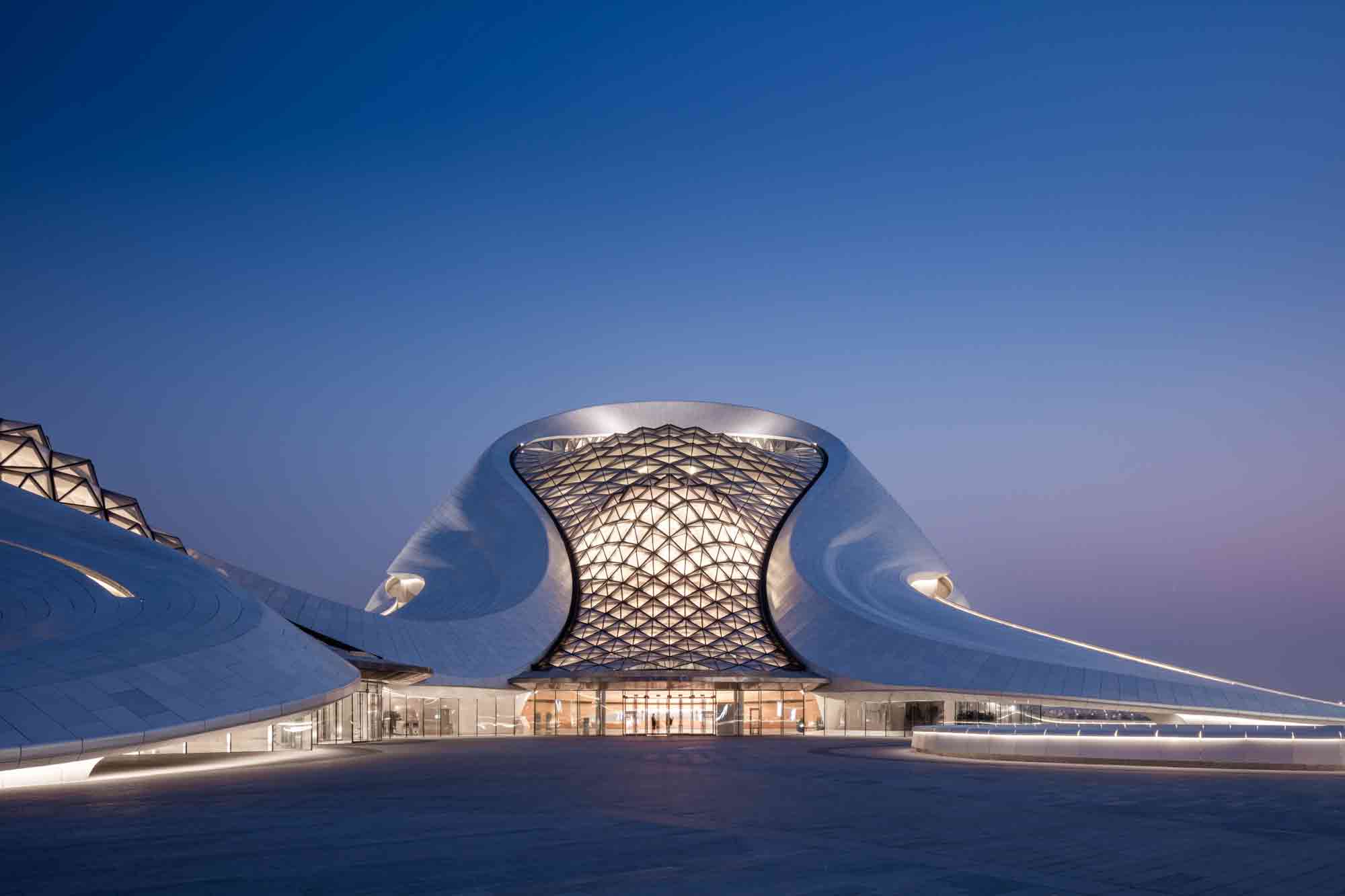
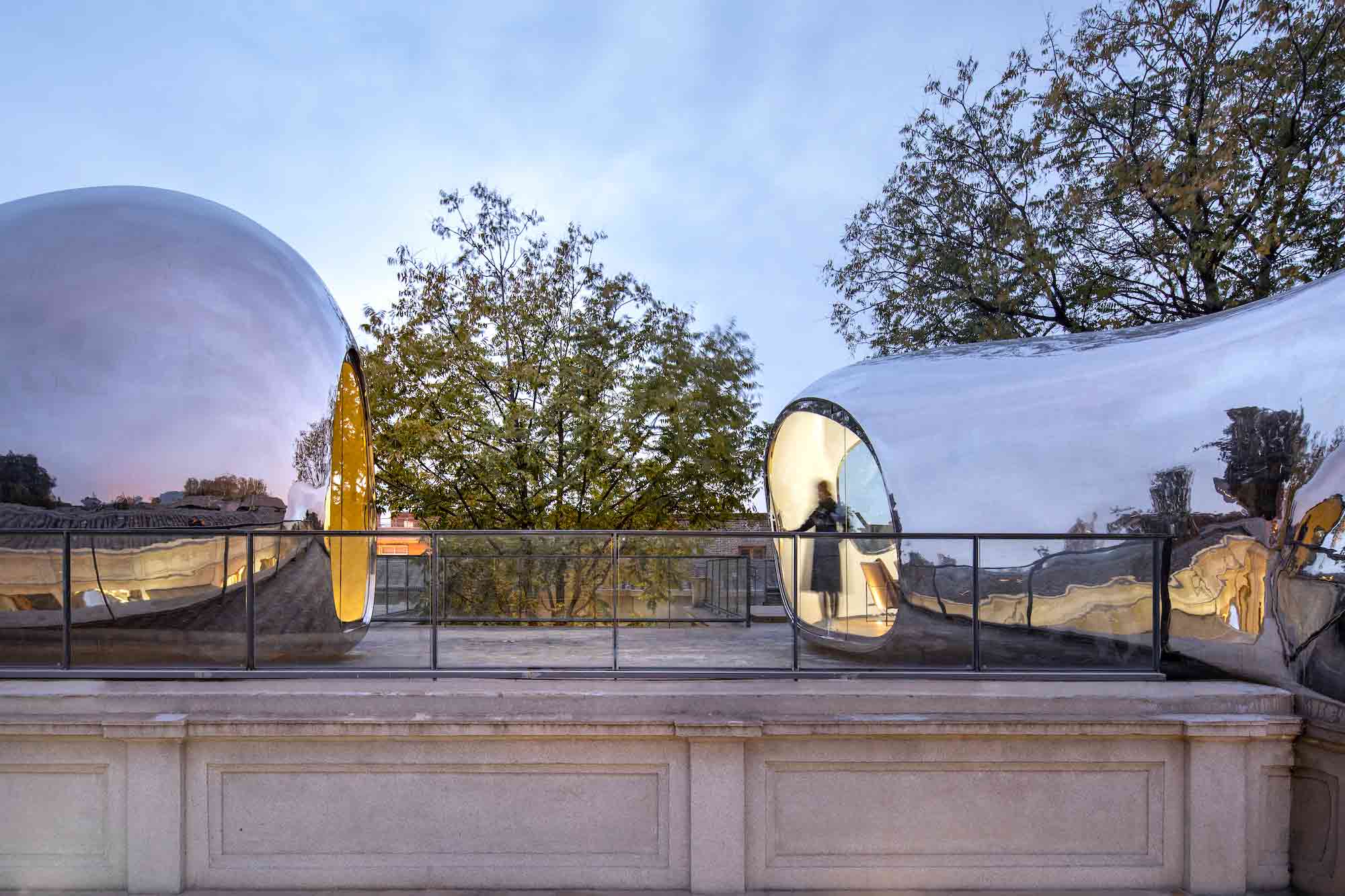
Harbin Opera House by MAD Architects Hutong Bubble 218 by MAD ArchitectsFirm Location: Beijing, China (Headquarters, with offices elsewhere)

Pictured Projects: Harbin Opera House, Harbin, China ; Hutong Bubble 218, Beijing, China

Futurism and localism collide in the compelling portfolio of Beijing-headquartered MAD Architects. Founded in 2004, the firm’s adventurous, parametric designs are balanced by its sensitive regard for context and community.

This intuitive understanding of the complexities of place establishes a powerful connection between structures, spatial users and the surrounding environment, something that’s vividly demonstrated in the firm’s catalog of work – ranging from the sinuous Harbin Opera House, designed in the spirit of its wetland locale, to the masterful Hutong Bubble 218, which places old and new in communion.


Hariri Pontarini Architects

Popular Choice Winner, 11th Annual A+Awards, Best Cultural Firm
St Lawrence Centre for the Arts by Hariri Pontarini Architects Baha’i Temple of South America by Hariri Pontarini ArchitectsFirm Location: Toronto, Canada

Pictured Projects: St Lawrence Centre for the Arts, Concept ; Baha’i Temple of South America, Santiago, Chile

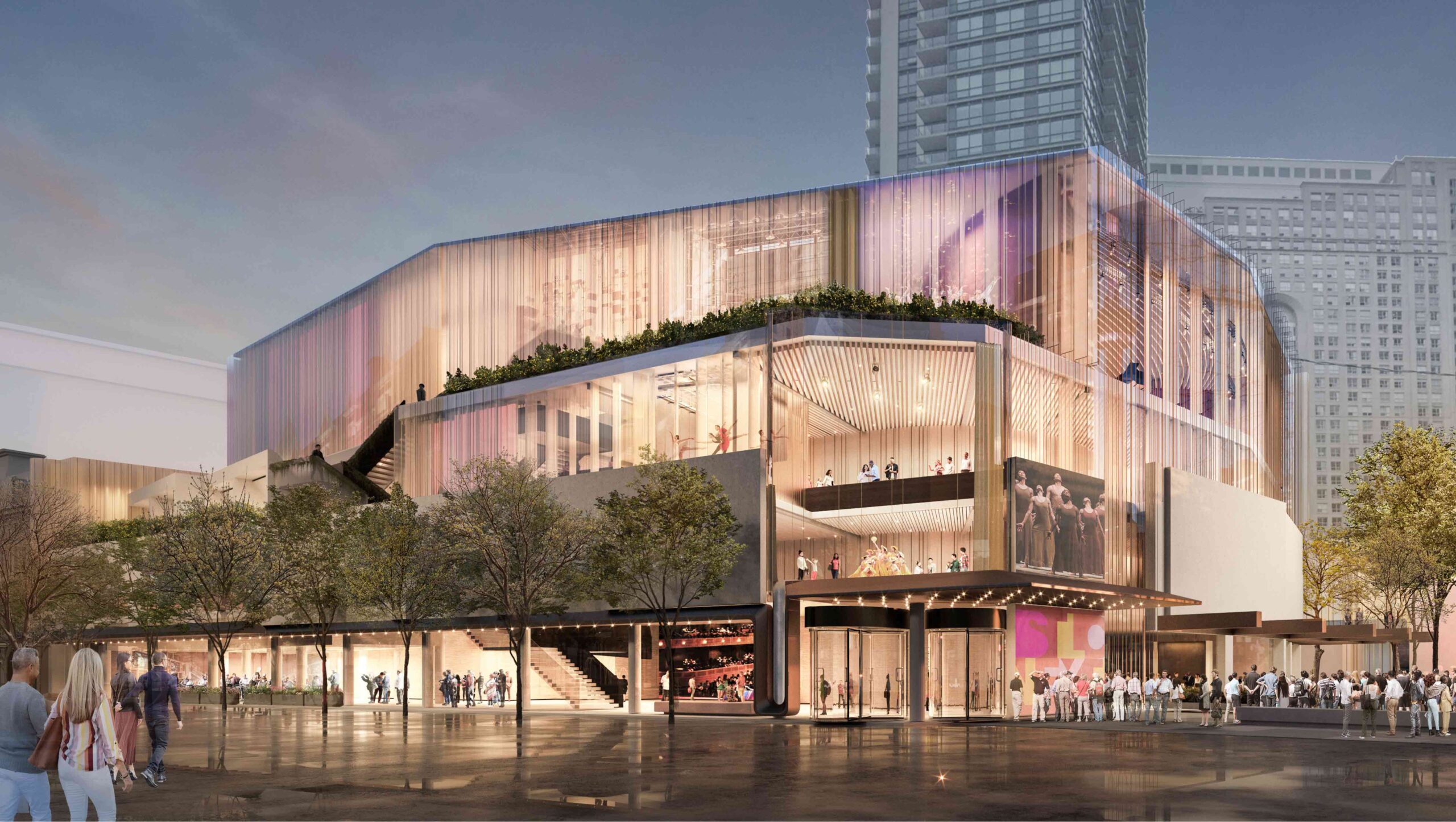
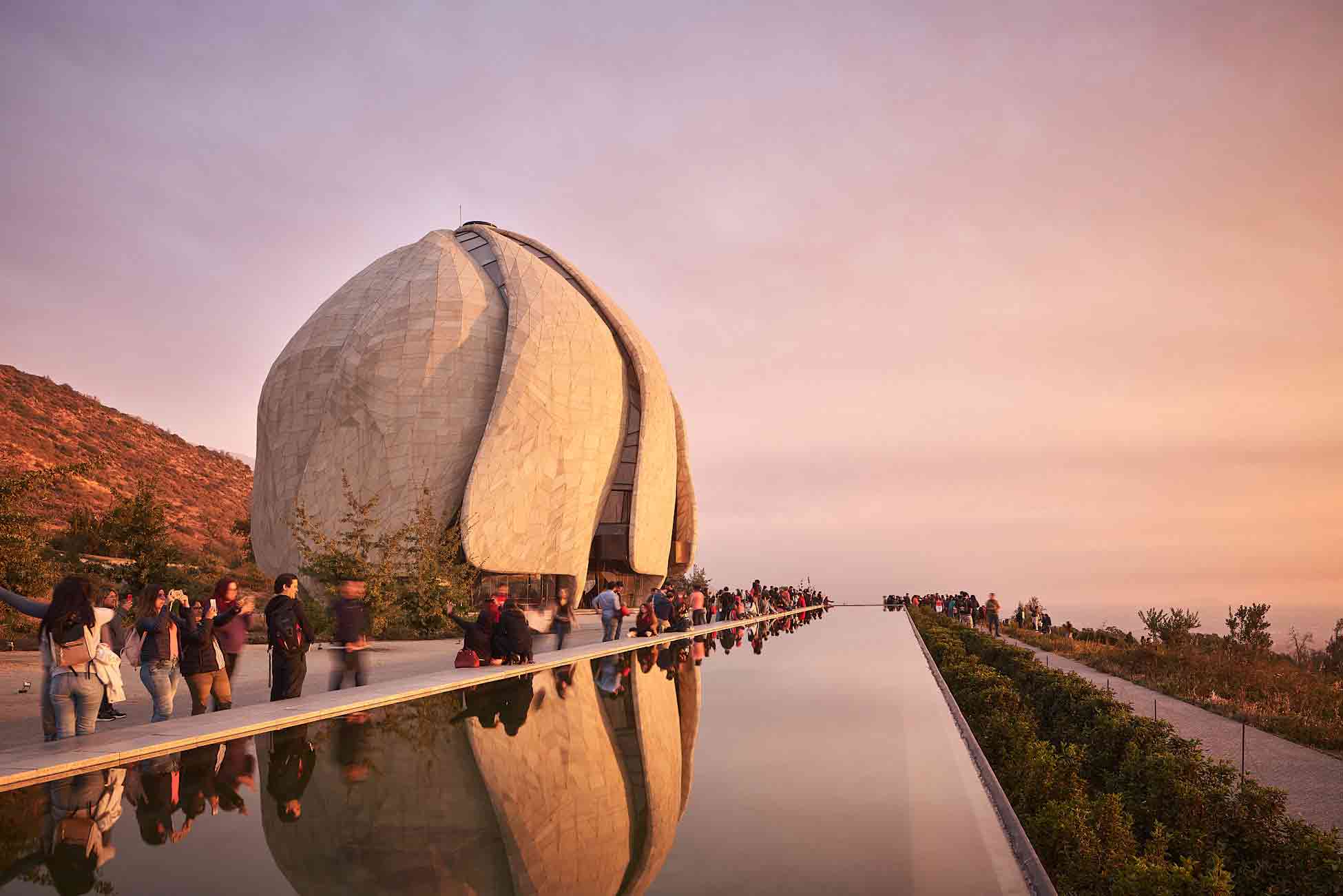
Founded in 1994 by Siamak Hariri and David Pontarini, Hariri Pontarini Architects is the mastermind behind numerous landmark cultural buildings, including the curvilinear Baha’i Temple of South America, cloaked in cast-glass panels, and the dynamic concept for the St Lawrence Centre for the Arts, with its permeable glazed skin.

The Toronto-based studio is a full-service architectural practice with an array of awards under its belt. Known for its commitment to quality, the firm uses its clients’ aspirations and requirements as a springboard for creativity.


Best Public Projects Firm


MJMA Architecture & Design

Jury Winner, 11th Annual A+Awards, Best Public Projects Firm
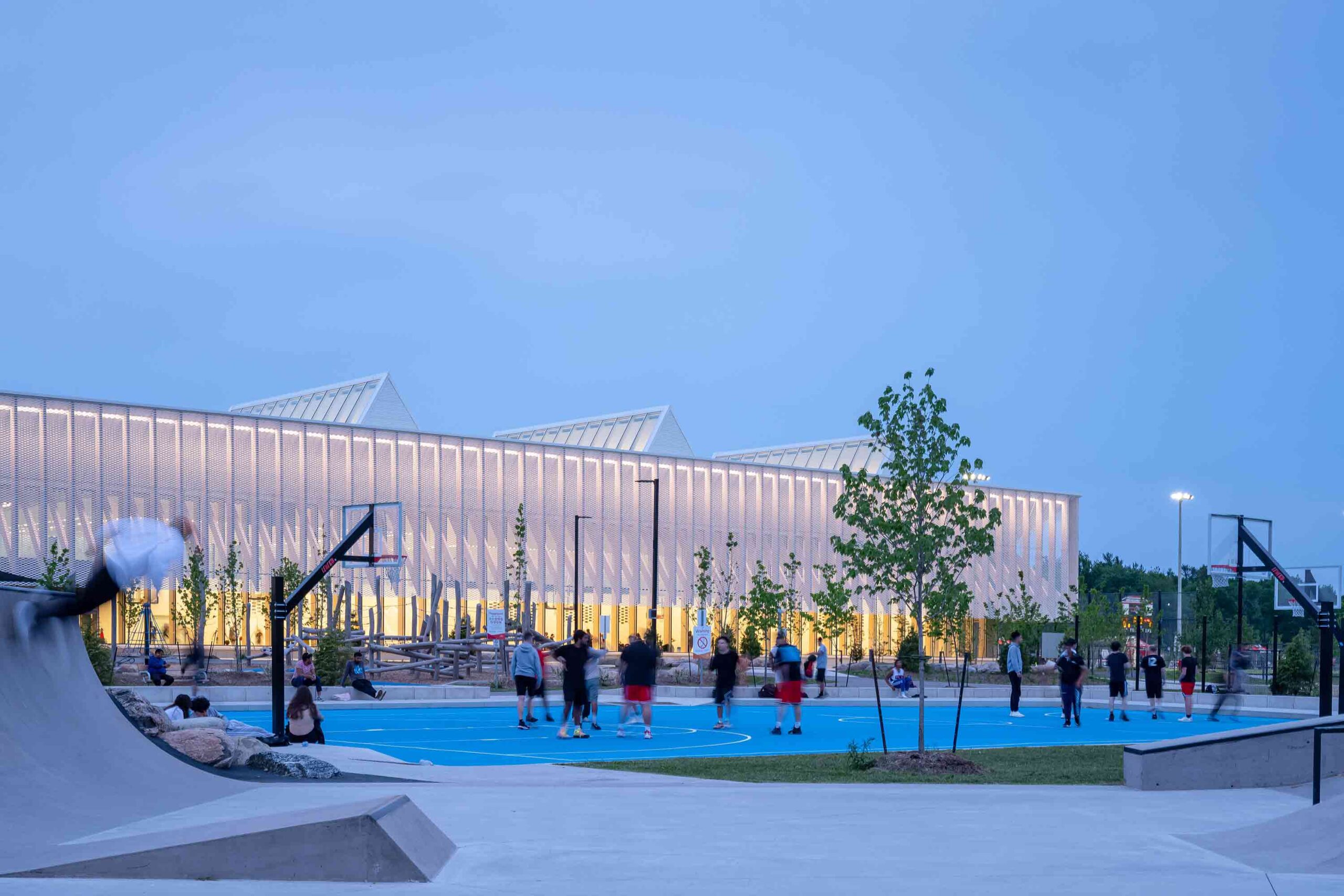
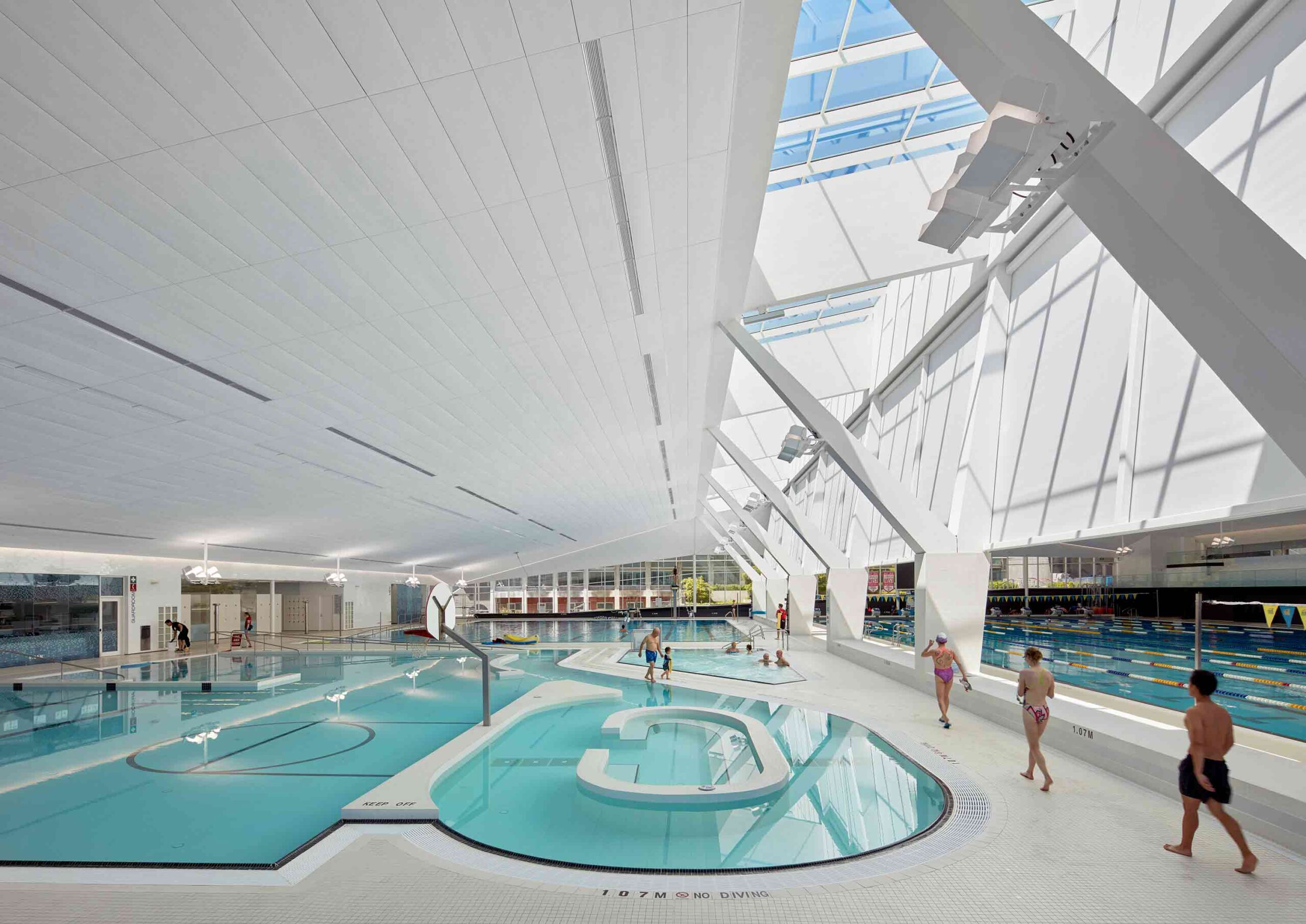
Churchill Meadows Community Centre and Sports Park by MJMA Architecture & Design UBC Aquatic Centre by MJMA Architecture & DesignFirm Location: Toronto, Canada

Pictured Projects: Churchill Meadows Community Centre and Sports Park, Mississauga, Canada ; UBC Aquatic Centre, Vancouver, Canada

With more than 30 years of experience in delivering valuable community spaces that elevate the civic realm, MJMA Architecture & Design is leading the evolution of public typologies.

Featuring a team of over 60 architects and designers, the firm’s viewpoint is driven by innovation and a desire to make meaningful, positive contributions to the built landscape. From sports and recreation centers to campuses and community hubs, the practice’s varied work across a range of scales establishes it as a key player in its field.


ROBERT MAIER ARCHITEKTEN

Popular Choice Winner, 11th Annual A+Awards, Best Public Projects Firm
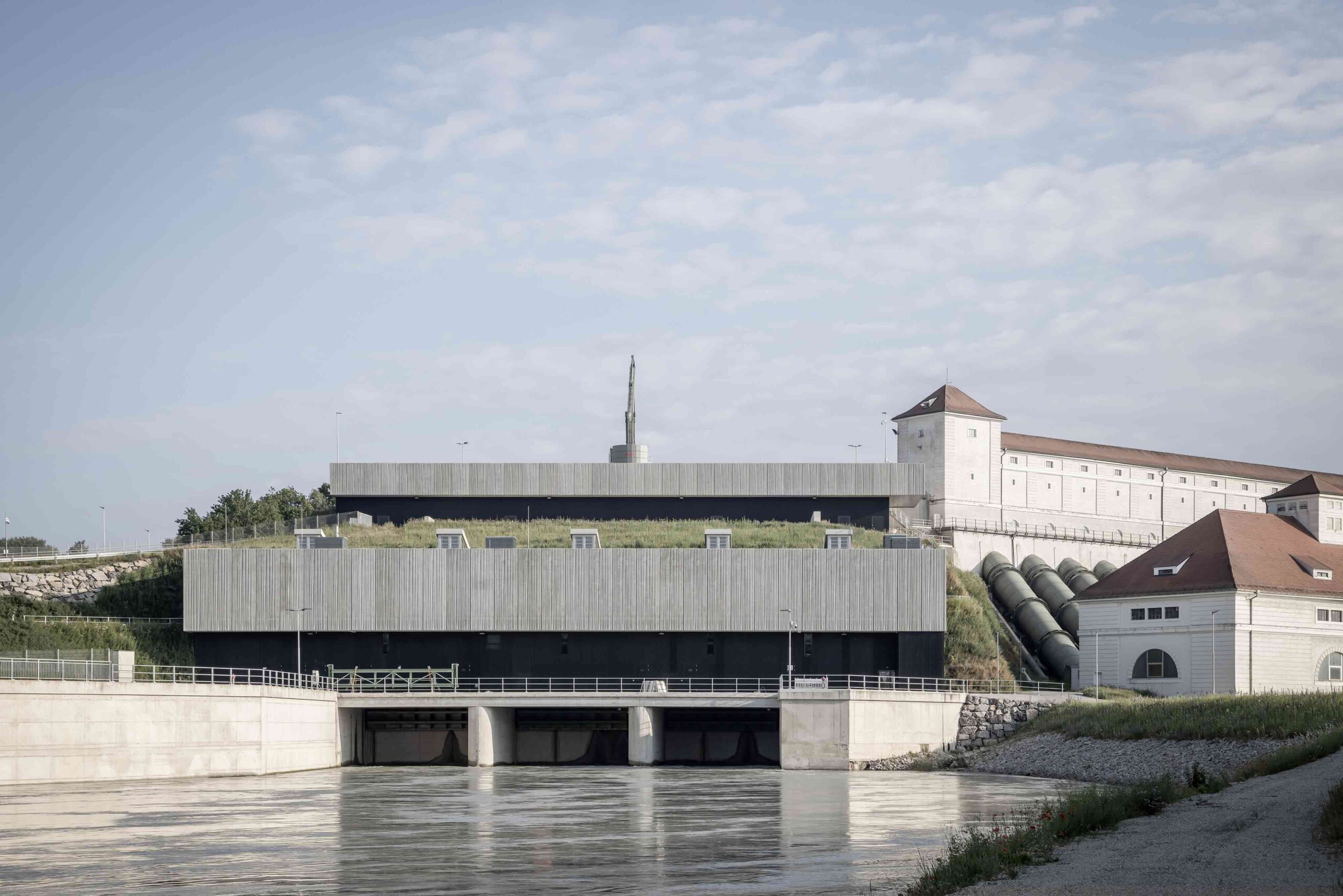
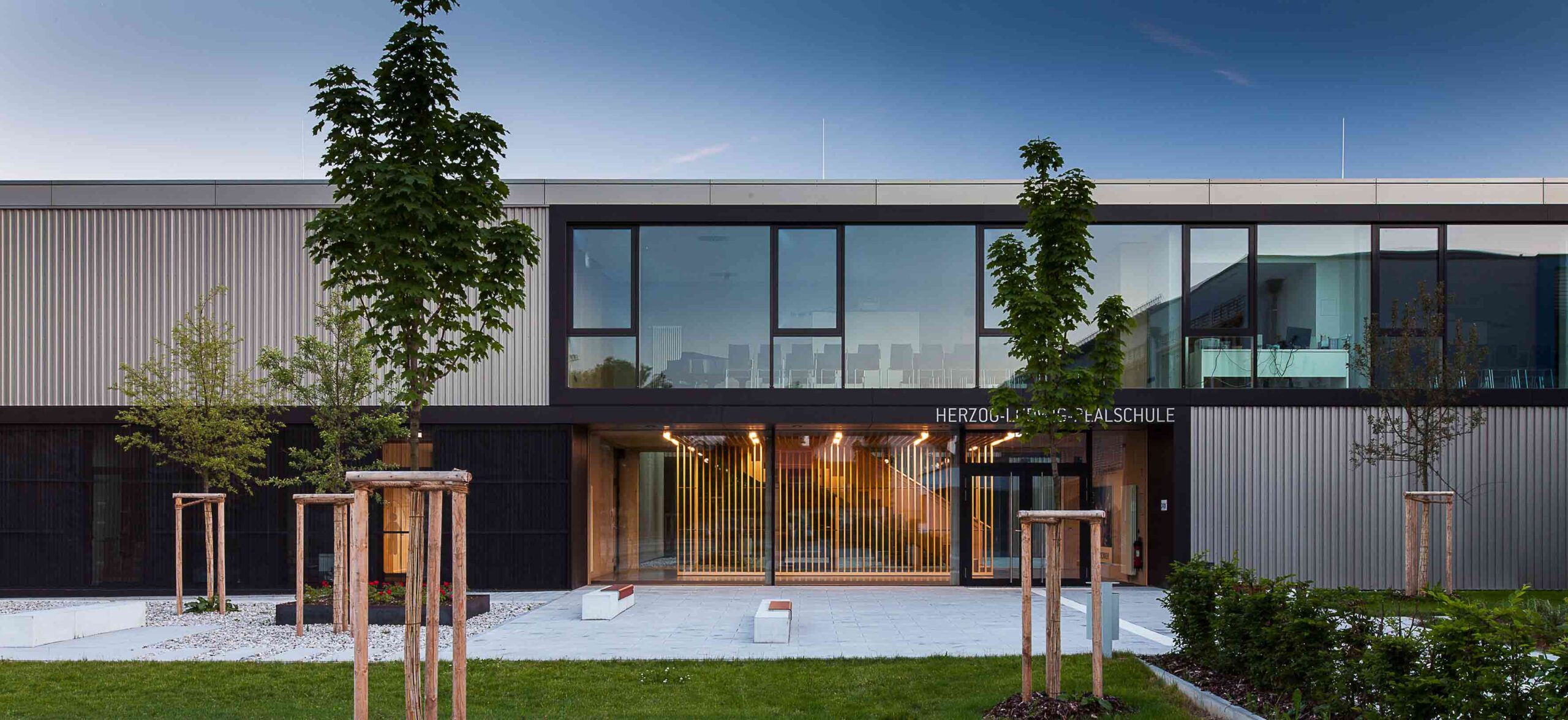
Hydroelectric power plant Töging by ROBERT MAIER ARCHITEKTEN HLR Secondary School by ROBERT MAIER ARCHITEKTENFirm Location: Neuötting, Germany

Pictured Projects: Hydroelectric power plant Töging, Töging am Inn, Germany ; HLR Secondary School, Altötting, Germany

Headquartered in Neuötting in Bavaria, ROBERT MAIER ARCHITEKTEN distinguishes itself with a varied portfolio across the public sphere, encompassing educational structures, municipal buildings and even a hydroelectric power plant.

The team excels at out-of-the-box thinking, pairing in-depth research and creativity to produce astonishing buildings designed to endure and adapt to future demands. Experts at delivering comprehensive schemes, the firm combines urban development, architecture and interior design into a single, harmonious concept.


Best Residential Firm


Alterstudio Architecture

Jury Winner, 11th Annual A+Awards, Best Residential Firm
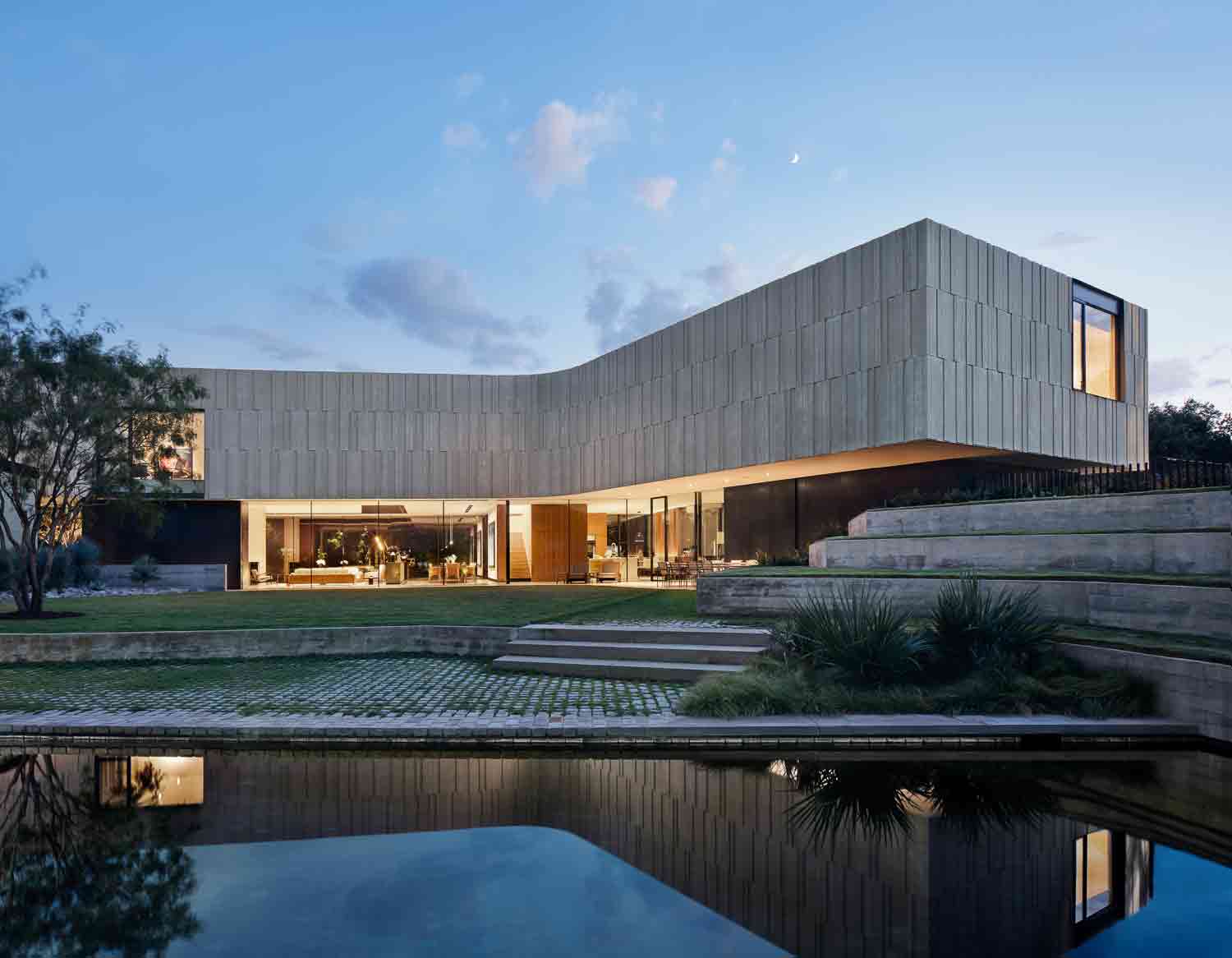
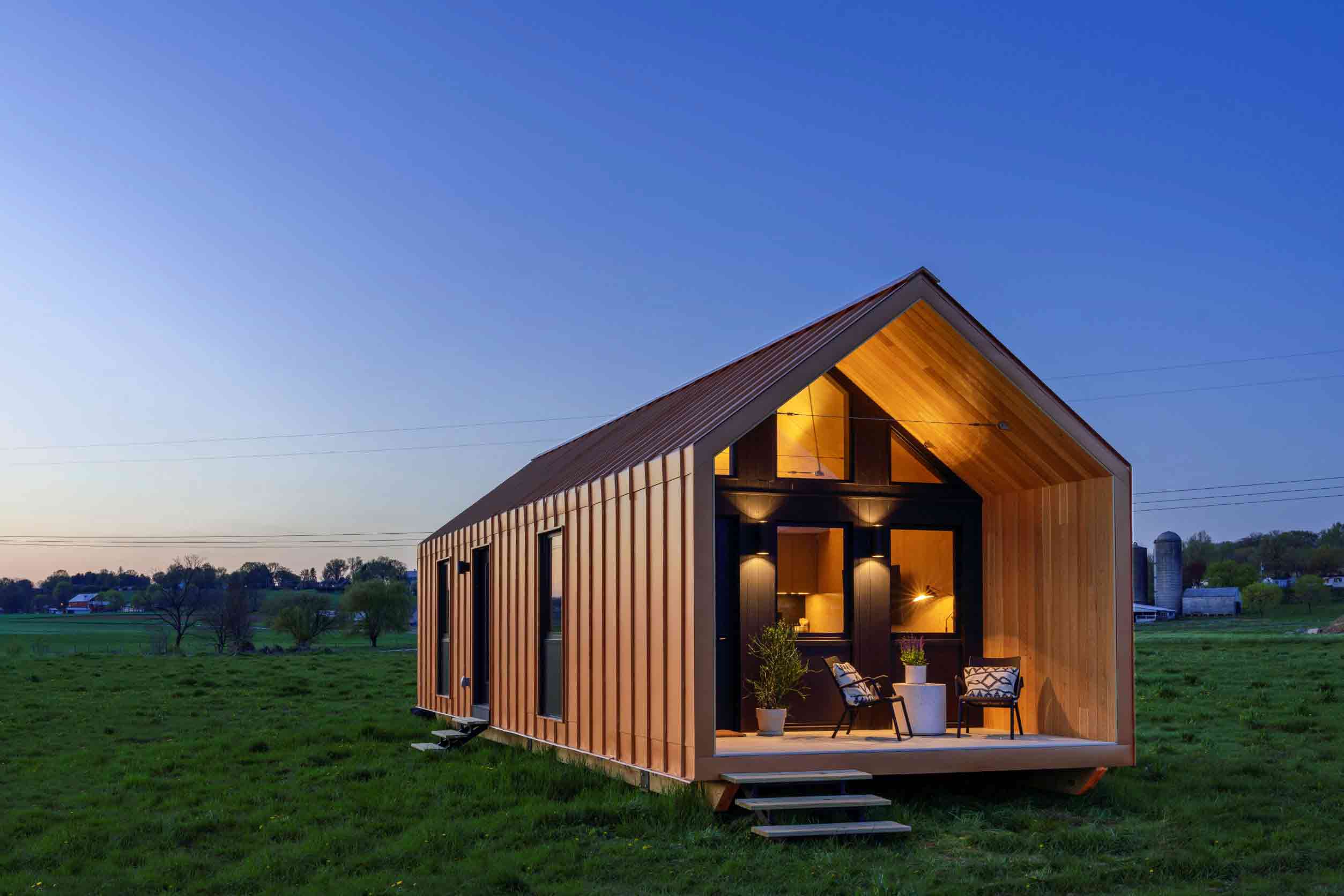
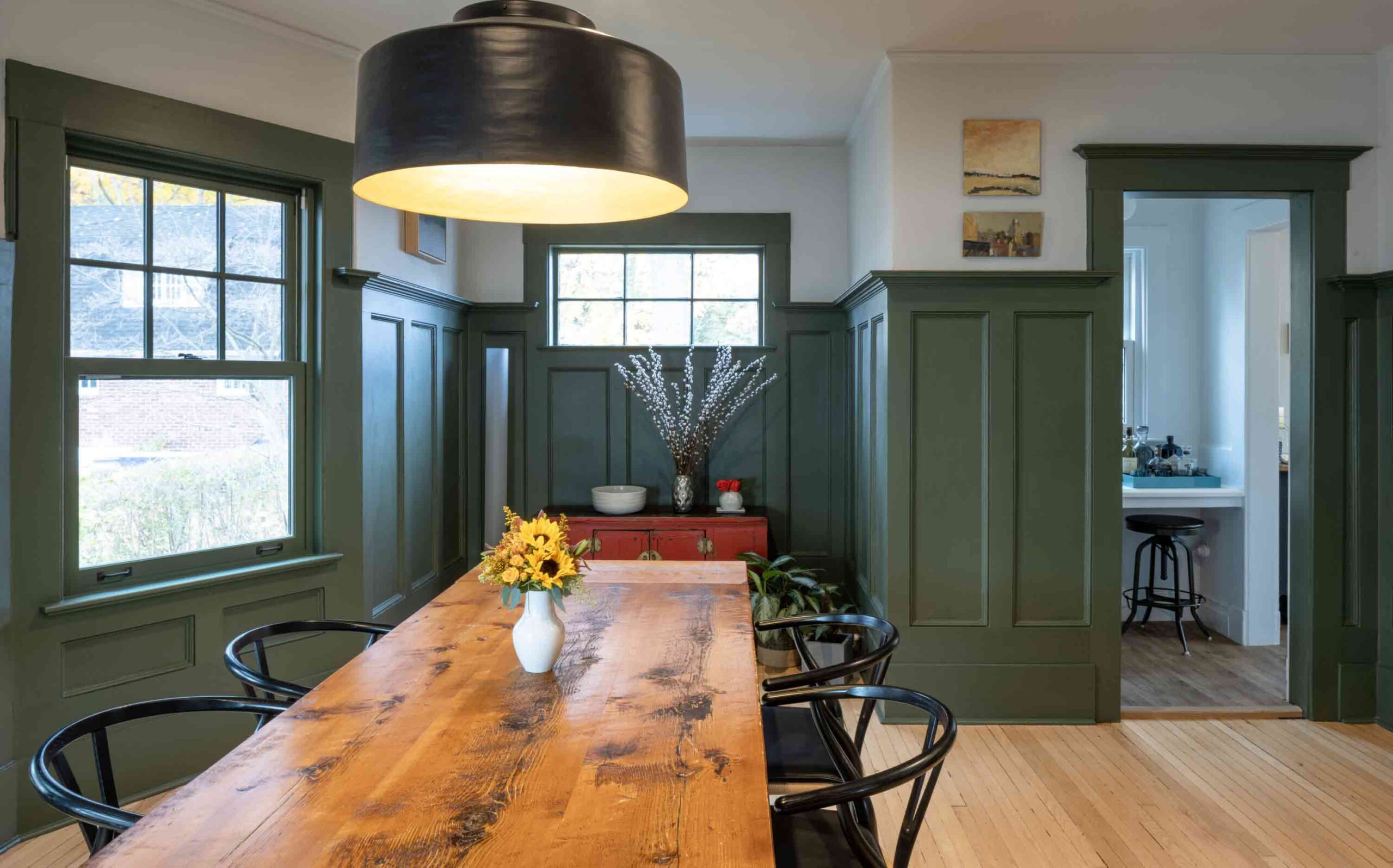
Highland Park Residence by Alterstudio Architecture Constant Springs by Alterstudio ArchitectureFirm Location: Austin, Texas

Pictured Projects: Highland Park Residence, Highland Park, Texas ; Constant Springs, Austin, Texas

Highly skilled in shaping rich, residential projects, Alterstudio Architecture’s work is informed by its belief that the built environment should deepen the experiences of spatial users, while drawing attention to the wider world beyond its walls.

The Austin-based firm embraces all aspects of sustainable design, delving beyond mechanical features to consider a structure’s relation to its ecological and cultural surroundings, as well as remaining mindful of finite resources. The practice emphasizes ethical architecture, prioritizing spaces that uplift users and the environment.


DXA studio

Popular Choice Winner, 11th Annual A+Awards, Best Residential Firm
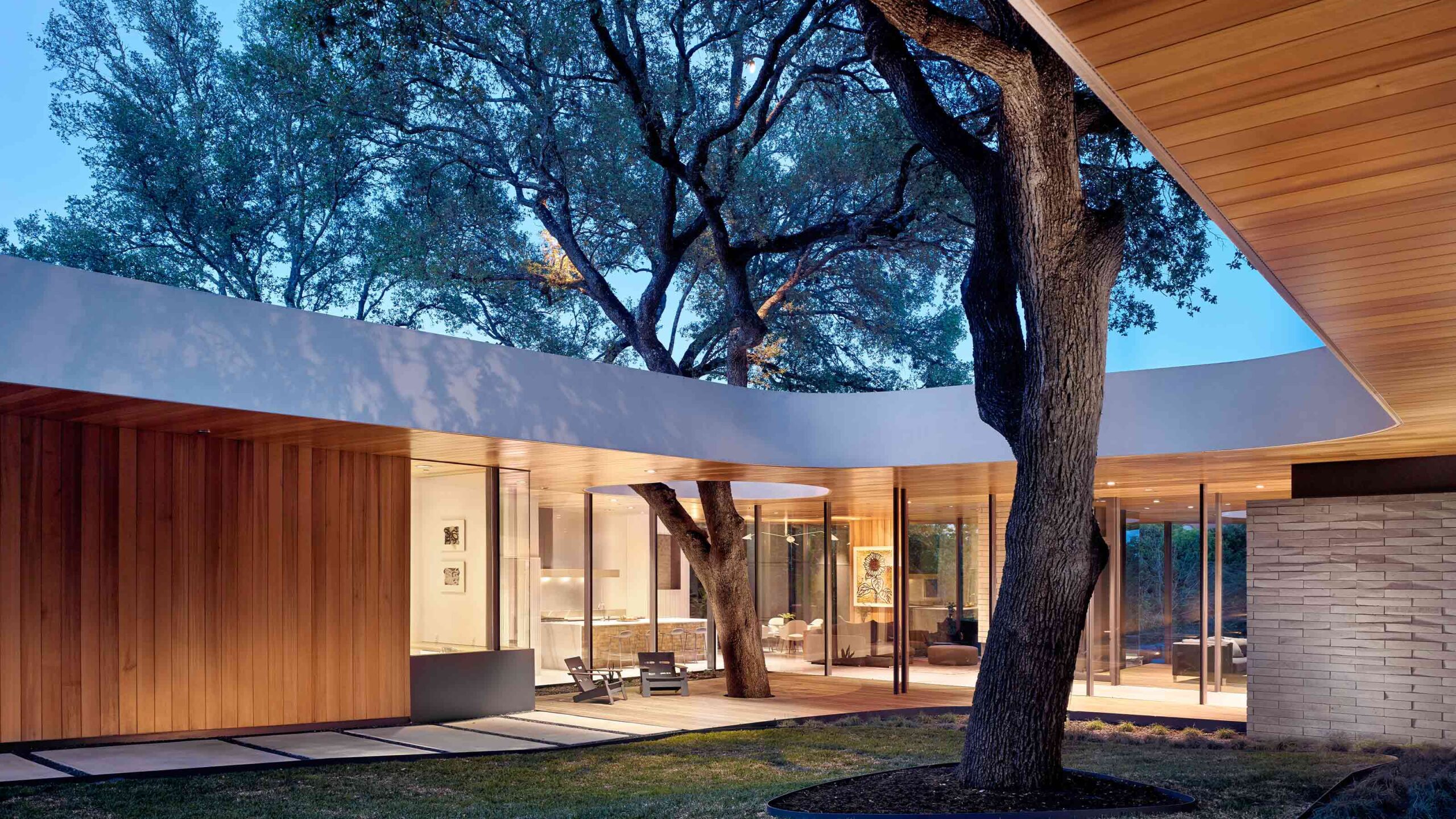
Conexus Home + by DXA studio Montclair Residence by DXA studioFirm Location: New York, New York

Pictured Projects: Conexus Home +, New York, New York ; Montclair Residence, Montclair, New Jersey

A veritable jack of all trades, DXA studio has an especially deft hand with residential typologies, from multi-unit developments and prefabricated housing solutions to private homes and historic renovations.

Founded in 2011, the firm’s thorough design process is informed by extensive research into a site’s context and complexities. The team’s remarkable work treads the careful line between contrasting virtues, balancing technical excellence with creativity, craftsmanship with contemporary flair and a modern outlook with veneration for the past.


Best Sustainable Firm


Perkins&Will

Jury Winner, 11th Annual A+Awards, Best Sustainable Firm
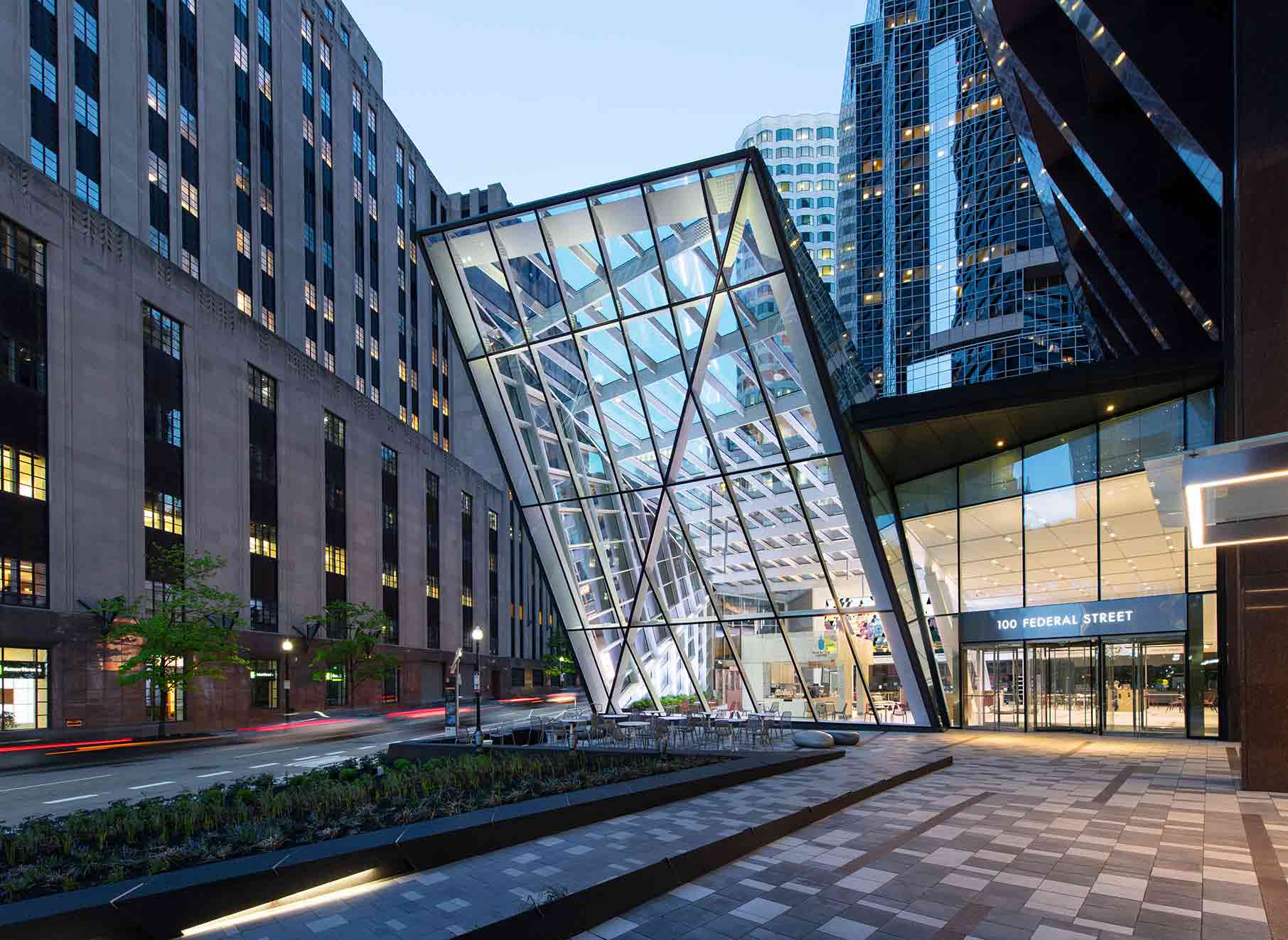
The Exchange at 100 Federal by Perkins&Will Water Institute of the Gulf by Perkins&WillFirm Location: Chicago, Illinois (Headquarters, with offices elsewhere)

Pictured Projects: The Exchange at 100 Federal, Boston, Massachusetts ; Water Institute of the Gulf, Baton Rouge, Louisiana

With over 20 studios across the globe and a team of more than 2,000, Perkins&Will has an impressive, international reach. The interdisciplinary firm is a trailblazer, advocating the industry to adopt more sustainable practices while advancing climate action and social justice through its own work.

Committed to designing a better world, the firm still remains faithful to its original mission to create beautiful, inspiring spaces, with an uncompromising approach to design excellence. The firm’s specialisms are wide-ranging, spanning commercial and residential architecture, interior design, branded spaces and landscape design.


SUP Atelier of THAD

Popular Choice Winner, 11th Annual A+Awards, Best Sustainable Firm
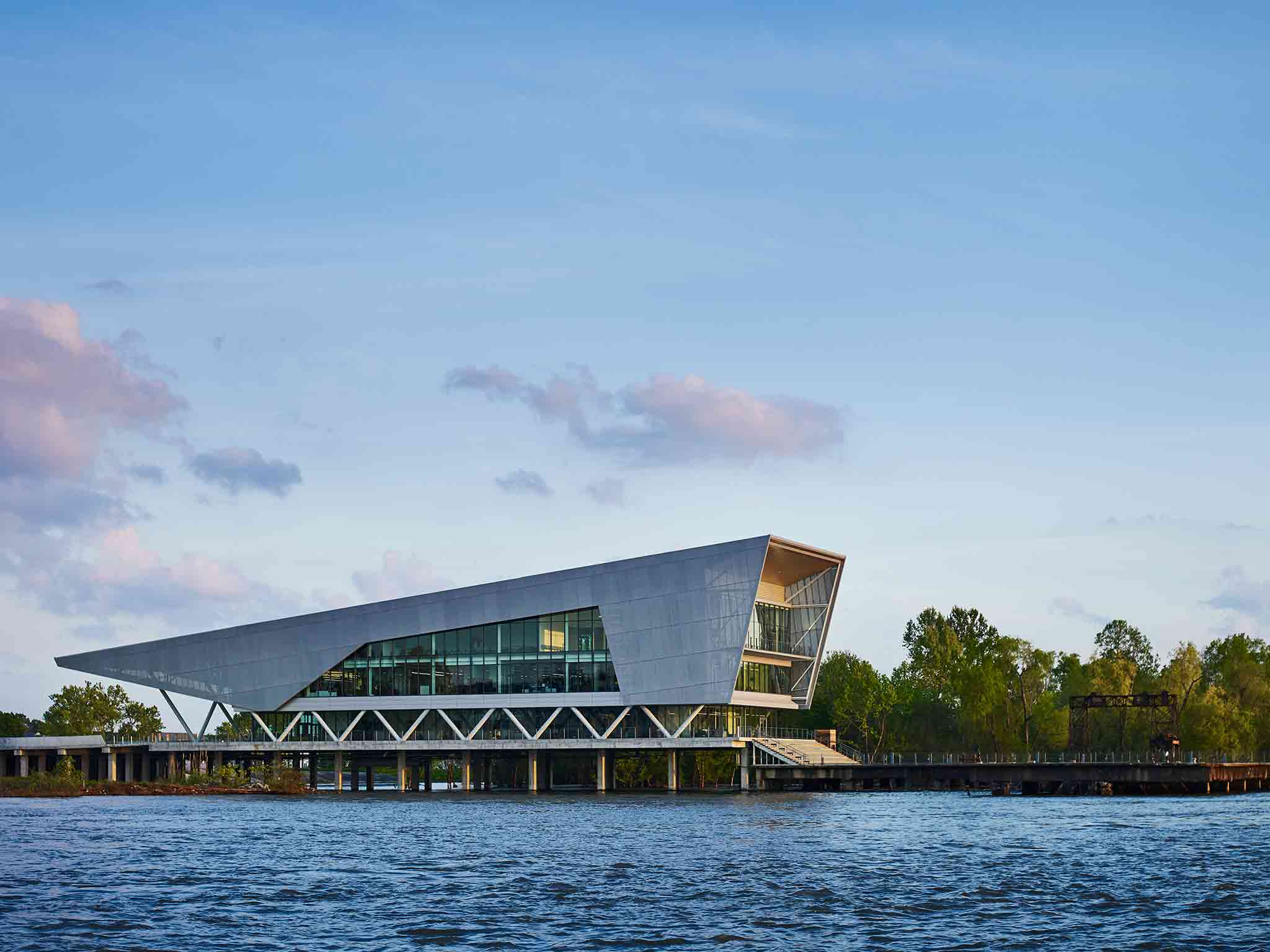
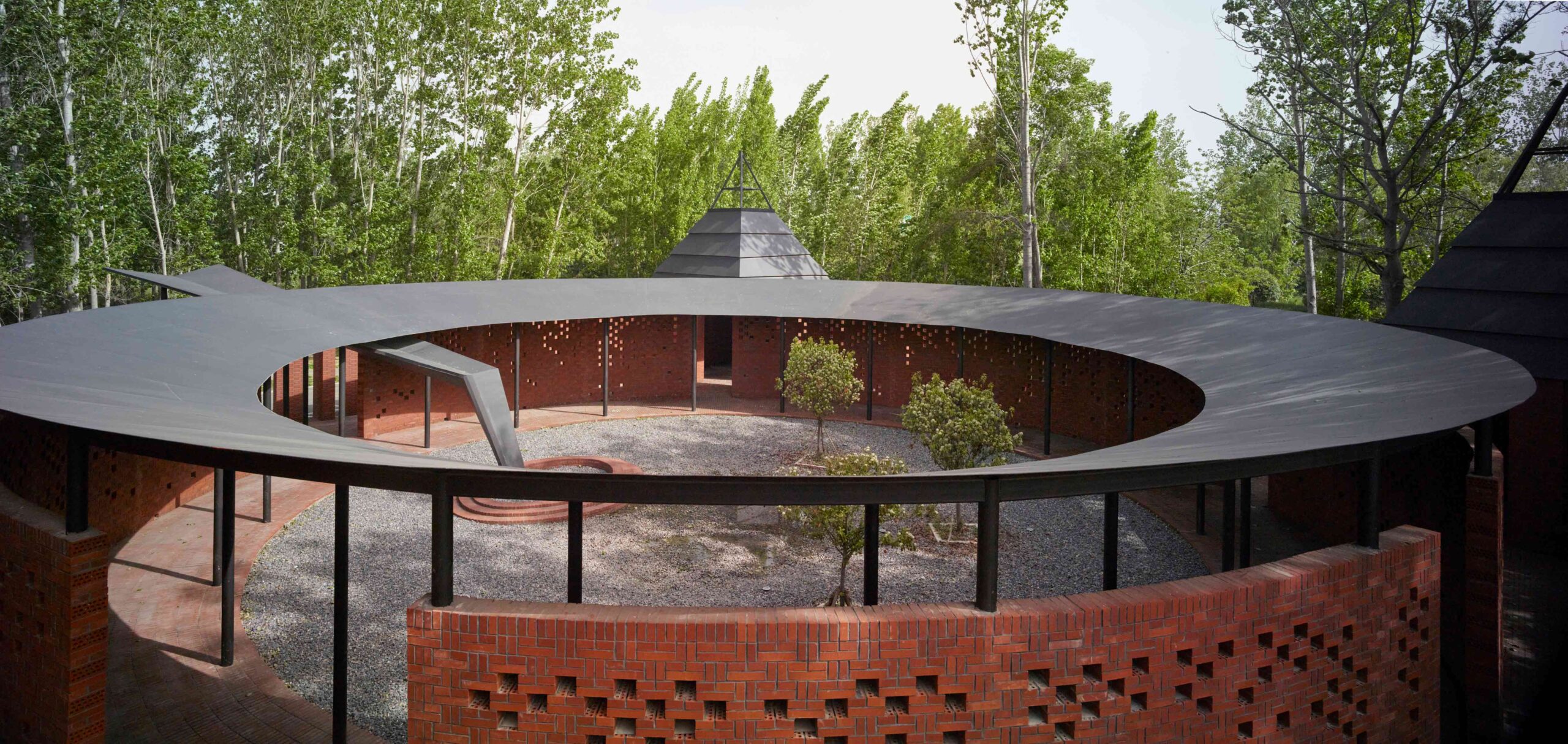
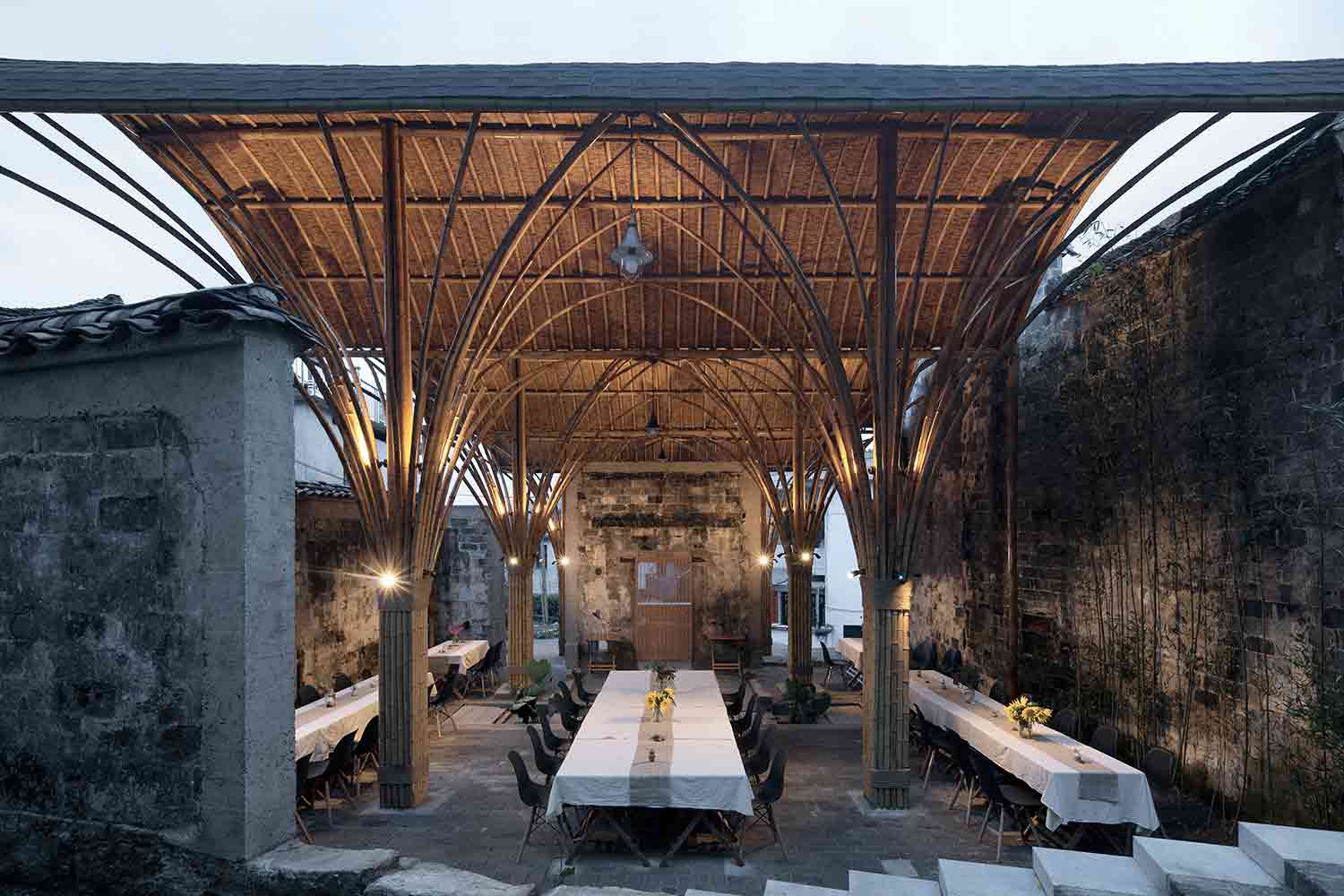
Yunzhai Community Center by SUP Atelier of THAD Village Lounge of Shangcun by SUP Atelier of THADFirm Location: Beijing, China

Pictured Projects: Yunzhai Community Center, Xinxiang, China ; Village Lounge of Shangcun, Jixi, China

Established in 2011 in Beijing, SUP Atelier of THAD is committed to championing sustainability across the built environment. By taking inspiration from vernacular design and drawing on salvaged materials and native natural resources, the practice’s work showcases innovative structures that are acutely embedded in their locales.

Stand-out projects from the studio’s portfolio include the Village Lounge of Shangcun, a revived public space that combines reclaimed bricks, tiles, stone and wood from the site with locally sourced bamboo, and the Yunzhai Community Center, a modern iteration of the traditional Chinese garden, which preserves the land’s pre-existing trees.

The latest edition of “Architizer: The World’s Best Architecture” — a stunning, hardbound book celebrating the most inspiring contemporary architecture from around the globe — is now available. Order your copy today.  

Reference

Michael Hsu interior design of 44 East
CategoriesInterior Design

Michael Hsu Office of Architecture utilises soft shapes for Austin high-rise

Texas studio Michael Hsu Office of Architecture has designed the common areas for a 50-storey residential high-rise building in Austin, as shown in this exclusive video captured by Dezeen.

Called 44 East, the building is located east of downtown Austin in the Rainey Street Historic district. The firm designed the interiors of the building’s common areas, which take cues from its natural surroundings, particularly the neighbouring Colorado River.

Michael Hsu Office of Architecture has designed the interiors of 44 East

The practice enhanced the space using colour and texture, layering vintage and custom furnishings to create a relaxed and inviting ambience.

Curved surfaces and light colours are incorporated throughout the space, with poured concrete terrazzo floors incorporated to pay homage to the gravel of the nearby riverside trail.

Michael Hsu interior design of 44 EastMichael Hsu interior design of 44 East
Curved surfaces and light colours are incorporated into the lobby area of 44 East

The interior is characterised by the use of soft shapes and natural materials throughout the various spaces, including on the eleventh floor, where pastel hues complement subtle architectural details.

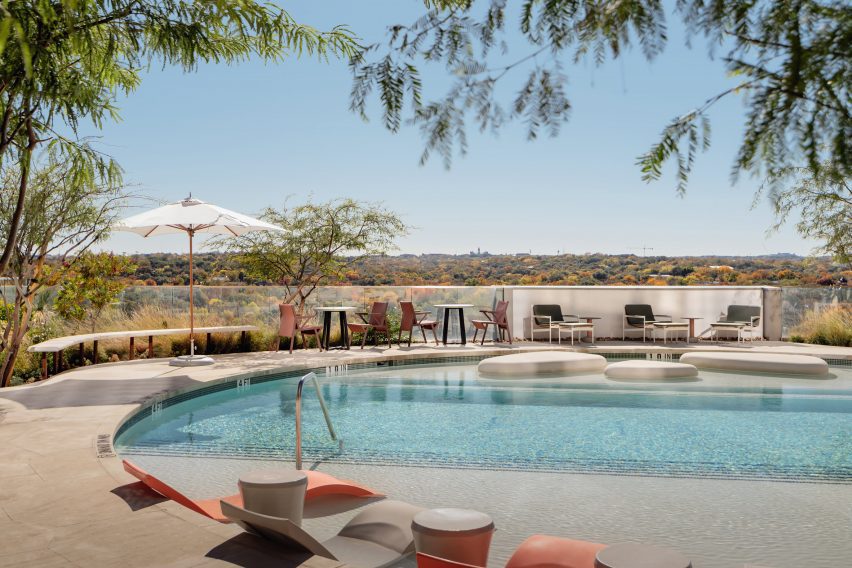
The outdoor swimming pool features a series of pebble-shaped islands, with a partially-covered patio inviting guests to relax outside and enjoy the views of the river.

Swimming pool area of 44 East Swimming pool area of 44 East
The eleventh floor features a circular outdoor swimming pool

On the thirty-seventh floor, a large moon-like pendant light is suspended above a plush circular sofa.

The higher vantage point offers scenic views of downtown Austin, and features jewel tones and darker materials intended to complement the Texas skyline at dusk.

37th floor of 44 East37th floor of 44 East
The thirty-seventh floor features darker tones to complement views of the Texas skyline

44 East was developed by Intracorp, while the tower and unit interiors were designed by Page and landscapes designed by DWG.

The interior design of the common spaces is one of the latest projects by Michael Hsu Office of Architecture, which is based in Austin and Houston.

The company recently completed its self-designed Austin studio, which is adorned in wood-and-fabric lined walls and industrial details, to accommodate its growing team.

The photography is by Chase Daniel.

Partnership content

This video was produced by Dezeen for Michael Hsu Office of Architecture as part of a partnership. Find out more about Dezeen partnership content here.


Reference

Stella McCartney's Sustainable Market showcases sustainable fashion products
CategoriesSustainable News

Stella McCartney presents Sustainable Market at COP28

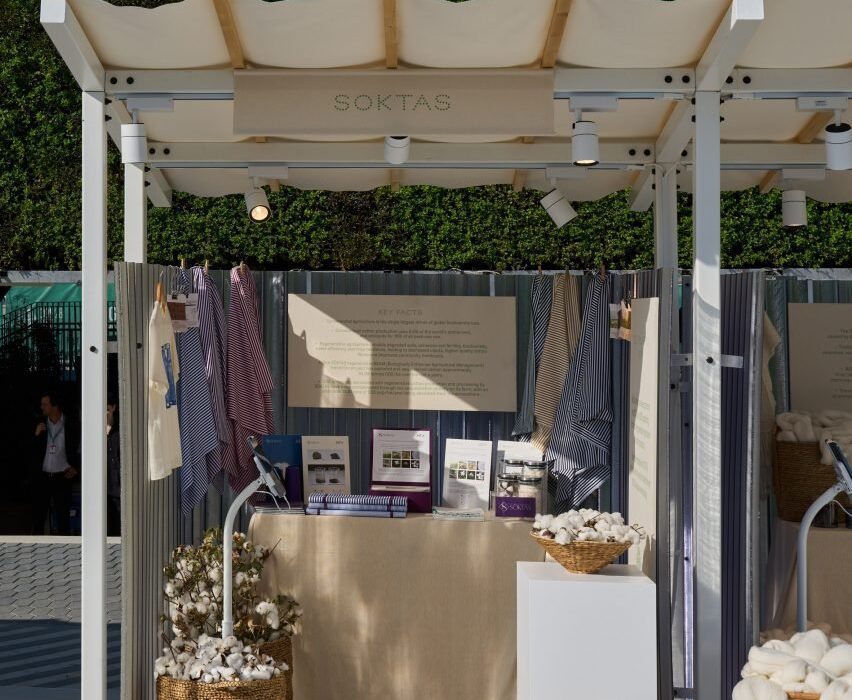
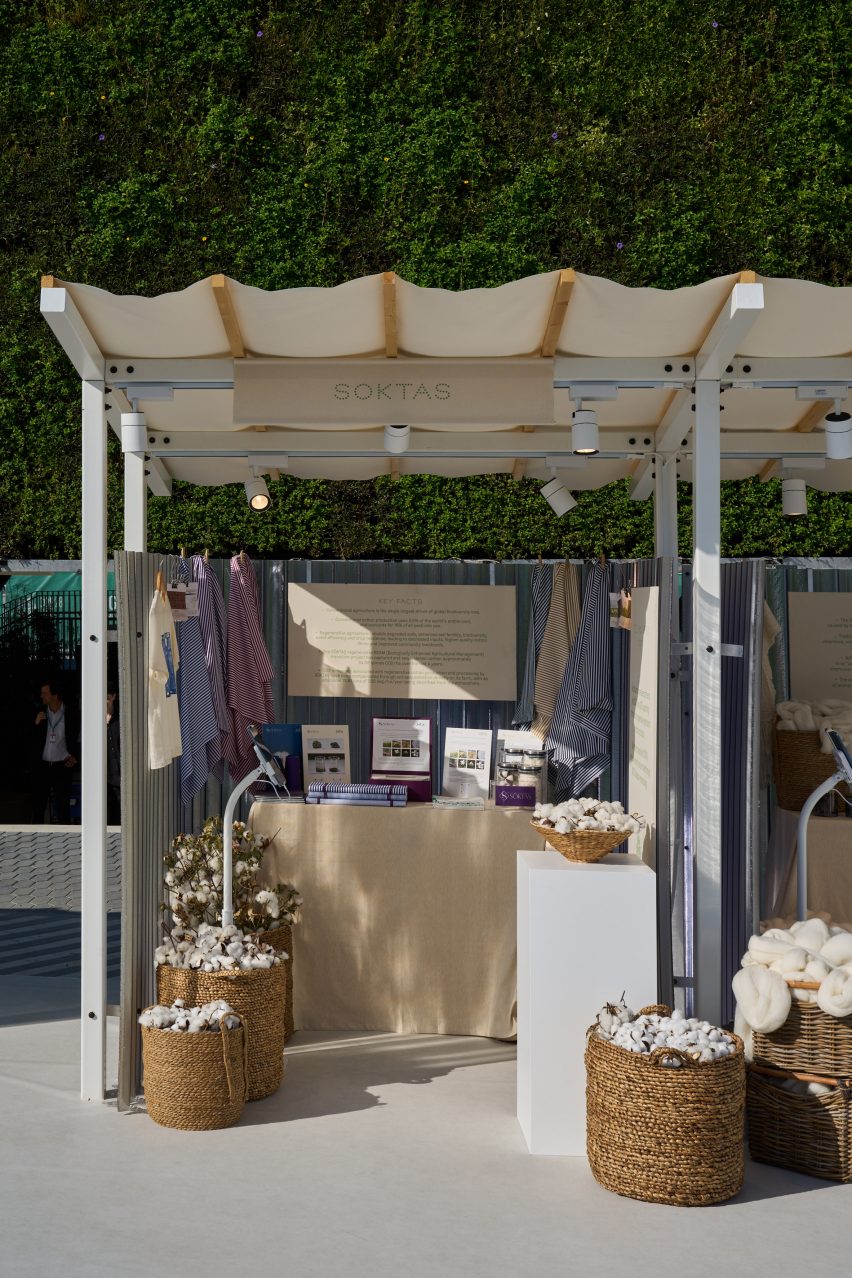
A grape-based leather alternative and sequins made from tree cellulose are among 15 material innovations on show as part of fashion house Stella McCartney’s exhibition at the COP28 climate conference.

In partnership with Stella McCartney‘s parent company LVMH, the Sustainable Market showcases “the possibilities of current cutting-edge or soon-to-be available technologies” that could transform the fashion industry.
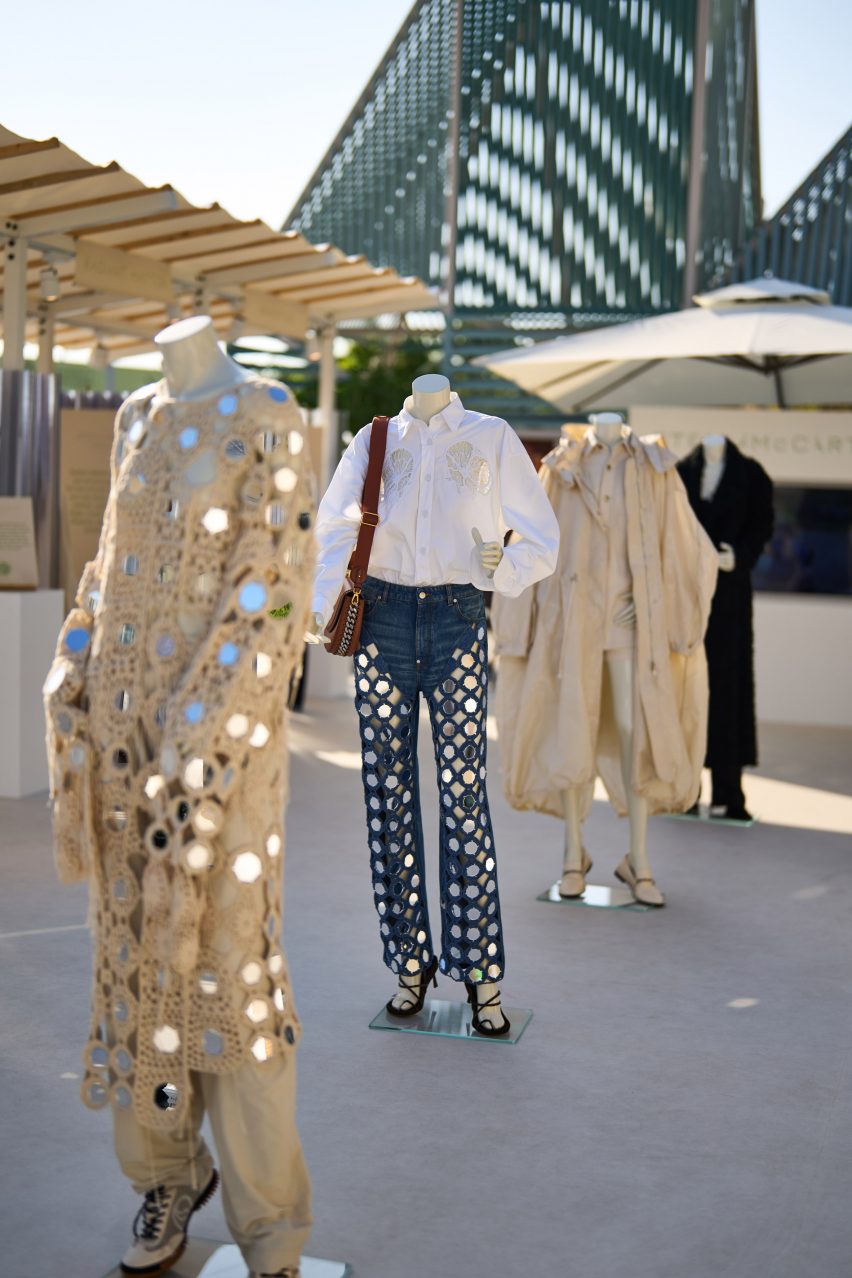
Stella McCartney's Sustainable Market showcases sustainable fashion productsStella McCartney's Sustainable Market showcases sustainable fashion products
Stella McCartney is exhibiting the Sustainable Market at COP28

The 15 chosen innovators range from start-ups to established brands, providing plant-based alternatives to plastic, animal leather and fur as well as regenerative alternatives to traditional fibres.
“The fashion industry accounts for eight per cent of global greenhouse gas emissions,” McCartney said. “We need to get creative and innovative with alternatives, moving beyond the limited materials that the industry has been working with traditionally.”

“If we can work collaboratively with these goals, we can actually begin doing business in a way that regenerates our planet instead of only taking from it.”

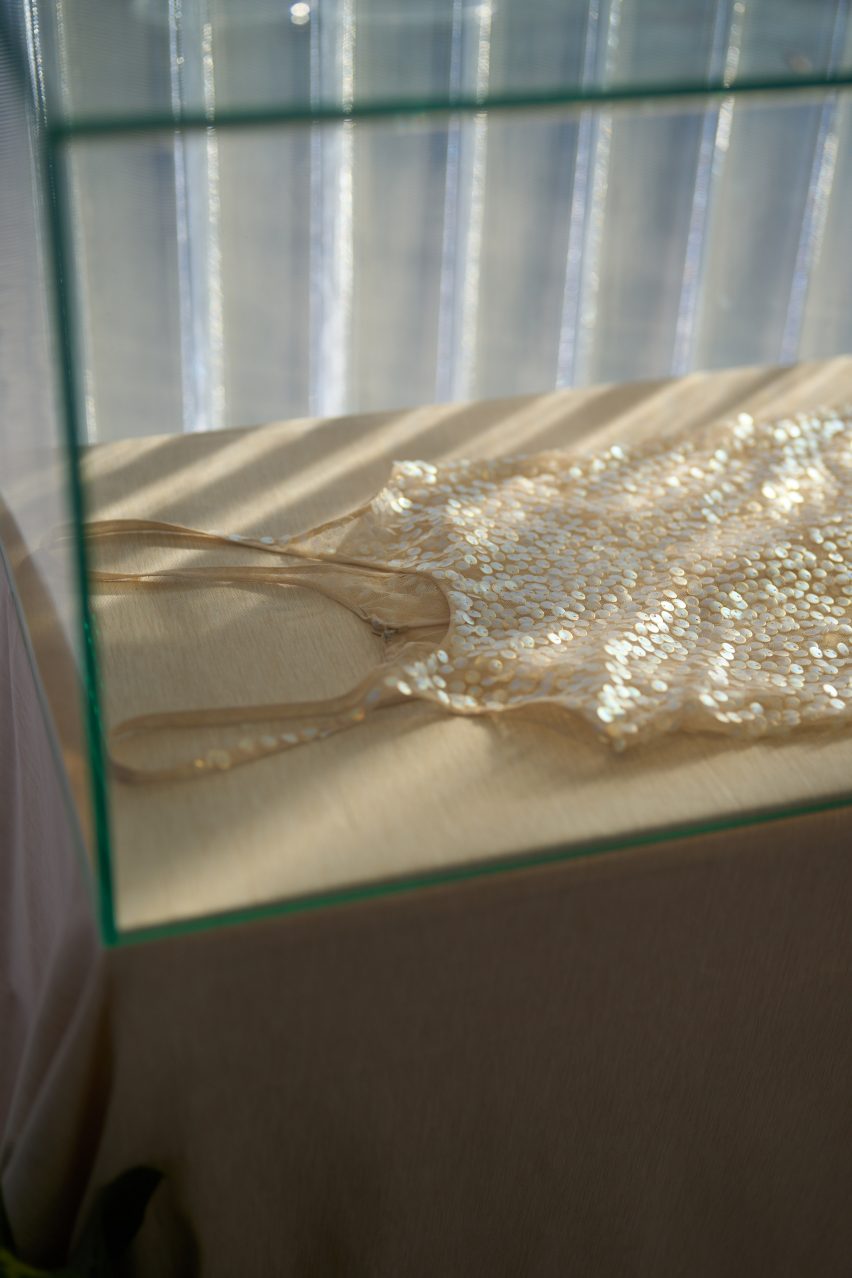
Bioplastic sequin dressBioplastic sequin dress
Among the featured products are iridescent BioSequins by Radiant Matter

Among the featured companies is Radiant Matter, which produces plastic-free iridescent BioSequins, and Mango Materials, which transforms captured methane emissions into plastic as seen in Allbirds’ Moonshot trainers.

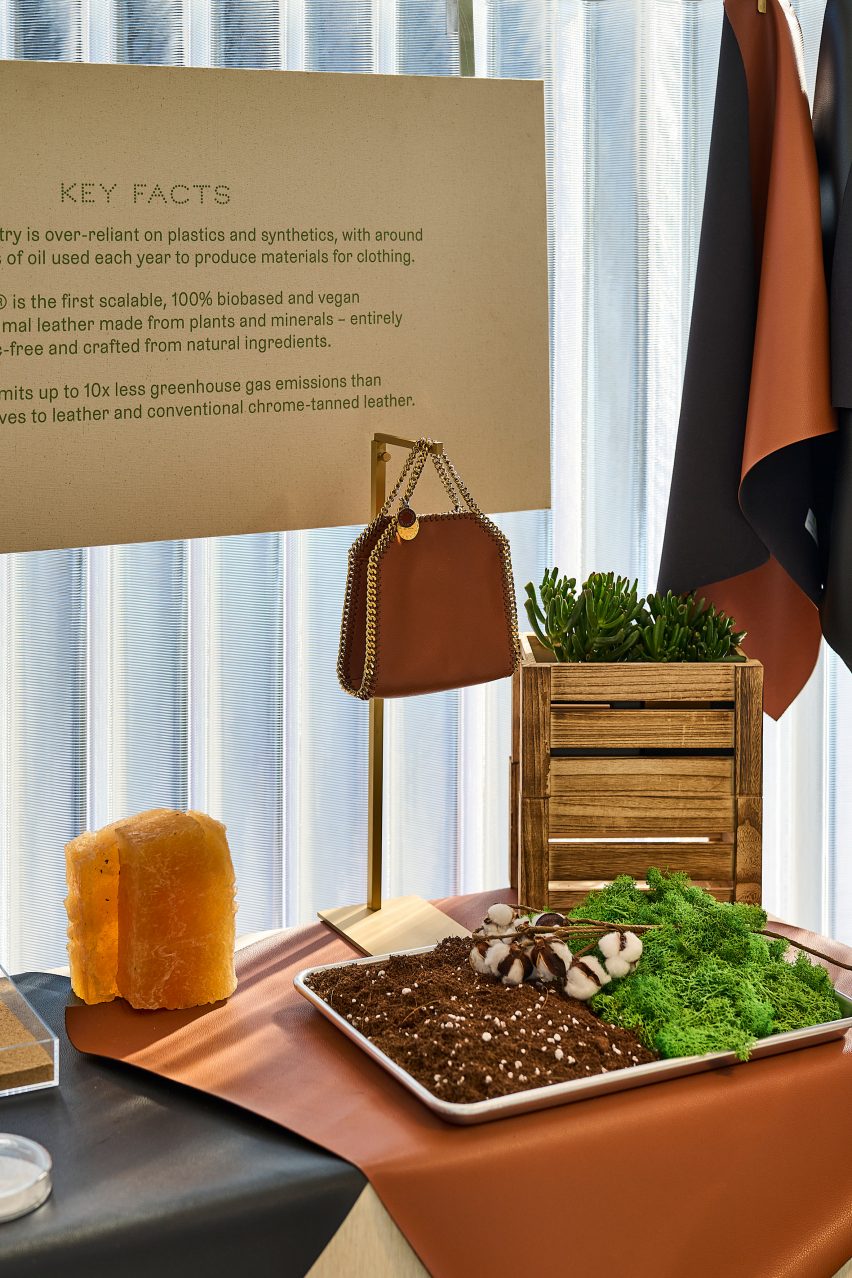
US start-up Natural Fiber Welding is presenting its plant-based leather alternative Mirum, which has already been used across Stella McCartney’s Falabella and Frayme bags as well as a series of fragrance-infused jackets by MCQ.

Stella McCartney's Sustainable Market showcases sustainable fashion productsStella McCartney's Sustainable Market showcases sustainable fashion products
Plant-based Mirum leather is used to produce the Falabella and Frayme bags

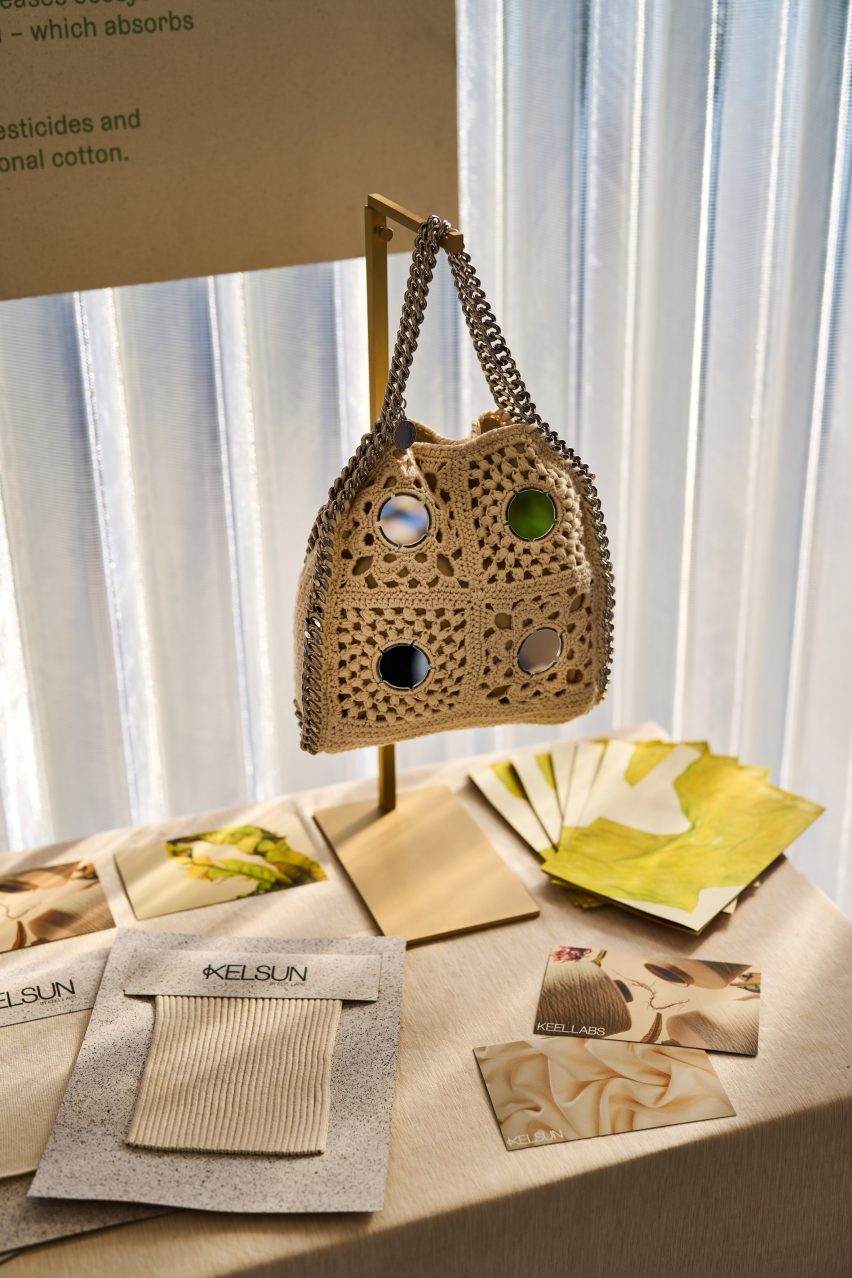
The Sustainable Market also showcases examples of finished products including crochet dresses and bags by Stella McCartney that are made using seaweed-based Kelsun yarn and the first-ever garment crafted from biologically recycled polyester by US company Protein Evolution.

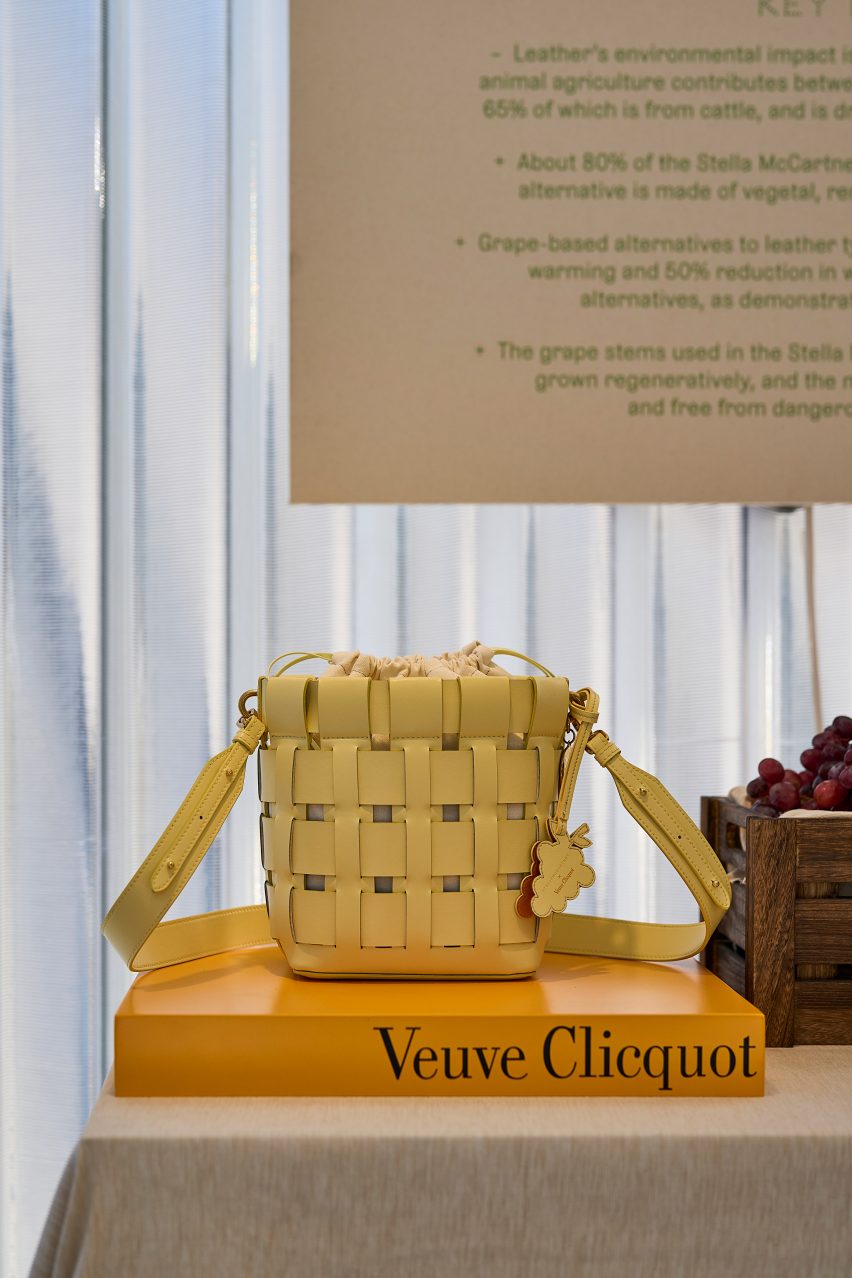
Another stall highlights Stella McCartney’s collaboration with Veuve Clicquot to develop a grape-based leather using waste from the champagne house’s harvest.

Bag made from kelp yarnBag made from kelp yarn
Seaweed-based Kelsun yarn forms crochet Stelle McCartney bags

The Sustainable Market also highlights three student projects from the Maison/0 incubator at design school Central Saint Martins, which is supported by LVMH.

Automating Violacein by Charlotte Werth explores how an automated microbial dye process can be used to produce printed patterns for luxury textiles.

Other projects examine how bacteria, algae and food waste could offer bio-based alternatives to synthetic dyes, and how lab-grown keratin fibres could be used for luxury clothing.

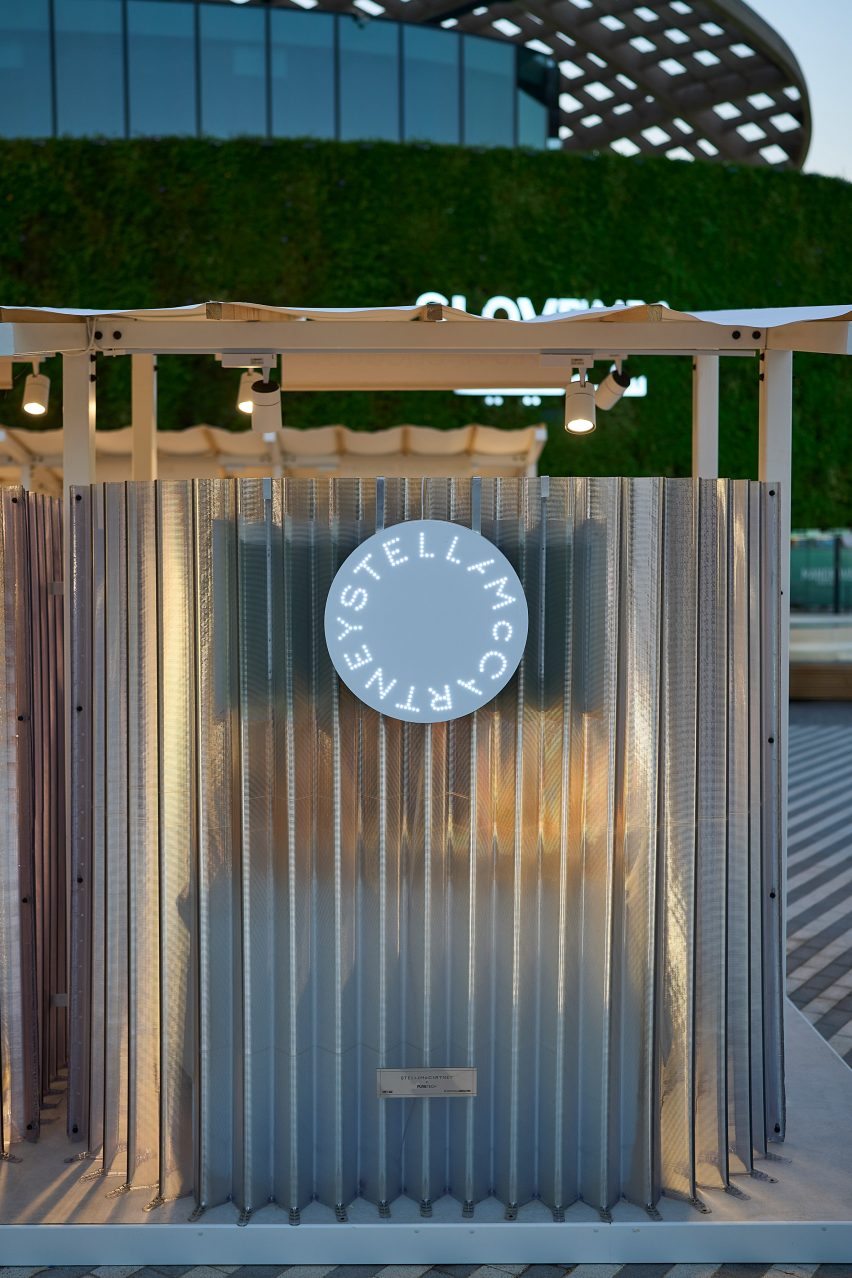
The products are displayed in market stalls featuring 3D-printed walls infused with a compound by Spanish materials company Pure Tech, which it claims can remove CO2 and volatile organic compounds (VOCs) from the air by converting them into harmless mineral particles.

Stella McCartney's Sustainable Market showcases sustainable fashion productsStella McCartney's Sustainable Market showcases sustainable fashion products
This bag is made using grape leather made in collaboration with Veuve Clicquot

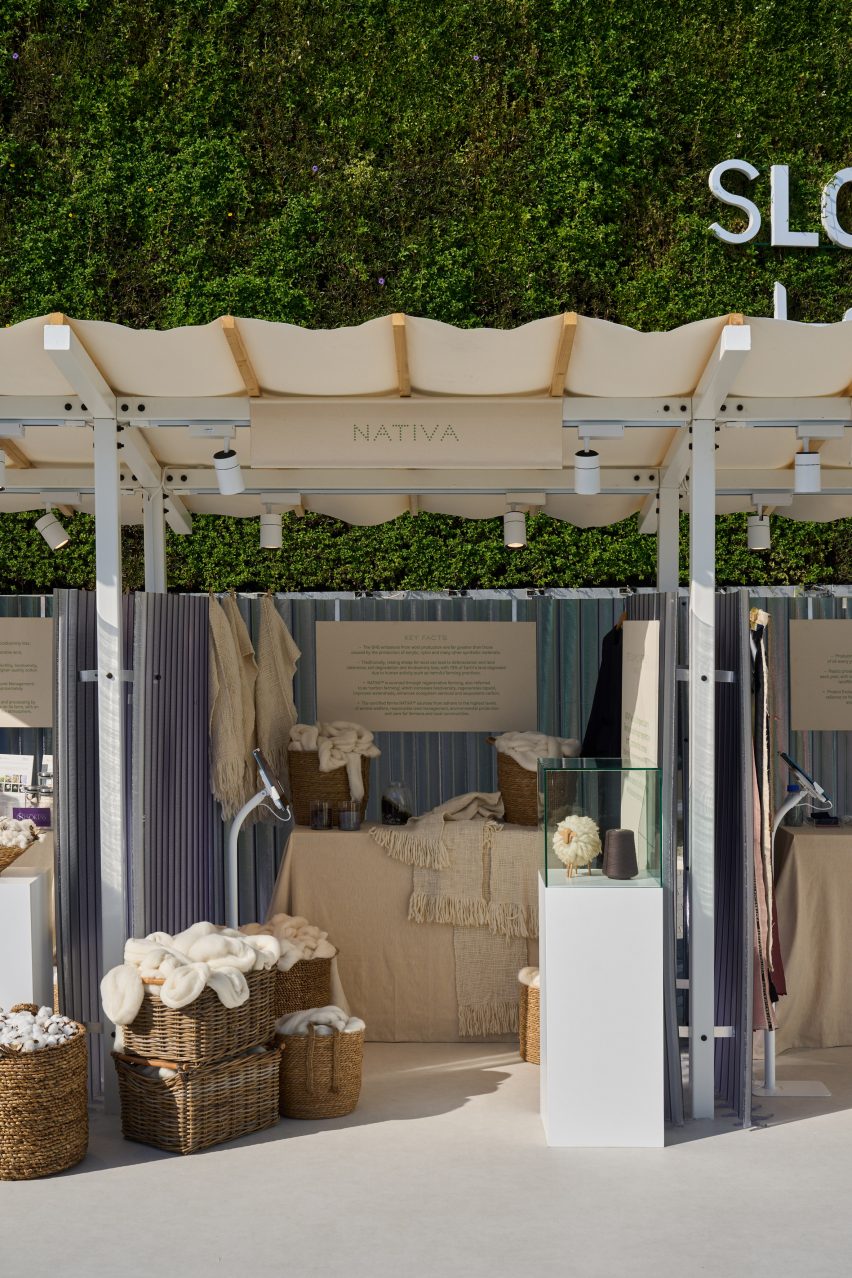
Other brands invited to participate in the market include US company Brimstone, which claims to have created “the world’s first carbon-negative portland cement”, and Chargeurs Luxury Fibers, which produces wool using regenerative farming methods.

McCartney was asked to represent the fashion industry at COP28 to advocate for policy and regulatory change to incentivise sustainable business and the decarbonisation of the industry.

Mannequins wearing Stella McCartney garments at COP28Mannequins wearing Stella McCartney garments at COP28
Several Stella McCartney garments demonstrate the materials possible applications

Her delegation also seeks to promote human and animal welfare while building a coalition of global government and business leaders to scale investment in material innovations.

Recently named among Time magazine’s 100 most influential climate leaders, McCartney bills her eponymous brand as the world’s first luxury fashion house to never use animal leather, feathers, fur or skins.

Products by Nativa showcased at Stella McCartney's Sustainable MarketProducts by Nativa showcased at Stella McCartney's Sustainable Market
Chargeurs Luxury Fibers produces wool using regenerative farming methods.

The Sustainable Market concept was first launched as part of her Summer 2024 runway show during Paris Fashion Week and will continue to evolve over the coming year following COP28.

The exhibition is taking place at the climate conference until 12 December in Dubai, United Arab Emirates.

Stella McCartney's Sustainable Market showcases sustainable fashion productsStella McCartney's Sustainable Market showcases sustainable fashion products
The stalls were 3D-printed in collaboration with Pure Tech

Last year’s Conference of the Parties (COP), which was held in Sharm El-Sheikh, Egypt, saw architect Norman Foster launch a set of sustainability principles for architects while a team of researchers developed an app that predicts damage to global cities from rising sea levels.

The event was described as “deeply depressing” by architect and engineer Smith Mordak in their opinion piece for Dezeen, with other architects and sustainability experts expressing frustration at the slow pace of global action to reduce carbon emissions.

The photography is courtesy of Stella McCartney.

Reference

Life Cycles exhibition at MoMA
CategoriesSustainable News

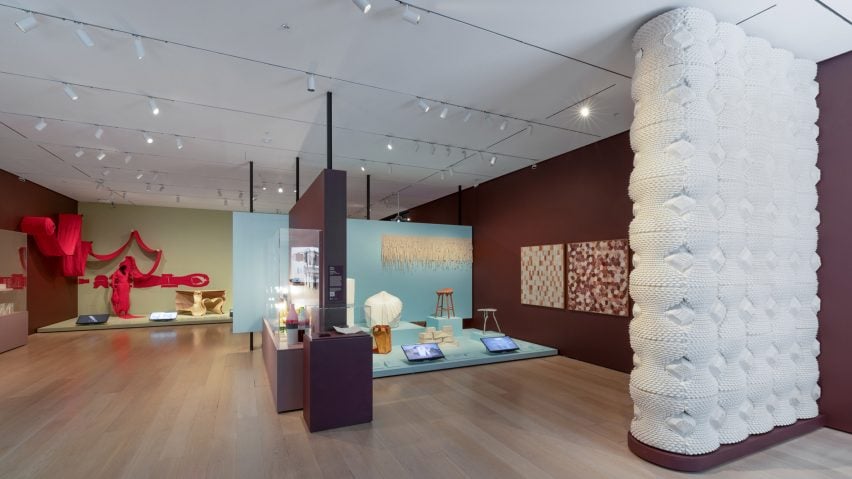
“Our task is not to live forever” says Paola Antonelli

MoMA curator Paola Antonelli believes humans will go extinct as a result of climate change, but is “very positive” about how designers can help to slow the decline, she tells Dezeen in this interview.

The Museum of Modern Art curator is the author of several books including Design Emergency (co-written with Alice Rawsthorn), and runs the Instagram account of the same name that explores how design can help build a better future in the face of serious global issues.

Among the exhibitions she has curated is Broken Nature: Design Takes on Human Survival, which showcased architecture and design projects from the last 30 years that explore our fractured relationship with the planet.

To Antonelli, the vital importance of focusing on these issues is obvious.

“When one has a pulse and a brain, one can not be aware of the climate emergency and not be concerned and tempted to do whatever one can, whatever is possible,” she told Dezeen.

“Design is a force for any kind of change that needs to happen”

Antonelli believes that design is well-placed to play a leading role in the global effort to solve or mitigate issues relating to climate change.

“Design is a force for any kind of change that needs to happen,” she said. “It’s a force for propaganda, for changing people’s behaviour, for re-addressing issues, for changing products so that they can become more attuned to needs.”

“It is like an octopus that has different tentacles and can touch multiple point pressures in the ecosystems that make up our life.”

Life Cycles exhibition at MoMALife Cycles exhibition at MoMA
Life Cycles: The Materials of Contemporary Design is Paola Antonelli’s latest exhibition

“When it comes to the climate emergency, design can take on many different roles,” she added.

“I don’t feel that design by itself can change or save the world – that is always a utopia, and it’s unrealistic – but I find that it is a fundamental part of any team effort, and all efforts have to be team efforts at this point to change the status quo.”

One way in which designers can work towards slowing the climate emergency is by creating products which, rather than using materials that contribute to the pollution of the planet, focus on upcycling, re-use and using waste instead of new materials.

MoMA exhibition explores design’s impact on the ecosystem

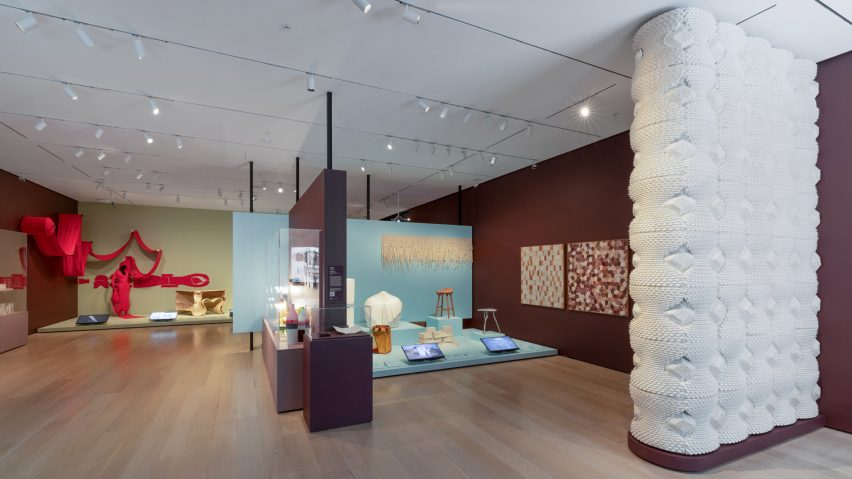
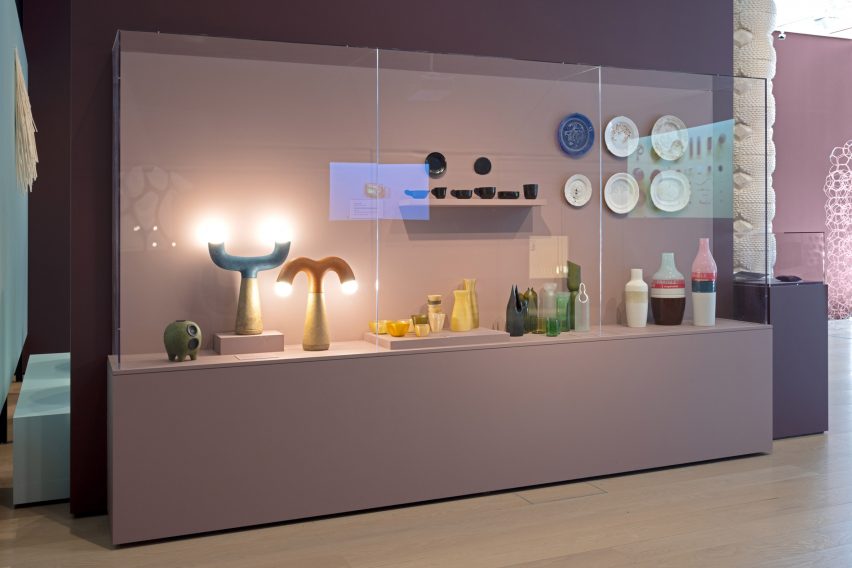
This is the theme of Antonelli’s latest exhibition at MoMA, Life Cycles: The Materials of Contemporary Design, which explores “the regenerative power of design”, examining how design can be elegant and innovative while still respecting the ecosystem.

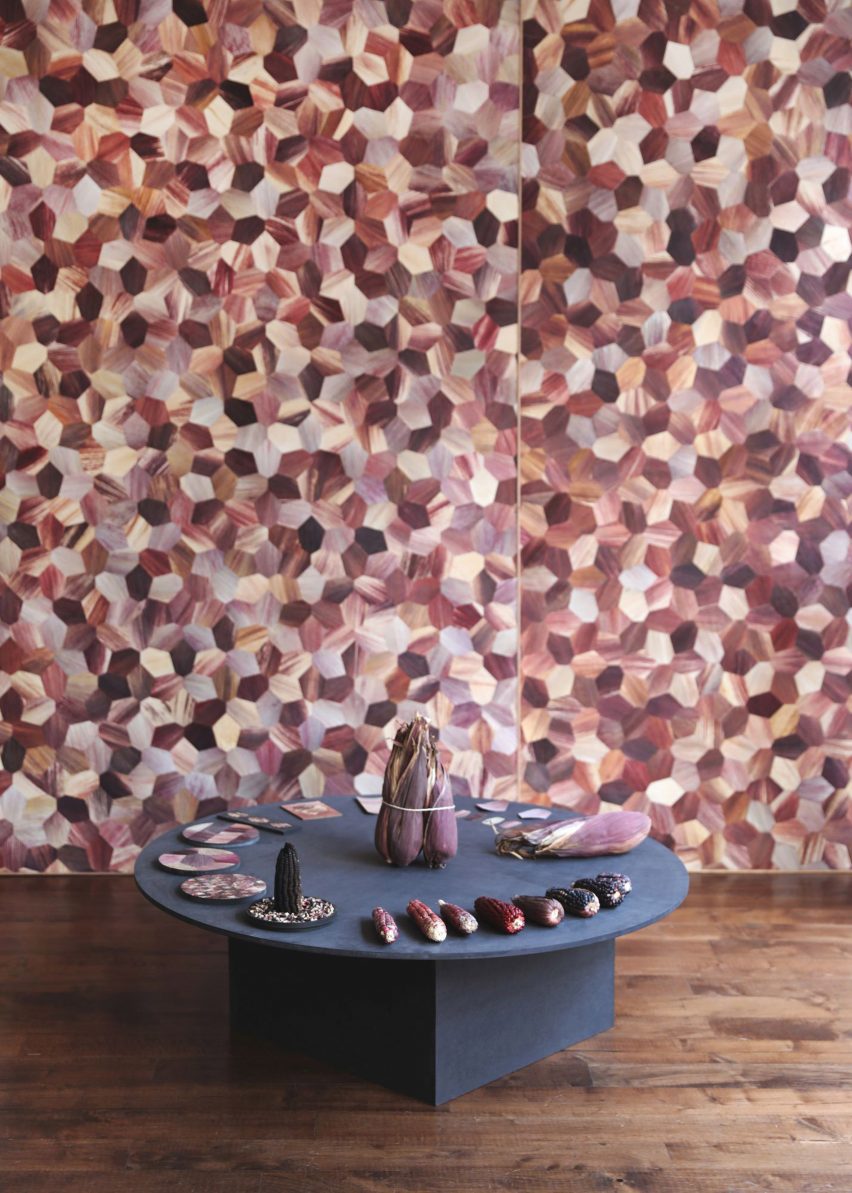
Among the pieces on show are works by Mexican designer Fernando Laposse, who has created a marquetry material from the husks of heirloom corn species, and by designer Mae-Ling Lokko, who has a company in Ghana that creates building products from mushroom mycelium and coconut shells.

Corn by Fernando LaposseCorn by Fernando Laposse
Fernando Laposse works with heritage corn species

“[Lokko’s work] is about agricultural waste, but very localised to where it is, and I see many designers behaving that way,” Antonelli remarked.

In that vain, she believes designers should look to how people in their local environment have dealt with disastrous natural events in the past to help prepare for a future in which they will become more frequent.

“When you’re dealing with a disaster, it’s usually is a disaster that happens near you, so you could learn a lot from how things are done near you,” Antonelli explained.

“Floods have happened for centuries and they might be more frequent now, but cities and regions of the world have been dealing with them for a really long time,” she added.

“So they might have some structures already in place that need to be either relearned or deepened.”

This is already underway, Antonelli believes, with designers and architects increasingly “studying the local”.

“That is happening at many different levels,” she said. “There are architects and landscape designers that are really trying to understand Native and First Peoples approach to land, respect, land-use or land non-use.”

“Global technological efforts are important, but without that attention to local realities they will be simplifying, or at least overlooking, many important aspects.”

Coronavirus pandemic “gave us a feeling of what clean skies could be”

She argues the coronavirus pandemic also underlined how quickly things can change and that we can have an impact on the climate and how it behaves.

“The pandemic brought everything to a stop and gave us a feeling of what clean skies could be – I mean, we rapidly forgot about it, but there was still this moment of stunned recognition of the fact that skies can be blue if we all stop using cars for a few days,” Antonelli said.

Life Cycles exhibitionLife Cycles exhibition
MoMA’s Life Cycles exhibition looks at design’s relationship with the ecosystem

And with much of the world currently in turmoil, whether from the climate emergency or other human-driven disasters and wars, she thinks there is more of a willingness to take these questions seriously.

“There are so many tragedies that are happening in the world right now, there’s no respite, but I feel like it brings everybody more on an alert kind of attitude,” she said.

“So I feel that the climate emergency is considered with more seriousness because it undergirds many of the other crises.”

“Our task is to leave the planet in a better condition”

While Antonelli doesn’t think humans can design our way out of our own extinction, she believes design can play an important role in slowing the decline.

“Slowing the decline is very, very positive; I am very positive,” Antonelli said.

“Even though – as I was saying at the time of Broken Nature – I believe we will become extinct, we have a little bit of control on the when and a lot of control on the how,” she added.

“I’m optimistic that we can be dignified, responsible, and compassionate towards other people, towards other species and towards the planet.”

“And that is our task. Our task is not to live forever. Our task is to leave the planet in a better condition than we found it, or at least as good as possible.”

The exhibition photography is courtesy of MoMA.

Dezeen In Depth
If you enjoy reading Dezeen’s interviews, opinions and features, subscribe to Dezeen In Depth. Sent on the last Friday of each month, this newsletter provides a single place to read about the design and architecture stories behind the headlines.


Reference

A novel design cuts the cost of wind power
CategoriesSustainable News

A novel design cuts the cost of wind power

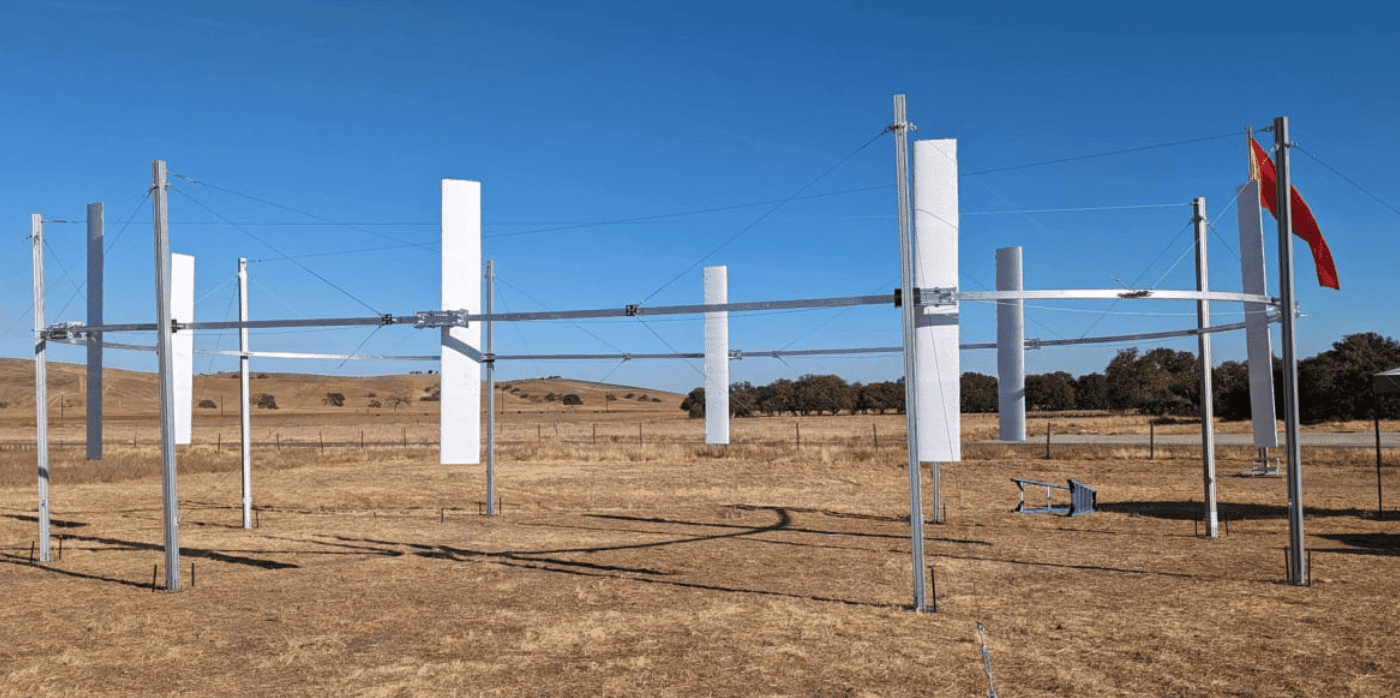
Spotted: The cost of onshore wind energy has fallen steadily over the last decade. However, wind installations have also steadily increased in size, and while bigger turbines generate more energy, they also make it more difficult to secure public approval and find financing, appropriate sites, and materials. Wind company AirLoom is taking a new approach to address these challenges.

Instead of huge blades on tall towers, AirLoom’s design consists of vertically oriented, 10-metre-long wings attached to a lightweight track. The blades intercept the wind, which propels them down the track, generating power. Supported by 25-metre-tall poles arranged in an oval, the track can range in length from metres to miles, depending on the desired scale.

A key advantage of the design is that it is quieter and lower profile than skyline-dominating turbines, which could help to reduce complaints about local disruption and ruined views. The system is also low-cost and modular, which means it can be deployed at different scales using a standard set of components.

AirLoom recently announced that it has secured $4 million (around €3.7 million) in seed funding. The round was led by Breakthrough Energy Ventures fund, which supports new clean technologies, with participation from Lowercarbon Capital and energy fund MCJ Collective. The money will help AirLoom scale up to the megawatt scale and full deployment.

Despite the difficult market for new wind energy projects, a number of innovations seek to make wind power more affordable. These include a low-cost, single-bladed floating turbine and small turbines for powering microgrids.

Written By: Lisa Magloff and Matthew Hempstead

Reference

marc thorpe livingston manor
CategoriesArchitecture

marc thorpe’s livingston manor exemplifies passive design upstate

Livingston Manor: A Graphic Designer’s Rural Retreat


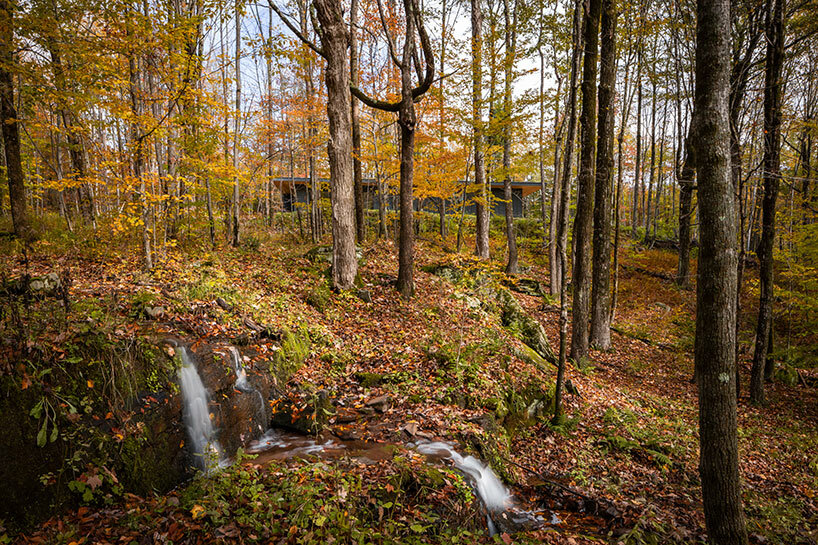
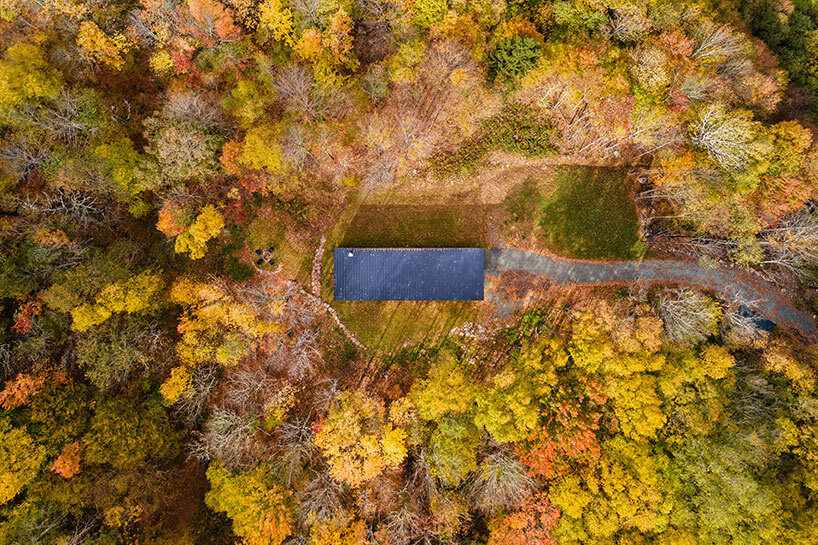
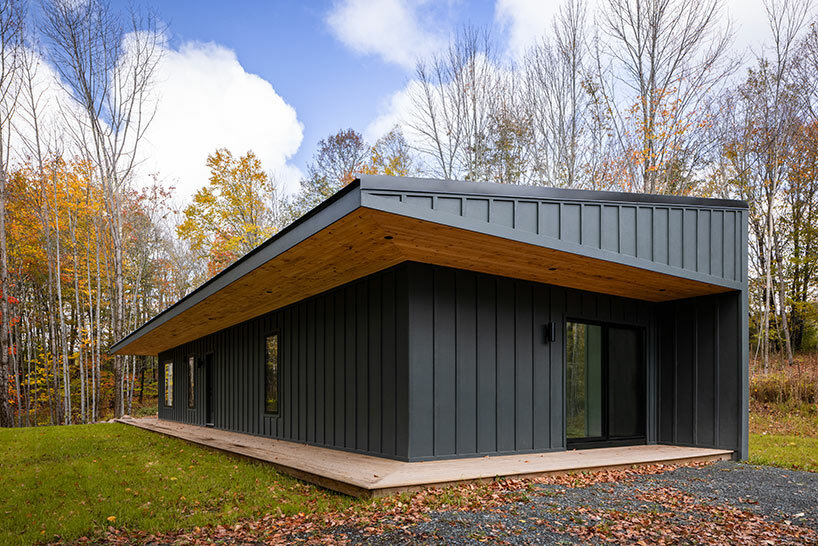
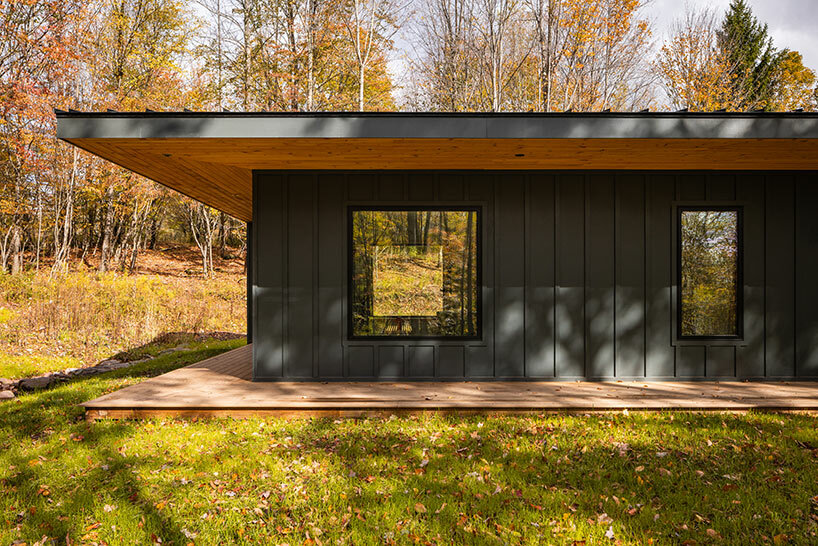
Hidden among the forested West Catskills just two hours northwest of New York City, the Livingston Manor house takes shape with architecture by Marc Thorpe Design. Covering just 1,800 square feet, the remote dwelling offers a private rural escape for a Brooklyn-based graphic designer and his family. Central to the design is a spacious open living and dining room, two bedrooms, as well as utility and bathroom areas. What sets this project apart is its unique cantilevered roofline, triangulated to provide a sense of weightlessness as it gracefully hovers over the surrounding deck.

marc thorpe livingston manorimages © Marco Petrini


the low-energy home beneath a cantilevered roof


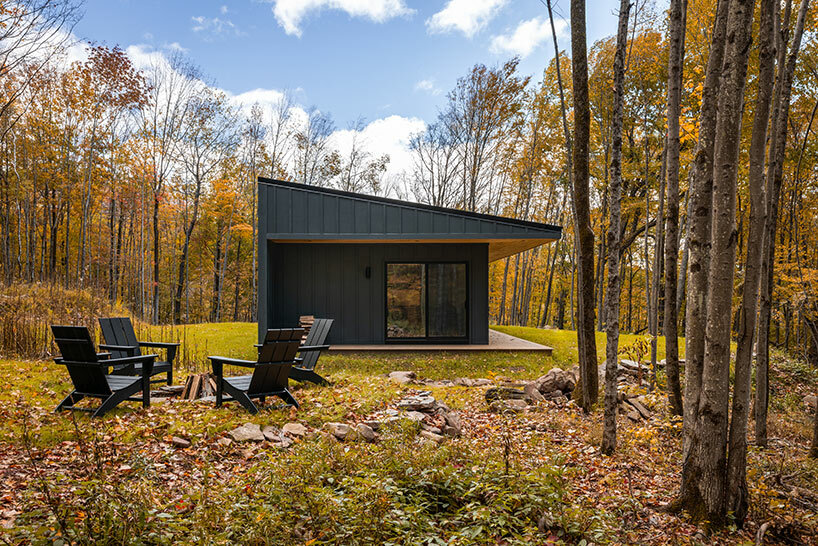
The defining feature of Livingston Manor is its deep triangulated cantilevered roofline, which architect Marc Thorpe shapes to create a sheltered outdoor space over the wrapping deck. In alignment with contemporary environmental awareness, the Livingston Manor house adheres to the principles of passive design. The architects strategically reduced the building’s ecological footprint by implementing standards that ensure ultra-low energy consumption for space heating and cooling. This commitment to sustainability exemplifies the studio’s dedication to responsible architecture. 

marc thorpe livingston manor
just two hours from the city, Livingston Manor is a private escape designed for a Brooklyn-based graphic designer


passive design + responsible architecture by marc thorpe


Marc Thorpe Design works together with the Narrowsburg-based team at Wild & Balanced High-Performance Building to construct the Livingston Manor using responsible strategies. Advocates for thoughtful building practices, the contracting group adopts a methodology centered around passive construction. Its approach involves creating an air-tight, super-insulated, and thermally broken structure that is continuously vented with filtered fresh air (ERV/HRV). This method results in a range of benefits, including significantly lower heating and cooling bills, even temperature distribution, and a reduced reliance on fossil fuels and electricity. ‘One shouldn’t get caught up in the term (passive),’ says the firm, describing its methodology. ‘Simply put, Passive construction is the evolution of homebuilding and renovations.’

marc thorpe livingston manor
the home is enclosed by a unique cantilevered roofline, sheltering a wrapping deck
marc thorpe livingston manor
Livingston Manor follows passive design standards, ensuring ultra-low energy use for heating and cooling marc thorpe's livingston manor demonstrates passive architecture in upstate new york
Marc Thorpe Design reduces the project’s ecological footprint with eco-friendly construction

Reference

Table made from a stack of vertical logs and a cardboard top
CategoriesInterior Design

Medprostor stacks firewood for Ljubljana design biennial exhibition

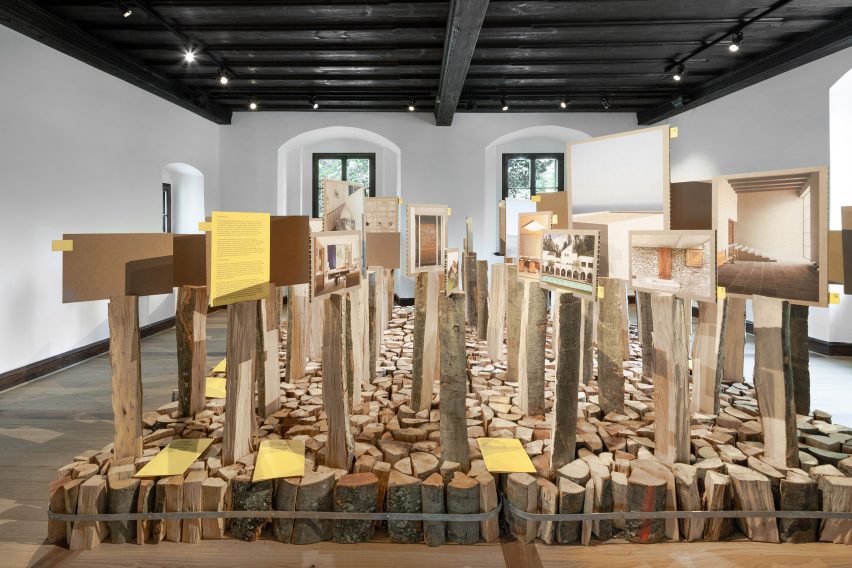
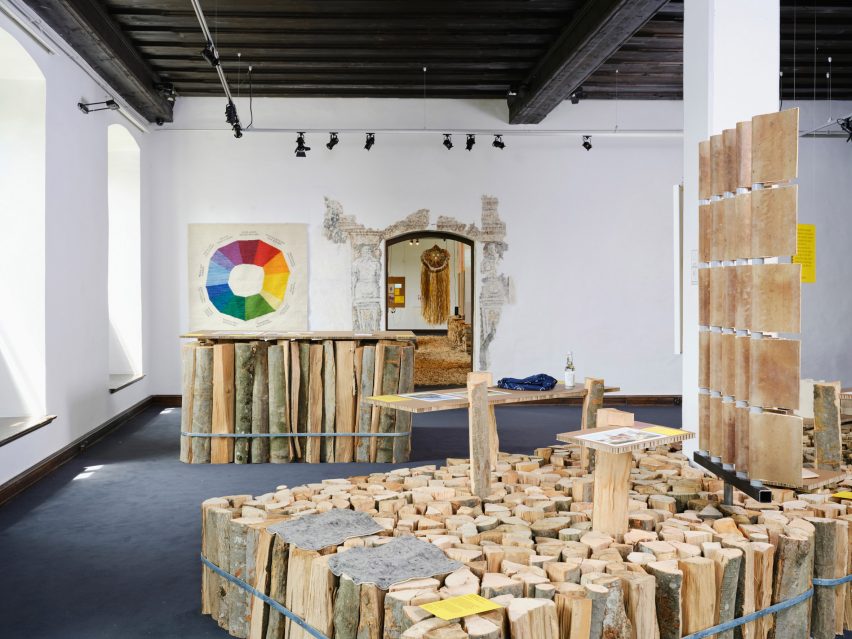
Firewood logs were used as modular stackable elements for the scenography of the BIO27 Super Vernaculars design biennial in Ljubljana, Slovenia, which has been shortlisted for a 2023 Dezeen Award.

Curated by Jane Withers, the 27th edition of the city’s design biennial took place at the Museum of Architecture and Design (MAO) in the summer of 2022.

Table made from a stack of vertical logs and a cardboard top
Firewood was stacked in various ways to stage the BIO27 Super Vernaculars

The four-month presentation explored how designers and architects are adapting vernacular traditions and value systems to respond to contemporary challenges like water scarcity, waste and declining biodiversity.

Similarly, the brief for the exhibition design was to rethink classic parameters and consider sustainability in the context of a temporary show.

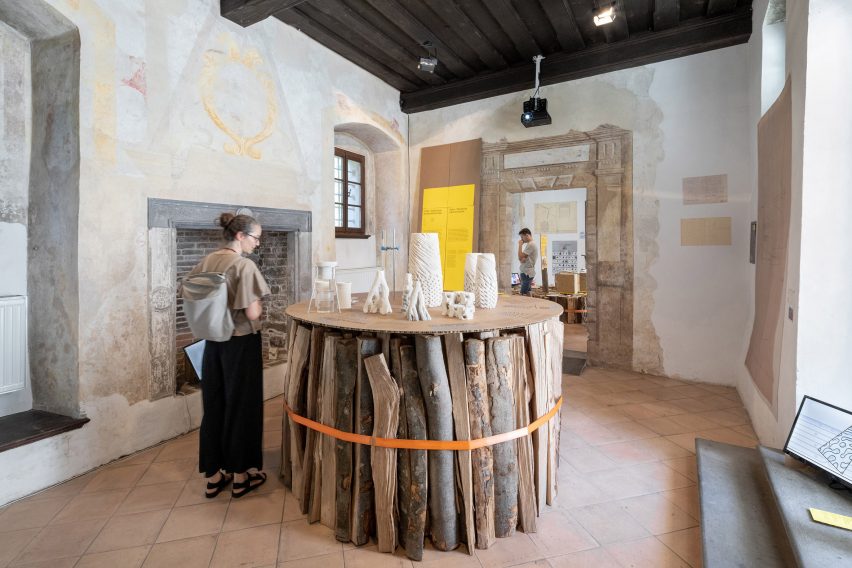
Bundles of firewood used as exhibition display podiums
The firewood bundles were used to display various design projects throughout MAO

Slovenian architecture studio Medprostor chose to create the scenography from a readily available, locally sourced material that could be entirely reused at the end of the show.

“Walls, planes, piles and lines of firewood are a part of the Slovenian visual landscape, as almost 59 per cent of the country is forested,” said Medprostor.

“By only using the standard logs and non-invasive stacking and binding methods, all the material was returned to the supplier for further resale and use.”

Images held up by vertical logs
The logs were pre-cut to standard lengths so they could be reused

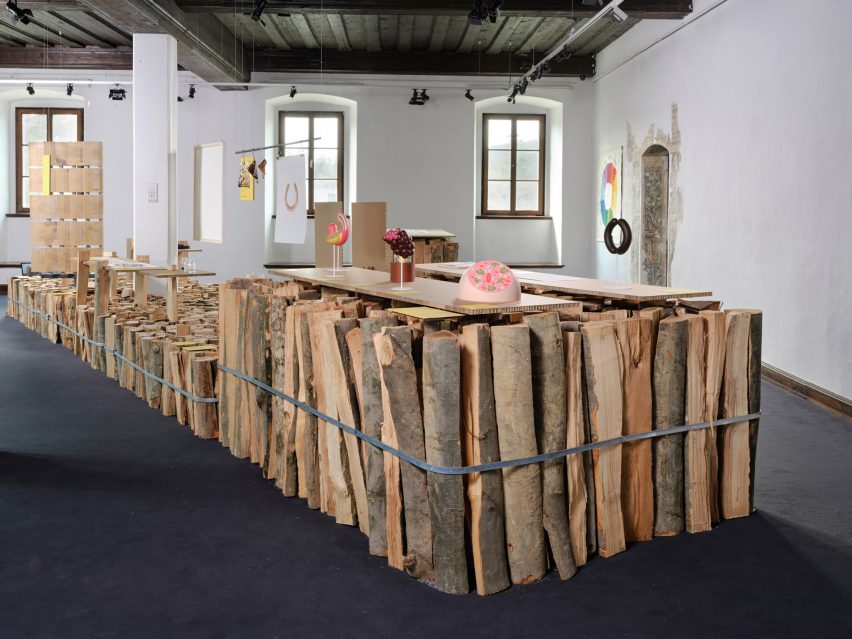
Pre-cut to standard lengths, the logs were oriented vertically and bound together to create tables and platforms of varying heights and sizes throughout the exhibit areas.

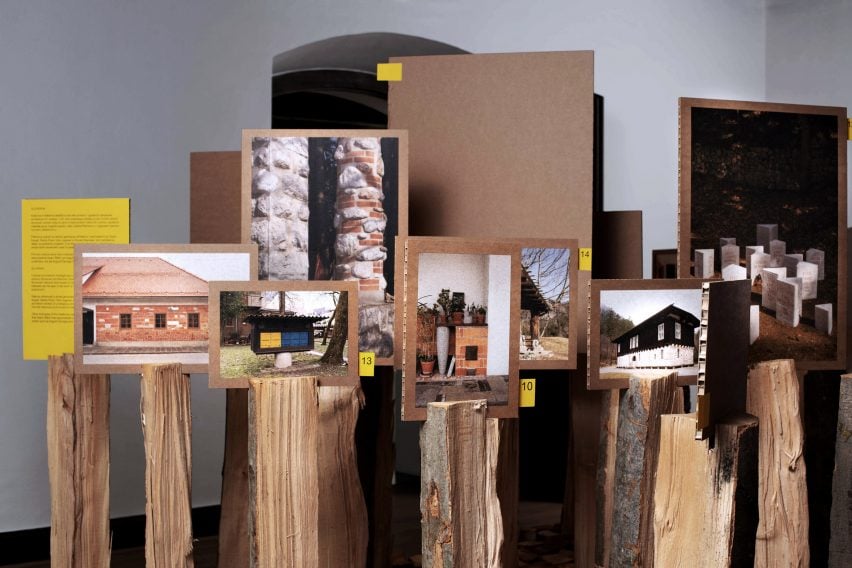
Some of the logs were notched in their tops to hold photographs and texts mounted on honeycomb cardboard sheets, which also formed flat horizontal surfaces for displaying items by participating designers.

Photos and texts mounted onto honeycomb cardboard placed on top of logs
Photos mounted onto honeycomb cardboard were placed in notches on top of the logs

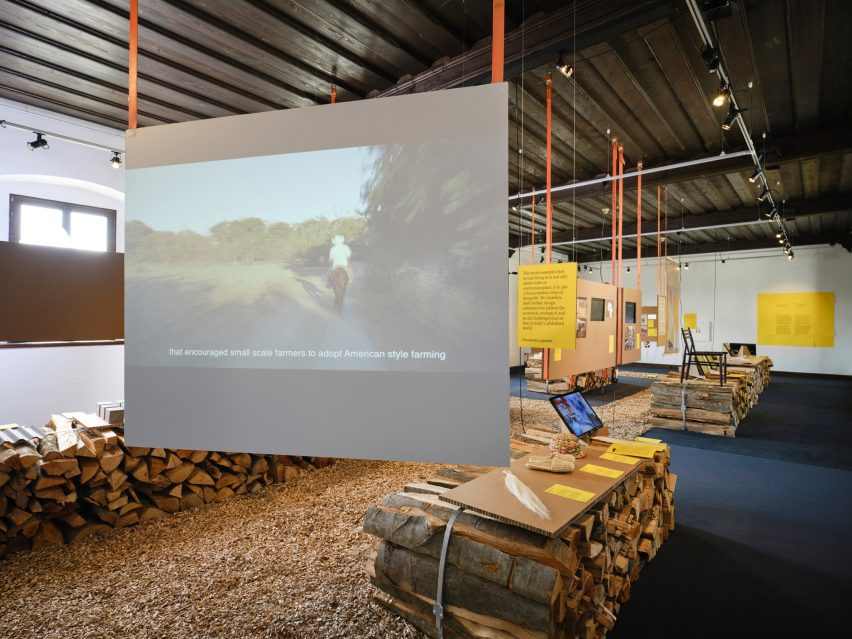
Bundles were also laid on their sides to act as low-lying display podiums for larger pieces.

“The aim was to explore ways of stacking wood that are based in traditional techniques but can at the same time support new shapes and methods that evoke a sense of contemporaneity,” Medprostor said.

Orange and grey straps supporting hanging cardboard panels
Orange and grey straps recycled from the shipping industry were used to bind the logs

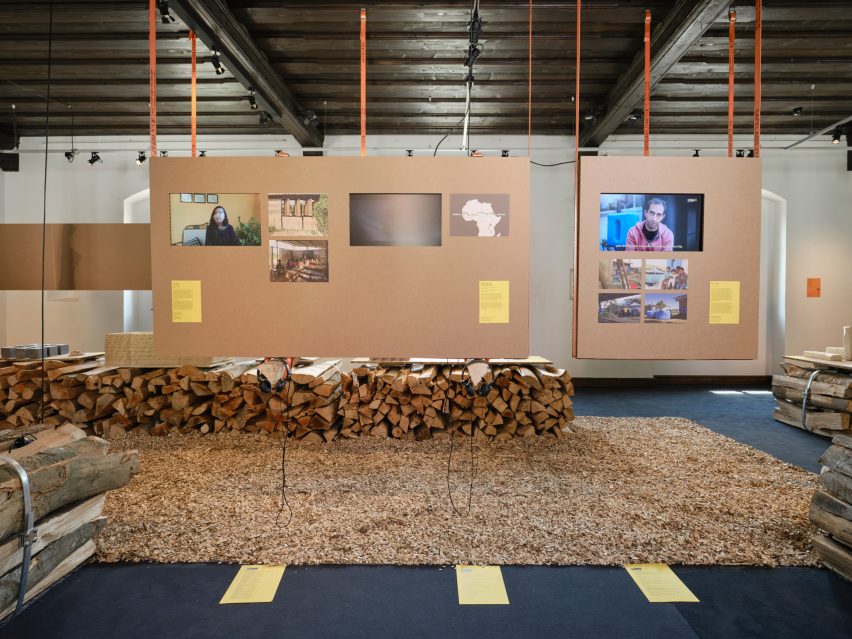
The grey and orange straps used to bind the wood and to hang cardboard panels from the ceiling were reused from the shipping industry.

A few panels also incorporated video screens or served as a backdrop for projections, adding another medium through which the curated projects could be articulated.

Medprostor collaborated with graphic designers Studio Kruh and AA to continue the low-impact approach to the exhibition graphics and signage, which were primarily printed on-site at the museum.

Additionally, the firewood was able to extend its drying process for the duration of the biennial, making it more energy-efficient when finally used as fuel, according to the studio.

Hanging panel used as a projector backdrop
Hanging panels incorporated video screens and were used as projector backdrops

“The drier the wood, the higher heating value and better environmental footprint it has,” Medprostor said. “While in the museum, logs can dry additionally and be returned to the supplier for further resale with a better ecological footprint.”

“The museum becomes a part of the process of curing the wood.”

Exhibition display stands built from firewood
All of the firewood was returned to the supplier when the exhibition ended

The BIO27 Super Vernaculars scenography has been shortlisted in the exhibition design category of the 2023 Dezeen Awards, along with a shrink-wrapped exhibition design by Didier Faustino and a showcase of recycled steel chairs by Daisuke Yamamoto.

The awards will be presented during a ceremony and party in London on Tuesday 28 November 2023, with creative direction by The Unlimited Dream Company.

The photography is by Ana Skobe and Klemen Ilovar.

BIO27 Super Vernaculars took place at the Museum of Architecture and Design (MAO), Ljubljana, Slovenia from 26 May to 29 September 2022. See Dezeen Events Guide for an up-to-date list of architecture and design events taking place around the world.


Project credits:

Location: Museum of Architecture and Design (MAO), Ljubljana, Slovenia
Exhibition design: Medprostor: Rok Žnidaršič, Jerneja Fischer Knap, Katarina Čakš, Teja Gorjup
Graphic design: Studio Kruh + AA
Curator: Jane Withers
Assistant curator: Ria Hawthorn
BIO27 director: Anja Radović

Reference