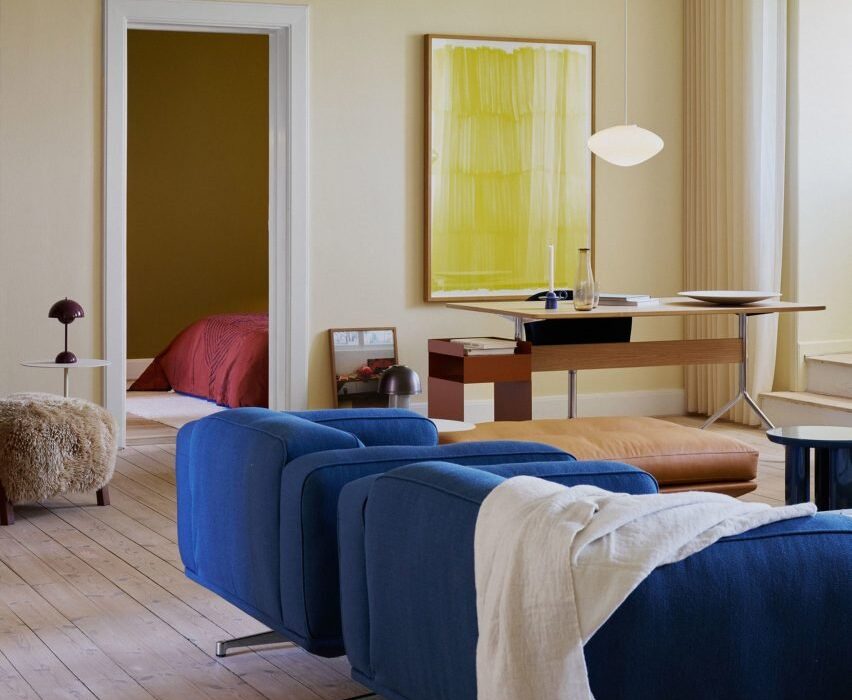
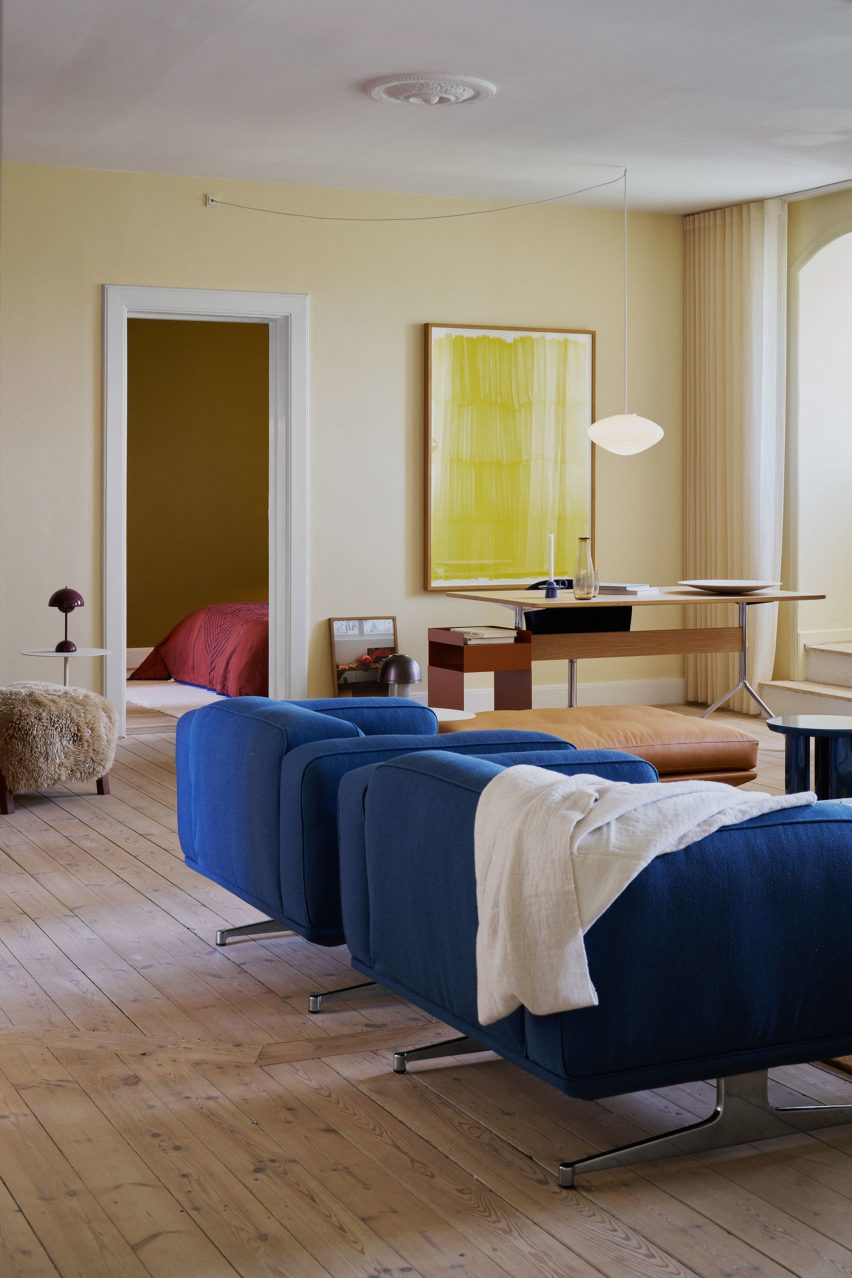
Living room and office in The Apartment in Under One Roof by &Tradition
CategoriesInterior Design

&Tradition unveils apartment in 3 Days of Design exhibition

Danish furniture brand &Tradition has opened the doors to a four-storey showroom in Copenhagen, featuring a complete apartment and rooms designed by Jaime Hayon and Space Copenhagen.

Unveiled during 3 Days of Design in an exhibition titled Under One Roof, &Tradition‘s design team has transformed the interior of an 18th-century townhouse on 4 Kronprinsessegade.

Living room and office in The Apartment in Under One Roof by &Tradition
The Apartment takes over the top floor of the townhouse

The top floor has become The Apartment, an entire home interior that is described by Els Van Hoorebeeck, creative and brand director for &Tradition, as “the cherry on the cake”.

Despite being completely kitted out in the brand’s products, it was designed to have the feel of a lived-in space rather than a showroom.

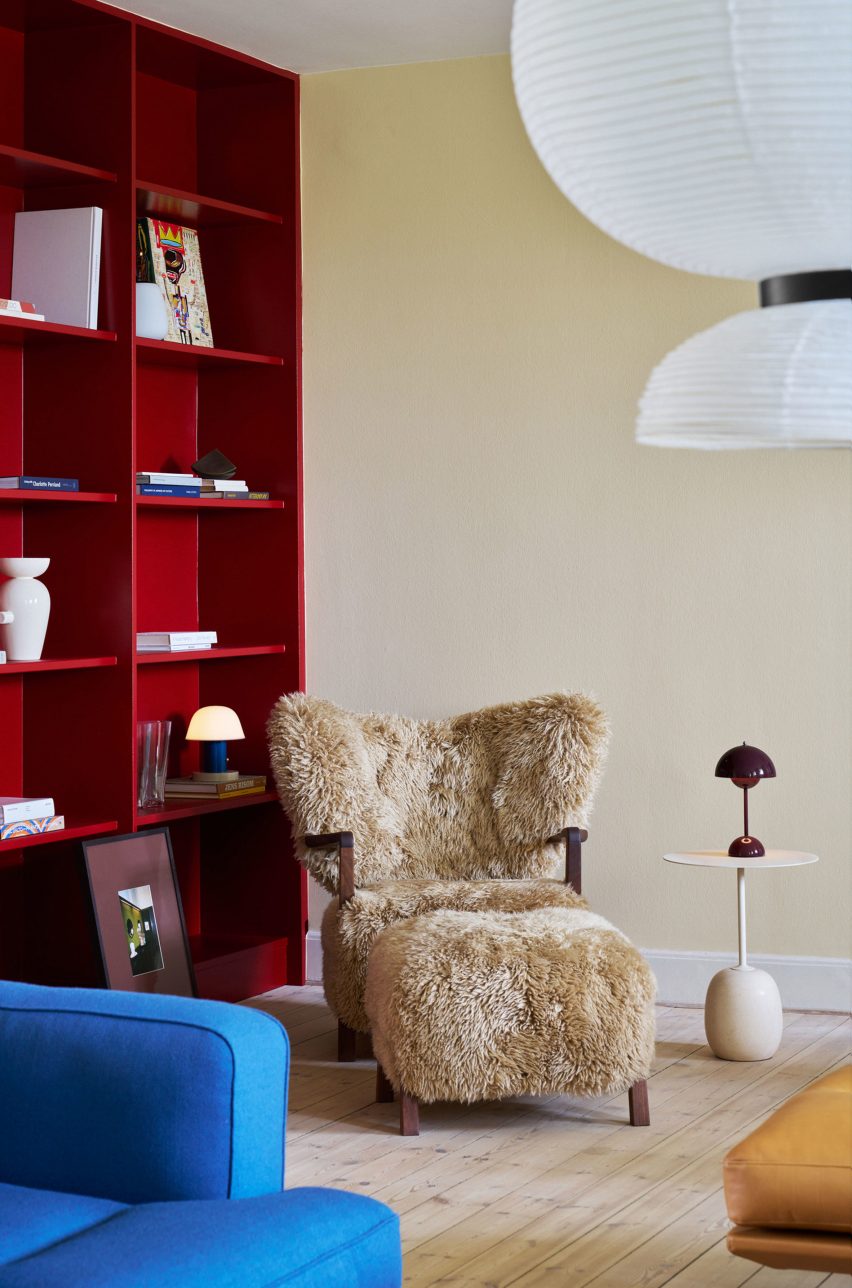
The Apartment in Under One Roof by &Tradition
Designed by &Tradition’s in-house team, the spaces combine classic and contemporary

“When you enter, you feel this balance between colours and neutrals, between wood tones and glass or metal, and between classic and contemporary designs,” Van Hoorebeeck told Dezeen.

“There’s a lot of product in there, but you don’t notice it,” she said.

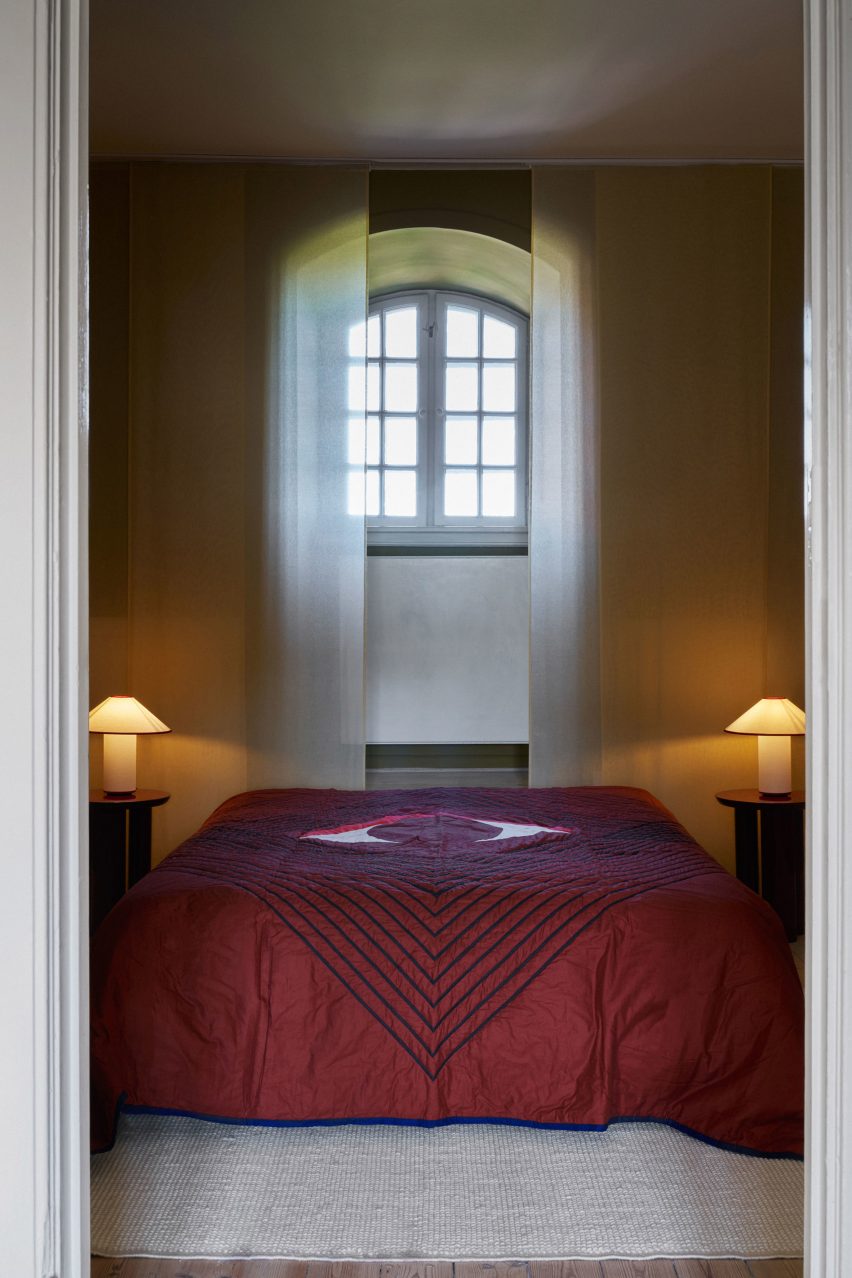
Bedroom for The Apartment in Under One Roof by &Tradition
The bedroom showcases a quilted bedspread by Swedish-Danish duo All the Way to Paris

Spanish designer Hayon has created two rooms on the first floor, which give an insight into the creative process behind products he has developed for &Tradition.

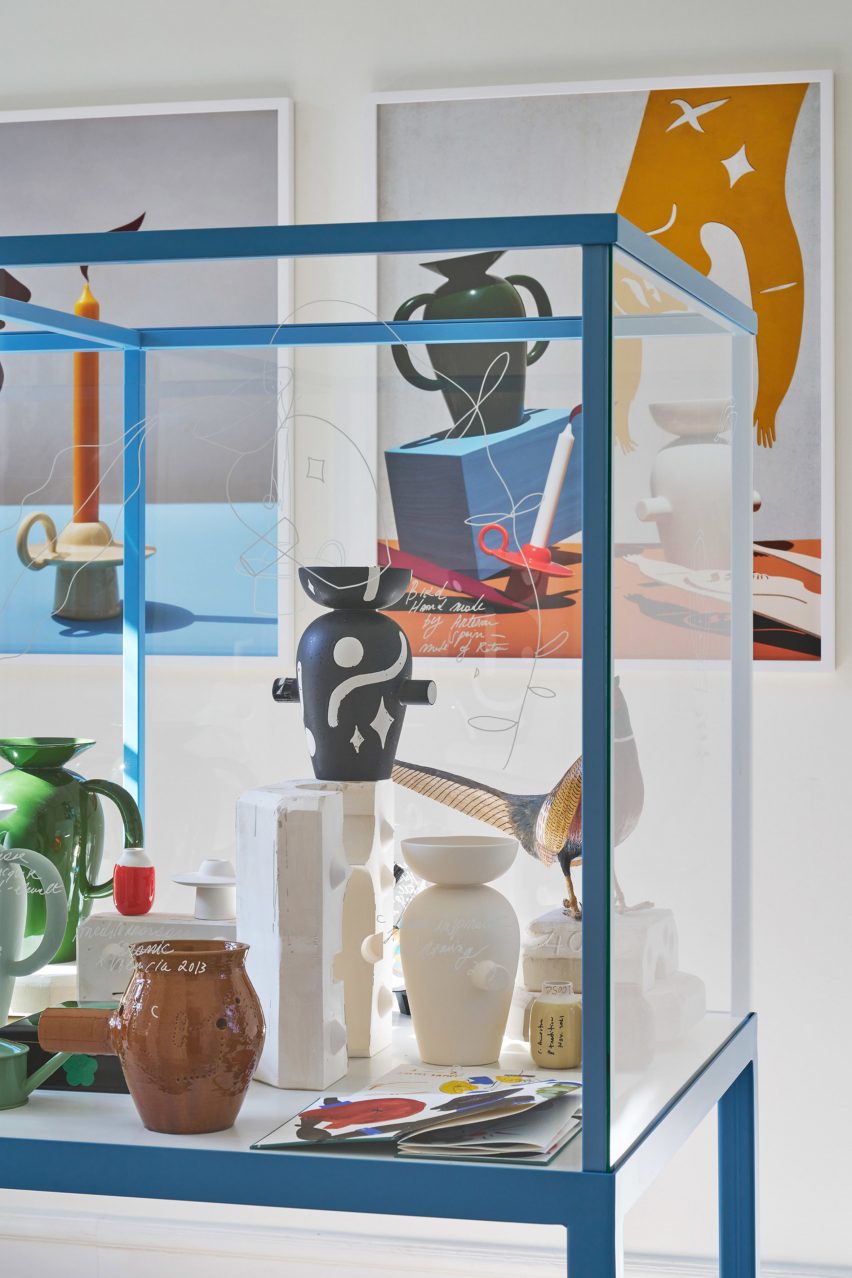
The first, called Cabinet of Curiosities, features a glass display case filled with objects and drawings, revealing the forms and images that inspire Hayon’s designs.

Jaime Hayon's Cabinet of Curiosities in Under One Roof by &Tradition
Jaime Hayon has created a room called Cabinet of Curiosities

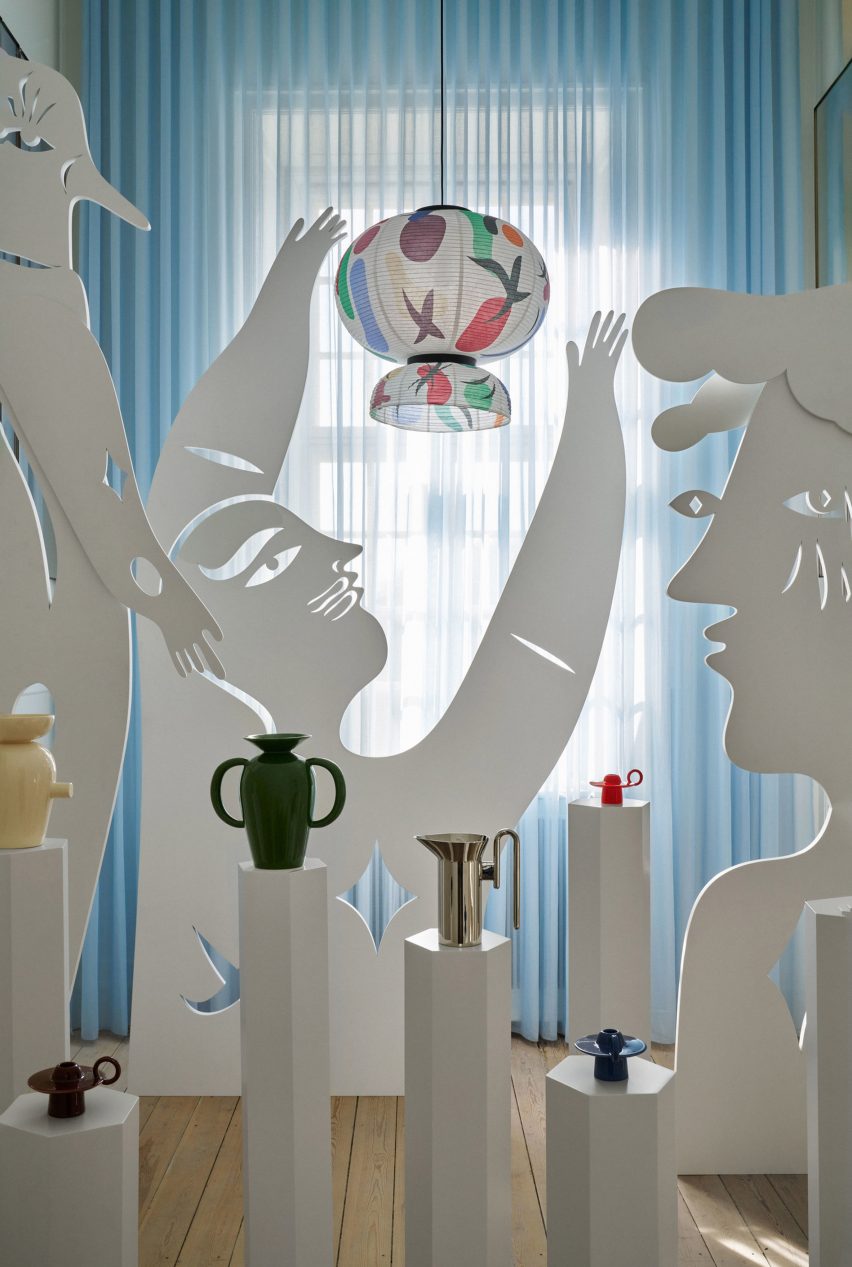
The second presents new works by Hayon – including the Momento vessels and a limited edition of his Formakami pendant lamp – in a scenography framed by large silhouette characters. This room is called Teatro Surreal.

“We felt it was important to show the world that his products come out of,” said Van Hoorebeeck.

Jaime Hayon's Teatro Surreal in Under One Roof by &Tradition
Jaime Hayon’s Teatro Surreal creates a scenography for his new products

The two rooms by Danish interiors studio Space Copenhagen can be found on the second floor.

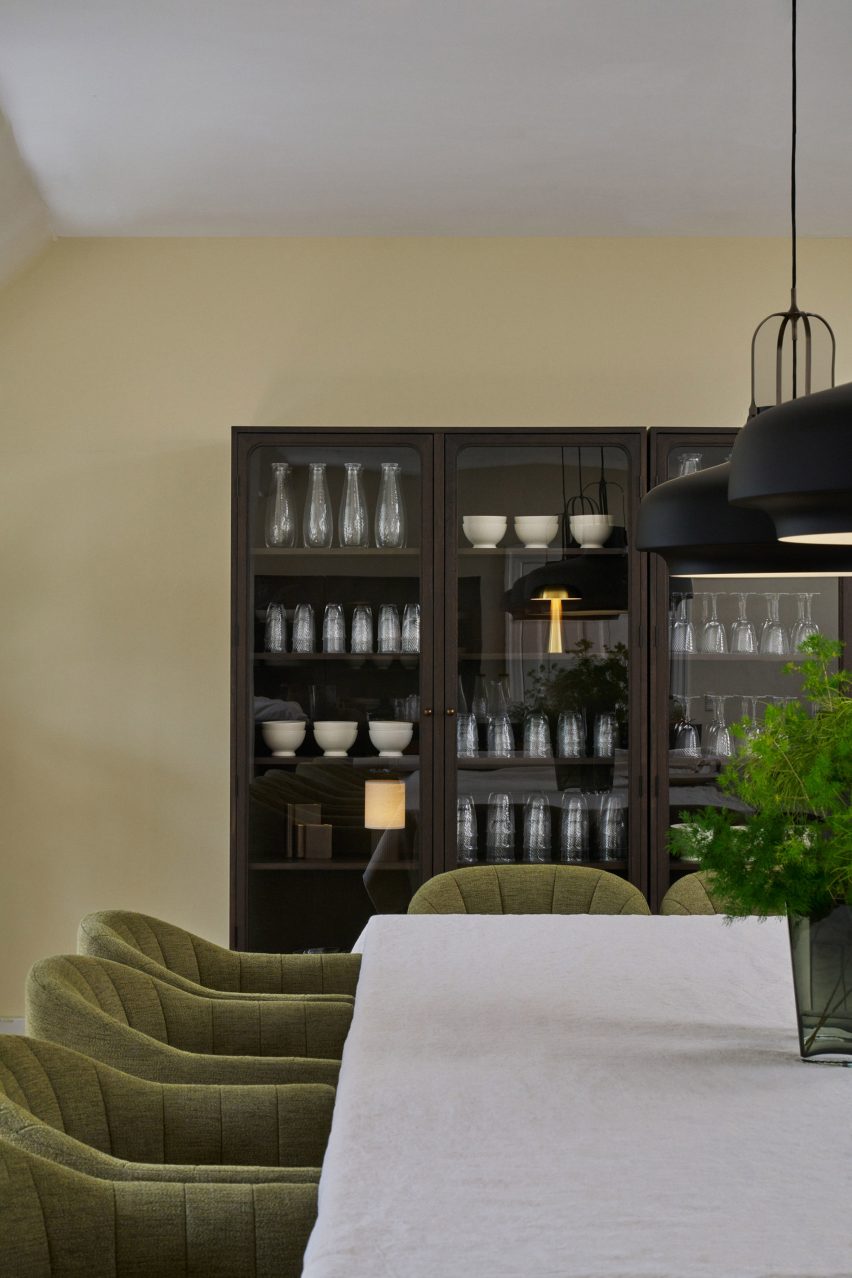
These spaces include a studio and, building on the studio’s experience in hotel and restaurant design, a dining room. Here, shades of green and brown combine with fresh herbs and plants to bring a sense of nature.

New products are peppered throughout these two rooms.

They include the Trace storage cabinets, which are filled with kitchen utensils and tableware, and the Collect rugs.

Space Copenhagen's dining room in Under One Roof by &Tradition
Space Copenhagen has created a dining room in shades of green and brown

Founded in 2010 by Martin Kornbek Hansen, &Tradition combines contemporary and classic design in its collections.

The brand has been based at 4 Kronprinsessegade since 2018, but the building primarily served as a headquarters, with offices located on the upper levels.

Verner Panton Lounge in Under One Roof by &Tradition
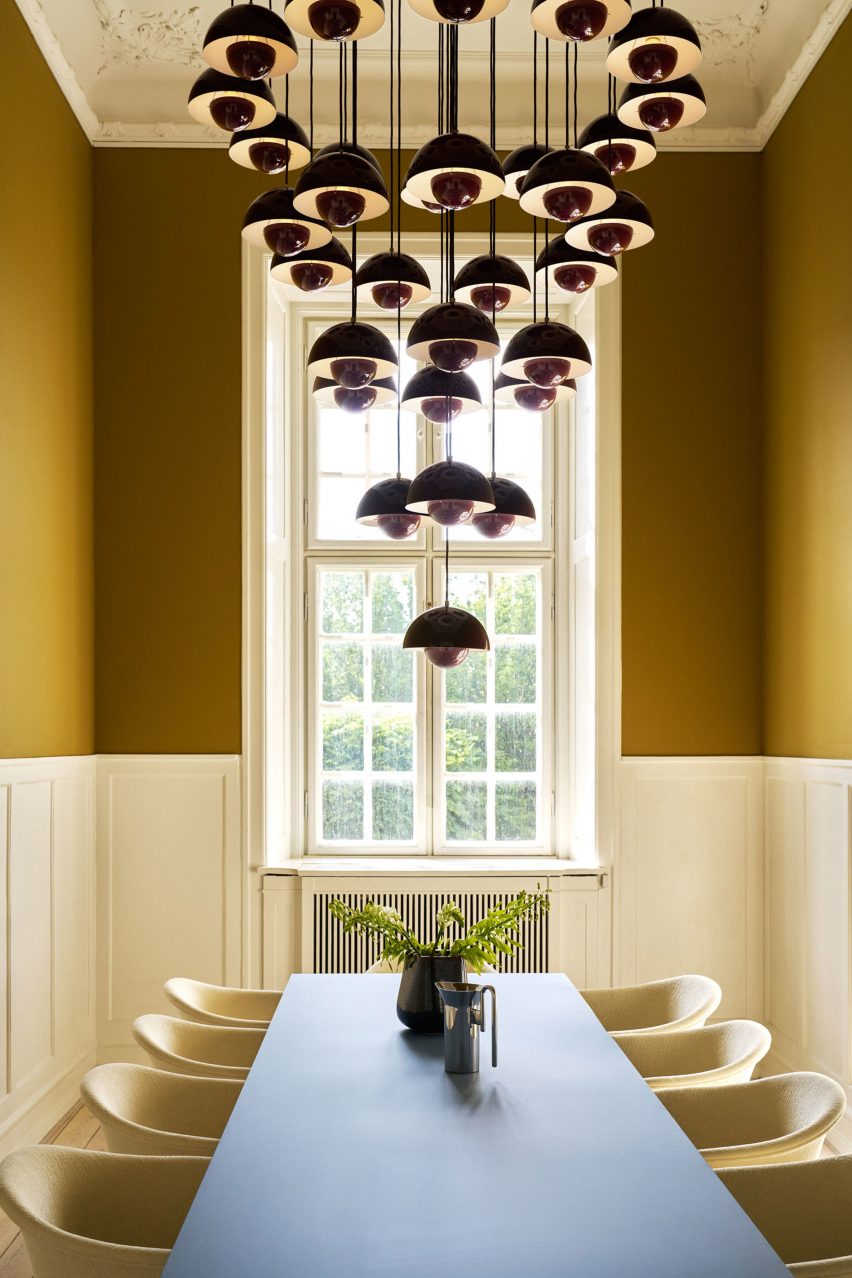
Verner Panton’s Flowerpot lamps feature in several rooms

The company has now moved its offices to another nearby location, which made it possible to open the entire townhouse up to the public for the first time during 3 Days of Design.

Other spaces revealed in Under One Roof include the Verner Panton Lounge, which is dedicated to mid-century pieces by the late Danish designer such as the 1968 Flowerpot lamps.

Archive in Under One Roof by &Tradition
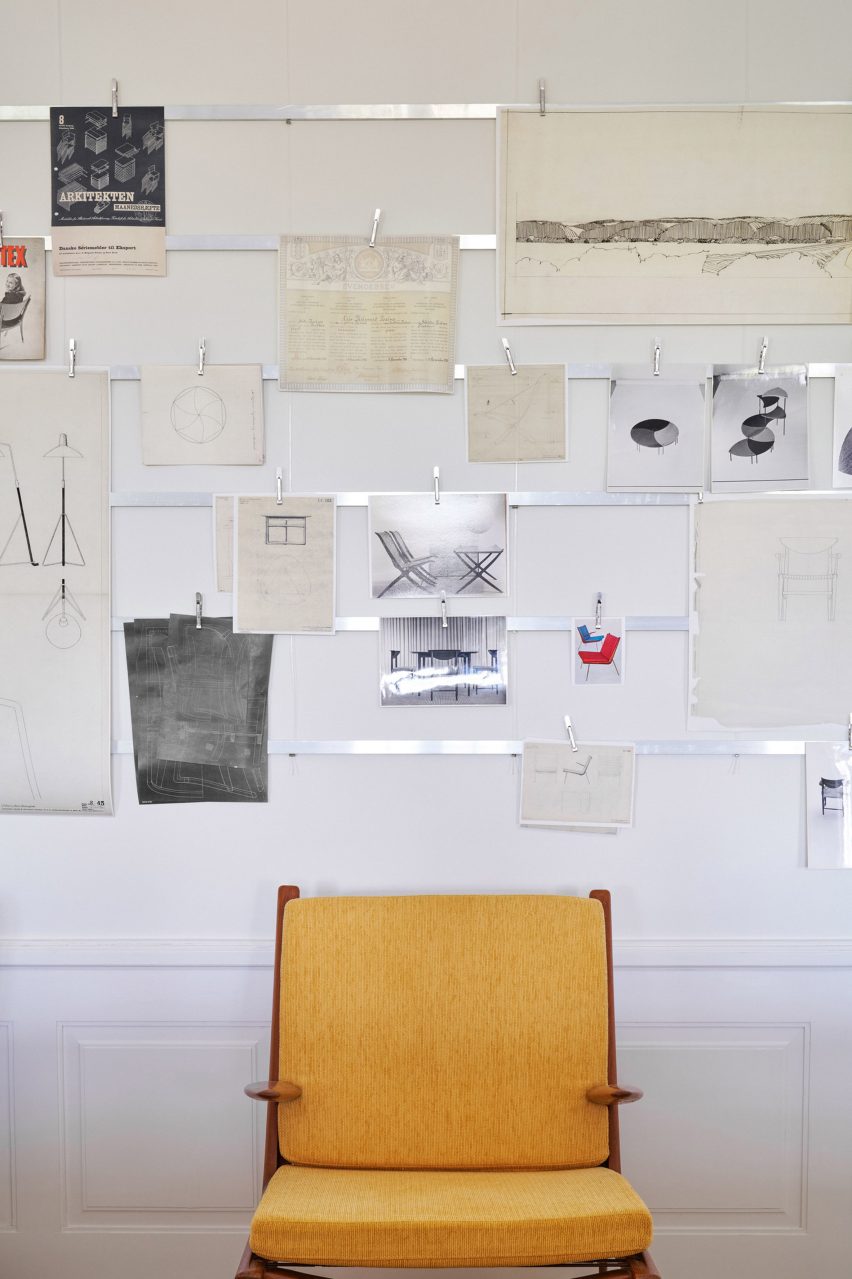
An archive room is filled with original drawings and vintage samples

There are also rooms designed to appeal to the senses. These include the Listening Lounge, a relaxed space filled with music, and Mnemonic, which centres around a range of scents.

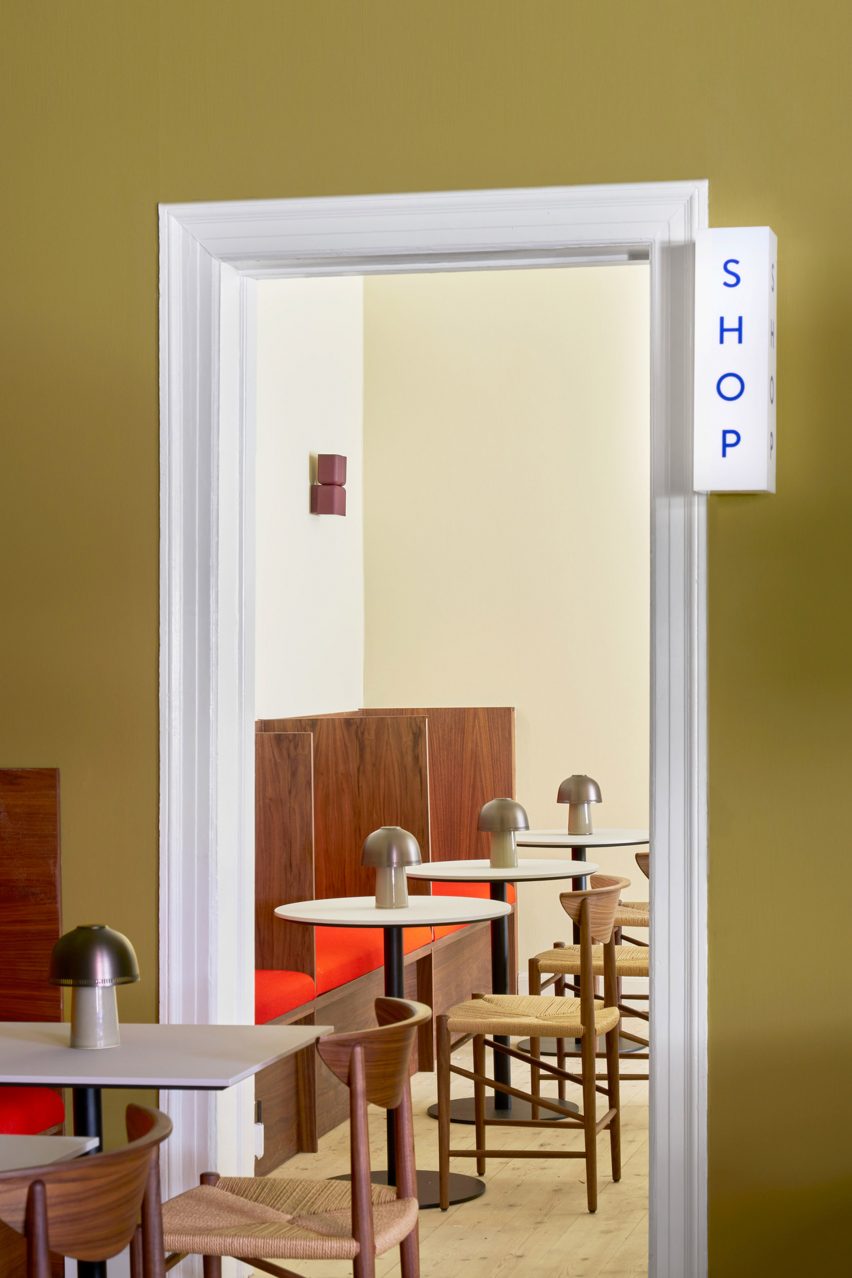
Other key spaces include a “workshop” showcasing the possibilities of the modular workspace furniture, an archive filled with original drawings and vintage samples, a cafe and a shop.

Shop in Under One Roof by &Tradition
A cafe and shop are located on the ground floor

Van Hoorebeeck hopes the spaces will help tell the stories behind the products.

“What we wanted to do here is to create a whole universe,” she said. “Every room is based on showing a different atmosphere between contemporary and classic designs.”

“Now the layout of the house is set and every year we’ll just adapt it,” she added.

The photography is courtesy of &Tradition.

3 Days of Design took place in venues around Copenhagen from 7 to 9 June 2023. See Dezeen Events Guide for information, plus a list of other architecture and design events taking place around the world.

Reference

Alberghi Diffusi: Architects Should Embrace Italy's Decades-Old Design Concept
CategoriesArchitecture

Alberghi Diffusi: Architects Should Embrace Italy’s Decades-Old Design Concept

Architects: Want to have your project featured? Showcase your work through Architizer and sign up for our inspirational newsletters.

Across the iridescent olive groves, vine-laden hills and skyline of sunflowers that intertwine to become the breathtaking Italian countryside, there lies a number of rural gems unblemished by modernity. Their façades bare the marks of many lives lived, and their cobblestone streets chatter with centuries of traditions and tales. While you venture through the quiet alleys, under clotheslines laden with laundry, you’ll find the remarkable concept of “alberghi diffusi” — Italy’s answer to sustainable tourism.

An idea that expertly juxtaposes the past with the present, marrying rustic charm with modern luxury, preserving heritage while showcasing rural sophistication. Here, amongst the charm and romanticism of rural Italy, hospitality takes on a different meaning: it’s not about visiting, it’s about belonging, and these “scattered hotels,” a constellation of repurposed dwellings, are the lifeblood of these otherwise semi-deserted hamlets. As more and more architects embrace adaptive reuse and renovation is increasingly celebrated as preferable to new-builds, Italy’s model for sustainable tourism is set to gain further traction beyond the Mediterranean country’s borders. 

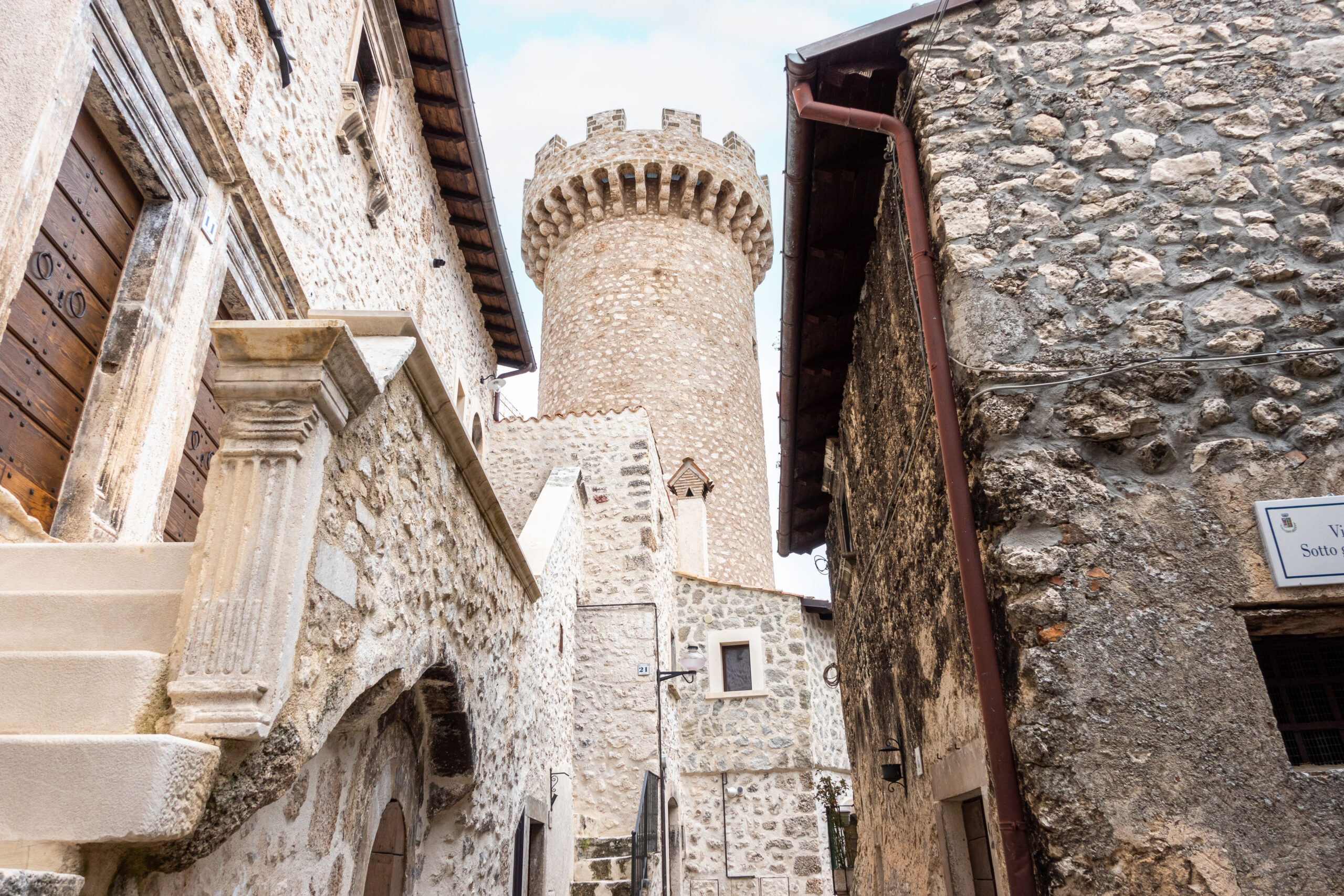
Santo Stefano di Sessanio Village, Abruzzo, L’Aquila, Italy. Photograph by Stefano Pellicciari

The albergo diffuso model is by no means a new concept. It was initially conceived in the late 1970s or early 1980s (an exact year cannot be pinpointed). Some attribute the model to the aftermath of the May 1976 earthquakes, when the idea was utilized to revitalize the impacted villages and was then later championed by Giancarlo Dall’Ara, a pioneering figure who is now-President of the Alberghi Diffusi National Association.

The philosophy of the albergi diffusi model is rooted in the notion that a hotel’s room should not have to be contained within a single structure but, in fact, can be spread throughout the houses and buildings of an entire town, and it is the service and amenities in the proximity to the room that establishes it as being part of a hotel.


Cividale del Friuli, Italy Photograph by milosk50

A “scattered hotel,” as it translates in English, creates visitor accommodation by reusing and restructuring existing properties, with one crucial factor — it must be located around an inhabited town center. It is the inhabitants of the albergo diffuso that serve as the draw for the guests that are so enthralled by these places in their search for authentic experiences.

In the heart of Friuli Venezia Giulia, the model found fertile ground in Comeglians, a village of approximately 400 inhabitants that became one of Italy’s first albergo diffuso’s. By the mid-1990s, under careful orchestration and with cooperation from the residents, a transformative project began to unfurl. A handful of the nearly 300 houses, left vacant after a decades-long exodus of youth searching for urban opportunities, were repurposed into an albergo diffuso. This revitalization not only safeguarded the village’s heritage but also reinvigorated the local economy by creating jobs and stimulating tourism that continues to thrive to this day.

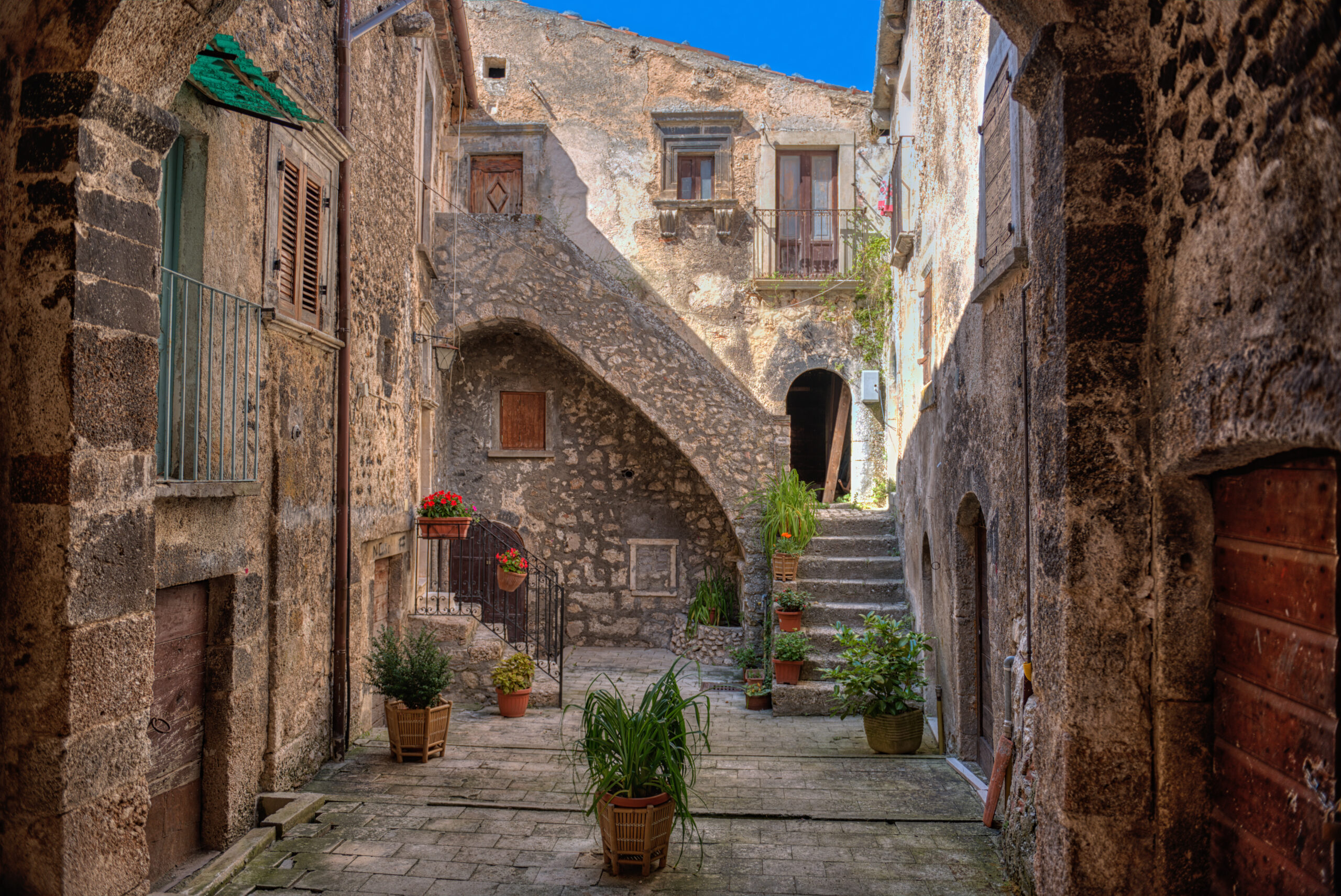
Santo Stefano di Sessanio, Abruzzo, Italy. Photograph by Giulio Benzin

Meanwhile, down in the rugged terrain of Abruzzo, the town of Santo Stefano di Sessanio harbored a latent opportunity despite its population dwindling to under 100 by the late 1990s. Swedish-Italian entrepreneur Daniele Kihlgren, recognizing the town’s potential, made considerable investments to meticulously restore its ancient, stone-walled structures. The project, which converted 27 medieval buildings into 27 rooms of the Sextantio Albergo Diffuso, not only rekindled the town’s historic charm but also spawned a variety of jobs, reducing unemployment and re-populating this once-deserted gem.

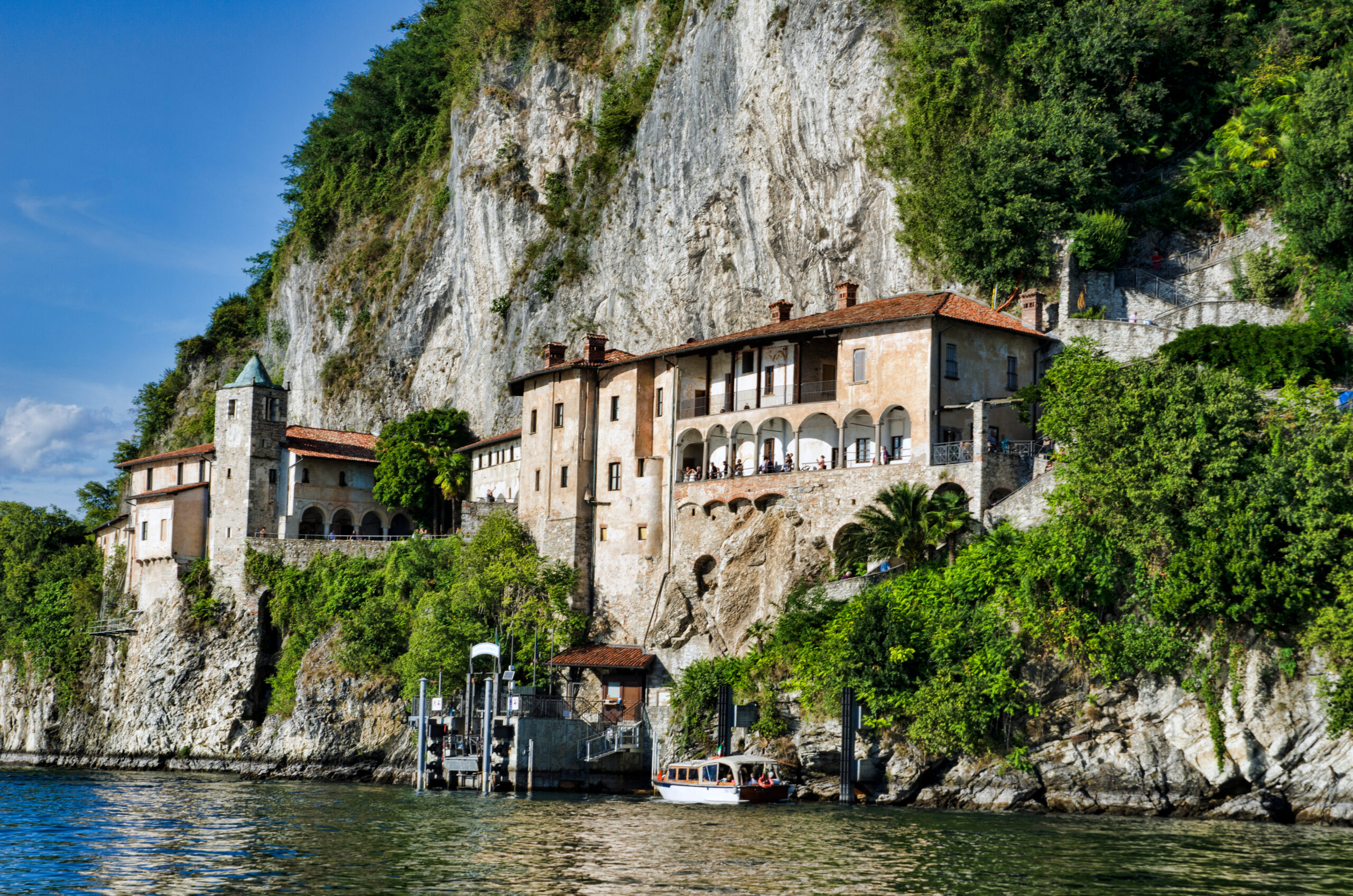
Santa Caterina dello Lonio, Catanzaro, Calabria, Southern Italy. Photograph by Fabio

The tale took a southern twist in Sicily, where the historic borough of Borgo Santa Caterina witnessed a similar resurgence. Here, the alberghi diffusi’s model breathed new life into the town’s decaying structures, emblematic of diverse eras, including the Arab, Norman and Byzantine epochs. The regeneration of these architectural marvels into Albergo Diffuso Borgo Santa Caterina attracts a steady stream of tourists, bolstering the local economy and enhancing the livelihood of its residents, who had endured years of economic stagnation. These enduring transformations underscore the alberghi diffusi’s ability to fuse architectural preservation with socio-economic regeneration.

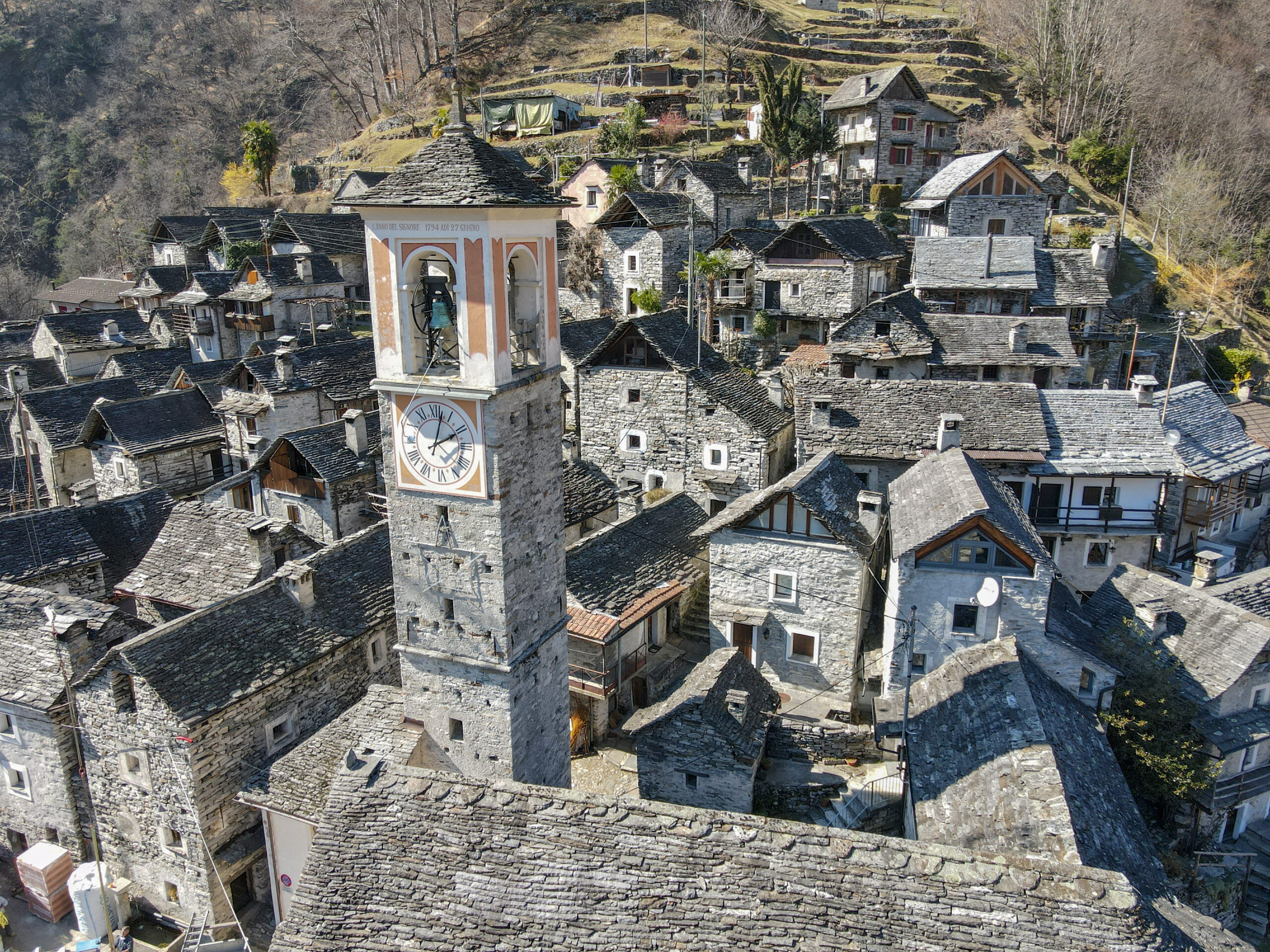
Corippo, Verzasca valley, Switzerland. Photograph by fotoember

The ripple effects of this ingenious model are palpable even beyond the Italian borders, in Switzerland’s Verzasca Valley, further underscoring its potential as a global blueprint for rural revitalization, in the Italian-speaking canton of Ticino, renowned for its emerald-green river flowing past miles of winding canyons, lofty peaks and forests. Corippo, a tiny 800-year-old hamlet of handcrafted stone homes, rises nearly 2,000 feet (610 meters) above the valley floor, and in June 2022, Corippo became the home of Switzerland’s first certified albergo diffuso. The lodging is part of a multiyear plan to preserve and revitalize the medieval village hit hard by depopulation, which follows the all-too-familiar story where its inhabitants have emigrated to other parts of the world in search of a better life.

Corippo’s new albergo diffuso consists of ten cozy rooms spanning five restored residences. Adjacent to the main piazza is a terraced osteria (restaurant) with sweeping canyon views that doubles as a lobby. Distinctive architectural details, such as original exteriors and dimensions, were preserved using local materials and traditional methods.

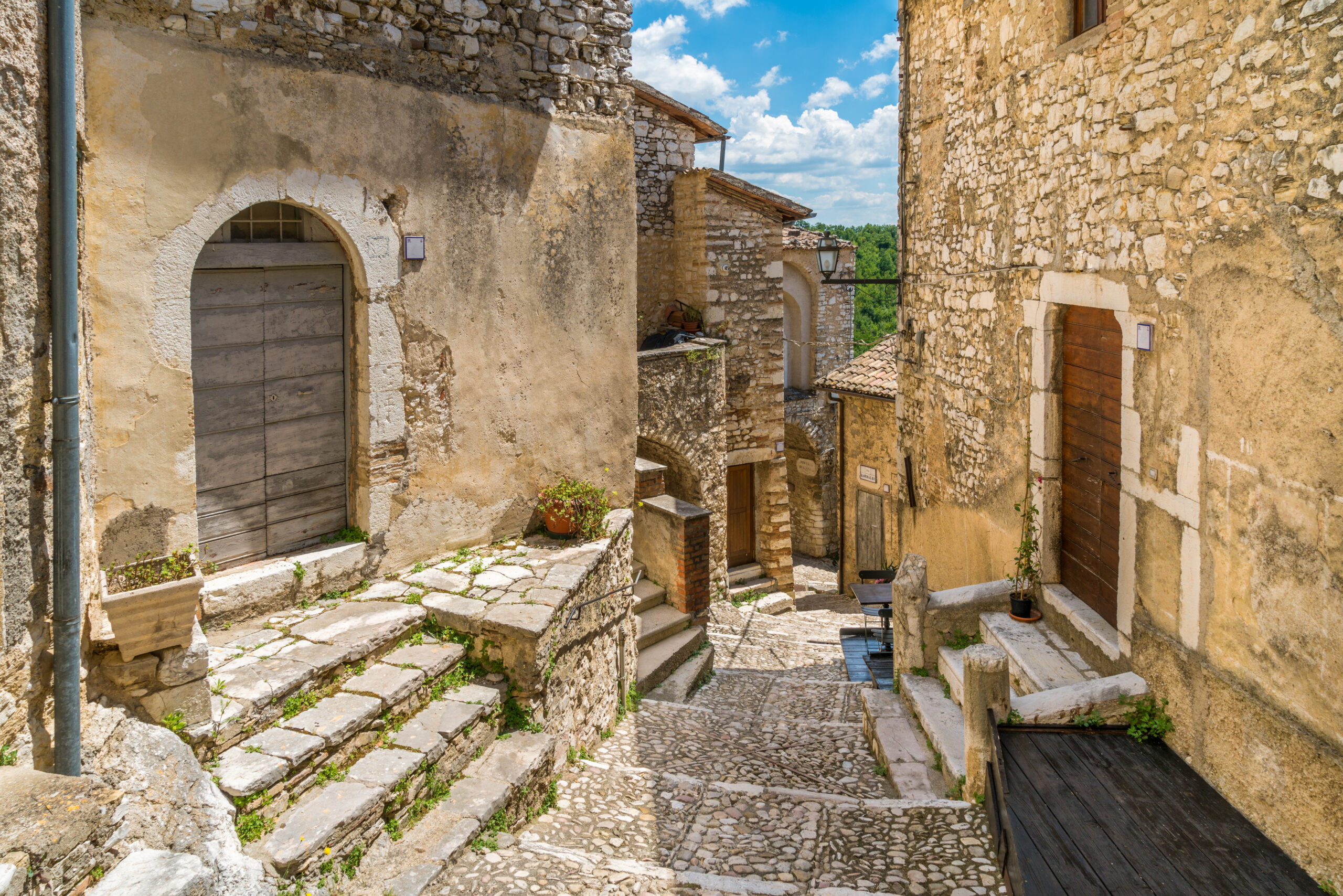
Labro, Rieti, Latium, Italy. Photograph by e55evu

Beyond Corippo’s historical significance and ideal landscape for outdoor activities, its appeal is its sense of solitude. Locarno’s promenade of boutiques, cafes, and Lugano’s art museums and galleries are a magnet to all who visit the secluded yet stunning secret.

Sauntering through these resilient, reborn hamlets, we can encounter an enduring testament to the power of sustainable innovation with the Alberghi Diffusi model. These scattered hotels are not merely establishments offering accommodation; they are a vibrant tapestry of community life, a profound immersion into authentic Italian culture and heritage.

Each albergo diffuso emerges as a phoenix from the ashes of urbanization and economic stagnation. They are the robust threads reconnecting frayed populations, providing gainful employment and a renewed sense of pride in the people of their historical legacy. In this innovative reinterpretation of hospitality, we find the courage of countless small towns standing tall against time, breathing new life into their narrative, heritage and future.

Architects: Want to have your project featured? Showcase your work through Architizer and sign up for our inspirational newsletters.

Reference

Sustainable Practice: An Inside Look at the Zero Waste Design for The Greenhouse Theatre
CategoriesArchitecture

Sustainable Practice: An Inside Look at the Zero Waste Design for The Greenhouse Theatre

Architizer is thrilled to announce the winners of the 11th Annual A+Awards! Interested in participating next season? Sign up for key information about the 12th Annual A+Awards, set to launch this fall.

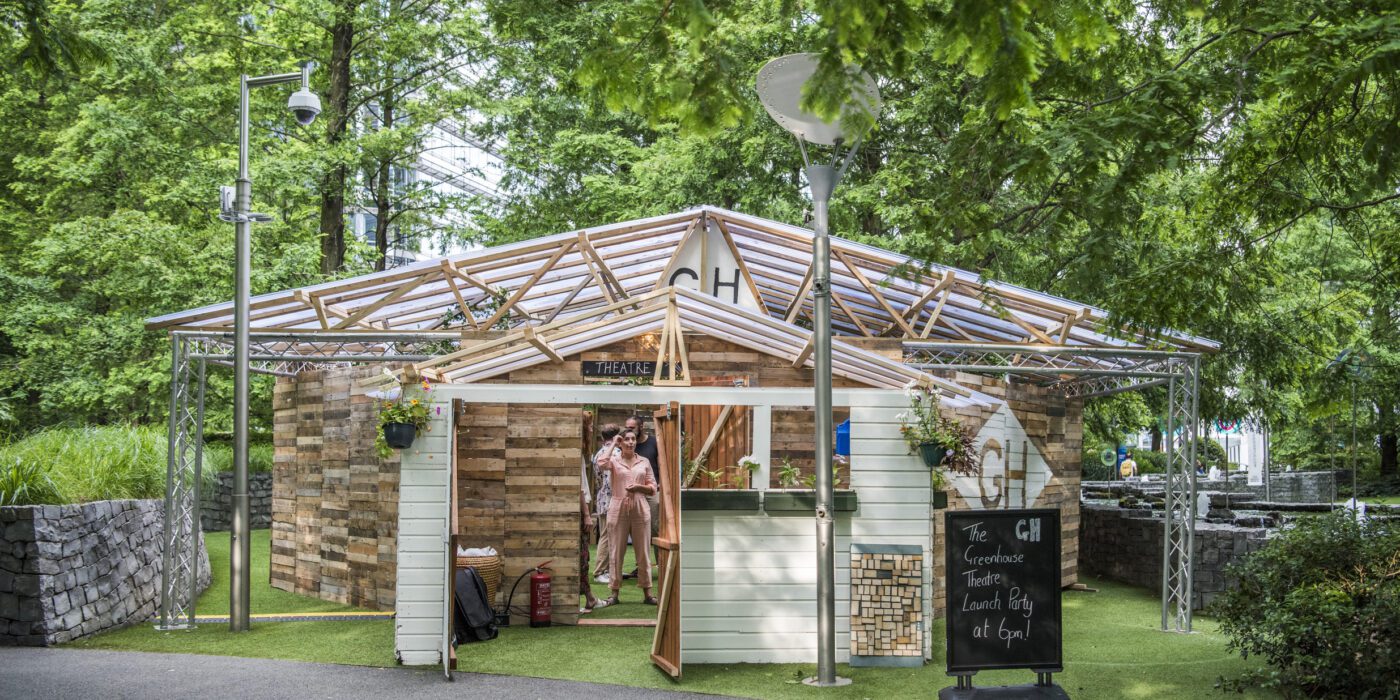
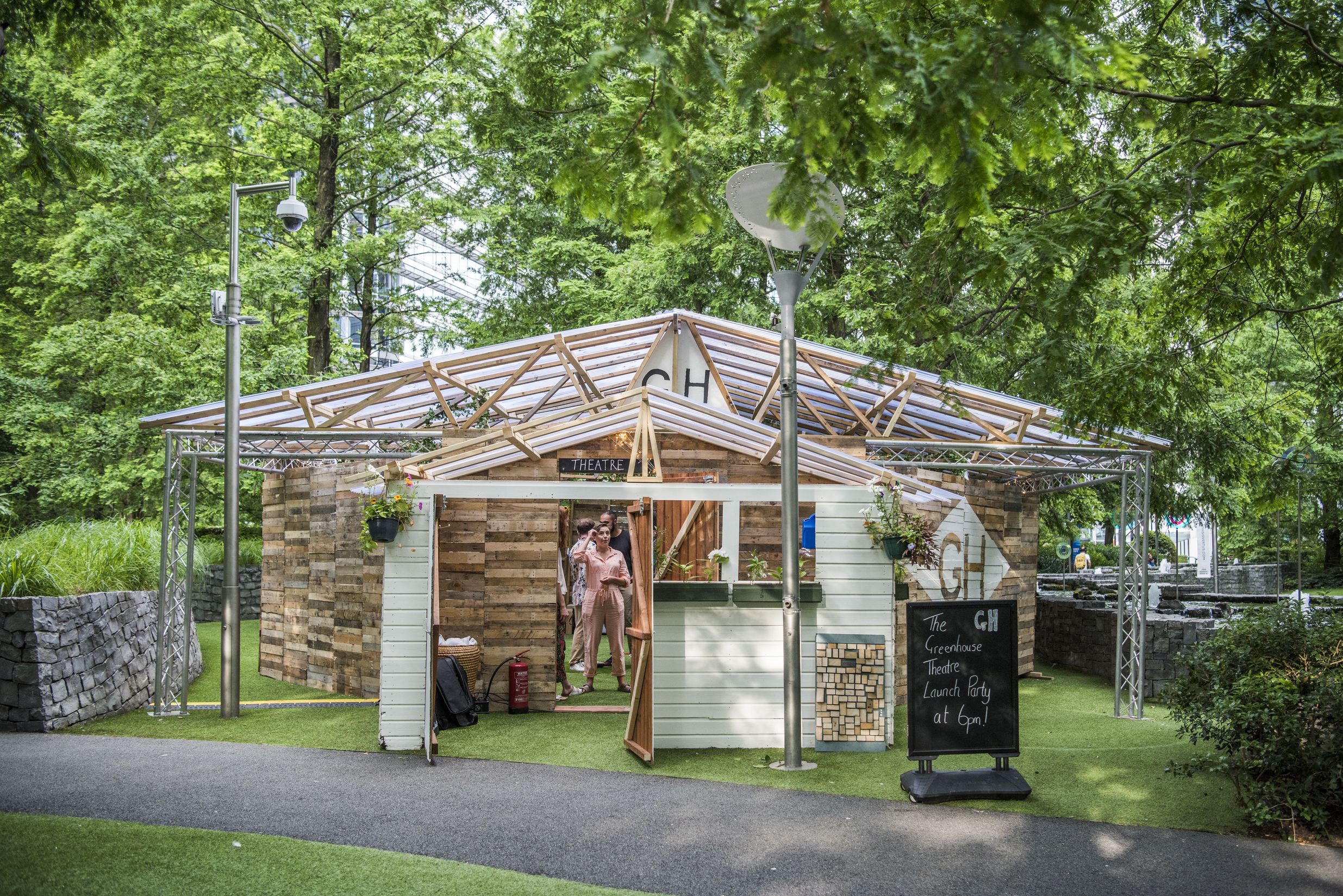
Necessity is the mother of invention, and it has plenty to answer for in design and architecture. This is immediately evident at The Greenhouse, a zero-waste theatre complete with performance space, standalone screening room, bar and box office

Visiting three prime spots in London this summer, the first run, at Royal Docks, was part of Sea Change, a cultural program about climate. Next, the space holds a residency at Canary Wharf, from 19th June until 14th July, before finishing at Battersea Power Station between 7th August and 3rd September. A striking, if understated, approach to experimental venue design, the venue is hand-built from recycled and reused materials. After revealing his background in site-specific productions, Artistic Director Oli Savage tells Architizer how the idea came about.

“Around 2016, a close friend, collaborator and colleague of mine put a script on my desk all about eco-terrorism, Swallows. It was a metaphor for violence towards each other and towards the planet by Henry Robert, a really talented writer. I’m interested in space and how a space can make the show work. And from a practice perspective, I’m interested in working holistically. To me, if you’re putting on a show, it’s important that everything around that show reflects the ideas of what that show is talking about. You’d feel a little hypocritical working on a climate piece and having lots of impact and waste,” says Savage.

 The Greenhouse is the UK’s first zero waste theatre (C) The Greenhouse Theatre

“A couple of years later, we’re on the Royal Mile in Edinburgh for the Fringe Festival, our show was A Midsummer Night’s Dream. Standing in the pissing rain, handing out flyers to promote the performance, I said to our head of marketing: ‘Surely this isn’t actually a very effective way of getting people through the door’. She said: ‘No, and it causes a lot of waste.’ I started digging into this, and it’s astounding how much waste is created, most of which isn’t recyclable,” he continues. “This is particularly evident in fringe arts.”

With the script for Swallows still in mind, Savage began brainstorming with collaborators, trying to figure out how the show could run at the Edinburgh Fringe and stay true to its climate message. Soon realizing there was no existing facility that could tick all necessary boxes, a decision was made to create a new space. Returning to the Scottish capital twelve months on, The Greenhouse debuted in 2019 with Swallows finally staged and, as Savage puts it, “has been on and off” since.

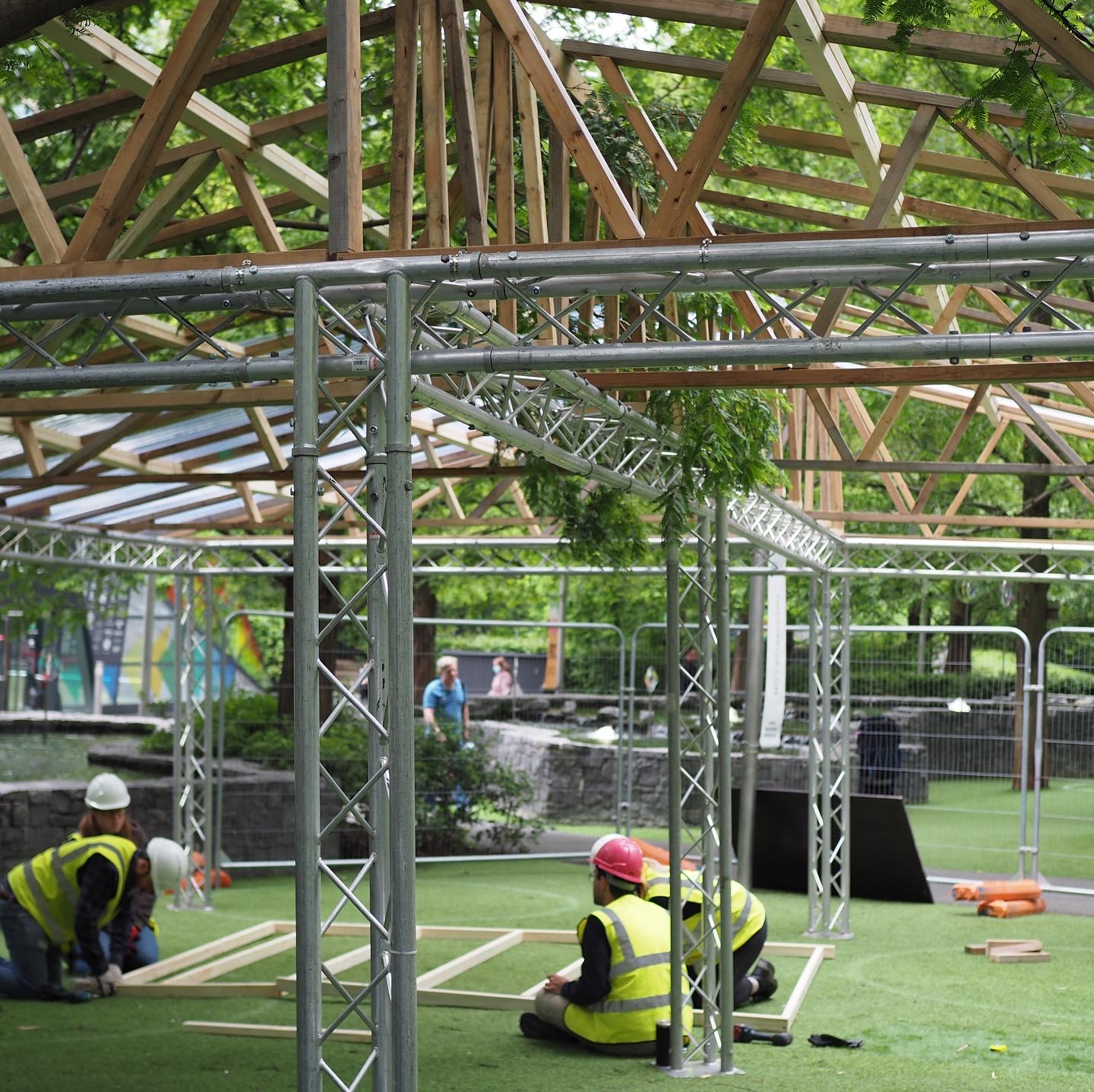
The Greenhouse Theatre under construction in London, 2021 (C) The Greenhouse Theatre

“I just say to people come and see the space,” Savage replies when we ask about the green credentials. “I’d say it’s obvious when you’re inside — this is not making claims that can’t be backed up. In terms of design principles, we were determined to show the materials being using, so the waste is showcased front line for people to see for themselves. And we’re a zero waste theatre, that’s the terminology. There are differences between this and, say, carbon neutral. So all the materials had a life before us, and will hopefully have another life once we’re finished.

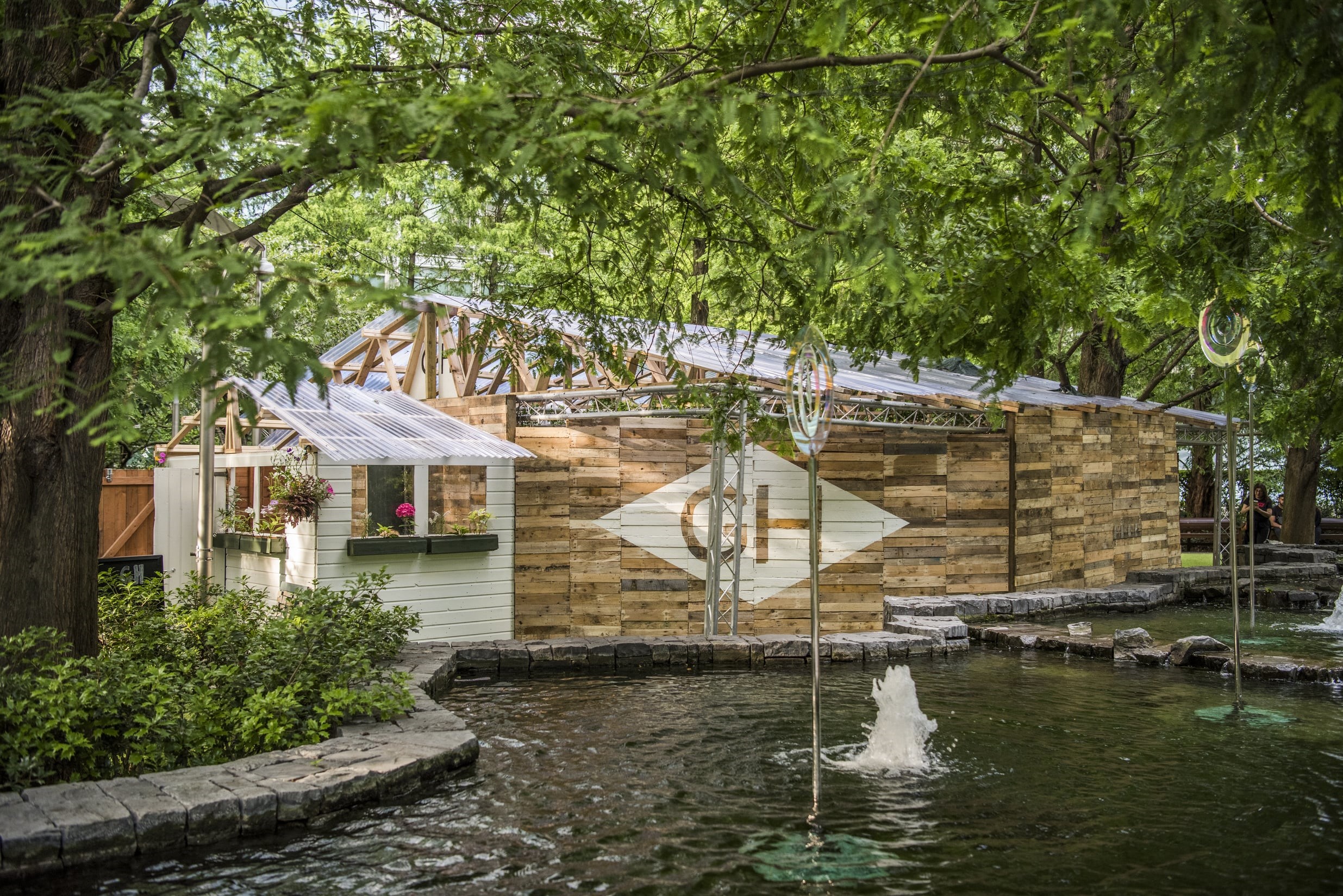
“Broadly, the whole thing is built from three materials. Timber framing and wood pallet cladding, around a triangular lighting truss skeleton. The roof is made from corrugated PVC,” he explains. “As you’re designing, you’ve got to be thinking, if we want this to be zero waste, what materials do we have access to? How are we going to be able to deliver this in a zero waste way. Another interesting thing was our first situation for the venue didn’t have the possibility of any power. So we came to this conclusion it needed to be naturally lit with a clear plastic roof. That’s now one of my favorite aspects of the venue.”

The Greenhouse Theatre at Canary Wharf, London

The Greenhouse Theatre at Canary Wharf, London (C) The Greenhouse Theatre

For Savage, The Greenhouse Theatre design is all about dialogue between different demands. The requirements stipulated by the project itself — zero waste, low impact — and the need to develop a space suitable for creative practice. Form meeting function deep in the grass roots.

“It was also a necessity for me that it was in the round. That was a big thing. If I’m working in a theatrical space, it has to be either in the round or traverse. It creates this sense of community,” says Savage, pointing out all this is replicable. “Reclaimed timber is easy to come by. There are lots of facilities around the UK, recycling centres that take surplus timber from sites, clean it, then sell it on. Most are charities, awesome organizations. The trussing was from a lady who used it for trade shows, retired and sold it to us for a really good price. The plastic, I think it was a builder who bought it for a project that was cancelled or over-ordered.”

“The headline is that it’s not that hard. It seems like it’s challenging, but so much theatre, at university for example, relies on borrowing and reuse,” he adds. “We have a consultancy, working with filmmakers, other theatre makers, creatives, to help them towards zero waste. There’s a lack of provision for fringe artists in terms of this type of thing. It’s tricky, though. One of the hardest things is a lot of people expect work for free… Obviously, my goal as a person is to have the most impact and help. But the reality is some try to take advantage… If we can’t monetize, I’m not going to have a business, and we’re not gonna be able to run.”

Architizer is thrilled to announce the winners of the 11th Annual A+Awards! Interested in participating next season? Sign up for key information about the 12th Annual A+Awards, set to launch this fall.

Reference

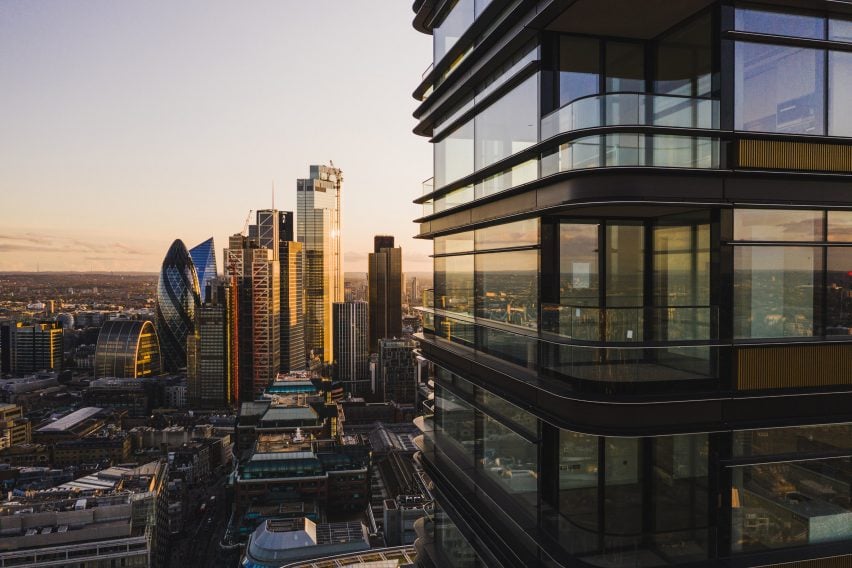
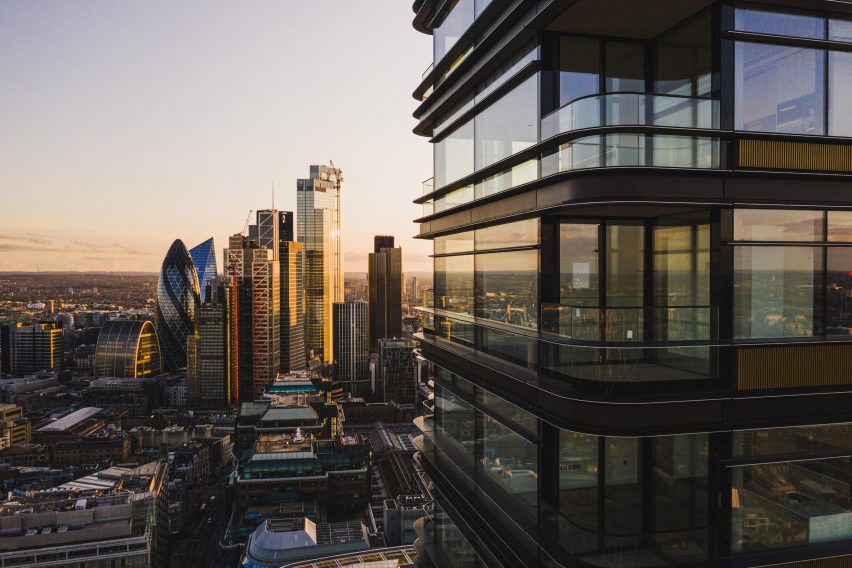
Exterior of Principal Place at dusk
CategoriesSustainable News

Design of the Workplace report reveals sustainability is “non-negotiable”

Promotion: companies that prioritise sustainability in their office design are preferred by workers according to a report commissioned by developer Brookfield Properties and architecture studio Foster + Partners.

Named Design of the Workplace, the report reveals that 93 per cent of people working in an “environmentally friendly office” feel happier in their job. It was also found to boost workers’ productivity and wellbeing.

Exterior of Principal Place at dusk
Brookfield Properties and Foster + Partners have released a report on sustainable office design

“The workplace of the future is about creating spaces that support a greater range of activities and diverse working practices while focusing on wellbeing and offering people a sense of community,” said senior partner at Foster + Partners, Dan Sibert.

“Allied to this is a thorough analysis of the building’s carbon footprint – both operational and embodied carbon.”

Natural ventilation and lighting important

The publication, which surveyed more than 3,000 office workers in the UK, was released by Brookfield Properties and Foster + Partners at the Ecocity World Summit conference.

Participants said a sustainable workplace design means having good quality air and natural ventilation, as well as natural lighting and recycling facilities.

However, a fast internet connection, effective heating control and adaptable desks and chairs were also important factors to employees.

Installation at Ecocity World Summit
Brookfield Properties and Foster + Partners are showcasing a co-designed workspace installation at Ecocity World Summit

“Since Covid-19, every aspect of the building design needs to show how it impacts human health,” said Foster + Partners deputy head of workplace consultancy, Grant Kanik. “Workers, particularly younger workers, want to know what the air filtration systems are like, they want to know what the fresh air return rates are.”

“They want to understand their lighting systems, not only if they are energy efficient, but also if they are healthy. Basically, they simply want control over their environment. And that is what buildings should deliver,” he continued.

Material reuse should be considered

According to Design of the Workplace, if factors such as natural lighting and recycling facilities are not considered in a workplace, happiness levels drop to 55 per cent.

Three in 10 office workers who participated also said they would consider leaving their job if their company were not committed to sustainability. However, as many as 65 per cent of office workers were unaware of their office’s carbon footprint, with 75 per cent wanting to know more about it.

Team also showcasing workspace installation

Foster + Partners deputy head of workplace consultancy Kanik said longevity is also key.

“There’s the inherent sustainability of a building – the carbon embodied, the design and the energy consumption that goes into our design parameters as a matter of course now. But I think real sustainability goes beyond that, it’s about longevity,” he said.

Alongside the report, Brookfield Properties and Foster + Partners are showcasing a co-designed workspace installation at Ecocity World Summit.

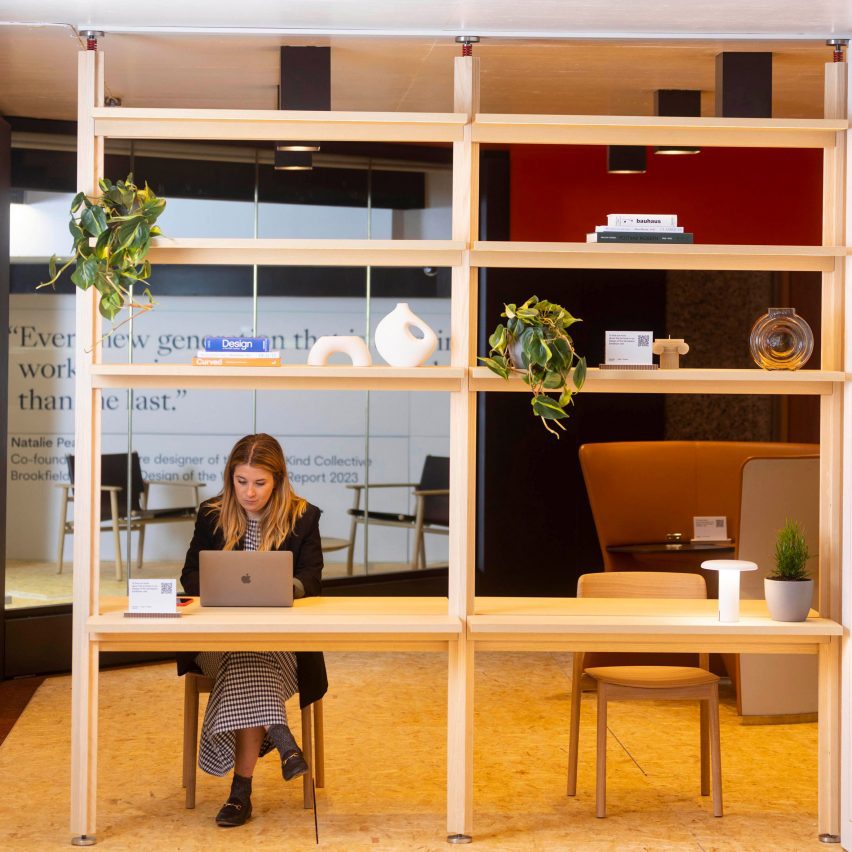
Woman sitting at desk
The installation includes new “climate-forward” products by Foster + Partners

The installation includes new “climate-forward” products by Foster + Partners that will later be used at Brookfield Properties’ own workspaces.

“Design of the Workplace and our workstation installation at the Barbican in collaboration with Foster + Partners reflects the feedback from our occupiers and office workers generally,” said Brookfield Properties’ executive vice president, Dan Scanlon.

“There is a strong desire from companies and individuals to understand the carbon footprint of their workplace, and importantly how they can make meaningful reductions and deliver upon their own ESG goals.”

To download and read the report, visit Brookfield Properties’ website.

Partnership content

This article was written by Dezeen for Brookfield Properties as part of a partnership. Find out more about Dezeen partnership content here.

Reference

What is a Design District and How Has Their Rise Transformed Our Cities
CategoriesArchitecture

What is a Design District and How Has Their Rise Transformed Our Cities

Architizer is thrilled to announce the winners of the 11th Annual A+Awards! Interested in participating next season? Sign up for key information about the 12th Annual A+Awards, set to launch this fall.

In the ever-evolving landscape of urban design, the emergence of design districts has become a defining characteristic of progressive cities worldwide. These vibrant enclaves, often juxtaposed against the backdrop of industrial relics or purposefully planned developments, have become catalysts for economic growth, creative collaboration and community engagement.

At its core, a design district is a concentrated area within a city that serves as a thriving hub for creative and design-focused activities. These are places where architects, designers, artists and entrepreneurs converge to showcase their talents, exchange ideas and create an immersive experience for visitors. The value of a design district extends beyond its aesthetic allure; it breathes life into the local economy and community, fostering economic growth, cultural enrichment and a sense of place.

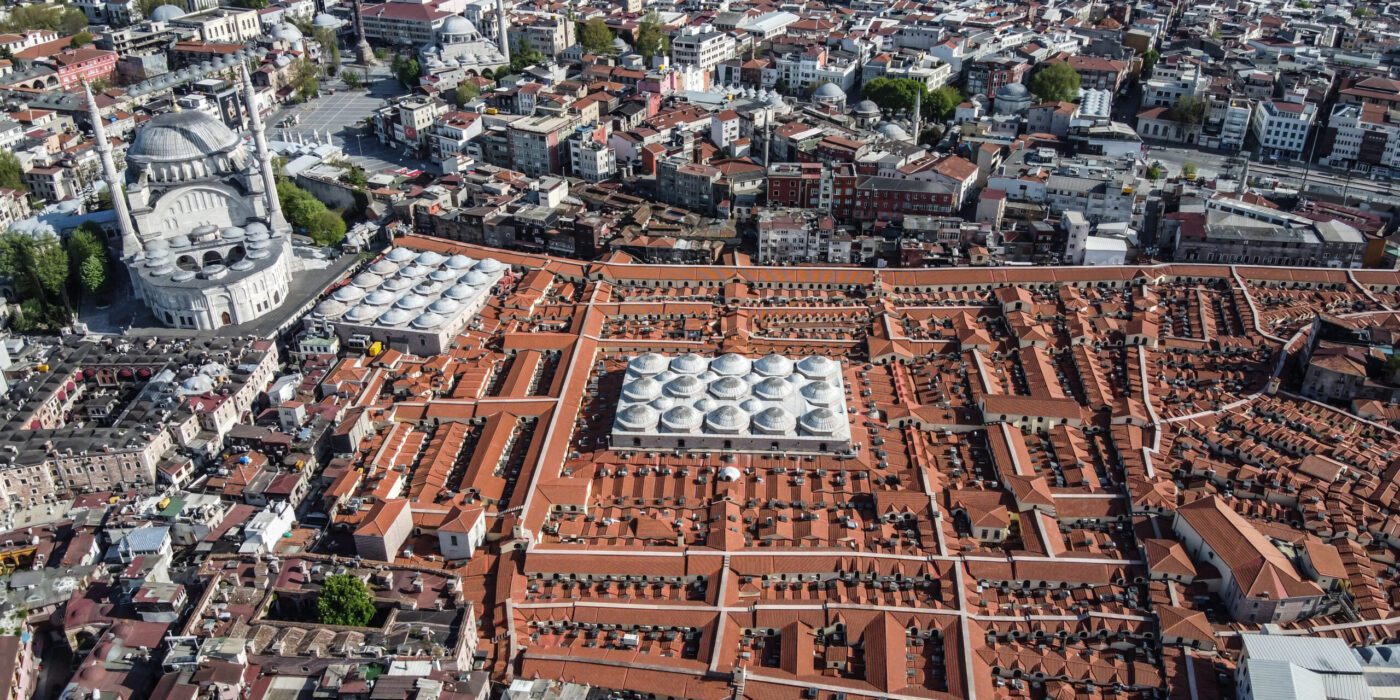
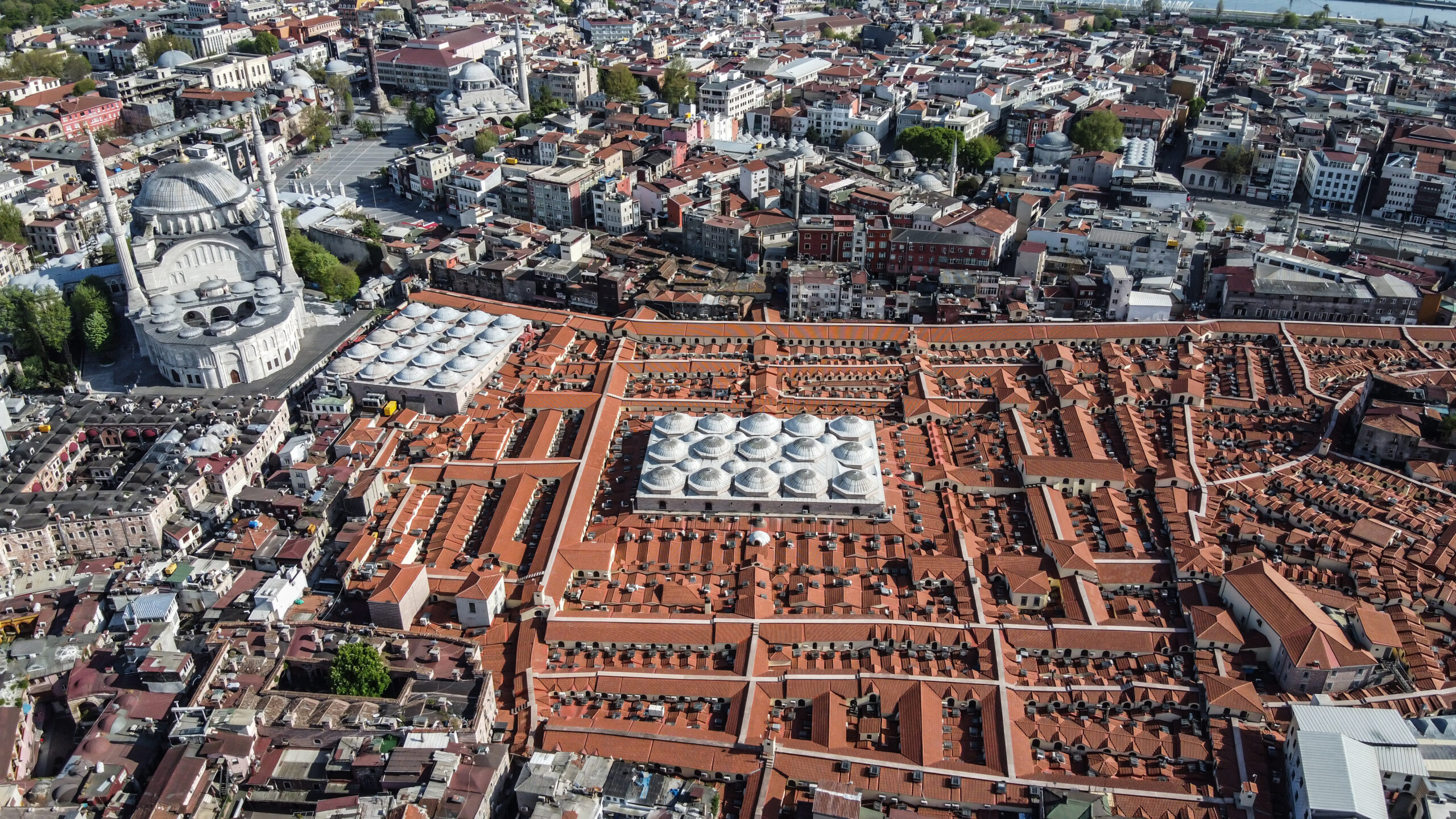
Grand Bazaar of Istanbul bIV. Murat

Long before the rise of modern metropolises, ancient civilizations laid the foundation for what we now recognize as design districts. These neighborhoods of artisans and craftspeople played a crucial role in the cultural and economic fabric of their respective societies. The Agora of Athens was a bustling marketplace that served as a hub for artists, philosophers and traders. Within its grand colonnades and stoa, the Agora fostered the exchange of ideas, the birth of democracy and the creation of iconic architectural wonders like the Parthenon.

While across the Aegean Sea, the 61 covered streets and 4,000 shops that make up the Grand Bazaar of Istanbul traces its origins back to the 15th century. This labyrinthine marketplace encapsulated the rich heritage and diverse influences of the Ottoman Empire. Within its alleyways, artisans, jewelers and carpet weavers transformed the Bazaar into a beacon of trade, attracting visitors from far and wide and establishing Istanbul as a global exchange hub.

Since then, we have borne witness to the emergence of many design districts across every continent and over centuries of design movements, and it was the demise of the industrial era that may have resulted in the most significant growth of the “design district.” Following the Second World War, countless factories and warehouses were left empty, creating opportunities for revitalization and adaptive reuse.

Soho neighborhood, Lower Manhattan, New York bRafael Sanchez Lopez/Wirestock Creators

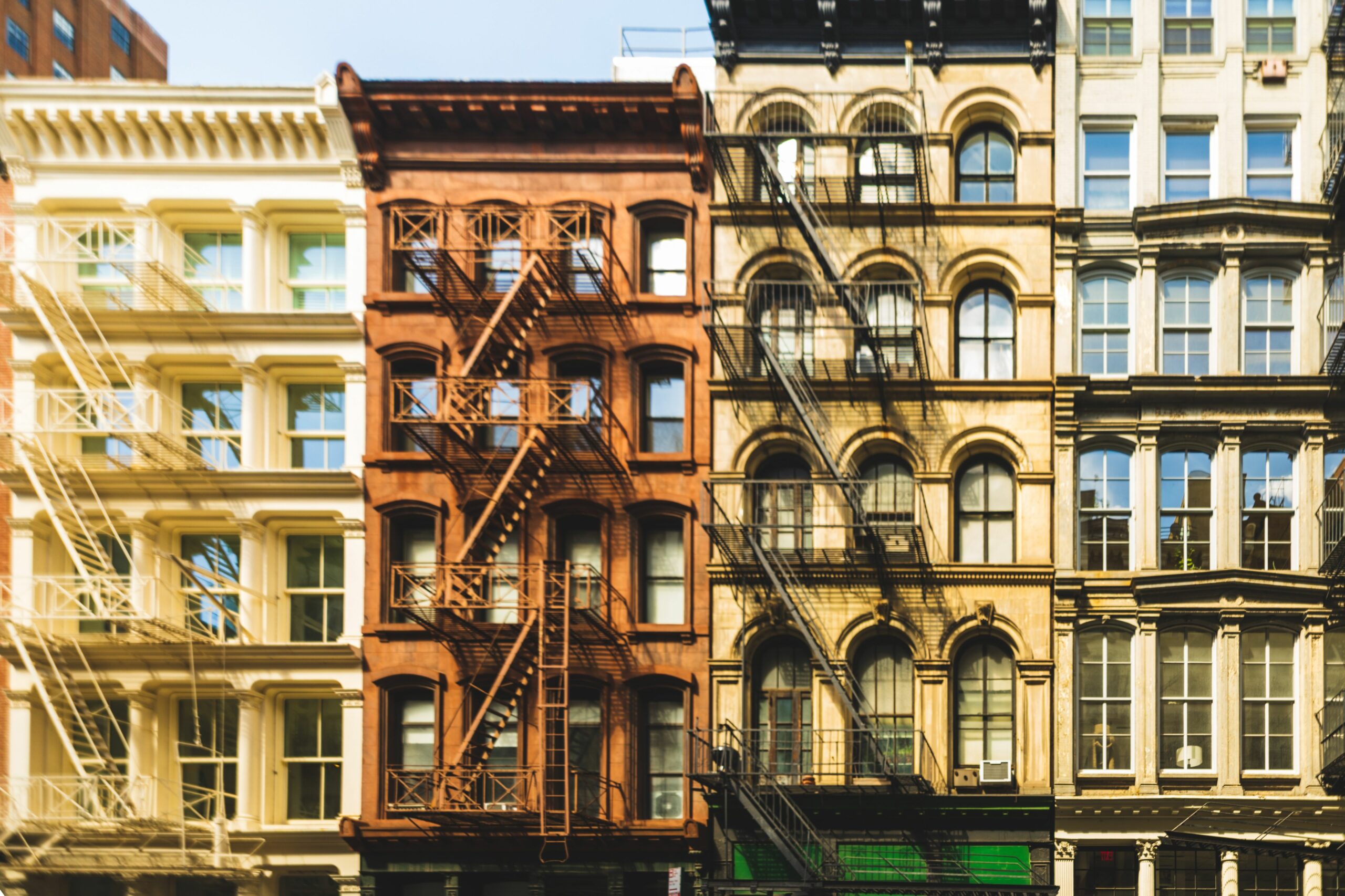
Starting with SoHo in New York City of the 1960s, abandoned factories and warehouses became fertile ground for architectural reinvention across the world. Once-decaying cast iron structures have since been transformed with design districts emerging from the ashes of these forgotten structures, infusing new life into their once-decaying shells. More recently, in the heart of London, the vibrant community of Shoreditch has flourished within the remnants of its industrial past. Former factories have been imaginatively transformed into studios, galleries and creative workspaces, attracting a new generation of artists, designers and entrepreneurs.

Similarly, the Meatpacking District in New York City underwent a remarkable metamorphosis from a gritty industrial zone to a thriving hub of fashion, art, and design. Repurposing the neighborhood’s historic meatpacking warehouses, the district now teems with high-end boutiques, galleries and avant-garde restaurants, redefining the concept of urban cool.

In the modern era, design districts have become invaluable commodities to thriving cities and the creatives who inhabit them. They serve as vibrant cultural epicenters, nurturing collaboration and cross-pollination of ideas across disciplines. These districts attract designers, artists and entrepreneurs, fueling economic growth through increased tourism, job creation and consumer spending. Their impact transcends economic gains; design districts contribute to the cultural fabric of a city, hosting exhibitions, events and festivals that celebrate creativity and artistic expression.
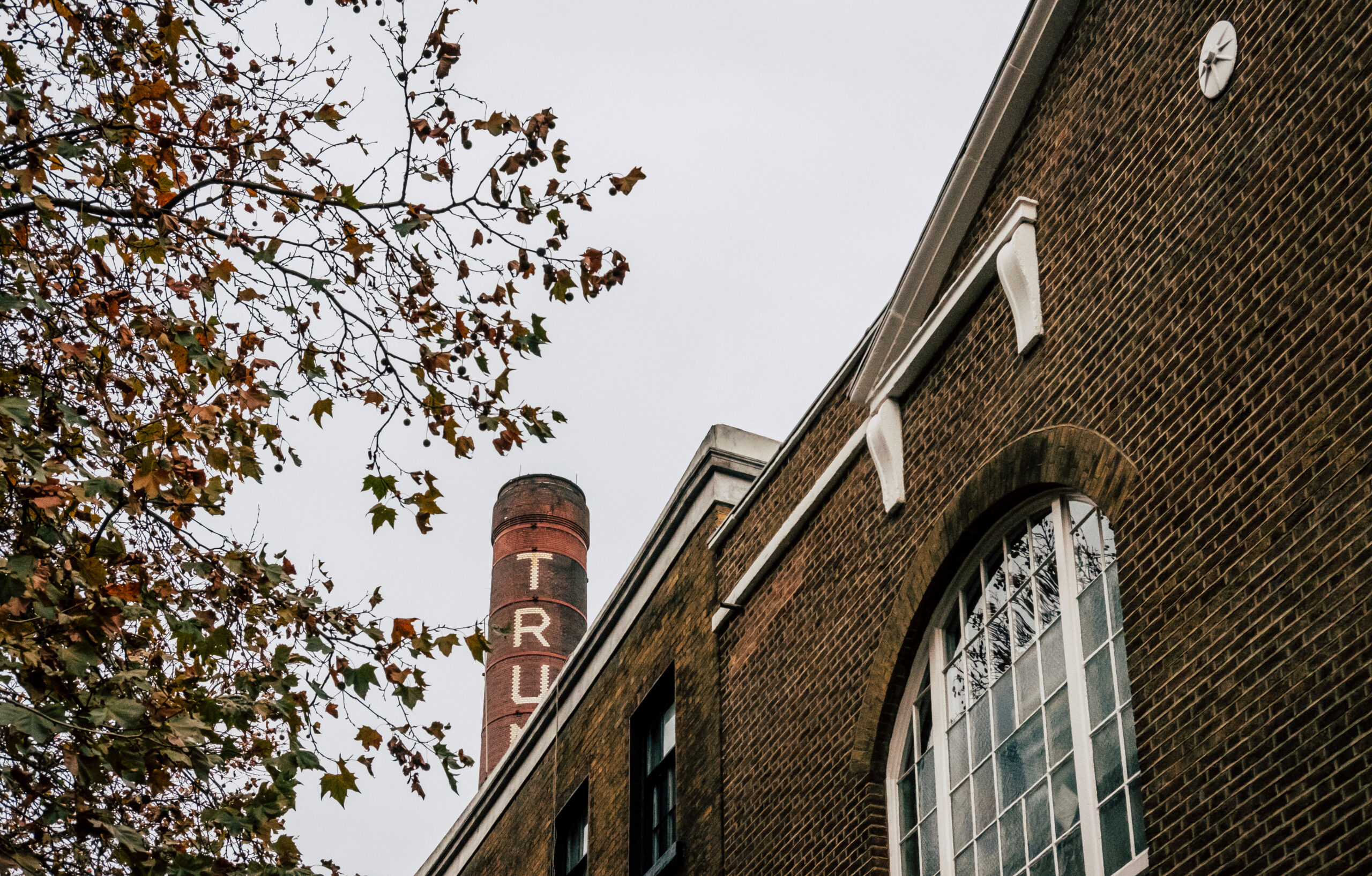
Shoreditch Chimney By Dani

However, patience is not a characteristic often coveted in urban development in the modern age, and today design districts may not be gifted the same lengthy development time as their predecessors. Rather than coming into existence as a natural ecosystem of designers, artists and makers drawn to an area with cheap rent and little in the way of planning restrictions, design districts are now often shaped by the vision of architects who are tasked to create places that accommodate the needs of the creative community while appealing to the broader public. Architects embarking on the design of a design district face multifaceted challenges to create authentic experiences.

The synergy of function and aesthetics lies at the core of successful design district architecture. Striking a balance between iconic structures that inspire and functional spaces that accommodate diverse businesses and creative enterprises is paramount. Architects must navigate the delicate balance between creating visually striking environments and ensuring that these districts cater to the needs and aspirations of the creative community and local residents.

Flexibility and adaptability are key considerations when designing design districts. The ability to evolve with changing trends, technologies and creative practices is crucial for their long-term success. Modular and versatile design principles that allow for easy reconfiguration are essential for fostering an environment of continuous innovation and adaptation.

Greenwich Peninsula Low Carbon Energy Centre by C.F. Møller Architects, London, England, United Kingdom. Photo by Mark Hadden

Similarly, connectivity and accessibility play pivotal roles in the design of these districts. Careful planning of transportation networks, pedestrian-friendly spaces and digital infrastructure is required to ensure the communities are accessible and inclusive. By integrating design districts with the larger urban fabric, architects foster connections, diversity and interactions, nurturing a sense of community and place.

While purposeful planning and intentional programming are important aspects of design district creation, striking a delicate balance is paramount. Single programming can inadvertently inhibit the natural “ecosystem” of different proprietors, stifling the organic growth and diversity that defines traditional neighborhoods. Design districts should feel as though they have evolved naturally, allowing for the emergence of a rich ecosystem of creative ventures and businesses intermingled with places to eat, linger and take part in cultural events. Their restaurants and music venues often define design districts.
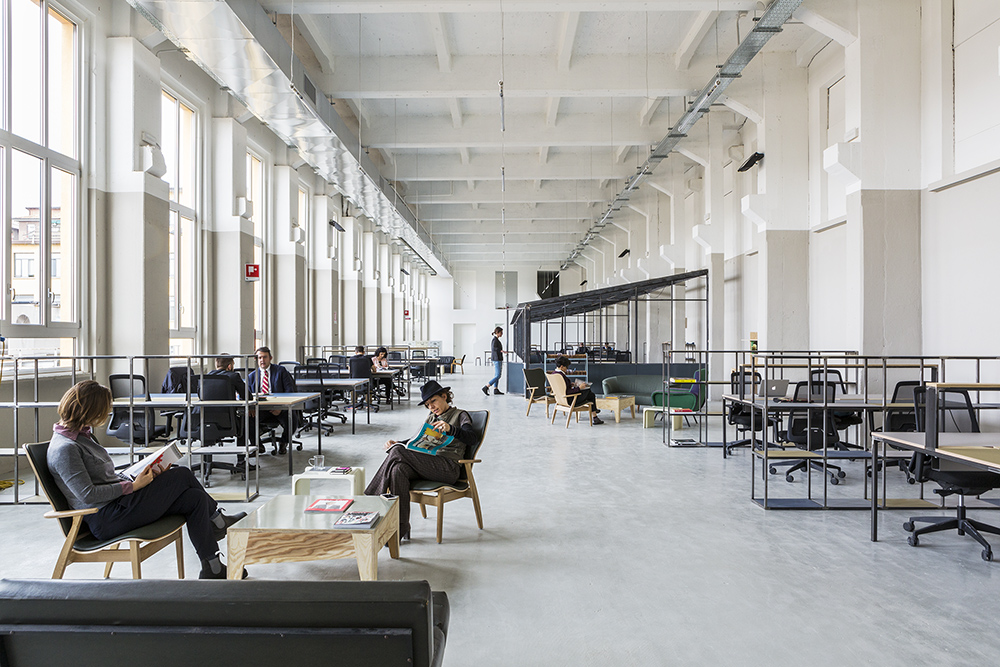
Burò Furniture by Mezzo Atelier, Milan, Italy

Purposely designing a design district is challenging, and caution should be taken against over-planning and segmenting a district into areas for function which can lead to districts failing to be vibrant homogenous neighborhoods and echoing shopping malls with an area to eat, a zone to shop, and a place to work. The Greenwich Peninsula in London has been criticized for this very reason. The purpose-built design district lacks the balance of function needed to meet the aspirations of the creative community and local residents, which is crucial for creating spaces that resonate with authenticity and a sense of belonging.

Successful design districts bear the imprints of visionary architects who have shaped these urban landscapes. Zona Tortona, Milan, Italy, was designed by a collective effort of visionary architects, including Fabio Novembre, Giulio Cappellini, and Piero Lissoni. Zona Tortona has become one of the most iconic design districts in the world and is renowned for its cutting-edge design, fashion and art events. The former industrial area now comprises sleek showrooms, galleries and creative venues. Zona Tortona’s success lies in its seamless integration of contemporary architecture and historic industrial structures, creating a captivating and vibrant atmosphere for visitors and design enthusiasts.
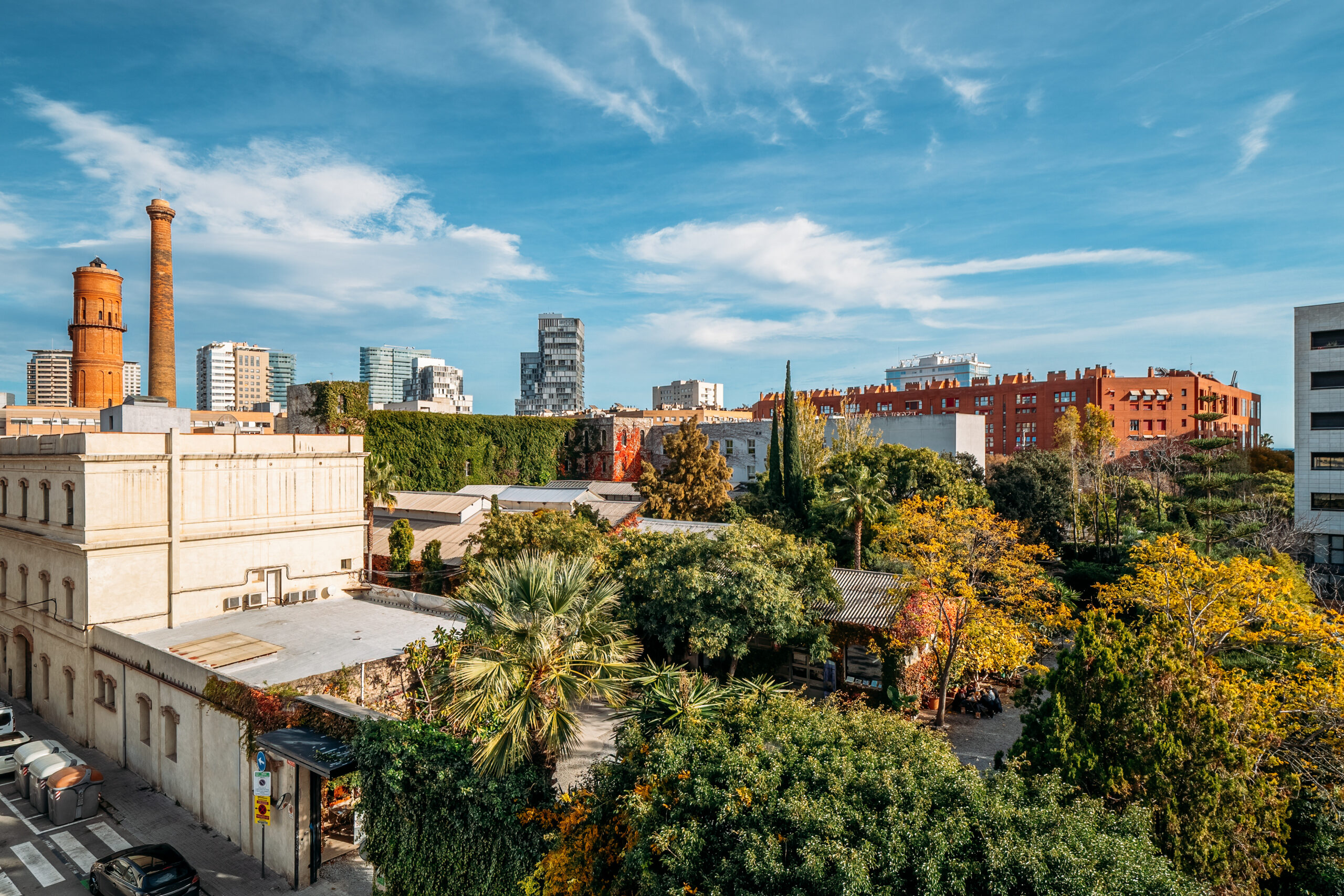
Poblenou, Barcelona, Spain by Pavel

In Barcelona, the Poblenou Design District started around twenty years ago, when artist collectives took over abandoned factories to work and host parties. Early adopters of Poblenou included the artist Antoni Miralda and Mariscal, creator of the legendary Palo Alto design studio. Although large swathes of the area still retain a gritty nature, the neighborhood is now dotted with warehouse conversions containing open-plan homes, galleries, coworking spaces and architects’ studios, making it the historic city’s creative heart.

The economic and cultural benefits of design districts are far-reaching. They attract diverse businesses, from galleries, studios and showrooms to boutiques, cafes and restaurants. The influx of visitors and tourists fuels economic growth, job creation, and increased consumer spending. Design districts become vibrant cultural epicenters, hosting exhibitions, workshops, and events that celebrate artistic expression, foster cultural exchange, and enhance the local community’s quality of life. And so, if you ever find yourself at the forefront of designing a design district, consider the marketplaces of ancient Athens, the revival of SoHo by the struggling artists of New York or the design geniuses of Barcelona and perhaps 500 years from now, your efforts will stand as a testament of great design as the streets of Grand Bazaar of Istanbul continue to do so to this day.

Architizer is thrilled to announce the winners of the 11th Annual A+Awards! Interested in participating next season? Sign up for key information about the 12th Annual A+Awards, set to launch this fall.

Top image: Ancient Agora of Athens in Greece bnejdetduzen
Reference

Photo of Weight of Wood exhibition
CategoriesInterior Design

Christian + Jade explores the Weight of Wood at 3 Days of Design

Danish design studio Christian + Jade has created an exhibition in collaboration with wood flooring manufacturer Dinesen that explores the density of wood and its significance and history as a commodity.

The Weight of Wood exhibition, which takes place at the Dinesen showroom as part of Copenhagen festival 3 Days of Design, was the result of a year-long research project commissioned by the brand’s recently founded Dinesen Lab.

Photo of Weight of Wood exhibition
Weight of Wood is an exhibition by Christian + Jade

Dinesen Lab invited Christian Hammer Juhl and Jade Chan, founders of Christian + Jade, to take part in a residency in which local artists were asked to work with wood harvested by the company to produce a research project and explore the weight of wood.

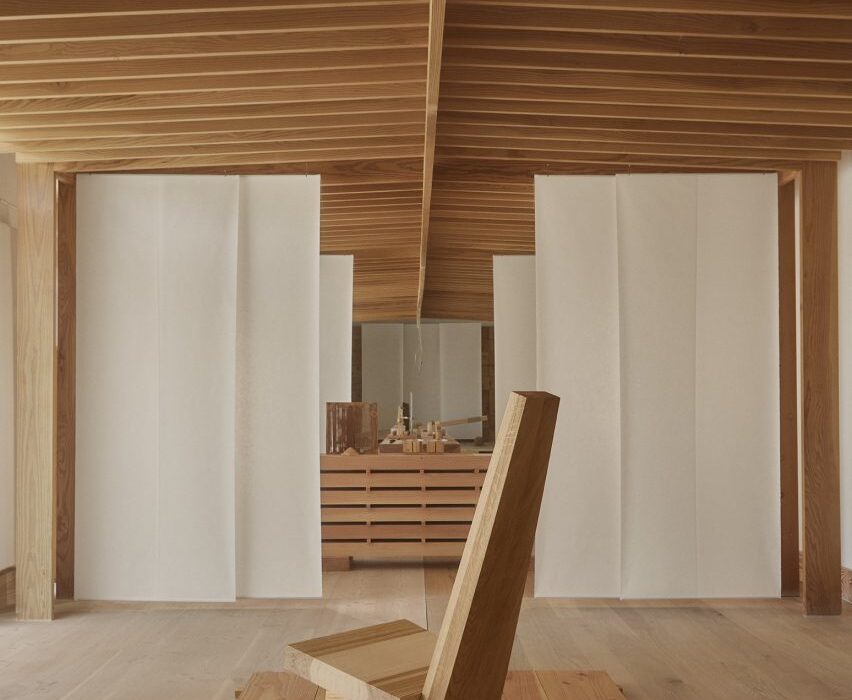
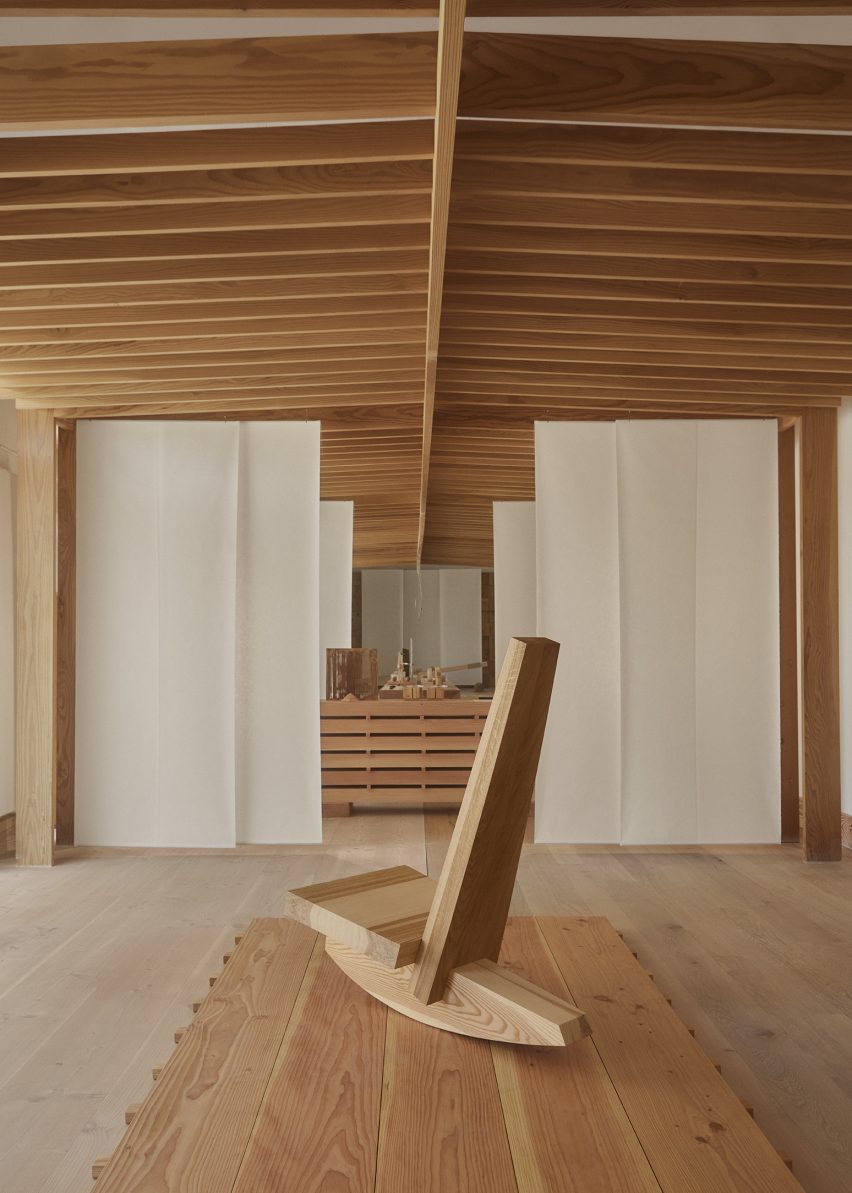
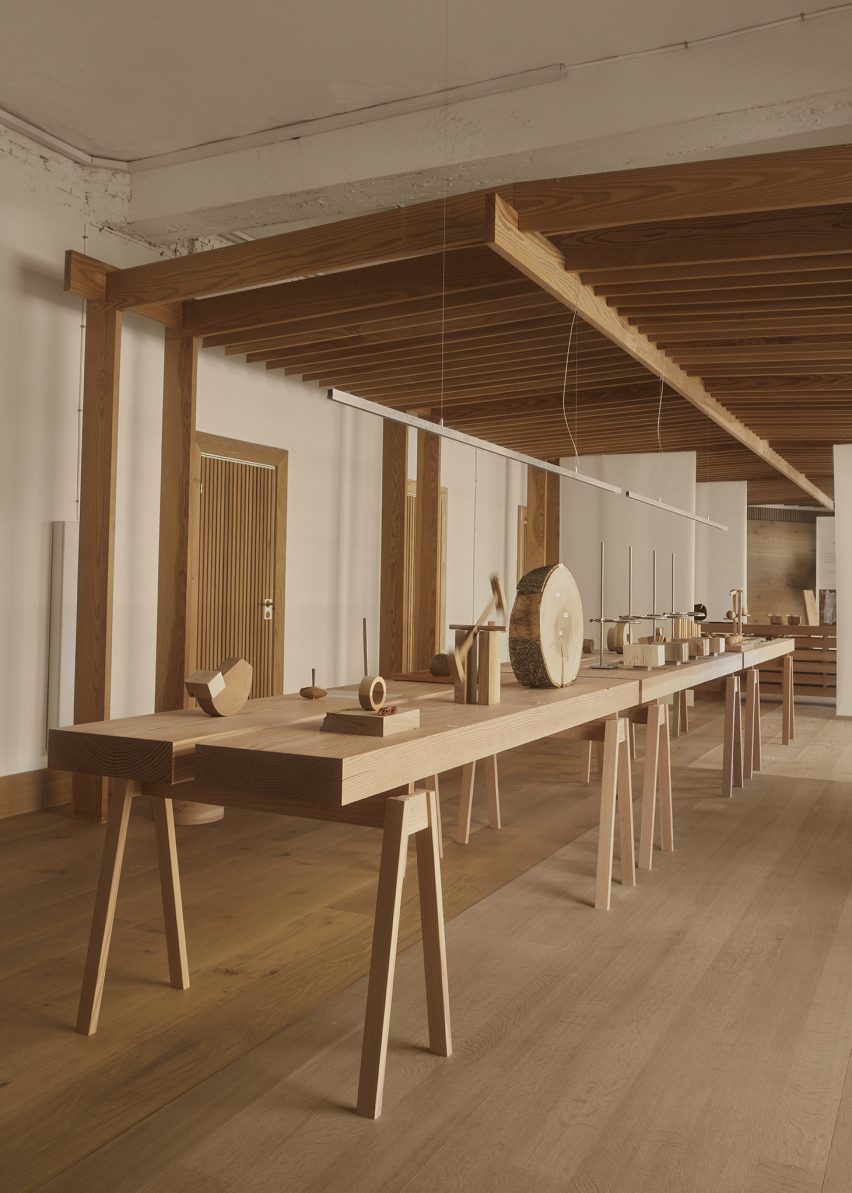
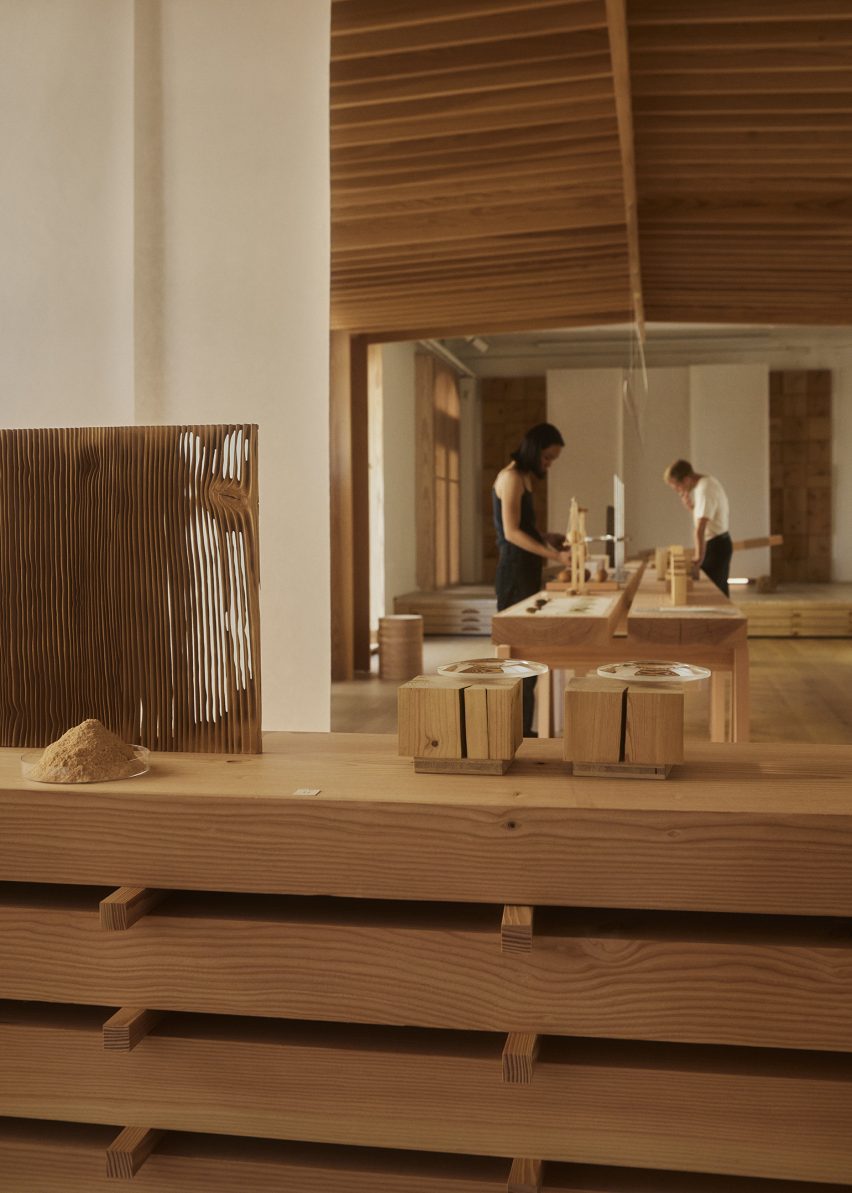
The Weight of Wood installation is located within a large exhibition space at the brand’s showroom in Copenhagen. This was divided into a series of smaller rooms via sheets of textured paper hung vertically from a wooden pavilion.

Photo of an installation at the Weight of Wood exhibition
It takes place at the Dinesen showroom

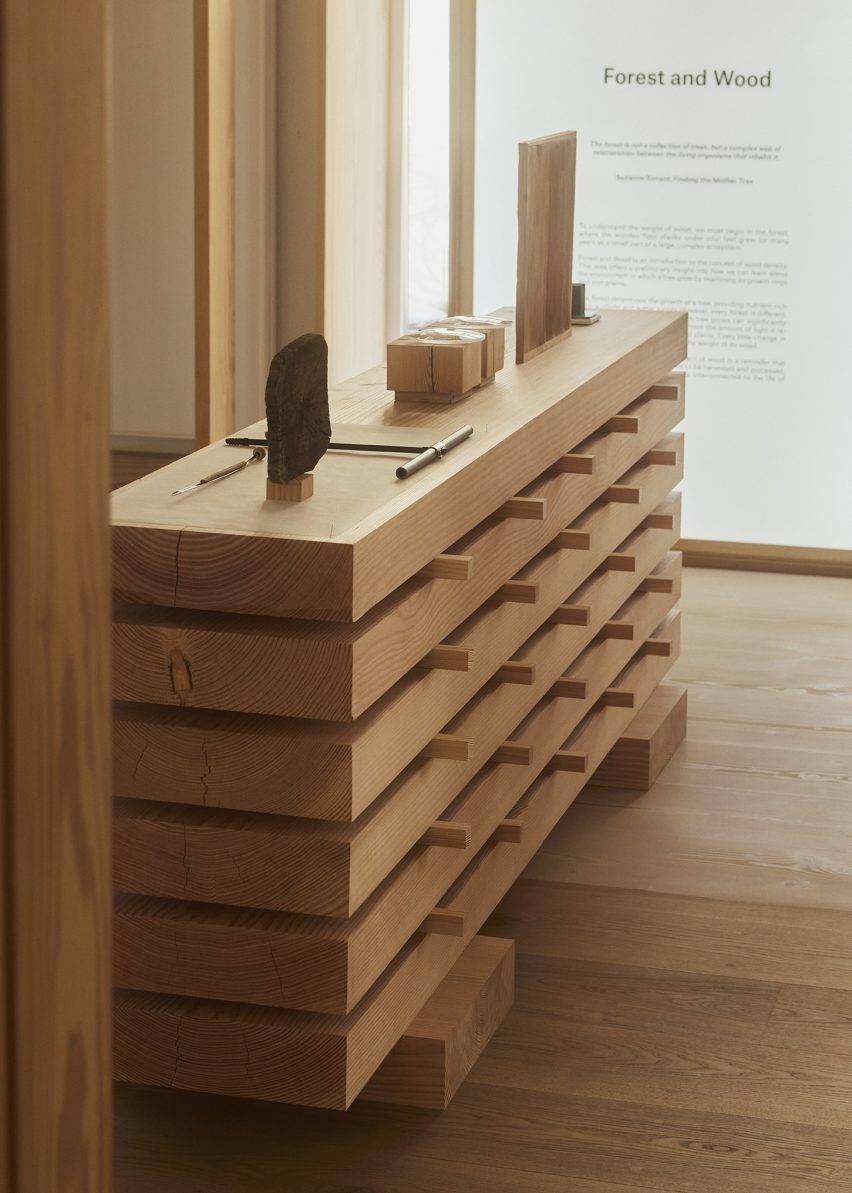
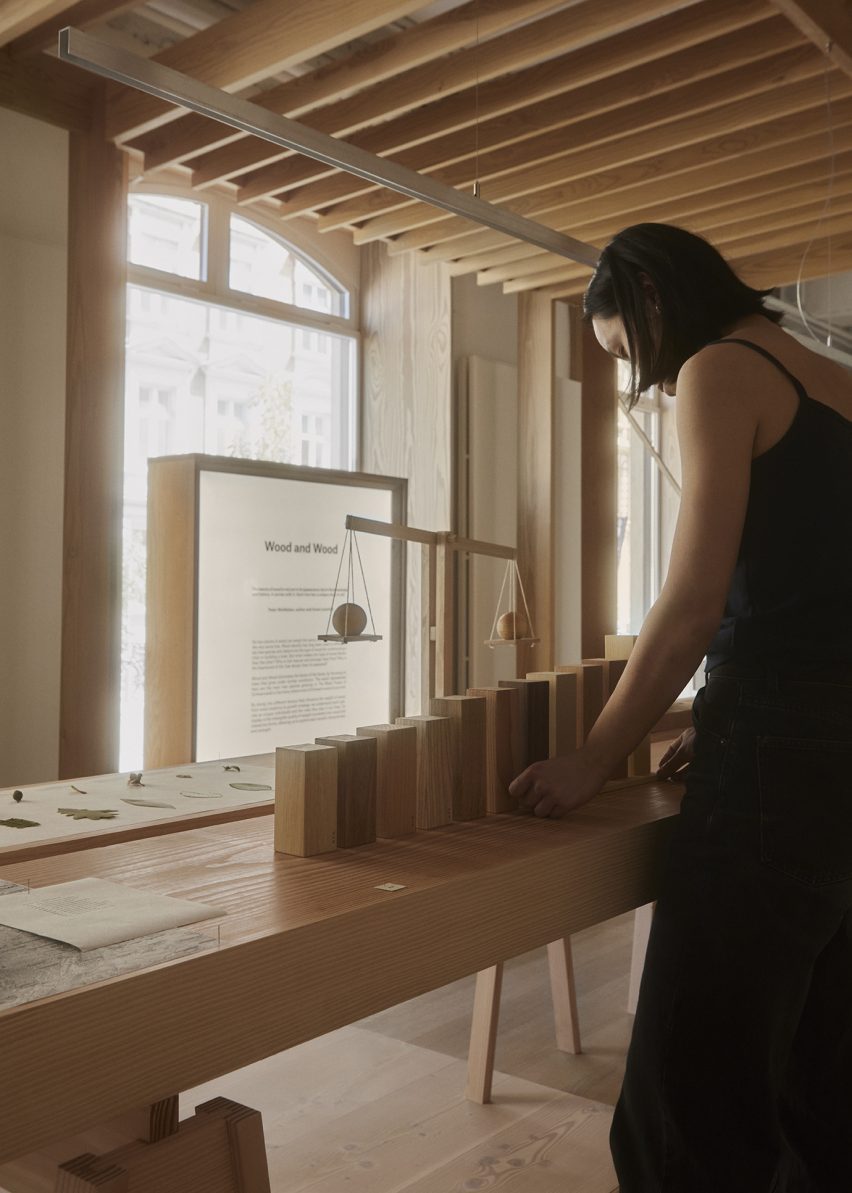
Each of the smaller rooms separates the exhibition into three different parts titled Forest and Wood, Wood and Wood, and Human and Wood.

Throughout the exhibition space, wooden tables hold a number of experiments and interventions completed by Christian + Jade using different types of wood that were harvested by Dinesen.

“We were fascinated by the idea that no two pieces of wood weigh the same, not even if it comes from the same tree trunk,” the studio explained at a preview of the exhibition. “This was really what sparked our interest in this project.”

Photo of Weight of Wood
The exhibition explores the ways in which wood has been commodified

“Through this exhibition, we have tried to work with this idea in various scales,” the studio founders added. “It sort of presents a design methodology, combining different pieces of wood with different densities.”

“What we have created is not only a series of furniture but also a rocking horse, a rocking chair and lots of small experiments that visualise this intangible quality of wood, which is the weight of wood.”

A collection of different-sized cubic wooden volumes were presented in the exhibition, made from 11 different species of wood including beech, cherry, Douglas fir and elm. Each of the pieces of wood weighs 250 grams and conveys the different densities of wood through volume and size.

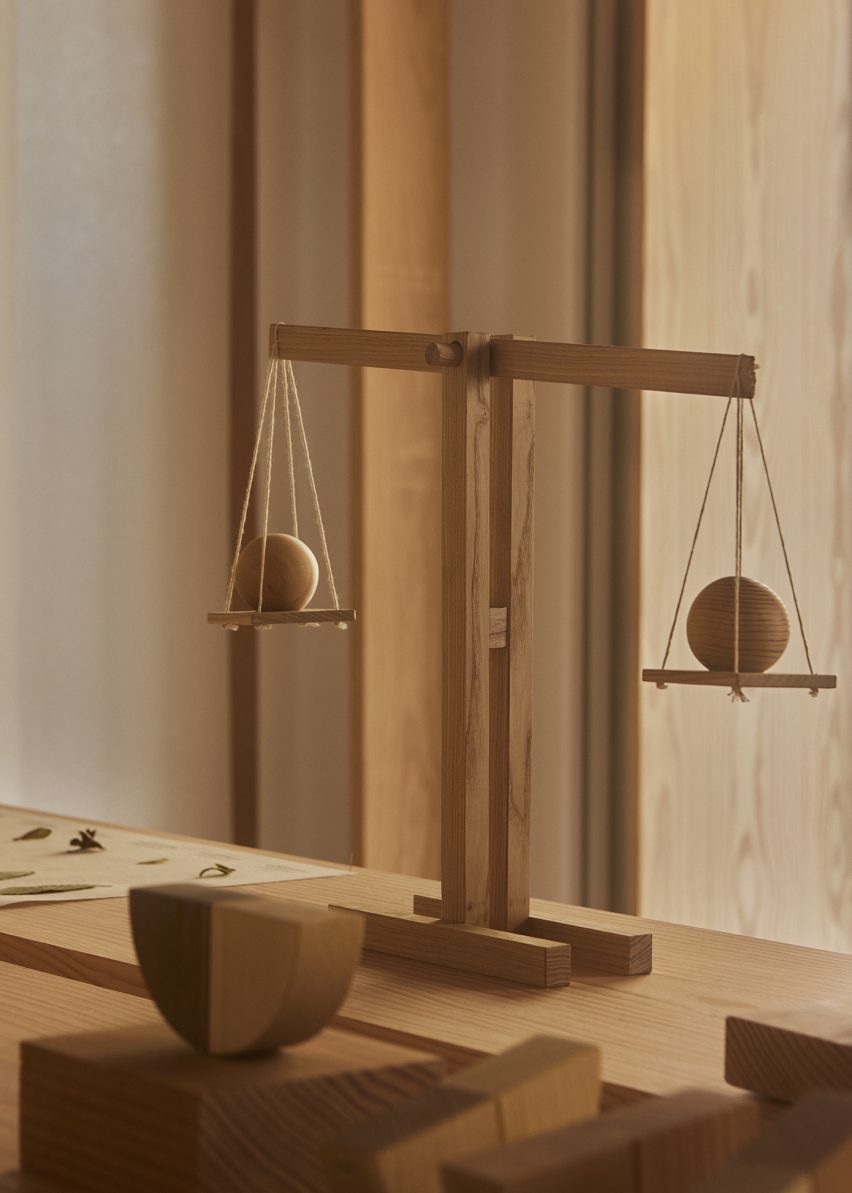
A seesaw placed at the rear of the exhibition space featured a base made from Douglas fir and topped by a seat constructed from equal parts Douglas fir and oak. As a result of oak having a higher density than Douglas fir, the seesaw will always lean towards its oak-constructed side.

Photo of a wooden scale at Weight of Wood exhibition
The designers used Dinesen’s wood for their experiments

“We chose three different furniture archetypes that require weight and balance in their function – the seesaw, the rocking chair and the rocking horse,” Chan said.

“So in designing or reimagining the furniture, we’ve worked with four of Dinesen’s main wood species; that is Douglas fir, oak, pine and ash.”

Photo of the exhibition
The exhibition was divided into three parts

“The seesaw is an example of one of the simple principles that we apply – the pivot point is made using Douglas and the seat is made using oak and Douglas,” Chan added.

The rocking horse was constructed from 87 per cent Douglas fir and 13 per cent ash. Because of its Douglas fir-heavy construction, the horse always tilts towards one side, which provides it with a unique movement.

Photo of the exhibition
The exhibition included a rocking horse, seesaw and rocking chair

Chan concluded the preview of the Weight of Wood exhibition with a poem by H P Dinesen, a relative of the company founders:

“To those who love the tree, those who may be fighting the tree, the one who plants the tree, the one who fells the tree, the poet who praises the tree, and the one who simply settles with enjoying the tree.”

Also at this year’s 3 Days of Design, Nemo Lighting unveiled a light designed by architect Le Corbusier and a lamp by architect Charlotte Perriand and Takt launched a fully disassemblable sofa that can be replaced and recycled.

The photography is by Claus Troelsgaard.

Weight of Wood is on show as part of 3 Days of Design 2023, from 7 June to 9 June 2023. See Dezeen Events Guide for information about the event, plus a list of other architecture and design events taking place around the world.

Reference

Free Webinar Recording: Implementing Zero Waste Strategies into Your Design Practice
CategoriesArchitecture

Free Webinar Recording: Implementing Zero Waste Strategies into Your Design Practice

Do you ever sit back and wonder what happens to your waste? Do you ever ponder the environmental and economic impacts of waste on the planet?

Architizer was thrilled to have Jessica Jenkins, Environmental and Technical Project Specialist at Inpro, speak at the most recent Architizer live event. Hitting us with hard facts, the dos and don’ts and workplace initiatives for waste diversion, Jessica left the audience empowered to take matters into their own hands. Zero waste is attainable within the design industry, and Jessica thoughtfully broke down how to get there.

To reach a wider audience and for those who were unable to attend, the recorded session is available on-demand! Click the button below to watch Jessica Jenkins’ insightful presentation:

Register + Access

Waste is at the forefront of many global sustainable initiatives. Why? Because we all contribute to waste. It is part of our daily lives and, realistically, isn’t going anywhere. Currently, we are running out of space to house our waste. In the US alone, a whopping 292 million tons of trash was generated in a single year. To make room for all this waste, natural habitats have been destroyed, greenhouse gas emissions have risen, and taxes have gone up to offset the costs of running expensive landfills.

Zero waste has been defined as diverting 90% of total waste from landfills.

Thankfully, there are proactive ways to reduce our collective and individual contributions to waste. And such strategies can be implemented into building design. The benefits of designing for zero waste are immense, leading to more sustainable creations, increased property value and safety. Whether a boutique architecture firm or a large manufacturing company, waste diversion is possible within all parts of the design industry. All it takes is a little bit of elbow grease.

For some real-world context, Jessica shared a bit on Inpro’s zero waste journey. By 2025, Inpro aspires to become a zero-waste company. Currently, they have hit an impressive 85% diversion rate, and with only 5% to go, the company is thrilled to offer long-lasting, recycled products to their customers. Sharing a few of Inpro’s key strategies on waste diversion, here are three important factors to consider:
  1. Take ownership: Owning up to your company’s waste streams and processes is a must. It is the first step before implementing waste diversion strategies.
  2. Collect and use data: Striving for zero waste is not a linear process. Examining your company’s current processes through metrics and data is crucial to reaching this goal. Constant reevaluation and reassessment is key.
  3. Convenience is a must: Waste diversion initiatives must be made convenient and straightforward to use.

Looking beyond the workplace and towards the design process itself, Jessica also shared some helpful strategies for zero-waste design.

  1. Clearly communicate: Communicate valuable information (such as recycling guidelines) through legible signage.
  2. Prioritize easy access: Ensure your zero waste strategies (such as designated recycling areas) are accessible and conveniently placed within your building.
  3. Opt for sustainable products: While performance is key to waste diversion, so are the materials used within said processes. Ensure you have durable wall protection and long-lasting materials.

To hear Jessica Jenkins’ complete list of tips for zero-waste design, click the link below.

Register + Access

Striving for zero waste is attainable within all aspects of the architecture and design industry. At first, it may appear like a demanding and unattainable goal. However, in practice, all it takes is a solid waste diversion plan and a continual commitment to the cause.

Top image: The Cradle by HPP Architects, Düsseldorf, Germany

Reference

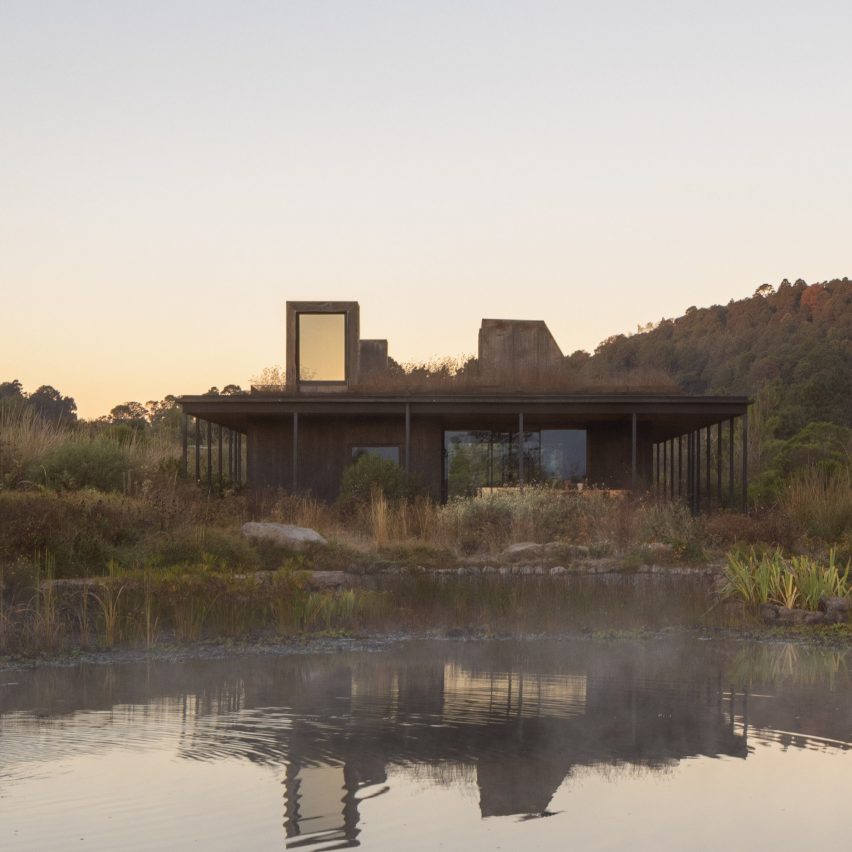
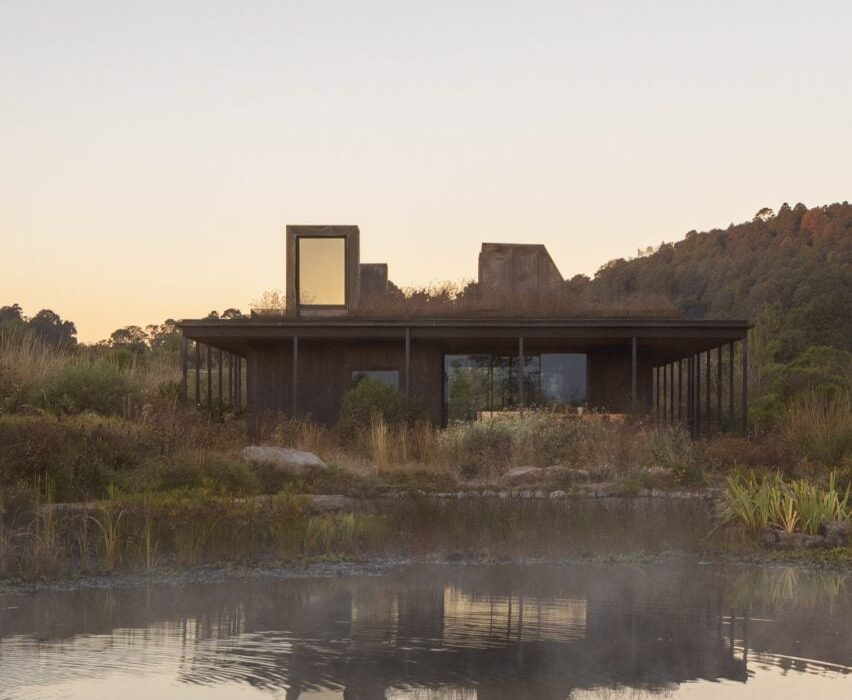
Rain harvesting house at dusk with reflection
CategoriesSustainable News

Water shortage concerns influence design of Rain Harvest Home in Mexico

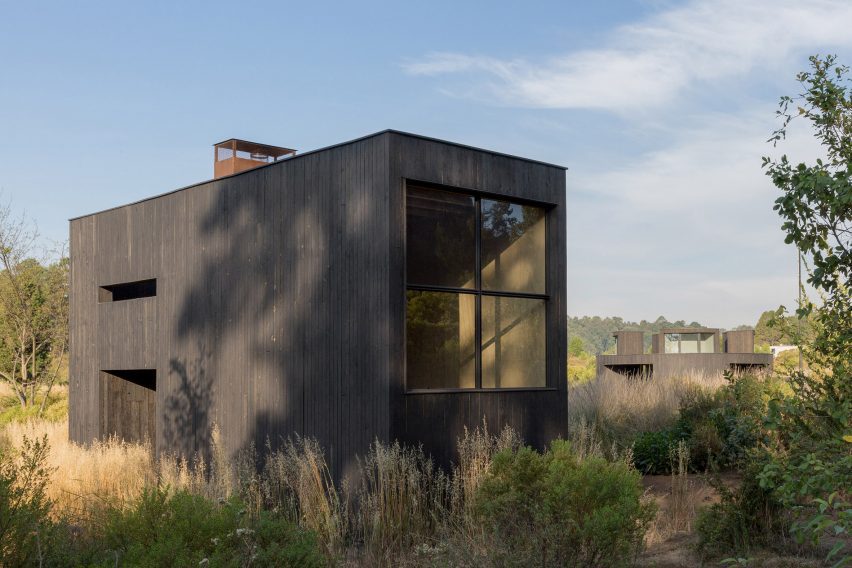
Robert Hutchison Architecture and Javier Sanchez Arquitectos include an extensive system for capturing and reusing stormwater for a family nature retreat in a mountainous region of Mexico.

The Rain Harvest Home, or Casa Cosecha de Lluvia, is located in the rural town of Temascaltepec, which lies about 140 kilometres west of Mexico City.

Rain harvesting house at dusk with reflection
Top: The home is located in the mountains west of Mexico City. The photo is by Jamie Navarro. Above: It is one of three independent structures. The photo is by Rafael Gamo.

The retreat was designed by Seattle’s Robert Hutchison Architecture and Mexico City-based Javier Sanchez Arquitectos (JSa), which have collaborated on projects together in the past. The retreat was designed for JSa’s founder and his family, who plan to make it their permanent residence in the future.

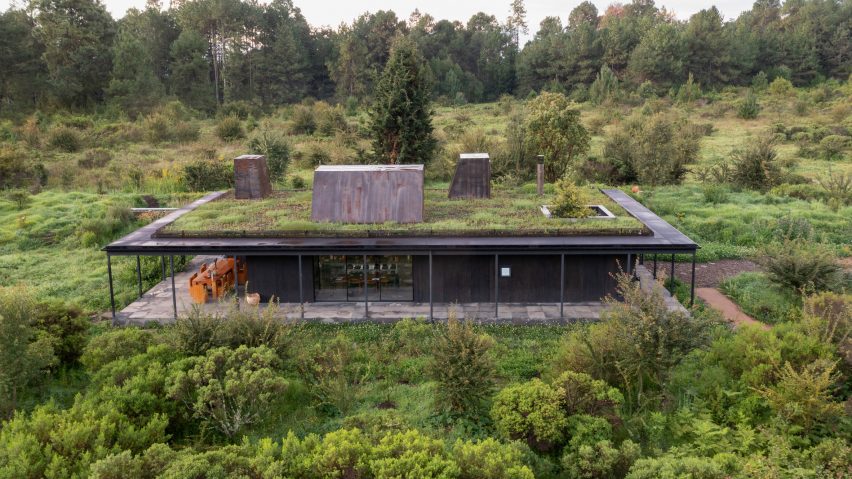
The property consists of three independent structures – a main house, a bathhouse and an art studio.

Rain Harvest Home in Mexico
A main house is included in the complex. Photo is by Jamie Navarro

Landscaping elements include bio-agriculture gardens, an orchard and a network of pathways.

Permaculture principles were used to “establish a holistic, integrated relationship between people and place”, the team said.

Permaculture – a portmanteau of permanent agriculture and permanent culture – is an approach to design and land management that takes cues from natural ecosystems.

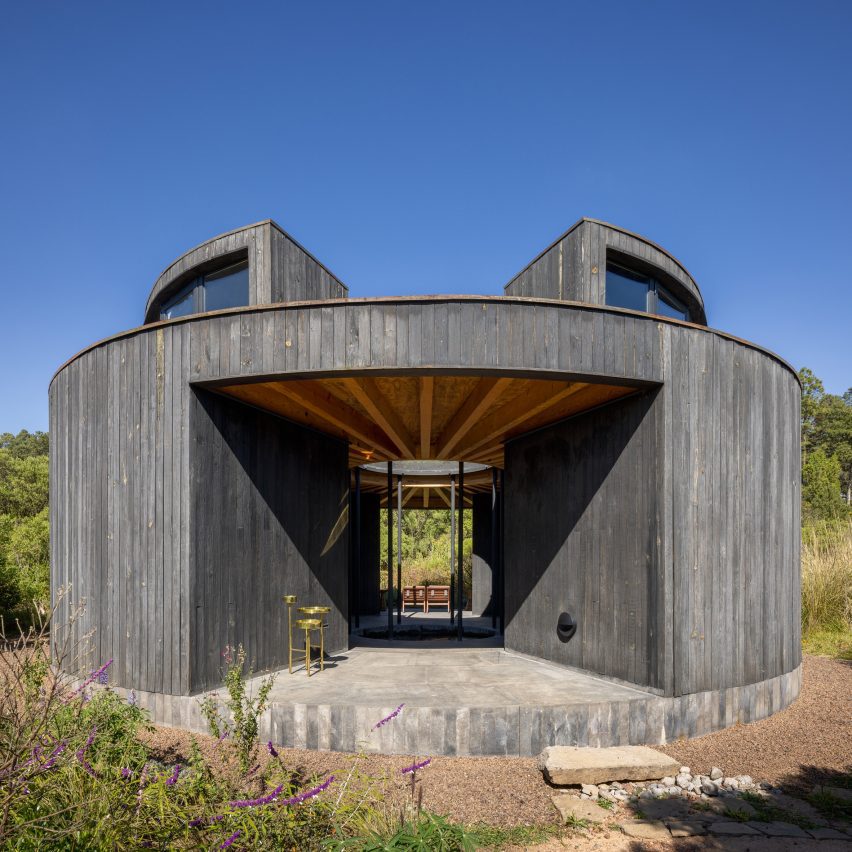
Round bathhouse building at Rain Harvest Home in Mexico
The bathhouse is a round building. Photo is by Rafael Gamo

One of the main goals for the project was to be mindful of resource consumption, particularly water. In turn, all of the structures are designed to capture and reuse rainwater.

The harvesting system meets 100 per cent of the home’s water needs, according to the architects.

Standalone art studio by Robert Hutchinson Architecture and JSa
A standalone art studio also features at the site. Photo is by Laia Rius Solá

“Here, as in the surrounding region of Central Mexico, water has become an increasingly precious resource as temperatures rise and populations increase,” the team said.

The region has a robust rainy season, but rainwater harvesting is uncommon. Instead, water tends to be pumped in from faraway watersheds.

Communal area within main house of Rain Harvest Home by Robert Hutchinson Architecture and JSa
The home features various communal areas. Photo is by César Béjar

“Rain Harvest Home takes a different tack, proposing an integrated approach to designing regeneratively with water,” the team said.

Encompassing 1,200 square feet (111 square metres), the main house was envisioned as a pavilion for year-round use and features a large amount of covered outdoor space, with views of the landscape on all sides of the building.

Open-plan kitchen of Rain Harvest Home
The residence includes an open-plan kitchen. Photo is by Rafael Gamo

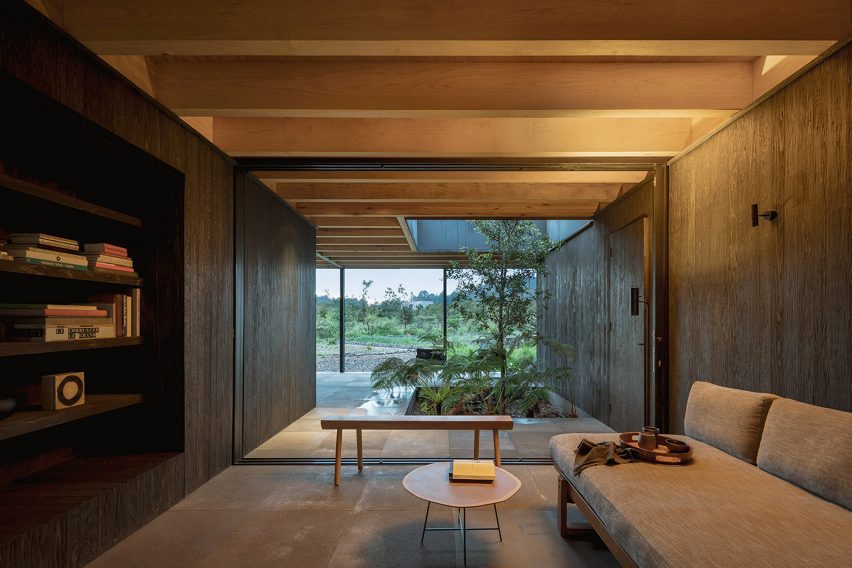
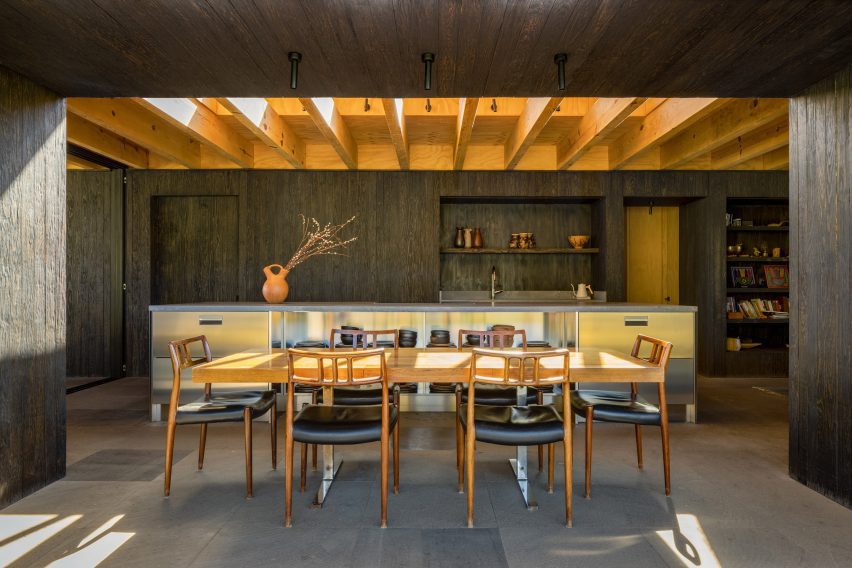
The home’s communal area consists of an open living room, dining area and kitchen. The private zones hold two bedrooms, a den, a small bathroom, a powder room and a storage/laundry space.

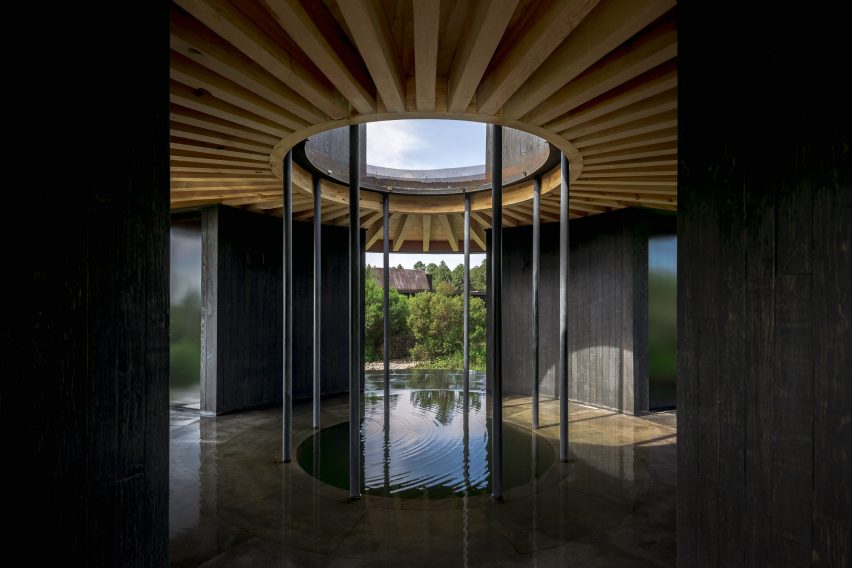
Nearby, the team placed the bathhouse, which totals 172 square feet (16 square metres). The building is designed to offer “a poetic dialogue with the experiential qualities of water”.

Central pool with four surrounding chambers at bathhouse
Circular in plan, the bathhouse has four chambers that surround a central pool. Photo is by César Béjar

Circular in plan, the bathhouse has four chambers that surround a central cold-plunge pool that is open to the sky. The chambers contain a hot bath, sauna, steam shower and washroom.

The final structure is the 206-square-foot (19-square-metre) art studio. The rectangular building has a main level and an “outdoor skyroom”.

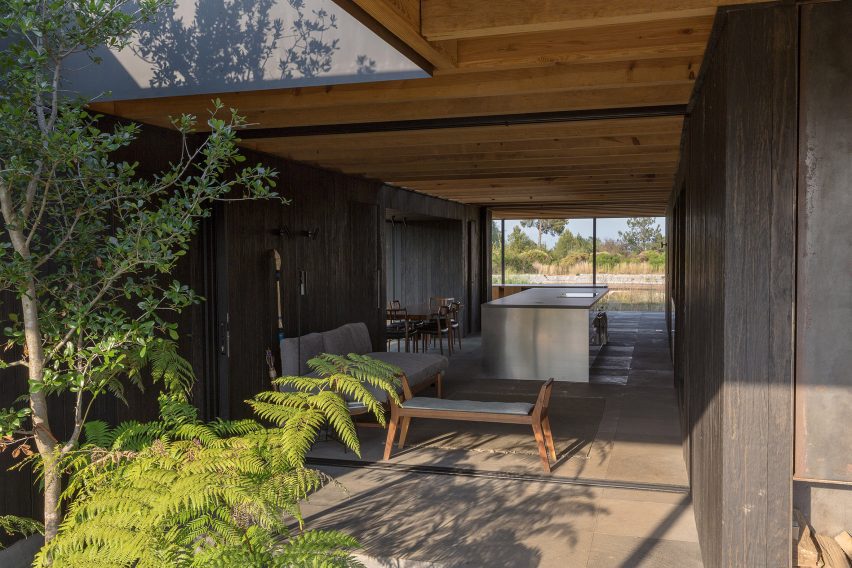
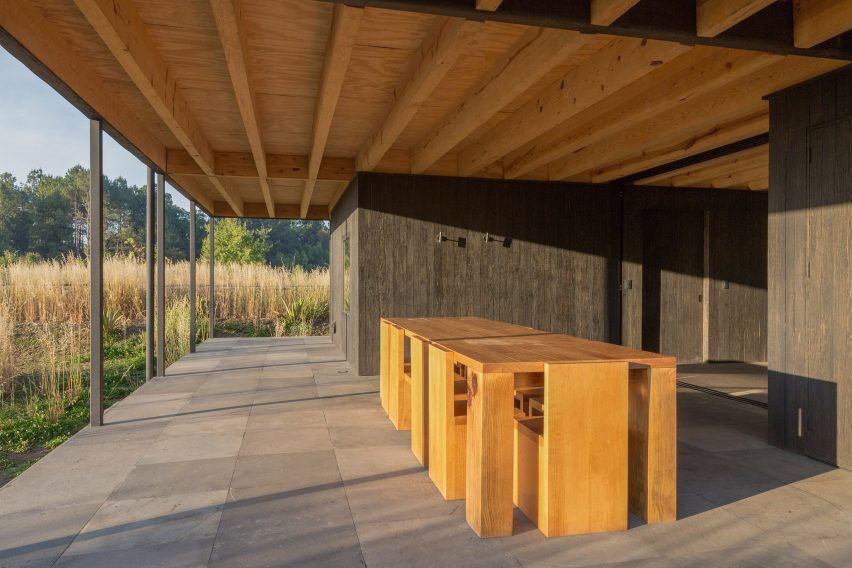
All three buildings have wood framing and black-stained pine cladding. Concrete-slab foundations are topped with pavers made of recinto volcanic stone. Roofs are covered with vegetation.

In the main residence, slender steel columns support deep roof overhangs. Rising up from the roof are protruding light monitors sheathed with unfinished steel plates, which will develop a patina over time.

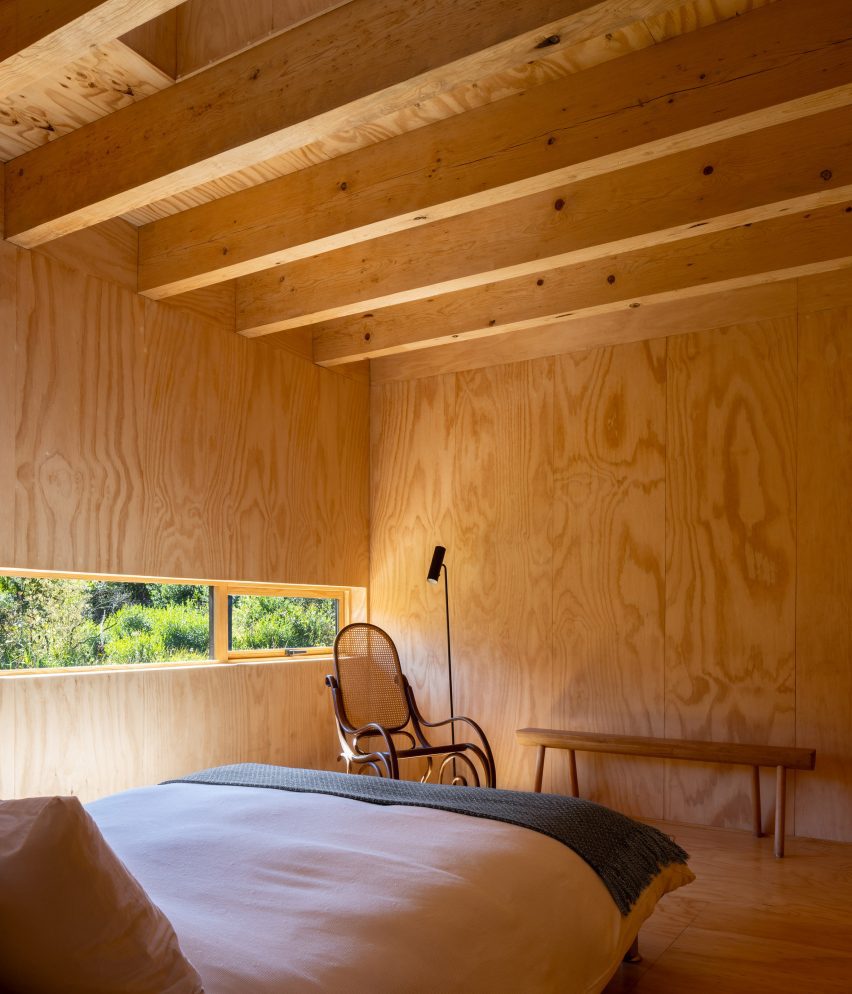
Plywood finishes within main home
Interior finishes include plywood made of Southern yellow pine. Photo is by Rafael Gamo

Interior finishes include recinto stone and plywood made of Southern yellow pine.

All three buildings have strategies in place to capture rainwater. Moreover, bioswales in the landscape help direct water to the property’s above- and below-ground reservoir system, where water is stored and purified.

Kitchen clad with stone and wood
Recinto stone was used for the flooring in some places. Photo is by Laia Rius Solá

“The on-site water treatment system is completely self-contained and primarily gravity-fed, containing five cisterns that provide potable and treated water,” the team said.

“A chemical-free, blackwater treatment system treats all wastewater on-site, returning it to the site’s water cycle as greywater for use in toilets, and to irrigate the on-site orchard,” the team added.

In addition to water conservation, the architects were also mindful of energy production. A 10-kW photovoltaic array generates electricity for all three buildings.

Overall, the home is meant to be a model for how to integrate water conservation into home design.

Timber elements at Rain Harvest Home
The home is meant to be a model for how to integrate water conservation into home design. Photo is by Laia Rius Solá

“It stands as a testament to the potential of rainwater harvesting for off-grid, self-contained water systems that eliminate reliance on municipal water sources,” the team said.

“At the same time, the element of water contributes to the overall spatial and experiential quality of the project, reconnecting people with their environment by engaging the senses.”

Other rural homes in Mexico include a house with a cruciform-shaped plan and hefty stone walls by HW Studio Arquitectos, and a brutalist-style, concrete house in a pine forest that was designed by architect Ludwig Godefroy.

The photography is by Jaime Navarro, Rafael Gamo, Laia Rius Solá and César Béjar.


Project credits:

Architects: Robert Hutchison Architecture and JSa
Project team: Robert Hutchison, Javier Sanchez, Sean Morgan, Berenice Solis
Structural engineer: Bykonen Carter Quinn
Mechanical engineer: TAF Alejandro Filloy
General contractor: Mic Mac Estructuras
Landscape architect: Helene Carlo
Wood construction and fabrication: MicMac Estructuras (Johan Guerrero)
Steel construction and fabrication: Rhometal Roberto Chavez
Water systems consultant: Miguel Nieto
Solar systems consultant: Teoatonalli (Oscar Matus)
Kitchen consultant: Piacere Charly Trujillo


Reference

Colourful garments on display at the Design Museum in London
CategoriesInterior Design

The Offbeat Sari exhibition opens today at London’s Design Museum

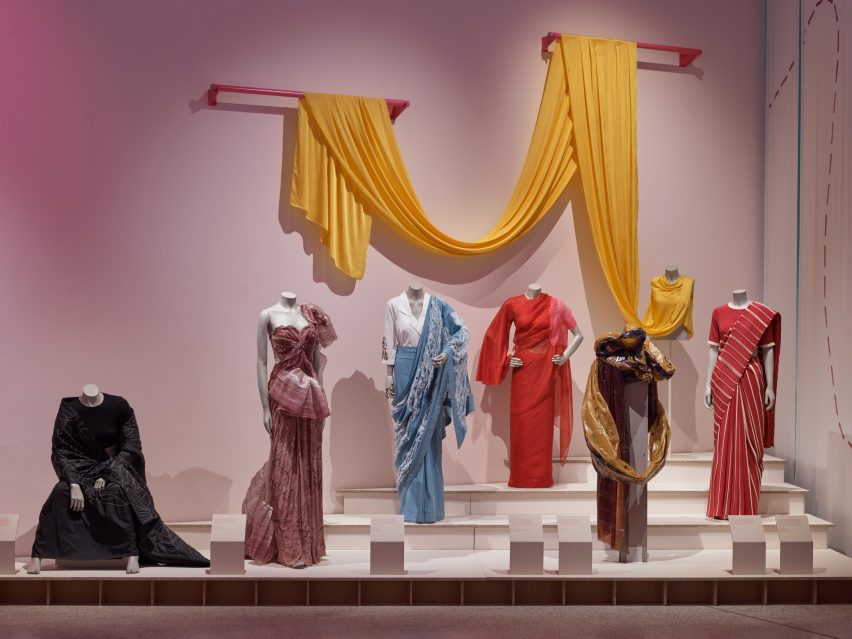
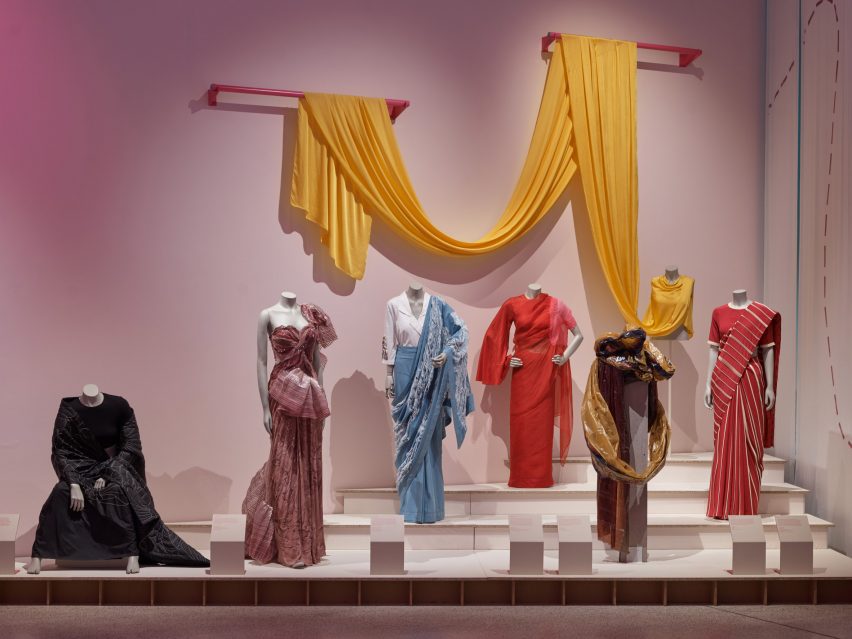
The first sari to be worn at the Met Gala and sequins made from discarded X-ray film sourced from hospitals feature in the Offbeat Sari exhibition, which showcases around 60 contemporary saris at London’s Design Museum.

The Offbeat Sari is the first UK exhibition to explore the contemporary sari, according to the Design Museum. The show opens today in a cavernous space within the museum’s subterranean gallery, illuminated by thin neon pendant lights.

Hailing from India and wider South Asia, a sari is traditionally thought of as an unstitched drape wrapped around the body from shoulder to waist.

Colourful garments on display at the Design Museum in London
The Offbeat Sari opens today at London’s Design Museum

In recent years, designers have been reinventing the 5,000-year-old garment to serve young people’s growing interest in the sari, which has led to its revival, according to Design Museum head of curatorial Priya Khanchandani.

“Women in cities who previously associated the sari with dressing up are transforming it into fresh, radical, everyday clothing that empowers them to express who they are, while designers are experimenting with its materiality by drawing on unbounded creativity,” said the curator.

First sari worn to the Met Gala
The first sari worn to the Met Gala features in the exhibition

Split into various themes such as identity and resistance, the exhibition presents around 60 contemporary saris created by a range of established and emerging designers.

Among the garments is the first sari to be worn at New York’s Met Gala in response to the annual ball’s 2022 theme, Gilded Glamour.

Embellished with semi-precious stones, the tulle Sabyasachi-designed sari worn by Natasha Poonawalla features a statement train and was paired with a gold Schiaparelli bodice with protruding, orbit-shaped elements.

A sari embellished with sequins made from recycled X-ray film
Fashion brand Abraham & Thakore created sequins from recycled X-ray film

Another navy blue sari by Abraham & Thakore is characterised by delicate sequins that were made using discarded X-ray film salvaged from hospitals – a design that aims to address the issue of sustainability within the fashion industry.

Also on display is a purple georgette silk sari embroidered with shimmering acrylics, sequins and crystals. Founder of the #DeGenderFashion movement, author and comedian Alok previously wore the garment to highlight their belief that saris can be worn by anyone, regardless of gender identity.

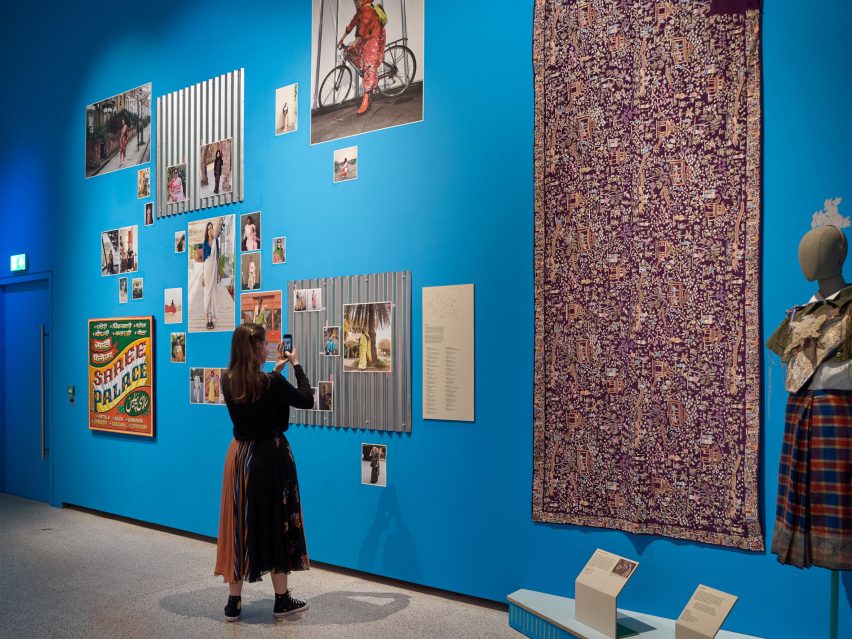
Blue wall with photographs of women wearing saris
Photographs showing different ways of wearing saris are pasted across a blue wall

Contrasting textiles such as distressed denim and woven stainless steel make up other saris in the exhibition, highlighting the garment’s versatile evolution.

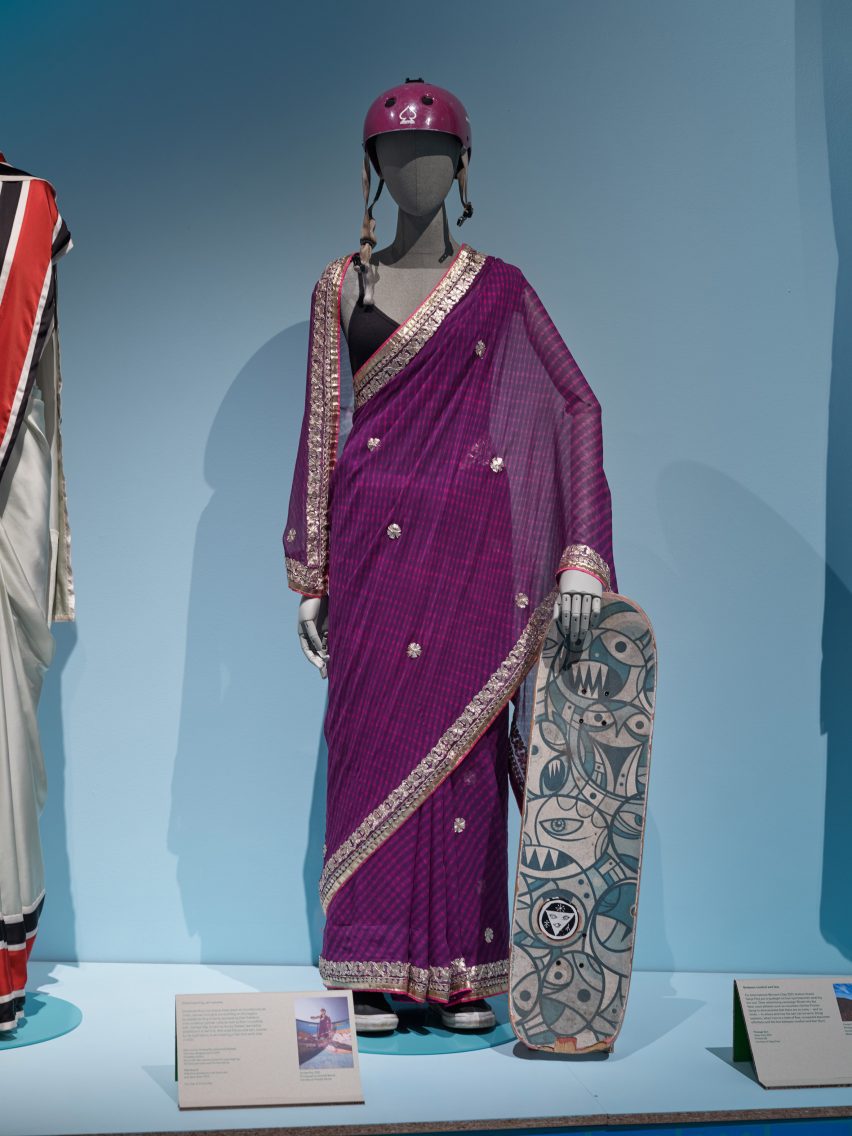
Within the show’s “movement” section are a number of saris worn by young people while engaging in sports. These include a garment adorned with cherry blossom motifs that was donned during a cricket match as well as a polyester chiffon sari, which is among the outfits worn by a group of women who have begun to skateboard in saris – a growing trend, according to the museum.

A mannequin in a colourful outfit holding a skateboard
Sari wearers are increasingly wearing the garments to engage in sports, especially skateboarding

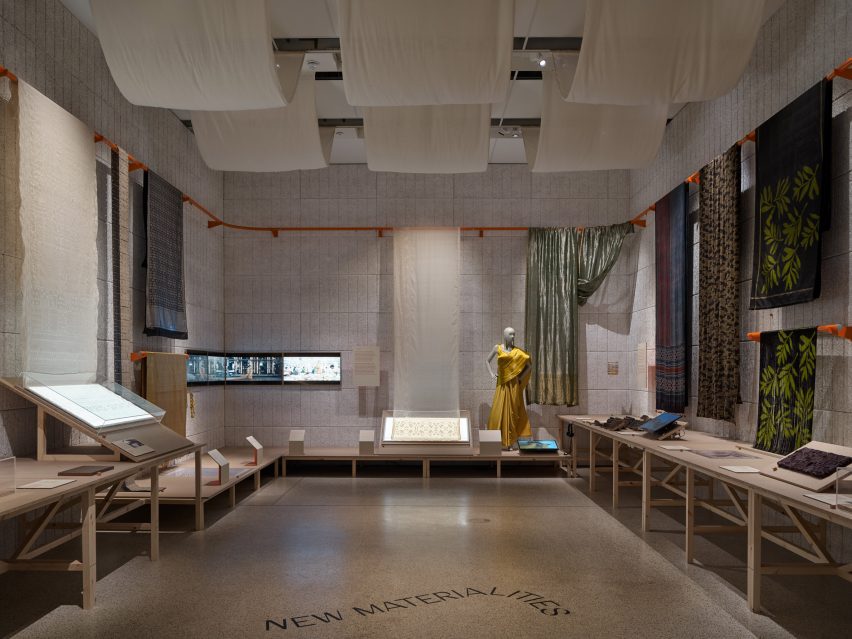
There is also an area dedicated to the craftsmanship involved in sari-making that explores how its history has transformed over the 21st century.

“The sari is experiencing what is conceivably its most rapid reinvention in its history. It makes the sari movement one of today’s most important global fashion stories, yet little is known of its true nature beyond South Asia,” explained Khanchandani.

“For me and for so many others, the sari is of personal and cultural significance,” reflected the curator.

“But it is also a rich, dynamic canvas for innovation, encapsulating the vitality and eclecticism of Indian culture.”

The
There is also an area dedicated to materials and craftsmanship

Chinese artist Ai Weiwei’s first design-focussed exhibition is another show that is currently on display at the Design Museum until late July. In other recent fashion news, designer Rick Owens has released a collection of wearable helmets that double as fluorescent floor lamps.

The photography is by Andy Stagg

The Offbeat Sari is on display at London’s Design Museum from 19 May to 17 September 2023. See Dezeen Events Guide for an up-to-date list of architecture and design events taking place around the world.


Project credits:

Curator: Priya Khanchandani
Associate curator:
Rashmi Varma
3D design:
Studio Mutt
2D design: 
Stuthi Ramesh


Reference

View inside ICHI Station restaurant
CategoriesInterior Design

Space tourism informs design of Ichi Station sushi restaurant in Milan

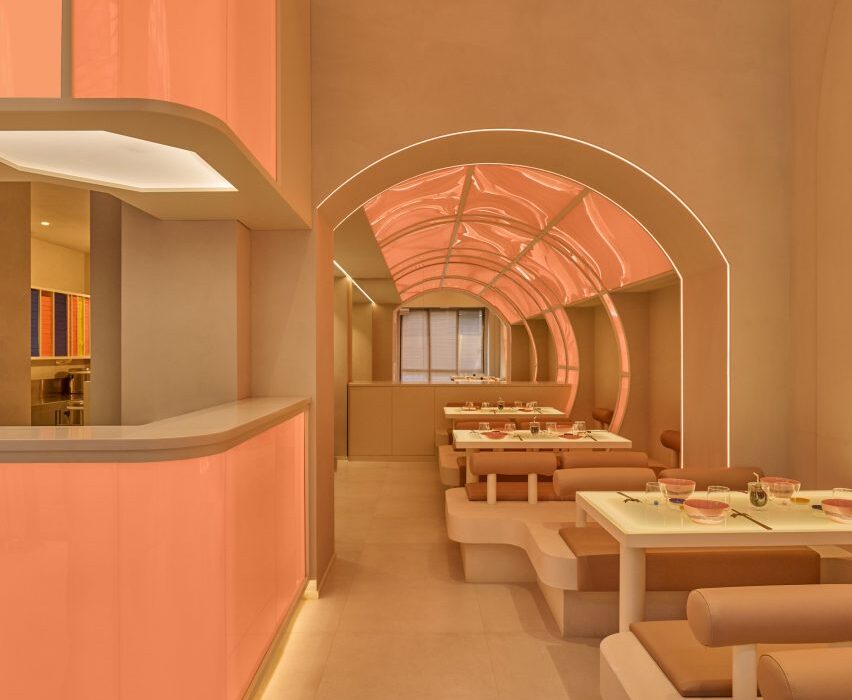
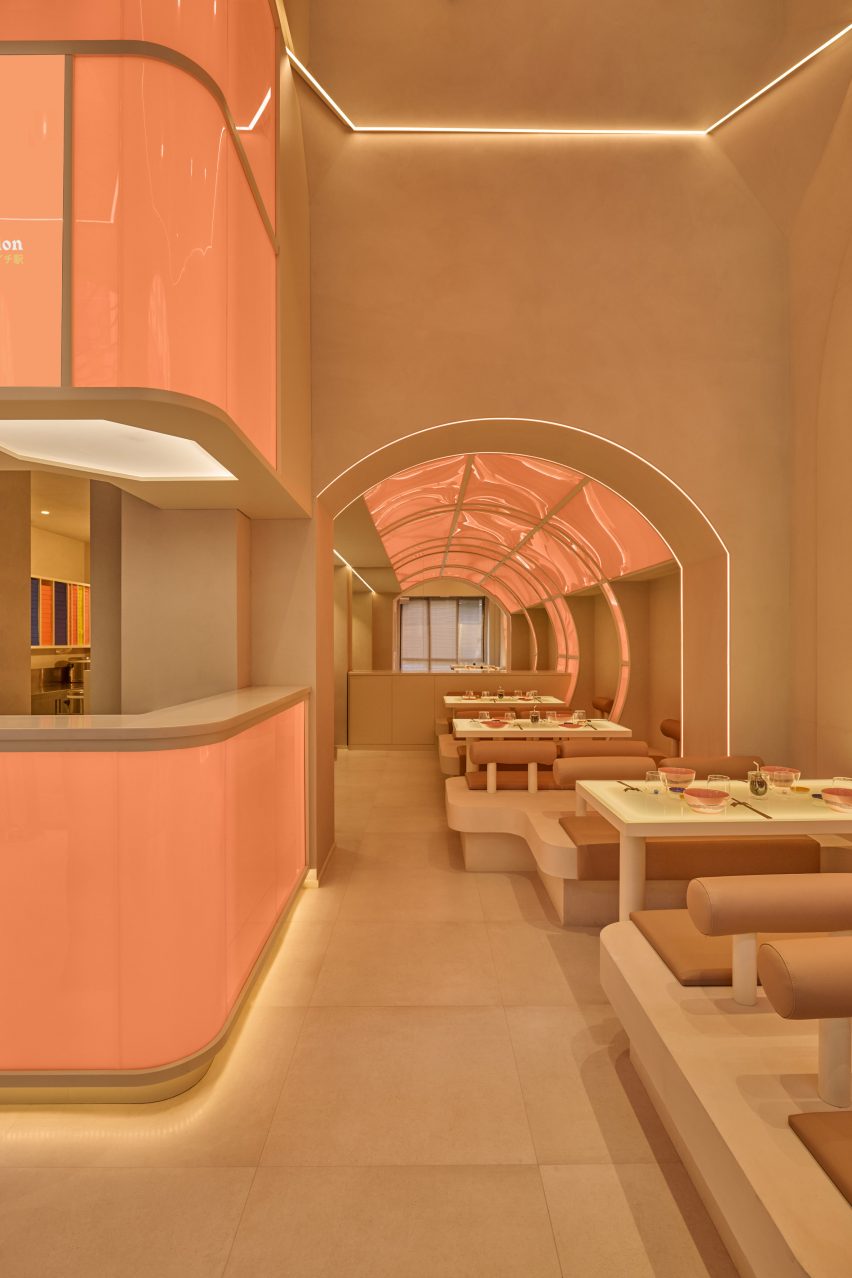
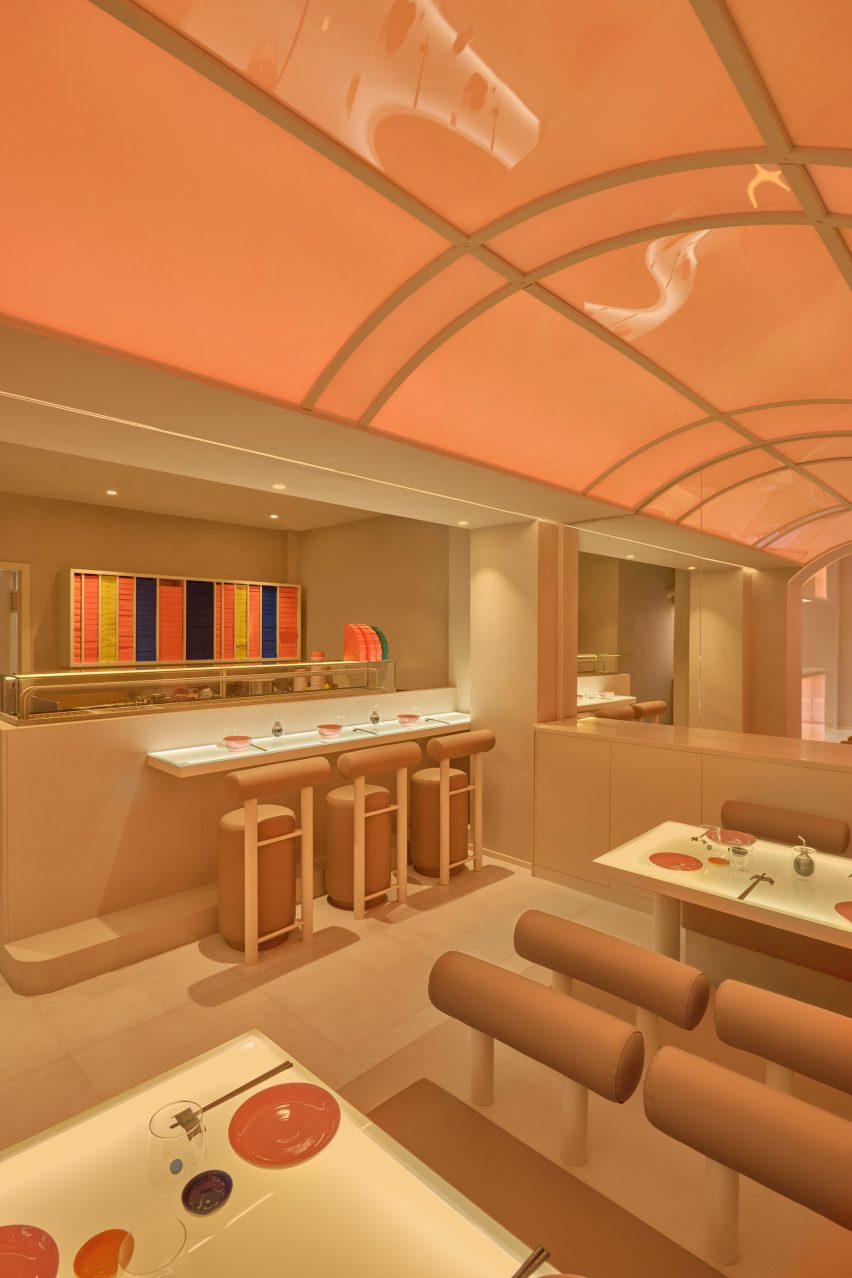
Valencian design studio Masquespacio has completed a dine-in restaurant for takeaway sushi chain Ichi Station in Milan, with interiors designed to resemble a futuristic spaceship.

Set in a historic building in the Brera district, the chain’s latest outpost builds on the same travel and transport concept established across its other outlets – including eight in Milan and another in Turin.

View inside ICHI Station restaurant
Masquespacio has designed Ichi Station’s Brera outpost

But Masquespacio wanted to take this idea to the next level for the new restaurant by drawing on the visual language of sci-fi and space tourism.

“We proposed approaching the travel concept as a trip to the future,” said Masquespacio co-founder Christophe Penasse.

“When you enter Ichi, it’s like entering a capsule-like spaceship travelling through light, where you will disconnect from reality in order to get in touch with the food.”

Takeaway counter of sushi restaurant in Milan by Masquespacio
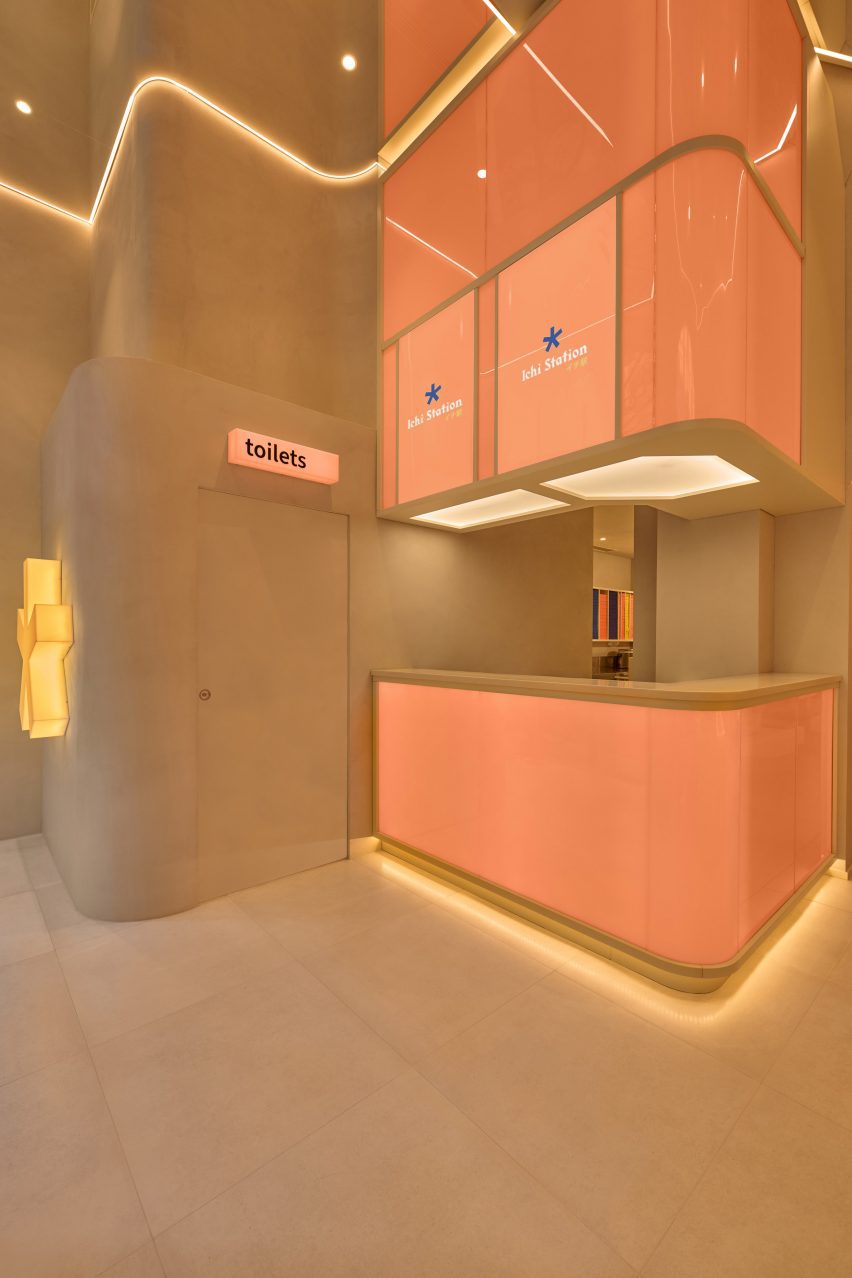
Customers can pick up orders at the takeaway counter

Masquespacio completely redeveloped the layout of the 80-square-metre site – previously another restaurant – creating a central dining area along with a tunnel where diners can observe some of the sushi-making process.

A pick-up bar close to the entrance was added to separate the circulation routes of take-away customers and diners.

Dining area of ICHI Station restaurant in Brera
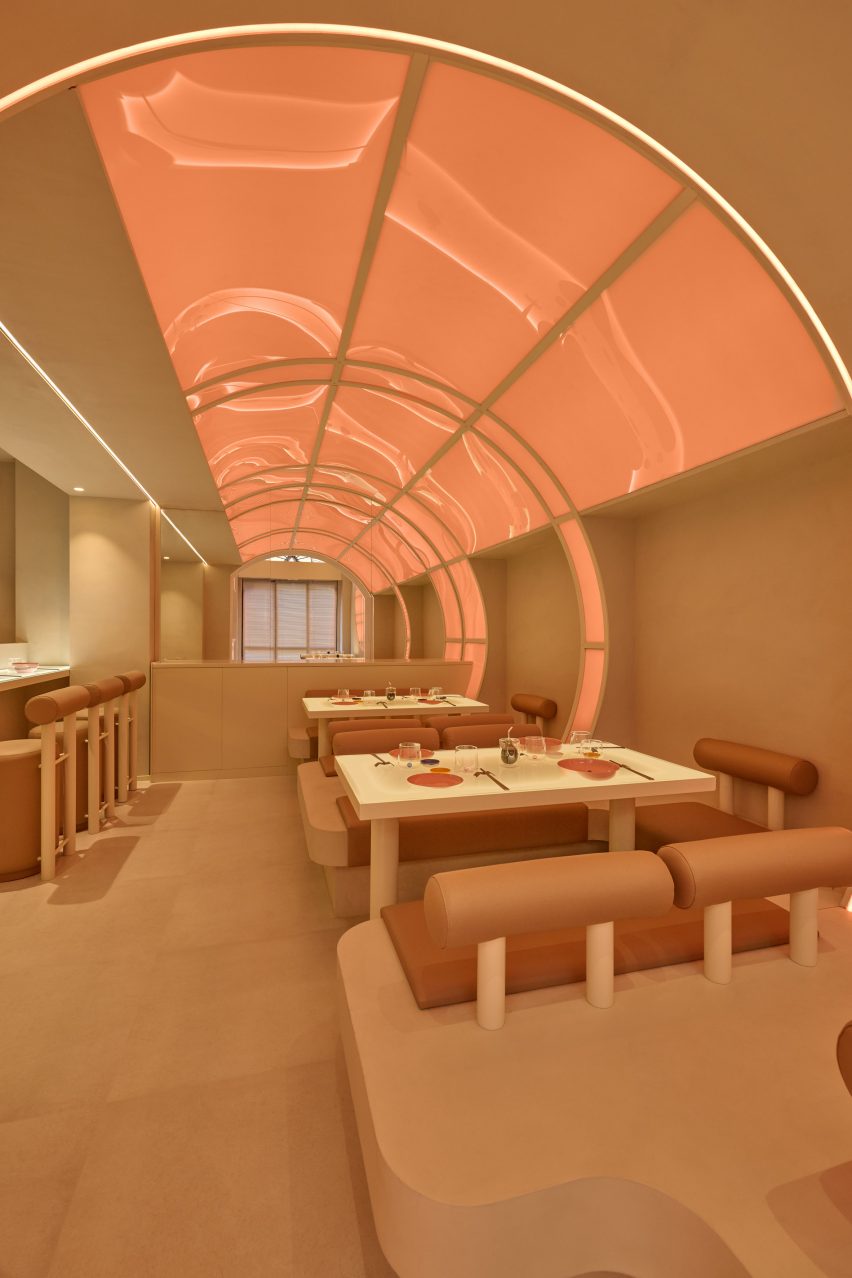
The dining area is housed in a cylindrical tunnel

The tunnel motif was developed as a way to express the idea of travel and make a reference to Japan without falling into cliches.

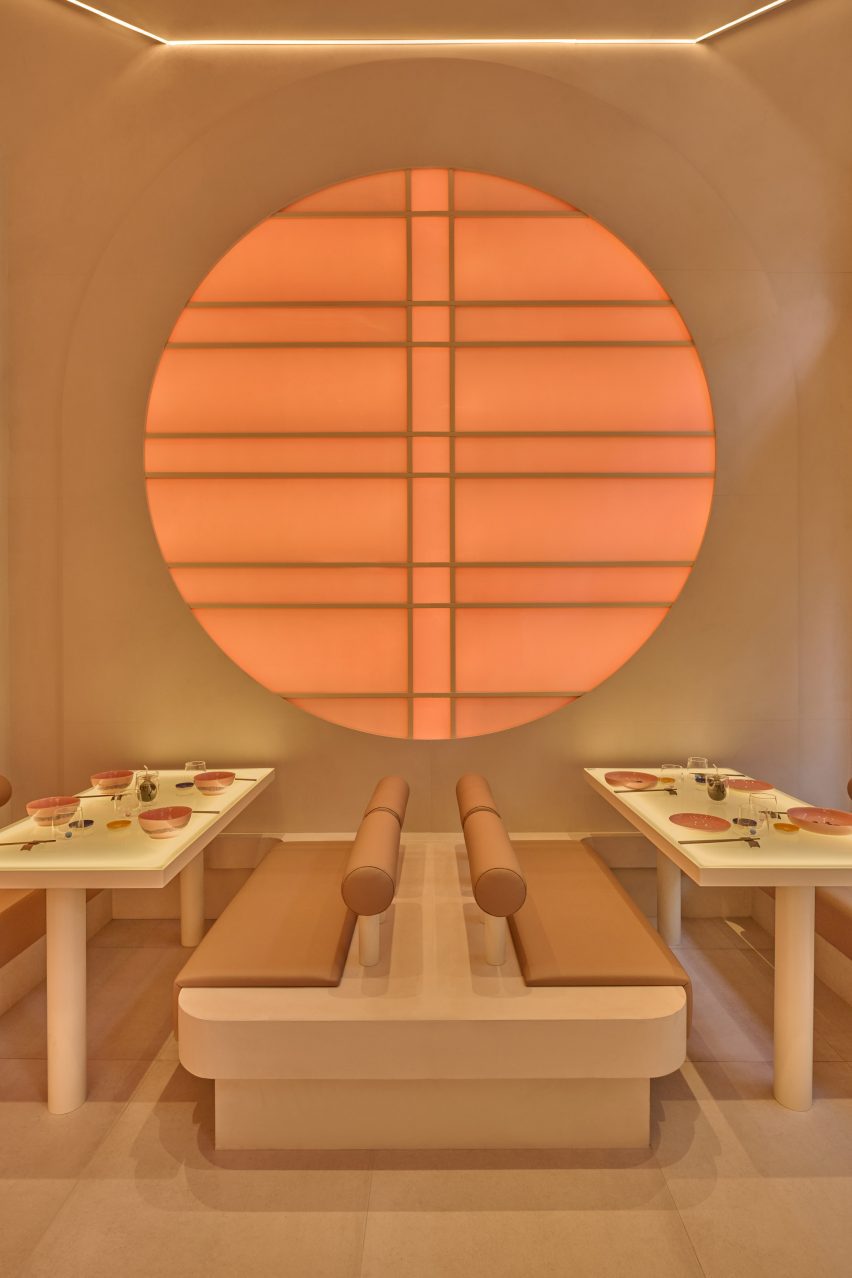
“Some elements were incorporated to remind the customer of Japan, like the huge lighting circles, although we tried to avoid making typical references to Japan such as using wooden structures,” Penasse explained.

The tunnel motif also informed the circular and cylindrical details that pop up throughout the space across seat backs, bar stools and decorative elements such as the circular feature light in the main dining area.

“The shapes and forms give the project the futuristic look that it needed,” the designer said.

Counter seating in Milan restaurant by Masquespacio
Diners can also watch sushi being prepared at the counter

Masquespacio opted for a simple and restrained material palette that includes glass and micro-cement, which was used along with fully integrated tables and seating to create a seamless look reminiscent of a spaceship.

The restaurant’s custom-made furniture brings in another reference to transport design tropes. “You can recognise it as a reinterpretation of the seating in a station and especially on a train,” Penasse explained.

Dining booths in ICHI Station restaurant
LED light panels are integrated into the walls, ceilings and table tops

The interior is finished in neutral shades of beige and off-white but is cast in different vivid colours thanks to the LED lighting system that is integrated into the walls, ceilings and even the table tops.

The lights alternate between shades of blue, green, purple and peach at variable speeds and, according to Penasse, create a veritable “explosion of colour”.

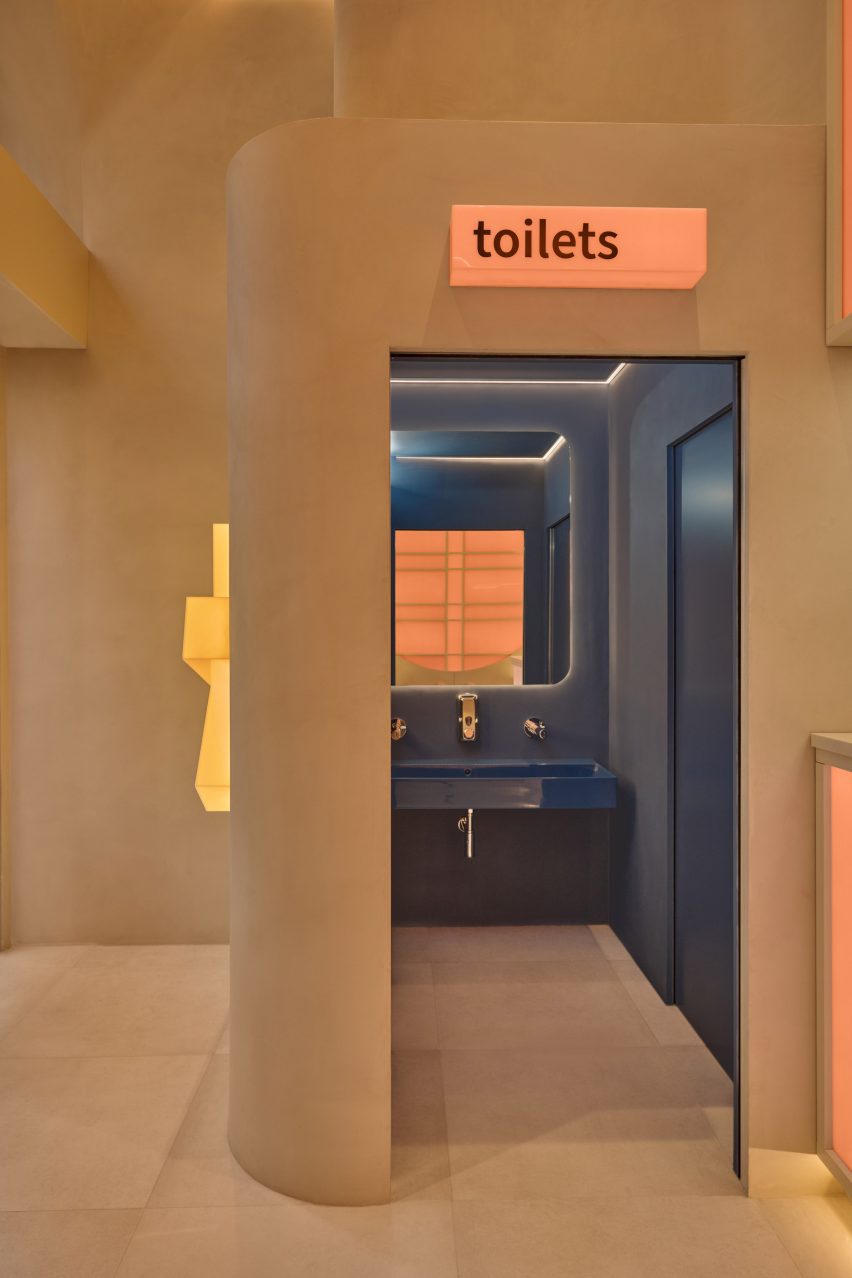
Toilets of restaurant in Milan by Masquespacio
The toilets are finished in contrasting navy blue

Although based in Spain, Masquespacio has completed a number of projects in Italy in recent years.

Among them are two colour-block restaurants for fast-food chain Bun – a blue-and-green interior in Turin and a green-and-purple version in Milan.

The photography is by Luis Beltran.

Reference